How Many Days in Málaga? 1, 2, 3 or 4 Nights
Two full days covers Málaga's old town, Alcazaba and a beach lunch. Add a third for Nerja, the Caminito del Rey, or Ronda with Setenil.
On this page
Two full days is the right amount for most first visits to Málaga. That gives you the Alcazaba, the Roman theatre below it, the cathedral and a lunch by the sea without rushing, and it leaves the evening free for the old town around Plaza de la Constitución. Three days only makes sense if you want one proper day trip out of the city.
The city itself is compact and easy to walk, so extra nights do not buy you much more sightseeing inside Málaga. What they buy is hinterland: the Axarquía villages east of the city, the Caminito del Rey walkway in the Guadalhorce valley, or Ronda and Setenil de las Bodegas inland. Choose the number of nights by which of those you want, not by how many monuments are left on a list.
What one day in Málaga looks like
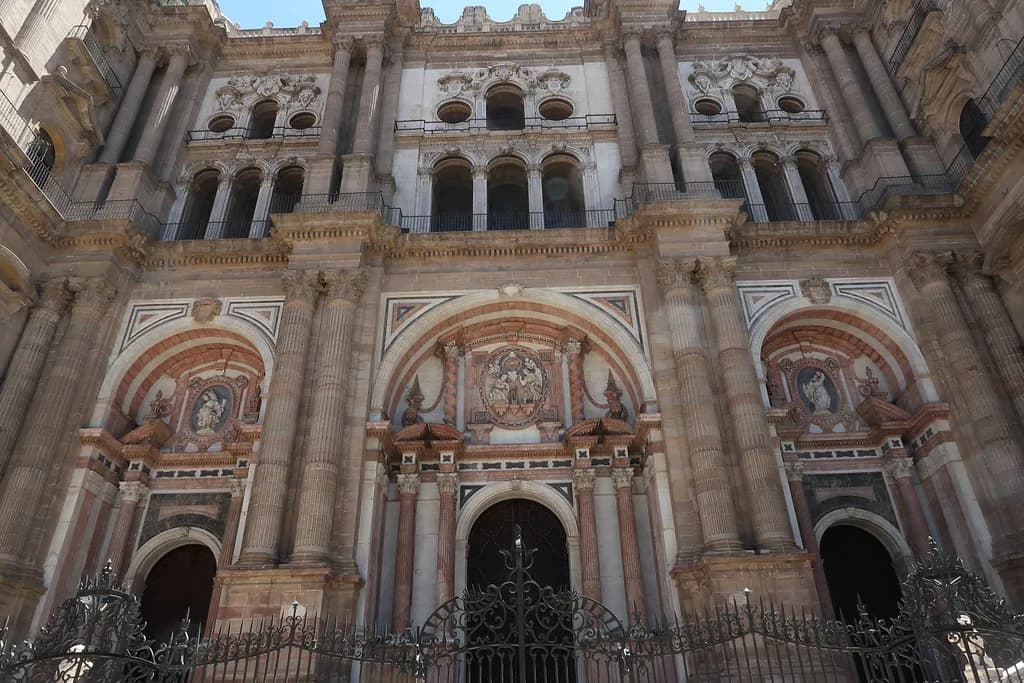
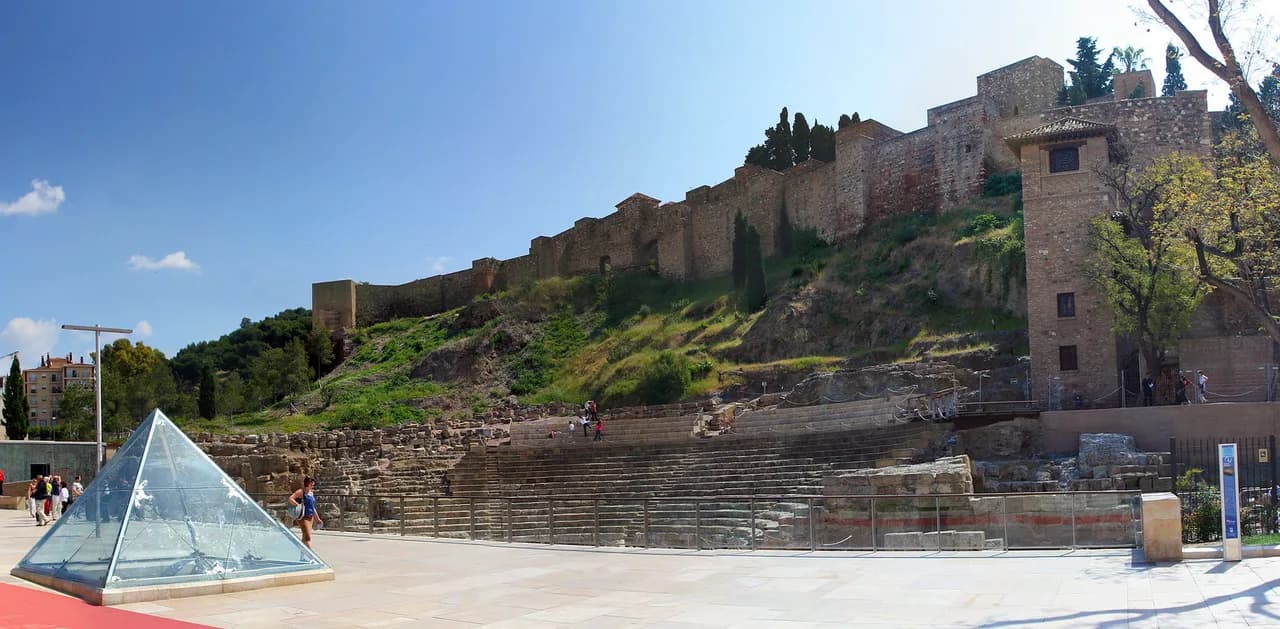
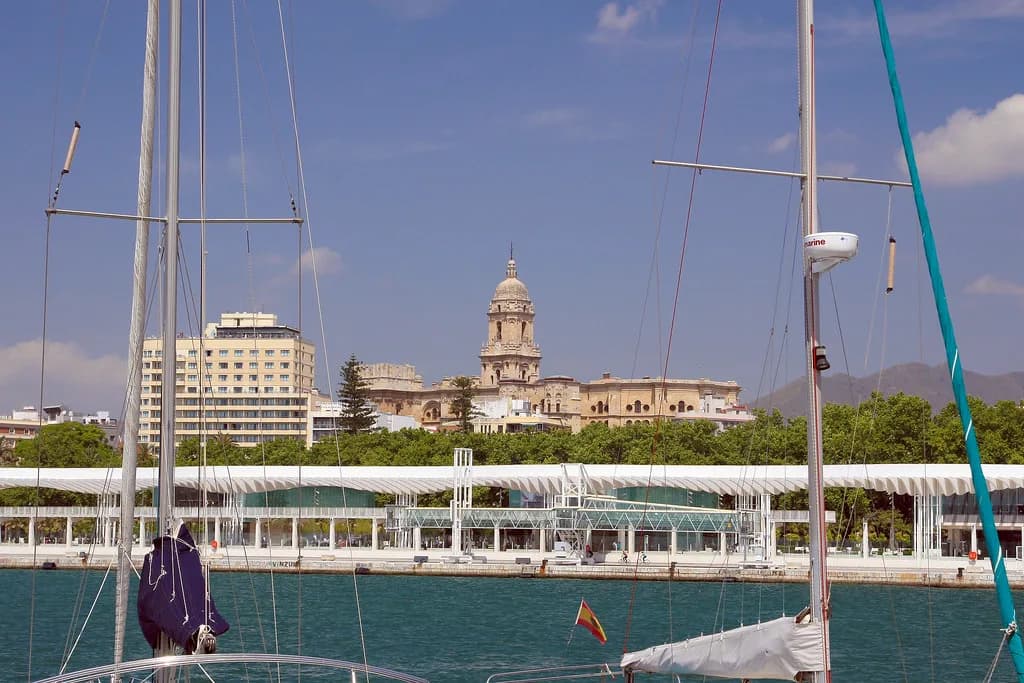
A single day belongs to the Centro Histórico. Start at the Alcazaba, the Moorish fortress above the old town, and work through its courtyards, patios and gardens, which look out over the sea. Walk down the hill to the Roman theatre directly below, then take in the Catedral de la Encarnación de Málaga, whose single finished tower earned it the nickname La Manquita.
Finish on the sand at Malagueta, the closest beach to the centre and roughly a 15-minute walk along the promenade. Palm trees give shade, and the chiringuitos behind the beach handle lunch. Order espetos, sardines skewered and grilled over coals, which most beach bars along this coast serve.
One day is enough to see why Málaga is worth visiting, but it is a taster. Anything more ambitious — the Picasso Museum, Soho's murals, a market breakfast — has to be sacrificed. If that is your only day, treat the evening as part of the plan rather than an afterthought.
Two days: add Soho, the Picasso Museum and a proper lunch
The second day is where Málaga stops being a checklist. Soho, the arts district behind the port, was reworked by the Málaga Arte Urbano Soho project into an open-air gallery, with large murals by international street artists and small independent galleries and restaurants in between. Walk it slowly; the point is the side streets, not a single wall.
Book the Picasso Museum for the same day. Málaga was Picasso's birthplace, and the collection runs from paintings and sculptures to early sketchbooks, so give it a couple of hours rather than a quick pass. Tickets can sell out, so reserve online before you travel instead of turning up and hoping.
Build lunch around Spanish hours: 1:30–4pm is when kitchens are properly open. Mercado de Atarazanas, the city's oldest market, is liveliest early in the morning when locals shop, and the stalls serve tapas later in the day. Go before the market winds down for the afternoon instead of counting on it running all day.
For a sit-down evening, Antigua Casa de Guardia is the old winery on the edge of the centre, pouring Moscatel, a sweet local wine, from the barrel with the tab chalked on the wooden counter. Taberna El Mentidero is the next stop for tapas and a glass of Rioja. Both suit a dinner that starts around 8:30–9pm, when Málaga eats.
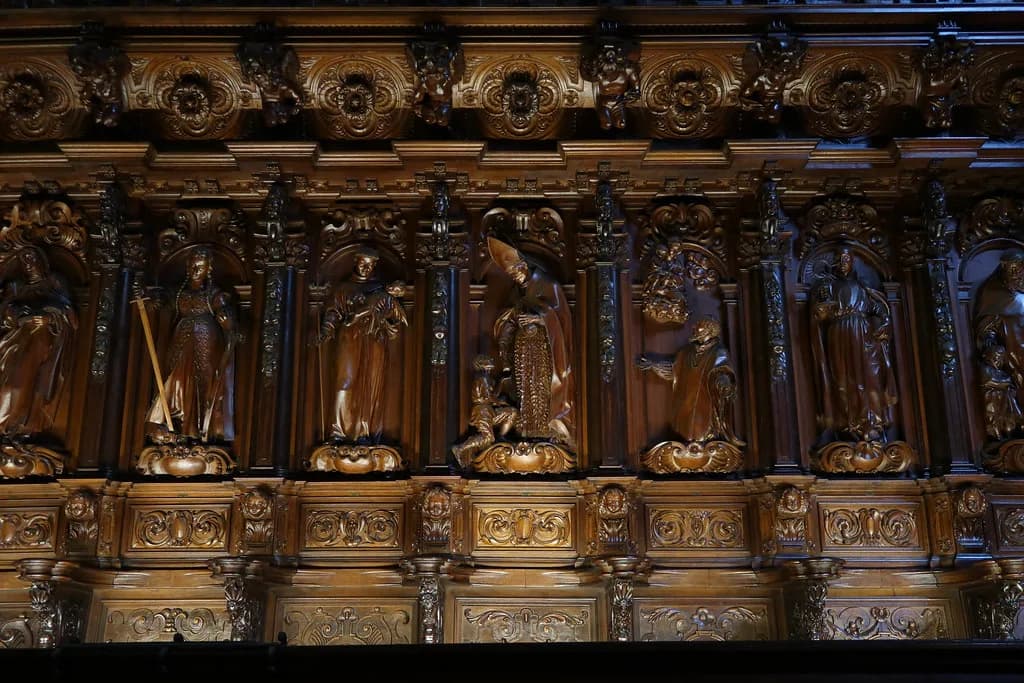
Two days also leaves room for the cathedral interior if you skipped it, and for cocktails at golden hour. The AC Hotel Málaga Palacio rooftop, overlooking the cathedral and harbour, charged €11 per person including one drink when it was visited; buy access in the lobby and treat the figure as a reported price to confirm on the day.
Three days: pick one day trip
One extra day buys exactly one excursion, so pick a direction and commit. East is Nerja and the Axarquía: whitewashed Frigiliana, the views from Comares, and lunch in Cómpeta. The drive from Málaga is the trade-off — you lose the morning to the road, so set off early and plan the day around a late lunch.
Nerja itself is made up of sandy coves. Playa Burriana is the wide, well-equipped one about 15 minutes' walk from the centre, while Playa El Salón is calm and popular with Spanish families. Come evening, the Balcón de Europa is the classic sunset spot, set into the cliffs above the sea.
The second option is the Caminito del Rey, the cliff walkway in the Guadalhorce valley, once billed as one of the world's most dangerous trails and now a managed path with a boardwalk pinned to the rock face. Combine it with a swim at the El Chorro lakes nearby rather than squeezing both into a half-day.
The third is inland to Ronda and Setenil de las Bodegas, where houses are built into the rock. Guided coach tours run from the city and take in both in a day; Ronda's Puente Nuevo is the highlight, and the walk down for the classic view of the bridge is steep enough to make the climb back up the real test.
Pick one. Trying to add Nerja and the Caminito del Rey to the same third day means hours in a car and no time in either place.
Four days and beyond: slow down, or move your base
A fourth day rewards a slower rhythm: a sunrise walk to the harbour, a morning in the Parque de Málaga under the tree canopy, a flamenco show in the evening. It also lets you spread the eating properly, with a market breakfast, a long lunch and a late dinner on separate days instead of cramming them together.
If your fourth day is really a beach day, ask whether Málaga is the right base at all. Some families split the trip and stay further along the Costa del Sol instead. Be honest about what you want: city sightseeing and a beach within a 15-minute walk, or a resort with the city as a day out. For the practical details, see the malaga in july.
Four nights is generous for Málaga alone. Beyond that, you are either adding more day trips — Marbella, the white villages, Granada — or treating the city as a comfortable base while you explore Andalusia. Both work, but plan the transport before you book the room.
Where to eat within each plan
For one day, eat at a chiringuito on Malagueta. Espetos cooked over coals are the dish to order, and most beach bars along this stretch serve them; keep it simple and stay near the sand so the afternoon is not lost to a bus ride.
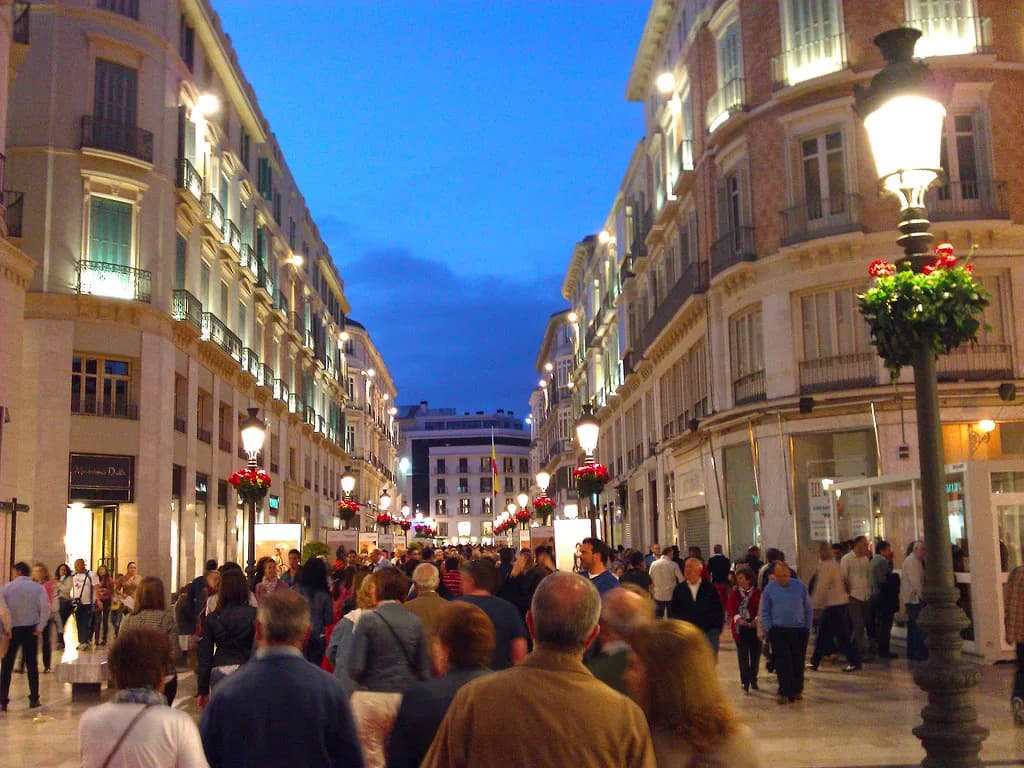
For two days, use the market for a late breakfast and the old town for dinner. Atarazanas gives you fruit, fish and tapas in one stop, and it is a short walk from Calle Larios and the cathedral, so it slots into a sightseeing day without a detour.
For three days, keep the day-trip lunch local. In Cómpeta, Meson El Recreo is the stop recommended for lunch and a glass of local wine before heading back down to Nerja. In Ronda, eat in the centre after the bridge rather than at the coach stop.
Whatever the plan, remember the clock. Lunch runs 1:30–4pm and dinner starts around 8:30–9pm, so a 6pm hunger pang means tapas and a vermouth rather than a full meal. Bars and restaurants in the centre fill later than visitors expect.
Getting around on foot and when you need transport
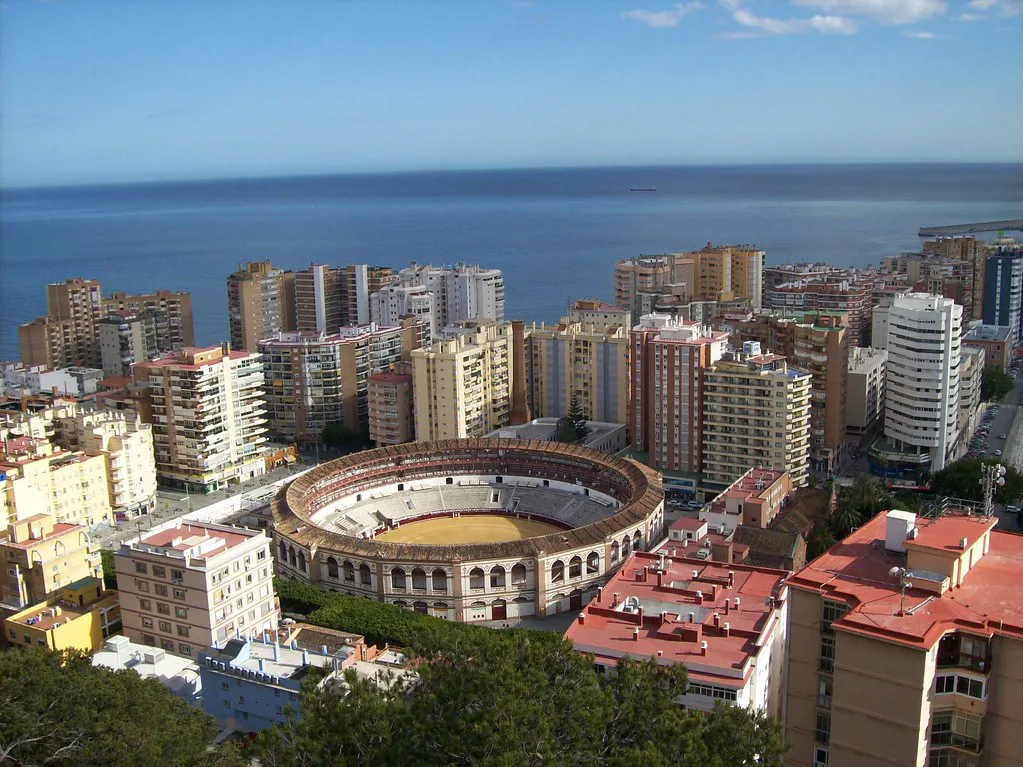
Málaga is a walking city. The Alcazaba, Roman theatre, cathedral, Picasso Museum, Soho and the port sit within a compact area, and Malagueta beach is a 15-minute walk from the old town. Most of the main sights are within 10–15 minutes of each other on foot, which is why extra nights do not automatically mean more taxis.
Day trips are the exception. The Caminito del Rey and the Guadalhorce valley need a car or an organised tour, and Nerja and the Axarquía villages are a half-hour drive east of the city before you start climbing into the hills. Ronda and Setenil are usually done by coach.
From the airport, the transfer to the centre is quick — 15–20 minutes by taxi according to the source — which is why Málaga works for a short break. Flights from the UK run around 2 hours 45 minutes, so a two-night trip is realistic rather than exhausting.
When to go: spring and autumn for sightseeing
Spring and autumn are the sightseeing months, with temperatures around 23–27°C, comfortable for walking between the Alcazaba and the port without wilting. August is the month to avoid if you plan to be outdoors at midday: highs of 38–40°C push the walking into early morning and late evening, and a separate guide covers the city in that heat.
October is the sweet spot for a combined city-and-beach trip. The sea was still 23°C in mid-October on one visit, warm enough to swim, while the streets were comfortable for sightseeing. That combination is why a two-day plan in autumn often feels longer than the same plan in high summer.
If your dates fall in high summer, add a beach afternoon instead of a fourth museum and shift the walking to the morning. Fewer, better-spaced stops beat a packed schedule in the heat.
Trade-offs and common mistakes
The most common error is over-packing. Three monuments before lunch sounds fine until you add a market stop and a beach, and the Alcazaba alone deserves a slow hour or two. Pick two anchor sights a day and let the rest be wandering.
The second is timing. Market stalls wind down, kitchens close between lunch and dinner, and sights sell out. Book the Picasso Museum in advance, treat market visits as a morning or lunchtime activity, and do not assume everything stays open through the afternoon.
The third is assuming free entry wherever you go. Some museums and the Alcazaba were reported as free on Sundays, but that is a reported detail rather than a guarantee — confirm at the ticket desk rather than planning a day around it.
Finally, do not mistake a day trip for a rest day. A coach to Ronda and Setenil leaves early and returns late, so it is a full day of walking and standing. Schedule it for the middle of the trip, not the day before your flight.
How many nights should you book?
Book two nights for a first city break. It covers the Alcazaba, the Roman theatre, the cathedral and a beach lunch, plus one good evening in the old town, without the pressure of a day trip.
Book three nights if you want one excursion: Nerja and the Axarquía, the Caminito del Rey, or Ronda with Setenil. Book four only if you want to slow down, or move your base if the beach is the main attraction. Weighing a shorter city break in a smaller Andalusian city instead? Our guide to how many days in girona walks through the same 1, 2 or 3 day decision.
Before you travel, check opening times and ticket availability for the Picasso Museum and the Alcazaba, and book the Caminito del Rey in advance if it is on your list.
Explore more Málaga guides
Frequently Asked Questions
How many days do you need in Málaga?
Two full days is enough for most first visits. That covers the Alcazaba, the Roman theatre below it, the cathedral, Soho and a lunch at Malagueta beach. Add a third day only if you want one day trip out of the city, such as Nerja and the Axarquía, the Caminito del Rey, or Ronda with Setenil de las Bodegas.
Is two days enough for Málaga?
Yes, for the city itself. The old town, the port and the beach are close together and easy to walk, so two days lets you see the main sights at a reasonable pace and still eat properly. You will not fit a day trip into two days without dropping something on the city list.
Is Málaga a walkable city?
Very. The Alcazaba, Roman theatre, cathedral, Picasso Museum and Soho sit within a compact area, and most main sights are within 10–15 minutes of each other on foot. Malagueta beach is about a 15-minute walk along the promenade from the centre. Day trips are the only part that needs a car, coach or organised tour.
Is Málaga worth visiting?
Yes. It combines a Moorish fortress, a Roman theatre, a cathedral with a single finished tower, a strong Picasso museum and a city beach within walking distance. The eating is the real draw: market tapas at Atarazanas, Moscatel at Antigua Casa de Guardia and grilled espetos at the chiringuitos.
What can I do in Málaga in 4 days?
Use the extra time to slow down rather than add more monuments: a sunrise walk to the harbour, a morning in the Parque de Málaga, a flamenco show, and meals spread across different neighbourhoods. A fourth day can also carry a second day trip, or become a beach day if the city has already had your attention.
Should I stay in Málaga or Marbella?
Choose Málaga if you want a walkable city with sightseeing, food and a beach within minutes of each other. Choose Marbella or another Costa del Sol base if the beach is the priority and the city is a day out. Families often split the difference, but that decision depends on how much time you want in the centre.
Sources
Notes for eating well in Spain
Optional updates to our guides.
You might also like
Continue reading
More guides you'll find useful