Santander in September: Weather, Crowds and What to Do
Santander in September brings mild, breezy days around 17–22°C, thinner crowds and the Bien Aparecida holiday on 15 September. Here is what to plan around.
On this page
September is one of the better months to be in Santander: the summer peak has passed, days average roughly 17–22°C with a breeze, and the city still runs on holiday momentum thanks to the Bien Aparecida holiday on 15 September. It is not a guaranteed beach month, so build your days around a mix of coast, museums and long lunches rather than a sunbathing schedule.
What September Is Like in Santander: The Short Answer
Expect mild, changeable weather rather than high summer heat. A typical September day sits between a low of about 17°C and a high of about 22°C, and the city feels breezy, with cloud cover common enough that you should not plan every afternoon outdoors.
That combination suits walking and sightseeing far better than it suits lying on the sand for six hours. Treat the beach as one option among several and keep a museum or a long indoor lunch as your fallback when the cloud settles in.
September Weather in Santander: Highs, Lows and What to Wear
The practical wardrobe is a light T-shirt, a thin jumper and a windproof layer you can stuff in a bag. September days in Santander hover around 22°C at their warmest and 17°C at their coolest, with wind speeds averaging roughly 11 mph and humidity near 69%, so a breeze is the norm rather than the exception.
Rain is possible but not dominant, with roughly an 18% chance of rain on a given day and small daily amounts. Daylight still runs long, with sunrise around 7:53am and sunset around 8:26pm, which leaves plenty of room for an evening walk to the lighthouse after dinner.
How September Compares With August and October
August is the hotter, busier version of the same city, with average highs nearer 24°C and lows around 18°C. September gives up a couple of degrees in exchange for a calmer city and a better chance of getting a table without queueing.
If you want the warmest water and the fullest restaurant terraces, August wins; if you want to walk the coast path without crowds, September is the better bet. For a fuller picture of the high-season experience, see what Santander in August looks like before you fix your dates.
October, by contrast, is when the season visibly turns and the city settles into its autumn rhythm. Compare Santander in October if your dates are flexible and you care more about quiet streets than beach weather.
Crowds and Prices: What Changes After the Summer Peak
September is a shoulder month, so accommodation and flights generally soften after the August peak and the city feels less compressed. Santander is not a resort town that empties overnight, though: the 15 September holiday keeps a public-holiday feel in the middle of the month, and Spanish visitors still fill the seafront at weekends.
Book your room early anyway if your dates include the holiday, and check rates directly with hotels rather than assuming a shoulder-month discount. For a sense of how the city fills up earlier in the summer, the Santander in July guide shows the contrast.
The Virgen de la Bien Aparecida Holiday on 15 September
15 September is Nuestra Señora de la Bien Aparecida, the feast of Cantabria's patron saint, and it is a regional public holiday. Expect processions, street fairs and cultural events around the date, with locals out in force and a festive atmosphere in the centre.
Plan that day as a city day rather than a day-trip day: public holidays change transport timetables and shop hours across Cantabria, and you want to be within walking distance of the action rather than on a rural bus. Confirm the specific procession times and any road closures with the tourist office closer to your trip.
Eating in Santander in September: Mealtimes and Seafood
Seafood is the reason to eat out here, and September is a good month for it: the source material points to fresh catches, grilled sardines and seafood rice served along the coast. Where exactly you eat matters less than when, so build your day around Spanish hours.
Lunch runs roughly 1:30–4pm and dinner starts around 8:30–9pm. Arriving at 5pm means closed kitchens and cold counters, so either eat a proper late lunch or hold out for dinner; the in-between hours are for coffee and a walk.
If you want to plan dishes and venues in advance, our guide to what to eat in Santander covers the local specialities, and the best restaurants in Santander picks out the tables worth booking ahead.
Magdalena Peninsula and Palacio de la Magdalena
The Magdalena Peninsula is the city's defining walk: clipped gardens, cliff edges over the Atlantic, a small zoo and the royal Palacio de la Magdalena at the top. The grounds are the draw, with sea views and benches set along the headland, and they work well in September's breezier, cooler air.
There is a small tourist train that saves the climb to the palace if mobility is a concern, and it is worth checking current departure points and fares locally rather than relying on old figures. Allow half a day here: the peninsula rewards slow walking, not a quick photo stop.
Beaches: Primera Playa del Sardinero, El Puntal and Playa del Camello
Primera Playa del Sardinero is the main city beach, with snack bars and lounger rental, and September's strong breezes make it a decent spot for surf breaks as well as sunbathing. The trade-off is that wind can cut a sunbathing session short, so go with layers and treat it as a walk-and-swim stop.
Playa del Camello is the smaller sandy strip facing the Magdalena Peninsula, handy if you want a swim with a view rather than a full beach day. El Puntal, across the bay at Somo, is the wilder, quieter option and includes a nudist section.
Our guide to El Sardinero and the July scene explains how the beach districts fill up in high summer, which makes the September contrast obvious.
Rainy-Day Options: Centro Botín, Museo Marítimo del Cantábrico and the Prehistory Museum
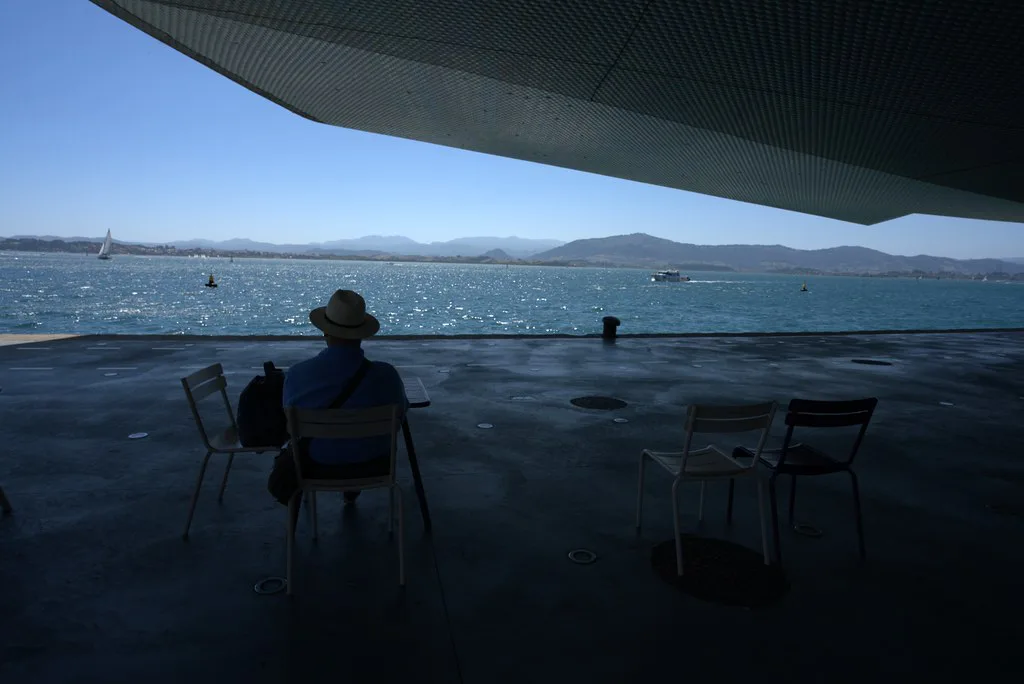
The Centro Botín is the headline indoor option: a Renzo Piano-designed art centre on the waterfront with rotating exhibitions and cultural programming. Its position by the bay means you can pair a gallery visit with a harbour walk as soon as the cloud breaks.
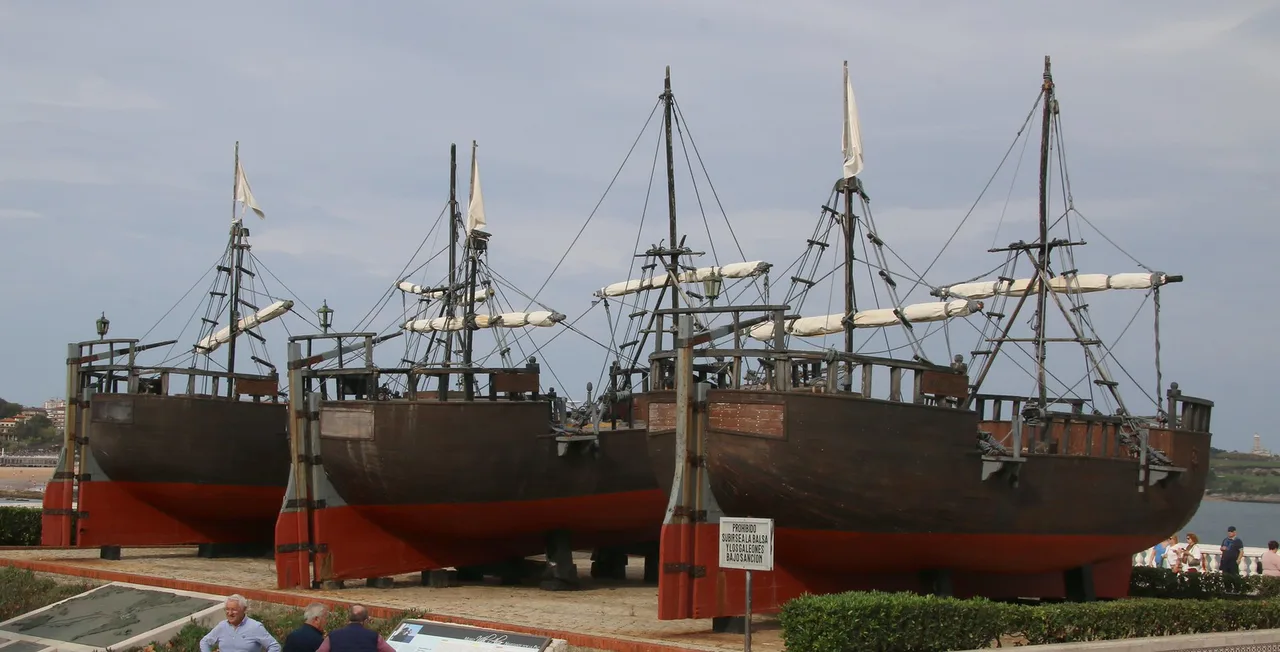
The Museo Marítimo del Cantábrico covers the region's maritime heritage with whale skeletons and an aquarium, and it has a restaurant with bay views, which makes it a sensible wet-afternoon choice. The Museum of Prehistory and Archaeology of Cantabria is the third pillar, with prehistoric to medieval finds and interactive exhibits.
All three are named among the city's main attractions, and having them mapped before you arrive saves you improvising in the rain. Check opening days for each museum on the day, since September schedules can shift after the summer.
Cabo Mayor Lighthouse and the Cliff Walk
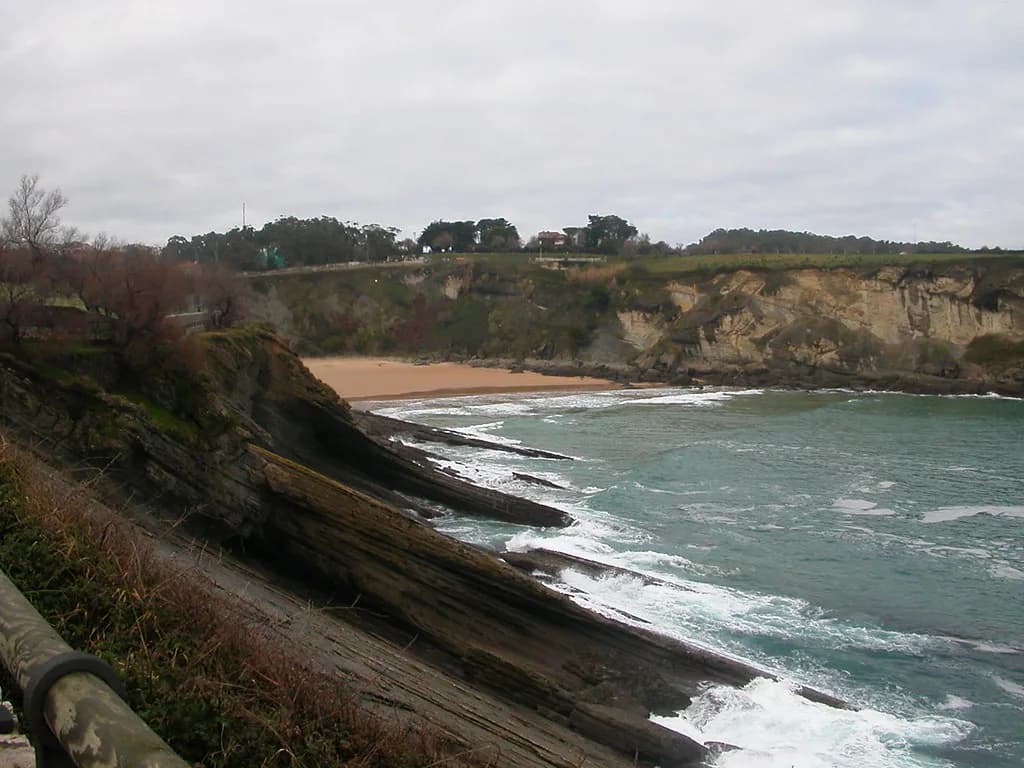
Centro de Arte Faro Cabo Mayor sits in a lighthouse built in 1839, inside a park on the cliffs above the beaches. It is the best sunset spot in the city, and the walk along the cliff edge connects naturally with the Sardinero beaches.
September's long evenings, with sunset around 8:26pm, are exactly why this walk works so well late in the day. Go before dinner rather than after, and bring a windproof layer for the exposed sections.
Day Trips: Cabárceno Nature Park and the Picos de Europa
Cabárceno Nature Park, just outside the city, holds elephants, giraffes and rhinos in large enclosures, and September's milder weather makes walking or driving the park more comfortable than in August. It suits families and anyone who wants a full day out without a long drive.
The Picos de Europa National Park is the bigger commitment, with mountainous hiking at all levels and a genuine full day required. Both options reward an early start, and both are better midweek when the September holiday crowds have dispersed.
If you are weighing how to split your time between city and countryside, a short Santander itinerary helps you see what is realistic in two or three days before adding day trips.
Mercado del Este and the Harbourfront
Mercado del Este is the covered market near the harbour, a natural stop for a mid-morning coffee or a light lunch between waterfront walks. It sits close to Los Raqueros, the bronze statues of the children who once dived for coins off the quay, which makes an easy loop with the cathedral and the bay.
Market hours and individual stall schedules are the sort of thing that change with the season, so check on arrival rather than planning your morning strictly around it. For more covered options, our Santander markets guide covers the city's market scene.
Practical Points: Packing and Timing Your Days
Pack for two seasons in one day: a light base layer, a warm mid-layer and a packable waterproof. September's humidity and breeze make it feel cooler than the thermometer suggests, particularly on the peninsula and the cliff path.
Structure days around the Spanish clock: a late lunch at 1:30–2:30pm, an afternoon walk or museum, then dinner from 8:30pm. That rhythm keeps you inside when kitchens are shut and outside when the light is best.
For a broader view of how long to stay and what to prioritise, read How Many Days in Santander Do You Actually Need? and the Santander Attractions hub for the main sights in one place.
Honest Trade-Offs: What September Will Not Give You
September will not give you guaranteed heat. Days around 22°C with a breeze and frequent cloud are pleasant for walking but unreliable for tanning, and a cloudy week can make the beaches feel like a detour rather than a destination.
It also will not give you a dead-quiet city: the 15 September holiday brings processions, fairs and local visitors into the centre, and some businesses run reduced or holiday hours around it. If you want guaranteed sun and predictable beach days, look further south — our Alicante in September guide covers the warmer Costa Blanca alternative.
Plan Your Visit
September is the month to choose if you want Santander's coast, food and museums without August's heat and crowds, and you are willing to let the weather set the shape of each day. Build in the 15 September holiday as a city day, keep one indoor option in reserve, and eat on Spanish time.
Before you book, confirm holiday transport timetables, museum opening days and any restaurant closures directly with the venue or the local tourist office, since September schedules shift as the season turns.
Explore more Santander guides
Frequently Asked Questions
What is the weather like in Santander in September?
September days in Santander typically range from about 17°C to 22°C, with a breeze, humidity near 69% and frequent cloud. Rain is possible but usually light, and daylight runs from around 7:53am to 8:26pm, leaving long evenings for walks.
Is September a good time to visit Santander?
Yes, if you want mild walking weather and a calmer city than August. It is less reliable for beach holidays, since the breeze and cloud can interrupt sunbathing, so plan a mix of coast, museums and long lunches rather than a sun-only schedule.
What happens in Santander on 15 September?
15 September is Nuestra Señora de la Bien Aparecida, the feast of Cantabria's patron saint and a regional public holiday, marked with processions, street fairs and cultural events. Expect public-holiday hours for shops and transport, and confirm event timings with the tourist office.
Is Santander cheaper in September?
September is a shoulder month, so rates generally soften after the August peak, but the 15 September holiday keeps demand up around that date. Check hotel rates directly for your dates.
What should I pack for Santander in September?
Pack layers: a light T-shirt, a thin jumper and a packable windproof or waterproof. The breeze and humidity make the city feel cooler than the temperature suggests, especially on the Magdalena Peninsula and the cliff path to Cabo Mayor.
What are the mealtimes in Santander?
Lunch is served roughly 1:30–4pm and dinner from about 8:30–9pm. Kitchens close in the late afternoon, so eat a proper late lunch or wait for dinner rather than expecting food at 5pm.
What can I do in Santander on a rainy September day?
The Centro Botín, the Museo Marítimo del Cantábrico and the Museum of Prehistory and Archaeology of Cantabria are the main indoor options. Pair one with a long lunch and check opening days on the day, since September schedules can change.
How does September compare with August in Santander?
August is hotter, with average highs near 24°C and lows around 18°C, and busier on the beaches and in restaurants. September trades a couple of degrees for thinner crowds and a more relaxed city.
Sources
Notes for eating well in Spain
Optional updates to our guides.
You might also like
Continue reading
More guides you'll find useful