Santander Food Guide: What to Eat and Where to Try It
What to eat in Santander, from cocido montañés and queso picón to Regma ice cream, plus where to find each dish and what prices were reported.
On this page
Santander food is northern Spanish cooking built for cool, wet weather: white beans with pork and sausage, blue cheese from the mountains, fried squid, and a family ice cream shop that has been scooping since 1933. If you arrive expecting paella, order something else, because the rice dish belongs to Valencia and the Cantabrian kitchen runs richer and heavier. This guide names the dishes to try first, the places that serve them, and the euro figures reported for each.
What Santander food is: hearty Cantabrian cooking, not paella
Cantabria is one of Spain's seventeen autonomous regions, sitting on the northern coast, and Santander is its capital. The local cooking leans on cheese, stews, seafood and pintxos in the Basque manner, with rabas (fried squid) and pulpo a la gallega turning up on plenty of tables. It is comfort food for a city that sees a lot of rain, so plan your appetite around stews and bread rather than light salads.
Use meal times to structure the day: lunch runs roughly 1:30pm to 4pm and dinner starts around 8:30pm to 9pm, so a big midday stew will carry you through to a late evening. A late breakfast, an early-afternoon lunch and a 9pm dinner is the rhythm that fits Santander's kitchens. For wider sightseeing around those meals, see these ideas for things to do in santander.
Cocido montañés: the bean and pork stew to order first
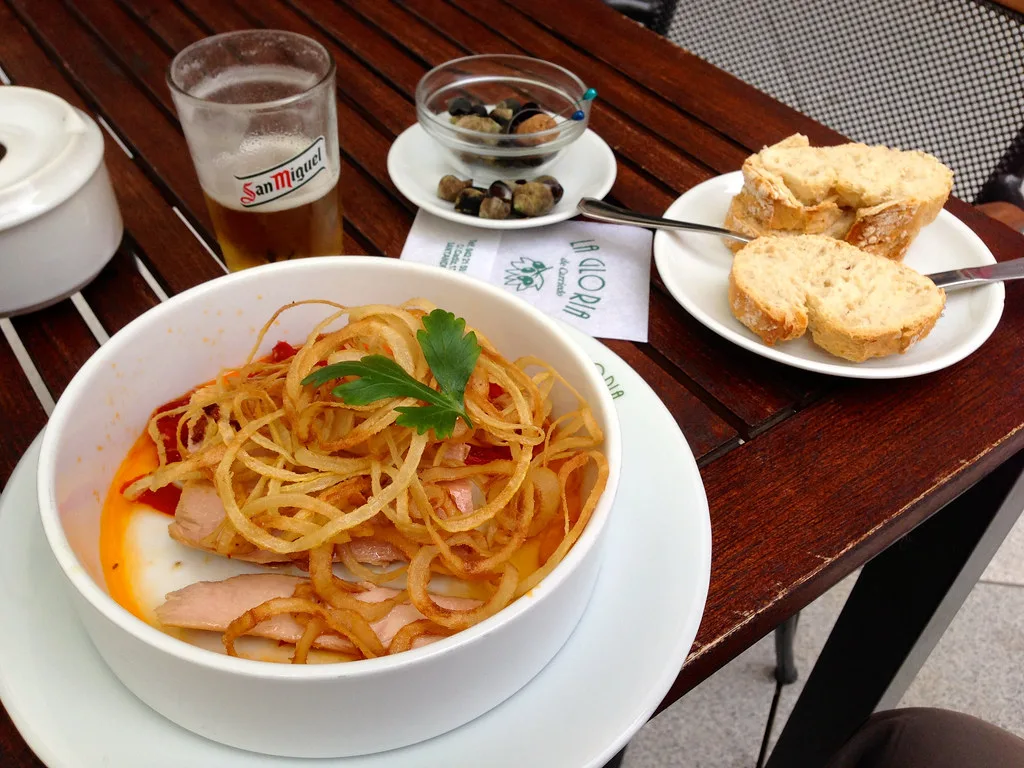
Cocido montañés is Cantabria's best-known stew: white beans, collard greens, tender pork and two sausages, morcilla and chorizo. It is a winter dish by temperament, warming and heavy, and it divides people squarely on the greens, which are bitter and assertive. Order it if you like beans and pork; skip it if collard greens are not your thing, because they are not a garnish here, they are half the bowl.
Bodega Fuente De, a traditional Spanish bar in the centre of Santander, serves it in a huge metal basin with a ladle, big enough for two people to share. The reported price was €12 in September 2026, described at the time as one of the cheapest cocido montañés in the city. Treat that as a historical figure rather than a current one.
Because a basin of stew is a full meal for two, do not order it alongside a second hearty main. Build the meal around cheese or a shared plate, then let the stew do the work of the main course. That is the practical way to keep lunch affordable and still eat well.
Queso picón: Cantabria's blue cheese and how to eat it
Queso picón is an intensely flavoured blue cheese from Cantabria, salty and potent, and the way to eat it is spread thickly on slices of crunchy, freshly baked baguette. It is one of the regional products worth seeking out if you like strong blue cheese. People who find Roquefort or Stilton too much will probably find it too much as well.
Bodega Fuente De comes up again here, offering the picón in two sizes, a half portion and a full portion. The half portion was recorded at €4.50 in September 2026, and it was enough for two to three people, which makes it a cheap way to open a meal. Ask for the smaller size unless you are feeding a table.
Pair it with the stew in one lunch and you have the regional pantry in a single sitting: cheese and bread first, beans and pork second. Both are served in generous portions, so order less than you think you need and add more if still hungry.
Seafood and northern staples: rabas, pulpo a la gallega and pintxos
Rabas, the fried squid rings found across Cantabria, and pulpo a la gallega, the Galician octopus dish with paprika and potato, are the standard seafood orders in Santander bars. Both are bar food, ordered with a drink rather than as a formal starter. Portions vary widely, so order one at a time and see how big it is before adding another.
Pintxos are the Basque version of tapas and they show up throughout northern Spain, with bread-based bites topped with fish, cheese or meat. Bilbao is the place for a serious pintxo crawl and it is about a two-hour drive from Santander, which makes a day trip feasible. If you are travelling around the Costa Verde, the northern coast rewards a detour for seafood.
For a proper sit-down restaurant in the city, the MICHELIN Guide lists nineteen restaurants in Santander and surroundings, including Casona del Judío, El Serbal, Agua Salada and La Mulata. A guide listing is a signal to look at the restaurant's own menu and prices, not a guarantee of what you will pay or a ranking.
Where to eat it: Bodega Fuente De for stew and cheese
Bodega Fuente De is the practical pick for a first Cantabrian meal: a traditional bar in the centre, a short menu of regional dishes, and a reputation as a local favourite. It delivers the two dishes that define Santander eating, cocido montañés and queso picón, without ceremony. Go at a normal Spanish lunch hour rather than mid-afternoon, and check the day's hours before you set out.
The trade-off is atmosphere: this is a bar, not a restaurant with white linen, and the stew arrives in a metal basin. On a rainy Santander day that is exactly what you want. If you need somewhere more formal, the MICHELIN Guide's listings give you names to cross-check with a menu before booking.
Regma: the family ice cream shop running since 1933
Regma is Santander's famous heladería, a family-run business in operation since 1933, with shops spread across Cantabria. The scoops are large, which matters for budgeting: one small cone is a proper serving rather than a token. Flavours include traditional pick and specialty options; strawberry, lemon, cheesecake and hazelnut are all reported as good bets.
The reported price for a small cone was €3.50, giving you a cheap treat during a walk along the waterfront. Shops include a central location and another at El Sardinero, so you can plan a cone around wherever your day takes you. The portion size means ordering a small is not really a compromise.
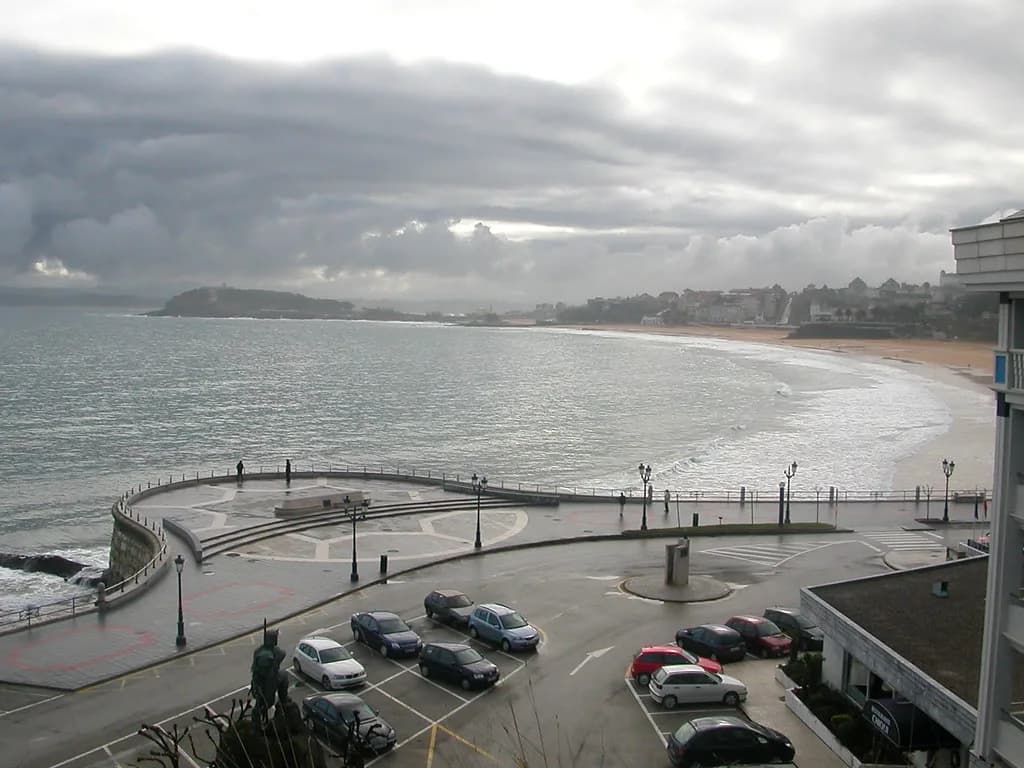
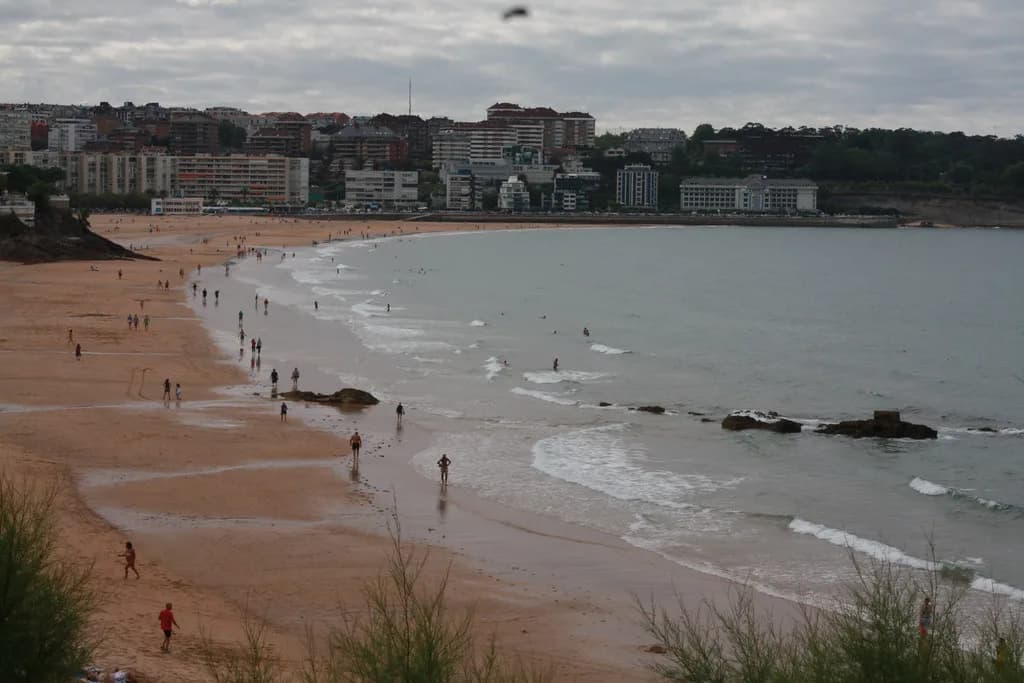
Walking with the cone is part of the experience here; a stroll along Primera Playa del Sardinero combines ice cream with the best of the city's beach scenery.
Breakfast and brunch at La Gallofa & Co: tortilla de patata and fresh orange juice
La Gallofa & Co runs small cafés across Santander and is a popular breakfast stop. The jamón y queso tortilla de patata, a Spanish omelette with ham and cheese, is the order to copy, and fresh-squeezed orange juice is a non-negotiable on a Spanish breakfast. Croissants, doughnuts and filled doughnut holes round out the display.
Prices for a quick counter-service bite are low, making this the cheapest way to eat well in the city before lunch. Expect a quick pace rather than a lingering brunch; it is a stop on the way out, not the destination. It is also a good option if you are eating late and want a filler before dinner at 9pm. Compare current listings for exact costs, as they change.
Carniball Smash Burger: a break from regional cooking
Carniball builds smashburgers in Santander, with two locations: one beside the well-known Plaza de Cañadío, and another on Calle Alonso Ercilla. The burgers to know are La Bastarda with BBQ brisket, Havarti and house sauce, and the Air Jordan with Monterrey Jack, fried egg and truffle mayo. These are the orders people come for; they are not a regional specialty.
A lunch for two sharing a plate and a drink stays well within a modest budget. Use it as a break if you have eaten stew and cheese for a few days and want something different. The plaza location puts you in the middle of Santander's bar scene, useful for a drink afterwards. Check current menu prices before you go, as they move.
Santander's international food festival: what to expect and what it costs
The Festival de Las Naciones is a month-long cultural festival with food, drink, music and dancing, usually starting in mid-August and running into September. It is a good way to eat across different cuisines in one evening, and it clashes with the high season, when Santander is busiest. If you are visiting in august, check the coming dates on the festival's own calendar before you plan around it.
Budget for a few stands rather than one, and expect some stands to be overpriced for what they serve. The reported hits were empanadas, buñuelos and agua panela from the Colombia stand, plus a Costa Rican casado with chicken, rice, beans and plantains, alongside agua de sapo. Choose stalls based on the queue and what is coming off the grill, not on the signage.
When to eat: Spanish lunch and dinner times and how they shape your day
Lunch in Spain runs roughly 1:30pm to 4pm and dinner from about 8:30pm to 9pm, which surprises visitors used to eating at 6pm. Use the gap to explore rather than snack, and book a late flight out of the kitchen: not every restaurant is open between services. If you turn up at 5pm looking for a full meal, you will be limited to bars and cafés.
A practical day goes: breakfast at a café, a proper lunch around 2pm, sightseeing or a beach in the afternoon, and dinner at 9pm. That pattern fits the Santander food scene, where stew and cheese suit lunch and seafood pintxos suit the evening. For a tighter plan of where to go between meals, this santander itinerary can slot in the visiting.
Nights in Santander cool quickly even in summer, so carry a layer if you plan to eat outside. It is worth checking restaurant closing days before you build a day around a particular venue, since many places close one or two days a week.
What to see nearby between meals: Palacio de la Magdalena, Sardinero and Covachos
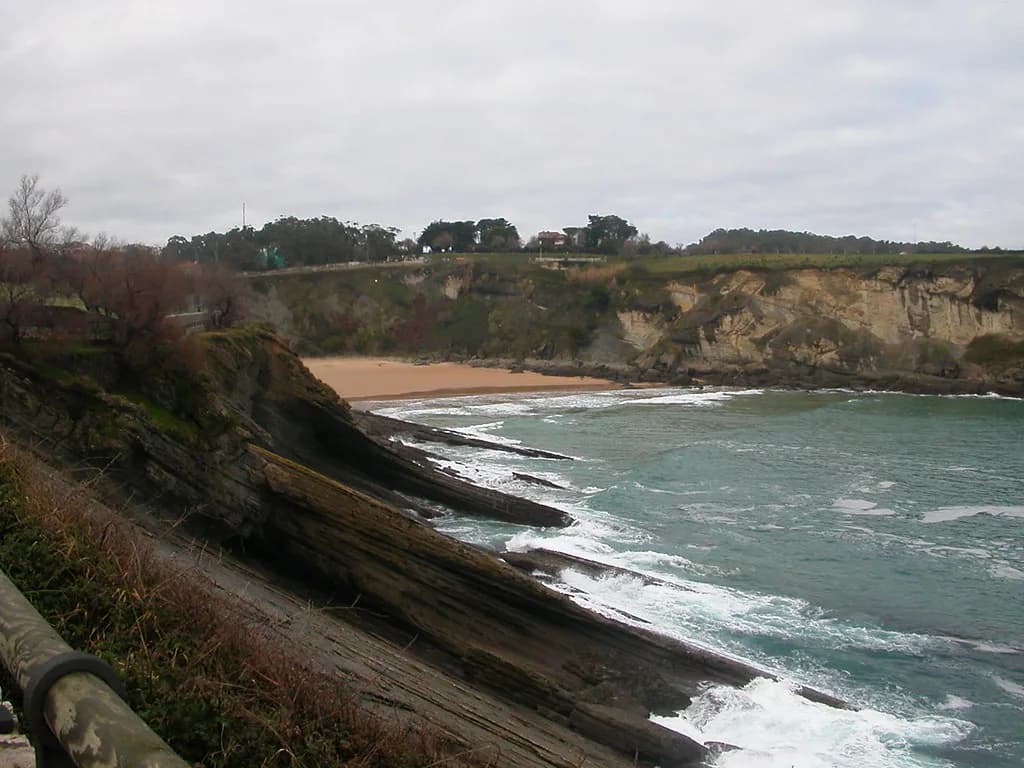
The parkland around the Palacio de la Magdalena is free to explore and worth the walk, with a palace, an outdoor aquarium, beaches and forest on the islet. It is a good activity with children and it costs nothing beyond the walk there. The beaches closest to the city include El Sardinero, Playa del Camello and Playa de La Magdalena,
Outside the centre, Playa de Covachos and Playa Arnía are also excellent beaches, though both require a bit of walking to reach. In the north the water is cold, so treat these as walking and picnic beaches rather than swimming ones. The walk itself is the point, and the beaches reward it.
Day trips from Santander include Comillas, home to a Gaudí building, and Bilbao for pintxos and the San Juan de Gaztelugatxe hike. Both make a long day rather than an afternoon, and a rented car makes Comillas easier. The wider Santander Attractions guides cover the rest of the city's sights.
Budgeting meals in Santander: what a lunch, ice cream and burger cost
Add up the recorded figures and a day of eating in Santander is manageable without penny-pinching. A half portion of picón and a shared basin of cocido montañés, a small cone at Regma, and a quick breakfast at La Gallofa & Co all sit at the affordable end of the scale, and a smashburger meal for two stays within a modest range. Check current menu prices before you go, since these figures come from one person's bills in one season and they move.
The variable to watch is portion size: the stew and the picón are both sized for sharing, while the ice cream is not small. Ordering a half portion of cheese and a full stew between two people is enough. If you are eating on a tight budget, the festival stands are the weakest value of the set.
Common mistakes first-time visitors make with Santander food
Ordering paella is mistake number one: it belongs to Valencia, and Santander's own kitchen is built on beans, pork and seafood. Mistake number two is eating dinner at 6pm and finding kitchens not yet open, and mistake number three is ordering a full portion of strong blue cheese for two people. San Sebastián and Bilbao get the northern food headlines while Santander quietly feeds locals well.
The other trap is treating the city as a one-day stop between Bilbao and the coast. A Santander day where you fit two meals into it is a reasonable minimum, so give the city more than a rushed stop.
Worth trying if your trip continues further south: the Ibiza table is a different cuisine entirely, with Bullit de peix and Sofrit pagès at its heart. If you are island-hopping, the ibiza food guide covers those.
Plan Your Visit
Santander's table is at its best when you order the region: cocido montañés and queso picón at a traditional bar, rabas and pintxos for a lighter evening, ice cream from Regma on a waterfront walk, and a tortilla breakfast to start. Portions are generous, prices are moderate, and the rhythm of lunch at 2pm and dinner at 9pm shapes the day.
Before you build a day around a particular bar or restaurant, confirm its opening days and hours directly at the venue, since many places close one or two days a week. A short list of named dishes and a flexible lunch plan will serve you better than a rigid schedule.
Explore more Santander guides
Frequently Asked Questions
What food is Santander, Spain known for?
Cantabrian home cooking: cocido montañés (a bean, pork and sausage stew), queso picón (a strong blue cheese spread on baguette), rabas (fried squid), pulpo a la gallega and pintxos. Paella is a Valencian dish and is not the local order.
Where can I try cocido montañés in Santander?
Bodega Fuente De, a traditional bar in the centre, serves it in a metal basin large enough for two. Ask the bar for the current price and confirm its hours before you go.
What is queso picón and how is it served?
Queso picón is an intensely flavoured blue cheese from Cantabria, salty and potent. It is spread on slices of freshly baked baguette and sold by the half portion or full portion; the half portion is enough for two people.
Is Santander expensive for food?
It compares well with Madrid or Barcelona for everyday eating. A café breakfast, a shared stew and a coffee can stay well inside a modest daily budget, and the fancier restaurants sit at the top end.
Where is the best ice cream in Santander?
Regma is the family-run name to know, in business since 1933, with shops in the centre and at El Sardinero. The scoops are large, so a small cone is a full serving.
What time do people eat dinner in Santander?
Dinner starts around 8:30pm to 9pm, and lunch runs from about 1:30pm to 4pm. Arriving at 6pm for a full meal will leave you with bars and cafés rather than restaurant kitchens.
Sources
Notes for eating well in Spain
Optional updates to our guides.
You might also like

Continue reading
More guides you'll find useful