Santiago de Compostela Food Guide: What to Eat and Where
Plan your Santiago de Compostela food crawl: tortilla de Betanzos, pulpo, zorza, rubia gallega beef and market oysters, with named bars and dishes.
On this page
Santiago de Compostela food begins with the Atlantic: shellfish landed on the Galician coast, beef from the region's cattle, and a bar culture where a drink usually arrives with a small tapa alongside it. Galicia is known across Spain for its seafood, and the city's kitchens make the most of that reputation in both market stalls and sit-down restaurants.
Eating well here means working with Spanish timing rather than against it. Lunch runs from about 1:30pm to 4pm and dinner rarely starts before 8:30pm or 9pm, so the late afternoon and early evening slot belongs to wine bars and free tapas. That gap is where a crawl along Rúa do Franco earns its keep, and it fits neatly into a day of things to do in Santiago de Compostela.
The dishes that define Santiago de Compostela
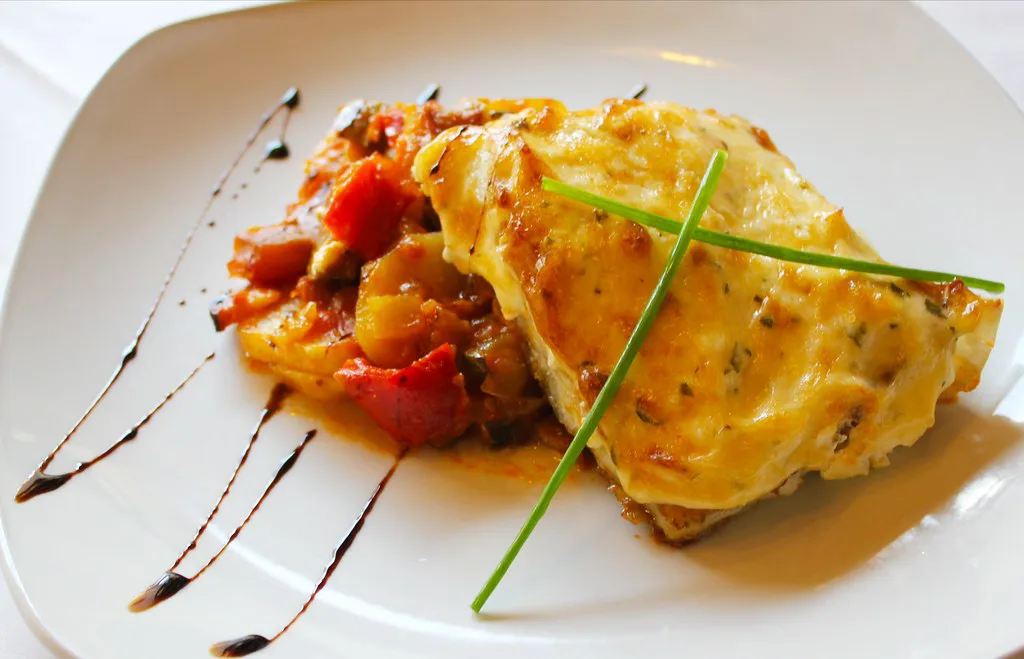
Tortilla de Betanzos is the local benchmark for the Spanish omelette: potatoes, egg, salt and olive oil with no onion, served barely set so the middle stays gooey. Galician shellfish covers pulpo á feira, zamburiñas and scallops, while zorza brings chopped pork marinated with garlic, salt and paprika onto the table and onto empanada fillings. Pimentos de Padrón, tostadas and torta de Santiago round out the everyday eating. To eat across the city properly, treat these as the shortlist rather than as sideshows.
Xarda, or horse mackerel, turns up in modern versions that treat it as more than a cheap fish, and Albariño is the white wine to drink alongside it. Galician wines by the glass are the natural pairing for shellfish, and many bars pour local bottles rather than imported ones.
How eating works here: free tapa with each drink
Santiago de Compostela follows the Galician habit of giving a small tapa with each drink, which turns bar-hopping into the cheapest way to taste widely. A slice of tortilla, a plate of olives or a wedge of Galician pie might arrive unannounced, so pace yourself before dinner rather than ordering a full meal at 6pm. It makes a crawl through several bars more interesting than committing to one restaurant for the whole evening.
The trade-off is that free tapas are small and varied, not a meal, and you cannot predict what will arrive with each drink. If a specific dish matters to you, order it as a racion and treat the free plate as a bonus. Most of the bars in this guide sit within a short walk of each other in the historic centre.
Start with tortilla de Betanzos: Bar Tita and Nariño
Bar Tita on Rúa do Franco 48 is the classic first stop for a generous free slice of tortilla de Betanzos with your drink. Nariño on Rúa dos Pelamios 14 sits slightly outside the historic downtown and works for breakfast, lunch or dinner; a racion of tortilla with pan con tomate y jamón is the order here, and a small free tapa of tortilla often comes even with a coffee.
Choosing between the two is a question of atmosphere rather than recipe. Bar Tita is a Franco Street bar you drop into mid-crawl; Nariño is a larger neighbourhood café-bar where you sit down to a full plate. For a first visit, take the free slice at Bar Tita and the racion at Nariño on different days.
Seafood at the source: pulpo, zamburiñas and oysters
Galicia's shellfish reputation rests on goose barnacles, scallops, oysters, mussels, prawns and fish hauled from the icy Atlantic, and a good share of the best and cheapest stays close to the source. Good seafood here often needs little more than freshness and a sprinkle of salt, which is why the plainest plates can be the strongest. Pulpo á feira and grilled octopus with a charred edge from the grill are the dishes to order first. If you want to compare how another Spanish island treats its fish and rice plates, the Ibiza food guide is a useful counterpoint.
Pontevedra's Bar Estrella on Rúa Figueroa 1 serves scallops and pulpo á feira and is worth folding into a wider Galicia trip rather than a Santiago afternoon. The trade-off is the journey: Pontevedra is a separate city, not a Santiago neighbourhood.
Abastos 2.0 and the Mercado de Abastos
Abastos 2.0 sits inside the Praza de Abastos at Rúa das Ameas 13-18 and prints the food miles of its seafood on the menu, with produce traced to Galician villages often within 100 kilometres. Scallops, oysters and clams arrive barely touched, while the xarda is dressed as a zesty ceviche-style dish and the grilled octopus comes off the grill with char. Reservations are essential here, and a market bar and terrace operate at other times of year, which is the more casual alternative to the dining room.
The market itself, a stone structure dating from 1937, runs eight long halls around a central courtyard, with two halls of fresh seafood, one or two for meat and others mixing cheesemongers, baked goods and produce. The last hall holds small restaurants with tables, including a Salvaxe stall serving more creative local cooking. On a market visit, look for the sign that oysters are being opened and ask the stallholder how the ordering works rather than guessing.
Market oysters near the Arousa estuary were sold at around €2 each on one visit, and a wine bar around the corner pairs them with a fresh Albariño. Steamed zamburiñas make an easy second round. Prices at market stalls shift, so ask before ordering if the cost matters.
Market bars and modern taverns: O Testo and Xachegou
O Testo on Rúa de Abril Ares 4 calls itself a market bar and gives Galician cooking a modern spin without losing the traditional base; anchovy toast, a potato and jamón croquette, XO mussels and a xarda with an Asian accent are the dishes to aim for, and booking is recommended. If it is full, A Maceta is the sister restaurant to try instead. Menus shift with the seasons.
Xachegou on Rúa da Algalia de Abaixo 27 is the opposite kind of place: a no-frills pub with a small, smoky kitchen and a generous menu, where zorza arrives on a bed of fries under sliced cheese and wines were poured at €2.80 a glass. It suits a walk-in evening when you want local comfort food rather than a booked table.
Galician beef: chuletón de rubia gallega at DeLito
Galician beef appears in almost every restaurant window, but rubia gallega, a regional breed prized for its fatty marbling, is harder to find than the generic chuletón. DeLito on Rúa de San Pedro 26 keeps an ageing fridge full of cuts, and the grill chef brings the chuletón rubia gallega to the table to show the cut and ask how you want it cooked before serving it with potato wedges and pimentos de Padrón. Booking is recommended for dinner.
The trade-off at DeLito is a value lunch against a full steak dinner: a lunch deal was around €18 on one visit, while the evening steak is the reason to come. Lunch is the cheaper way to sample the kitchen; dinner is where the beef is the point.
Free-tapa bars worth planning an evening around
Nómade Santiago on Rúa do Franco 48 pours a large selection of natural Galician wines by the glass, and the in-house mussels escabeche made with market mussels are the plate to repeat. Xénese on Tránsito da Mercé 6 is a chic wine bar with local and European bottles by the glass and a free plate of Galician pie and olives with the first wine; order the pie stuffed with zorza and cheese with the second.
For beer rather than wine, Xuntanza on Rúa de Xelmírez 28 offers craft taps and a choice of tapa from arepas to tostas to mini pizza, plus a terrace that works on a cool evening. O Bandullo do Lambón on Rúa da Raíña 9 is the more serious beer stop, with more taps, including a run of Basqueland beers, fridges of unusual picks and a mini cheeseboard with each drink.
Tortilla, tostadas and coffee for breakfast
Nariño doubles as a breakfast stop, where tortilla and pan con tomate y jamón make a proper start before a day on the Camino. For coffee, Ratiños has two sites, the original at Praza de Entrepraciñas 4 and a larger, more relaxed branch at Rúa de San Pedro 21 with Wi-Fi and tables for working. The original is tiny and fills quickly, so the second location is the safer bet if you want to sit.
Mori Coffee Shop on Rúa Nova 32 roasts its beans on site, serves tostadas with tomato and jamón, and has co-working space upstairs. Both cafés are small-city independents rather than chains, so treat them as a morning pause rather than a full meal.
Wine to order: Albariño and natural Galician wines
Albariño is the obvious white with oysters, scallops and pulpo, and the city's wine bars pour plenty of it by the glass. Natural Galician wines have a strong following too, with Nómade and Xénese both built around interesting local bottles rather than a standard list. Ordering by the glass lets you match a different wine to each small plate, which suits the free-tapa rhythm better than committing to a bottle.
If you want a single recommendation, start with a fresh Albariño alongside shellfish and move to a red for rubia gallega later in the evening. Ask what is open and local rather than choosing by label.
A Korean break from Galician food: NuMaru
NuMaru Korean, with addresses at Avenida do Mestre Mateo 19 and Rúa de Vista Alegre 58, is the deliberate change of gear after days of seafood and pork. At lunch the set deal covers soup, small snacks, a main, a drink and dessert, and the room filled with Korean and Asian diners at lunchtime, which is a fair signal in itself. Bibimbap and duruchigi spicy pork are the dishes to order.
It packs out at lunch, so arriving early or booking is the sensible move if you have an afternoon plan. Spicy food and a beer before a long coach or train journey is a trade-off worth thinking about.
A Gramola and live Celtic music after dinner
A Gramola on Praza de Cervantes 10 is a bar where live Celtic music happens, with gaita players, drummers, guitarists and singers turning up to play Galician folk. Galicia's Celtic roots come through most clearly in this kind of session, and a night here can stretch one beer into three without warning. Free tapas are not guaranteed at A Gramola, so eat before you go.
A session is a bonus rather than a fixture, so treat it as one part of a longer evening rather than the whole plan. It pairs well with an earlier bar crawl on Rúa do Franco.
Practical timing: lunch, the pre-dinner wine and when to book
Spanish meal times set the shape of the day: lunch from about 1:30pm to 4pm, then a fallow afternoon, then a pre-dinner wine with a free tapa and dinner from around 8:30pm or 9pm. Book Abastos 2.0 in advance because reservations there are essential, and reserve at O Testo and DeLito if a specific evening matters. Walk-in bars such as Xachegou and Bar Tita need no booking.
Many restaurants here keep a weekly closing day and some shut for part of August or winter, so ring or message the place you have chosen before you build an evening around it.
Where to stay to eat well
Staying just north of the historic centre puts you near Nariño and within a short walk of the market, which matters when dinner runs late. Santiago de Compostela is small and very walkable, so anywhere close to the centre works for a food-focused trip. The four-star San Francisco Hotel Monumento in a historic monastery, the three-star Hotel San Miguel and the two-star Hotel Plaza Obradoiro are options in that band.
For something more specific, the Parador de Santiago overlooks the cathedral and has parking, while the Hostal Nomade Santiago offers private rooms above the Nómade wine bar. The trade-off is between views and parking on one side and a wine bar on your doorstep on the other.
A two-day eating plan for a first visit
Begin day one with tortilla and coffee at Nariño, then walk the market halls at the Praza de Abastos and eat oysters and zamburiñas there with a glass of Albariño. In the late afternoon, take a free tapa at Bar Tita and a glass of natural wine at Nómade, then book dinner at Abastos 2.0 or O Testo. Finish at A Gramola if music is on.
On day two, take the Korean lunch at NuMaru for contrast, then spend the afternoon at the cathedral and in the old town; the Santiago de Compostela in August guide covers how the crowds and heat reshape that afternoon. In the evening, work through Xénese, Xuntanza and O Bandullo do Lambón for wine, beer and small plates, or commit to the chuletón rubia gallega at DeLito if beef is the priority.
Plan Your Visit
Santiago de Compostela rewards eating on the city's schedule: a proper lunch, a late-afternoon wine with whatever tapa arrives, and dinner from 8:30pm or 9pm. Seafood, tortilla de Betanzos, zorza and rubia gallega cover the essentials, and the free-tapa custom lets you taste across several bars in one evening.
Book the two or three tables that matter and leave the rest to walk-ins. The wider old town, the cathedral and the market sit close enough to combine with a serious eating day.
Explore more Santiago de Compostela guides
Frequently Asked Questions
What food is Santiago de Compostela famous for?
Galician seafood leads: pulpo á feira, zamburiñas, scallops and oysters from the Atlantic coast. Alongside it, tortilla de Betanzos, zorza, pimentos de Padrón, empanada and rubia gallega beef define the local table.
Do bars in Santiago de Compostela give free tapas?
Yes, in the Galician style a small tapa usually comes with each drink at bars and often at restaurants. The free plate varies from tortilla to olives to Galician pie, so order a racion if you want a specific dish.
What is tortilla de Betanzos?
It is a Galician omelette made with potatoes, egg, salt and olive oil and no onion, cooked so the centre stays barely set and gooey. Bar Tita and Nariño are the named stops for it.
Is the Mercado de Abastos worth visiting for food?
It is the best single food stop in the city. The 1937 market has eight halls around a courtyard, two given over to seafood, and stallholders open oysters to eat on the spot with a glass of Albariño from a nearby bar.
What time do people eat dinner in Santiago de Compostela?
Dinner generally starts from around 8:30pm or 9pm, with lunch running from about 1:30pm to 4pm. The gap between the two is when wine bars and free tapas do their best work.
What is zorza?
Zorza is chopped pork marinated with garlic, salt and paprika, a Galician staple served on fries or used as an empanada filling. Xachegou serves it as comfort food with local wines by the glass.
How much does a lunch menu cost in Santiago de Compostela?
Menú del día prices depend on the kitchen and change over time, so read the board outside or ask for the menú before you sit down. Lunch deals are where the value sits, while evening à la carte plates cost more.
Sources
Notes for eating well in Spain
Optional updates to our guides.
You might also like

Continue reading
More guides you'll find useful