
Carmen Thyssen Museum, Málaga: A Visitor's Guide

The Carmen Thyssen Museum is a small, focused art museum in the heart of Málaga's old town, given over to 19th-century Spanish painting from the private collection of Carmen Cervera, better known as Carmen Thyssen. It is not a branch of the big Thyssen-Bornemisza museum in Madrid: the collection here leans heavily on Andalusian subjects, from street scenes and festivals to flamenco and landmarks in Seville, Málaga and Córdoba. Treat it as an hour or two of old-town time rather than a half-day outing, and it slots neatly between the cathedral and the Alcazaba.
What the museum is and why it's worth an hour or two
The museum exists to conserve, research and share the Carmen Thyssen Collection, with Spanish art as its core, as the foundation itself sets out. In practice that means a permanent hang of 19th-century Spanish painting where Andalusia is the protagonist, plus temporary shows in separate rooms. Because the scale is modest, you can see the main collection properly in about an hour, which makes it an easy add-on to a day of sightseeing rather than a destination in itself.
Where it is: Calle Compañía 10, Plaza Carmen Thyssen
The entrance sits at Plaza Carmen Thyssen, Calle Compañía 10, in the historic centre and within the tangle of shopping streets just north of the cathedral. Coming from Calle Larios, walk up towards the cathedral and turn into Calle Compañía; the museum is a short stroll from the plaza outside the cathedral's main door. Because it is inside the pedestrian old town, you arrive on foot, and the narrow surrounding streets are worth a slow wander before or after your slot.
Opening hours and ticket prices
The museum opens Tuesday to Sunday from 10am to 8pm, so Monday is the day to plan around if the Thyssen is a priority. Standard admission is 12 euros, with a 15-euro option that covers more, and the museum lists reduced and temporary-exhibition rates on the same page. Confirm the day's hours if you are coming on a public holiday or in high season.
Buying on the door is straightforward, but a timed ticket bought ahead saves queueing in the middle of the day when the old town is busiest. The museum's own horarios and tarifas page groups prices and hours together, so it is the place to check what a combination or reduced ticket includes before you commit.
How to get there on foot from the cathedral, port and main bus routes
From the port end of the city, walk up the Paseo del Parque or through the Alameda and cut into the old town via Calle Larios; the museum is roughly ten minutes on foot from the harbour edge. Buses stopping along the Alameda Principal put you within a short walk of Calle Compañía, and the cathedral square is the easiest landmark to aim for. Driving into the old town is not practical, so use the underground car parks near the port or the Alameda and finish on foot.
What's inside: 19th-century Spanish painting with Andalusia at its centre
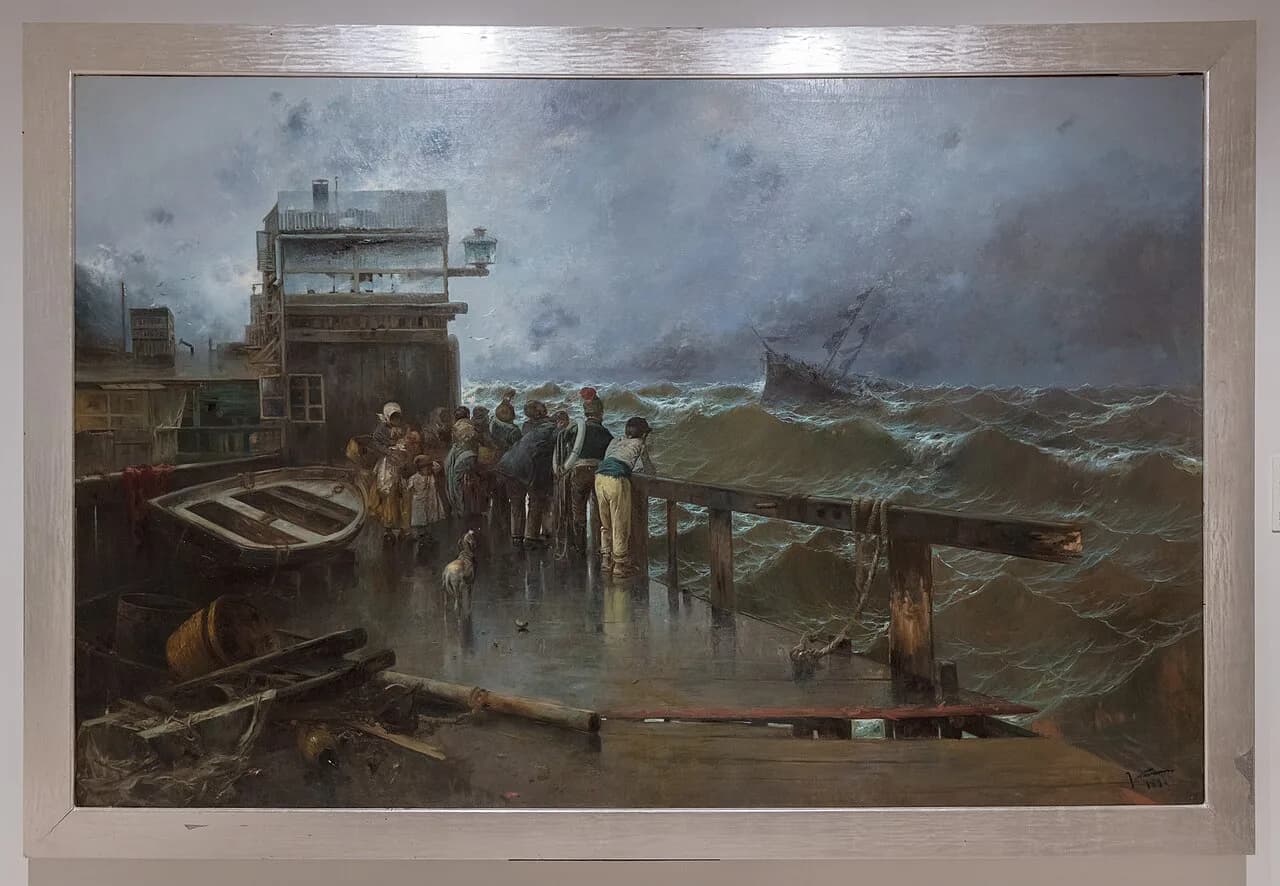
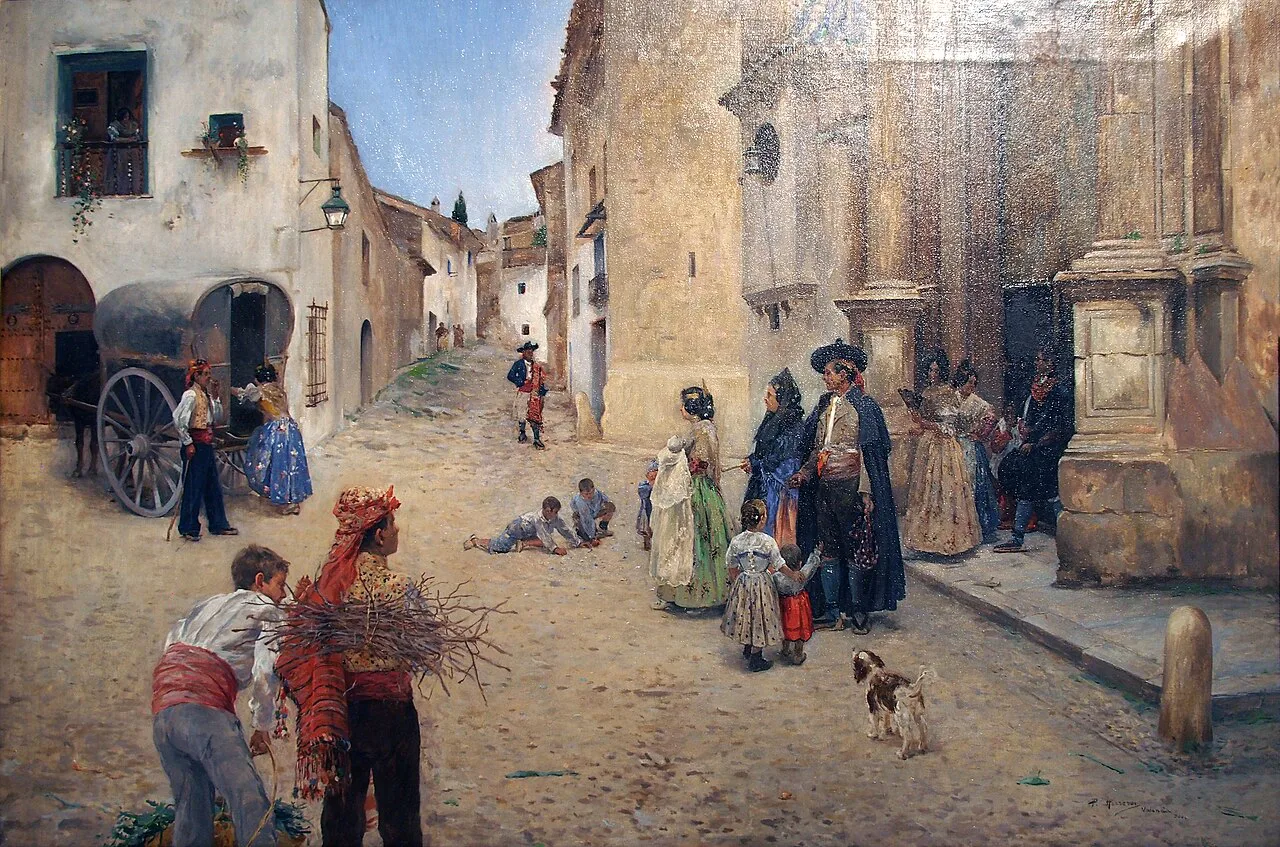
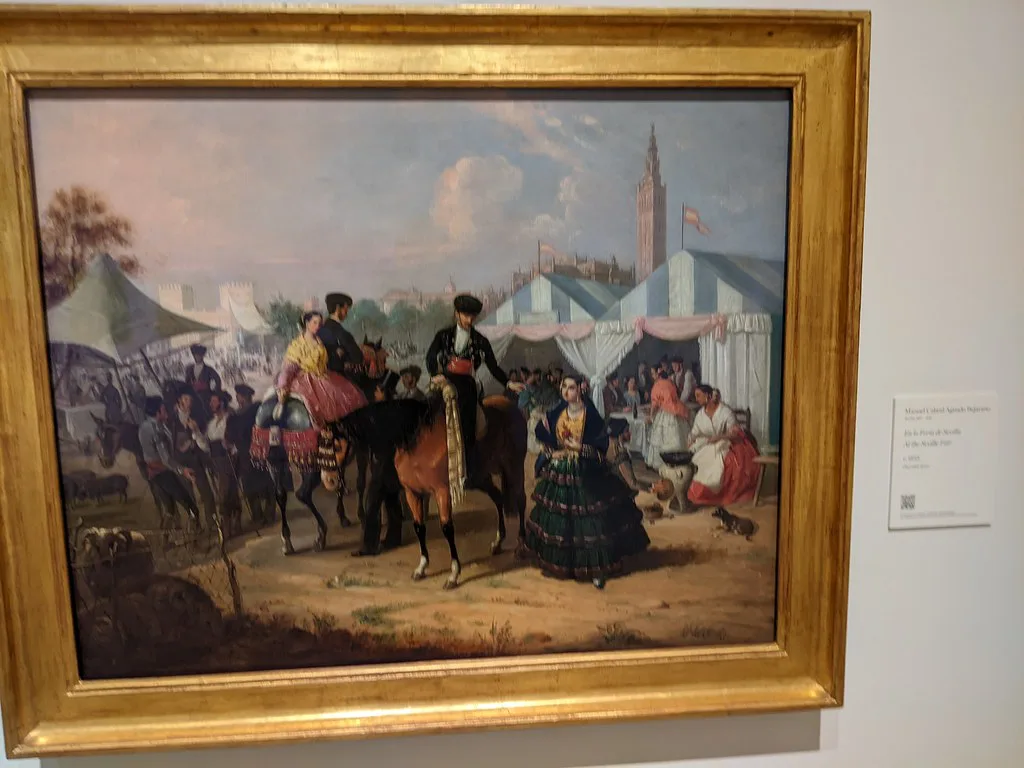
The permanent rooms trace 19th-century Spanish painting through its genres, from romantic landscapes to realism, with Andalusian daily life as the recurring subject. Expect street meetings, cultural festivities, flamenco dancers and recognisable landmarks from Seville, Málaga and Córdoba, painted by artists including Domínguez Bécquer and Manuel Cabral Aguado Bejarano. Landscapes by Genaro Pérez Villaamil and Manuel Barrón show the shift from Romanticism towards Realism, while later rooms bring in international influences through Darío de Regoyos, Francisco Iturrino, Joaquín Sorolla, Hermen Anglada and Ignacio Zuloaga.

Highlights to look out for, from Zurbarán's Santa Marina to Sorolla and de Regoyos
Several works anchor the visit: Zurbarán's Santa Marina, Alfred Dehodencq's Una cofradía pasando por la calle Génova, Sevilla and his gypsy dance scene set in the Alcázar gardens, Antonio María Reyna Manescau's Canal de Venecia, Darío de Regoyos's La Concha, nocturno and Modest Urgell's Playa. If your time is short, head for these first, then work back through the Andalusian genre scenes. The museum also offers a virtual tour on its site, useful for working out what you want to see before you arrive.
The Darío de Regoyos room and what it adds to the visit
One area of the permanent collection focuses specifically on Darío de Regoyos, his career and his contribution to Spanish modern painting. That dedicated treatment is what lifts the museum above a general survey: you get a close look at how one artist pushed Spanish painting towards modern subjects and looser handling. Give this section an extra ten minutes, especially if the international-influence rooms have caught your eye.
Temporary exhibitions in the museum's two temporary rooms
Alongside the permanent hang, temporary exhibitions occupy their own rooms and are priced separately, which is why the ticket page lists more than one rate. What is on changes through the year, so check the museum's programme before you travel if a particular show is the reason for your visit. If you only want the permanent collection, buy that ticket alone and skip the add-on.
The museum shop
The shop sits at the end of the route and stocks unusual items for adults and children, which makes it a reasonable last stop if you are after a gift that is not the usual cathedral-square souvenir. Browse it on the way out rather than saving it for later, since it is inside the museum.
How long to allow and the best time of day to go
Allow roughly an hour for the permanent collection and a further half-hour if a temporary show interests you. Late morning after the 10am opening is calmest, while the middle of the afternoon brings old-town crowds and school groups. A late-afternoon slot works well in summer, leaving you free to walk out into the evening tapas hours rather than the worst of the heat.
Practical points: photography, bags and accessibility
Photography rules, bag restrictions and step-free access vary between exhibition spaces, and the museum sets its own conditions for each show. Ask at the ticket desk when you arrive, or contact the Carmen Thyssen Museum directly before your visit if you need to confirm lift access or bring a pushchair. Bag storage is usually offered at the entrance, but check on the day rather than assuming.
What's nearby: the cathedral, Alcazaba and Picasso Museum within a short walk
The cathedral is a couple of minutes away, and the Alcazaba de Málaga and its Roman theatre sit a short walk east towards the port. The Picasso Museum Málaga is also close by in the same old-town grid, so you can pair two art collections in a single day if you start early. For a wider pick of what to see, the Malaga Attractions: 6 Visitor Guides covers the main sights in one place, and our notes on Malaga Neighborhoods: 3 Area Guides help you work out where to base yourself.
If you want a longer walk afterwards, the climb up to Gibralfaro Castle, Málaga rewards you with views back over the city and the port. The Roman Theatre Málaga, tucked beneath the Alcazaba, is free to look at from the street and makes a natural stop on the way.
Pairing the museum with lunch or an evening of tapas in the old town
Spanish lunch runs from about 1.30pm to 4pm, so a late-morning museum slot leaves you free for a menú del día nearby, while an afternoon visit sets you up for dinner from 8.30pm or 9pm. The streets around Calle Compañía and the plaza outside the cathedral are thick with bars, and the old town rewards wandering off the main drag towards the tapas counters rather than the picture menus. Book the museum around your meal rather than the other way round, since kitchens close between services.
Plan Your Visit
The Carmen Thyssen Museum suits anyone who wants a manageable dose of Spanish art in the old town without committing a whole morning to it. Go for the permanent collection, give the Darío de Regoyos area proper time, and build the rest of the day around the cathedral, the Alcazaba and a late lunch.
Check the museum's own site for the day's hours and ticket rates before you travel, particularly around public holidays and temporary shows.
Explore more Malaga guides
Frequently Asked Questions
What are the highlights of the Thyssen museum in Málaga?
Look for Zurbarán's Santa Marina, Alfred Dehodencq's Sevilla procession and Alcázar dance scenes, Darío de Regoyos's La Concha, nocturno, Modest Urgell's Playa and Antonio María Reyna Manescau's Canal de Venecia. The Andalusian genre scenes and the dedicated Darío de Regoyos area round out the visit.
Who owns the Carmen Thyssen Museum collection?
The collection belongs to Carmen Cervera, known as Carmen Thyssen, and the museum exists to conserve, research and share it. It is a separate collection from the Thyssen-Bornemisza museum in Madrid.
How much does it cost to visit the Carmen Thyssen Museum?
The museum publishes its general, reduced and temporary-exhibition rates on its horarios and tarifas page. Check that page for current prices and what each ticket covers before you buy.
What are the opening hours of the Carmen Thyssen Museum?
The museum opens Tuesday to Sunday, 10am to 8pm. It is closed on Mondays, so plan your old-town day accordingly.
Is the Carmen Thyssen Museum worth visiting?
Yes, if you want a focused look at 19th-century Spanish painting with Andalusia at its centre. It is compact enough to see in an hour and sits close to the cathedral and the Alcazaba, so it fits easily into a sightseeing day.
What else is near the Carmen Thyssen Museum?
The cathedral is a couple of minutes away, and the Alcazaba, Roman theatre and Picasso Museum are all within a short walk. The port and the climb to Gibralfaro are also close by.