
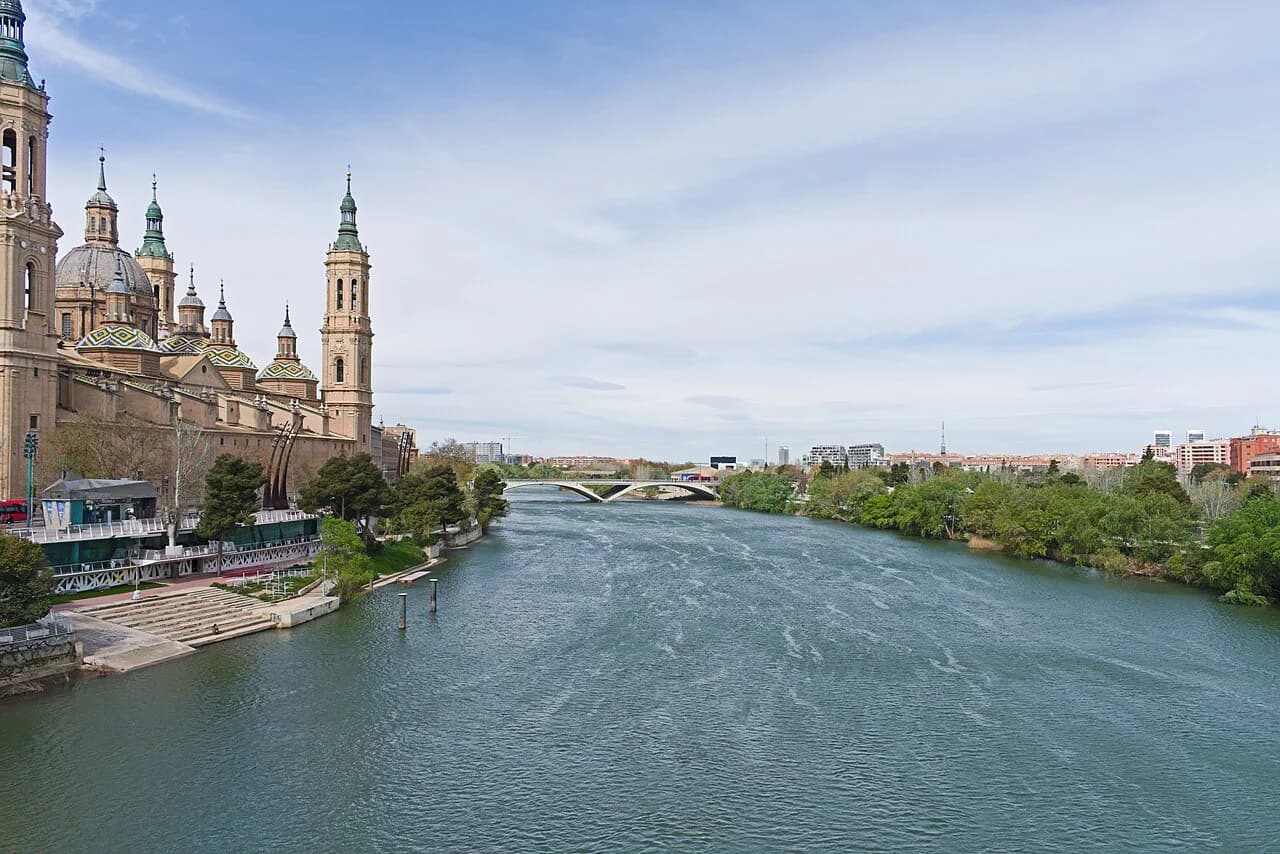
Zaragoza Attractions: 6 Visitor Guides
Zaragoza's sights line the Ebro and the old centre, from the Basilica of Our Lady of the Pillar and La Seo to the Aljafería Palace. Each guide covers what to see, how to get there and how long to allow.
Zaragoza attraction guides
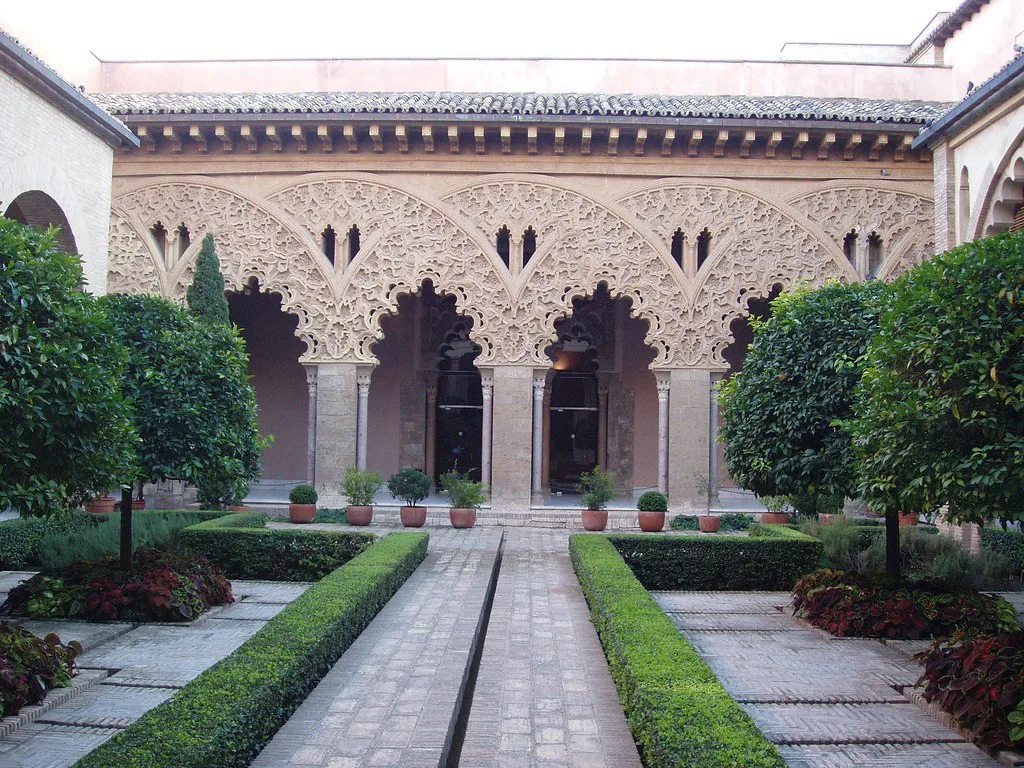
Aljafería Palace, Zaragoza: Visiting the Islamic Palace
The Aljafería Palace is Zaragoza's 11th-century Islamic castle-palace, built as a place of leisure and defence, with a courtyard open to the sky, carved plasterwork and coffered ceilings. Here is where it sits, what to look for inside, how to book direct and what to see within walking distance.
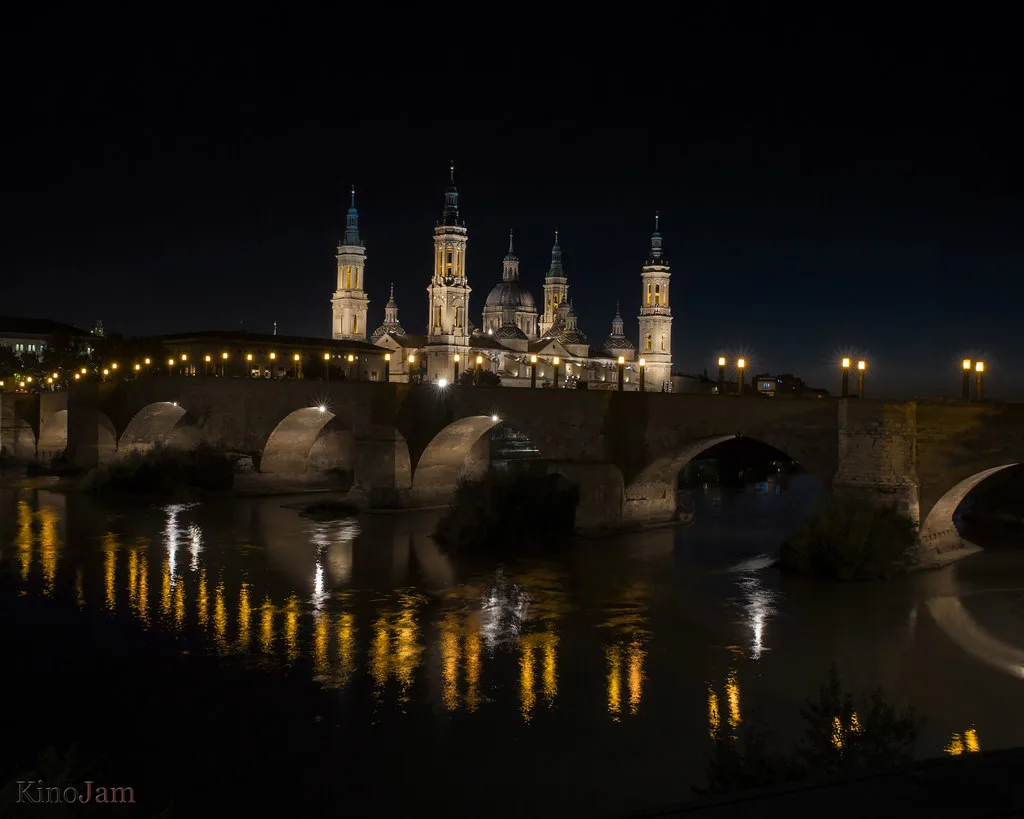
Basílica del Pilar, Zaragoza: What to See and Allow
The Basílica del Pilar is Zaragoza's landmark on the bank of the Ebro, a baroque church built across the 17th and 18th centuries. Here is what to see inside, how long to allow, and which sights sit within a short walk of its doors.
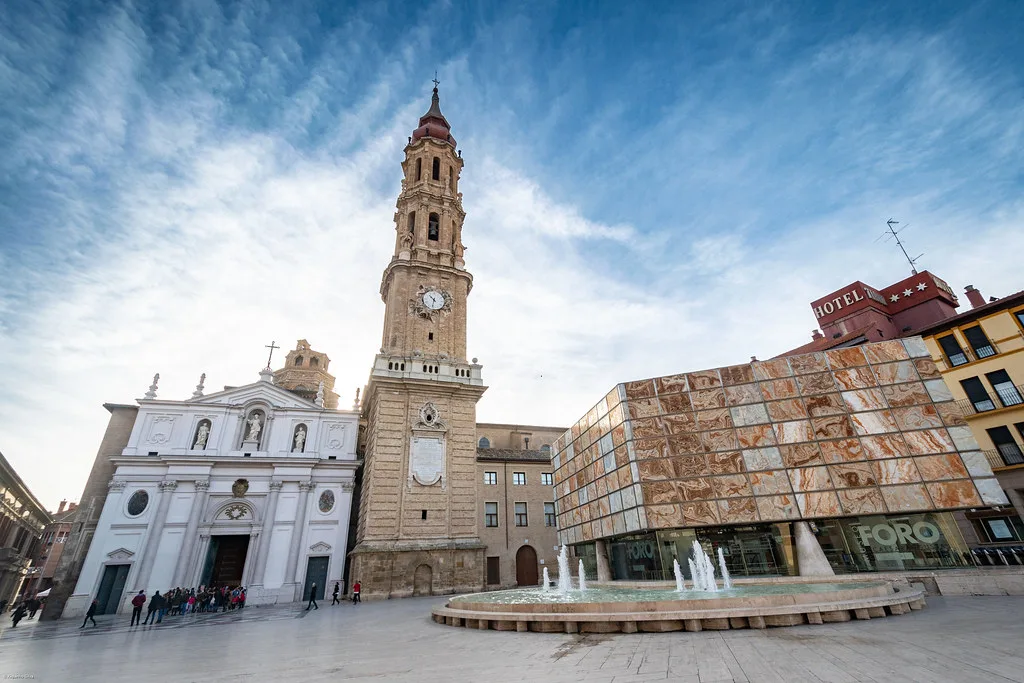
La Seo Zaragoza: Visiting the Catedral del Salvador
La Seo is Zaragoza's Catedral del Salvador, a UNESCO-listed Mudéjar building a step from the Basílica del Pilar. Here is what to see outside and in, where the cathedral publishes its rates and free-entry days, and how long to allow.
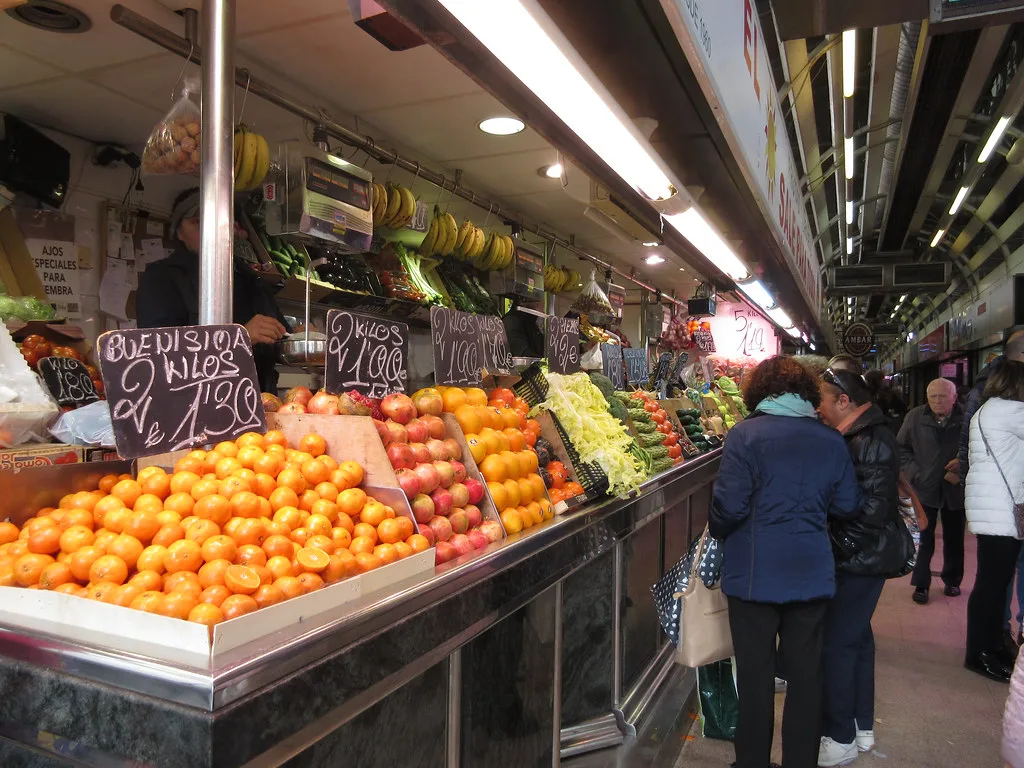
Mercado Central de Zaragoza: Visiting the Lanuza Market
The Mercado Central de Zaragoza, known locally as the Mercado de Lanuza, is the city's largest market: a modernist building on Avenida de César Augusto with 74 stalls and four food spaces. This guide covers where it is, the published hours, what is sold inside and the nearby sights worth adding to the same walk.
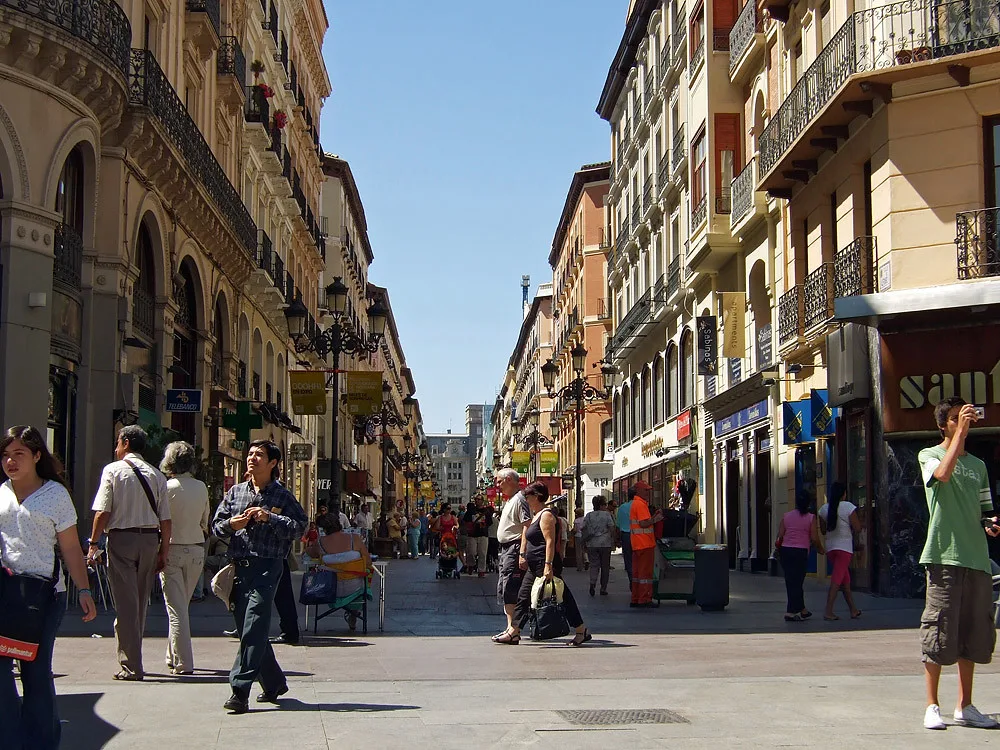
Museo Goya Zaragoza: Visitor Guide to the Camón Aznar Museum
The Museo Goya in Zaragoza pairs a Goya floor with older Aragonese painting and sculpture, plus immersive and virtual-reality displays. Here is where it sits on Calle Santiago, when it opens, how to book and how to build a half-day around it.
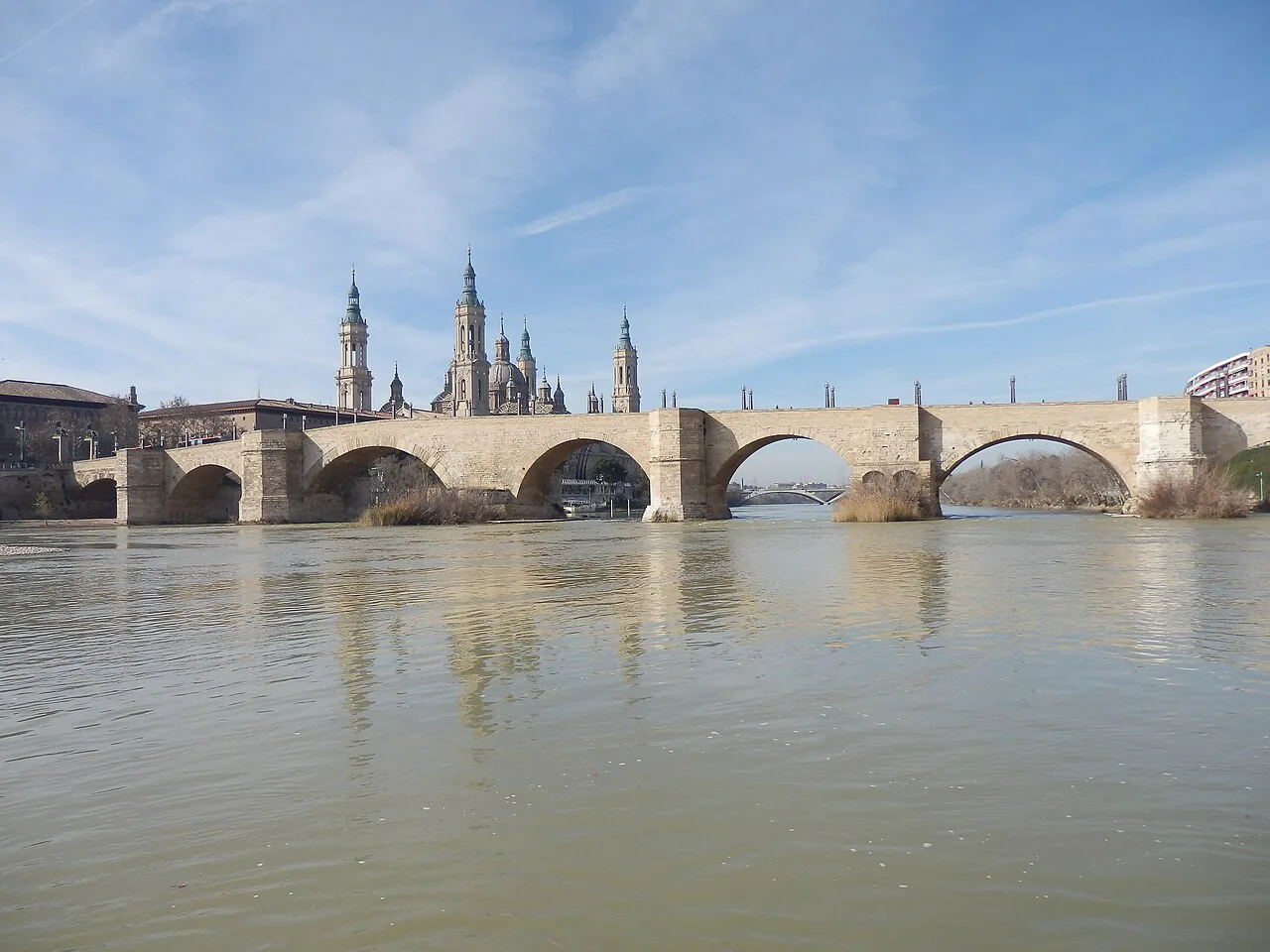
Puente de Piedra, Zaragoza: Visiting the Stone Bridge
The Puente de Piedra is Zaragoza's medieval stone crossing over the Ebro, free to walk at any hour and best seen as a working bridge with a view. Here is what each visible feature means, how the 15th-century structure replaced earlier crossings, and how to pair it with the Basílica del Pilar and the old town.