
Basílica del Pilar, Zaragoza: A Visitor's Guide
The Basílica del Pilar is Zaragoza's defining building, standing on the bank of the Ebro in the old centre. This guide covers that one church: where it sits, what to look at inside, how much time to give it and what is within a short walk. It is a working place of worship as well as a monument, so plan the visit around services rather than treating it as a museum.
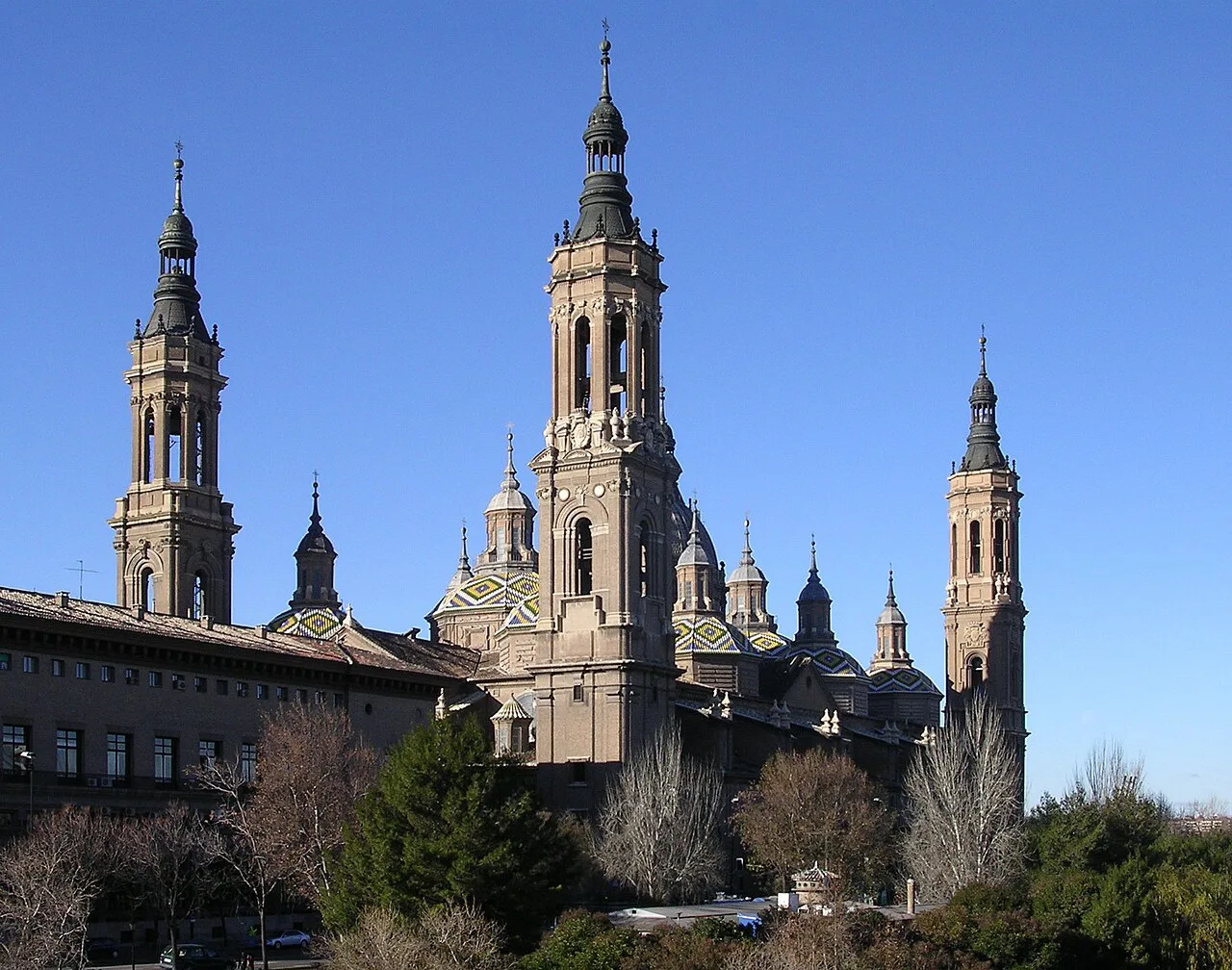
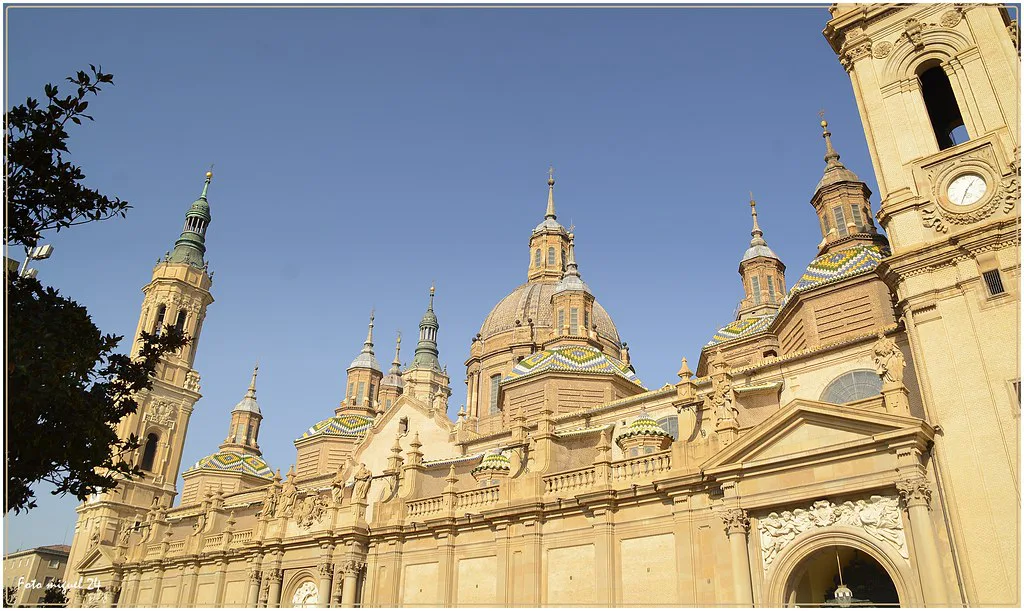
Architecturally it is a hybrid: baroque in its overall massing, with neoclassical elements and details that borrow from mudéjar design, including the exterior domes. Inside, the highlights are concentrated rather than spread out, which makes a focused visit of an hour and a half to two hours realistic. The building faces the river, so it slots naturally into a walk along the Ebro rather than a separate trip.
Where the Basílica del Pilar stands
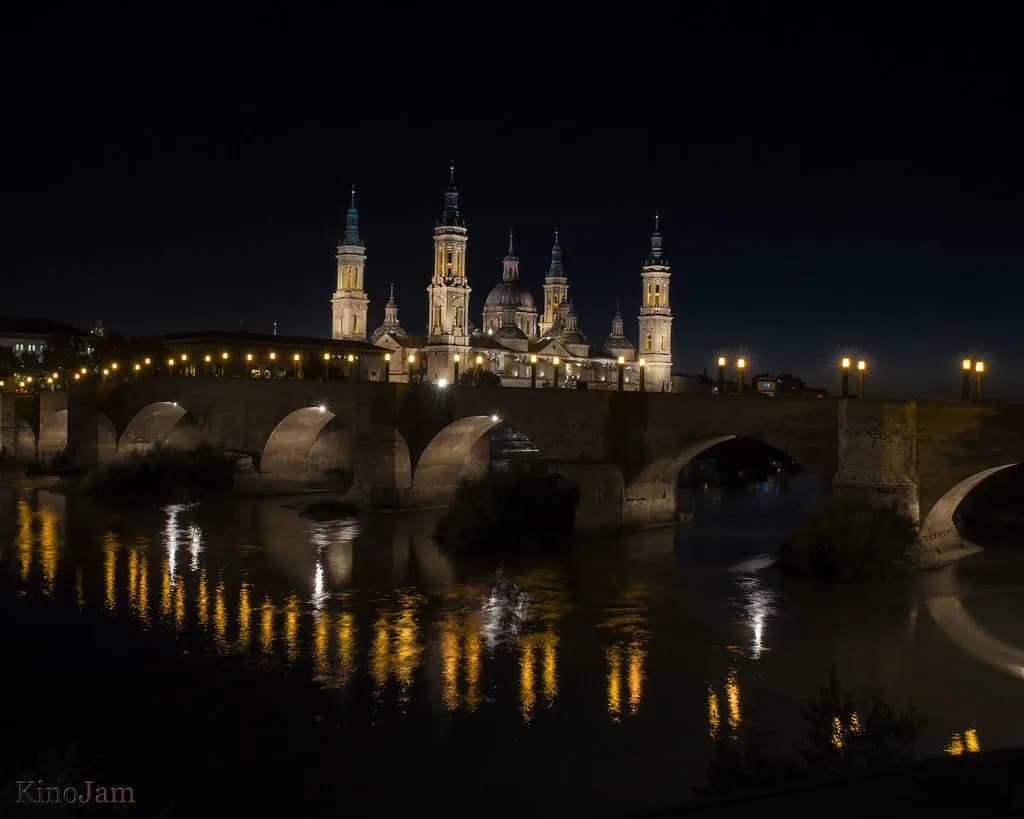
The Basílica del Pilar occupies a broad square on the Ebro riverside in Zaragoza's old centre, close to the river crossings that link the historic core with the newer city. Its position above the water is the reason the building is visible from far along the riverbank, and the open plaza in front gives you the distance needed to see the domes and towers as a whole rather than from underneath.
On foot is the sensible way to arrive, since the surrounding streets of the old centre are tight and the sights cluster together. Zaragoza's central position in north-east Spain makes it reachable by high-speed train from Madrid and Barcelona, and the station sits within walking or short taxi distance of the centre. If you are basing yourself in the city and working out what else to see, the wider set of Zaragoza Attractions puts the Pilar alongside the other main sights.
Allow extra time for the approach: the plaza in front of the basilica is where most visitors first see the scale of the building, and the riverside paths give a second view from across the water. The Puente de Piedra, the stone bridge over the Ebro, is a natural vantage point for the facade and domes, and it links the basilica side of the river with the opposite bank.
The building: 17th and 18th century baroque
Construction ran through the 17th and 18th centuries, which explains the mixture of styles: the church was designed by Felipe Sánchez and Francisco Herrera and later extended. The baroque outline is softened by neoclassical touches, and some architectural details, notably the exterior domes, show a clear Moorish influence rather than a purely European baroque vocabulary.
That layered history is worth keeping in mind as you walk around the exterior, because the building was not conceived in one campaign and the parts do not match neatly. Look at the domes and roof line from the plaza before going in; the exterior detail is easy to miss if you head straight for the doors.
Inside: the Santa Capilla and the column
The focal point inside is the Santa Capilla, which holds the column of the Virgen del Pilar, the object of the devotion that built the church. Visitors approach it as a shrine rather than a display, and crowds gather around it through the day, so it repays patience and a moment of quiet rather than a quick photograph.
Around the shrine, the side chapels and the monumental organ are the parts most visitors linger over, and they give a sense of how much of the interior is still in liturgical use. Keep your voice down and dress with the assumption that people are praying here; shoulders and knees covered is the safe default in Spanish churches.
Goya's domes and Forment's altarpiece
Look up: the domes carry frescoes by Francisco de Goya, which are among the reasons the interior rewards a slow circuit rather than a single pass through the nave. At the high altar, the retable is the work of the sculptor Damián Forment, and the scale of it is the other interior set piece worth planning your route around.
Because the artworks sit high or behind the altar, a pair of binoculars or simply standing back in the crossing makes the difference to seeing them. If time is short, prioritise the Santa Capilla, the altarpiece and the domes, and let the side chapels fill whatever remains.

The Civil War bombs kept inside
During the Spanish Civil War, bombs fell on the basilica and none of them exploded, an event treated as a miracle. Some historians have argued that the projectiles were deliberately defused before being dropped, but two of the bombs are still kept inside the church and can be seen on a visit.
It is a small exhibit that many visitors walk past, and it makes more sense if you have read the story first. Treat it as a historical display rather than a spectacle, and give it a few minutes on your way around the interior.
Visiting as a place of worship
The Pilar is an active Catholic basilica, not a heritage site with a ticket desk at the door, so behaviour matters: quiet voices, no flash in the chapels, and no wandering into areas set aside for services. Covering shoulders and knees is a practical habit in Spanish churches, and it avoids being turned away at the entrance.
The building is in use for Mass through the day, and access to parts of the interior can be restricted while a service is under way. Rather than build a fixed plan around a timetable, check the published schedule with the basilica itself before you travel and fit your visit around the services rather than the other way round. The Archdiocese of Zaragoza page on El Pilar is a starting point for that.
How long to allow
Give the Basílica del Pilar an hour and a half to two hours if you want to see the Santa Capilla, the altarpiece, the domes and the bomb display without rushing. That allowance covers the interior and a circuit of the plaza; add time if you plan to sit with the shrine or photograph the exterior from the riverside.
Guided visits are a practical alternative if you want the architecture and the artworks explained in sequence. A guided tour of the Basílica del Pilar runs for around an hour and a half, and a combined tour pairing the Pilar with the Cathedral of the Salvador runs for about two and a half hours, both with entry included. Prices sit on the booking pages, and you should confirm the current figure there rather than rely on a remembered one.
What is nearby
La Seo, the Cathedral of the Salvador, is the other great church of Zaragoza's old centre and sits within a short walk of the Pilar; its mudéjar wall and tower are a UNESCO World Heritage element and a genuine contrast with the baroque Pilar. It is worth pairing the two, since the combined guided tour covers both in one stretch. For a fuller picture of the city beyond its churches, our guide to things to do in Zaragoza sets the cathedrals alongside the Roman ruins and tapas.
The Aljafería Palace lies a little further out but is easily reached from the centre, and its Islamic architecture gives the city a third layer beyond the Christian monuments. Allow around two hours for the palace if you add it to the same day, as guided visits run to roughly that length.
The Roman remains of Caesaraugusta, the city's Roman predecessor, are another nearby option, with museums covering the theatre and the forum. If you want a single overview of the city's layers, the Roman tour covers the museums that hold the traces of the settlement from the first century BC.
Practical checks before you go
Opening times, ticket arrangements for any parts of the interior that charge, and Mass schedules are the details most likely to change between planning and arrival. Check them directly with the basilica or the Archdiocese of Zaragoza shortly before you travel, and treat any advice you read elsewhere as a prompt to look up the official timetables rather than a guarantee.
Zaragoza is hot in summer and cold and windy in winter, and the plaza in front of the Pilar offers little shade, so a morning visit is more comfortable than a midday one in July and August. Spanish meal times matter for the rest of the day: lunch runs from about 1:30pm to 4pm and dinner starts around 8:30pm to 9pm, which leaves a comfortable afternoon for the old centre after a morning at the basilica. If you are still deciding how to fill that afternoon, our guide to things to do in Zaragoza covers the Roman ruins and tapas to pair with the churches.
Plan Your Visit
The Basílica del Pilar is best treated as one substantial stop rather than a five-minute photo: give it an hour and a half to two hours, go early in the day, and look up at the domes and altarpiece rather than only at the shrine. Build the rest of the day around La Seo and the Roman museums within the old centre, and keep the Aljafería for a separate visit.
Check the basilica's own published information for hours and services before you go, and wear something you would wear into any working church. That is the whole of the planning: the building does the rest.
Explore more Zaragoza guides
Frequently Asked Questions
What is there to see inside the Basílica del Pilar in Zaragoza?
The main sights are the Santa Capilla with the column of the Virgen del Pilar, the high altarpiece by the sculptor Damián Forment, and the frescoed domes painted by Francisco de Goya. The side chapels, the monumental organ and the two Civil War bombs kept on display fill out a visit of an hour and a half to two hours.
How long should I allow for the Basílica del Pilar?
Allow an hour and a half to two hours to see the interior properly and walk the plaza in front. A guided visit of the basilica alone takes around an hour and a half, while a combined tour with La Seo runs about two and a half hours.
What else is worth seeing near the Basílica del Pilar?
La Seo, the Cathedral of the Salvador, is the closest major sight and makes a natural pairing with the Pilar. The Aljafería Palace is a short trip from the centre, and the Roman museums of Caesaraugusta cover the city's earlier layer.
Why are there bombs inside the Basílica del Pilar?
Bombs fell on the basilica during the Spanish Civil War and none exploded, an event treated as a miracle. Two of the projectiles are still kept inside the church and can be seen during a visit.
Do I need to dress modestly to visit the Basílica del Pilar?
Yes. The Pilar is an active Catholic basilica, so cover shoulders and knees, keep your voice down, and avoid areas set aside for services. Check the published Mass schedule before you travel so your visit does not clash with worship.