Things to Do in Zaragoza: Cathedrals, Roman Ruins and Tapas
Plan your days in Zaragoza with the Basílica del Pilar, La Seo, the Aljafería and Roman Caesaraugusta, plus where to eat tapas and how long to stay.
On this page
Zaragoza rewards a stop of at least two days: the Basílica del Pilar and La Seo sit minutes apart, the Aljafería and the Roman Forum museum fill a second morning, and the tapas bars of the old quarter fill the evenings. The city is built on more than 2,000 years of history and has a monumental, pedestrianised old quarter that makes the main sights easy to combine on foot.
It sits at a crossroads between the big Spanish cities, which is why it works so well as a rail stop rather than a flight destination. High-speed trains reach Madrid in roughly 1 hour 20 minutes and Barcelona in about 1 hour 30 minutes, both landing at Zaragoza Delicias Intermodal Station near the centre.
Zaragoza in a Nutshell: Why the City Between Madrid and Barcelona Earns a Stop
Aragón's capital is the fifth Spanish city by population, yet it feels unhurried compared with Madrid or Barcelona. Its draws are unusually concentrated: two cathedrals, a fortified Islamic palace in the centre, Roman remains of Caesar Augusta and a gastronomic scene the city's tourism board describes as one of the most diverse in Spain.
Four cultures left their mark here, and you can read them in a single afternoon's walk: Roman foundations, a Mudéjar cathedral, an 11th-century taifa palace and modern architecture along the Ebro. Use the Zaragoza Attractions: 6 Visitor Guides hub to pick the monuments that suit your interests before you build a route.
The trade-off is that Zaragoza rarely tops a first-time Spain itinerary, so it stays calm even in high season. That calm is exactly the argument for slotting it between the two big cities rather than treating it as a detour.
How Long to Stay: Zaragoza in Two Days and What a Longer Visit Adds
Two days covers the essentials comfortably: the Basílica del Pilar and its tower, La Seo and its tapestries, the Aljafería and the Roman Forum museum, with tapas in the old quarter each evening. Add a third day for the Expo 2008 waterfront, the aquarium or a museum afternoon, especially if the weather turns.
Work out the shape of your stay with How Many Days in Zaragoza? What Fits Into One, Two or Three before booking trains, since the difference between a rushed day and a relaxed two-night stay is mostly about how much walking you want.
If you only have one day, keep to the old quarter and skip the Expo grounds and the outlying shopping centres. The monuments cluster tightly enough that a single day still delivers the two cathedrals and the Aljafería without a taxi.
The Basílica de Nuestra Señora del Pilar: What to See Inside and the Tower Climb
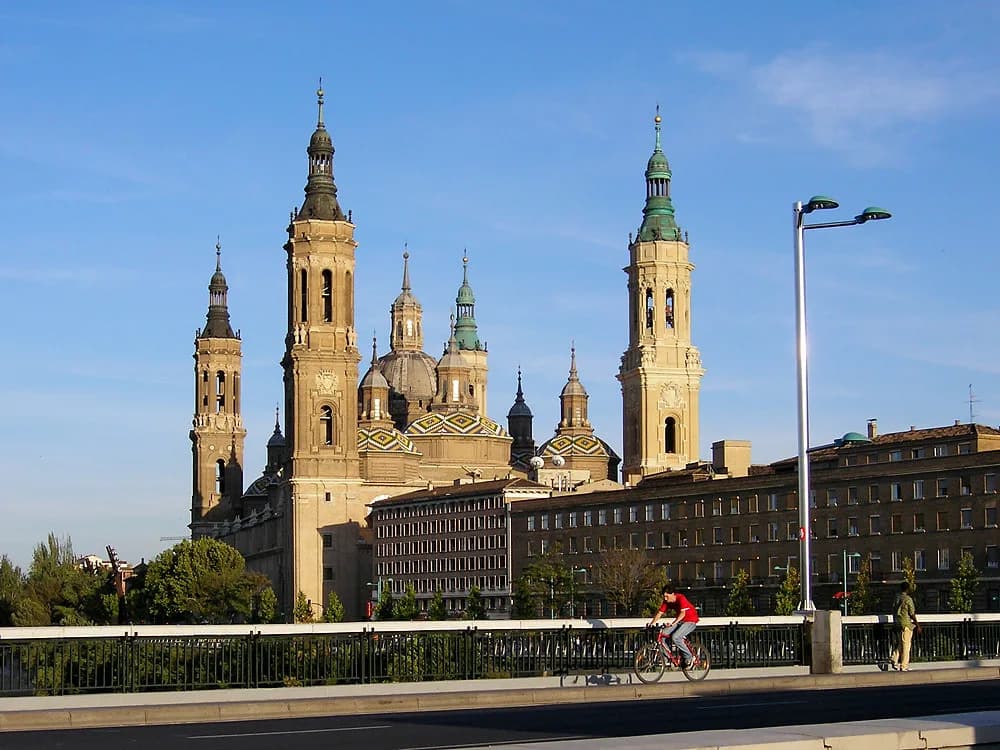
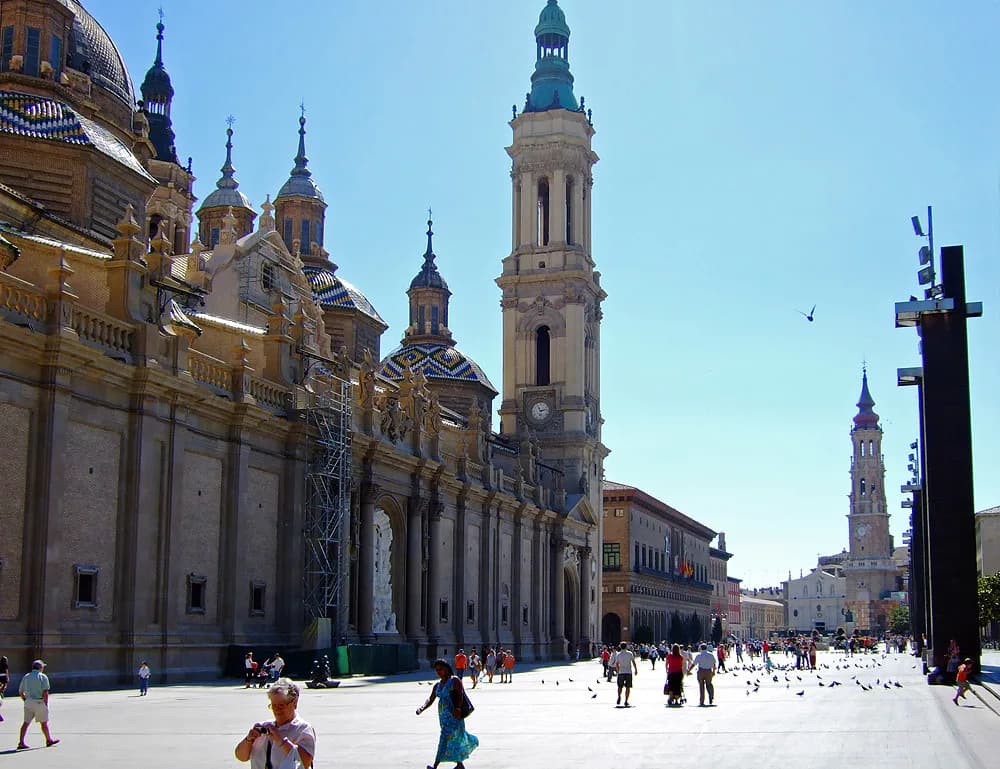
The Basílica del Pilar is the symbol of the city and one of the largest churches in the world, with works by Francisco de Goya inside and the revered carving of the Virgen del Pilar. Entry has been free, with donations accepted, and multiple masses run through the day alongside tourist visits, so dress and behave as you would in any working church.
The tower climb is the part worth paying for. One of the four towers is open to the public via a lift on the north-west side overlooking the river, followed by a short spiral staircase to the top, and the view over the city and the Ebro is the best introduction to Zaragoza's layout.
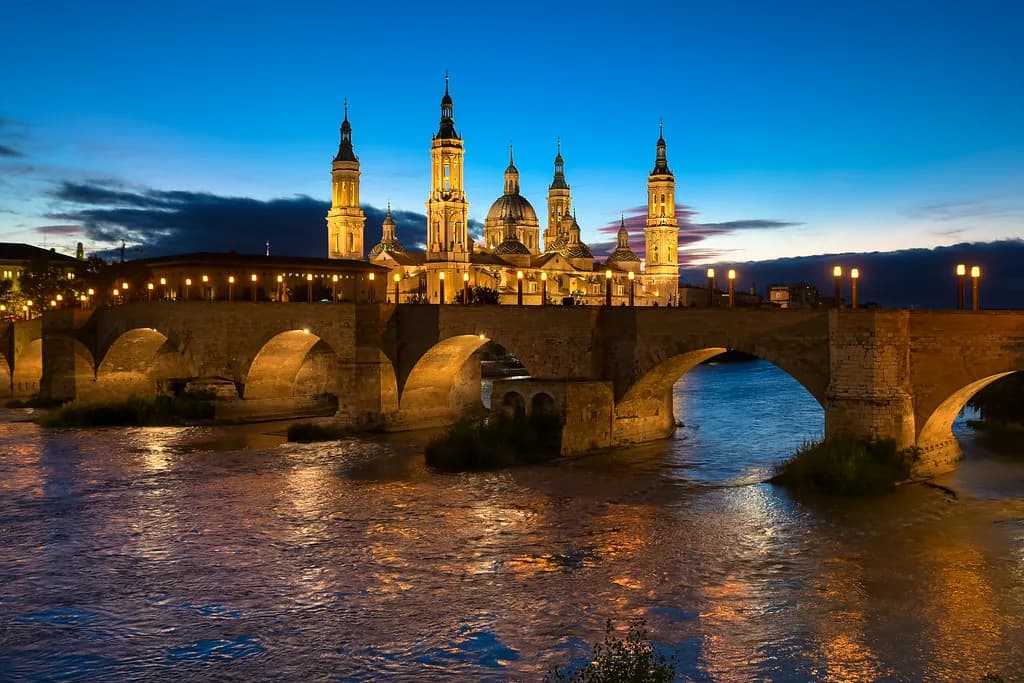
The Basílica de Nuestra Señora del Pilar anchors any Zaragoza itinerary, and it makes sense to see it first thing while the square is quiet, then return in the evening when the facade is lit.
La Seo, the Cathedral of El Salvador: Mudéjar Architecture and the Tapestry Collection
La Seo, the Cathedral of El Salvador, is the city's other cathedral and a leading example of Aragonese Mudéjar art, recognised by UNESCO. Inside it holds one of the best collections of Flemish tapestries from the 15th to 17th centuries, which alone justifies the visit for anyone interested in textiles.
Entry has been charged separately from the Basílica, with the ticket also covering the connected tapestry museum. Photography has not been allowed inside, so plan to look rather than photograph, and allow longer than you expect for the tapestry rooms.
Sitting the two cathedrals side by side is the single clearest lesson in Spanish church architecture a short break can offer: one vast and baroque, the other older, darker and layered with Mudéjar brickwork. Do them on separate mornings rather than back to back.
Aljafería Palace: The Islamic Fortress Palace and Its Mudéjar Rooms
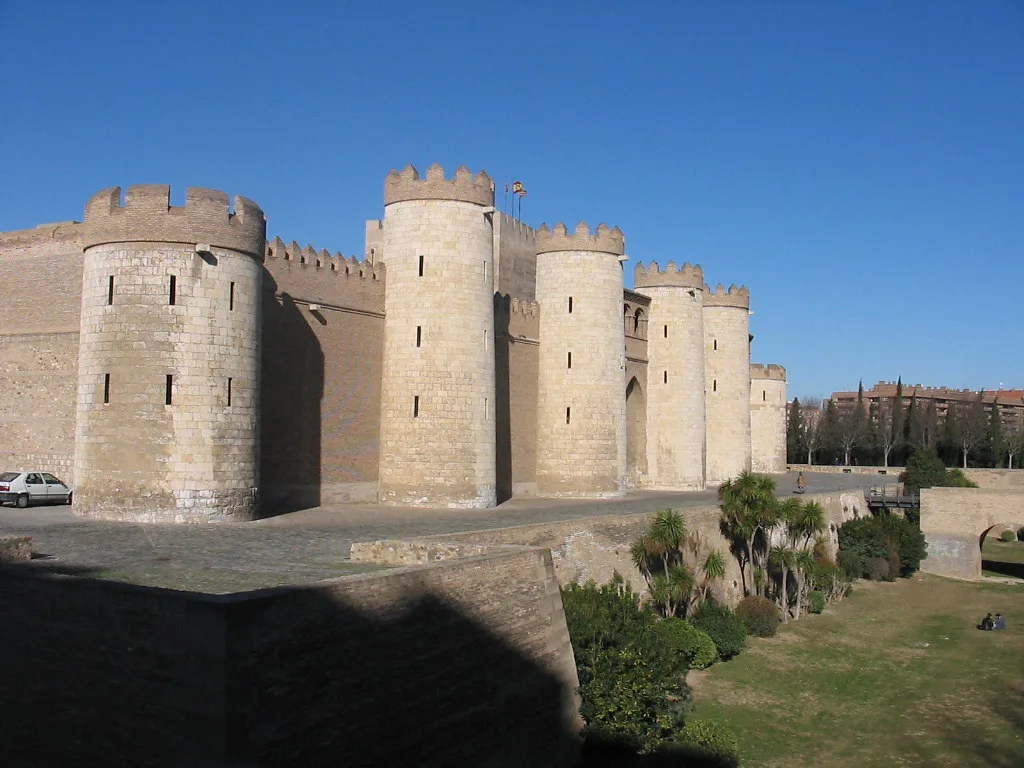
The Aljafería is an 11th-century Islamic fortress built as a pleasure palace for the kings of the taifa of Saraqusta, and its Mudéjar art was declared a World Heritage site in 2001. It sits a short walk west of the old quarter, outside the cathedral cluster, so give it its own slot in the plan.
The surprise is how far north genuine Arabic-style architecture reaches here, with carved arches and courtyards that read as Andalusian rather than Aragonese. It is the one monument in Zaragoza that visitors consistently underestimate, so allow an unhurried hour or more rather than squeezing it between cathedrals.
Because it lies beyond the pedestrianised centre, pair it with a drink or a plate in the surrounding streets instead of doubling back immediately. That also keeps you out of the midday heat in summer.
Roman Zaragoza: The Caesaraugusta Forum Museum and the City's Roman Foundations
Zaragoza was founded by Rome as Caesar Augusta, and the city's Roman remains are woven into the modern street plan rather than fenced off in a single site. The Caesaraugusta Forum Museum is the place to start, with excavated foundations and explanations that make the rest of the old quarter legible.
Roman walls and fragments turn up along ordinary walking routes, and the monumental heritage of four ancestral cultures is presented as part of daily city life rather than a museum district. Keep an eye at street level as you move between the cathedrals and the market streets.
This is the section of the guide most worth doing with a plan. Guided tours and the tourist bus both cover the main monuments and green spaces, which saves legwork if you have only a day and want the Roman layer explained.
Modern Architecture Along the Ebro: Expo 2008 Grounds and the Waterfront
The 2008 World's Fair left Zaragoza a waterfront of contemporary architecture, including the Bridge Pavilion designed by Zaha Hadid, the Water Tower and the Alma del Ebro sculpture. The Alma del Ebro, a seated figure built from interlocking letters, is the easiest photo stop of the three and sits across the bridge from the tower.
Access to the Water Tower has been irregular rather than reliably open to the public, so treat the exterior and the riverside walk as the dependable part of the visit. The Expo site also doubles as flood protection for the historic centre when the Ebro rises, which explains its position between river and city.
Walk it in the late afternoon when the light hits the bridges, and combine it with the Aquarium rather than making two separate trips east. It is a flat, exposed stretch, so carry water in summer.
Aquarium and Family Stops: Who They Suit and What to Skip
The Zaragoza Aquarium opened for Expo 2008 and is one of Europe's largest freshwater aquariums, with turtles, crocodiles, lizards and dozens of fish species. Families with younger children get the most out of it, and the turtle tanks are the highlight; adults travelling without children can reasonably skip it.
It sits near the Water Tower, and walking there from the centre on a hot day is a mistake that a bus ride easily fixes. The Zaragoza Family tourist card gives discounts at various establishments including the Aquarium and the Amusement Park, which matters if you are travelling with children.
The amusement park suits a relaxed afternoon with younger teenagers rather than thrill-seekers; there are no towering roller coasters, but smaller rides and an old-fashioned atmosphere that families tend to enjoy.
Museums for a Hot or Wet Afternoon: Faroles, Rosario de Cristal and IAACC Pablo Serrano
The Museo de los Faroles y Rosario de Cristal is a small, dimly lit space holding large glass sculptures on Catholic themes, which light up as you move through. It is a short, atmospheric stop rather than a full afternoon, and it works well when the heat or rain makes outdoor sightseeing unappealing.
For contemporary art, the IAACC Pablo Serrano is listed among the city's points of interest alongside the Caesaraugusta Forum Museum and the Lonja. Pick one museum per afternoon rather than stacking three, since the old quarter rewards slow walking over ticking off venues.
Where to Eat: Tapas in the Old Quarter, Standing at the Bar
Tapas in Zaragoza follows the standing-at-the-bar format you see across Spain: a long counter spread with plates, few or no chairs, and drinks ordered alongside. Los Victorinos, near the old quarter, is a narrow bar built around exactly that counter, and the format is the point rather than a drawback.
If you want a seat and a longer meal, plan around that preference instead of turning up at a standing bar and leaving. Our best tapas in Zaragoza picks the counters worth your time, while the best restaurants in Zaragoza covers the sit-down end of the range.
Timing matters: lunch runs roughly 1:30pm to 4pm and dinner starts around 8:30pm to 9pm, so a 6pm hunger pang is best met with a snack rather than a full meal. Bars fill quickly after 9pm, and the crowded counter is usually the one worth squeezing into.
Zaragoza Food to Order: Tapas, Aragonese Dishes and a Chocolate Pass
Order by pointing at the counter, then add one or two cooked dishes to share. Zaragoza's tapas culture is varied enough that a crawl of three or four bars beats a single sit-down dinner for anyone wanting to taste widely.
For a lighter trail, the Chocopass is a voucher for sampling five chocolate creations across several shops, which works well as an afternoon activity with children or as a break between monuments.
Craft beer is not dominant in Zaragoza, but the downtown has bars with serious selections: Hoppy pours around 20 beers on tap alongside a bottle list drawn from across Europe and the United States.
Getting Around: Walking the Old Quarter, Tram, Bus and the Tourist Bus
The old quarter is monumentally pedestrianised, and most of the headline sights sit within a walkable radius, so you will rarely need transport between them. For the Aljafería, the Expo grounds and the aquarium, use the tram or bus rather than walking along main roads.
The city has one tram line, generally running from 06:00 to 00:00, and most buses run from about 06:30 to 22:00. The municipal bike-hire scheme Bizi covers short trips along the cycle network.
The hop-on hop-off tourist bus is a reasonable orientation tool on a first afternoon, connecting the main attractions and the large parks, though it is not a substitute for walking the old quarter.
Getting There: High-Speed Trains and Zaragoza Airport
Trains are the practical way in. High-speed services reach the city from Madrid in about 1 hour 20 minutes and Barcelona in about 1 hour 30 minutes, with Huesca roughly 45 minutes away, all arriving at Delicias station with a taxi rank at the exit.
Zaragoza Airport sits about 10 kilometres outside the city and connects by bus line 505 or taxi, with the bus taking around 30 minutes to the centre. Check schedules directly with the operator before committing to a late arrival.
By road, the A-2 links Zaragoza with Madrid and the AP-2 and A-2 with Barcelona, which makes it an easy stop on a longer Spanish drive.
Day Trips From Zaragoza: Huesca, Tarazona, Calatayud and the Bardenas Reales
Huesca is about 75 kilometres away and makes the easiest half-day extension by train, while Tarazona and Calatayud both sit around 90 kilometres out and suit a slower day with a car.
The Bardenas Reales Nature Reserve, roughly 115 kilometres southeast in Navarra, is the most spectacular excursion on the list, with desert-like landscapes that look nothing like the Ebro valley. It needs a full day and your own transport.
Closer in, the Cinco Villas region north of the city mixes history with nature for a gentler excursion. If you only have time for one trip out, choose between the landscapes of Bardenas and the Romanesque towns of the north.
Practical Tips: Meal Times, the Zaragoza Card and What to Book Ahead
Build your day around Spanish meal times: lunch from about 1:30pm to 4pm, dinner from roughly 8:30pm to 9pm. That leaves the late afternoon free for the Basílica, the Aljafería or the riverside walk.
The Zaragoza City Card bundles several paid sights and local transport, which pays off if you plan to enter La Seo, climb the Pilar tower and ride the tourist bus in the same trip. Buy it at the tourist office or online through Zaragoza Turismo.
Book high-speed trains early for the best availability, and reserve any restaurant you have your heart set on once you have fixed your days. For retail breaks and larger stores, see shopping in Zaragoza, and use the Casco Antiguo as your base for everything else.
Plan Your Visit
Zaragoza works best as a two-day stop between Madrid and Barcelona: a morning for the Basílica del Pilar and La Seo, an afternoon for the Aljafería and the Roman Forum museum, and evenings at the tapas counters of the old quarter. Build the route around lunch at 1:30pm and dinner from 8:30pm, and the days arrange themselves.
Check current opening hours and ticket details with Zaragoza Turismo before you travel, then set the whole plan into a realistic schedule. For a different Spanish city break with the same practical approach, see our things to do in Alicante or things to do in Fuerteventura for contrast.
Explore more Zaragoza guides
Frequently Asked Questions
How many days do you need in Zaragoza?
Two full days cover the Basílica del Pilar and its tower, La Seo with its tapestries, the Aljafería and the Roman Forum museum, plus tapas in the old quarter each evening. A third day adds the Expo 2008 waterfront, the aquarium or a museum afternoon, which helps if the weather is poor or you are travelling with children.
Is Zaragoza worth visiting between Madrid and Barcelona?
Yes, and the rail links make it easy. High-speed trains reach Zaragoza from Madrid in about 1 hour 20 minutes and from Barcelona in about 1 hour 30 minutes, both arriving at Delicias station near the centre. The old quarter is pedestrianised and the main monuments sit close together, so a stop of a night or two delivers a lot.
What food is Zaragoza famous for?
Tapas served from a counter is the everyday format, with narrow standing bars where you order plates and drinks at the bar. Beyond that, the city's gastronomy is varied rather than tied to a single dish, and the Chocopass voucher lets you sample chocolate creations across several shops.
Is the Basílica del Pilar free to enter?
Entry to the Basílica has been free, with donations accepted, and it functions as a working church with masses through the day as well as a visitor attraction. The separate tower climb has carried its own charge, and the lift leads to the north-west tower with a short spiral staircase at the top. Check the current position with Zaragoza Turismo before you go.
Can you climb the tower of the Basílica del Pilar?
Yes, one of the four towers is open to the public, reached by a lift on the north-west side overlooking the river, with a short spiral staircase at the top. The view over the city and the Ebro makes it the best orientation point in Zaragoza. Hours and tickets are worth confirming before you travel.
What can you do in Zaragoza in one day?
Keep to the old quarter: the Basílica del Pilar and its tower in the morning, La Seo and its tapestry collection next, then the Aljafería or the Roman Forum museum in the afternoon. Finish with a tapas crawl after 8:30pm. Skip the Expo grounds and the aquarium, which need more time than a single day allows.
Is Zaragoza good for families?
It is a comfortable family city, with a compact old quarter, the aquarium near the Water Tower and an amusement park that suits younger teenagers rather than thrill-seekers. The Zaragoza Family tourist card gives discounts at places including the Aquarium and the Amusement Park, and the Chocopass works as an afternoon activity.
Where do you eat tapas in Zaragoza?
Start with the old quarter, where the bars are dense and the standing-at-the-counter format is standard. Los Victorinos is a narrow bar with a large tapas counter, and Hoppy pours around 20 beers on tap if you want a drink alongside. Lunch runs about 1:30pm to 4pm and dinner from 8:30pm to 9pm.
Sources
Notes for eating well in Spain
Optional updates to our guides.
You might also like
Continue reading
More guides you'll find useful