Best Churros in Málaga: The Classic Cafés and When to Go
Churros in Málaga are a breakfast and merienda habit, not a dessert. Here are the classic cafés worth your time, what to order and how the timing works.
On this page
The churros worth queuing for in Málaga are a morning and late-afternoon habit: a paper cone of freshly fried dough with a mug of thick hot chocolate, eaten standing at the bar or at a pavement table. Our picks are Casa Aranda on Calle Herrería del Rey, Tejeringos Coffee for churros with sauces, and Casa Mira on Calle Marqués de Larios when you want something cold and sweet rather than fried. If you are building a wider eating plan around them, the best restaurants in malaga fill the rest of the day.
Churros in Málaga: the short answer
Churros are a working breakfast and a merienda, the late-afternoon snack that bridges the gap between a 1:30–4pm lunch and a dinner that rarely starts before 8:30–9pm. A churrería is a focused, fast-turnover place: you order, you eat, you leave, and the whole stop takes twenty minutes.
The most traditional stop in the centro histórico is Casa Aranda on Calle Herrería del Rey, a no-frills café where the churros come hot from the fryer alongside a mug of thick hot chocolate. It is a short walk from the main sights, which makes it an easy anchor for a morning in the old town before the museums open properly.
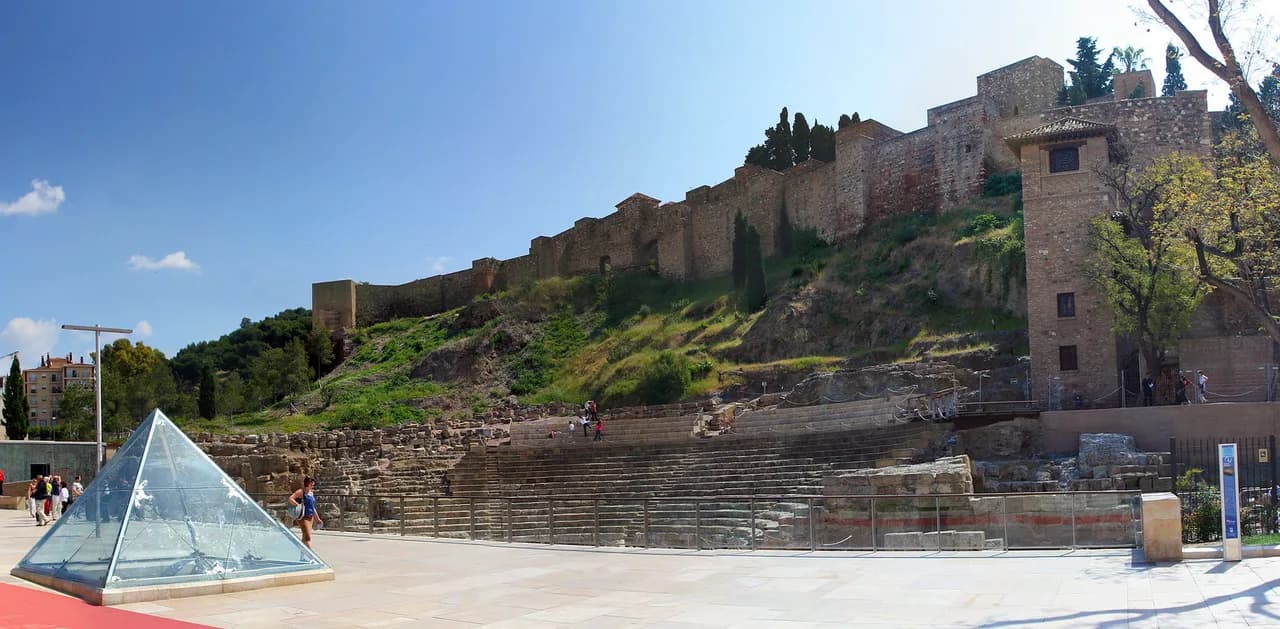
Use the churrería as the opening move of a sightseeing day rather than the finale: the Alcazaba de Málaga, the Roman theatre and the cathedral all sit within a few minutes of the old town, so a fried breakfast buys you an early start ahead of the crowds.
How churros fit into the Spanish day: breakfast, merienda and the gap before dinner
Spaniards eat churros at two moments: first thing in the morning, often on the way to work or after a late night, and again around merienda in the late afternoon. They are not a dessert course, and ordering them at 11pm after a full dinner misses the point of the ritual. Treat the churrería as a café, not a restaurant, and you will order the right amount.
In Málaga, the eating day runs late: lunch from about 1:30pm to 4pm, dinner from about 8:30pm or 9pm, with a long hungry stretch in between. That stretch is where a plate of churros earns its place, ideally around 5–7pm, before the bars start filling and the kitchens reopen for the evening.
If you are planning a full day of eating, put churros in the breakfast slot and leave the afternoon free for a proper sit-down lunch, then a light merienda. That rhythm leaves room for a serious tapas crawl later on, whether you are grazing in the centre or heading east towards El Palo for seafood, and the Malaga Neighborhoods guide helps you decide which of those areas suits your base.
Casa Aranda: the old-school churrería on Calle Herrería del Rey
Casa Aranda is the name that comes up first when locals in Málaga are asked about churros. It sits on Calle Herrería del Rey in the centre, close to the Alameda and the main shopping streets, and runs as a traditional café rather than a polished dessert bar: simple tables, quick service, and churros bringing in a steady stream of regulars.
Order the plain version first. The classic pairing is a plate of churros with a cup of thick hot chocolate, dense enough to coat the dough rather than soak it, and the contrast between the hot, faintly salty crust and the sweet chocolate is the whole reason to come. Go early if you want a table without a wait.
The surrounding streets are dense with things to do, so it makes practical sense to eat here, then walk to the Mercado de Atarazanas for a look at the fish and produce stalls while they are still busy. That progression from fried breakfast to market browsing covers a good half-day of the centro histórico without touching public transport.
What to order: churros, thick hot chocolate and the going rate
At a traditional churrería the order is short: churros, hot chocolate, and sometimes a coffee as a chaser. The chocolate is served in a cup for dunking, not poured over the churros, and asking for a second round of churros is entirely normal if the first goes fast. Plain is the default; sauces are the exception, not the standard.
Churros are cheap food, and a breakfast of churros and coffee in the centre commonly lands under a tenner; at La Nora, the café near María Zambrano station, two large breakfast rolls and two drinks cost just over eleven euros, which gives a fair idea of café pricing in the city.
Prices vary between churrerías and are often chalked up at the counter rather than printed on a menu, so check the board before you order, especially if you are feeding a family. That is the fastest way to see the price and whether chocolate is included or charged separately.
Tejeringos Coffee and the sauce-dipping variation
Tejeringos Coffee is the stop for anyone who finds plain churros too austere. It does the traditional thick hot chocolate but also serves churros with other sauces, including caramel and white chocolate, and the dough is praised for its consistency and flavour rather than just its novelty value.
Treat the sauces as a break from tradition rather than the benchmark: order one plain round first, then a sauced one if you have room, so you can taste what the dough is doing underneath. The same stop suits a group where half want a conventional breakfast and half want something sweeter.
Tejeringos makes a practical second stop because it works for both breakfast and merienda, so you can use it at either end of the eating day. Pair it with a visit to one of the central churches or the Picasso Museum nearby, and it becomes a short café break rather than a destination on its own.
Casa Mira on Calle Larios: a sweet stop that is not a churrería
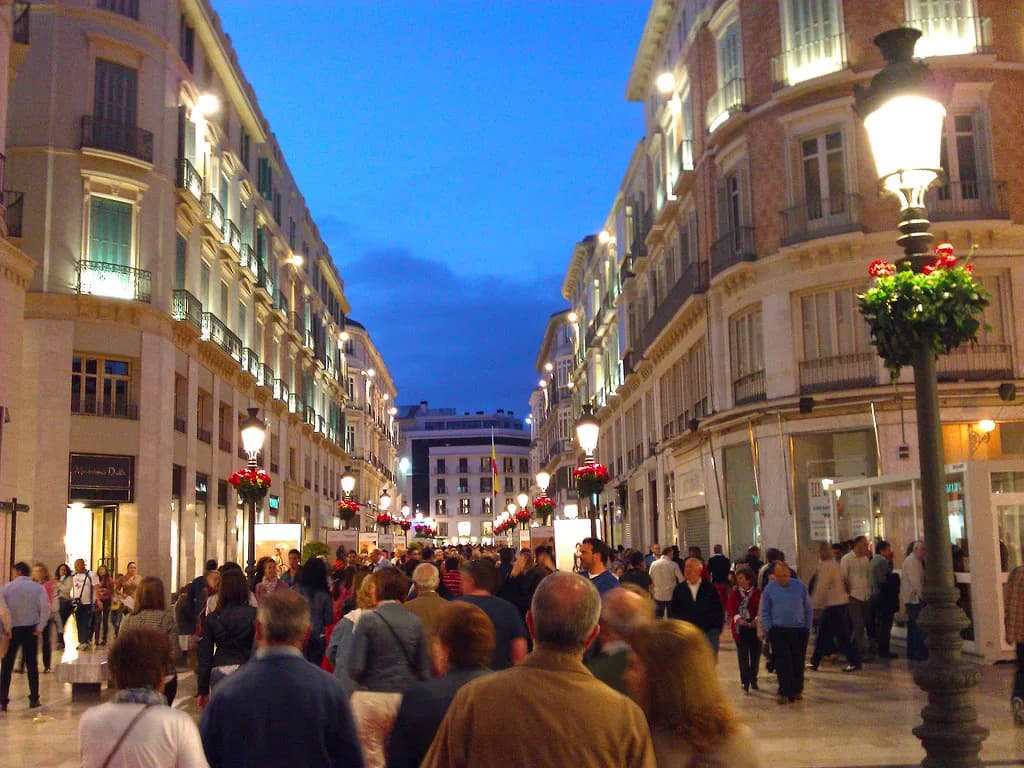
Casa Mira on Calle Marqués de Larios is an ice cream parlour, not a churrería, and it is worth knowing the difference before you join a queue. It is the oldest ice cream shop in the centro histórico and a local favourite, with the boozy Málaga flavour made from the province's sweet dessert wine and dotted with soft raisins as the one order to prioritise.
Given the queues on Calle Marqués de Larios, go in the daytime, take a ticket from the dispenser and wait for your number to be called rather than hovering at the counter. It is a system worth knowing: the evening crush is much heavier than the morning, so a mid-afternoon stop costs you far less time.
Casa Mira also does excellent horchata, and a cold, cinnamon-spiced horchata is arguably the better choice on a hot afternoon when you have already had churros for breakfast. Think of it as the second half of the same sweet-tooth itinerary rather than a substitute for the churrería.
Practical timing: Spanish meal times and when cafés are busiest
The busiest windows are mid-morning and the merienda hours, when locals stop between errands and shifts; the quietest are usually just after opening and again after the breakfast rush. If you want a seat rather than a table ledge, aim for the quieter side of the curve and treat churros as a sit-down pause.
Casa Mira's ticket system means the wait is orderly and predictable, but it still matters: the queue is at its worst in the evening, so a daytime visit is quicker. Build that rule into your plan and you avoid spending half your afternoon standing on a busy shopping street.
Churros are not the only fast breakfast: the city has a strong café culture covering speciality coffee, pastries and proper sit-down morning meals. If you want a broader shortlist of morning stops, it is worth keeping a dedicated guide to hand, and the Malaga Neighborhoods guide shows which central areas put the best cafés within easy walking distance of your base.
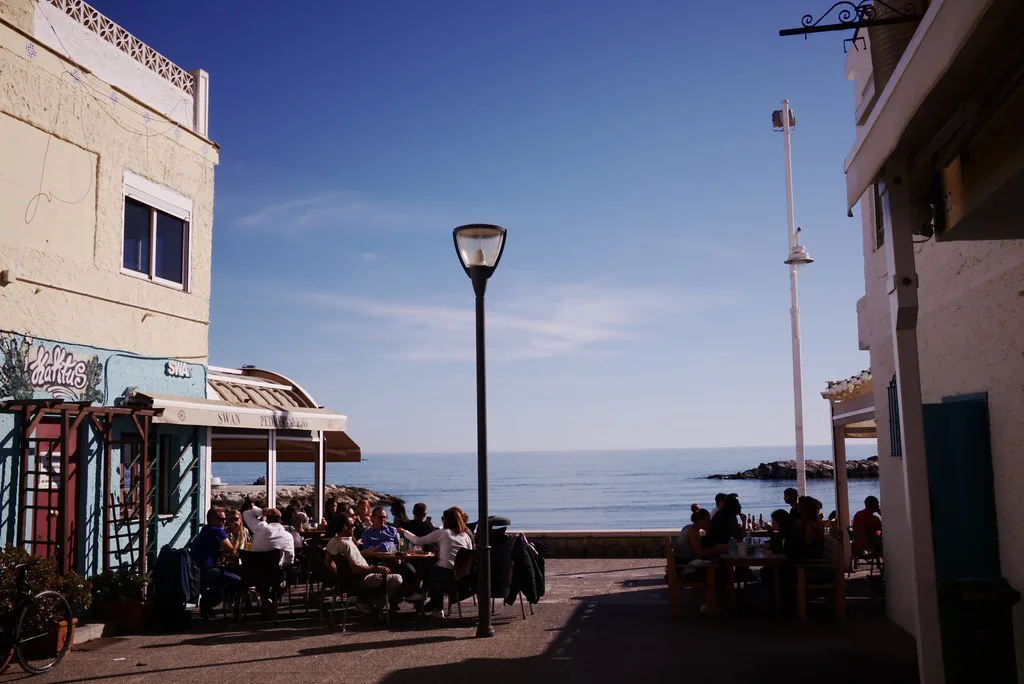
Mistakes to avoid: treating churros as a dessert and queuing at the wrong hour
The main mistake is timing: ordering churros as a dessert after a late dinner, when the churrerías are not in the business of puddings and you will get a poor version of what they do well. Eat them at breakfast or merienda and spend your late evening on the city's tapas counters instead.
The second is queueing badly: joining the evening line at an ice cream shop when you only wanted a churro, or waiting at the wrong counter when a table is free. Check the sign, check whether the place serves what you actually came for, and pick your stop accordingly.
Where to walk it off afterwards in the centro histórico
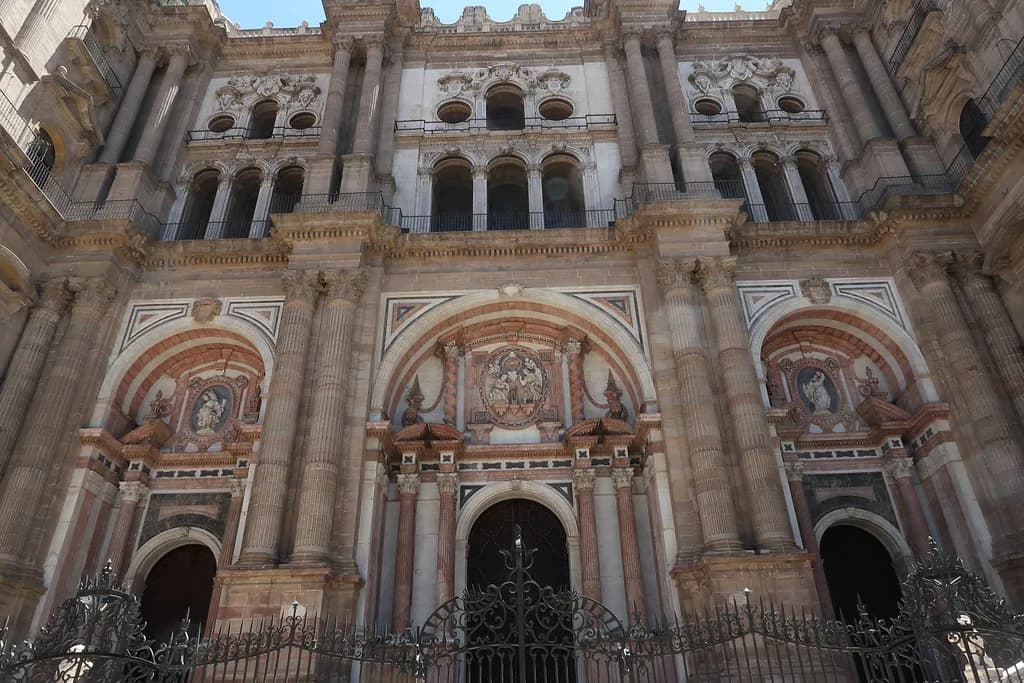
The centro histórico is compact and made for walking, so a churro breakfast slots naturally into a loop past the cathedral and the Roman theatre before the midday heat arrives. The cathedral is one of the most significant Renaissance buildings in southern Spain, and it anchors the middle of that walk.
If you would rather let someone else do the ordering, a Málaga food tour solves the guesswork around what to try and where, and many of them pass through the market and the classic bars. It is a sensible choice for a first morning when you want a quick orientation.
Beyond churros, the city covers everything from fine dining and creative tapas to beach restaurants serving grilled sardines and charcoal-grilled fish, with modern counters such as Taberna Uvedoble in the centre. Use the rest of the day to explore that range rather than building the whole itinerary around one breakfast.
Plan Your Visit
Churros fit naturally into a morning or a late-afternoon pause: Casa Aranda on Calle Herrería del Rey for the classic pairing, Tejeringos Coffee for sauces, and Casa Mira on Calle Larios for ice cream instead. Keep the stop short, and let the rest of the day take care of the long, late Spanish meal times.
For the wider trip, the city rewards planning around the neighbourhoods rather than single venues, from the centro histórico out towards the eastern beaches. For longer stays, the same applies across the province, whether you are staying in the city or day-tripping from the coast. Start with a look at the Malaga Neighborhoods guide to see how the centro histórico and the eastern beaches compare as bases.
Explore more Málaga guides
Frequently Asked Questions
What time of day do Spaniards eat churros?
Churros are eaten mainly at breakfast and again around the late-afternoon merienda, the snack between a lunch that runs from about 1:30pm to 4pm and a dinner that rarely starts before 8:30pm. They are not a dessert course after dinner.
Where can I get churros in Málaga?
Casa Aranda on Calle Herrería del Rey is the old-school churrería in the centre, and Tejeringos Coffee serves churros with sauces alongside the traditional thick hot chocolate. Both are breakfast and merienda stops rather than late-night dessert bars.
What are churros served with in Spain?
The classic pairing is a cup of thick hot chocolate for dunking, plus coffee if you want one. Some cafés offer caramel or white chocolate sauces, but plain churros with dense chocolate is the standard order in a traditional churrería.
Is Casa Aranda worth visiting for churros?
Yes, as a traditional, unfussy churrería in the centro histórico, ideally for breakfast or merienda rather than as a dessert stop. Order a plain round first and judge the dough before adding sauces.
Do I need to queue for churros in Málaga?
Expect a short wait at busy breakfast and merienda hours, and a longer one at ice cream shops in the evening, where a ticket-number system is used. Approaching cafés slightly off-peak usually means sitting down rather than waiting.
Sources
Notes for eating well in Spain
Optional updates to our guides.
You might also like

Continue reading
More guides you'll find useful