Málaga Cooking Classes: Paella, Tapas and What to Expect
Compare Málaga cooking classes: paella, tapas and gazpacho sessions, city-centre courses and a rural kitchen near Comares, with timings and booking tips.
On this page
A cooking class in Málaga is a half-day commitment that pays you back in technique: you leave knowing how to build a paella, blend a proper gazpacho and assemble tapas that taste like the city rather than a holiday souvenir. Most visitors slot one into a single morning or afternoon and eat the results as their main meal, so the class doubles as lunch. The main decision is city centre versus the mountains, and the trade-off is time against depth.
Book ahead rather than turning up. City providers sell fixed slots and small groups, and the rural experiences run to a diary; the mountain kitchen at La Rosilla takes cooking experiences Monday to Friday, 10am to 4pm, by advance booking only, with weekends by special request.
Why a Málaga cooking class is worth half a day
Málaga's food reputation rests on fish from the coast, cold soups in summer, rice dishes cooked in wide pans over fire, and a tapas culture that rewards standing at a bar rather than sitting down to three courses. A class compresses those ideas into a few hours of hands-on work, which is far more useful than reading a menu. You also get a guide to what to order for the rest of the trip.
The practical advantage is timing. A morning class ends around lunch, and an afternoon class can finish before the late Spanish dinner service begins, so you rarely lose an evening. If you are in the city for only two nights, one class plus one long lunch is a better use of time than ticking off three museums, and the same stay-short logic applies when you pick where to sleep, as our Malaga Neighborhoods guide explains.
The main formats: paella and arroz classes, tapas workshops and combined market-and-kitchen sessions
Three formats dominate. Rice-led classes focus on paella and other arroces, covering the sofrito base, the ratio of liquid to grain and the advice not to stir once the rice is in. Tapas workshops are broader and cheaper in ingredients, moving through several small plates, while market-and-kitchen sessions add a buying leg before the cooking starts.
Market visits suit anyone who wants to understand what is in season and how fish is sold here, but they add walking time and a start that is fixed by market hours rather than by your schedule. If you have mobility limits or only one free morning, a straight kitchen session is the calmer choice.
City-centre sessions: what a three-and-a-half-hour course usually covers
City courses are built for visitors staying in the centre, within walking distance of the old town and the port. Spain Food Sherpas lists hands-on courses in traditional Spanish recipes, naming paella, gazpacho and tapas, and gives 3.5 hours as the length of its courses, so you can plan firmly against a lunch or dinner slot.
Expect a mix of demonstration and your own chopping, a shared table at the end, and a menu that follows the season. The short format is the honest trade-off: you learn a technique or two properly but you will not spend an afternoon learning the hows and whys behind three regional dishes. If you are weighing several sessions, reading up on Malaga Neighborhoods helps you pick a class near where you are staying.
Málaga's cooking class market is busy and review-led, with paella, sangria and tapas workshops among the most-booked options on TripAdvisor, which is a useful place to compare what each session includes before you commit.
Mountain kitchens: La Rosilla in the Montes de Málaga near Colmenar and Comares
La Rosilla runs cooking experiences, paella and arroz classes, bread making, a Mediterranean diet session, a chef's table and private dining from a house in the Montes de Málaga, between Colmenar and Comares and about 45 minutes from Málaga city by its own estimate, with holiday accommodation at La Biznaga in Comares.
Its cooking experiences run Monday to Friday, 10am to 4pm, by advance booking only, with weekends by special request, according to the site. The timetable matters: a weekday class, plus 45 minutes each way, is effectively a full day out of the city.
The trade-off is depth for convenience. You swap a walkable city kitchen for a mountain house, a longer menu and the option of walking routes and a guided hiking day in the same landscape, which suits anyone who wants the countryside rather than another hour in the old town.
What you actually cook: paella, gazpacho and tapas
Paella is the headline dish because it is teachable but not foolproof. A good class explains why the rice is spread thin, why the stock goes in hot, and why the pan is not stirred after the rice is added. La Rosilla frames its paella session around the history of the dish and the flavour combinations behind it.
Gazpacho and tapas fill out the rest of the lesson: blending day-old bread, garlic, oil and vinegar for a cold soup that tastes of ripe tomatoes, and mastering a handful of small plates. These are the dishes you can realistically repeat at home without special equipment.
How long classes run and how to fit one around Spanish meal times
Spanish eating hours are the constraint. Lunch runs from about 1:30pm to 4pm and dinner rarely starts before 8:30pm or 9pm, so a morning class ending near lunch is the neatest fit: you eat what you cooked and the rest of the day stays free. An evening class is harder to place, since it either replaces dinner or runs late into it.
Length varies by provider, so compare the stated duration across schools. Spain Food Sherpas gives 3.5 hours for its courses; La Rosilla's experiences sit inside a 10am to 4pm weekday window, which allows for a longer, slower session.
Budgeting: what to expect to pay in euros and what is usually included
Class prices vary with length, menu and whether a market visit or wine is included, and they change by season, so confirm the euro price on the provider's own booking page at the time you reserve rather than budgeting from an old figure. Treat a quoted rate as covering tuition and ingredients, and check separately for drinks, transport to a rural venue and any accommodation.
The other cost is time. A 45-minute drive each way to the mountains changes the value calculation compared with a city class you can walk to, so compare total spend including travel, not just the course fee. For the rest of your eating budget, our guide to the best restaurants in malaga sets out where the money goes.
Booking practicalities: advance booking, weekday versus weekend availability and group sizes
Book before you fly if the class is central to your trip. La Rosilla runs cooking experiences by advance booking only, Monday to Friday, with weekends handled as a special request, which tells you that weekend places in the mountains are not guaranteed. Small private groups are the stated norm there, so a family of six may fill a session.
For city sessions, check whether your chosen slot falls on a day the kitchen is open, and read the cancellation terms before paying. If you are visiting in August or the quieter winter months, ask the provider directly about their own timetable instead of assuming a full weekly schedule.
Group and private options: team building, celebrations and private chef dining
Cooking works well for groups because the activity gives everyone a role. La Rosilla lists team building, stag and hen events, chef's table dinners, private chef dining for villas and holiday homes, event catering and live big-pan paella cooking for parties, and can point you towards venues including lakeside villas and cortijos.
Unless your group has a car, a rural private chef or event needs transport, so factor that in when comparing against a city-centre venue you can reach on foot or by taxi. If you would rather eat in town, look at the best tapas in malaga for small-plate bars that suit a group of any size.
Choosing between a city class and a rural experience: travel time versus depth
Take the city class if your trip is short, your base is central and you want a three-and-a-half-hour session that leaves the afternoon open. Take the mountain day if you have already seen the old town, you are travelling with a car or a group, and you want cooking plus landscape in one outing. Where you stay often decides this, so it is worth reading our Malaga Neighborhoods guide before you book.
Neither is the wrong choice; they simply serve different trips. Pair a city class with a walk through the Centro Histórico the same day, and save the mountains for a day when a 45-minute drive in each direction is part of the pleasure rather than a chore.
What to eat before and after: fitting a class around lunch (1:30–4pm) and dinner (from 8:30pm)
Keep breakfast light on class day. A proper desayuno of tostada and coffee is enough; you will be tasting as you go and then eating a full plate of your own cooking around lunch. If you book an evening session, treat it as dinner and skip the pre-meal snack.
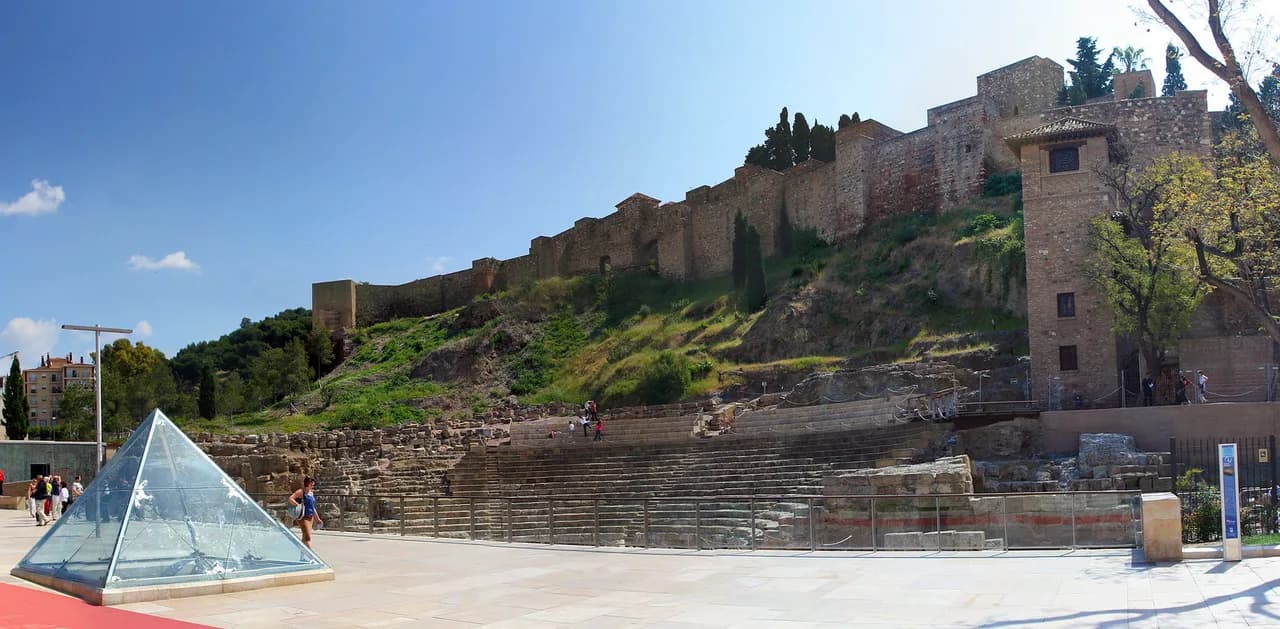
Use the rest of the day for one nearby sight rather than a museum marathon. The Alcazaba de Málaga and the old-town streets work well in the hour or two before a 1:30pm lunch, and the port is a gentle stroll after an evening class.
Common mistakes: booking too tight a schedule, expecting a class on a Sunday, ignoring seasonal timetables
The most common error is stacking a class on a travel day. Cooking takes the morning or the afternoon, and clearing the plate adds time, so do not put a train or a flight directly afterwards. The second is assuming weekend availability: the mountain kitchen runs weekday experiences, with weekends only by special request.
Treat seasonal timetables as normal rather than suspicious. If a date matters, message the provider before booking and confirm the day, the start time and the menu in writing.
Where to go next: tapas bars, markets and food experiences around the city
After a class, the city itself is the follow-up lesson. Eat a plate of espetos or a portion of pescaíto at a beach bar in El Palo, order a caña at a standing bar in the centre, and use the class vocabulary on real menus. Our malaga neighbourhoods guides show which areas to spend an evening in.
If you want more rice, our guide to the best paella in malaga picks out restaurants where arroces and paellas are the reason to book a table rather than an afterthought.
Plan Your Class Around Your Trip
Choose a city course for a three-and-a-half-hour hands-on session that fits neatly before lunch, or a weekday mountain experience if you want a whole day and can reach it by car. Weigh that against where you plan to stay using our Malaga Neighborhoods guide, since the drive is the difference.
Confirm the price, the start time and the menu directly with the provider before you pay, and check your day against the 1:30pm lunch and 8:30pm dinner rhythm so the class becomes the meal rather than a clash.
Explore more Málaga guides
Frequently Asked Questions
Do I need to book a Málaga cooking class in advance?
Yes. City providers sell fixed slots and small groups, and La Rosilla runs its cooking experiences by advance booking only, Monday to Friday, 10am to 4pm, with weekends by special request. Booking before you travel protects the day you want.
How long does a cooking class in Málaga take?
It depends on the provider. Spain Food Sherpas lists 3.5 hours for its hands-on courses, which fits comfortably before lunch. La Rosilla's mountain experiences run within a 10am to 4pm weekday window and include travel time from the city.
Are weekend classes available?
City sessions vary by provider, so check each one's own calendar. At La Rosilla the cooking experiences are weekday operations, Monday to Friday, with weekends taken by special request, which means a weekend booking is not automatic.
What food is Málaga famous for?
Fish and seafood from the coast, cold soups such as gazpacho, rice dishes including paella and other arroces, and tapas eaten standing at a bar. Classes commonly cover paella, gazpacho and tapas, which gives you a usable base for the rest of the trip.
What should I do about lunch and dinner on class day?
Time a morning class to finish around lunch, which runs from about 1:30pm to 4pm, and eat what you cooked. If you take an afternoon session, expect it to replace dinner or end close to the 8:30pm to 9pm dinner start.
How much does a Málaga cooking class cost?
Prices vary with the length of the session, the menu, and whether a market visit, wine or transport is included, and they change by season. Check the euro price on the provider's own booking page when you reserve.
Sources
Notes for eating well in Spain
Optional updates to our guides.
You might also like

Continue reading
More guides you'll find useful