Málaga Food Guide: What to Eat and Where to Order It
What to eat in Málaga, from espetos de sardinas to porra antequerana, plus the bars, chiringuitos and neighbourhoods where each dish makes sense.
On this page
Start with the fish. Málaga's signature dish is espetos de sardinas, sardines skewered and grilled over fire at beach bars, and the eastern districts of El Palo and Pedregalejo are where the city eats them. Around that you build a short list: fritura malagueña, boquerones fritos, porra antequerana, ensalada malagueña, berenjenas con miel and a plate of conchas finas.
Meal times do the rest of the planning. Lunch runs from about 1:30pm to 4pm and dinner starts around 8:30pm to 9pm, so a long lunch followed by an evening of small plates is a realistic rhythm. Tapas bars in the centre fill up late and stay loud; arriving early buys you a spot at the bar rather than a wait on the street.
What to eat in Málaga: the short answer
Order espetos de sardinas first, then work through the fried and cold plates that define the province: fritura malagueña, boquerones fritos, porra antequerana, ensalada malagueña and berenjenas con miel. Tomatoes, bread, garlic, olive oil and vinegar underpin the cold soups, while the sea supplies the fried fish and shellfish. If you only have one full meal in the city, spend it on the beach side of town rather than in the historic centre.
The city centre covers the rest: tapas bars on and around Calle Granada, Alameda Principal and the streets north of Plaza de la Merced, plus a cluster of seafood and rice places in Soho. Fried fish and seafood are the benchmark dishes at Los Mellizos, and Casa Vicente on the little Callejón de las Gambas is known for grilled prawns.
Espetos de sardinas: the beach skewer to order first
An espeto is six or seven sardines threaded onto a cane skewer and grilled over a fire, salted and eaten hot with your fingers. The dish is inseparable from the chiringuito, the beach bar with plastic tables and a grill behind it, and it is the one thing most associated with Málaga cooking. Sardines are small, rich and cheap to serve, which is why they rather than a grand fish became the symbol.
Malagueños apply a rule of thumb that sardines are best in months without the letter r in their name, which points you to mayo, junio, julio and agosto. Treat it as local advice about when the fish is at its best rather than a hard season for the bars themselves, and expect the eastern chiringuitos to be busiest on summer weekends.
Where to eat espetos: El Palo and Pedregalejo chiringuitos
Head east along the coast to El Palo and Pedregalejo, the two beach districts that the city treats as the home of grilled sardines. Buses run along the coast road from the centre, and the ride is short enough to make a late lunch feasible. Go for the beach side of the street, where the grills face the water.
The Pedregalejo seafront is under renovation, and most of the promenade restaurants are reported as temporarily closed while the work runs, with reopening expected for the summer season in 2027. Plan accordingly: check what is trading on the day, and treat El Palo as the safer bet for a sit-down espeto lunch while the works continue.
Pedregalejo still works well for a daytime stop. Manhattan near the promenade serves pitufos, the small breakfast rolls, with coffee for three euros, one of the cheapest breakfasts in the area, and Kanaloa sits on the sand with plant-based plates and pitufos at breakfast.
Fritura malagueña and pescaito frito: what lands on the plate
Fritura malagueña is a mixed fry of the sea: squid rings, boquerones fritos, prawns, adobo-marinated fish, cuttlefish and salt cod, lightly floured and fried in olive oil. Every kitchen picks its own combination, so the plate changes from bar to bar and the price with it. It appears on practically every beach chiringuito menu on the Costa del Sol, which makes it the easiest dish to order when you have no plan. If you are weighing up a second coastal stop, ibiza food offers its own take on fried and grilled fish worth comparing.
Order it as a shared starter for two or three people rather than a main course, and add a plain salad or pimientos fritos to cut the oil. In the centre, tapas bars serve smaller fried plates alongside beer, and the seafood specialists do a fuller version.
Boquerones fritos and conchas finas: the small seafood plates
Boquerones fritos are anchovies dipped in flour, fried in generous olive oil and served with lemon; Malagueños are nicknamed boquerones after them. Conchas finas are the opposite pleasure, a thin-shelled clam served raw with salt, pepper and lemon so the meaty red-and-white flesh does the work. Both belong to the coast and both are best ordered where the fish is turning over fast.
Raw shellfish is a judgement call. If the bar is quiet and the display looks tired, switch to something cooked, or order the boquerones and leave the clams for a busy lunch service. The fry is the safer order for anyone nervous about shellfish.
Porra antequerana: the cold soup that is not quite salmorejo
Porra antequerana comes from Antequera and looks like salmorejo, but it also carries green pepper and vinegar, which gives it a sharper edge. It is made from tomato, bread, garlic and oil, pounded with a stick in the traditional way, and served with boiled egg and shavings of Iberian ham, sometimes with tuna in oil instead.
Gazpacho, the better-known Andalusian cold soup, is thinner and built on tomato, bread, garlic, onion, cucumber, paprika, olive oil and wine vinegar. Order porra when you want something denser and more savoury, and gazpacho when the afternoon is hot and you want something you can drink.
Ensalada malagueña: potato, orange and Aloreña olives
Ensalada malagueña is a composed plate of boiled potato, hard-boiled egg, Aloreña olives, chopped onion, orange segments and desalted cod, dressed with salt, vinegar and extra virgin olive oil. The orange is what surprises visitors, and it is what makes the dish work alongside fried fish. It is common across bars and restaurants on the Costa del Sol, so you can order it almost anywhere as a balancing plate.
Berenjenas con miel: fried aubergine with Málaga honey
Berenjenas con miel are batons of aubergine floured and deep-fried, then served hot or cold with black Málaga honey. The sweet-savoury combination is specific to the province; in Seville the same vegetable arrives under an orange sauce instead. Order one plate between two and eat it first, while the crust is still crisp.
It is one of the few classic Málaga dishes that suits vegetarians without alteration, which makes it a reliable order in a city built on seafood. Casa Manuel de Lonja on the El Palo promenade does a version with sugarcane molasses that is worth the trip east.
Tortillitas de camarones, pulpo a la plancha and pimientos fritos
Tortillitas de camarones are thin shrimp fritters made from wheat flour, chickpea flour, water, salt, onion, parsley and very small prawns, and the prawns are subtle enough that seafood sceptics usually enjoy them. Pimientos fritos, small green peppers fried in olive oil and finished with sea salt, do the job of a vegetable side. Pulpo a la plancha is grilled octopus, and the centre has two steady addresses for it: Catedral del Pescaito and Cortijo de Pepe.
Croquetas and gambas al pil pil: the tapas-bar staples
Andalusian croquetas are small, and they come in more fillings than most visitors expect: jamón, queso, bacalao and whatever the kitchen makes that day. Gambas al pil pil is the other dependable order, prawns fried in olive oil with garlic and tiny red chillies and brought to the table still sizzling. Mop the oil up with bread, and mind the heat of the dish rather than the chilli.
La Pechá Taberna in Soho builds its menu around Spanish omelettes, with a black garlic version as the pick, and a long vermouth list that pairs well with a late-morning stop. For a wider spread of small plates across the centre, the tapas bars are where the range sits.
Where to eat in the centre: La Tranca, El Colmado and Antigua Casa de Guardia
La Tranca serves classic tapas and empanadas in a room that fills quickly, with spinach, four-cheese and cheese-and-onion versions on the empanada list and padrón peppers among the best in the city. It opens every day from midday and gets crowded, so arrive before 8pm for a comfortable spot; live flamenco singing sometimes breaks out.
El Colmado, diagonally across the same street, is known for fried olives and caramelised onion toasts, and La Esquinita del Chupa y Tira a few blocks north of Plaza de la Merced does montaditos and traditional tapas in an old-school taberna setting. Antigua Casa de Guardia on Alameda Principal is the stop for local wine with tapas in the city centre.
If you want a structured crawl rather than guesswork, a guided tapas tour covers the difference between the tourist strip and the bars locals use. Otherwise the old town rewards walking: the streets around the cathedral and Plaza de la Merced hold most of the addresses above within ten minutes of each other, and a malaga food tour is one way to see them in a single evening.
Classic Málaga bars: El Pimpi, El Mesón Mariano and Casa Lola
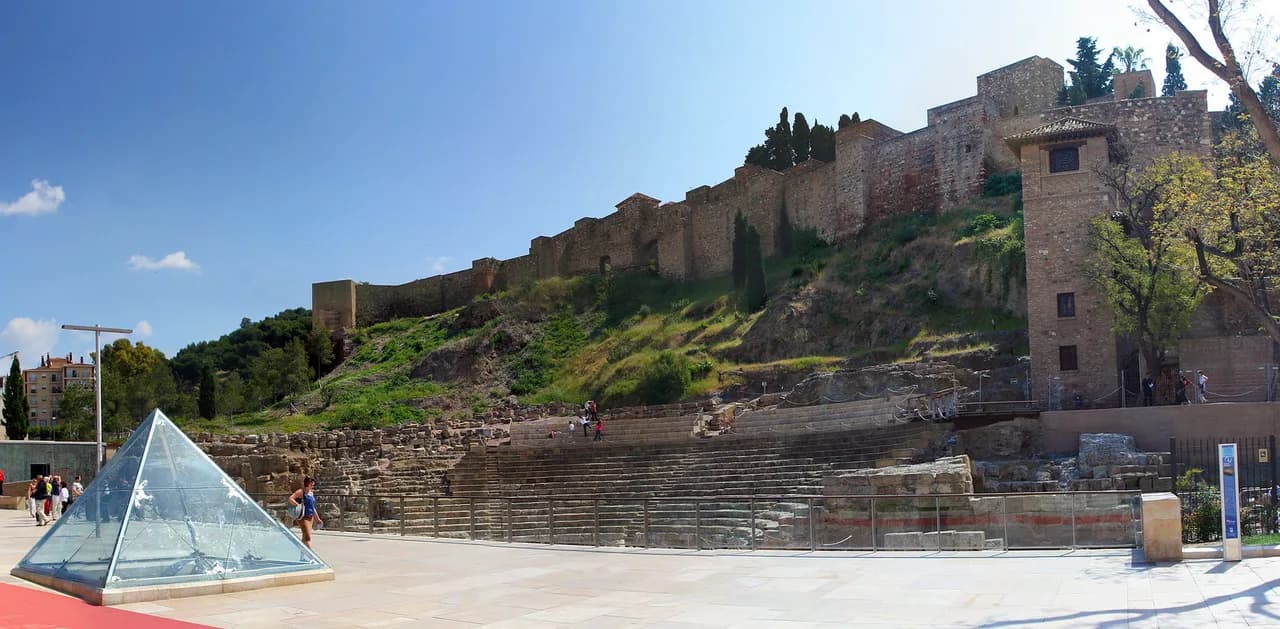
El Pimpi on Calle Granada is the famous one, with a large wine catalogue and an Andalusian interior of tiled patios. The queue outside the Roman Theatre is for the formal dining room, so skip it and go straight to one of the three tapas bars inside, where tables turn over quickly.
El Mesón Mariano uses barrels as tables and keeps a fast, noisy service; the artichokes are a highlight. Casa Lola has several branches in the centre, with vermouth and outdoor seating for watching the street. Meson Lo Güeno on Calle Marín García has been making tapas since 1967 and leans on meat dishes rather than fish.
Vegetarian and plant-based picks in the centre
Málaga is a seafood city, but the centre has caught up. La Vegana near Plaza de la Merced makes vegan versions of seafood tapas, and Tapería El Beato on pedestrian Calle Beatas has a broad vegetarian tapas list and a relaxed room for a drink. El Vegetariano de la Alcazabilla offers a more polished sit-down dinner with dishes such as vegan risotto.
For a fully vegan kitchen, Mimo Vegan cooks organic, sugar-free food with bold flavours and runs roughly half again the city average on price, which is worth knowing before you book. La Caravana, a Latin American fusion spot, can veganise every dish, using tempeh, tofu and jackfruit.
Elsewhere in the city, Cañadu on Plaza de la Merced serves vegetarian food built on organic produce, and Recyclo Bike Café pairs plant-based menus with a bike-shop atmosphere. Both are casual rather than special-occasion places.
What to drink in Málaga instead of sangria
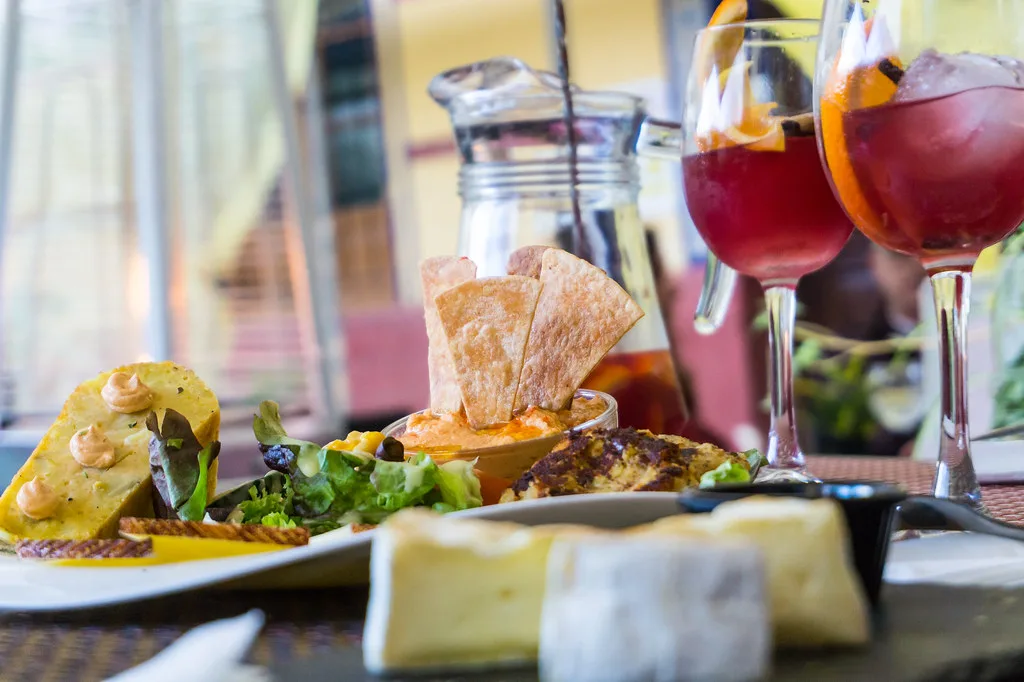
Order tinto de verano: red wine mixed with a carbonated lemon drink such as Sprite or 7Up, poured over ice with a slice of lemon. It is light enough to drink through a long afternoon and it is what locals reach for ahead of sangria. Vermouth is the other good move, especially at a taberna with a serious list.
With fried fish, a cold caña of beer or a dry white works better than red. Manzanilla and fino from further west are common in seafood bars, and a small sweet Málaga wine is the traditional finish rather than a dessert.
How Spanish meal times shape your day
Lunch is the main meal and runs from about 1:30pm to 4pm, which is when seafood restaurants and beach chiringuitos do their real business. Dinner starts from 8:30pm to 9pm, and kitchens in the centre stay busy late, particularly from Thursday to Sunday.
Build the day around that: a coffee and pitufo at nine or ten, a proper lunch at two, and tapas from nine in the evening. Between four and eight, many kitchens close, so plan a walk, a museum or a beach hour rather than a late-afternoon meal.
Eating by neighbourhood: Centro, Soho, Huelin and the east
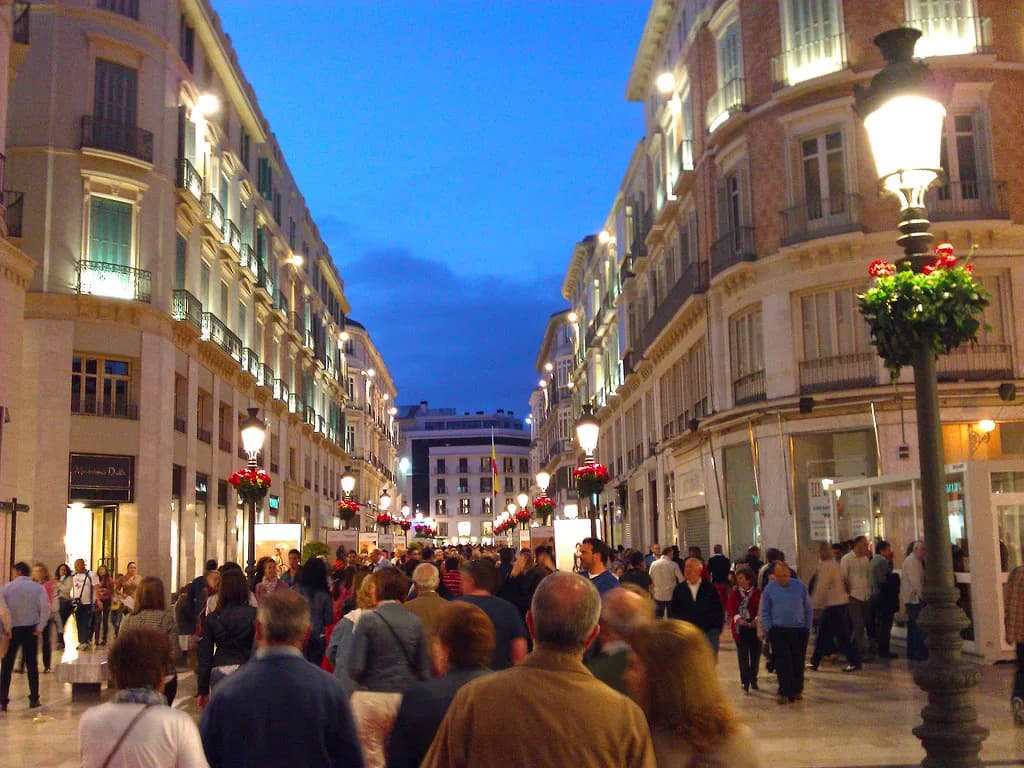
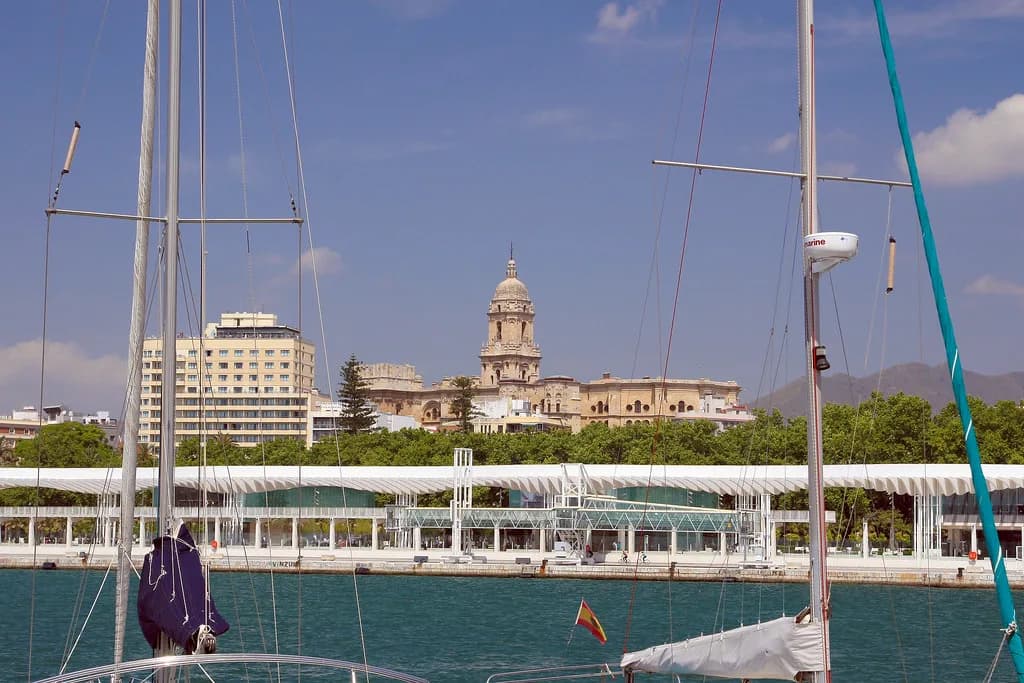
Centro Histórico is for tapas hopping and is busiest at night; Soho is calmer, more modern and better for a slower dinner; Muelle Uno is the easy, scenic option for a walkable evening. Huelin to the west has a more local feel and good-value places near the beach promenade, and El Palo and Pedregalejo to the east are the seafood districts.
In Huelin, Nina Specialty Coffee is a good breakfast stop for coffee and gluten-free pastries. Out east in Limonar, Seven Café is known for its bocadillos, best on the multi-grain bread. For a fuller guide to the centre, see the pick of malaga old town restaurants, which covers the streets between the cathedral and the Roman Theatre.
Day trips from the table: Antequera and the white villages
Porra antequerana points you north to Antequera, a town of churches and dolmens that is easily done as a day out from Málaga. The white villages inland trade on goat and sheep cheese and cured ham, and the cooking shifts from fish to game such as deer, wild boar and rabbit.
See the Alcazaba de Málaga before you leave the city, then head for the hills and eat a long lunch in a village plaza. The contrast between coastal frying and inland stewing is the clearest argument for spending a day away from the sea.
Practical tips before you go
Book the famous addresses or go early; El Pimpi's dining room and La Tranca's bar both reward timing over patience. Carry cash for small bars, share plates rather than ordering individually, and remember that a tapa is small so four or five between two people is a normal evening.
Vegetarians should aim for La Vegana, Tapería El Beato or Mimo Vegan rather than hoping for a seafood bar to improvise. Breakfast is cheap and quick if you order a pitufo and coffee, which leaves budget for a proper lunch.
Plan Your Visit
Málaga rewards a simple plan: espetos and fried fish at the beach, cold soup and aubergine with honey in town, and tapas after nine in the centre. Match each dish to the district that cooks it best and let Spanish meal times set the pace.
Check opening days directly with any restaurant you have set your heart on, since small kitchens often close midweek or for part of the year. A quick message or a look at the door is enough before you build a day around one address.
Explore more Málaga guides
Frequently Asked Questions
What food is Málaga most famous for?
Espetos de sardinas, skewered sardines grilled over fire at beach chiringuitos, are the dish most closely tied to Málaga. Fritura malagueña, boquerones fritos and porra antequerana are the other names to know.
Where can I eat espetos de sardinas in Málaga?
The beach districts of El Palo and Pedregalejo, east of the centre, are where the city goes for grilled sardines. Pedregalejo's promenade is under renovation and most seafront restaurants are reported as temporarily closed, so check what is open before travelling east.
What is the difference between porra antequerana and salmorejo?
Porra antequerana is close to salmorejo but adds green pepper and vinegar, giving it a sharper taste. It comes from Antequera and is served with boiled egg and Iberian ham, sometimes with tuna in oil.
Where should I eat tapas in Málaga old town?
La Tranca on the streets north of Plaza de la Merced, El Colmado across the way, and El Pimpi on Calle Granada are the reliable names. La Tranca opens every day from midday and gets crowded, so arriving before 8pm helps.
Is Málaga good for vegetarian food?
Yes, if you choose the right places. La Vegana near Plaza de la Merced, Tapería El Beato on Calle Beatas, Mimo Vegan and El Vegetariano de la Alcazabilla all cater properly, while berenjenas con miel is a classic dish that suits vegetarians as served.
What should I drink in Málaga instead of sangria?
Order tinto de verano, red wine with a lemon carbonated drink over ice, or a vermouth at one of the tabernas. With fried fish, a cold beer or dry white works better than red.
When do people eat dinner in Málaga?
Dinner starts around 8:30pm to 9pm, and restaurants in the centre stay busy late, especially from Thursday to Sunday. Lunch is the main meal and runs from about 1:30pm to 4pm, so many kitchens close in the late afternoon.
Do I need to book restaurants in Málaga?
For the best-known bars, timing matters more than booking: go early or accept a wait. For a special dinner, reserve ahead, and always confirm opening days with the restaurant itself, since small kitchens often close one or two days a week.
Sources
Notes for eating well in Spain
Optional updates to our guides.
You might also like

Continue reading
More guides you'll find useful