Alicante Old Town Restaurants: Where to Eat in El Barrio
Where to eat in Alicante's old town: a Michelin-starred rice kitchen, a seafood tapas bar, a market and a bakery, with what to order and when to go.
On this page
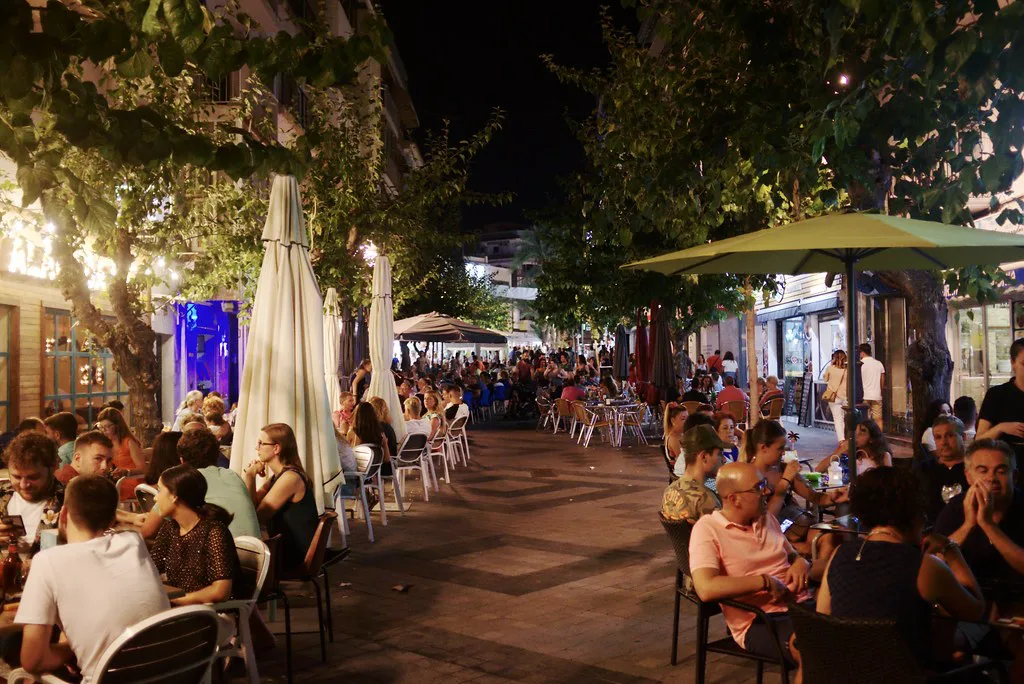
Eating well in Alicante's old town is mostly a matter of timing. Lunch runs 1:30–4pm and dinner starts around 8:30–9pm, so a market breakfast, a long sit-down rice lunch and a late bar crawl fit neatly into one day in El Barrio and the lanes around the Mercat Central. Build the plan around those windows and you spend less time waiting for kitchens to open.
The picks below sort by occasion rather than by hype: standing at a seafood bar, a formal rice lunch, a taverna plate of arroz al horno, beer-and-small-plates at a tiny counter, and a vermouth stop in the market. The same city has plenty more places worth a taxi to the marina or Playa San Juan, which our guide to the best restaurants in alicante covers separately; the old town list stays walkable. If you want the wider sightseeing picture first, start with things to do in alicante and come back to the table.
Why Eat in El Barrio and Around the Mercat Central
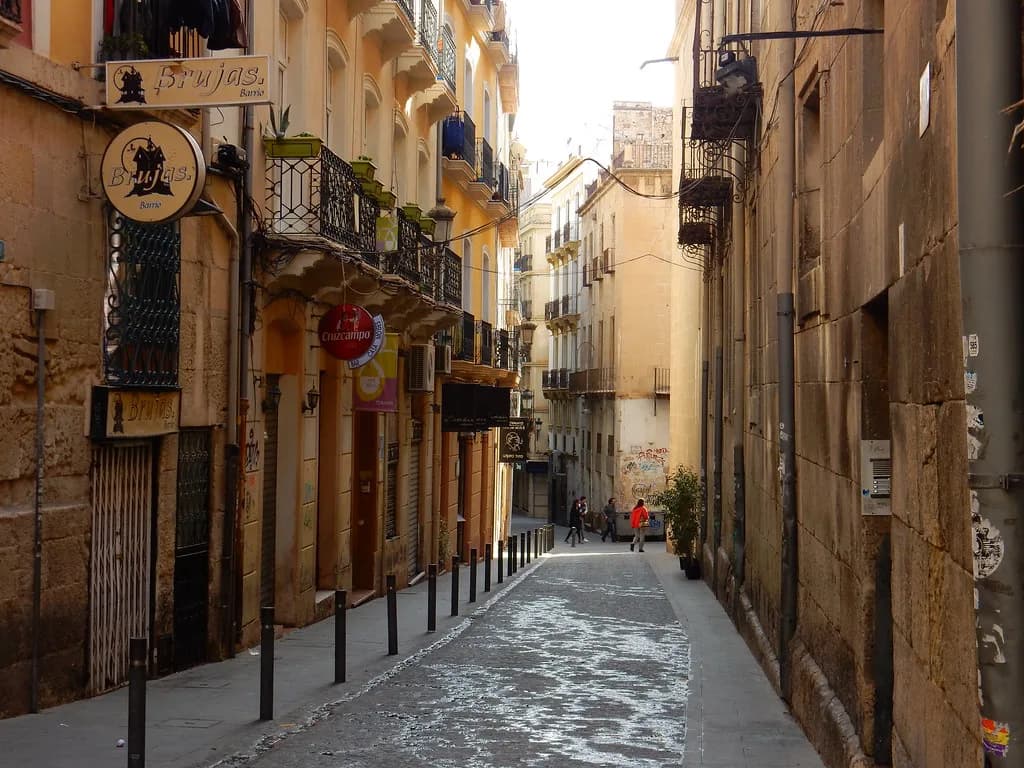
El Barrio is Alicante's old quarter, and the streets between it and the Mercat Central hold most of what you want for a short break: tapas counters, a market hall and bakeries within a few minutes of each other. The food culture here leans on the Valencia region, which means rice dishes, fideuà, fried fish and the local turrón de Jijona from nearby Jijona. A single morning and afternoon can cover breakfast, a market vermouth and a sit-down lunch without crossing town.
Spanish meal times do the organising for you. Lunch is served 1:30–4pm and dinner from 8:30–9pm, which leaves a dead zone in the late afternoon and a long gap before dinner. Use it for the castle, a promenade walk or an ice cream, and book the main meal for lunch when the old-town kitchens are at full stretch, confirming the venue's serving days before you travel.
Nou Manolín: The Long Tapas Bar for Seafood and Croquetas
Nou Manolín is the Alicante institution to start with: a long barra de tapas stacked with fresh seafood, croquetas and Iberian ham, and a room that locals treat as a default. Order from the bar rather than settling in for a full menu, and let the arroces take the main event if you stay for lunch. It is the right first stop because it shows you what the city eats before you branch out.
The trade-off is that a famous bar gets busy, and standing room fills fast in the lunch window. Go early in the 1:30–4pm service or treat it as a pre-dinner stop, and keep the order tight: a plate of ham, croquetas and whatever seafood is on display. If you want a structured crawl instead, an alicante food tour covers several bars with someone else handling the ordering.
La Taberna del Gourmet: The Classic Tapas Stop Behind the Promenade
La Taberna del Gourmet is a contemporary gastrobar and delicatessen just behind the promenade, run by the family behind Monastrell and holding a Michelin Plate for good food at a fair price. It is the place to order the classics with a bit of polish: croquetas, cod fritters, fried cheese with tomato jam, artichoke hearts with romesco and Pàdron peppers. Save room for the torrija with mantecado ice cream.
Because it sits between the promenade and the old town, it suits a lunch that rolls into an afternoon walk rather than a late night. Order several small plates to share and one larger dish, which keeps the bill predictable in a city where tapas pricing adds up quickly. It is also a sensible pick if you are eating with people who want recognisable Spanish food rather than a tasting menu.
Monastrell: María José San Román's Rice, Saffron and Olive Oil
Monastrell, helmed by María José San Román, holds a Michelin star and builds its cooking around local rice, saffron and olive oil. This is the old-town-adjacent splurge: a proper sit-down meal, best booked for lunch, where the cooking rewards attention rather than speed. If you are in Alicante partly to eat at a high level, this is the reservation to make first.
Set expectations accordingly: a starred room moves at its own pace, and the bill will sit well above a tapas lunch. Pair it with a light dinner rather than another big meal on the same day. Check the restaurant's own website for current menus and service days, because fine-dining rooms change their offer more often than bars do.
La Taverna del Racó del Pla: Homely Alicante Comfort Food
La Taverna del Racó del Pla is the homely, generous option, known for hearty portions of traditional Alicante cooking such as the arroz al horno baked in the oven. It is the sort of place for a slower lunch when you want a proper plate rather than a row of small ones, and it suits mixed groups where not everyone wants seafood.
Rice dishes take time to cook, so order arroz as the centre of the meal and build a couple of starters around it. This is also a good moment to read up on alicante food beyond the obvious, from turrón de Jijona to fideuà, so you know what you are ordering.
Bar El Canto and La Tasca del Barrio: Tiny Counters and Old-Quarter Taverns
Bar El Canto is one of the city's most iconic tapas bars: tiny, always crowded and always good. Order a beer, let the waiter bring small plates of local classics, and accept that you will be standing. It works best as a quick first stop before dinner rather than a place to settle in for the evening.
La Tasca del Barrio is the cosier counterpoint, a tavern in the old quarter serving rustic tapas, local wines and hearty plates. Take a stool, order a glass of something local from the region and add a couple of raciones to share. Between the two you get both faces of El Barrio: the crush at the bar and the slower tavern table.
Chico Calla and the Mushroom Street Start to a Night Out
Chico Calla is small, trendy and lively, known for inventive tapas and a young crowd, and it sits on the street locals call Mushroom Street, which makes it a natural opener for a night out. Arrive near the start of dinner service at 8:30–9pm, eat a few plates, then move on.
The trade-off is noise and pace: this is a place to stand, snack and shift, not to have a quiet conversation. Keep it to a couple of plates and leave room for a second stop. If you want a full rice dinner instead, book the rice kitchen and treat this as the prelude.
Mercat Central d'Alacant: A Market Breakfast or Lunch
Mercat Central d'Alacant is not just for shopping: locals gather there to eat tapas, jamón and cheese and to sip vermouth. That makes it the most flexible stop on this list, working for a late breakfast, a mid-morning vermouth or a light lunch between bigger meals. Go hungry and graze across a couple of stalls rather than committing to one sit-down table.
Market hours are the constraint, since a market hall keeps different hours from a restaurant and many stalls wind down after lunch. Aim for the late-morning to early-afternoon window and confirm the market's published timetable before making it the anchor of your day. Cash and cards vary by stall, so carry a little of both.
Forn de Pa José María García: Bread and Pastries for the Morning
Forn de Pa José María García is an artisanal bakery known for rustic breads and pastries, including gluten-free bakes, which makes it the right morning stop before the old town properly wakes up. Pick up bread and something sweet, then walk towards the market or the castle with breakfast in hand.
Bakeries run on their own clock, so treat this as an early stop and do not build a late lunch plan around it. It is also the practical answer for anyone in a self-catering flat who wants good bread for a picnic at Santa Bárbara Castle later in the day.
Sweet Finish: Helados AntiuXixona or Heladería Borgonesse
Alicante is ice cream country, and Helados AntiuXixona, a local brand, serves nougat ice creams that nod to the region's turrón tradition. Heladería Borgonesse is the other dependable finish, with artisanal ice cream and flavours such as turrón, flan with caramel and mango sorbet. Either works as the late-afternoon filler between lunch and a 8:30–9pm dinner.
Take the cone to the promenade and walk it off before dinner; it is a better use of the dead zone than a second sit-down meal. Both shops are casual, so no need to plan the day around them.
How Much to Budget for a Main in Alicante
A useful benchmark from Alicante message-board discussion in October 2025 is that 15–20 euros for a main counts as good value. Treat that as a general guide to the city rather than a quoted price at any named restaurant, since tapas plates, rice dishes and tasting menus all sit on different scales.
In practice, a bar crawl of small plates can cost more than one generous rice lunch if you keep ordering, so decide which meal is the main event and spend there. For daytime eating on a tighter budget, the cheap eats alicante picks keep the spend low without skipping the local cooking.
Practical Eating Times and What to Order in Alicante
Plan the day around two services: lunch 1:30–4pm and dinner from 8:30–9pm. Arriving at 12:30 for lunch means standing in the street with a closed kitchen, and turning up at 7:30pm for dinner leaves you with a drinks-only hour. Book the rice-led lunches and starred rooms ahead.
On the plate, look for arroz al horno, fideuà made with short noodles rather than rice, fried fish and jamón, and finish with turrón de Jijona. Rice dishes are usually meant for at least two people, which is worth remembering when you order. The wider region has its own paella tradition in Valencia, and our guide to the best paella in alicante sorts the rice specialists from the rest.
If you are weighing a different city for the same kind of trip, compare the format elsewhere: malaga old town restaurants and palma old town restaurants follow similar rhythms of market, bar and late dinner, and the contrast is useful for planning a longer Spanish run.
What to See Nearby: Santa Bárbara Castle and Mount Benacantil
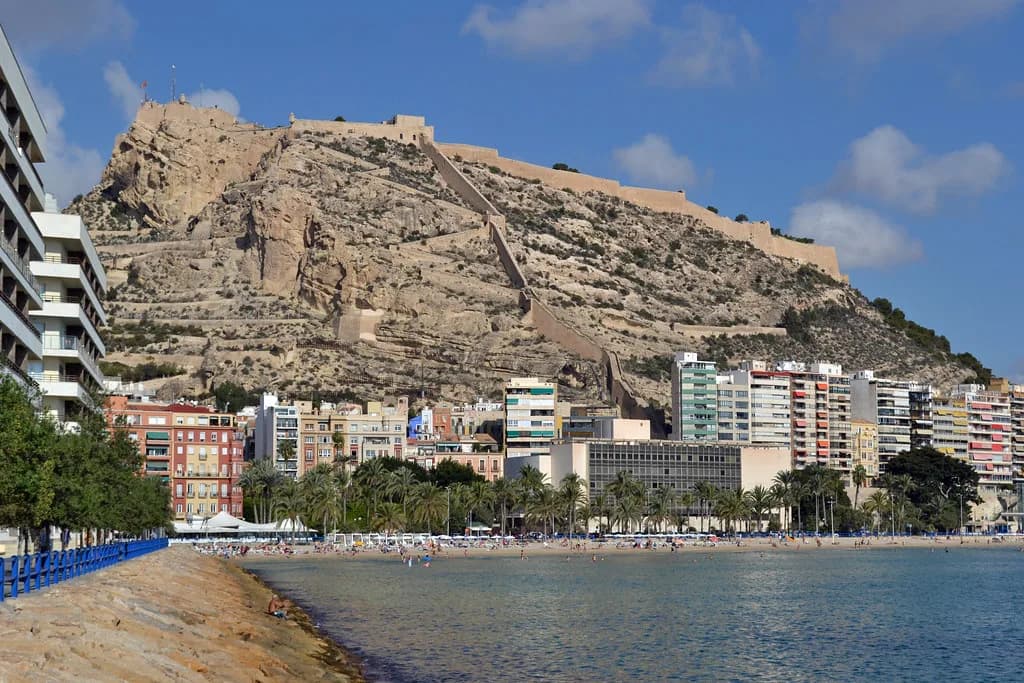
Santa Bárbara Castle sits on Mount Benacantil directly above the old town, with La Ereta, a Michelin-starred restaurant with panoramic city views and seasonal tasting menus, on the slope. The climb is the natural partner to a lunch in El Barrio: walk up after eating, or go up first and come down for a late lunch within the 1:30–4pm window.
Time it so the castle visit fills the late afternoon and you are back in the old town for a vermouth or ice cream before dinner. Wear shoes that cope with slopes and steps, and carry water in the warmer months. The rest of the city's sights, from the promenade to the marina, are short walks or a bus ride from the same starting point.
Plan Your Visit
The old town plan writes itself once you accept Spanish timing: bakery or market first, a long lunch at a tapas bar or a rice kitchen, ice cream on the promenade in the dead afternoon, and a small-plates crawl from 8:30pm. Choose one big meal, whether Monastrell or a rice lunch, and keep everything else light and unbooked.
Leave the marina and Playa San Juan for another day, since the old town gives you seafood, rice, market produce and pastries on foot. Check each venue's own page for current serving days before you travel, as kitchens change their schedules.
Frequently Asked Questions
What are some typical dishes from Alicante, Spain?
Look for arroz al horno, rice dishes cooked in the oven, fideuà made with short noodles, fried fish, jamón, croquetas and Pàdron peppers. Turrón de Jijona, a nougat from the nearby town of Jijona, is the sweet to try, and local ice cream shops serve it as a flavour.
Where are the best tapas in Alicante old town?
Start at Nou Manolín for seafood, croquetas and Iberian ham at the barra, then try Bar El Canto for a beer and small plates brought to you. La Tasca del Barrio offers rustic tapas and local wines in a cosier old-quarter room, and La Taberna del Gourmet covers the classics with more polish.
What time do restaurants in Alicante serve lunch and dinner?
Lunch runs 1:30–4pm and dinner starts around 8:30–9pm. Arriving outside those windows usually means a closed kitchen or a drinks-only hour, so book the main meal for lunch and keep the bars for pre-dinner vermouth.
How much should I budget for a main course in Alicante?
Treat message-board figures as a rough orientation only and read the menu at the door, since tapas plates, rice dishes and tasting menus are priced differently. The reliable check is the restaurant's own printed or online menu on the day you plan to eat.
Which Alicante old town restaurants are worth it for rice dishes?
Nou Manolín and Monastrell both serve rice, with Monastrell's cooking built around local rice, saffron and olive oil. La Taverna del Racó del Pla is the homely option for arroz al horno, and rice dishes are usually portioned for at least two people.
What can I see near the old town restaurants?
Santa Bárbara Castle on Mount Benacantil sits directly above the old town, and the Mercat Central is a short walk from El Barrio. Both slot into the late afternoon between lunch and an 8:30–9pm dinner.
Sources
Notes for eating well in Spain
Optional updates to our guides.
You might also like
Continue reading
More guides you'll find useful