Alicante in July: Beach Guide and Heat-Smart Planning
Alicante in July brings the year's most sunshine hours, a warm sea and packed beaches. Plan around late lunches and dinners from 8:30pm.
On this page
July in Alicante means the year's longest daily sunshine, a hot city beach and a seafront that fills by mid-morning. Treat the month as a heat-management exercise rather than a sightseeing sprint: swim early, eat late, and save the Old Town for the hours when the sun is off the streets.
The trade-off is straightforward. You get the most reliable beach weather of the year and long, warm evenings, but you share the sand and the promenade with peak-season crowds and pay summer rates. A few planning decisions, covered below, make the difference between a relaxing week and a sticky one.
Alicante in July at a Glance
July is defined by sun rather than by being the single hottest month: Alicante averages its highest daily sunshine hours in July, at 11 per day, while August is hotter on average at 26°C. That distinction matters when you pick dates, because July gives you the longest days, and August brings the year's highest average temperatures.
For most visitors, a July trip is about three to four days of beach mornings, late lunches and evening walks, with one or two indoor or shaded blocks for the middle of the day. If you are weighing up trip length and what fits into each day, work through how many days in alicante before you lock in flights, since a short break and a week demand different pacing in this heat, and it is worth checking current prices and dates when you book.
July Temperatures: Hot Days, Warm Nights
Alicante's annual pattern runs from a January average of 12°C to an August peak of 26°C, with August sitting at the top of the year. July is part of that high-summer plateau, so expect afternoons that push you indoors or into the sea and evenings that stay comfortable enough for eating outside late.
Nights have been unusually warm in some recent summers. During the first 25 days of July 2023, Alicante province recorded an average temperature of 28.3°C and night temperatures about 1.9°C above normal, part of a run of the hottest July nights in a century. Read that as 2023 history rather than a forecast, but it explains why air conditioning matters more here in July than in most Spanish city breaks.
Book accommodation with working air conditioning and check whether the unit is in the bedroom, not just the living room. In a flat without it, July nights can turn a good-value booking into a sleepless one, and that is the single upgrade worth paying for in this month.
Sunshine and Rain: What July's Weather Promises
July delivers the most daily sunshine of any month in Alicante, at an average of 11 hours. Daylight is long and rain is rare, so unlike spring or autumn you can plan outdoor days with reasonable confidence and keep indoor options as backup rather than the backbone of the trip.
The wet season comes later: October is Alicante's wettest month, averaging 66mm of rain. That is the month to think about indoor plans and flexible bookings, not July. If you are comparing summer and autumn dates, alicante in october is a different proposition entirely, cooler and more unsettled.
The Sea in July: Warm Enough for Long Swims
The Mediterranean off Alicante is at its warmest in August, when the average sea temperature reaches 26°C. July sits just below that peak, which means water that is genuinely comfortable for swimming rather than bracing, even for children and anyone used to colder Atlantic coasts.
If water temperature is your main reason for choosing a month, August and September edge ahead of July. If you want the longest days and the brightest light with a sea that is already warm, July is the better balance, and the alicante in september guide covers the later option when the crowds thin and the sea stays warm. For a Canary Islands alternative to this summer heat-and-sea decision, fuerteventura in july weighs the same trade-offs differently.
Beach Days at Playa del Postiguet and Santa Bárbara Castle
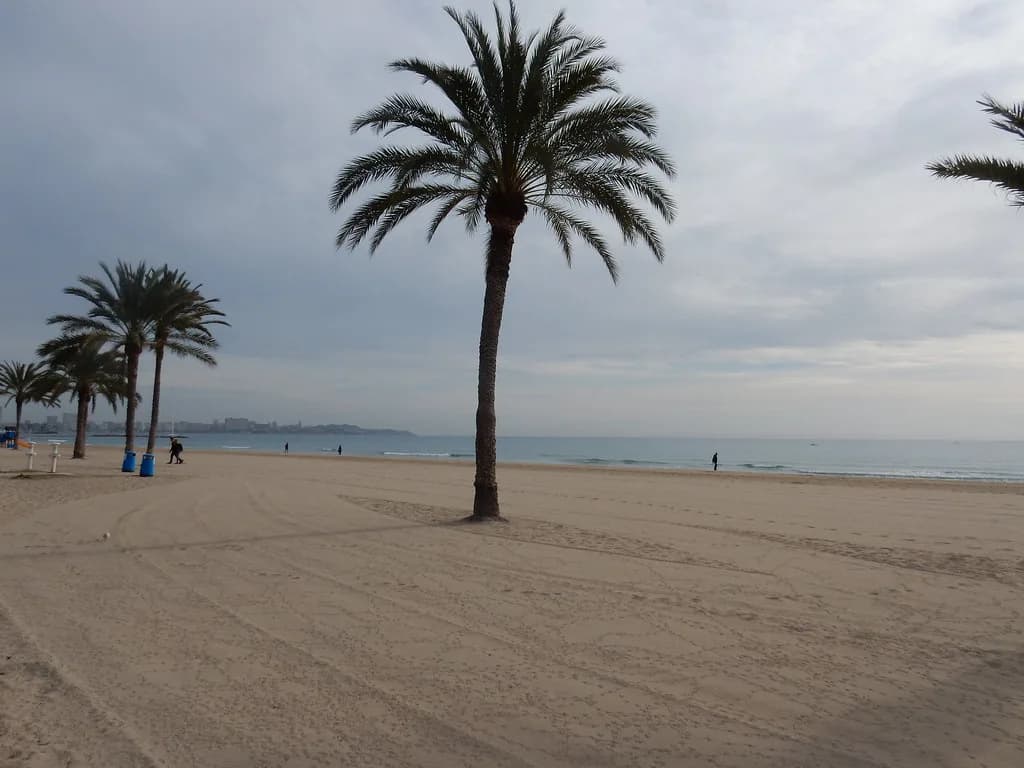
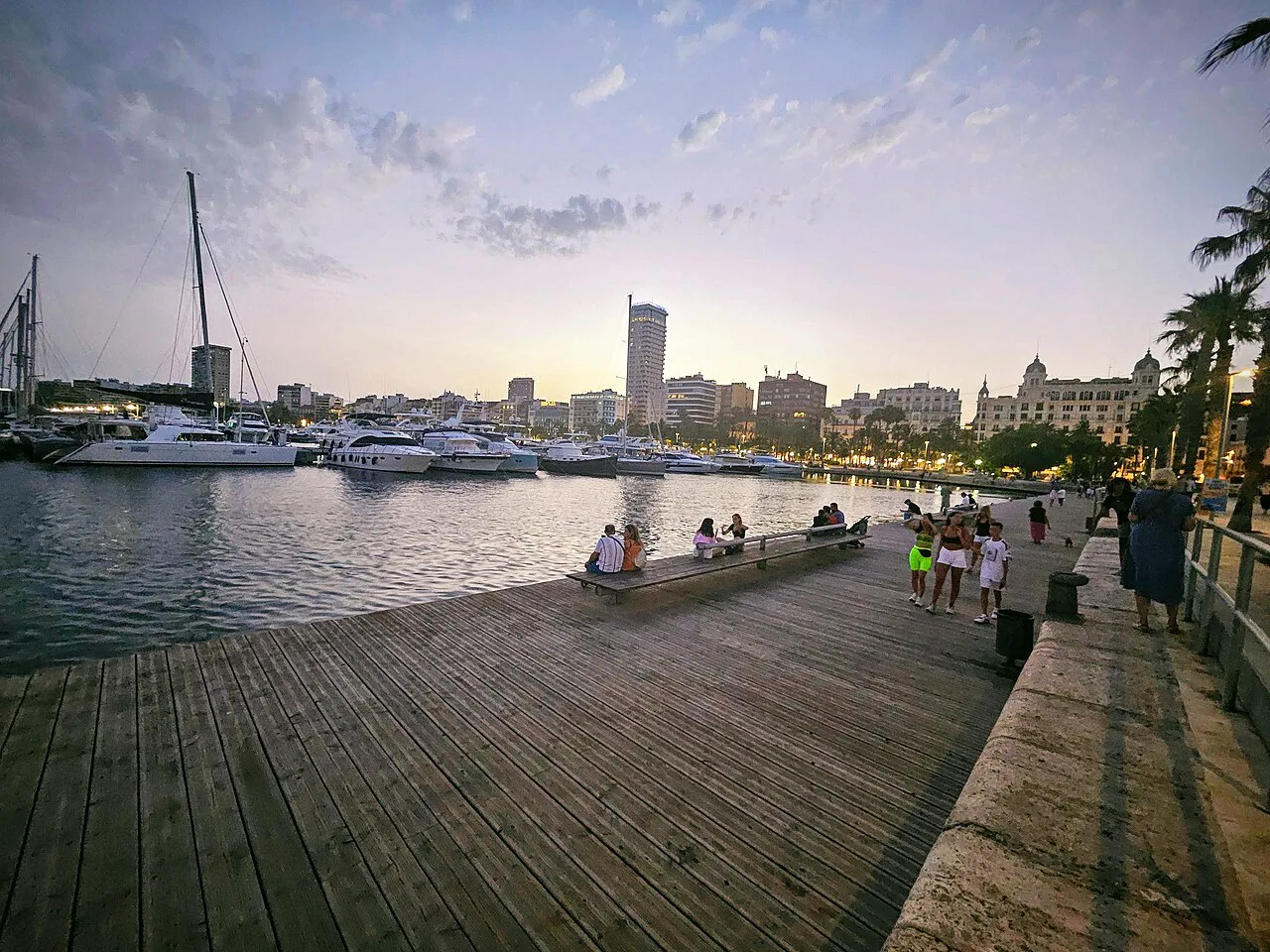
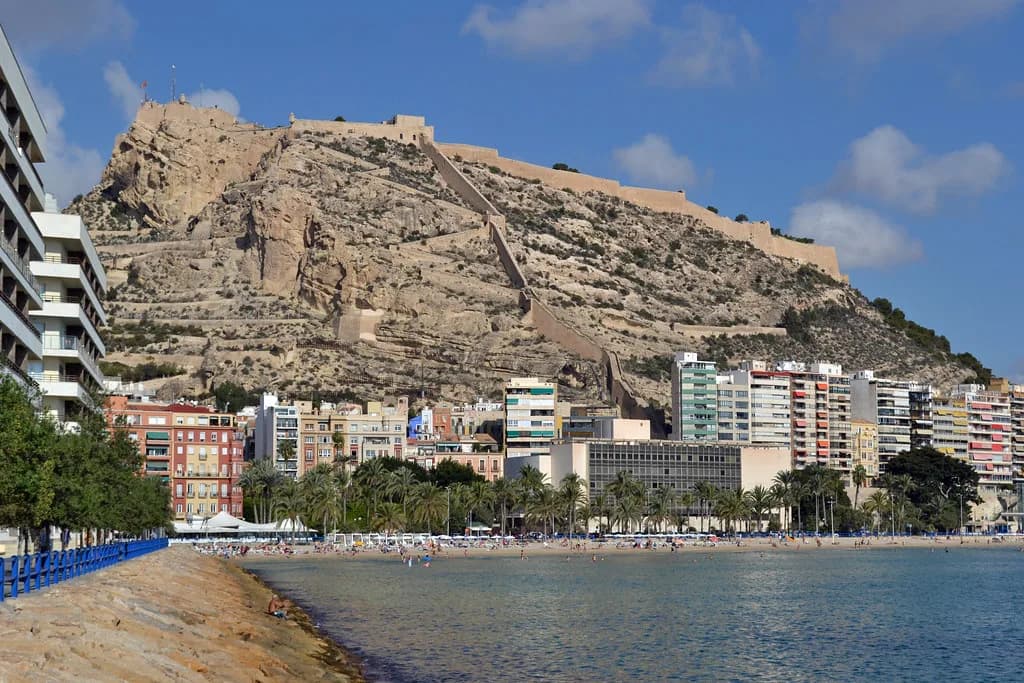
Playa del Postiguet is the city's own beach, golden sand backed by the palm-lined Explanada de España, and it is where most visitors end up. Arrive before mid-morning in July to claim space, bring shade and water, and treat the beach as a morning activity rather than an all-day camp.
Santa Bárbara Castle sits on Mount Benacantil directly above the beach, with panoramic views from its ramparts. You can walk up or take the lift opposite Playa del Postiguet, and in July the lift is the sensible choice for the climb; save your legs for the viewpoints and go late in the day for better light and lower heat.
Eating Around the Heat: Spanish Meal Times in July
Spanish meal times work in your favour in July. Lunch runs from about 1:30pm to 4pm, which lets you eat a proper meal during the hottest stretch of the day and retreat indoors afterwards, and dinner starts from about 8:30pm to 9pm, when the streets have cooled and terraces fill up.
Shift your own clock accordingly. A late breakfast, a 2pm lunch and a 9pm dinner keeps you out of the worst sun and puts you in restaurants when the kitchen is actually serving; turning up at 7pm for dinner usually means finding places still setting up.
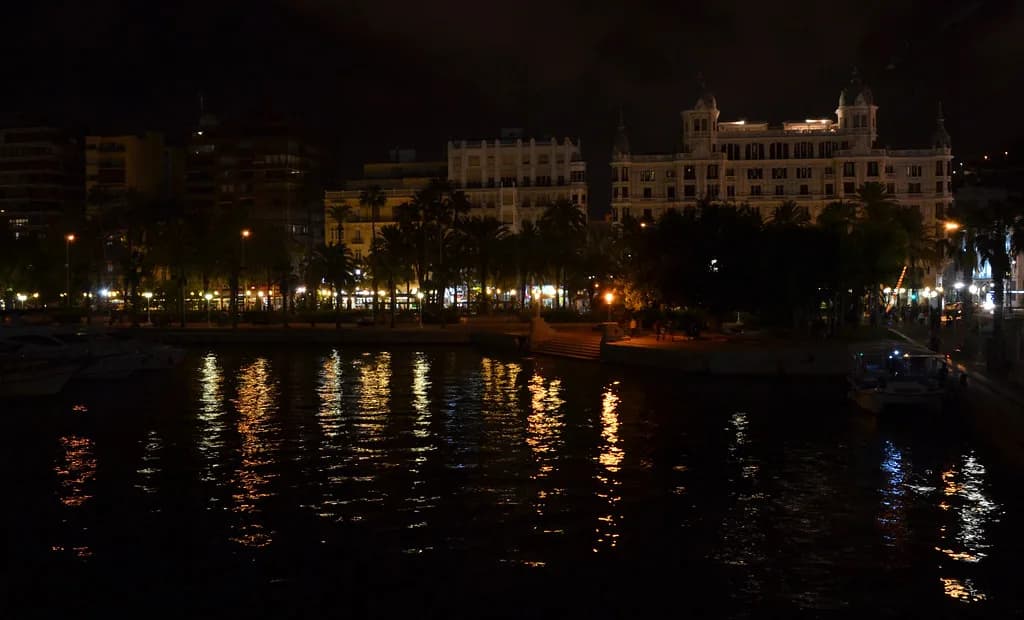
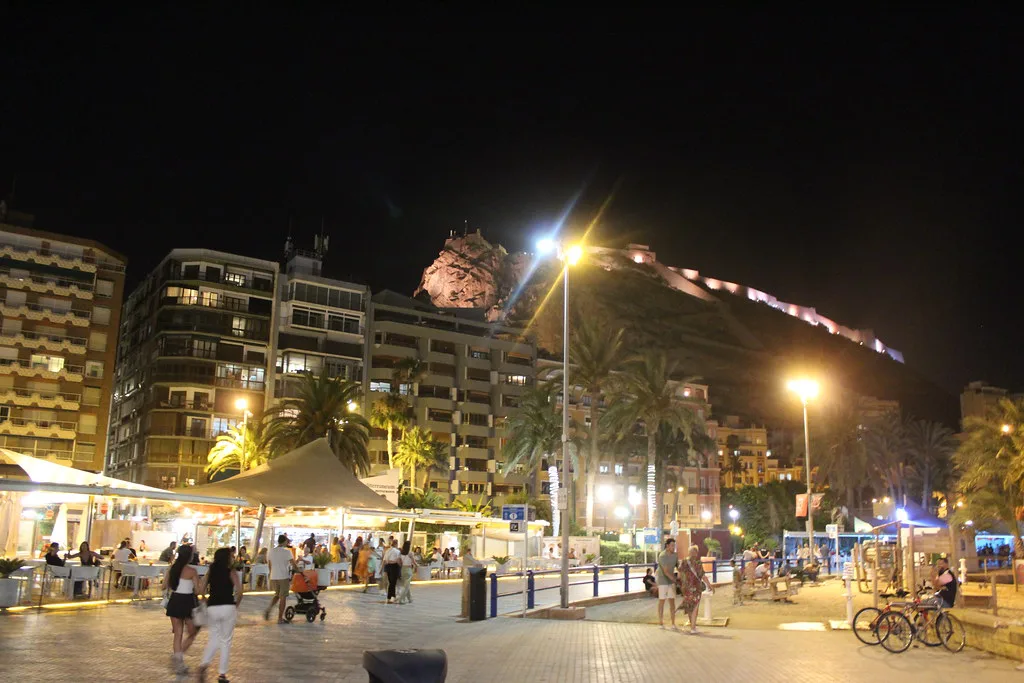
For clusters of restaurants, the port, Playa del Postiguet, the Mercado area and the Explanada are the practical zones. Book ahead in July for anywhere near the beach, since peak-season demand for terrace tables at 9pm is high.
What to Order in the Heat
Alicante's signature dish is arroz a banda, a saffron-infused rice with prawns and squid that is worth ordering at lunch rather than late at night. Pair it with cold local drinks and finish with something light; the rice is filling, and in July a heavy midday meal plus afternoon sun is a poor combination.
For a special meal, Baeza & Rufete serves Michelin-starred Mediterranean cooking and takes reservations. Book it for an evening rather than lunch so you can enjoy it without watching the clock, and check availability well before your trip since July is peak season.
Old Town and Santa Cruz: Shade and Views
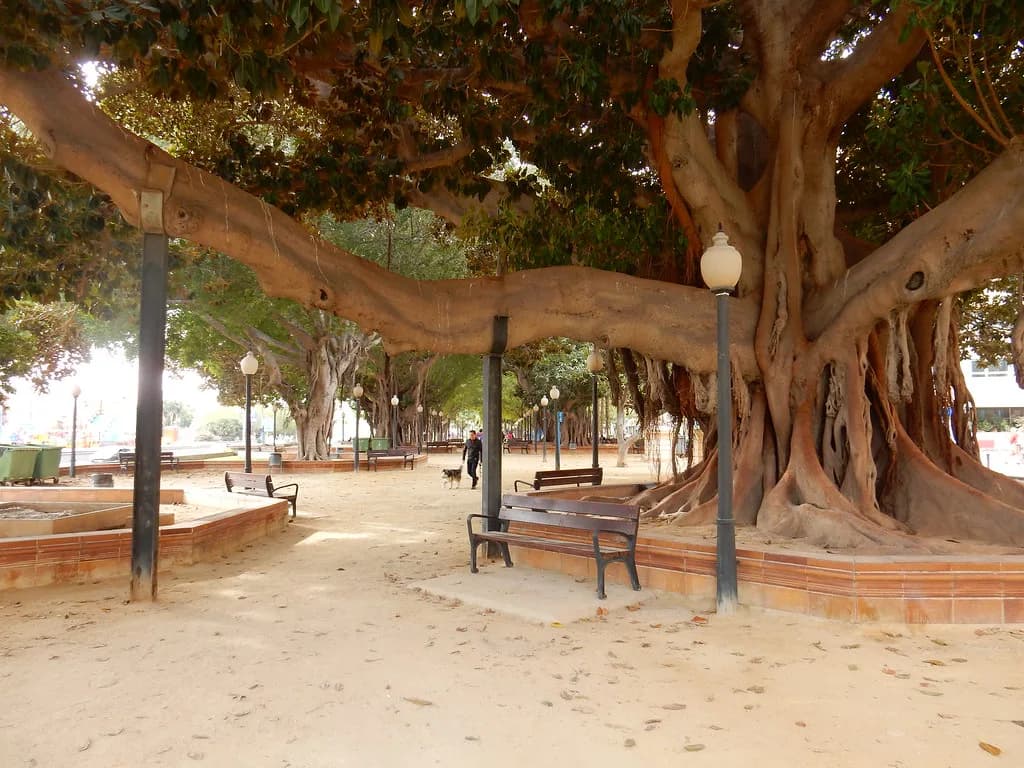
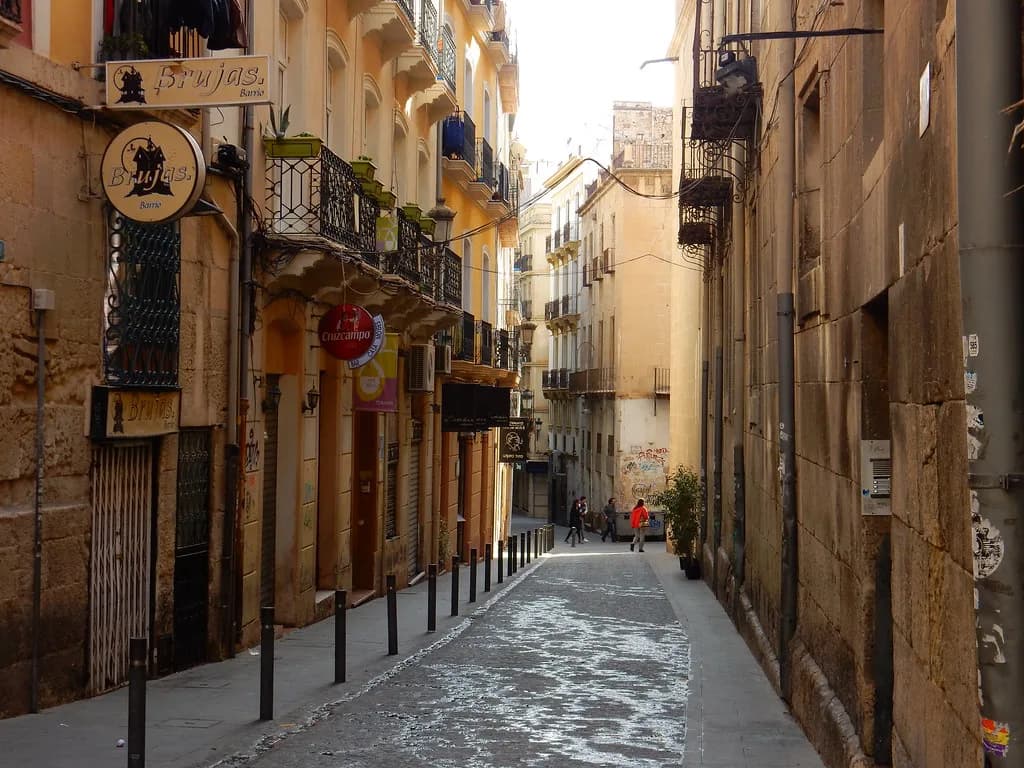
The Old Town's Santa Cruz quarter is a maze of narrow staircases, tiled houses and hanging pots, with the Mirador de Santa Cruz giving views over the castle and the blue dome of the Co-cathedral of Saint Nicolas of Bari. Its lanes are genuinely cooler than the open promenade, which makes it the right place for the early afternoon.
The Basilica of Santa Maria, the city's oldest church, sits in the same quarter with its twin towers and baroque facade. Combine it with a slow loop through Santa Cruz and a drink in a shaded square, and you have covered the historic core without spending hours in direct sun.
Markets and Indoor Cover for the Hottest Hours
Mercado Central is the city's central market, with hundreds of stalls selling fruit, vegetables, handicrafts and clothes, plus cafe terraces and tapas bars in the surrounding streets. Go in the morning for the fullest stalls, and use it as an air-conditioned pause between beach and lunch.
For the hottest part of the afternoon, MARQ has interactive archaeology exhibits and ranks among Alicante's most popular museums, while MACA in Santa Cruz covers contemporary art. Both give you a cool, worthwhile block of time when the beach has lost its appeal and the streets are baking.
If you want a single route that strings the market, the museums and the shaded Old Town together without doubling back, use a ready-made alicante itinerary and adjust the order so the outdoor sections fall in the morning or evening.
Budget Cues for July
As budget context, Skyscanner puts a meal at an inexpensive restaurant at around 15 euros and a local beer at under 3 euros. These are planning figures rather than a quoted menu, and July's peak-season demand means beachfront places tend to sit at the upper end while streets a few minutes inland are cheaper.
The pattern is consistent across the city: the closer a terrace is to Playa del Postiguet or the Explanada, the more you pay for the location. Walk two or three streets back into the Ensanche or the Mercado area for better value, and use the market and street food stalls for cheap daytime snacks.
Getting Around in July
You can walk between the beach and the Old Town, which keeps transport costs down and avoids hot waits at stops. For longer hops, public buses and the Alicante Tram are convenient and both run at night, so an evening out does not depend on taxis.
The tram also opens up the coast, with scenic rides towards Benidorm for a change of beach or a day out. In July, start early to travel in relative cool and keep the return trip for after the peak heat; buy tickets at kiosks or stations.
Who July Suits, and Who Should Choose Another Month
July suits beach-first travellers, families tied to school holidays and anyone who wants long, warm evenings and reliable sun. It is also the height of summer, so expect crowded sand, full terraces and higher accommodation prices, with booking well ahead as the practical fix.
If heat is a problem for you, or you want the city with fewer crowds, look later. August is hotter on average and has the warmest sea, while September and October trade some sunshine for cooler walking weather and quieter streets.
For a shorter trip, one day in alicante is enough for the beach, the castle lift and a late lunch, though July heat rewards an overnight stay over a rushed day visit. Check official opening times and current prices for the castle and museums before you travel, and confirm restaurant reservations for the evening slot.
Plan Your Visit
Alicante in July is a sun-driven city break: 11 hours of daily sunshine, a warm sea just short of its August peak, and a daily rhythm built around late meals and evening terraces. Build your days around the beach before 11am, shade or a museum in the afternoon, and dinner from 8:30pm.
Book air-conditioned accommodation early, reserve restaurants near the beach for the late slot, and keep one indoor option per day in reserve. Then the heat becomes part of the plan rather than something that disrupts it.
Explore more Alicante guides
Frequently Asked Questions
How hot is Alicante in July?
July sits in Alicante's high-summer stretch, with long, hot afternoons and evenings warm enough to eat outside late. August is the hottest month by average temperature at 26°C, with January the coldest at 12°C, so July runs close to the annual peak. Check a current forecast before you pack.
Is July a good time to visit Alicante?
Yes, if you want the year's most reliable beach weather. July has the highest average daily sunshine in Alicante at 11 hours, which makes outdoor plans dependable, but it is also peak season with crowded sand and full terraces. Travellers who dislike heat should look at September or October instead.
Is the sea warm enough to swim in Alicante in July?
The water is comfortable for long swims. Alicante's average sea temperature peaks in August at 26°C, and July sits just below that, so the Mediterranean feels warm rather than bracing. Children and anyone used to Atlantic coasts will find it easy.
When do people eat dinner in Alicante in summer?
Dinner starts from about 8:30pm to 9pm across Spain, and that late slot suits July because the streets have cooled by then. Lunch runs from about 1:30pm to 4pm, so a late breakfast, a 2pm lunch and a 9pm dinner keeps you out of the worst heat. Arriving at 7pm usually means kitchens are still setting up.
What should I eat in Alicante in July?
Order arroz a banda, the city's saffron-infused rice with prawns and squid, at lunch rather than late at night because it is filling. Keep drinks cold and light, and for a special evening Baeza & Rufete serves Michelin-starred Mediterranean cooking and takes reservations.
Sources
Notes for eating well in Spain
Optional updates to our guides.
You might also like
Continue reading
More guides you'll find useful