Best Restaurants in Alicante: Rice, Tapas and Vermut
A practical guide to the best restaurants in Alicante, from rice specialists and old-school tapas bars to high-end counters, with dishes to order.
On this page
The best restaurants in Alicante fall into three useful groups: rice specialists where a pan of arroz anchors the meal, modern tapas counters for a lighter graze, and old-school bars for cheap plates and vermut. Alicante bills itself as the Ciudad del Arroz, and one city guide notes that more than 300 rice specialities are eaten here, from dry arroz seco to creamy arroz meloso.
Plan around Spanish meal times rather than British ones. Lunch runs roughly 1:30pm to 4pm and dinner starts from about 8:30pm to 9pm, so a 6pm hunger pang needs a bar counter or a bakery rather than a restaurant table. The two main English-language sources disagree on the running order of places, so treat everything below as a set of options rather than a ranking.
Why Alicante Is a Rice City First and a Tapas City Second
Rice is the local signature, and the distinction that matters at the table is texture. Arroz seco is a dry rice cooked so the base caramelises into soccarat, the crisp layer that many locals consider the best part of the pan; arroz meloso is creamier and spoonable. A rice dish for two is a proper sit-down meal, so it fits lunch better than a late bar crawl.
Tapas still matters, but in Alicante it often means a modern counter rather than a long tapeo. Expect ensaladilla rusa, croquetas, torreznos and montaditos alongside the rice, with vermut by the glass as the natural aperitif. If you want to concentrate on small plates instead, our guide to the best tapas in Alicante covers that ground separately.
The Rice Specialists Worth Planning a Meal Around
La Taverna del Racó del Pla is a wood-panelled tavern where the arroz seco with crisp pork, chickpeas, broad beans and charred peppers is described as one of the best rice dishes the writer has eaten, with a properly crisp soccarat and an oregano-scented meat stock. The same source notes plenty of disappointed walk-ins, so this is one to reserve ahead. Their tapas run to filo sacks of ham-flecked béchamel under oxtail sauce, bacon-wrapped dates and fried fresh cheese with anchovies.
Restaurante Govana is a family-run, multi-award-winning room with marble floors, dark wood and chintzy table settings, and the leg-of-veal rice is the dish to weigh up. It arrives golden on top with morcilla, chorizo and chickpeas, but the same account flags wobbly connective tissue as a texture some diners love and others do not. Order the jamón croquetas and a tomato and tuna belly salad alongside, and finish with cinnamon-spiced torrija.
L'arruzz has slightly naff branding that looks like a tourist trap, but its rice with salt cod, sweet spring onions, caramelised cauliflower and fish stock is reported as a killer flavour combination finished with aioli and lemon. It operates a pair of restaurants in the city, which helps when one is full.
If you want to compare Alicante's rice against the Valencia region's most famous dish, our guide to the best paella in Alicante is the place to start before committing to a pan.
What to Order at a Rice Restaurant
Order one rice between two, then build around it with a shared ensaladilla, a plate of croquetas and something sharp such as tomatoes or grilled squid. At L'arruzz the ensaladilla arrives as two ice-cream scoops, while Gravina 4 serves what one source rates as the best version in Alicante, with every component distinct inside a coherent, mayonnaisey whole.
Ask whether the pan is priced per person or per pan before ordering, because rice portions in Alicante are usually built for two and that changes the budget quickly. Menus are the reliable place to check, since prices vary by rice and by market. Reserve the leg-of-veal rice at Govana for anyone in your party who enjoys offal textures, and steer others to the fish-based arroces.
Modern Tapas and High-End Counters: Cesar Anca, Bar Manero and La Taberna del Gourmet
Cesar Anca Restaurante, just off the Explanada de España, serves some of the most creative tapas reported in Alicante and has been easy to seat at the bar. Order the oxtail cannelloni with a crisp jamón crumb one per person, and consider the pork cheek on buttery pomme purée with red wine sauce.
Bar Manero is as bling as Alicante gets, with caviar and vintage Champagne on the list alongside own-brand olive oil and wine. The cooking holds up: confit leek with toasted almonds and garlicky cheese, and oxtail croquetas, are both recommended. Book for a special meal rather than a quick bite.
La Taberna del Gourmet is a contemporary gastrobar and delicatessen behind the promenade, described in one source as holding a Michelin Plate and connected to the one-starred Monastrell run by María José San Román and her daughter Geni Perramón. Treat any Michelin label as something to confirm rather than assume. Dishes reported well include cod fritters, jamón croquetas, artichoke heart with romesco and a torrija with mantecado ice cream.
Nou Manolin is a counter where Ferran Adrià and Juan Mari Arzak are reportedly fans, and the bar seats have been the last to go on visits. Expect a queue, and order the crystal breads topped with ensalada and big anchovies plus the battered bacalao with lime mayonnaise.
Old-School Bars and Value Plates: Cerveceria El Canto, Bar Guillermo and Cervecerías Sento
Cerveceria El Canto is old-school and queues at the door, but the reward is excellent-value tapas including glistening jamón ibérico, griddled queso fresco with sweet tomato jam and a montadito of marinated pork loin with brie. Bar Guillermo, just north of the central market, was almost empty around 10pm and serves delicately battered calamari and salt cod croquetas, so it suits a late, low-key stop.
Cervecerías Sento, with several branches around the city, has compact, cheek-by-jowl dive-bar energy and more than 30 montaditos. Its signature lollipops of pork, ham, béchamel and tomato jam are the thing to order. One source reports the bar is cash only, so carry euros rather than relying on card.
For a broader survey of small plates and bars across the city, including places that fit a quick pre-dinner stop, the best tapas in Alicante guide picks up where this section leaves off.

Creative Twists and One-Dish Wonders: Probar el Buen Bar, Gravina 4 and Pipirrana Vermut
Probar el Buen Bar, down a city-centre side street, builds its reputation on a thin, oozy tortilla with caramelised onions under a savoury sabayon that reads rich but eats airy. The torreznos with garlicky mashed potato and an ensaladilla rusa with smoked eel are the other plates to target. Feedback on the limited menu and service has been mixed, so go with flexible expectations.
Gravina 4 is a dinky fish-focused tapas bar where impeccably tender grilled squid with plenty of garlic and sweet red prawns are the draw. Pipirrana Vermut, meanwhile, offers a good range of vermouth by the glass and an inverted soccarat of oxtail rice with a bronzed crisp shell, plus deep-fried pork belly with crackling for booze snacking.
These three suit a grazing evening rather than a full rice lunch, and Pipirrana in particular works as a vermut stop before dinner. Arrive early if you want a seat at the small Gravina 4 bar.
Set Lunches and How to Read Them: ToBar's Seven Courses
ToBar, a cosy side-street restaurant, serves a seven-course set lunch priced at 22,50 euros according to one source, which is the clearest fixed-price benchmark in the city's English-language coverage. Highlights include crispy aubergines with a sticky sweet-wine reduction and rosemary, sweet prawns with black salt, and a soupy arroz with monkfish and cockles.
A set lunch in Spain usually means a limited choice within each course, bread and sometimes a drink included, and a pace set by the kitchen rather than the table. Ask what the seven courses actually comprise before booking, since the menu changes. The value is strongest at lunch, when a long menu sits comfortably inside the 1:30pm to 4pm window.
Near the Explanada, the Port and the Old Town: Linking Places on Foot
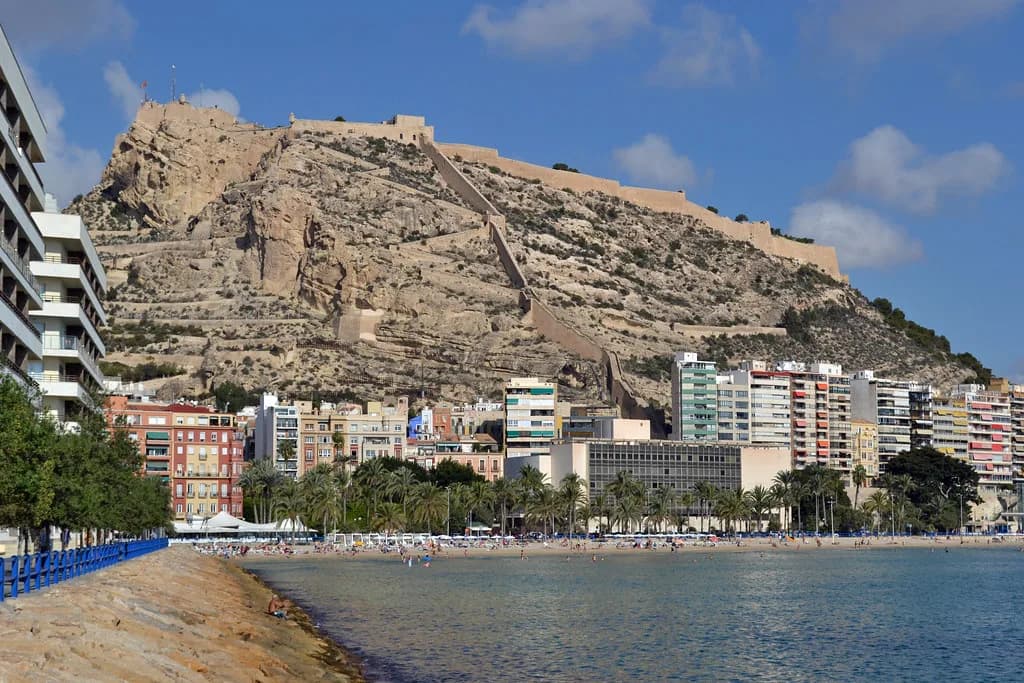
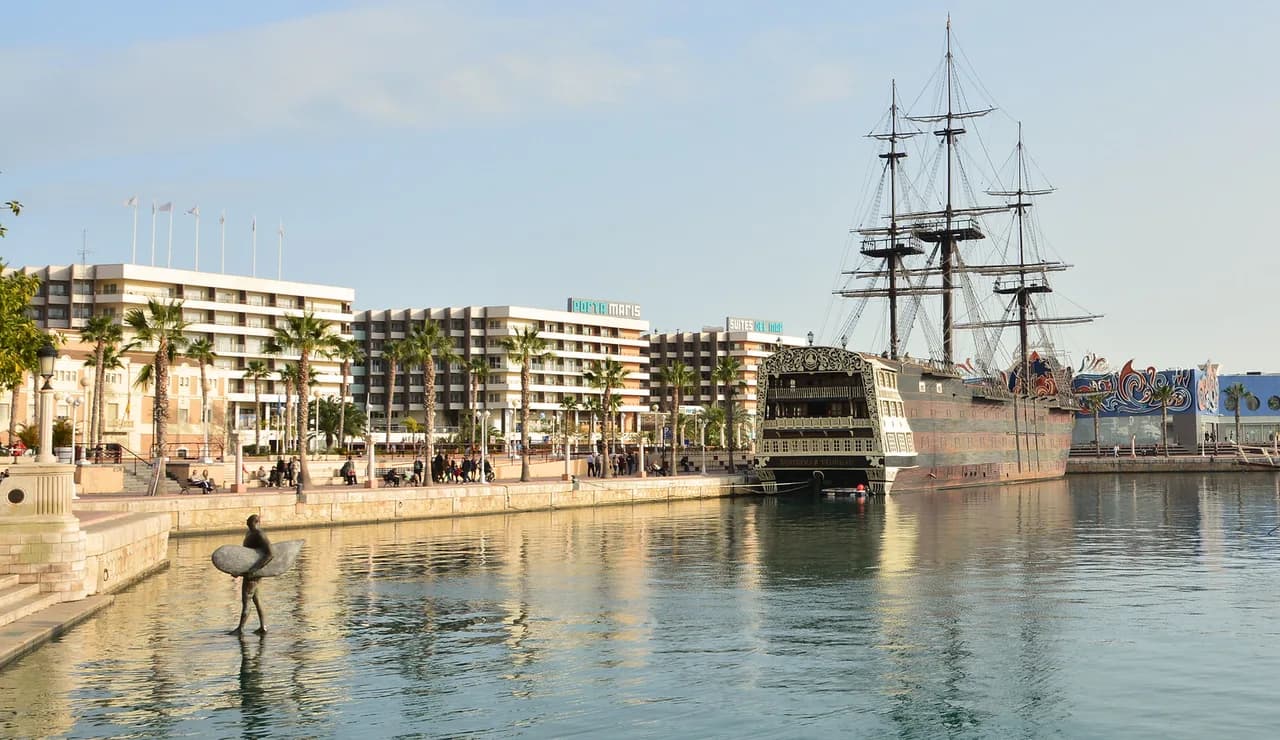
A workable eating circuit starts at the Explanada de España, the wave-mosaic seafront walkway, with the beach at Playa del Postiguet and the Castell de la Santa Bàrbara above it for the walk-off. Cesar Anca and La Taberna del Gourmet sit close to this stretch, which makes them easy to pair with a promenade stroll.
The old town and the area around the central market hold the old-school bars, with Bar Guillermo north of the market and Cerveceria El Canto in the same orbit. For a focused crawl of that quarter, see the Alicante old town restaurants guide, and if you would rather hand the navigation to someone else, a food tour can cover several stops without the map work.
Nou Manolin and L'arruzz sit within reach of the centre, while the Cervecerías Sento branches are scattered, so check which branch you are heading to before setting off. A taxi between the Explanada and the market area is short but usually unnecessary in daylight.
Vermut, Craft Beer and Dessert
Alicante drinks well beyond wine and sherry. Bubbles Beer Club pours Spanish craft beer from Madrid's Kosmonauta and Valencia's Sáez & Son, with a pint of Garage TIPA listed at 8 euros in one account; La Mala Buena and Malatesta are named as further options for local Spanish beer.
For dessert, Livanti Gelato Di Sicilia draws long evening queues but is quick at midday, with pistachio, dark chocolate and a Malaga-style rum and raisin worth trying. Heladería Borgonesse is the other name that recurs, with flan with caramel, panettone and turrón flavours among the picks, and Anomaly is mentioned for city-centre gelato.
Vermut fits the pre-lunch slot rather than the end of the night, and Pipirrana Vermut is the obvious stop for a good selection by the glass. Pair a glass with a shared plate, then move on to the rice.
Budget Versus Splash-Out in Alicante
The value end of the market lives in old-school bars and market-adjacent tapas, where Cerveceria El Canto and Bar Guillermo deliver strong plates without ceremony, and Cervecerías Sento trades on volume and novelty montaditos. Set lunches such as ToBar's are the mid-range sweet spot, giving several courses for a fixed sum. Our cheap eats Alicante guide collects the lower-cost options in one place.
The splash-out end is Bar Manero's caviar and vintage Champagne, La Taberna del Gourmet's produce-led gastrobar cooking, and Enso Sushi on Plaza Gabriel Miró, which one source warns can become pricey if you arrive hungry. Rice restaurants sit in the middle: a shared pan, a couple of starters and a bottle of wine add up without the theatre.
Bookings, Queues and Walk-In Reality
La Taverna del Racó del Pla is the clearest case for booking, given the disappointed walk-ins reported there. Nou Manolin rewards patience with counter seats and queues steadily, while Cesar Anca has been easy to seat at the bar and Bar Guillermo was quiet late in the evening.
Reserve rice restaurants by phone or through the venue's own channel earlier the same day, and treat any booking policy you read second-hand as out of date. For the high-end counters, book ahead for a weekend; for the bars, turn up and expect to stand.
Honest Trade-Offs and Common Mistakes
The commonest mistake is turning up at 6pm expecting dinner, when kitchens are still quiet until around 8:30pm. The second is ordering rice per person rather than per pan, which leaves a table over-faced and overspent. The third is assuming every bar takes cards: the cash-only report for Cervecerías Sento is worth taking seriously across old-school bars.
Alicante is also not exclusively Spanish on the plate: Da Ciro Pizzeria and Jimmy Churri's empanadas on Calle San Francisco give good alternatives when the croqueta cycle needs breaking. Salt in Cake, also on Calle San Francisco, is recommended for a dark chocolate and sea salt cookie with a molten centre.
The Tripadvisor rankings for Alicante place La Crispeta, Steki Restaurante and Las Brasas de San Miguel at the top, which is a very different picture from the specialist rice and tapas lists above. Use it as a cross-check for popularity rather than a definitive answer.
If you only have two nights, pick one rice specialist, one modern tapas counter and one old-school bar, and skip anything that duplicates the format. Anyone extending the trip towards other Spanish cities can compare notes in the best restaurants in Girona and best restaurants in Ibiza guides.
To round out the days between meals, from the castle walk to the city beach, our guide to things to do in Alicante fills in the gaps.
Plan Your Visit
Build your Alicante eating around one long lunch, one bar-led evening and one splurge, rather than trying to tick off a ranked list. Book the rice specialists, keep cash for the old-school bars, and let the 8:30pm dinner rhythm shape the day.
Check the venue's own website or social account for current opening days, August and winter breaks, and booking policies before travelling, since these change and the sources do not cover them. Prices quoted here come from journalistic accounts rather than current menus.
Explore more Alicante guides
Frequently Asked Questions
What are the best restaurants in Alicante for rice?
La Taverna del Racó del Pla, Restaurante Govana and L'arruzz are the rice specialists most consistently named. La Taverna del Racó del Pla draws praise for its arroz seco with crisp pork, chickpeas and broad beans; Govana is known for leg-of-veal rice; L'arruzz for salt cod rice with cauliflower. Book ahead for the tavern, which turns walk-ins away.
Where do locals eat in Alicante?
The old-school bars are the closest thing to everyday eating: Cerveceria El Canto, Bar Guillermo near the central market and the Cervecerías Sento branches for montaditos and croqueta-style snacks. These are simple rooms with counter seats rather than destination dining, and one report notes Sento is cash only.
Which Alicante restaurants have Michelin recognition?
La Taberna del Gourmet is described in one source as holding a Michelin Plate, with links to the one-starred Monastrell run by María José San Román and Geni Perramón. Confirmation is best done through the Michelin Guide itself rather than secondary write-ups, as listings change between editions.
What food is Alicante famous for?
Rice above all, in dry arroz seco and creamy arroz meloso forms, with the crisp soccarat at the bottom of the pan treated as a prize. Tapas staples such as ensaladilla rusa, croquetas, torreznos and montaditos fill out the bars, and vermut is the standard aperitif.
Do you need to book restaurants in Alicante?
For the rice specialists and high-end counters, yes, at least the same day. La Taverna del Racó del Pla and Nou Manolin are cited as pressured for tables, while Cesar Anca and Bar Guillermo have been easy to seat. Bars generally take walk-ins.
Where can you eat cheaply in Alicante?
Old-school tapas bars and the fixed-price set lunch at ToBar give the best value. Cerveceria El Canto is noted for excellent-value tapas, and Sento's montaditos keep costs down. Menus are posted at the door; check current details there, as prices move with the market.
What time do people eat dinner in Alicante?
Dinner starts from about 8:30pm to 9pm, and lunch runs from roughly 1:30pm to 4pm. Arriving at 6pm will usually mean a bar snack rather than a full meal, so plan the day around a late lunch and a later dinner.
Is there good craft beer and ice cream in Alicante?
Yes. Bubbles Beer Club pours Spanish craft beer and La Mala Buena and Malatesta are named as alternatives, while Livanti Gelato Di Sicilia and Heladería Borgonesse cover dessert. Livanti's queues are worst in the evening and ease at midday.
Sources
Notes for eating well in Spain
Optional updates to our guides.
You might also like
Continue reading
More guides you'll find useful