What to Eat in Alicante: Local Dishes and Where to Try Them
A practical guide to Alicante food, from paella and caldero to salazones and turrón, with the dishes to order and how to fit them into a Spanish eating day.
On this page
Alicante food means three things: rice cooked with fish or meat, salted fish eaten as a bar snack, and hearty mountain dishes from the province's interior. The city sits on the Costa Blanca, but the cooking that defines the province reaches well inland, so a single day of eating can move from a coastal rice pot to an almond-thickened soup. This guide names the dishes, explains what arrives on the plate and sets them against Spanish meal times.
Order rice at lunch rather than dinner, because a paella or caldero is a midday dish and portions are built for sharing. Pair the rice with a vegetable flatbread to start, then work in salazones as a bar snack before an evening meal, and treat turrón and almojábanas as seasonal sweets rather than everyday desserts.
What Alicante Food Actually Means
The province's cooking splits along a clear line: the coast supplies fish, salt and rice, while the mountainous interior supplies almonds, dried peppers, pork and spoon dishes. Paella belongs to the rice tradition, caldero to the fishing coast, and gazpacho de montaña to the hills, and the province's own food writing sets out the same coastal-inland divide. Knowing which side of that line a dish comes from tells you what to expect on the plate before you order.
The defining ingredients are rice, locally caught rock fish, salted cod and anchovies, ñoras dried peppers, almonds and garlic, plus local almonds and honey for sweets. That combination produces savoury, deep-flavoured food rather than the light Mediterranean plates some visitors expect. If you only have two meals in the city, spend one on rice and one on a spread of small plates.
Alicante is the provincial capital of the Valencian Community, so the rice culture here is Valencian rather than generic Spanish. Expect saffron, paprika and stock to carry the flavour, with red pepper and local sausage adding depth to meat versions. Menus often list rice dishes under a separate heading from fish and meat courses, so scan that section first.
Spanish Meal Times in Alicante
Lunch runs from about 1:30pm to 4pm, and dinner starts from 8:30pm to 9pm. Turning up at 7pm for dinner usually means finding kitchens still closed, so build the day around a late lunch and a later dinner. A substantial midday rice dish makes more sense at 2pm than at 9pm.
The practical consequence is that you eat twice with a long gap, which is why salazones and small plates matter: a mid-afternoon beer with salted fish bridges the gap without spoiling dinner. If you want a full rice lunch, keep the evening light. If you want a long evening of tapas, keep lunch to a single course.
The area you choose shapes the rhythm too. The old town suits grazing and short stops, while the marina and seafront suit a sit-down rice lunch with a view. Sort out the rest of the day alongside your eating plan so the two do not collide at 3pm, using a wider guide to things to do in alicante to fix the afternoon.
Rice Dishes: Paella and Caldero
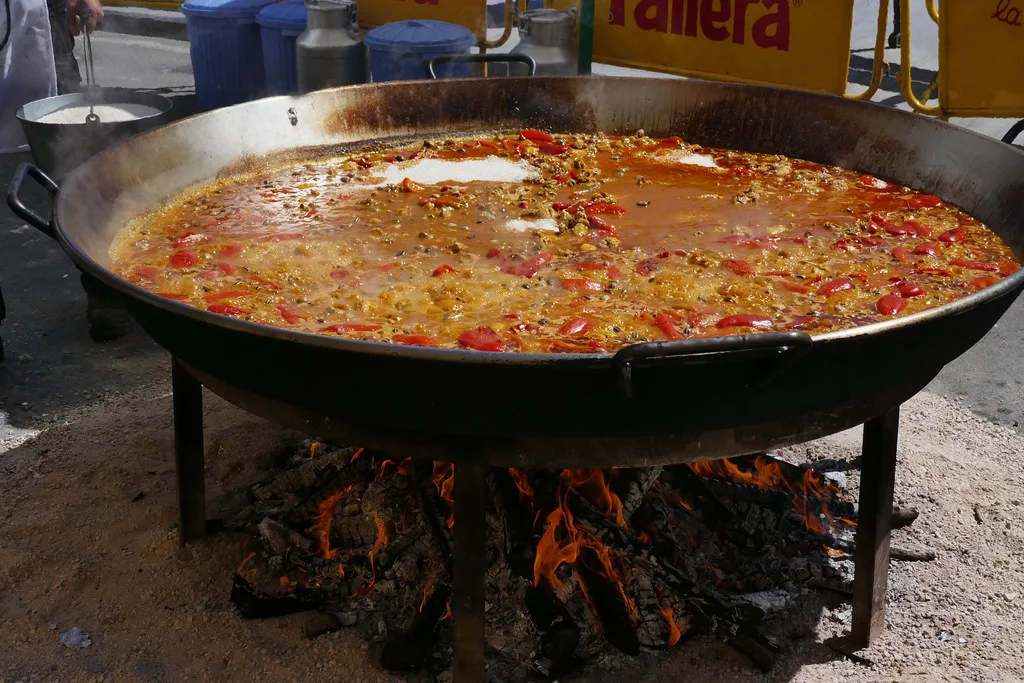
Paella in Alicante combines rabbit and chicken with the smoky flavour of local sausage, red pepper and paprika, producing a mellow rice rather than a fiery one. It is a shared dish cooked in a wide pan, and the prized part is the thin layer of toasted rice at the base. Ask whether the rice is cooked to order, since that affects how long you wait and how good the base is.
Caldero is the coastal counterpart: a fish stew built on rock fish, rice and spices, cooked and served in an earthenware casserole. It is the dish to order when you want something unmistakably from this stretch of coast rather than a national standby. The broth carries most of the flavour, so it suits a cool day better than a hot one. If you're weighing coastal rice and fish cooking across the Balearics too, this guide to Ibiza food covers the same decision.
Order one rice between two people as a baseline, then add a starter and a shared plate. Rice expands and a full portion is more filling than it looks. If the rice is the centrepiece, skip the bread and save room for a shared dessert, and check which kitchens make a rice dish their speciality before you commit to one.
Coca de Verduras: The Vegetable Flatbread
Coca de verduras is a flatbread with a crisp dough base topped with seasonal vegetables — peppers, aubergines, onions and tomatoes — and it works as a starter or a light lunch. It is a local bake rather than a pizza, so expect a thinner, drier base and a generous layer of soft vegetables. Cutting it into pieces to share is the normal approach.
Order it when you want something vegetable-led before a heavy rice dish, or as a light plate with a beer if you are eating late. It suits the gap between lunch and dinner better than a full rice course, and it is easy to split across a table of three or four.
Inland Flavours: Gazpacho de Montaña, Pericana and Cocido
Gazpacho de montaña is not the cold tomato soup most visitors know. In Alicante's interior it is thick and warm, built from ñoras, almonds and garlic into a creamy soup rich in texture. Order it if you want the inland side of the province on your table and you are in the mood for something earthy rather than sharp.
Pericana mixes desalted cod, dried pepper and walnuts, chopped and bound with olive oil — a punchy, salty spoonful that suits bread and a drink. Cocido con pelotas is the comfort option: pork, beef and meatballs simmered in an aromatic broth, the kind of spoon cooking that anchors a cold-weather menu. Both sit firmly in the inland, mountain tradition.
These dishes reward a slower meal rather than a quick stop, so slot them into a lazy lunch or an evening when you are not rushing to another sight. They also tend to be richer than they read on the menu, so order two between three people and add bread.
If you want to understand the province's cooking in one sitting, put a mountain soup alongside a coastal fish dish. The contrast tells you more about Alicante than any single plate. Pair the soup with a dry white or a light red rather than something heavy.
Salazones: Salted Fish With a Drink
Salazones are salted, dried fish — cod and anchovies among them — served as appetisers in bars and restaurants alongside wine or beer. They are intensely savoury and designed for small bites, not a main course. A plate of salazones and a cold drink is the classic mid-afternoon stop, and the best restaurants in alicante build them into their opening orders.
Order one or two pieces rather than a full plate if you are new to them, and ask what is on offer that day, since the selection varies with what is cured and available. The salt level is high, which is the point: they are built to make a drink last longer.
They fit neatly into the long gap between a 2pm lunch and a 9pm dinner, or as the first thing you order while deciding on the rest of the meal. Keep the order small, with bread and something fresh alongside to balance the salt.
Sweets: Turrón and Almojábanas
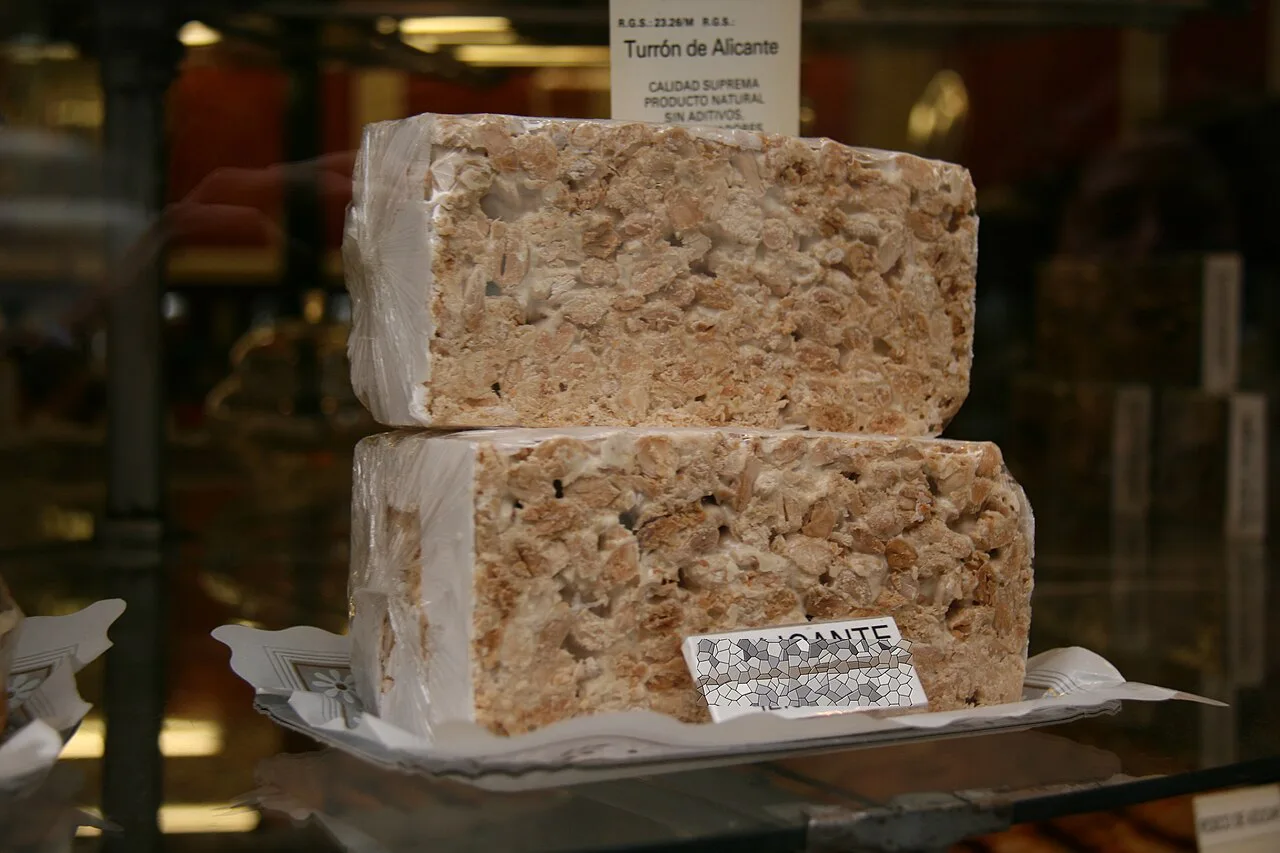
Turrón is the almond and honey nougat tied to Christmas in Alicante, made in hard versions with whole almonds and soft versions with ground almonds. It appears during the festive season rather than as a year-round menu item, so treat it as a seasonal buy. If you are visiting outside December, look for it in shops rather than expecting it on a dessert menu.
Almojábanas are fried sweets made from flour, milk, sugar and lemon zest, crisp outside and soft within, sold at local fairs and festivals. Like turrón, they belong to a moment in the calendar rather than to everyday eating. If a fair is on during your visit, they are worth seeking out; if not, do not build a meal around them.
For a normal dessert, look at what the restaurant actually offers that day — flan, fruit or a baked custard — and ask what is made in house. The seasonal sweets are a bonus, not the backbone of Alicante eating.
Eating on a Budget
The cheapest way to eat well here is to shift your main meal to lunch and keep dinner to a few small plates. Rice dishes are priced for sharing, so two people ordering one rice and one starter usually spend less than two separate mains. Salazones and coca de verduras are the low-cost ways to eat something local, and cheap eats alicante style means exactly this.
Menus del día at lunch are the standard budget route in Spain, usually offering two courses plus bread and a drink; prices vary by venue, so read the board outside before sitting down rather than assuming a figure. Water is often cheaper than soft drinks, and a caña of beer is usually the least expensive alcohol on the list.
Eating Around the Old Town and the Marina
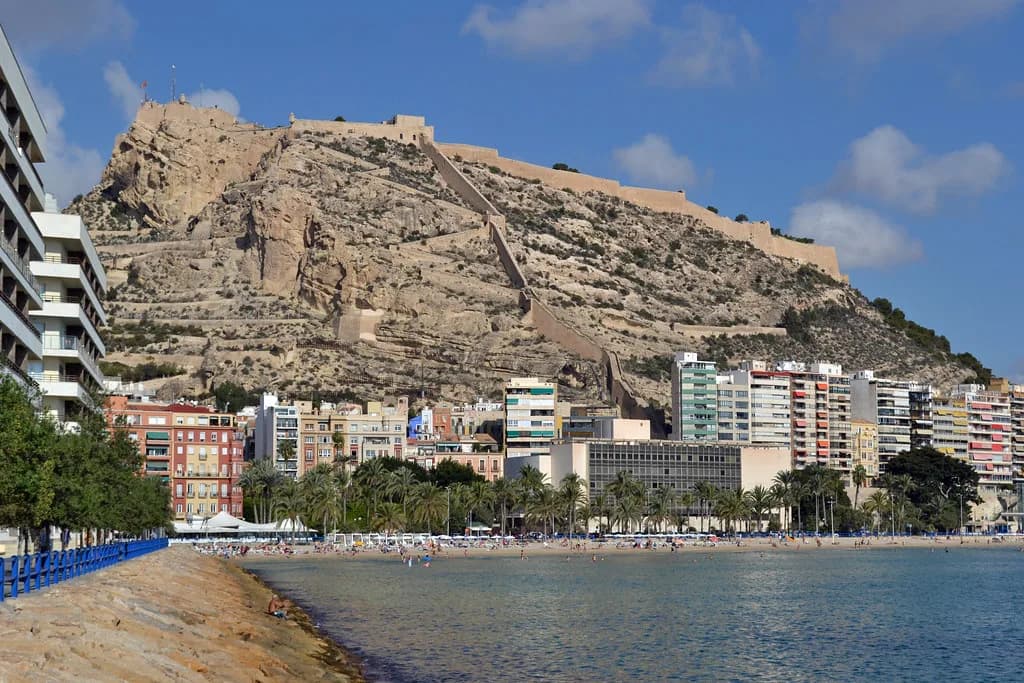
The old town suits grazing: narrow streets, small bars and short stops where you order a couple of plates and move on. It is the right area for salazones, coca and a drink before dinner, and it rewards walking rather than booking one long sitting. Start here in the late afternoon and let the evening build, picking from the alicante old town restaurants that match the mood.
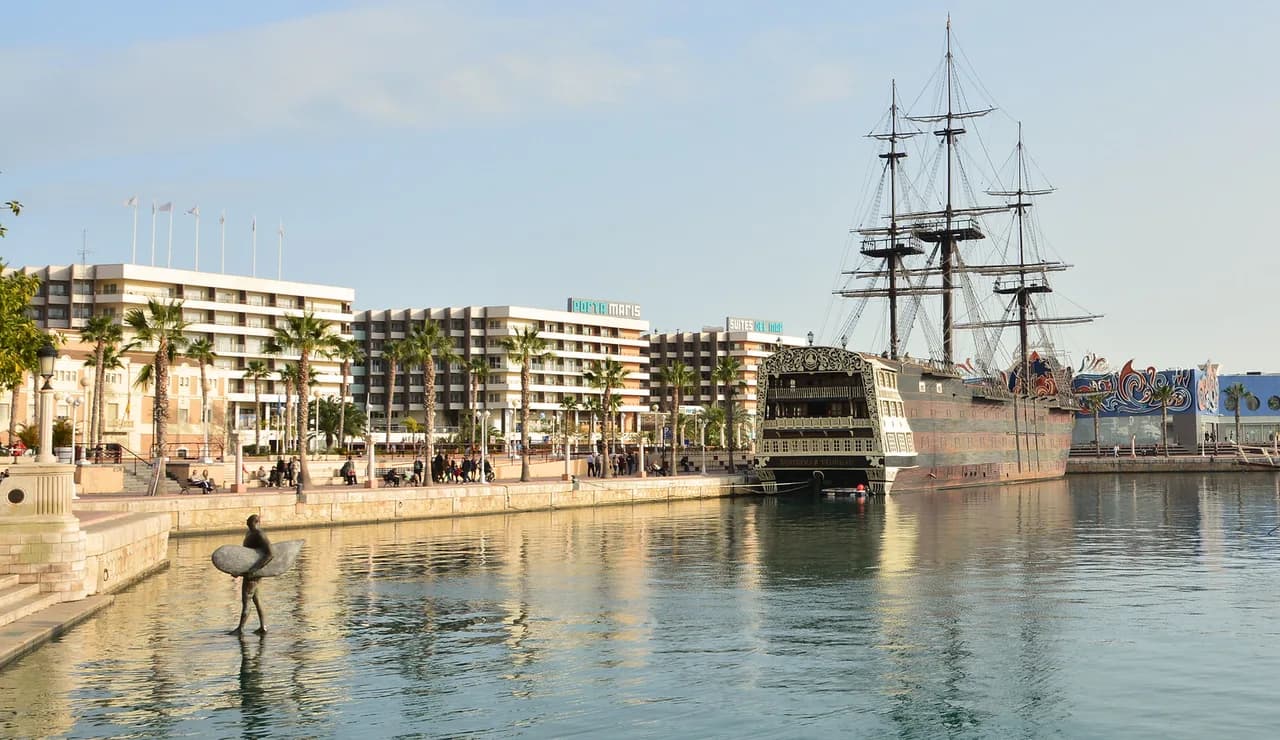
The marina and seafront suit a sit-down rice lunch, where the setting is part of the meal. Book ahead for weekend lunches, order one rice to share and keep the rest light. If you want the whole day to hang together — market in the morning, rice at 2pm, a walk and then salazones at 8pm — plan it as a single loop.
Whichever area you pick, the same rules apply: eat lunch late, order rice to share and treat salted fish as a snack. That structure keeps costs sensible and stops you over-ordering at the wrong time of day.
Mistakes to Avoid
The first mistake is turning up for dinner at 7pm and finding the kitchen not yet open. The second is ordering a full rice portion per person, which usually beats even a hungry table. The third is treating turrón and almojábanas as everyday menu items when they belong to Christmas and local fairs.
A fourth is skipping the interior dishes because they sound unfamiliar. Gazpacho de montaña and pericana are among the clearest expressions of the province's cooking and cost little to try. Menus are in Spanish, so learn the words for rice, salted fish and broth before you sit down.
Plan Your Eating Around Alicante
Build your Alicante eating around a late lunch and a late dinner: one shared rice dish at 2pm, a small plate of salazones or coca in between, and something lighter in the evening. Add an inland soup or pericana to see the mountain side of the province, and treat turrón and almojábanas as seasonal finds when the calendar allows.
Opening days and seasonal closures vary by venue, so confirm times before you set out. Everything else — the dish names, their ingredients and the old town versus marina split — is enough to order confidently on the day.
Explore more Alicante guides
Frequently Asked Questions
What is traditional Alicante food?
Alicante cooking rests on three pillars: rice, salted fish and mountain fare from the province's interior. Paella with rabbit and chicken and caldero, a rock-fish stew with rice cooked in an earthenware pot, belong to the coast and the rice tradition, while gazpacho de montaña, pericana and cocido con pelotas come from inland. Turrón and almojábanas are the festive sweets, eaten at Christmas and at fairs rather than daily.
What is the most popular Alicante dish to try first?
Order a rice dish at lunch to start. Paella with rabbit, chicken and local sausage is the regional benchmark, and caldero gives you the coastal version built on rock fish and broth. Either is shared, so one between two people with a starter is a sensible first meal. Keep the evening light afterwards, because a rice lunch is heavier than it looks.
What time do people eat in Alicante?
Lunch runs from about 1:30pm to 4pm and dinner gets going from 8:30pm to 9pm. Arriving at 7pm for dinner usually finds the kitchen closed, which is why a mid-afternoon stop of salazones and a beer fills the gap. Build your day around a late lunch and a later dinner rather than the earlier British pattern.
What should I order as a snack or starter in Alicante?
Coca de verduras, a crisp flatbread topped with peppers, aubergines, onions and tomatoes, works well before a rice dish, and salazones — salted, dried cod and anchovies — are the classic bar snack with wine or beer. Both are easy to share and both keep the bill down compared with ordering individual mains.
Where can I eat cheaply in Alicante?
Shift the main meal to lunch, share a rice dish between two and add a starter, then keep dinner to a few small plates. Menus del día at lunch usually offer two courses with bread and a drink; read the board outside each venue before sitting down, because prices differ between places. A caña of beer is normally the cheapest alcohol on the list.
Should I order turrón in Alicante outside Christmas?
Turrón is tied to Christmas, made in hard versions with whole almonds and soft versions with ground almonds, so it belongs to the festive season rather than the year-round menu. You may still find it in shops, but do not expect it as a daily dessert. Almojábanas, the fried lemon-zest sweets, are sold at local fairs rather than every day.
Should I eat in the old town or the marina?
The old town suits grazing on small plates and short stops, which is where salazones, coca and a drink before dinner fit best. The marina and seafront suit a sit-down rice lunch where the setting is part of the meal. Doing both in one day, with an afternoon walk between them, is the most practical split.
What is the most common mistake when eating out in Alicante?
Turning up for dinner too early, at 7pm, when kitchens have not opened. The second is ordering a full rice portion per person instead of sharing one between two. Treat the interior dishes — gazpacho de montaña and pericana — as worth ordering rather than unfamiliar risks, and learn the Spanish words for rice, salted fish and broth before you sit down.
Sources
Notes for eating well in Spain
Optional updates to our guides.
You might also like
Continue reading
More guides you'll find useful