Alicante in August: Weather, Heat and Where to Eat
Alicante in August brings 25–30°C averages, around 11 hours of sunshine and late lunches. Plan meals and sightseeing around the heat with named places.
On this page
August in Alicante is hot and reliably sunny: average temperatures sit between 25°C and 30°C, rainfall is around 10 mm for the month and sunshine runs to roughly 11 hours a day, with moderate humidity. That combination decides how the day should be shaped — an early walk, a long indoor or shaded lunch, a swim, and sightseeing after the worst of the heat has passed.
The useful planning move is to treat Spanish meal times as the spine of the day rather than fitting eating around sightseeing. Lunch lands from about 1:30pm and dinner from about 8:30–9pm, which leaves the hottest hours free for a cold drink, a siesta or a stretch in the shade. For a shorter or longer stay, work out how many days in alicante you want to commit before booking August.
What August feels like in Alicante
The Costa Blanca in August delivers average highs in the high twenties to around 30°C, roughly 10 mm of rain across the month and about 11 hours of sunshine per day. Humidity is moderate rather than severe, but it is enough to make the middle of the afternoon feel heavier than the thermometer suggests.
If you want a picture of how a particular August actually behaved rather than a monthly average, historical records for Alicante give day-by-day readings. They are useful for judging how much of the heat is dry sun and how much is sticky air, which changes whether a midday walk is pleasant or punishing.
The sun is the main thing to manage, not the rain. Short, efficient mornings outdoors and long, shaded lunches work better than trying to cover a full sightseeing list between noon and five.
Why the humidity changes your plan: shade, siestas and splitting the day
A traveller's August account describes the humidity as the surprise rather than the headline temperature, with the heat pushing any sustained walking towards shaded streets and cool interiors. That is the practical pattern for most August days: outdoors early, indoors or under cover through the early afternoon, outdoors again in the evening.
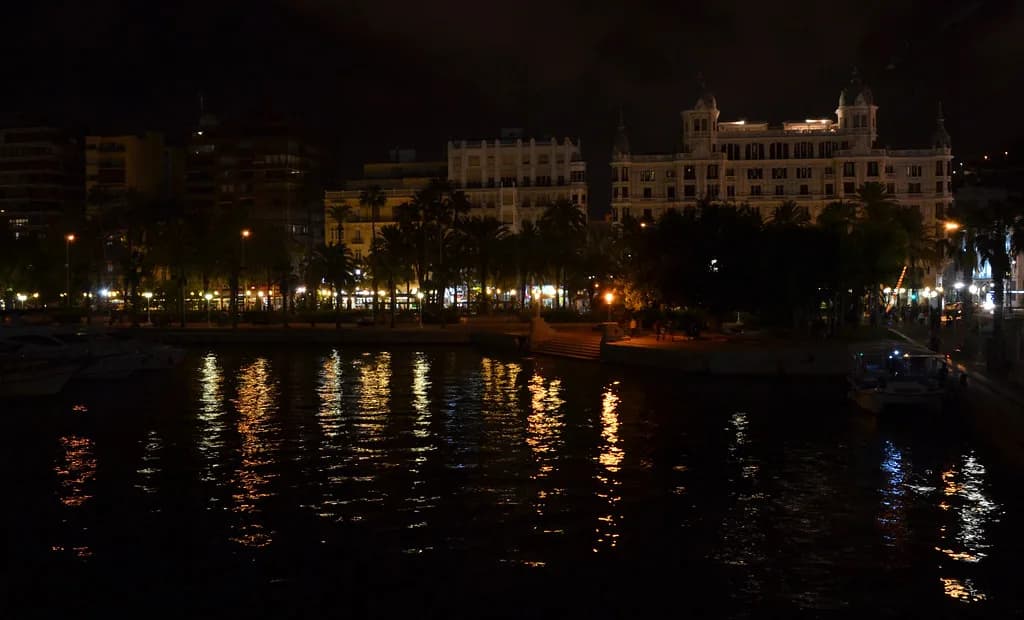
Splitting the day also solves the meal-time problem. A lunch that starts around 1:30pm takes you through the worst of the sun, and dinner from 8:30–9pm puts you back outside when the city has cooled and the streets fill up.
Spanish meal times in practice
Arriving at 1pm for lunch can mean an empty room. On a first August day, a walk past restaurants shortly after noon found most not yet serving, with the first diners arriving after 1pm and the room filling an hour later.
Book dinner on the same logic. A table for 9pm suits August, when the heat has dropped and the evening is the best part of the day; turning up at 7:30pm may mean eating alone or finding the kitchen not ready.
Where to eat lunch in the old town: Manero Mollá
Manero Mollá on Calle Médico Manero Mollà, 7 is a sound first lunch stop in the old town, and the plates to order are the small ones: sardines, tortilla, squid and patatas bravas. A first-hand August report ate exactly that combination shortly after 1pm, when the restaurant was still quiet.
Ordering several small plates rather than a single main keeps the meal light enough for an afternoon outdoors, and the squid with its garnish and the sardines are the sort of thing that suits a hot day better than anything heavy.
Coffee and a late breakfast: Madness Specialty Coffee
Madness Specialty Coffee on Calle San Nicolás, 4 works as a late breakfast or brunch stop when a slow start follows a late dinner. The offer is a wide coffee selection alongside a food menu of breakfast plates and sandwiches, which is enough to carry you to a 1:30pm lunch or to stand in for it if the heat has killed your appetite.
Treat it as a cool, seated pause rather than a quick espresso stop. In August, the value is the air-conditioned hour as much as the coffee.
Dinner in the old town: La Taberna del Gourmet
La Taberna del Gourmet on Calle San Fernando, 10 is an old-town dinner room, and the dishes worth knowing are mussels in white wine, chicken croquettes and a tomato salad with burrata and rocket. It also works for a late-afternoon plate outside on the pedestrian street, which is the easier option when the evening meal is still hours away.
The pavement tables are the reason to come early rather than the food alone: a small order and a cold drink in the shade buys you time until the restaurants properly open for dinner.
Paella in the city: Bodeguita 1999
Bodeguita 1999 on Calle Bailén, 4 is where to try a mixed paella in the city centre. The honest verdict from an August visit is that it was good without being the best paella around, which is a fair reason to order it once and keep looking rather than treat it as the final word.
Paella is a lunch dish in Spain, so book it for the 1:30–4pm window and keep dinner for tapas. Eating a heavy rice dish at 9pm in August is a choice you may regret.
Gelato as heat management: Livanti Gelato Di Sicilia
Livanti Gelato Di Sicilia on Calle de Muñoz, 6 is the obvious mid-afternoon stop between lunch and the evening, and a cone is a better use of the hottest hour than another museum.
Pair it with a walk along the seafront rather than sitting still — the breeze off the water does more for you than shade on a hot street.
A fish lunch near San Juan Playa: Lorea
Lorea on Avenida de Niza, 4, Local 1 sits on the east side of the city near San Juan Playa, which makes it the natural fish and seafood lunch before or after a swim. The plates to look for are Iberian ham and grilled squid, a combination that keeps the meal light.
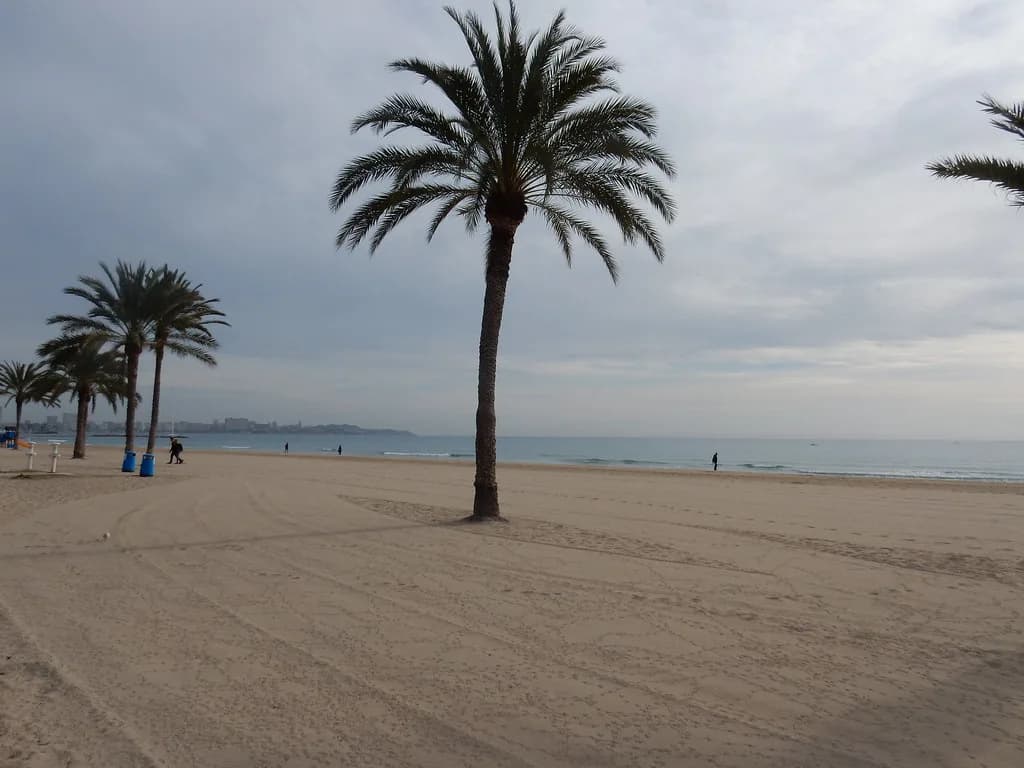
San Juan Playa itself has white sand and salt water that stays refreshing through August, so build the day around lunch here and a long swim afterwards rather than a return trip into the centre.
Castillo de Santa Bárbara in the early evening
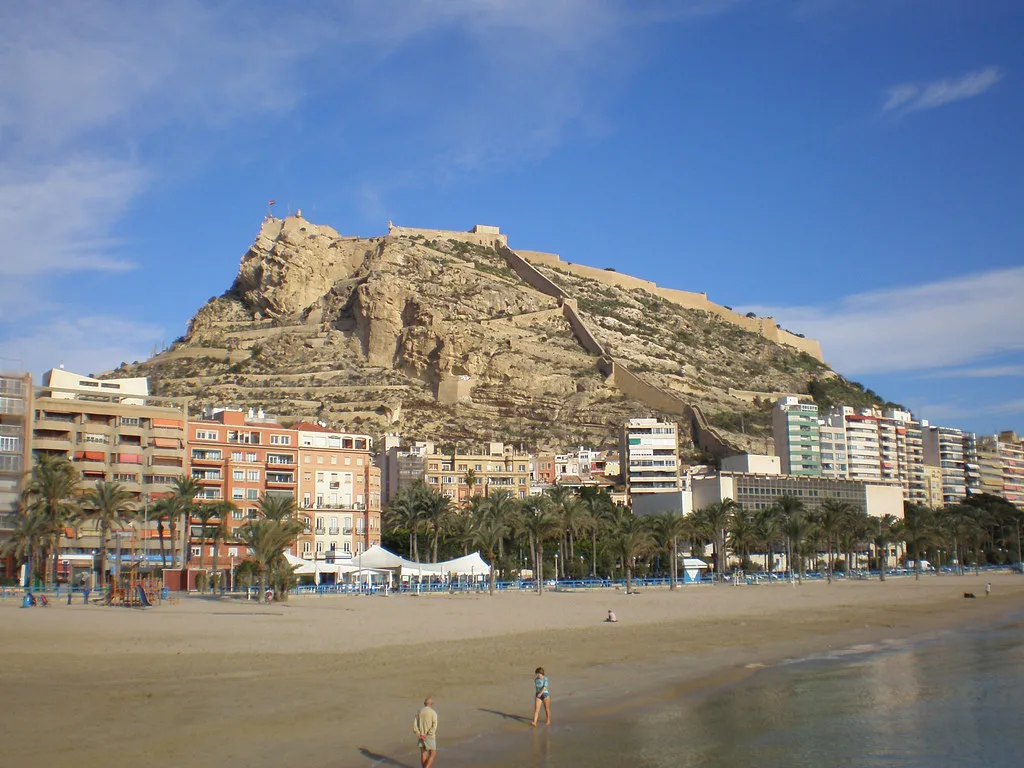
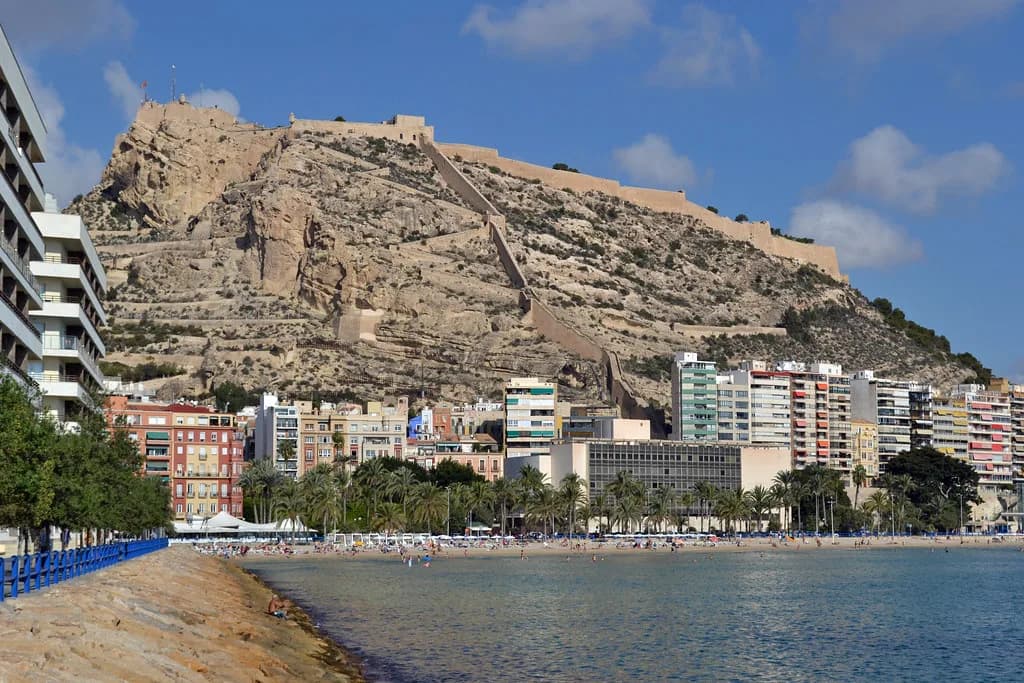
The Castillo de Santa Bárbara is the main sight in Alicante, and the sensible August approach is to go in the early evening rather than the middle of the day. You can walk up or take a lift from the bottom; the lift is the kinder option when it is still hot on the summit.
Wear proper shoes. Many of the paths inside are steep and stone-paved, and a day of sandals on the beach is not the preparation for them. Once up, the views take in the city and the sea from almost every side, and you can wander without a guided tour.
Dinner with a view: Restaurante La Ereta
Restaurante La Ereta in the Parque de la Ereta is a 10–15 minute walk down from the castle, which makes it the natural end to an evening at the fortress. The setting looks out over the city, and the cooking leans on fresh, local ingredients with plates such as shrimp with gazpachuelo and desert vegetables, and tuna back cheek with parsnip.
Book it as the evening meal rather than a quick bite, and leave enough time after the castle to walk down slowly. The view is part of the point.
Costs and crowds in August
August is peak season on the Costa Blanca, so expect fuller restaurants, busier beaches and softer availability at the times you want. The practical answer is to book the restaurants you care about and to use late lunches and late dinners to sidestep the crush.
If the heat or the crowds are a dealbreaker, the shoulder months are worth comparing before you commit. Alicante in july is hotter and busier still, while alicante in september brings the same city with a gentler edge, and both pages let you see what changes.
What to wear and carry
Pack for heat with a plan: proper walking shoes for the castle's steep stone paths, a refillable water bottle, a hat and a light layer for air-conditioned restaurants. A swimsuit earns its place for San Juan Playa and Playa del Postiguet, the city beach below the castle.
Sun protection is not optional in a month with roughly 11 hours of sunshine a day, and the humidity means you will want to change clothes once before dinner.
Sample two-day August plan
Day one: a late breakfast at Madness Specialty Coffee, a walk through the old town and the Esplanada de España, lunch at Manero Mollá after 1:30pm, a gelato at Livanti and a shaded afternoon, then a 9pm dinner at La Taberna del Gourmet.
Day two: a fish lunch at Lorea followed by a swim at San Juan Playa, a rest at the hotel through the hottest hours, then the Castillo de Santa Bárbara in the early evening before walking down to La Ereta for dinner.
Swap the order if you prefer the castle earlier in the trip, and check the Alicante Attractions: 6 Visitor Guides hub for the surrounding sights if you have a third day to fill.
Plan Your August Trip
Alicante in August rewards a slow shape: early outdoors, a long lunch from about 1:30pm, the pool or the sea through the afternoon and a late dinner from 8:30–9pm. Build the days around those hours and the heat stops being an obstacle.
If you are weighing up dates, the girona in august page shows how a different Catalan city handles the same month, and the itineraries here can be trimmed to a one day visit if that is all the time you have.
Explore more Alicante guides
Frequently Asked Questions
How hot is Alicante in August?
Average temperatures sit between 25°C and 30°C, with around 11 hours of sunshine a day and roughly 10 mm of rain across the month. Humidity is moderate, which makes the afternoon feel heavier than the temperature alone suggests, so plan outdoor sightseeing for the morning and evening.
Does it rain in Alicante in August?
Rainfall is around 10 mm for the month, so a washout is unlikely. Carry a light layer for air-conditioned restaurants rather than an umbrella, and treat the sun as the thing to plan around.
What time do restaurants open for lunch in Alicante?
Lunch service generally starts around 1:30pm, and arriving at 1pm can mean an empty room. Dinner begins around 8:30–9pm, so a late breakfast or a small plate in the late afternoon bridges the gap.
Is the Castillo de Santa Bárbara worth visiting in August?
Yes, in the early evening rather than the middle of the day. You can walk up or take the lift from the bottom, and the paths inside are steep and stone-paved, so wear proper shoes and carry water.
Where should I eat paella in Alicante?
Bodeguita 1999 on Calle Bailén is a city-centre option for mixed paella, best ordered at lunch rather than dinner. It is good without being the best around, so treat it as one stop rather than the final word.
Can you swim at San Juan Playa in August?
Yes — San Juan Playa has white sand and salt water that stays refreshing through August. Pair it with a fish lunch at Lorea on Avenida de Niza and swim afterwards rather than travelling back into the centre.
Sources
Notes for eating well in Spain
Optional updates to our guides.
You might also like
Continue reading
More guides you'll find useful