Best Tapas in Zaragoza: El Tubo and What to Order
Zaragoza's tapas scene centres on El Tubo, with taverns, bars and Aragonese flavours. Plan lunch for 1:30–4pm and dinner from 8:30–9pm.
On this page
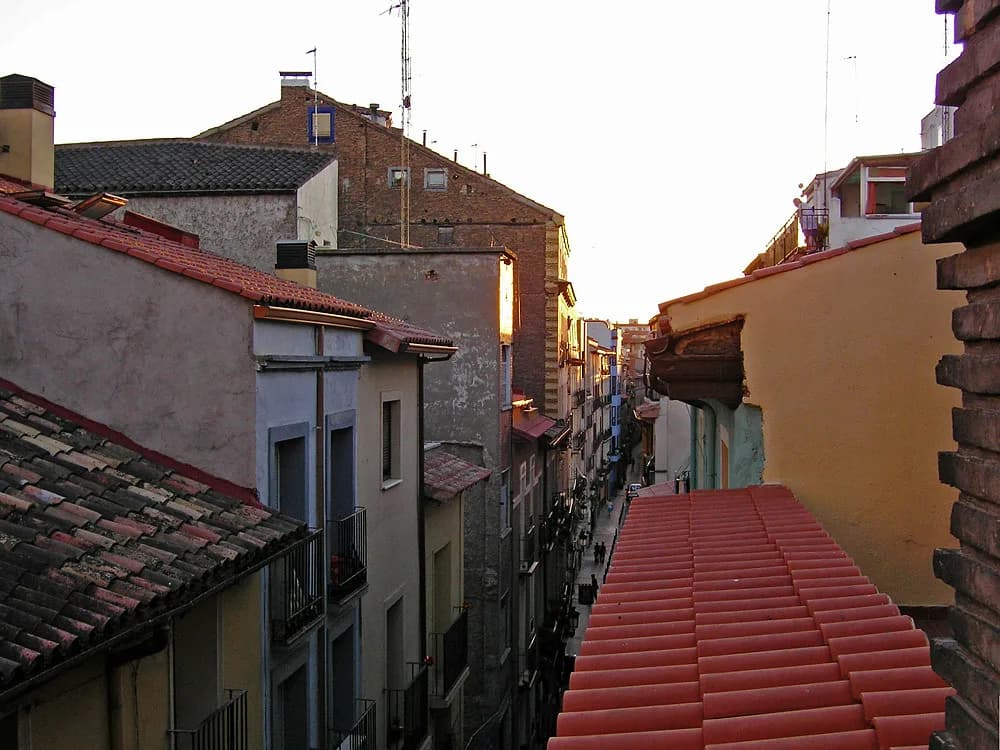
The best tapas in Zaragoza are clustered in El Tubo, the maze of narrow streets in the old quarter where traditional taverns and bars sit side by side. Treat it as an area to wander rather than a single address: order a plate and a drink in one bar, then move on.
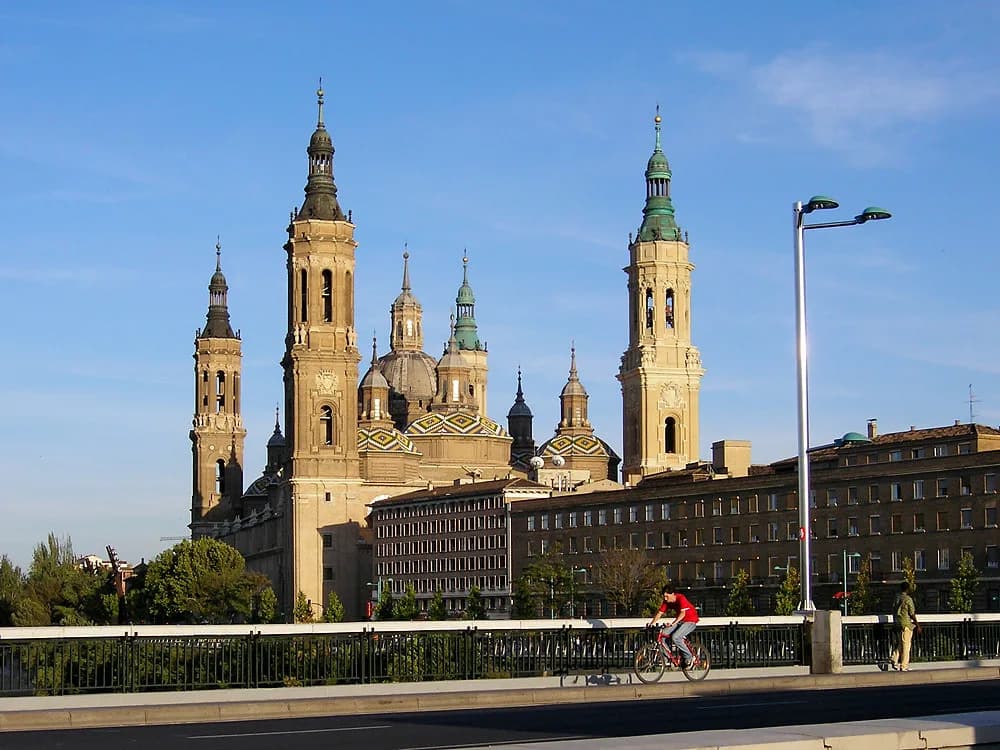
Timing decides your evening. Lunch runs from 1:30 to 4pm and dinner starts around 8:30 to 9pm, so a 7pm arrival finds kitchens still quiet. Build the day around a late lunch, a long walk past the Basílica de Nuestra Señora del Pilar, and a tapas dinner after 8:30pm.
What Zaragoza's tapas scene looks like and why El Tubo is the place to start
Zaragoza is the capital of Aragón and the fifth Spanish city by population, with a pedestrianised monumental old quarter where bars, terraces and restaurants sit close together. Its gastronomic scene is one of the most diverse in Spain, and tapas and nightlife are part of the street atmosphere rather than a separate outing.
El Tubo is the best-known and most emblematic tapas area in the city, a grid of taverns and bars that has revived after years of decline. The streets are short, so you can judge each bar by what is on the counter and how busy it looks, then commit to a stool or keep walking.
For a broader pick of sit-down cooking beyond the bar counters, the city's best restaurants cover the fuller Aragonese menu. Use the tapas crawl for your first evening and a restaurant for the meal where you want a table, a wine list and a slower pace.
El Tubo: the maze of narrow streets at the heart of traditional tapas
Work El Tubo in a loop rather than a straight line. Start with a vermouth or a small beer and one plate, pay as you go, and keep portions small so three or four stops stay comfortable. Standing at the bar is usually the cheapest and quickest way to eat.
The surrounding Casco Antiguo rewards a slow wander between stops, with independent shops and small stores filling the same streets as the bars. If you want to break up the eating with browsing, the city's shopping streets are a few minutes away on foot.
Tapas tours in Zaragoza include routes through El Tubo and El Corral de la Delfina, which suits anyone who wants the area explained and a guide choosing the bars. The trade-off is a fixed pace and a set group; going alone gives you the freedom to abandon a crowded bar for a quieter one.
Spanish meal times: lunch 1:30–4pm, dinner from 8:30–9pm, and why 7pm fails
Spanish eating hours run late. Lunch is served from 1:30 to 4pm and dinner from about 8:30 to 9pm, so plan your tapas around those windows instead of British habits. A bar at 7pm is for a drink before dinner, not for a full spread of plates.
The practical fix is a proper late lunch in El Tubo and a lighter evening crawl after 8:30pm. If you have children or an early flight, make lunch the main tapas meal and keep dinner to a couple of plates near your hotel.
Two days covers the old quarter and one major sight comfortably; three gives you time for a day trip. If you are weighing up the length of stay, a realistic plan is the difference between a rushed crawl and a relaxed one.
Aragonese flavours to look for: the city's diverse gastronomic scene
Aragón's larder is the point of eating here: approach the bars looking for local produce rather than a generic national menu. The city's gastronomic variety is one of the most diverse in Spain, so the counters change from one street to the next.
For the dishes themselves, from mountain asparagus to roast meats and sweets, the city's food guide sets out what to order and when it appears. Read it before you go so you recognise the names on a blackboard.
Zaragoza runs guided tours built around tasting during your visit, which is a useful shortcut to local specialities if you have only one evening. For a self-guided version, order one unfamiliar plate per stop and ask what is local that day.
Sweet-toothed visitors can add the Chocopass, a voucher for sampling five chocolate creations in several different shops, as a break between savoury stops.
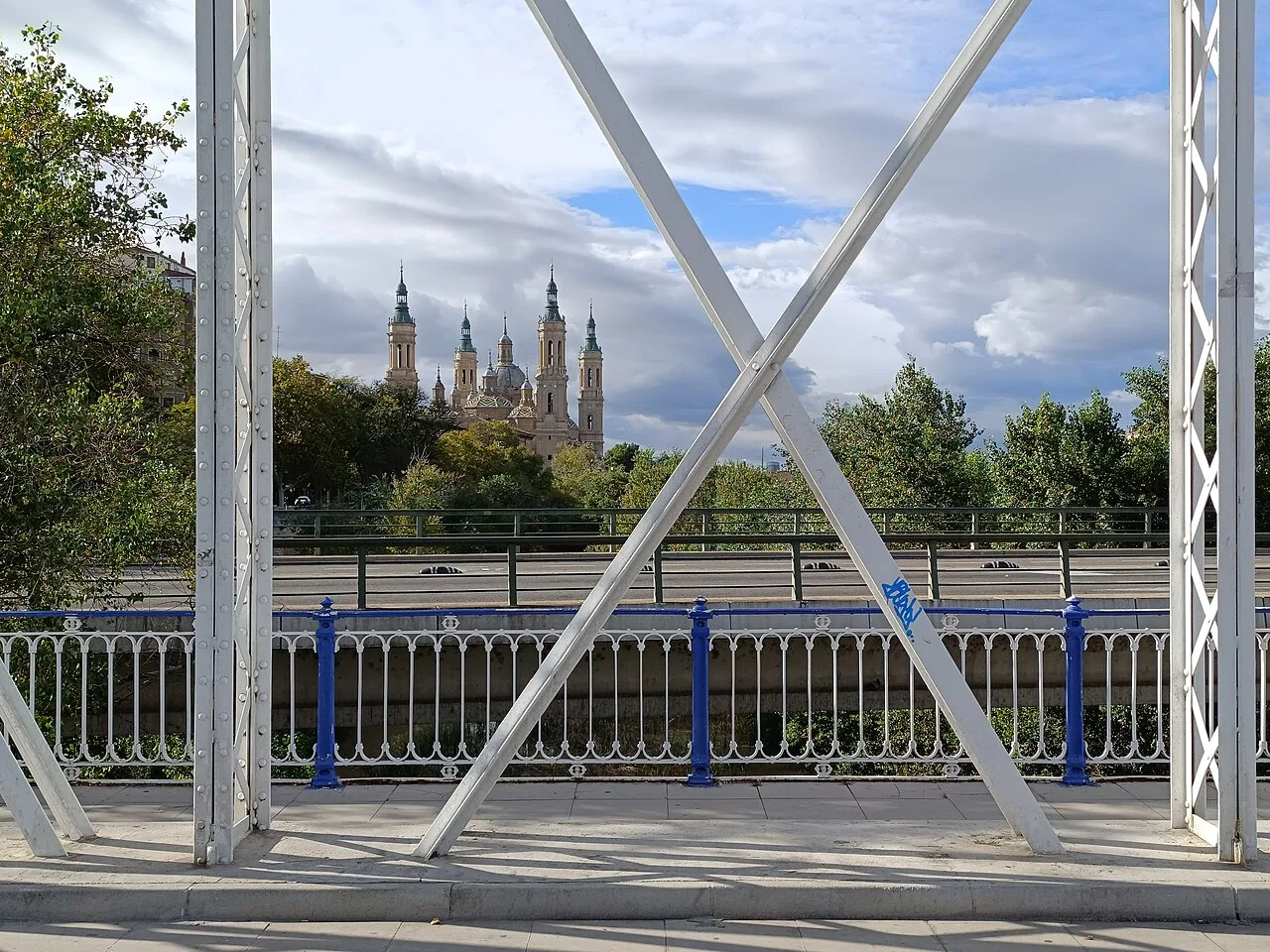
Where tapas fits round a city break: Pilar, La Seo and Aljafería within walking distance
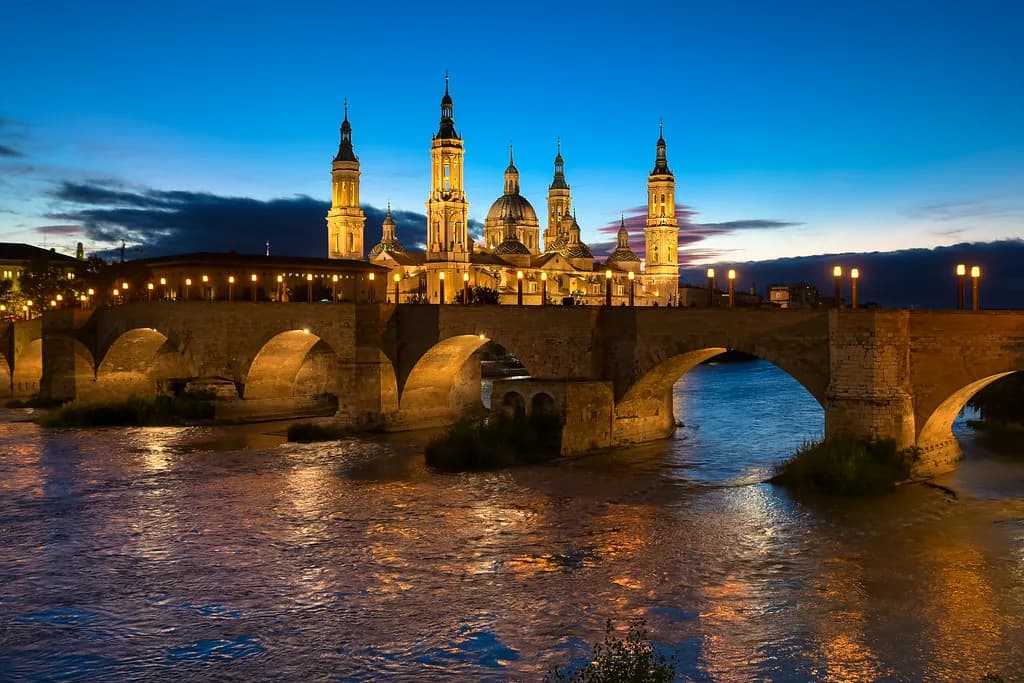
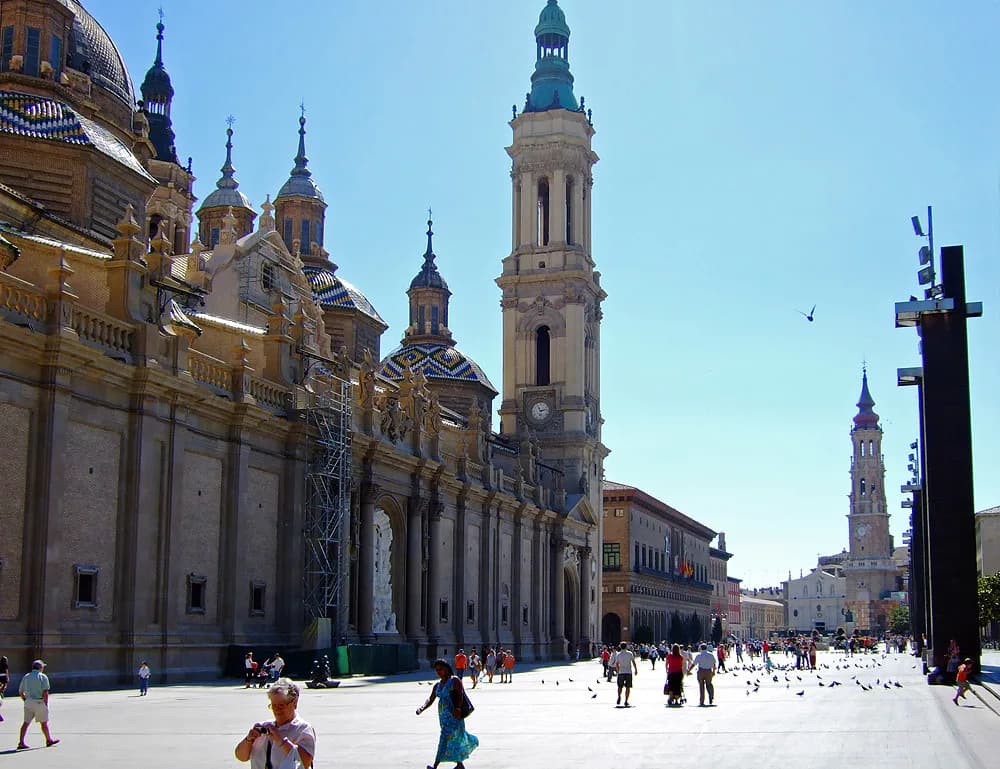
The Basílica de Nuestra Señora del Pilar is the city's symbol and its second cathedral, with works by Francisco de Goya inside and the revered carving of the Virgen del Pilar. Climbing the San Francisco de Borja lookout tower is an essential part of a visit, so allow time for it before lunch rather than after a heavy crawl.
A few steps away stands the Cathedral of El Salvador, known as La Seo, the city's main historic temple and a leading example of Aragonese Mudéjar art with UNESCO World Heritage status. Inside it holds one of the best collections of Flemish tapestries from the 15th to 17th centuries.
The Aljafería Palace is an 11th-century Islamic fortress built as a pleasure palace for the taifa kings of Saraqusta, with a courtyard, carved ceilings and plasterwork, and it now houses the Parliament of Aragon. Its Mudéjar art gained World Heritage status in 2001, and the Gothic-style Torreón del Trovador is the one rectangular tower among the rounded ones.
Slot the Aljafería into the morning and the old quarter into the afternoon, with tapas in El Tubo between the two. Trying to fit Pilar, La Seo and the palace into one afternoon leaves no time to eat properly, which defeats the purpose of the trip.
If you want the days mapped out for you, a two-day Zaragoza itinerary keeps the sights and the eating stops in a sensible order. It is the easiest way to avoid criss-crossing the city between lunch and dinner.
Tours and guided food options: Zaragoza's taste-bud guided tours and the Chocopass
Guided tapas experiences in Zaragoza are sold as small-group routes through El Tubo and El Corral de la Delfina, with a guide handling the ordering and the history. They suit first-timers and anyone travelling alone who would rather not guess at a counter.
The city's tourism site lists guided tours aimed at tickling the taste buds, alongside the Chocopass for chocolate sampling across several shops. Book ahead for tours in busy periods, because a fixed departure time does not wait for a late lunch.
Costs: budgeting for a tapas lunch and dinner with Lonely Planet's budget guidance
Zaragoza's budgeting guidance sits in Lonely Planet's city guide, which covers daily costs alongside when to visit and how to get around. Use it to set a daily figure, then split it so lunch and the evening crawl both have room.
Tapas is naturally flexible: a standing bar stop with one plate and a drink costs far less than a seated restaurant meal, so alternate between the two across your stay. Pay as you go in bars rather than running a tab, and keep a cash back-up for small counters.
Prices in individual bars change, so check the board or ask before ordering rather than relying on an old figure. The same guide's money section is the honest starting point for what a day costs in the city.
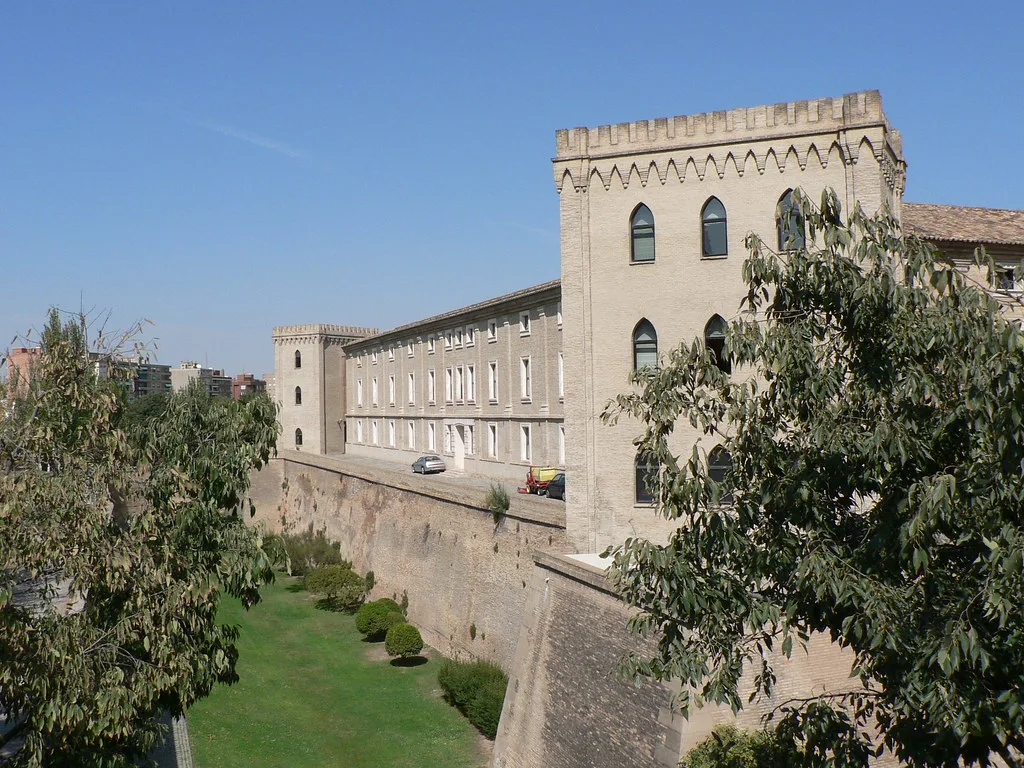
Before you go: summer heat, blue skies and indoor sights
Zaragoza shows maximum temperatures around 19ºC and minimums around 9ºC as its headline figures, and the city is known for fresh blue skies. Summer afternoons push you indoors, so shift the walking to the morning and use the museums and cathedral interiors in the heat of the day.
Indoor sights solve both heat and rain: the Aljafería, La Seo and the Caesaraugusta Forum Museum all keep you occupied under a roof. Book palace entry through the official reservation page before you travel so a sold-out slot does not eat into your tapas time.
Add the Aragonese Institute of Contemporary Art and Culture Pablo Serrano to the list if you want a modern counterpoint to the Mudéjar and Islamic architecture. It sits close to the Church of San Pablo, so you can pair the two in one block.
How to spend the rest of the day: Goya, El Pilar tower and the Roman remains
Goya's connection to the city runs through the Basílica del Pilar, where his works hang, and the Aljafería has hosted a Goya exhibition running from the museum to the palace. Check the palace calendar for what is on during your dates before planning around it.
Zaragoza's Roman foundation as Caesar Augusta survives in the city, and the monumental old quarter holds the Caesaraugusta Forum Museum among its remains. Walk the route between the Roman sites and the two cathedrals, then finish in El Tubo for dinner.
If you are weighing Zaragoza against other Spanish cities for a tapas break, the same approach works elsewhere. Compare the best tapas in Alicante and the best tapas in Nerja to see how the bar culture shifts from Aragón to the coast.
For a wider set of city guides to plan around, the things to do in Zaragoza collection covers the sights that fill the hours between meals. Pick two or three and leave the rest of the day to the bars.
Outside the old quarter, the city's shopping centres and boutiques give a different kind of break from the tapas trail. Utrillas Plaza Shopping Center combines apparel stores with eateries and a large supermarket, which is handy for picnic supplies.
Plan Your Tapas Crawl
Base your eating on El Tubo, arrive for lunch between 1:30 and 4pm or for dinner from 8:30pm, and keep portions small enough to move between bars. Pair the crawl with the Basílica del Pilar, La Seo and the Aljafería so a single day covers both the monuments and the food.
Check current opening days, tour departures and palace entry times with each venue and the official booking pages before you travel. Then leave room in the plan for the bar that looks busy and worth joining, because that is how tapas works here.
Explore more Zaragoza guides
Frequently Asked Questions
Where should I start a tapas crawl in Zaragoza?
Start in El Tubo, the maze of narrow streets in the old quarter where traditional taverns and bars cluster. Order one plate and a drink per stop and pay as you go, then move on to the next bar.
When do people eat tapas in Zaragoza?
Lunch runs from 1:30 to 4pm and dinner from about 8:30 to 9pm. Arriving at 7pm usually means a drink before dinner rather than a full spread of plates.
Do I need to book a tapas tour?
Small-group tapas tours through El Tubo and El Corral de la Delfina are sold online, and booking ahead helps in busy periods. A self-guided crawl gives you more freedom to skip a crowded bar.
What should I order with tapas in Zaragoza?
Look for Aragonese produce and local specialities rather than a generic menu, and ask what is local that day. A food guide to the city helps you recognise dish names before you order.
How much does a tapas meal cost in Zaragoza?
Costs vary by bar and by how much you order, so ask before ordering or read the board. Lonely Planet's city guide covers everyday budgeting for Zaragoza to help you set a daily figure.
What can I see near El Tubo?
The Basílica de Nuestra Señora del Pilar, the Cathedral of El Salvador (La Seo) and the Aljafería Palace all sit within the monumental old quarter. The Caesaraugusta Forum Museum covers the city's Roman remains.
How many days do I need in Zaragoza?
Two days covers the old quarter and one major sight comfortably, while three leaves room for a day trip. Build the plan around the Spanish lunch and dinner windows.
What is the weather like in Zaragoza?
The city's figures show maximums around 19ºC and minimums around 9ºC, with famously fresh blue skies. Plan outdoor walking for the morning and use indoor sights during the hottest part of the day.
Sources
Notes for eating well in Spain
Optional updates to our guides.
You might also like
Continue reading
More guides you'll find useful