How Many Days in Toledo? One, Two or Three Days Explained
One day covers Toledo's old town and cathedral; two days add the Alcázar, monasteries and viewpoints. Here's how to decide how long to stay in Toledo.
On this page
Two days is the right answer for most visitors to Toledo. One day covers the Cathedral of Saint Mary and a walk through the old town with a viewpoint at the end; a second day adds the Alcázar, a monastery or synagogue, and the riverside hike along the Tagus. A relaxed visit to every major monument and museum needs several days, so treat a single day as a taste rather than a full visit. If you are weighing smaller Spanish cities against each other, our guide to how many days in girona answers the same question for Catalonia.
How many days in Toledo: the short answer
Give Toledo two nights if you want to see the cathedral, the Alcázar and at least one of the small Mudéjar monuments without rushing. Book one night if the city is a stop between Madrid and Andalusia, and accept that you will leave things out. Three nights only pay off if you plan to use Toledo as a base for the countryside around it, including the Barrancas de Burujón and Cabañeros.
What one day in Toledo covers
Start with the Cathedral of Saint Mary of Toledo, built from 1226 on the site of a mosque and finished in the 15th century, which is why Gothic and Mudéjar detail sit side by side. The sacristy holds paintings by El Greco, Titian, Velázquez and Goya, so it is not just another church interior. Entry has been quoted at €12.5, which is steep enough that some travellers settle for the outside walls and the decorated chapels visible from the street.
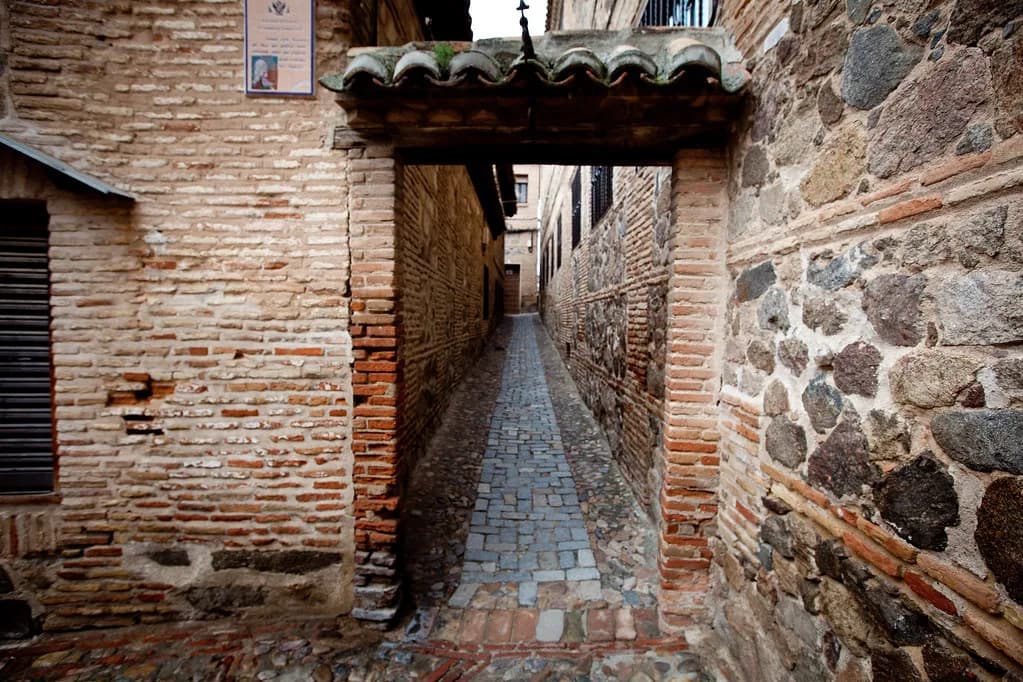
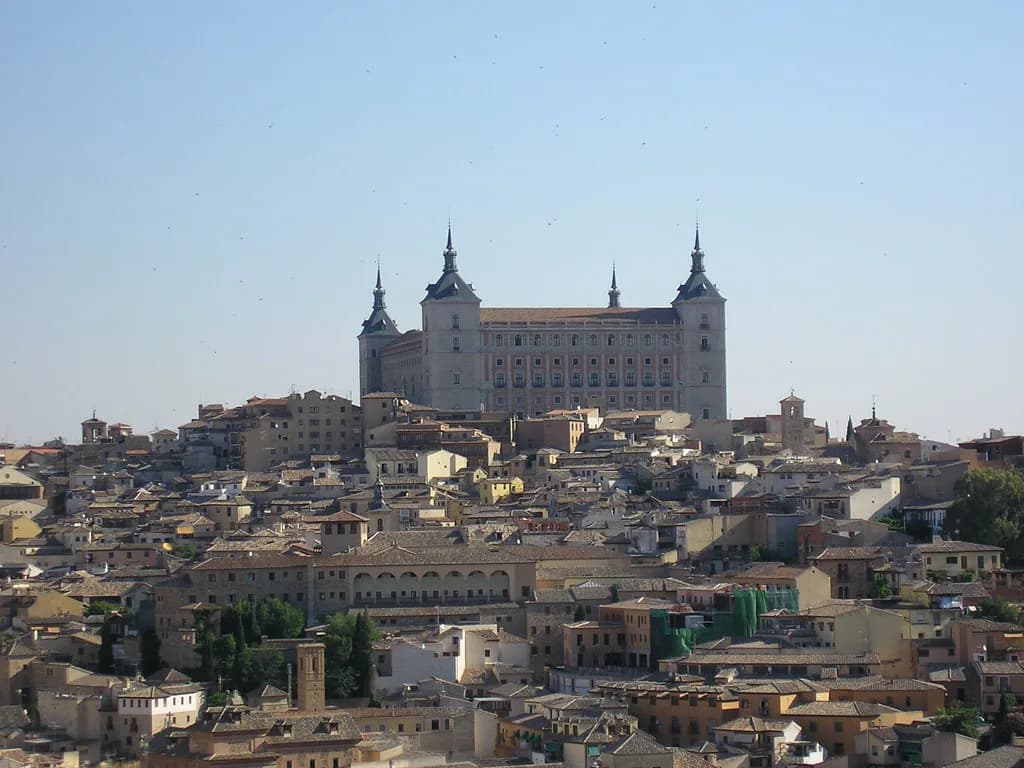
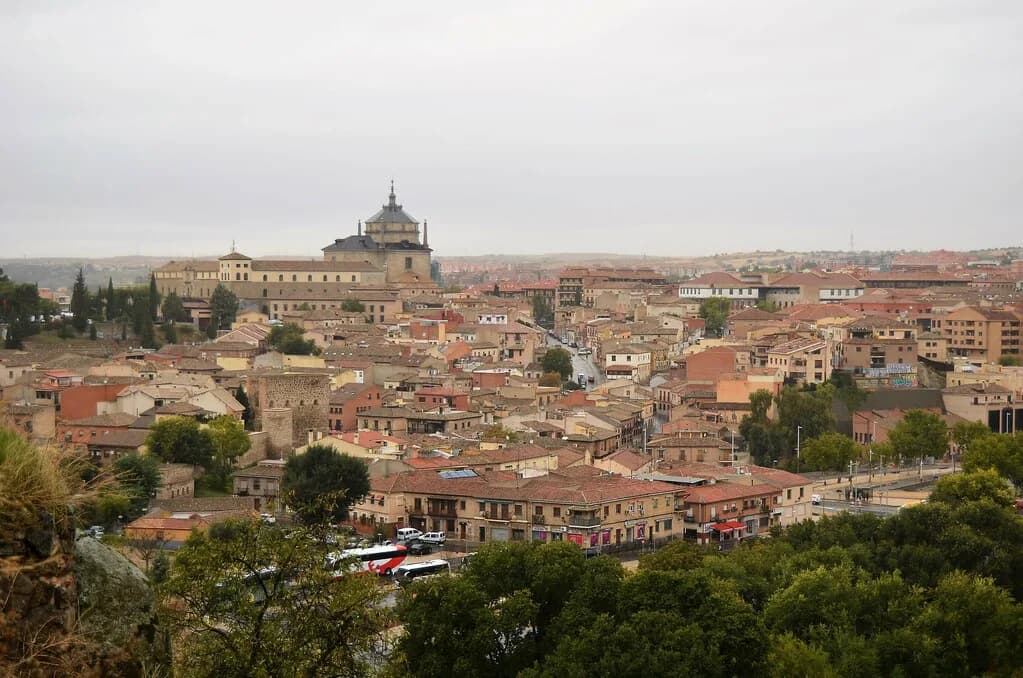
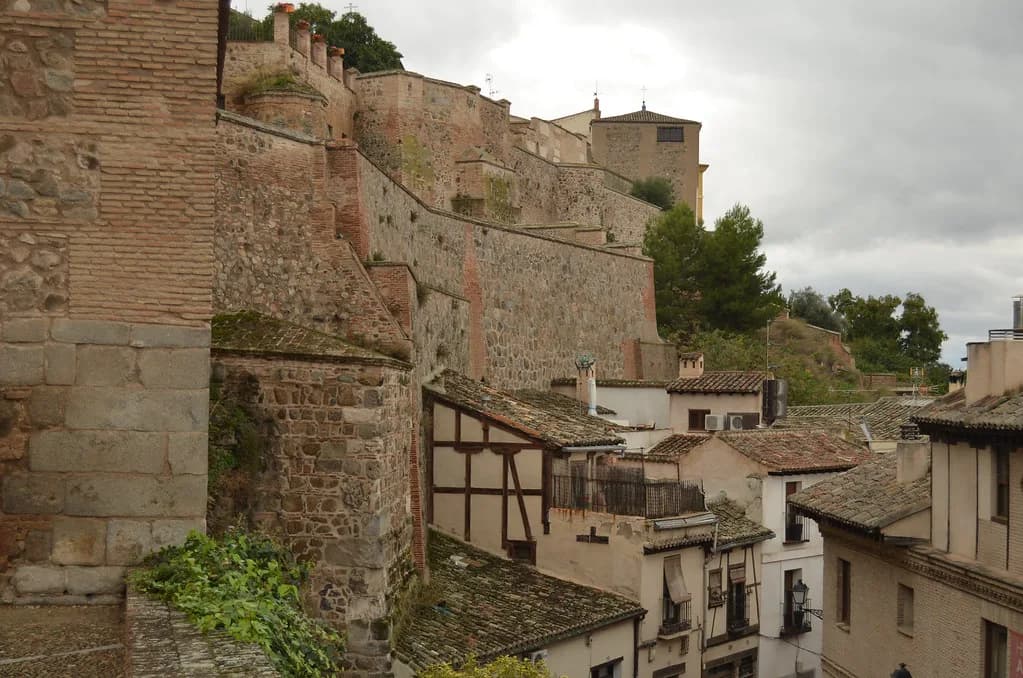
Spend the middle of the day on foot in the old town, a UNESCO World Heritage Site since 1986, where a former mosque, synagogues, churches and fortifications sit within a few minutes of each other. The scale is small but the streets are a maze, so pick two interiors rather than five. The Alcázar dominates the highest hill and now houses the Military Museum and the Library of Castilla-La Mancha; its collections are dense enough to eat a whole afternoon, so go mainly for the terrace view over the city.
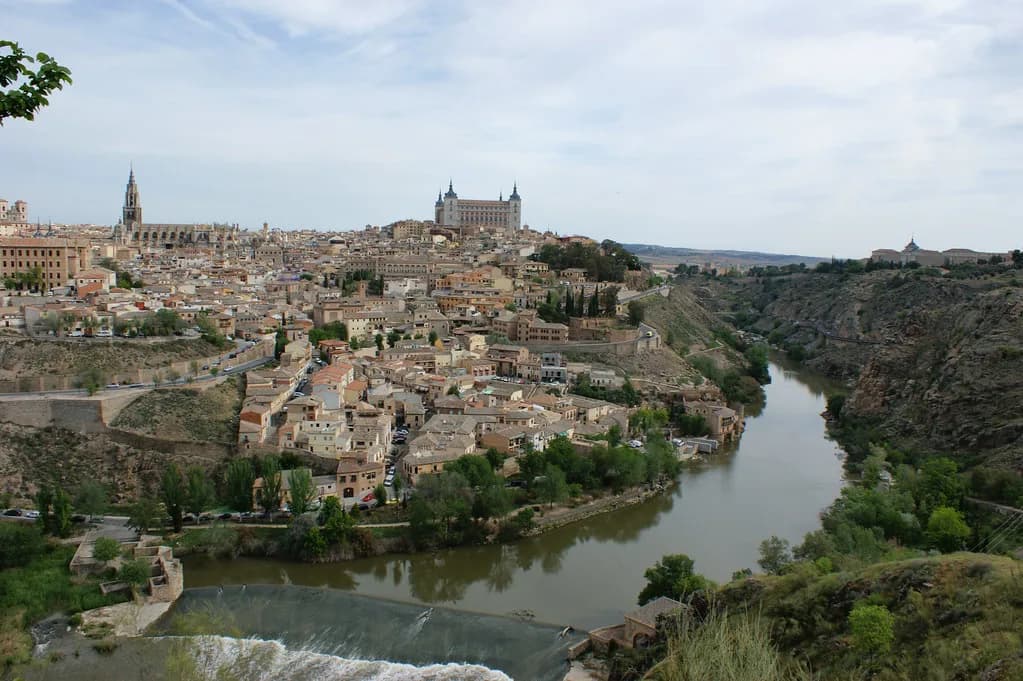
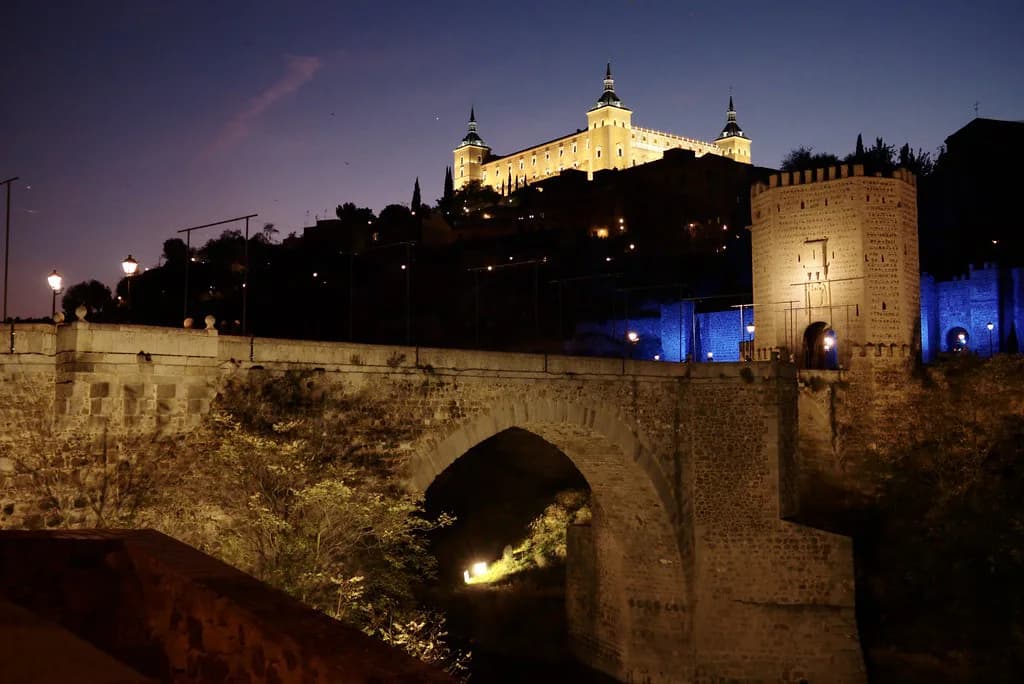
Finish at the Mirador del Valle, the best known of a string of viewpoints on the far side of the Tagus, where the whole city stacks up above the river. The Alcántara Bridge gives a lower, closer angle on the Alcázar, and the San Martín Bridge frames the western entrance to the old town. If you only have an afternoon, choose one viewpoint and walk back through the lit streets after dark, when the monuments are illuminated.
What a second day adds
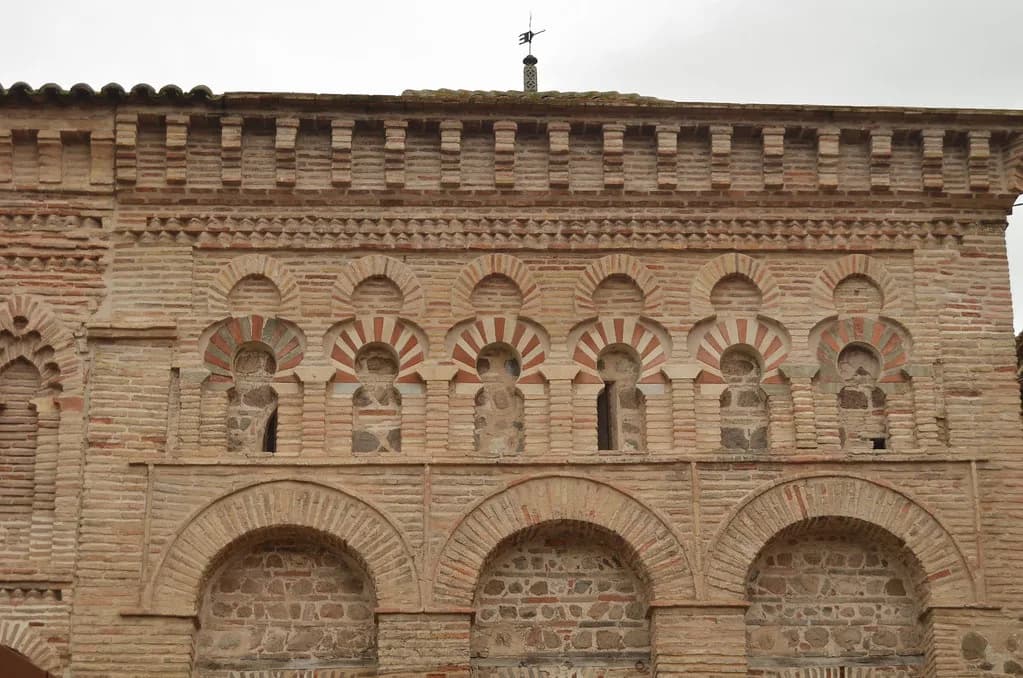
Day two belongs to the monuments you skipped: the Monastery of San Juan de los Reyes, a 15th-century foundation of the Catholic Monarchs and one of the finest examples of Isabelline Gothic in Spain, then the Synagogue of Santa María la Blanca, the Cristo de la Luz mosque-church, or the El Greco Museum in the painter's former house. Each is small, so two or three fit comfortably around a long lunch.
Use the rest of the day for the roughly 7 km hike that follows the Tagus and loops back into the old town, combining riverbank air with the main historic sights. It is the best use of a spare half-day in Toledo because it needs no ticket and no booking. Walk it in the morning, eat late, and keep the evening free for the viewpoints. This itinerary shows how to fit the walk around the monuments.
When three days makes sense
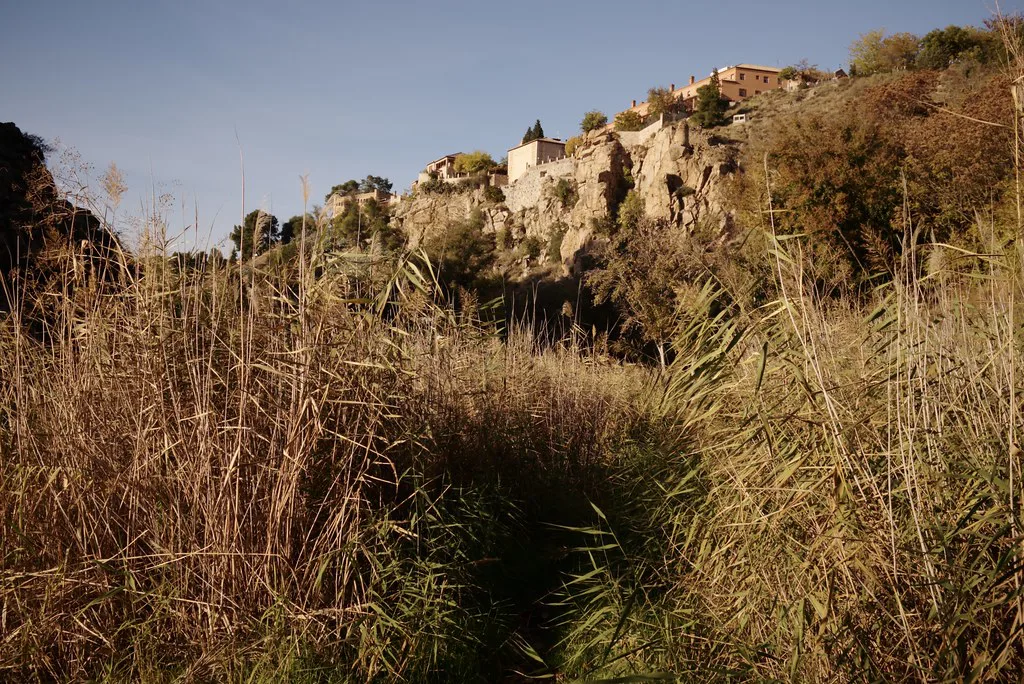
A third day earns its place if you want the Barrancas de Burujón, orange cliffs carved by the Tagus about 30 km from the city, where a 10 km path follows the rim above a meander. The formations are invisible from the car park, so do not turn back when the approach looks ordinary. Sunrise there is the reason many people keep the extra night.
Cabañeros National Park, the least visited of Spain's 16 national parks, is the other candidate for a full day. It splits into the flatter Raña, good for wildlife, and the mountainous Sierra, with streams and birds of prey; the easy Ruta del Boquerón del Estena follows a river past rock formations. Both trips work better by car than by public transport, so weigh a third night against the cost of hiring one.
Who should stay longer (and who shouldn't)
Stay three or four nights if you are travelling slowly, care about Visigothic and Mudéjar history, or want Toledo as a base for day trips rather than a stop on the Madrid–Andalusia run. One night is enough if monuments blur together after the second church, if you are travelling with young children, or if you would rather spend the time in Madrid.
The old town rewards wandering more than ticking off sights, so a tight schedule wastes the place. Plan a loose shape for each day, leave the middle hours for eating, and resist adding a fourth museum when your feet are done. A free walking tour gives a quick overview early in the trip, though groups meet at fixed points and turn-up times vary.
Toledo in a few hours from Madrid: is it worth it?
A few hours is worth it if you accept a narrow slice: the cathedral from outside or in, a walk to the Alcázar terrace and one viewpoint. It is not worth it if you want the monasteries, the synagogues and a proper lunch, all of which need a night. Travellers weighing a short stop against skipping Toledo entirely usually regret trying to cram the cathedral, a synagogue and the Alcázar into one afternoon.
Build the short visit around opening times rather than distance, because the stations and the old town sit close together. Eat before you arrive or plan on a late Spanish lunch between 1:30pm and 4pm, when kitchens are actually working. Dinner starts from 8:30–9pm, so an early evening train back to Madrid means missing it.
Getting there from Madrid by train
Trains run roughly hourly from Madrid Atocha to Toledo, and the journey takes about 30 minutes, which makes a day trip genuinely practical. The Toledo station itself is one of the most ornate in Spain, so allow a few minutes before you head uphill. Fares have been quoted at €13.9 one-way and €22.2 return, so buy ahead on the Renfe site and check the current fare when you book.
Organised coach tours from Madrid bundle transport with a guided cathedral visit, which suits anyone who would rather not plan the day. Compare the tour price with the train fare plus entry before deciding, since a guided tour of the cathedral costs a little more than the ticket alone and is worth it if you want context.
What to eat in Toledo: partridge, Manchego and marzipan
Partridge is the dish you will see most in the old town, stewed, potted as a terrine or served as a tapa, and it reflects the hunting country of Castilla-La Mancha around the city. Queso manchego, the cheese protected by a DOP, appears on most boards and pairs with the local red wines.
Marzipan is Toledo's sweet signature, also DOP-protected, and the streets around the cathedral are full of shops selling almond pastries and boxes of biscuits. A small cheese museum sits close to the cathedral with a shop for local produce, useful if you want picnic supplies rather than a sit-down meal.
Where to eat: El Trebol
El Trebol is the tapas address to aim for, serving local wines and craft beers alongside generous plates, with queues at busy times. Go early in the evening or at the start of lunch service to shorten the wait. Menus and prices change, so read the board at the door before you commit.
For a broader choice of sit-down restaurants and tapas bars, use the guide to the best restaurants in Toledo and match the area to your walking route rather than crossing the old town twice.
The best viewpoints over the city
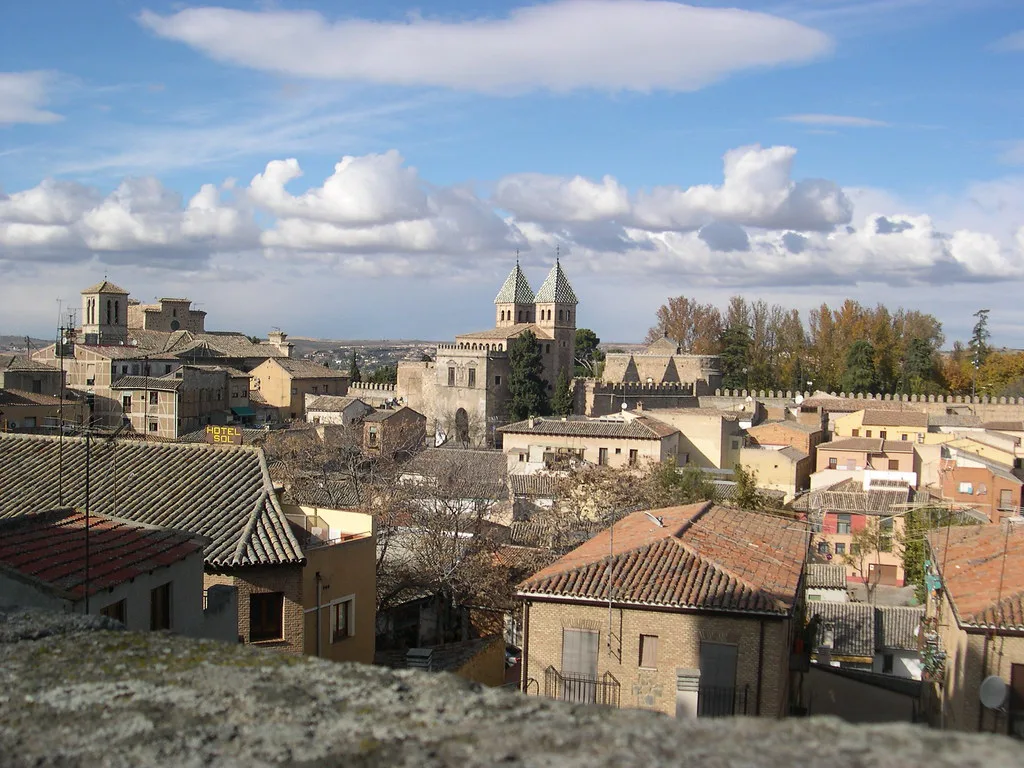
The Mirador del Valle is a series of lay-bys along the road on the far bank of the Tagus, all facing the same panorama, and the view after dark is the one to plan around. The Alcázar terrace gives a higher, closer angle from inside the city, while the Alcántara Bridge puts you at river level beneath the fortress.
The San Martín Bridge, at the western entrance, looks best at sunset from the esplanade by San Juan de los Reyes. If you are short of time, take a taxi to the Mirador del Valle and walk back across the Alcántara Bridge instead of climbing twice.
Where to stay and how to structure your days
Sleep inside the old town if you want to walk to everything and see the monuments lit at night, accepting narrow streets, stairs and noise. Hotels on the flat ground near the station or the river suit anyone with luggage, mobility issues or an early train, at the cost of a climb each morning.
Shape each day around Spanish meal times: start with a monument at opening, eat lunch between 1:30pm and 4pm, rest through the hottest hours, then take a late walk and eat dinner from 8:30–9pm. Shops and markets keep their own hours, so check the day before you rely on one for provisions.
Day trips around Toledo: Barrancas de Burujón and Cabañeros
The Barrancas de Burujón, also called the Barrancas de Castrejón y Calaña, are the strongest half-day trip from the city, roughly 30 km out and best seen on a walk along the cliffs. Cabañeros National Park needs a whole day and repays it with birds, deer country and quiet trails far from the coach crowds.
Plan Your Visit
Two nights is the sweet spot for Toledo: enough for the cathedral, the Alcázar, one small monument and an evening at the Mirador del Valle. Add a third night for the Barrancas de Burujón or Cabañeros, and cut to a few hours only if the alternative is skipping the city altogether. Build the day around a late lunch and a late dinner, and the timetable will look after itself.
Use the itinerary guide to sequence the sights by neighbourhood and the food guide to plan where you stop. Confirm train times and fares when you book, and read monument opening hours on the day before you set out.
Explore more Toledo guides
Frequently Asked Questions
How many days should I spend in Toledo?
Two days suits most visitors: one for the cathedral and the old town, one for the Alcázar, a monastery or synagogue and a river walk. Seeing every major monument and museum at a relaxed pace takes several days. Add a third day if you want the Barrancas de Burujón or Cabañeros National Park.
Is one day in Toledo enough?
One day covers the Cathedral of Saint Mary, a walk through the old town and one viewpoint such as the Mirador del Valle. It is enough to decide whether you want to come back, but you will leave out the Alcázar's collections and most of the smaller Mudéjar monuments.
Is Toledo worth visiting for a few hours from Madrid?
Yes, if you keep the visit narrow: the cathedral area, the Alcázar terrace and a river viewpoint. A few hours will not stretch to the monasteries, synagogues and a proper late lunch, so treat it as a taster rather than a full visit.
How do I get from Madrid to Toledo?
Trains leave Madrid Atocha roughly hourly and reach Toledo in about 30 minutes, making a day trip simple. Buy tickets before you travel and confirm the current timetable and fare when booking. Organised coach tours from Madrid are an alternative if you want a guided cathedral visit included.
What should I eat in Toledo?
Look for partridge, served as a stew, terrine or tapa, and queso manchego, the DOP-protected sheep's milk cheese of Castilla-La Mancha. Toledo marzipan, also DOP-protected, is the sweet to take home, and the shops around the cathedral sell it along with boxes of almond biscuits.
Where can I eat tapas in Toledo?
El Trebol is the pick, with local wines, craft beer and queues at peak times. Arrive early in the evening or at the start of lunch service. For sit-down meals, choose a restaurant near the monuments you are visiting so you do not cross the old town twice.
How much is the Toledo Cathedral entrance fee?
The cathedral charges an entrance fee that covers the richly decorated chapels and the sacristy paintings by El Greco, Titian, Velázquez and Goya. Check the cathedral's official ticketing page for the current price and opening times before you go.
What is there to see around Toledo?
The Barrancas de Burujón, orange cliffs about 30 km from the city, make the best half-day trip, with a 10 km path along the rim. Cabañeros National Park needs a full day and offers easy riverside trails such as the Ruta del Boquerón del Estena.
Sources
Notes for eating well in Spain
Optional updates to our guides.
You might also like
Continue reading
More guides you'll find useful