How Many Days in Ronda? One, Two or Three Nights
One day in Ronda covers the Puente Nuevo and the gorge in a rush. Two days adds wineries and Setenil de las Bodegas at a calmer pace.
On this page
One day is enough for Ronda's headliners: the Puente Nuevo, the Tajo gorge and a slow loop of the old town. Two days give you room for a bodega visit and the white village of Setenil de las Bodegas, and three days make sense if you want Ronda as a base for wine touring and the surrounding sierra. The honest answer depends less on how many sights you can tick off than on whether you want to see the gorge in morning or evening light, when the day coaches have gone.
The short answer: one day for the headliners, two for comfort
Give Ronda one full day and you will see the bridge, the gorge and the old town without much breathing space. Two days is the comfortable minimum for a stay that includes a winery and a white village, and it lets you walk the old town in the quieter early morning or late evening. Three days or more only pay off if you plan to use Ronda as a base rather than a stop.
What fits into one day in Ronda
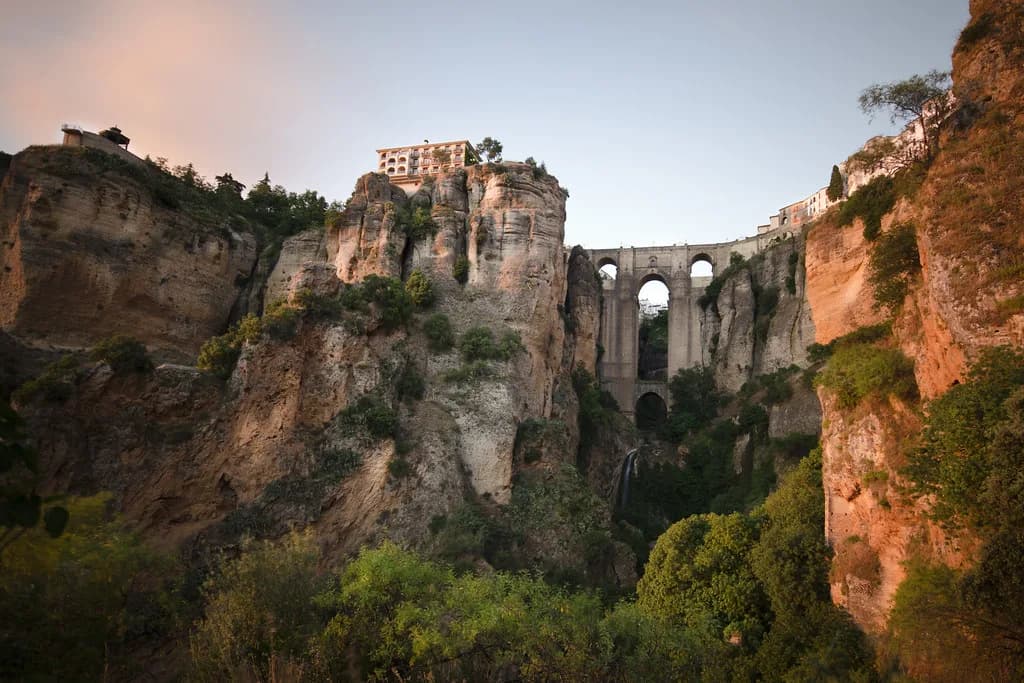
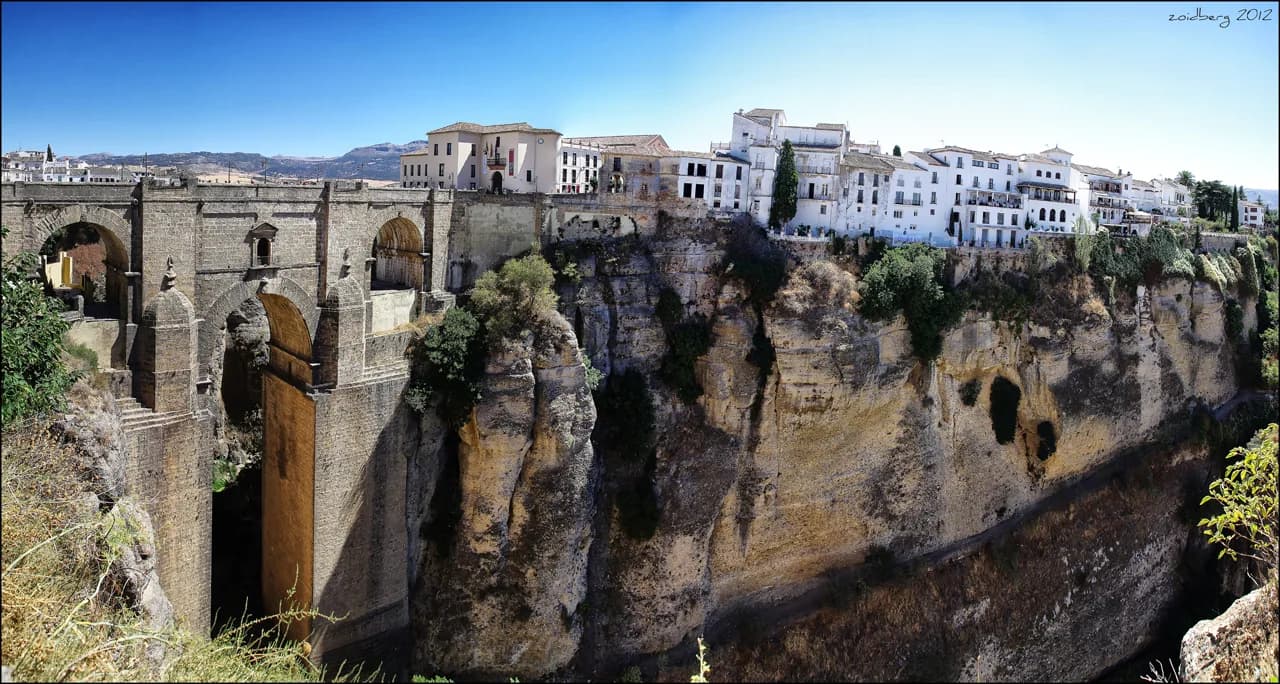
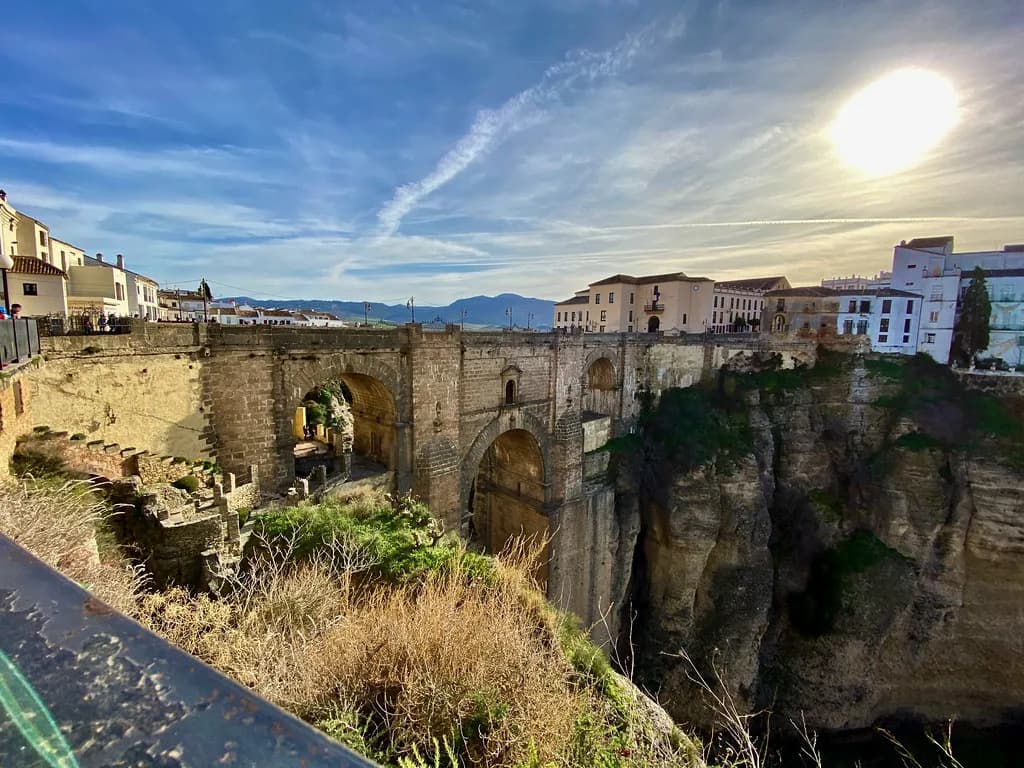
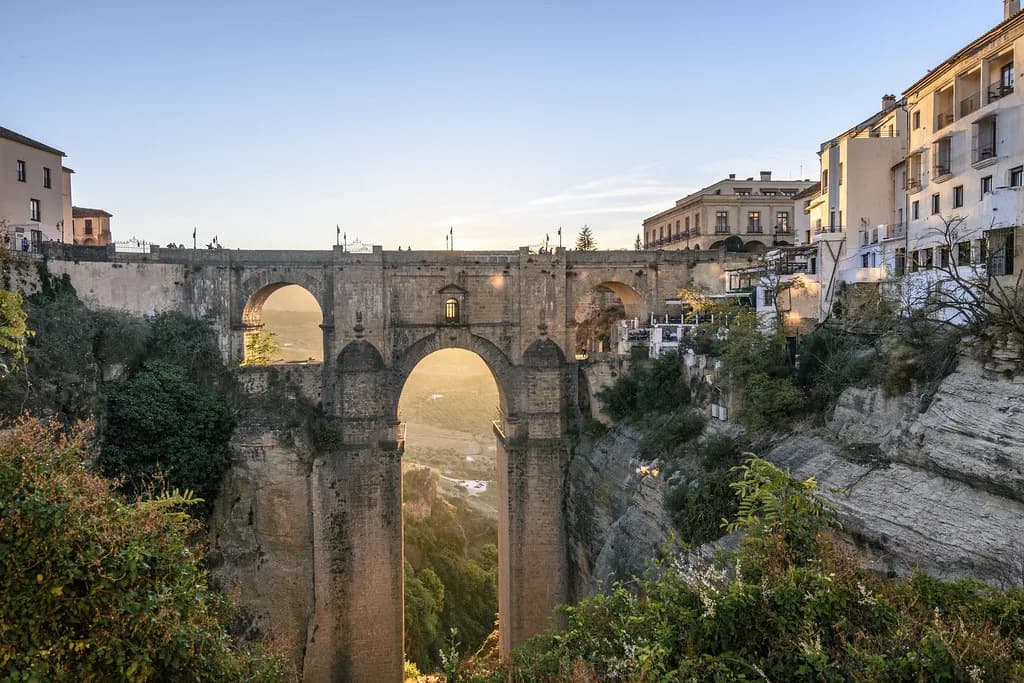
Start with the Puente Nuevo, the 120-metre-high bridge that was begun in 1751 and took 42 years to finish. It connects the old Moorish centre with the newer El Mercadillo quarter, so crossing it naturally leads you into the lanes of the old town. Below it, the Tajo gorge splits Ronda in two along the Guadalevín river, and the descent through the Carretera de los Molinos frames the classic photograph back up at the bridge.
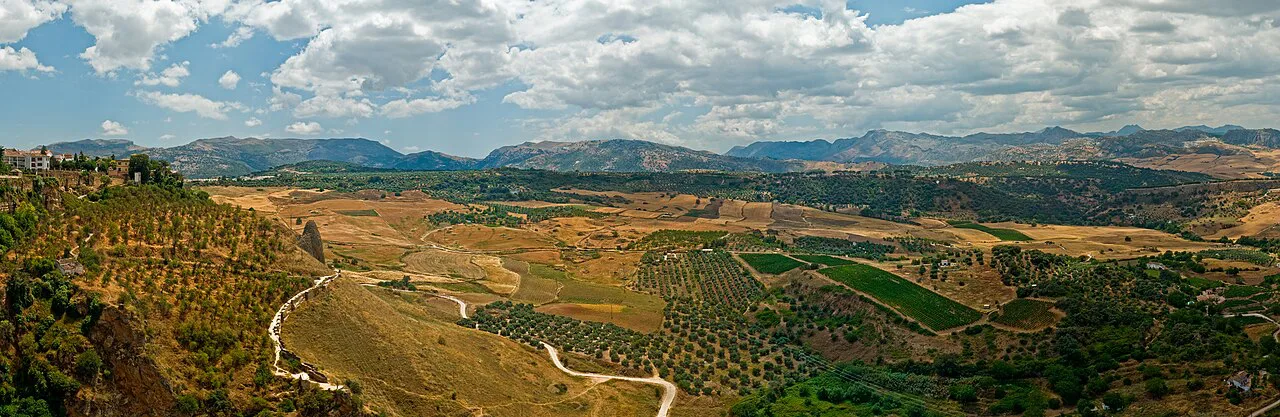
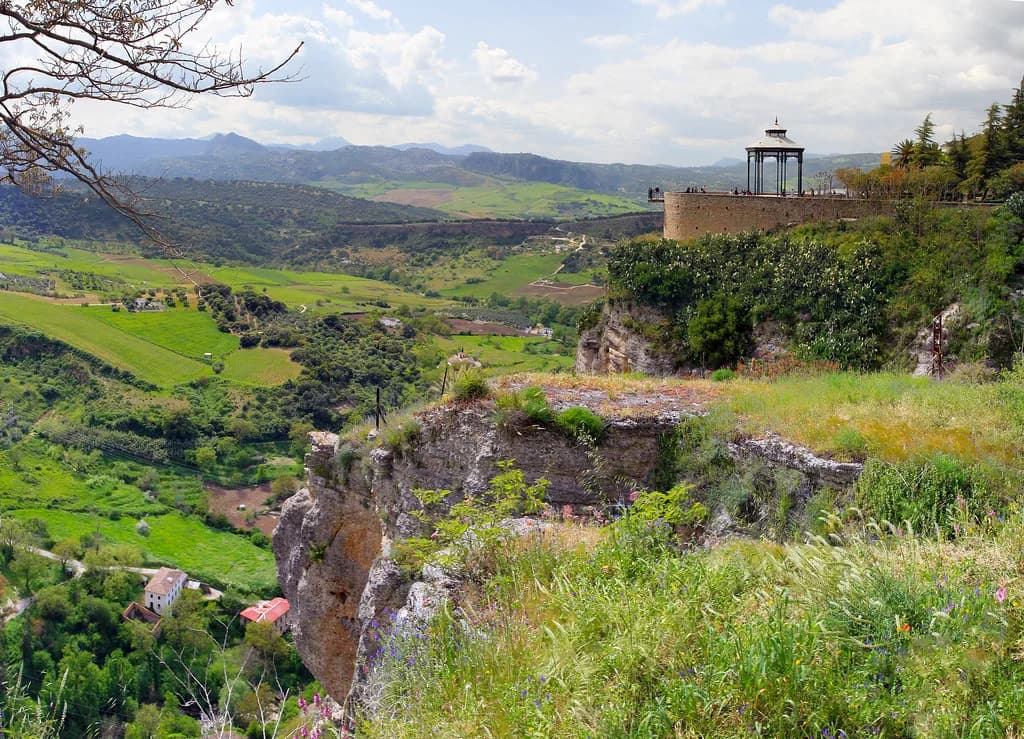
The Plaza de Toros is the oldest stone bullring still standing in Spain, built between 1779 and 1785 for around 5,000 spectators. Outside the September festive week, when a few bullfights are still held, it opens as the Museo Taurino and covers the Ronda-born torero Pedro Romero. Nearby, the Alameda del Tajo park gives the widest view over the valley, the vineyards and the mountains beyond.
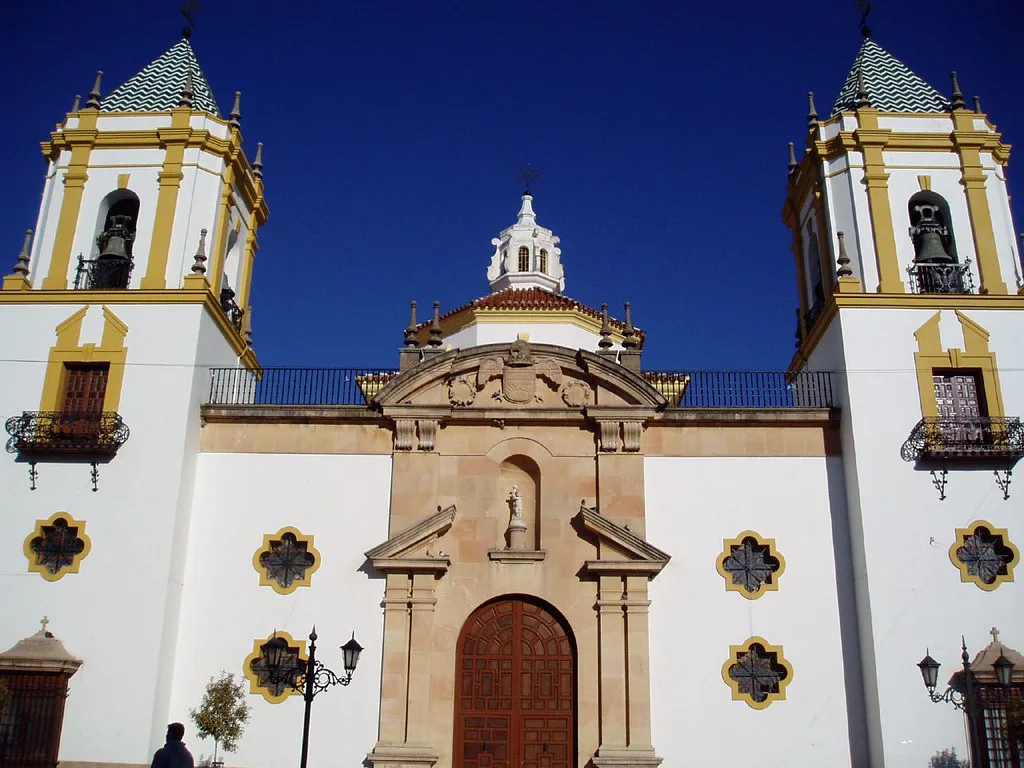
Round the day off with the old town's churches and palaces: the Iglesia de Santa María la Mayor on the Plaza Duquesa de Parcen, which took more than 200 years to build and mixes Gothic, Renaissance and Baroque, and the Palacio de Mondragón with its cliff-edge garden. The Casa del Rey Moro and its water mine, a staircase cut into the rock down to the river, is the one sight most day visitors skip for lack of time.
Why one day feels rushed
The gorge and old town reward unhurried wandering rather than a timed checklist. Ronda's narrow streets and small squares open onto sudden panoramas, and the difference between a pleasant hour and a good one is often whether the coach parties are there. Organised tours from Seville typically arrive mid-morning and leave in the afternoon, so early and late are when the town belongs to those staying the night.
Two days: add a bodega and Setenil de las Bodegas
With a second day you can leave the town walls. Setenil de las Bodegas sits 17 km north of Ronda, its houses partly built into the overhanging rock, and it makes an easy half-day detour. Pair it with a bodega visit: the area around Ronda is an emerging wine region with more than twenty wineries, mostly family businesses that open their doors for tours and tastings.
Among the wineries usually named for visits are Bodega Excelencia, Bodega García Hidalgo, Bodega Doña Felisa, Joaquín Fernández Bodega and Bodega Descalzos Viejos, the last in a converted monastery. Booking ahead is often necessary, so arrange the visit before you travel rather than turning up on the day. Build the winery into a morning, then spend the afternoon back in Ronda's old town.
Three days or more: base yourself for villages and wine
A third day turns Ronda from a stop into a base. The white villages of Arcos de la Frontera, Zahara de la Sierra and Grazalema sit within reach by car, and organised day trips from Seville combine Ronda with either Zahara and Grazalema or Setenil de las Bodegas depending on the route. Staying locally lets you spread those drives over separate mornings instead of squeezing them into one long coach day.
Extra days also suit anyone travelling without a car who wants a slower rhythm: one day for the town, one for a village excursion, one for a winery. If you are weighing up similar decisions elsewhere in Spain, the same logic of headliners first, then day trips, applies when working out how many days in alicante you need.
Getting there from Seville
Ronda lies 128 km from Seville. By rental car the drive takes about 1 hour 45 minutes, and the car also lets you detour via Arcos de la Frontera, Setenil de las Bodegas or Zahara de la Sierra on the way. The Avanza bus takes around 2.5 hours, while the train runs several times a day via Córdoba and takes about 3.5 hours.
That gap in journey times is the real trade-off. The train is the least convenient option for a short visit because the Córdoba routing nearly doubles the trip against the road, so it suits travellers already moving between cities rather than a day return. The bus is cheaper in effort than the train but still eats half a day each way, which is a strong argument for staying at least one night.
Day trip versus overnight
An organised day trip from Seville is the most comfortable way to see Ronda if you have only one day to spare, since a guide handles the driving and the route. What you give up is the town at its quietest: the morning and evening hours when the bridge and the old town are free of coach groups. Staying the night buys you those hours, plus the chance to eat dinner at Spanish time rather than catching a coach back.
When to go: warmth, altitude and rain
May to October is the best window for warmth, with the long dry summer months bringing the most sunshine. Ronda sits on a plateau above 600 metres, so it runs a little cooler than the Costa del Sol, and winter is mild but wetter. The altitude is a genuine planning factor in July and August: the town itself is fresher than the coast, but the exposed gorge paths and viewpoints offer little shade at midday.
Where to stay: gorge views, old centre or a cortijo
Views come at a premium. The Parador de Ronda occupies the former town hall beside the Puente Nuevo and looks straight over the Tajo gorge, while Hotel Montelirio sits in a 17th-century palace on the gorge edge. In the old centre, Hotel Soho Boutique Palacio San Gabriel occupies a restored 18th-century villa, and Catalonia Ronda has a pool and restaurant facing the Plaza de Toros.
For quiet, Hotel Boutique Molino del Arco is a converted Andalusian cortijo 13 km from town, with a garden and pool, which only works if you have a car. Weigh the romance of a gorge balcony against the convenience of walking to dinner in the old town. Rates vary by season, so compare prices for your dates before committing.
Sights that reward a longer stay
Several of Ronda's sights deserve more than a glance. The Baños Arabes, dating from the 13th-century Almohad period, are considered among the best-preserved Arab bathhouses in Spain, and a short film explains the remains. Museo Lara, housed in an 18th-century palace, holds a private collection of weapons, scientific instruments, clocks and stranger curiosities that is anything but a standard museum.
The Casa del Rey Moro's water mine and the Palacio de Mondragón's cliff garden both reward an unhurried hour, and the Iglesia de Santa María la Mayor merits a proper look for its layered architecture. None of these fit comfortably into a single rushed day, which is the strongest practical argument for a second night.
Eating in Ronda around Spanish meal times
Plan your day around Spanish hours: lunch runs from about 1:30pm to 4pm, and dinner rarely starts before 8:30pm or 9pm. A late lunch after a morning at the gorge works well, with a light afternoon and a later dinner back in town. Many kitchens close between services, so a 5pm hunger pang is best met with a tapa rather than a full meal.
Who should stay longer
Stay two or three nights if you want wine touring, white-village wandering or a trip without a car. The wineries often need advance booking, and the villages are easiest by road, so a base in Ronda removes the pressure of a single day. One night is the sensible minimum for anyone who wants the bridge at quiet hours; a day trip is fine if the headliners are all you need.
Where to go next
Ronda sits within easy reach of the rest of Andalusia: Málaga is about 102 km away, Jerez de la Frontera 116 km, Carmona 123 km and Seville 128 km. That makes it a natural stop on a wider tour rather than a dead end. If you are continuing towards the coast, Málaga and the Costa del Sol are the obvious next leg.
Plan Your Stay
Decide first whether you want the headliners or the town at its quietest. One day gets you the Puente Nuevo, the gorge and the old town; two days add a bodega and Setenil de las Bodegas; three or more make Ronda a base for the white villages and the wineries. Book winery visits ahead, drive if you can, and check opening times and prices for sights and hotels before you go.
Travellers weighing a short stop against a slower stay can compare the two-day question directly in a practical itinerary that sequences the bridge, the old town and a village detour.
Explore more Ronda guides
Frequently Asked Questions
Is one day enough for Ronda?
One day covers the Puente Nuevo, the Tajo gorge, the old town and the Plaza de Toros, but at a brisk pace. If you want a winery visit or a white village such as Setenil de las Bodegas, 17 km north, plan on two days.
Is Ronda worth staying overnight?
Yes, if you want the bridge and old town at their quietest. Coach groups typically arrive mid-morning and leave in the afternoon, so early morning and evening are the reward for staying the night.
How long does it take to get from Seville to Ronda?
By car the drive is about 1 hour 45 minutes over 128 km. The Avanza bus takes roughly 2.5 hours, and the train via Córdoba takes about 3.5 hours.
What is the best month to visit Ronda?
May to October gives the warmest, sunniest weather. Ronda sits on a plateau above 600 metres, so it is a little cooler than the Costa del Sol, and winter is mild but wetter.
How many days do you need in Andalusia?
It depends on how many cities you want to combine. Ronda works well as a two- or three-night stop within a wider Andalusian route that includes Seville, Málaga or Jerez de la Frontera.
Sources
Notes for eating well in Spain
Optional updates to our guides.
You might also like

Continue reading
More guides you'll find useful