How Many Days in Sitges? One, Two or Three Compared
Two nights in Sitges covers the old town, promenade, beaches and a museum at an easy pace. One day suits a taster; three days adds Garraf and a boat trip.
On this page
Two nights in Sitges is the right answer for most travellers. That gives you an afternoon and evening on arrival, a full day for the old town, the church and a beach, and a slow morning before you leave. The town is compact and walkable, so you spend your time eating and swimming rather than travelling between sights.
The Short Answer: Two Nights Is the Sweet Spot
Plan around nights, not days. The train station sits in the old town, so wherever you arrive from, you are on the streets within minutes of stepping off. A single day trip gives you a morning and an afternoon; an overnight stay gives you the quiet early morning and late evening that day trippers miss.
Sitges suits a slower rhythm than Barcelona. The town is small, laid-back and easily walkable, with a long promenade linking the beaches and the old town. Two nights lets you eat dinner at Spanish time, from about 8:30pm, without watching the clock for a last train.
If your Catalonia trip centres on city sights, keep Sitges to a day and stay in Barcelona. If you want sea, sand and long lunches, give Sitges the nights and visit Barcelona as the day trip instead. That single decision shapes the rest of your itinerary more than any attraction list.
What One Day in Sitges Covers
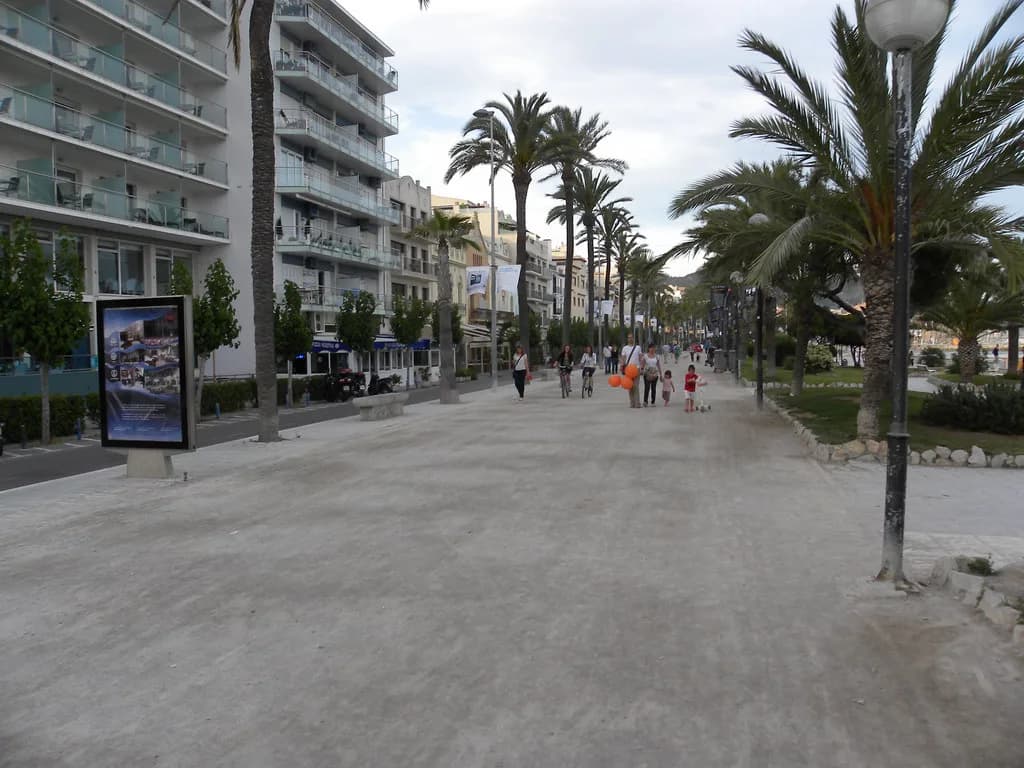
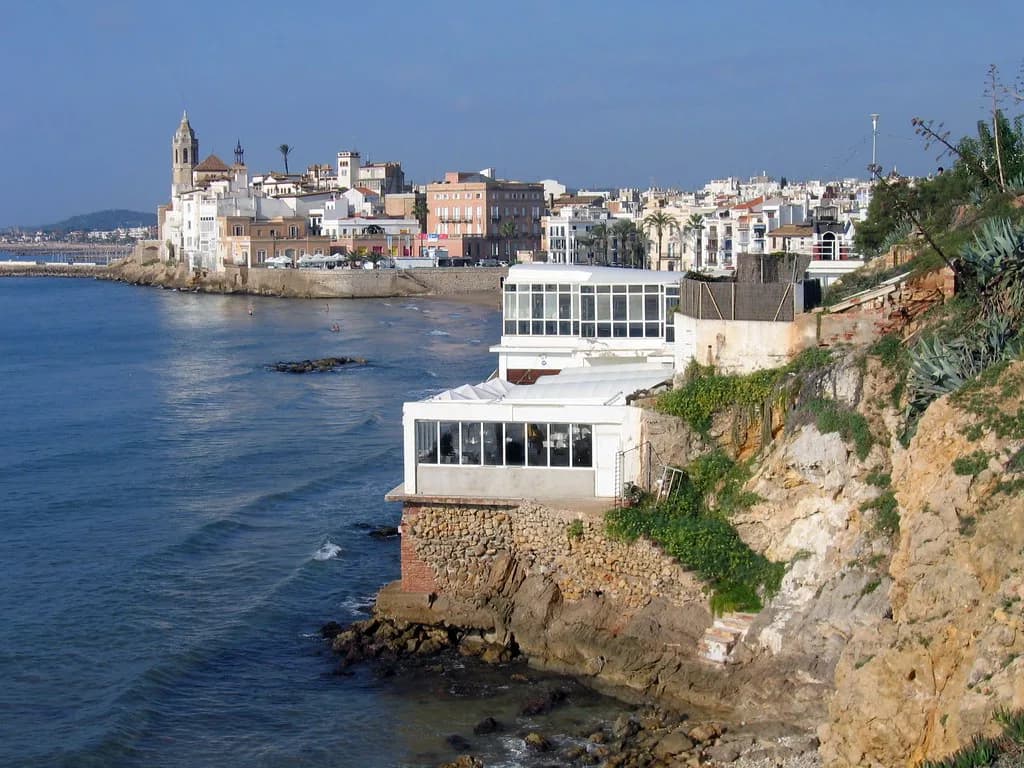
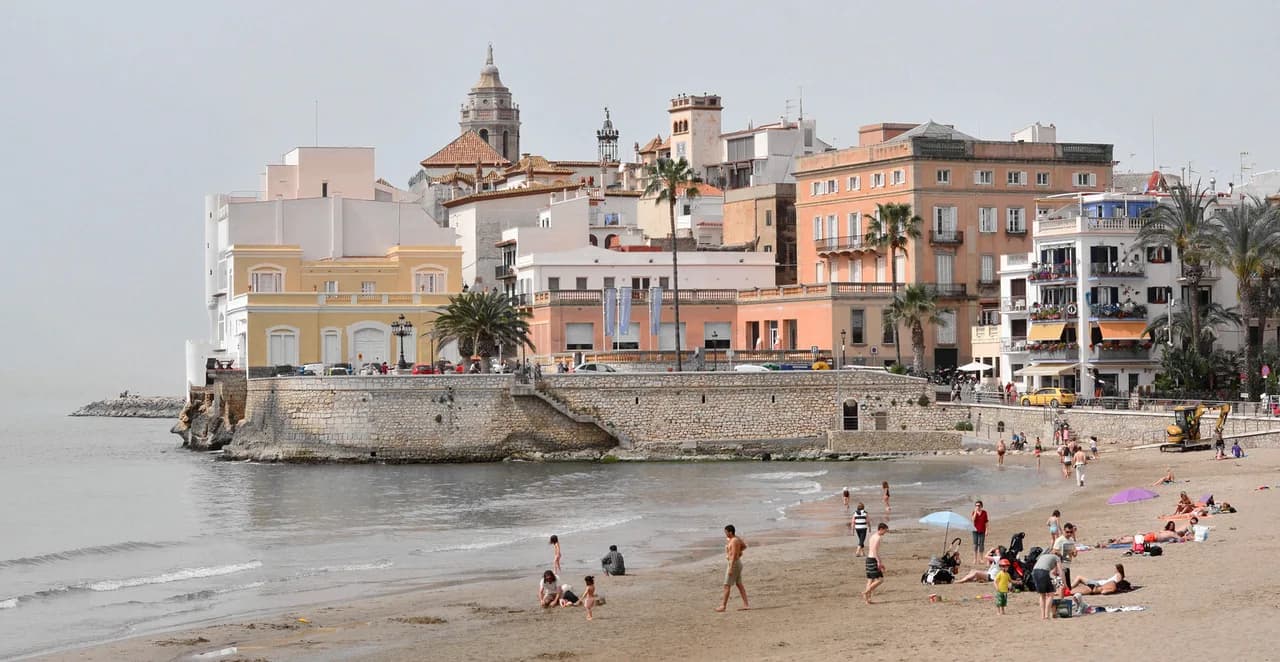
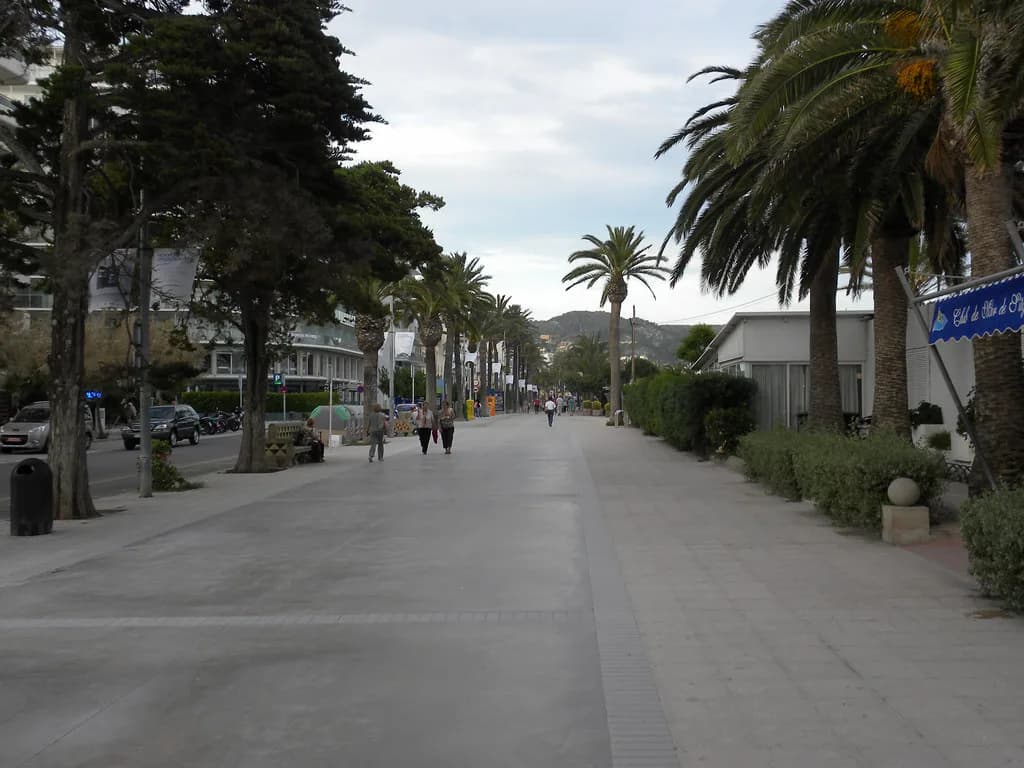
A day trip works if you prioritise. Start in the old town, where narrow cobbled alleys are lined with boutiques and cafés, then walk the Passeig Marítim along the coast towards the Church of St. Bartomeu. The Baroque church presides over the harbour and is visible from the promenade and the beaches either side.
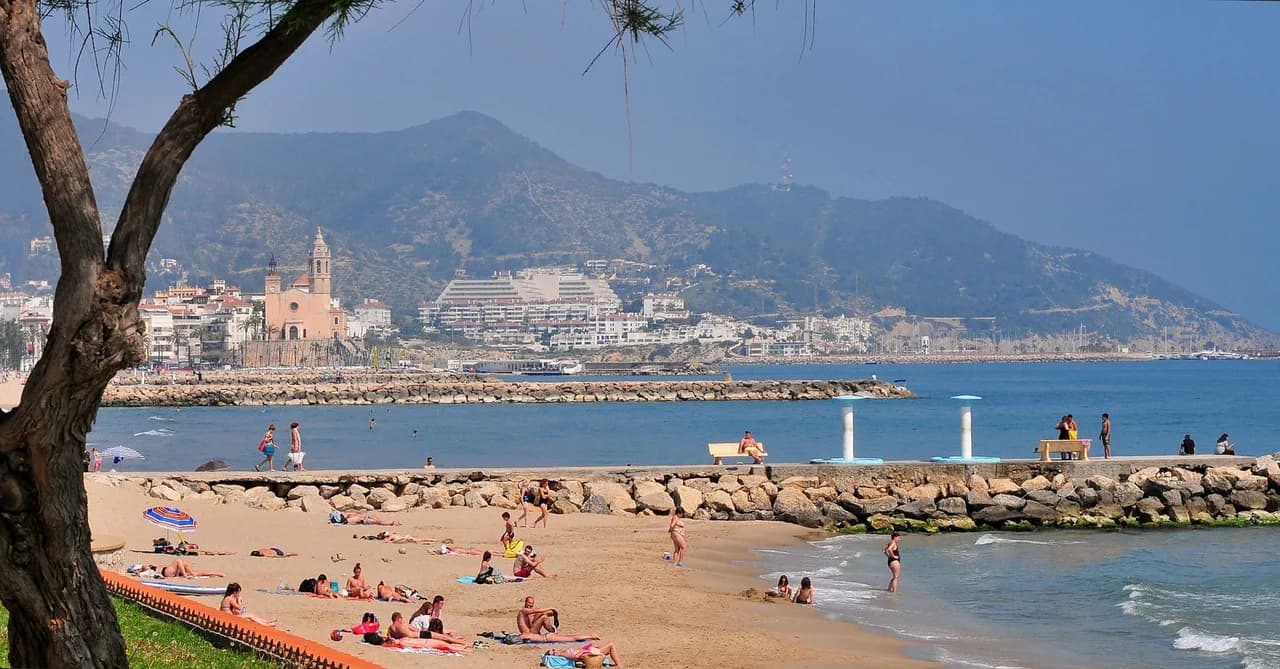
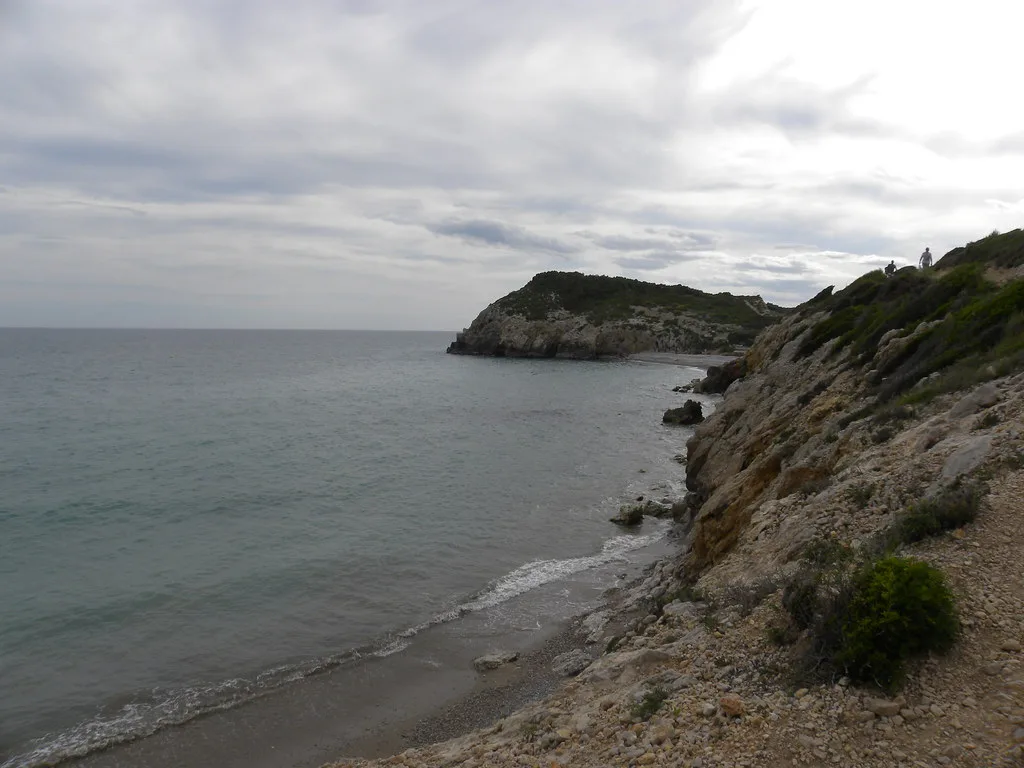
Add one beach rather than chasing all of them. Platja de Sant Sebastià sits just east of the church and is lined with restaurants and shops; Platja de la Fragata lies to the west near the sailing club, at the base of the church by the jetty. Platja de la Ribera, further west, has a long shorefront and beach clubs nearby.
Eat lunch late, between 1:30pm and 4pm, as the town does. A plate of seafood or a rice dish such as arròs caldós fits a coastal Catalan day better than a rushed sandwich. Day trippers tend to arrive mid-morning and leave in the evening, so an early evening drink on the promenade is calmer than midday.
What Two Days Adds: Museums, a Rooftop Drink and a Slower Evening
The second day buys you the indoor sights. In the historic centre, the Cau Ferrat Museum occupies the former home and studio of Santiago Rusiñol, the Maricel Museum holds Catalan artifacts across several periods, and the Fundació Stämpfli shows modern art a short walk away. Pick one or two rather than all three.
Use the afternoon for a second beach and the evening for a rooftop. Sky Bar, on the west side of downtown, offers sunset views over city and coast with cocktails and a dinner menu; Radio Rooftop, on the western edge of the coastline, is an easy stop after a promenade walk. Las Vegas Sitges sits above the downtown bar district, though its second-floor terrace looks mostly onto nearby streets.
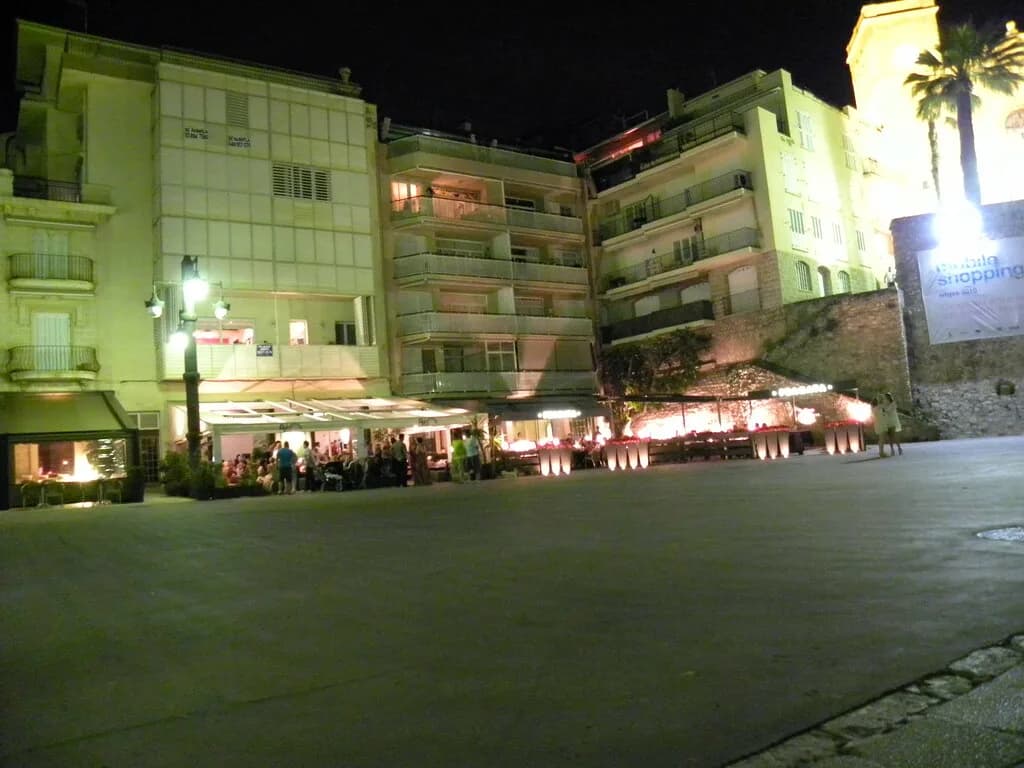
Dinner from 8:30pm or 9pm is when Sitges eats, so book the evening rather than the early slot. The town's dining reflects its coastal Catalan heritage, with fresh seafood, paellas and rice dishes, plus cava and wines from the nearby Penedès. Our guide to the best restaurants in Sitges narrows down where to spend that meal.
What Three Days Adds: Parc del Garraf, a Boat Trip and a Second Beach
A third day takes you outside town. Parc del Garraf is a large limestone natural park between Sitges and Barcelona, with rolling hills, valleys and a network of caves and chasms; its main entrance is about a 25-minute drive east of the town centre. Go early, carry water and treat it as a half-day rather than a quick stroll.
Boats charter from Port d'Aiguadolç on the east side of town, either with a skipper or as a self-drive boat without a licence. A half-day on the water is a good use of a third day if the weather holds. Combine it with Platja dels Balmins, the clothing-optional beach you pass heading east towards the marina.
Three days also gives you room for the town's nightlife without wrecking the next morning. Sitges has more than 20 bars, many packed into a small area along Carrer Primer de Maig, and the town is notably inclusive, with a strong gay community and an annual Pride celebration. Check the dates with the organiser before you build a trip around it.
Sitges Versus Staying in Barcelona
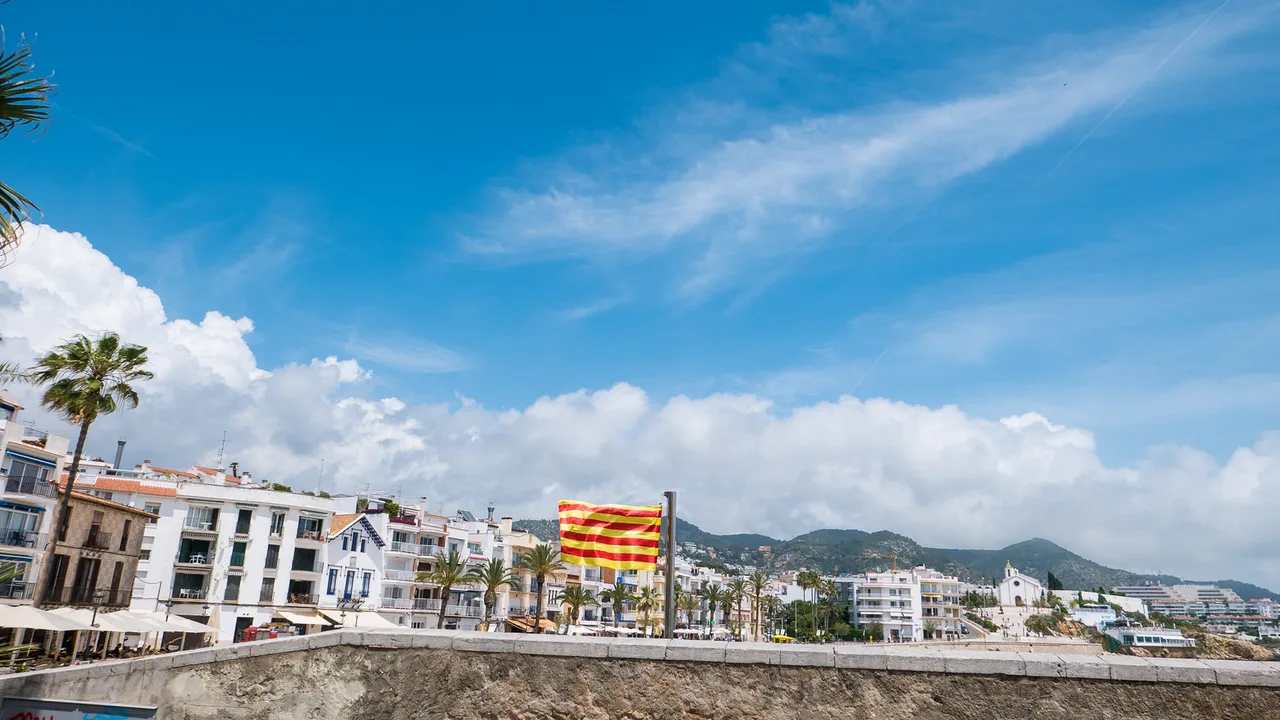
Barcelona gives you big-city sights, transport links and a wider choice of hotels; Sitges gives you a walkable coastal town where the beach is minutes from your bed. If your trip mixes the two, put Sitges first to ease into the time change, then move to Barcelona for the busy part.
Staying overnight in Sitges changes the texture of the visit. It is a popular day trip from Barcelona, so the middle of the day is busiest and the evening quietens once the coaches leave. Two nights means you get the quiet hours on both ends.
If you are weighing other Catalan bases on the same trip, the same logic applies: count nights, not attractions. Our companion guide on how many days in Girona and the equivalent on how many days in Alicante follow the same approach for those cities.
Getting There: Bus, Train and Taxi
There is a direct bus from Barcelona airport to Sitges running roughly every half hour on most days, and by train you make one connection because no direct line runs from the airport. Both are cheaper than a car and need a little more planning around timetables.
For a group with luggage, a taxi or ride-hailing car from the airport removes the connection. One family of four paid 55 euros for a comfort car Uber, a 37-minute ride; treat that as a historical example, not a current fare. Check live prices in your ride app before you land.
From Barcelona city, the regional train is the straightforward option, and it drops you in the old town rather than on an industrial edge. Buy your ticket at the station and keep the journey time in mind when booking dinner, since Spanish restaurants rarely fill before 8:30pm.
When to Go and How Crowds Shift
Late May is a good compromise: European schools are still in session, so coastal towns are quieter and more locals are on the sand. Sitges still fills up in the middle of the day with day trippers, then empties in the evening. Peak summer and the shoulder months will feel busier or slower accordingly.
The town's calendar matters if you want atmosphere. An annual Pride celebration and the Festa Major de Sitges in honour of Sant Bartomeu draw crowds, so book accommodation early if your dates coincide. Our guide to Sitges in July covers what summer visitors should expect.
Shoulder-season stays suit walkers and swimmers best; high summer suits anyone who wants warm sea and long evenings. If you can only travel in the school holidays, add a night rather than a sight, because the afternoons get hot and crowded and the mornings are when the town is at its best.
Where to Eat and What to Order
Sitges is a seafood town with a Catalan accent. Look for fresh-caught fish, paellas and brothy rice dishes such as arròs caldós, and drink cava or Penedès wines rather than imported labels. The narrow streets also hold traditional tapas bars and, for fussy eaters, plenty of pizza and pasta.
Time your meals with the town: lunch from 1:30pm to 4pm, dinner from 8:30pm to 9pm. Eating earlier usually means a quieter room, not better food. Bars cluster along Carrer Primer de Maig, known locally as the Street of Sin, which is the obvious starting point for a late drink.
If food is your main reason for coming, two nights is a minimum, not a maximum. A day trip forces you into one lunch and maybe one dinner. Staying three days lets you try a rice lunch, a tapas crawl and a longer evening meal without repeating yourself.
Who Should Stay Longer and Who Should Keep It to a Day Trip
Stay two or three nights if you want beach time, hiking or boat trips. Keep it to a day if you are sightseeing in Barcelona and only want a taste of the coast, or if your schedule is tight and you would rather not change hotels. Families who need to adjust to jet lag often prefer starting in a smaller, calmer town.
Couples, families and groups of friends all fit the two-night pattern, but the trade-off is evening choice. With only one night you eat one dinner in town; with two, you can split a rooftop drink from a long meal. Anyone planning a full Catalonia itinerary should also look at Sitges in September, when the summer crowds thin but the sea stays warm.
Practical Trade-offs: Crowds, Walking and Beach Time
Sitges is compact, but the pavement adds up: old-town lanes, the promenade and beach access all mean walking. Pack comfortable shoes and plan one indoor break a day, whether that is a museum or a long lunch. The town is not a place where you need a car once you have arrived.
The main trade-off is between beach time and sightseeing. Each extra night buys you one more morning on the sand or one more hike in the hills, but it also adds a hotel bill. Decide which you value more before you book, because three nights of sightseeing in a beach town usually means you have over-scheduled.
Check opening days and seasonal closures directly with museums, bars and boats before you travel, since listings change. Everything else about Sitges is straightforward: turn up, walk the coast, eat late and let the town set the pace.
Plan Your Visit
Two nights is the answer for most people: enough for the old town, the church, the promenade and a beach without rushing. Add a third night if you want Parc del Garraf or a boat from Port d'Aiguadolç. Keep to a day trip only if Barcelona is your base and the coast is a bonus.
Explore more Sitges guides
Frequently Asked Questions
How many days do you need in Sitges?
Two nights covers the old town, the promenade, the Church of St. Bartomeu and at least one beach at a comfortable pace. One day works as a taster, while three days adds the museums, Parc del Garraf and a boat trip.
Is two nights in Sitges enough?
For most visitors, yes. Two nights gives you an arrival evening, a full day on the beaches and in the old town, and a slow final morning. It is also enough for one museum and one rooftop drink.
Is Sitges better than staying in Barcelona?
If you want a walkable coastal town with beaches minutes from your hotel, stay in Sitges. If city sights and transport links matter more, base yourself in Barcelona and visit Sitges as a day trip.
Is Sitges worth visiting for a day trip?
Yes, if you prioritise the old town, the promenade and one beach. Day trippers arrive mid-morning and leave in the evening, so the town is busiest in the middle of the day and quieter at night.
What can you do in Sitges in three days?
Add Parc del Garraf for hiking, a boat charter from Port d'Aiguadolç, or a second beach such as Platja dels Balmins. Three days also gives you room for a late bar on Carrer Primer de Maig without ruining the next morning.
How do you get to Sitges from Barcelona?
A regional train runs from Barcelona and arrives in the old town, with a connection needed from the airport. There is also an airport bus on most days, or a taxi and ride-hailing car for groups with luggage.
When should you visit Sitges?
Late May offers quieter streets before European school holidays. High summer is busier and hotter, while the annual Pride celebration and the Festa Major de Sitges bring crowds.
Sources
Notes for eating well in Spain
Optional updates to our guides.
You might also like
Continue reading
More guides you'll find useful