Sitges in July: Weather, Festa Major and What to Do
Plan Sitges in July with realistic temperatures, Festa Major de Sitges timing, quieter beaches away from the centre, and how the crowds shape your days.
On this page
Sitges in July is hot, humid and loud in the middle of town, with average daytime highs of 28°C and nights that only drop to around 22°C. Build your days around early starts, a slow middle and late evenings, because the heat and the festival calendar both push activity towards the edges of the day.
The town is 38 kilometres south of Barcelona and reachable by frequent Renfe R2 trains or the BusGarraf service, so a July day trip is easy but a two-night stay is better. The month mixes beach time, museum mornings and a traditional Catalan festival that takes over the Old Town, which is exactly why July rewards a plan rather than improvisation.
Sitges in July at a Glance
Expect very warm, humid conditions rather than dry Mediterranean heat: humidity sits around 68% and the chance of rain on a given July day is roughly 7%. Light, loose clothing beats heavy cotton, because the humidity is what makes the air feel sticky.
July is a busy month in Sitges, but the pressure concentrates in the Old Town and on the central beaches rather than spreading evenly across the town. If you want space, the answer is not a different month but a different hour and a different stretch of coast.
July Weather in Sitges: What 28°C Highs and 22°C Nights Feel Like
Sitges records average July highs of 28°C and lows of about 22°C, with August running a degree or so hotter at the top end. The narrow gap between day and night is what catches people out: there is little overnight relief, so a room with effective air conditioning or good cross-ventilation matters more than a sea view.
Daylight stretches to roughly 14.8 hours, which gives you room for a beach morning, a shaded afternoon and a late dinner without rushing. The humidity is the trade-off, and it makes walking the steep lanes behind the church feel harder than the temperature suggests.
Sunrise, Sunset and How to Structure a Day Around the Heat
In July the sun rises around 6:32am and sets near 9:22pm, so the usable day is long and the worst heat sits in the early afternoon. A workable rhythm is an early swim or museum visit, lunch in the Spanish window of 1:30–4pm, a shaded siesta or indoor hour, then the promenade and dinner from 8:30–9pm onwards.
Eating on Spanish timing is not a stylistic choice in July; it is how you avoid arriving at a kitchen before it is ready. Shift your appetite by having a proper breakfast and a late-morning coffee, and the 9pm dinner sitting stops feeling like a punishment.
Festa Major de Sitges in July: What the Festival Involves
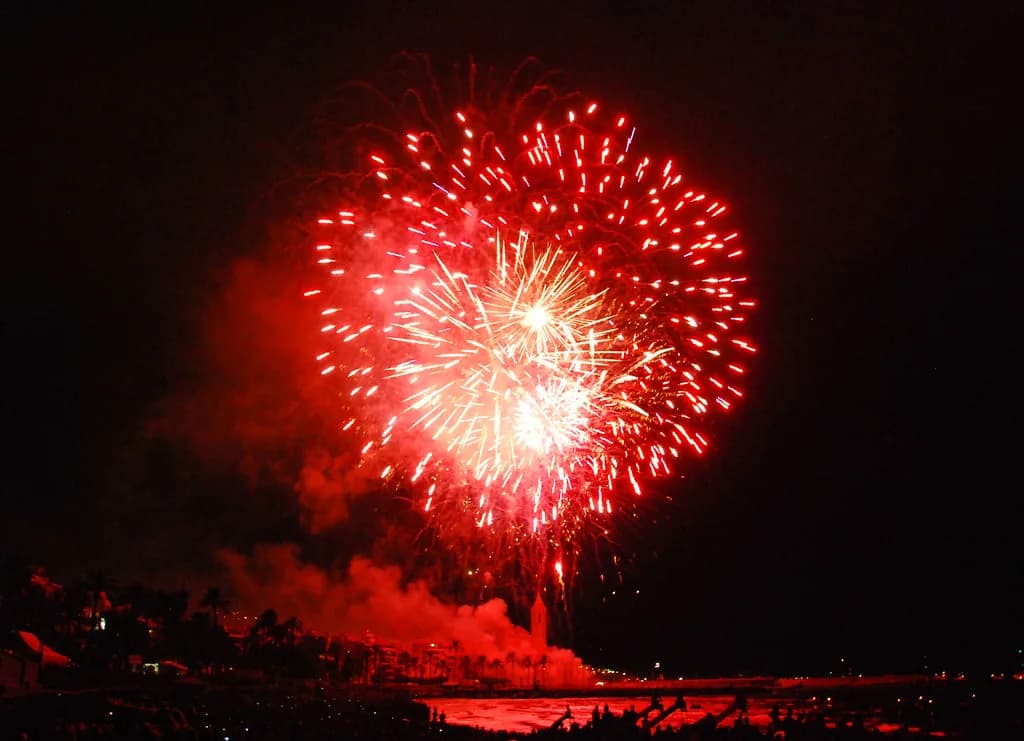
The Festa Major de Sitges is a traditional Catalan festival held in July in honour of the town's patron saint, Sant Bartomeu, and it fills the streets with parades, concerts, fireworks and dancing. It is a local celebration rather than a tourist production, which is precisely why the Old Town becomes dense and noisy while it runs.
Treat the festival as the backdrop to your visit rather than a separate attraction: book accommodation early, accept that some lanes will be impassable in the evening, and keep plans loose enough to stop and watch when something passes. The town's events listing carries upcoming programming.
Sitges Old Town During Festa Major: Crowds, Parades and Fireworks
During the festival the Old Town comes alive with music and traditional Catalan activity, and the narrow streets around the church are the least forgiving place to be with a pushchair or a suitcase. If you are staying centrally, plan to be out before the evening events begin or to stay out until they end.
Fireworks and parades mean noise late into the night, which is part of the appeal and a real problem if you need sleep before an early flight. Request a quieter room or a building off the main routes when you book.
Beaches in the Centre: Sant Sebastià and the Platja de Sitges
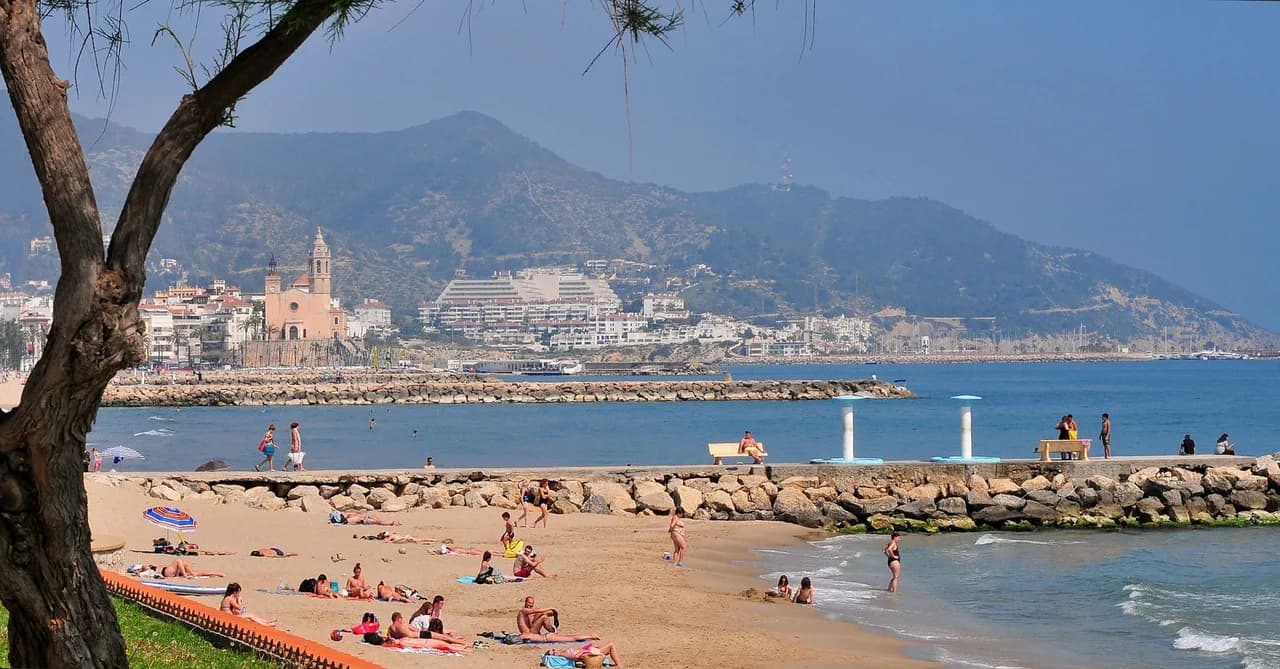
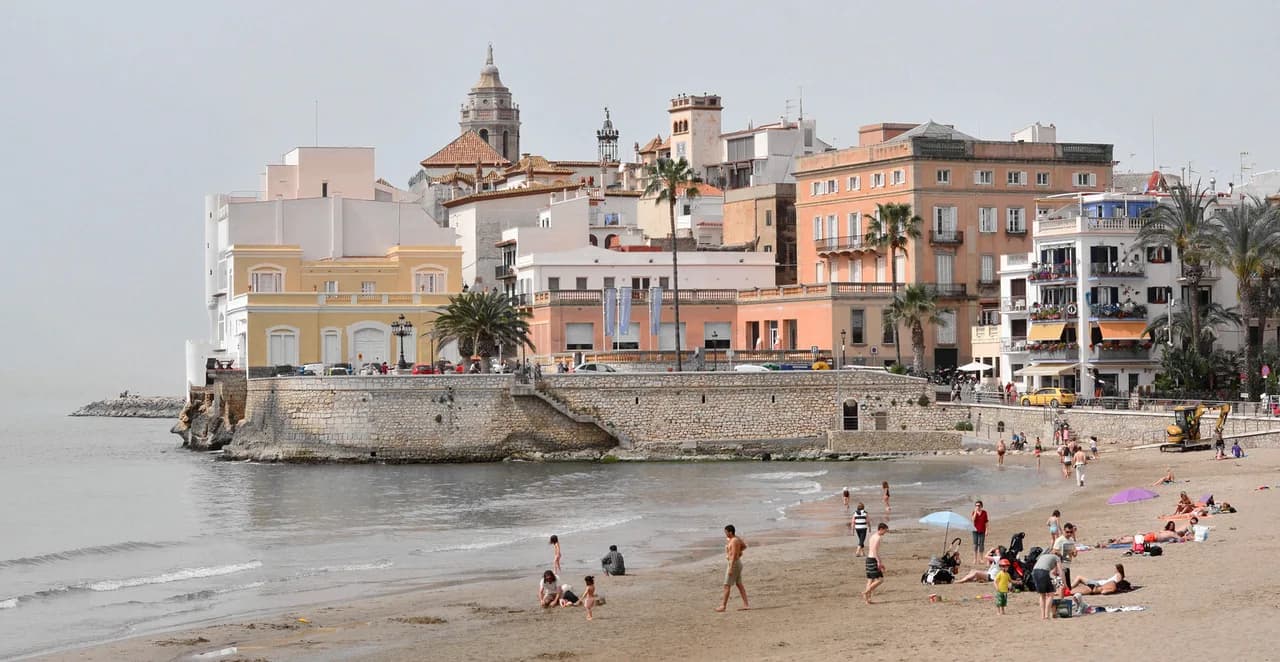
Sant Sebastià is the bustling swimming beach bordered by the promenade, with facilities and easy access to town, making it the obvious choice for a quick dip. The Platja de Sitges is the other central option and both fill early in July, so claim sand before mid-morning or accept a spot near the back.
Sitges has 19 beaches with rescue services, sun loungers and beach bars, which means you are never short of an alternative if the centre is packed. Walking ten minutes along the promenade usually buys more space than changing your plans entirely.
Quieter Sand: Platja dels Balmins
Platja dels Balmins is a sheltered, clothing-optional beach with showers and a beach bar, set slightly away from the busiest stretch of town. It suits travellers who want a calmer swim and do not mind sharing the sand with a mixed, tolerant crowd.
Sitges has long attracted a diverse, gay-friendly visitor base, and several beaches cater to a mainly gay public. That said, Balmins is not a single-purpose beach, and clothed swimmers are entirely normal there.
A Walk Out to Platja del Home Mort and What the Path Demands
Platja del Home Mort, also called Playa del Muerto, is a secluded cove south of town that has existed since 1930 and is known internationally as a clothing-optional beach. Reaching it means a rocky walk of roughly an hour from the centre, or a bus or taxi part of the way followed by a dusty downhill track through the woods.
The trade-offs are concrete: the shore is small stones rather than sand, the sea gets deep quickly, and there is no lifeguard. Take water, wear shoes you can scramble in and check the return path against the tide before settling in for the afternoon.
Passeig Marítim in the Evening
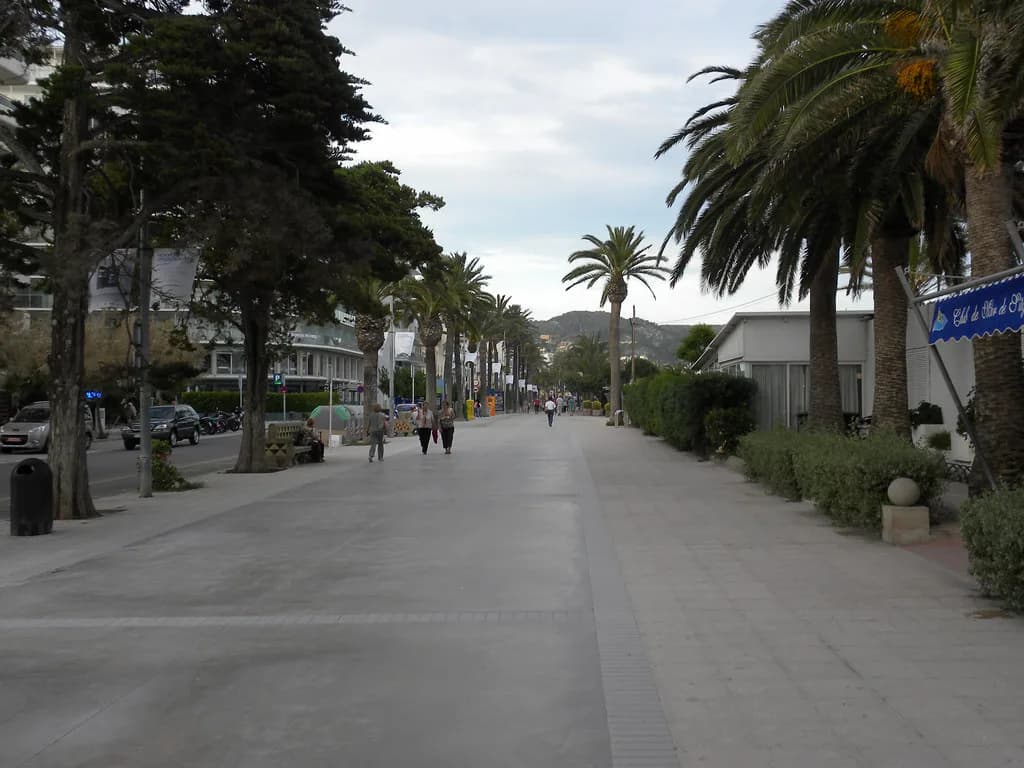
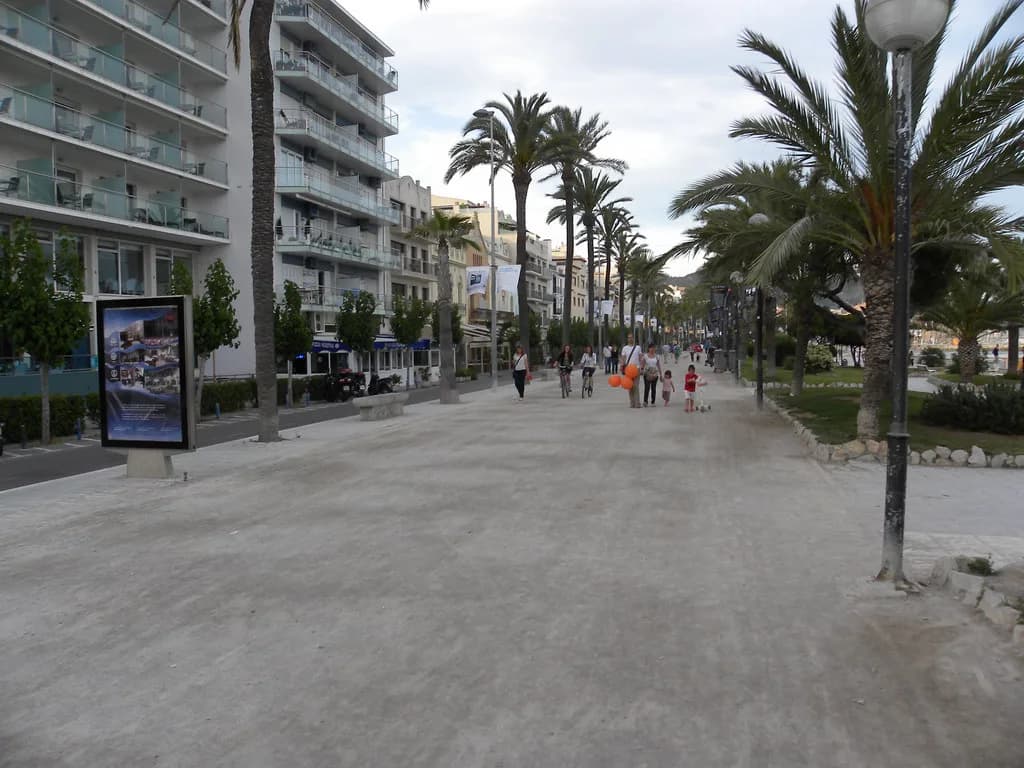
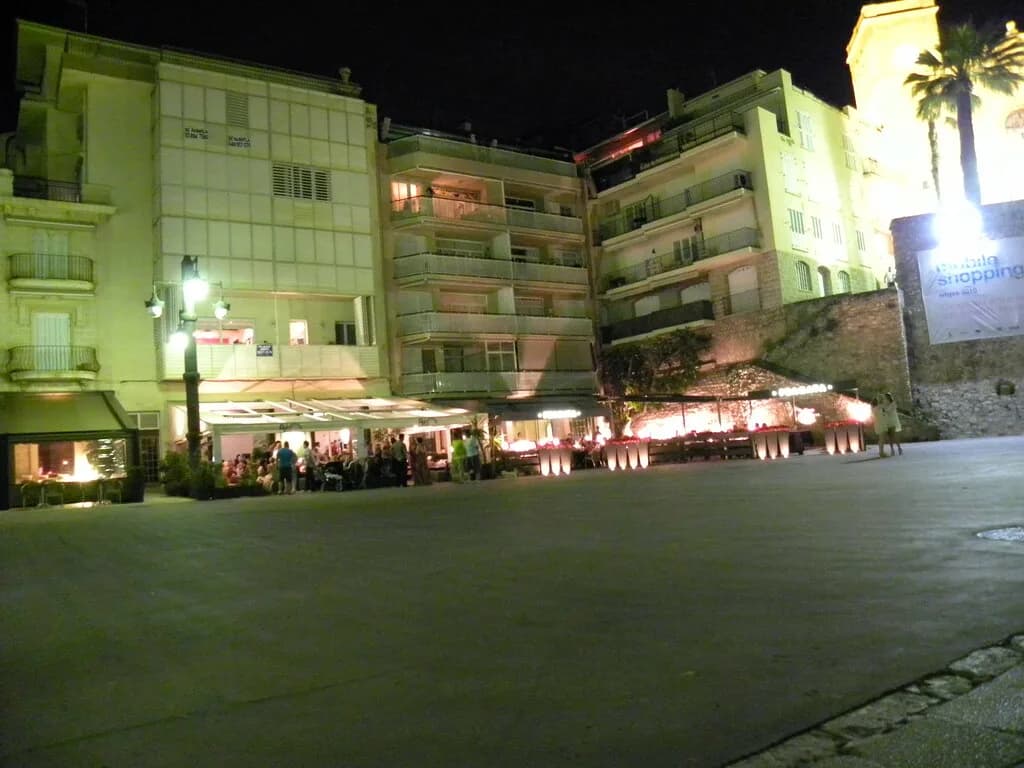
The Passeig Marítim is Sitges at its most sociable, and in July it works best after the heat breaks, when locals and visitors walk the seafront in both directions. Use it as your evening spine: start at one end, drift into the Old Town for dinner, and come back along the water afterwards.
The promenade is also the easiest way to understand the geography of the beaches, since the central sands and the church sit along it. Walk it once on arrival and the rest of your planning becomes obvious.
Cau Ferrat and Palau de Maricel: the Museum Pair Worth Your Morning
The Museu del Cau Ferrat was the home and studio of the Catalan modernist artist Santiago Rusiñol and holds a large wrought-iron collection alongside modernist art. Pair it with the Palau de Maricel next door, which shows works spanning ten centuries in a former seaside residence with terraces over the water.
Do both in one morning, before the heat and the crowds peak, and allow time for the Palau's sea-facing terraces rather than treating the art as the whole point. Palau de Maricel tours are offered in Catalan, Spanish and English, and booking ahead in July saves a wasted trip.
Church of St Bartholomew and St Thecla at Sunset
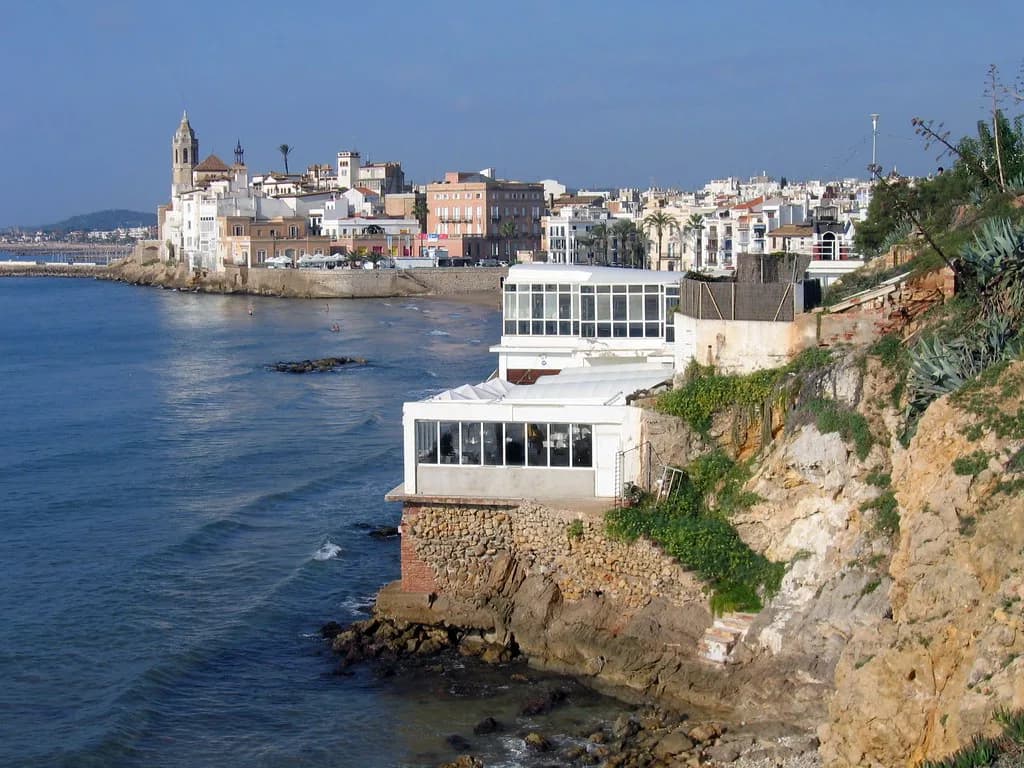
The Church of St Bartholomew and St Thecla sits on an elevated terrace above the Balearic Sea at the end of the main beach, and it is the defining image of Sitges. Its baroque exterior and position make it the best sunset spot in town, though the terrace gets crowded and musicians often set up there.
Climb via the sea-side staircase or the steeper steps from the Old Town, and go early if you want photographs without a crowd in the frame. The interior is modest compared with the setting, so treat the visit as an outdoor one.
Garraf Natural Park as a Day Trip from Sitges
The Garraf Natural Park sits a short drive from Sitges and offers walking and cycling through limestone scenery above the Mediterranean. In July the park is green and in flower, but the heat makes a full day on exposed paths unwise; go early, carry water and pick a shaded route. If you are weighing up a hotter, drier Mediterranean walking base, Fuerteventura in July offers a very different coastal landscape.
The park is the right escape when the beaches and the Old Town feel saturated. The same limestone hills continue into the wider Garraf Massif, where walking options widen further if you have a car or are happy on the bus.
Sunset Cruise Along the Sitges Coast
A sunset boat trip along the Sitges coast is a genuinely good July idea, because the evening warmth makes being on the water comfortable when the town is still hot. Many boats offer music, drinks and snacks on board, so check what is included before you choose between operators.
Book in person at the port or compare operators on arrival rather than committing to the first tout you meet. Sea conditions can cancel sailings, so keep the cruise early in your stay and hold a land-based evening in reserve.
Eating in July: Lunch at 1:30–4pm, Dinner from 8:30–9pm
Sitges runs on Spanish meal times: lunch is served roughly 1:30–4pm and dinner starts from 8:30–9pm, so an early-evening hunger pang needs a tapa stop rather than a full meal. The town's tapas bars and restaurants are catalogued on the local tourism site if you want to plan around specific streets.
Seafood is the thing to order here, from grilled fish to paella, and July is when the beachfront terraces are at their most appealing after dark. For a broader shortlist of where to eat, the Tapas Atlas guide to the best restaurants in Sitges covers the strongest options by area and occasion.
Weekday Versus Weekend Crowds in July
Sitges buzzes throughout July, and the weekend uptick is far smaller than in many Spanish beach towns, because this is a destination that stays busy all week. That makes midweek slightly calmer on the sand and noticeably easier for restaurants and museums.
Barcelona visitors arriving for the day also shape the rhythm, so the middle of the week tends to be the most comfortable time for the Old Town and the Cau Ferrat. If your dates are fixed to a weekend, book the museums and any boat trip ahead.
What to Pack and What to Skip
Pack very light, breathable clothing, a hat, reef-safe sun cream and shoes that cope with rocky paths if Platja del Home Mort is on your list. Add a light layer for air-conditioned museums and a refillable bottle, because the humidity makes dehydration easy to miss.
Skip heavy luggage if you are arriving during Festa Major, when narrow streets and crowds make dragging a case unpleasant. Also leave the ambitious all-day hiking plan at home; a half-day in the Garraf park is plenty in these temperatures.
Practical Trade-offs: Heat, Humidity and Holiday Volume
July gives you warm sea, long evenings and a festival, and charges for it in humidity and crowded beaches. The sensible compromise is to sleep centrally but swim and walk away from the core, and to reserve the middle of the day for interiors and long lunches.
If your priority is walking rather than swimming, the same coast in Sitges in september, or even Sitges in october, delivers cooler conditions with the town still open. Comparing options before booking is the single most useful decision you can make for a July trip.
Plan Your July Visit
July in Sitges works if you accept the heat as the organising principle: early beach or museum, long lunch, shaded afternoon, late promenade and dinner after 9pm. Add the Festa Major and you get a town that is genuinely alive at night, provided you have booked your room and your museum slot in advance.
Decide how long you need before you book transport from Barcelona, and keep a flexible half-day for the Garraf park or a boat trip. The official Sitges tourist office (visitsitges.com) publishes current events and beach information, so confirm times and openings close to your dates.
Explore more Sitges guides
Frequently Asked Questions
What is the weather like in Sitges in July?
July averages highs of about 28°C and lows near 22°C, with humidity around 68% and only a small chance of rain on any given day. Expect warm, sticky nights and long daylight hours, with sunrise before 7am and sunset after 9pm.
Is July a good time to visit Sitges?
Yes, if you want beach weather, long evenings and the Festa Major. The trade-off is humidity and a busy Old Town, so plan around the middle-of-the-day heat and book accommodation early.
When is the Festa Major de Sitges?
The Festa Major de Sitges is held in July in honour of Sant Bartomeu and includes parades, concerts and fireworks. The town's official event calendar carries the confirmed programme.
Is Sitges busier at weekends in July?
Only slightly. Sitges stays busy all through July, so the difference between weekday and weekend is modest; midweek is marginally calmer for beaches and museums.
Which beaches in Sitges are best in July?
Sant Sebastià and the Platja de Sitges are the easy central choices, while Platja dels Balmins is more sheltered. Platja del Home Mort is quieter but needs a rocky hour-long walk or a bus and track.
Do you need to book Sitges museums in July?
Booking ahead is sensible for the Palau de Maricel and Museu del Cau Ferrat, since July brings festival crowds and guided tours fill up. Check the official opening days before you travel.
Is Sitges warmer than Barcelona in July?
Sitges has its own warm microclimate and around 300 days of sunshine a year, with July and August highs near 31°C on the local measure. Coastal breezes keep it from feeling as stifling as inland Catalonia.
How do you get to Sitges from Barcelona?
Take the frequent Renfe R2 train to the central station, or the BusGarraf service, which has several stops in both cities. Journey times are broadly similar and taxis are the pricier alternative.
Sources
Notes for eating well in Spain
Optional updates to our guides.
You might also like
Continue reading
More guides you'll find useful