Best Restaurants in Sitges: Where to Eat, by Area and Budget
A practical guide to the best restaurants in Sitges, from tapas and menú del día to seafood and special-occasion dining, with what to order and when to eat.
On this page
The restaurants that suit most Sitges trips are El Donostiarra for shared tapas and pintxos, La Salseta for Garraf regional cooking with Malvasia de Sitges wine, Yamuna on the San Sebastian Beach boardwalk for paella, and Hibou for a modern dinner. Build the day around lunch from 1:30pm to 4pm and dinner from 8:30pm to 9pm, and the town works in your favour.
How Eating in Sitges Works
Lunch is the main event. Most restaurants run a menú del día at midday: a short choice of three courses plus a drink, wine or coffee included, priced at around €15–20 in total. That is the best value meal in town, and it is served in the window when kitchens are fully staffed.
Between meals the kitchen closes. Expect most restaurants to shut from about 3pm or 4pm until about 7pm or 8pm, so a 5pm hunger pang means vermouth and a snack rather than a full plate. Many places also close on Mondays and/or Tuesdays, which makes a Tuesday lunch plan worth checking before you set out.
Book dinner. Sitges restaurants fill in the evening, and popular places take lunch reservations too; a same-day call in the morning is the practical move for a group. If your dates are fixed, decide early whether you want a long lunch or a late dinner as the day's anchor meal, because fitting in both around beach time rarely works.
Tapas and Vermouth: El Donostiarra, Izarra Taberna and La Gralla
El Donostiarra is the tapas pick, with local sausage, Spanish tortillas, Iberian ham and croquettes, plus pintxos — the toothpicked snacks counted up for your bill at the end. Order a spread for the table rather than individual plates, and keep the tortilla and croquettes as the staples.
Izarra Taberna on Carrer Major is an afternoon aperitivo stop, and La Gralla, steps away, pours traditional Spanish red vermouth from barrels. Treat the pair as one outing: a glass and a small plate at each, then a wander through the Old Town streets rather than a full meal.
Carrer Major is also the street for independent shops, so a slow tapas-and-vermouth afternoon pairs naturally with browsing between stops.
Beachfront and Boardwalk: Yamuna, 31 Ribeira and Thalassa
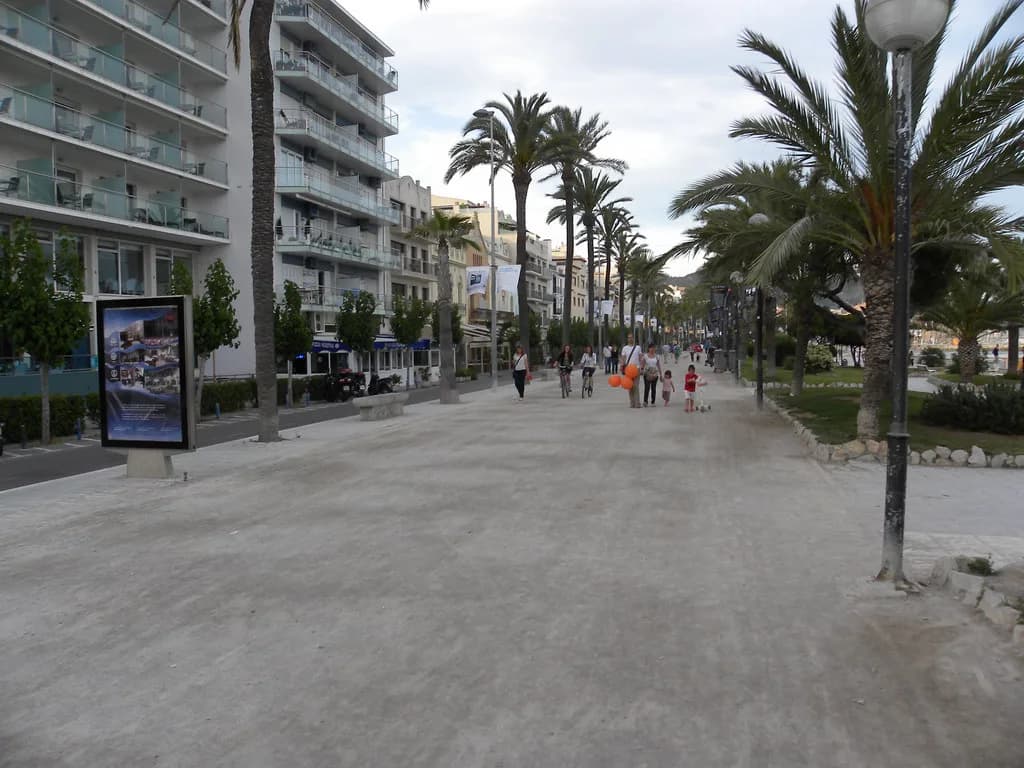
Yamuna sits on the boardwalk at San Sebastian Beach and serves a range of paellas alongside seasonal salads and calamari. It is the obvious choice when you want sea air with lunch and do not want to leave the sand for long; book ahead in high season, when the boardwalk tables go first.
31 Ribeira has history on its side: the site opened in 1913 as Spain's first chiringuito, the small beach bar, and still serves beers and tapas on the Sitges waterfront. Go for a casual plate and a cold drink rather than a destination meal, and use the rest of the seafront cafés when the tables are full.
Thalassa, a small seafront spot that opened in 2024, serves classic Greek dishes — the change of pace when paella and tapas have had their turn. The trade-off is a compact room, so it suits a couple or a small group better than a large table.
Local and Regional Cooking: La Salseta and Restaurant Clarés
La Salseta specialises in Garraf regional cuisine and is the place to try Malvasia de Sitges, the rare grape grown here since the 14th century; the wine is often compared to sherry. The Malvasia Interpretation Center in town explains the grape and offers tastings if you want the background before the glass.
Restaurant Clarés leans vegetable-forward, with bright salads alongside grilled local pork and fish and homemade desserts. It suits a table where one person wants a lighter plate and another wants meat, which is not always easy to find in a seafood town.
Wine beyond Malvasia means the Penedès region inland, where cava, still reds and whites and Corpinnat are made; vineyard tours and tastings run across the area and are worth a half-day if your trip is longer than a weekend.
Modern and Special-Occasion: Hibou and Le Petit Paris
Hibou is a small, romantic corner spot using locally sourced ingredients in dishes such as aubergine with miso and feta, and octopus with harissa and crispy chickpeas. It fits a booked dinner for two; the room is intimate rather than built for big groups.
Le Petit Paris is a French restaurant in the Old Town that brings in daily fresh catches alongside Spanish specialities — the pick when you want a French frame around local fish. Both places reward a reservation made a day or two ahead in summer.
For a longer stay, spacing one modern dinner between tapas nights keeps the budget sensible and gives you something to look forward to.
Michelin-Listed Options Around Sitges
The MICHELIN Guide selection for Sitges and its surroundings includes Contrastes, Cheche, Casa Nova, El Cigró d'Or, Cal Pere del Maset, Vilagut, El Racó and La Cava d'en Sergi. These are listings in the guide's selection; check each entry for its own category and current details before you build an evening around it.
Several sit outside the town centre in the surrounding villages, so pair one with a day in the hills rather than squeezing it between beach and dinner. Book direct and confirm the day of the week before you travel out.
Other reader-reviewed local eat listings for Sitges include Komokieras, Restaurant Sitges Bon Estar and Karmela Terracita, useful as a second opinion when your first choices are full.
Budget: Spending Less at Lunch
The menú del día is how to eat well cheaply in Sitges: a three-course lunch with wine or coffee included usually lands in the €15–20 range, far below an à la carte dinner. Take it at 1:30pm or 2pm, when kitchens are at full stretch and the menu is the day's freshest cooking.
Pintxos and a vermouth do the job for a lighter, cheaper meal; El Donostiarra's toothpick snacks and a barrel-poured vermouth at La Gralla cost far less than a sit-down dinner. Keep one big meal a day and fill the other gaps with tapas, and the trip budget stretches comfortably.
To reach Sitges from Barcelona El Prat airport, the Garraf Bus runs directly for €9 one way, while a car transfer is far pricier; the R2 commuter train from Barcelona takes about 40 minutes and drops you in the centre.
What Sitges Is Known For: What to Order
Order the local wine first: Malvasia de Sitges, grown here since the 14th century, is the town's signature drink and is compared to sherry. Then work through Garraf regional dishes, seafood and rice — paellas appear on many menus, including several at Yamuna — and finish with pintxos and croquettes at a tapas bar.
Catalan is spoken and printed everywhere alongside Spanish, so menus often carry Catalan names for dishes; asking what a plate contains is normal and gets you a straight answer. Sitges has around 33,000 residents and swells with visitors in summer, which is why the good tables get booked.
Practical Trade-offs: Waterfront, Old Town and Groups
The waterfront is for views and convenience, the Old Town for character and better-value cooking on Carrer Major and its side streets. If you only have one evening, eat in the Old Town and walk the seafront afterwards on the Passeig Marítim rather than paying a premium for a table with a sea view. The same logic of choosing the characterful quarter over the view applies to the best restaurants in girona, where the Barri Vell rewards a wander.
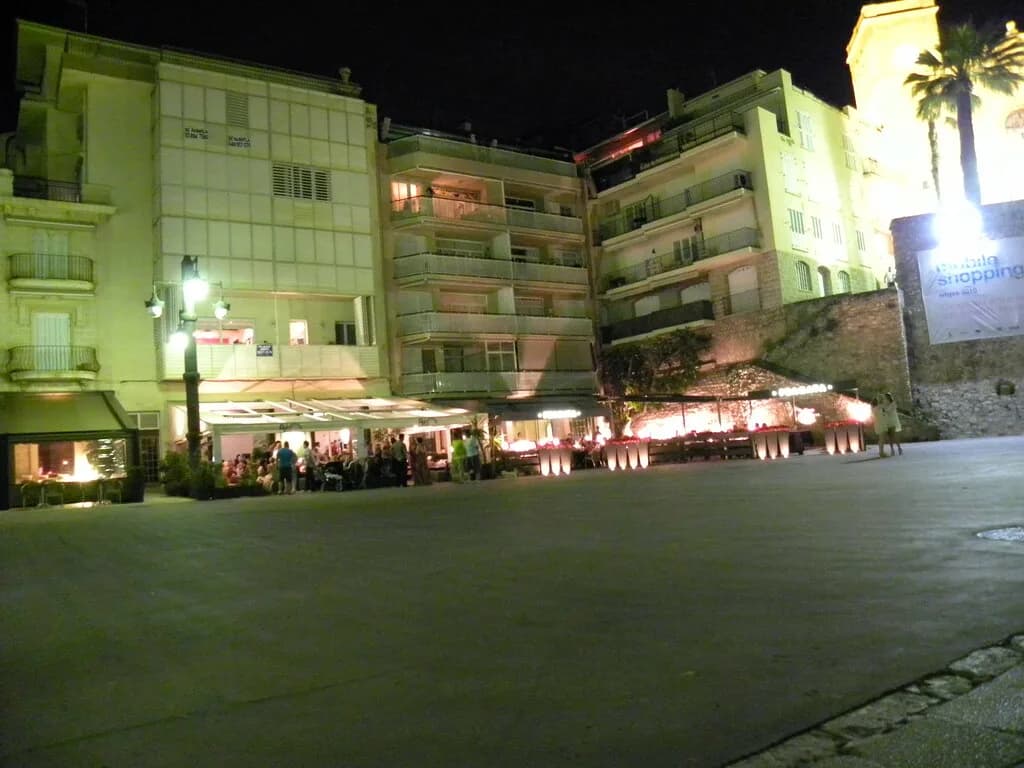
Groups should book by phone rather than walk in: Spanish tables sit down late, dinner from 8:30pm to 9pm, and a party of six without a reservation will struggle on a weekend. Splitting between a tapas bar and a sit-down restaurant also keeps a large group's bill predictable.
Driving into town is a mistake — the narrow streets close for weekends and events, and Sitges is mostly pedestrian, with a few bike-rental shops and hotels lending bikes to guests. Park outside and walk in; the flat centre makes it easy.
Where to Walk It Off
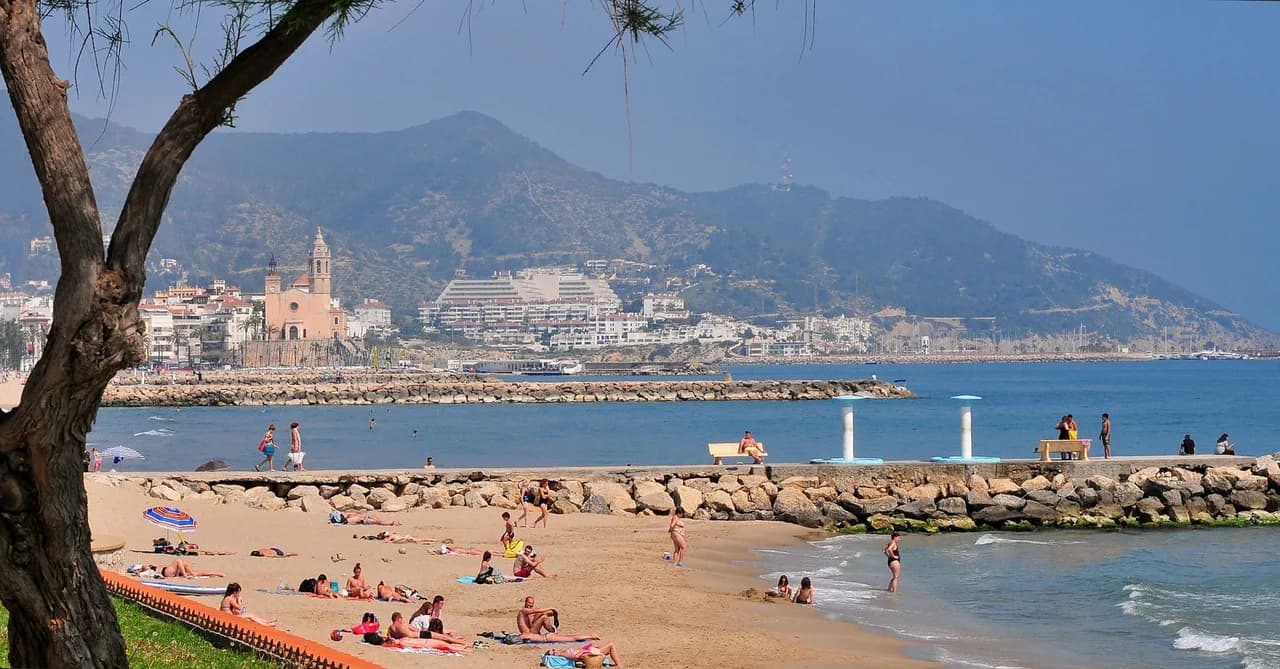
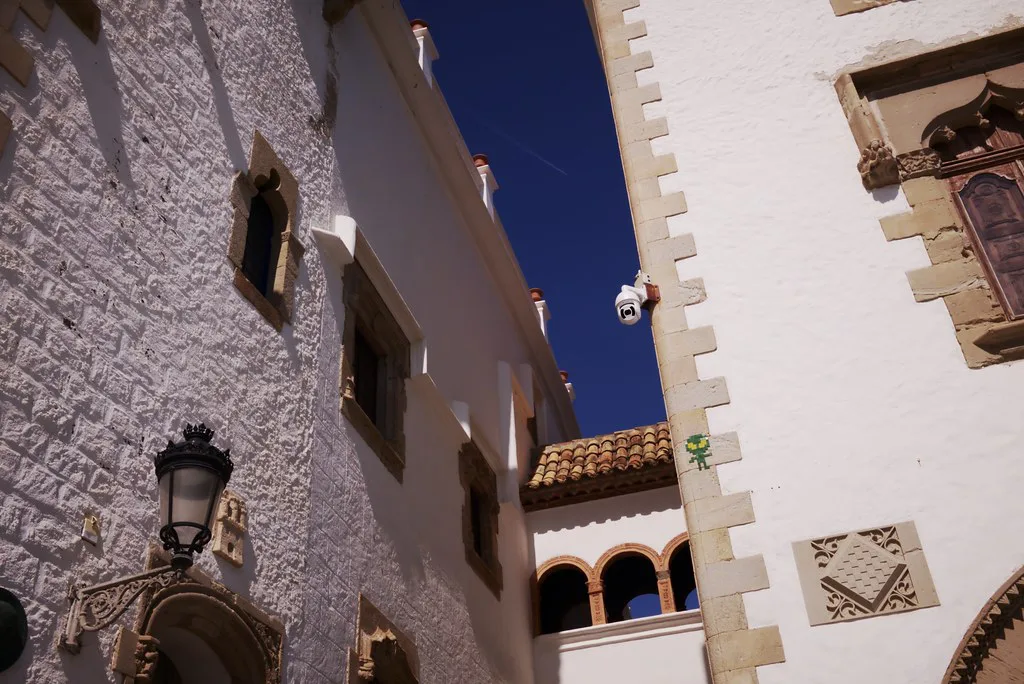
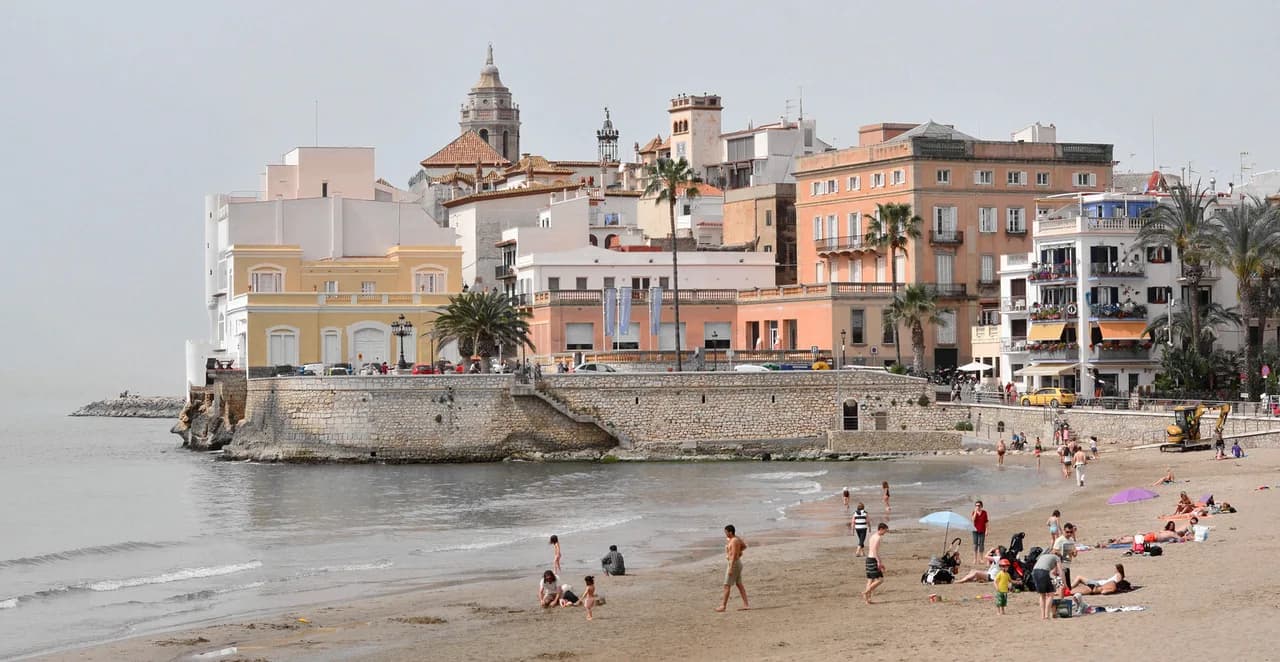
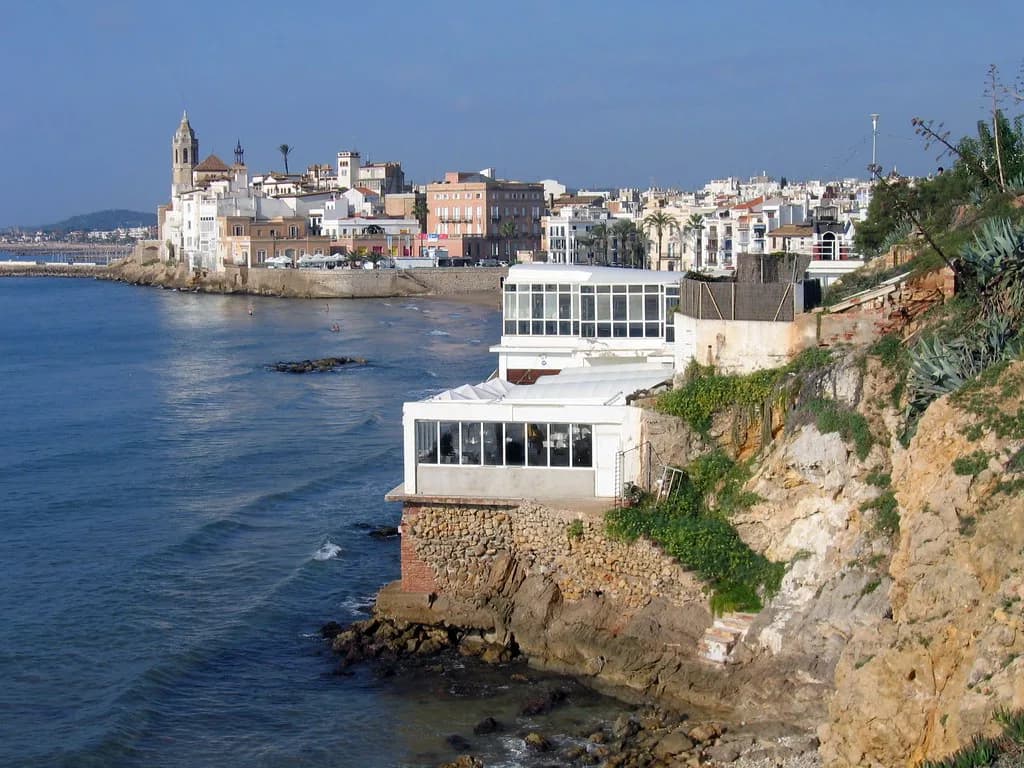
After lunch, walk the two-mile promenade along the beaches and then climb into the old quarter, where stone streets and Catalan-Gothic architecture sit under the 17th-century church of St Bartholomew and St Tecla on its rocky seaside cliff. The rampart walk past the replica 18th-century cannons leads to the Maricel and Cau Ferrat museums.
Cau Ferrat preserves the home of Catalan Impressionist Santiago Rusiñol and his collection of metalwork, paintings and ceramics; Palau Maricel across Fonollar Street runs guided tours by reservation. Both are small, so an hour or two covers them without eating into dinner.
Time a visit for late July and the town's patron-saint celebrations take over the streets, with the Festa Major de Sitges filling the calendar around the feast of Sant Bartomeu. Eating early or booking well ahead on those nights saves a wasted evening.
Plan Your Visit
Build the trip around one long menú del día lunch and one booked dinner, with tapas and vermouth filling the gap when kitchens close in the afternoon. Check the day of the week before committing to a restaurant, since Monday and Tuesday closures are common, and reserve ahead for any evening table in summer.
Confirm current opening days and prices directly with each restaurant when you book; the town's eating scene shifts with the seasons.
Explore more Sitges guides
Frequently Asked Questions
Where do locals eat in Sitges?
Local cooking centres on Garraf regional dishes and Malvasia de Sitges wine, with La Salseta named for both. Izarra Taberna on Carrer Major is a local favourite for afternoon aperitivos, and El Donostiarra covers tapas and pintxos. Locals eat lunch between 1:30pm and 4pm and dinner from about 8:30pm.
What are the best restaurants in Sitges?
For most trips the strong picks are El Donostiarra for tapas, La Salseta for regional cooking, Yamuna on the boardwalk for paella, Hibou for a modern dinner and Le Petit Paris for French cooking with local fish in the Old Town. The MICHELIN Guide selection also lists Contrastes, Cheche, Casa Nova, El Cigró d'Or and others around Sitges.
What food is Sitges known for?
Sitges is known for Malvasia de Sitges, a rare wine made from a grape grown here since the 14th century and compared to sherry, and for Garraf regional cuisine. Seafood, rice dishes and paellas are widely served, and tapas bars turn out pintxos, croquettes, tortilla and Iberian ham.
What time do restaurants serve dinner in Sitges?
Dinner starts late by British standards, from about 8:30pm to 9pm. Most kitchens close between about 3pm or 4pm and 7pm or 8pm, so the afternoon is for tapas and vermouth rather than a full meal.
How much does lunch cost in Sitges?
The menú del día is the value option: a short three-course lunch with wine or coffee included usually falls in the same modest range across town. Ask the price before ordering, since it varies by restaurant and by day.
Do I need to book restaurants in Sitges?
Book dinner, especially for popular places and in summer, and reserve lunch too at well-known spots. Many restaurants close on Mondays and/or Tuesdays, so confirm the day before travelling across town for a specific kitchen.
What should I not miss in Sitges?
Beyond the table, walk the two-mile promenade, climb to the 17th-century church of St Bartholomew and St Tecla, and visit Cau Ferrat and the Maricel museums. In October the Sitges Film Festival and the Endimaris LGBTQ+ film festival draw cinema fans.
Sources
Notes for eating well in Spain
Optional updates to our guides.
You might also like
Continue reading
More guides you'll find useful