How Many Days in Tarragona? 1, 2 or 3 Days Explained
Work out how many days in Tarragona suits your trip, from a single Roman-ruins day to a slower two or three nights, and whether it is worth visiting.
On this page
One full day is enough to see Tarragona's Roman core and the old town, but two nights suit most visitors from the UK who want a long lunch and an evening that is not spent rushing for a train. Add a third day only if you want the coast and a second pass at the city. Anything less than a day turns Tarragona into a tick-list: the amphitheatre, the cathedral quarter, a sandwich, gone.
Where Tarragona sits and how it fits with Barcelona
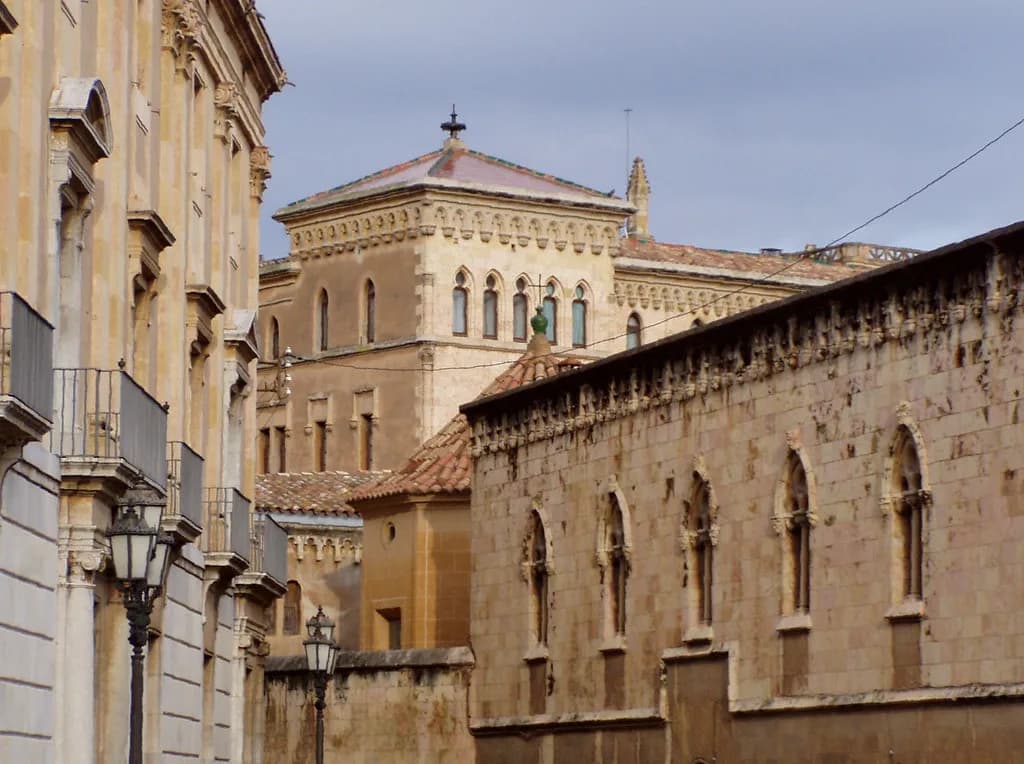
Tarragona is a Mediterranean city in Catalonia, south of Barcelona along the Costa Daurada, and its appeal is stacked in a compact historic centre. The Roman remains are the headline, with the old town layered on top of them, so you are not crossing a modern sprawl between sights. That compactness is why a short stay works here at all.
Tarragona works best as its own stop rather than a bolted-on half-day from Barcelona. Pairing the two cities is easy in planning terms, but the trip eats into the time you would spend eating properly and walking the Roman walls. Treat Tarragona as a base for one to three nights and Barcelona as a separate stay.
What fits into one day in Tarragona
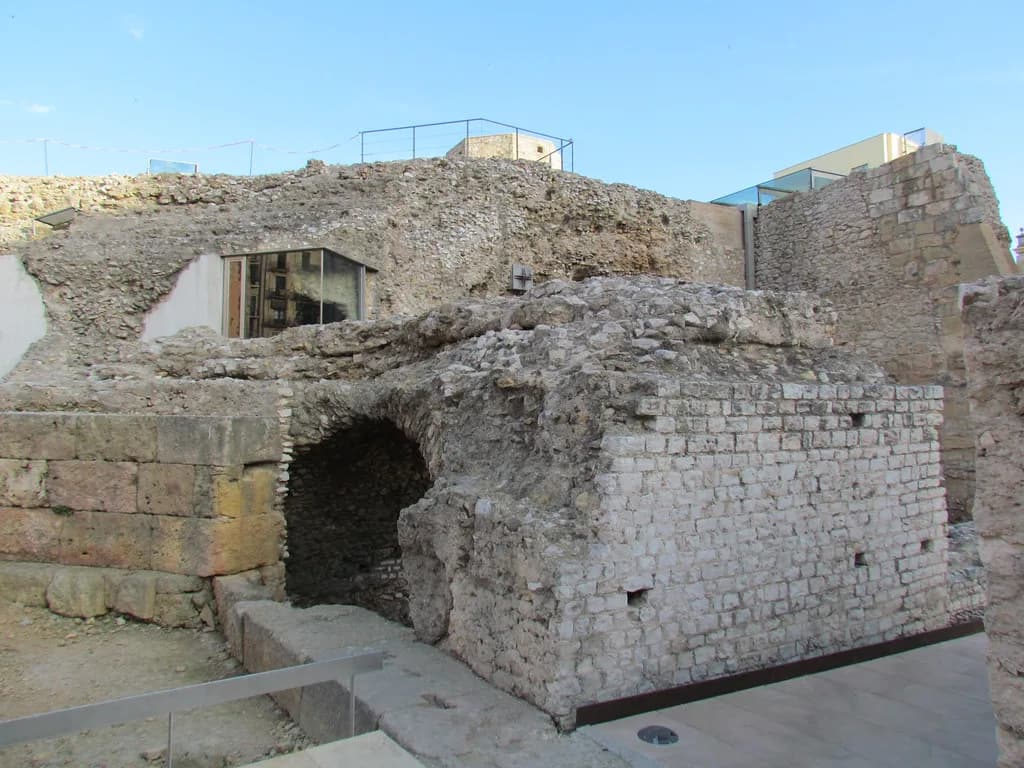
A single day should be built around the Roman ensemble: the amphitheatre by the sea, the circus and the walls, plus the medieval streets of the old town and the cathedral quarter. Tarragona's Roman ruins anchor a full day of sightseeing without needing to leave the centre, which is why the city works as a day trip for travellers already based nearby. Start early, take the ruins before the midday heat, and keep the afternoon for the old town.
Book the day around Spanish meal times rather than against them. Lunch runs roughly from 1:30pm to 4pm and dinner from about 8:30pm to 9pm, so a long midday meal is the natural break between the ruins and the old town. A one-day visitor who eats at noon will end up snacking at four and eating a bad dinner at seven. Sit down at 2pm instead.
If you only have a day, pick two Roman sites and one long lunch rather than chasing every ticket. A one-day loop of the city typically stacks the amphitheatre, the cathedral and the walls, which is realistic on foot but leaves little slack. Compress the sightseeing, not the meal.
Why two days lets you slow down and eat properly
Two nights is the sweet spot for most UK visitors. Day one covers the Roman core and the old town; day two gives you the morning for a museum or a second Roman site and the afternoon for the beach or a market. It also means one proper dinner in Tarragona rather than a rushed plate before the last train.
A second day is where Spanish eating rhythms start working for you. Lunch at 2pm, a walk along the Rambla Nova afterwards, and dinner at 9pm leaves the whole late afternoon free for the old town when the day-trippers have thinned out. The meal structure becomes the itinerary rather than an interruption to it, which is the difference between a comfortable stay and a rushed one.
Use the extra day to eat beyond the obvious. Tarragona's food scene rewards a second sitting, with tapas bars and seafood in the port neighbourhood of El Serrallo worth a dedicated evening. Read up on what to order before you go so you are not decoding a menu at 9:30pm.
What a third day adds: beaches, the coast and a second look at the old town
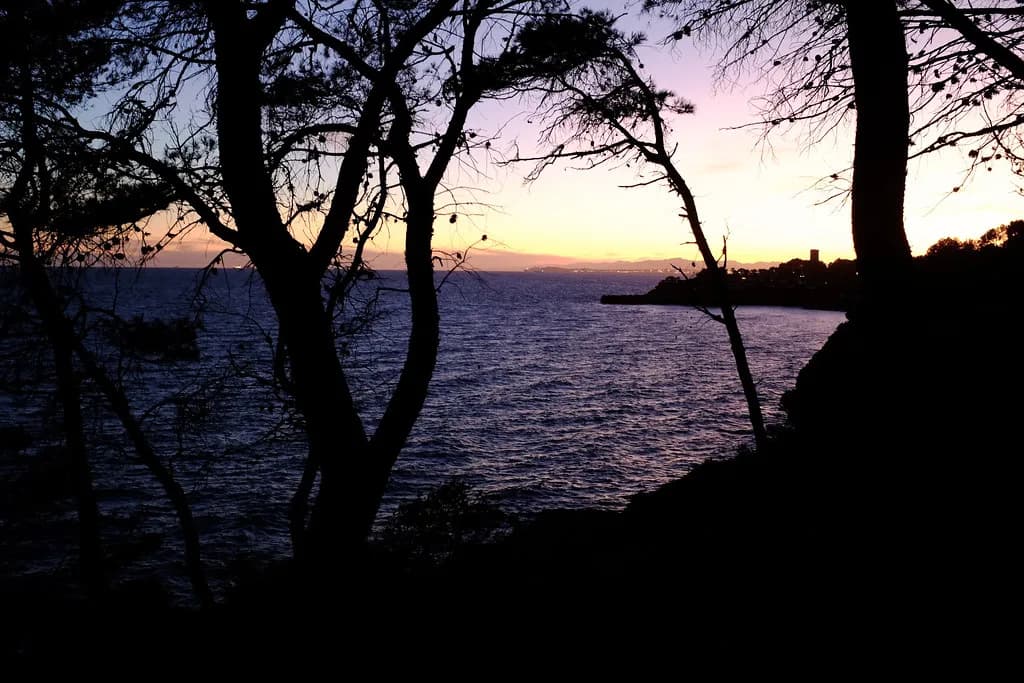
A third day buys you the coast. Tarragona has beaches within walking distance of the centre, and the wider Costa Daurada stretches south with quieter sand and resort towns. If your trip is half beach, half history, three days balances them without either feeling squeezed. If you are a pure history traveller, two days already covers the Roman set piece.
The third day also lets you revisit the old town properly, including the Mercat Central de Tarragona for a market breakfast and a wander through the lanes without a map. Markets are where a city's daily rhythm shows, and Tarragona's is a useful anchor for a slower morning.
A useful sanity check is that Tarragona rewards a slower pace more than a longer one. Four or five days starts to feel like a different holiday, better suited to a beach base with day trips than to the city itself. Three days is where the city and the coast meet comfortably.
Who should stay longer and who should treat Tarragona as a day trip
History-lovers, food travellers and anyone who wants a beach afternoon within walking distance of Roman walls should book two or three nights. Beach-seekers with a taste for resort life should base themselves further down the Costa Daurada and visit Tarragona as a day trip. Families with small children will find a single day with an early lunch easier than two late dinners.
City-break travellers weighing Catalonia options should think about what each city is for. Consider how many days in girona a compact old-town break deserves, and note that Alicante offers a bigger city and a longer coast; Tarragona sits between them with the strongest Roman set piece of the three. Compare the day counts before you commit to a single base.
Is Tarragona worth visiting? Honest trade-offs
Tarragona is worth visiting for its Roman ruins and its compact old town, and it is not worth visiting if your main goal is a beach holiday with minimal sightseeing. The Mediterranean setting helps both cases, but the city's identity is historical, not resort. Come for the ruins and the food; stay for the coast only if you have a third day.
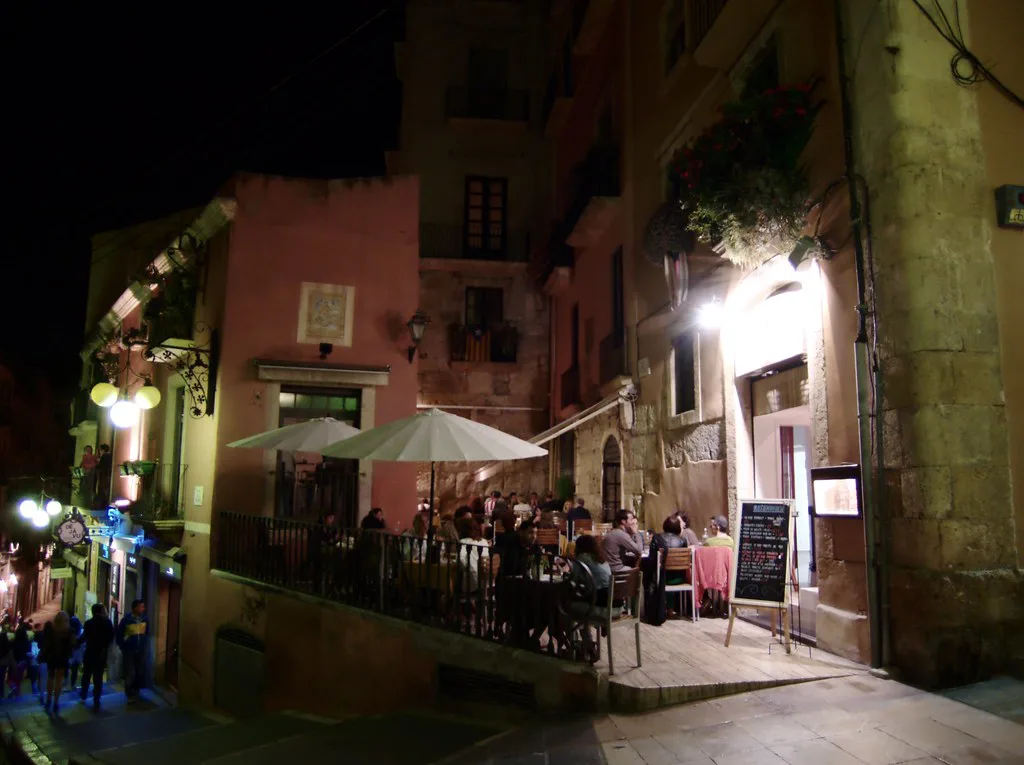
The other trade-off is time against depth. A day trip from Barcelona gets you the amphitheatre and a quick lunch, but you lose the evening, when the old town is at its best and the tapas bars are in full swing. Two nights cost more than a train ticket but buy you the city after the coaches leave.
When to go: weather and season trade-offs
Season matters more than day count here. Summer is hot and busy, with the beach at its best and the old town at its most crowded; spring and autumn give you walking weather for the ruins and a calmer centre. Winter is quiet, and some coastal places operate on reduced hours, so check before you build a trip around a specific terrace.
If your dates are fixed by work or school holidays, plan the day count around the heat rather than the sights. In high summer, two shorter sightseeing blocks with a long indoor lunch work better than a single marathon day. In cooler months you can walk the walls and the old town in one unbroken stretch, and a light jacket covers the evening.
Mid-autumn is a fair test of whether a short break will suit you. Read up on tarragona in october to see how the city behaves once the beach crowds thin and the days shorten, then decide whether you want that atmosphere or high summer. It is also a sensible moment to check what is open before booking.
Practical planning: transport, tickets and meal times
Tarragona sits on the coastal rail and road corridor south of Barcelona, which makes it straightforward to reach by train from the city. Timetables, fares and journey times change, so check Renfe's site for your date rather than relying on a guidebook figure. Book onward travel before you commit to a late dinner, because the last trains leave earlier than the restaurants close.
Book Roman sites and any cathedral visit against your meal slots, not the other way round. A 2pm lunch and a 9pm dinner give you a clean morning block and a late-afternoon block, which is enough for the main ruins in a day. Tickets, opening hours and any seasonal closures are published by the sites themselves, so confirm them close to your date.
Keep one flex day in a two- or three-night trip for weather or a slow morning. Tarragona is small enough that a washed-out morning costs you little if the afternoon is free, and it stops the itinerary turning into a forced march through ruins in the rain.
Verdict: the day count that suits most trips
Two nights is the right answer for most UK visitors: one full day for the Roman core and the old town, a second for a long lunch, the market and the beach. Choose a single day if you are passing through from Barcelona and can accept a tick-list visit, and three days if you want the coast and a slower table.
Explore more Tarragona guides
Frequently Asked Questions
Is one day in Tarragona enough?
One full day covers the Roman highlights and the old town if you start early and take a proper 2pm lunch rather than snacking through the afternoon. It is enough for a day trip but not for a relaxed evening in the city, so treat it as a taster rather than the whole visit.
How many days do you need in Tarragona?
Two nights suits most visitors: one day for the Roman ruins and old town, a second for the market, the beach and a long lunch. Add a third day if you want the Costa Daurada coast or a slower pace, and drop to a single day if you are visiting from Barcelona.
Is Tarragona worth visiting?
Yes, if you want Roman ruins, a compact medieval old town and a proper Spanish eating rhythm in a city small enough to walk. It is less compelling if your priority is a beach resort holiday, in which case a base further along the coast and a day trip into Tarragona makes more sense.
How far is Tarragona from Barcelona?
Tarragona is south of Barcelona on the Catalonia coast, in the Costa Daurada. Journey times and fares vary by service and date, so check the current train timetable when planning a day trip or an overnight stay.
What is the best month to visit Tarragona?
Spring and autumn give the best balance for walking the Roman ruins and the old town without summer heat or crowds. Summer suits beach time but is hot and busy, and winter is quiet with some coastal places on reduced hours, so check ahead if a specific terrace matters to you.
Is Tarragona cheap to visit?
Tarragona is a mid-priced Catalan city rather than a budget resort, and the main variable cost is how often you eat out. Lunch is generally better value than dinner, and a market breakfast or a tapas bar keeps the daily spend down. Menu prices are posted at the door before you sit down.
Sources
Notes for eating well in Spain
Optional updates to our guides.
You might also like

Continue reading
More guides you'll find useful