Tarragona Food Guide: What to Eat and Where
Plan meals in Tarragona with pa amb tomaca, vermouth, port seafood and named old-town bars, plus Catalan meal times and how to order tapas without a picture menu.
On this page
Tarragona food is Catalan cooking rather than a tick-list of Spanish classics: bread with tomato at every meal, seafood and rice near the port, and a vermouth culture that starts before lunch. The city's own flavours are romesco sauce and the light marinada wines, both worth seeking out alongside the tapas bars of the old town.
This guide names specific places for each part of the day and explains what to order when you get there. It also covers the practical side: how to assemble pa amb tomaca at the table, why an eight o'clock arrival can win you the back patio, and how to spot a menu worth ordering from. Use it alongside a wider plan of things to do in Tarragona so meals sit next to the Roman sights rather than across town from them.
What Tarragona food is: Catalan cooking built on bread, seafood and romesco
The local language is Catalan, and the food follows it. Pa amb tomaca is the everyday base, served at hotel breakfasts, in works canteens and on tapas menus across the city, and it is the thing to master first because it turns up everywhere. Around it sit seafood from the port, rice dishes, and simple plates of cheese, cured meat and salad.
Romesco is Tarragona's signature sauce, a nut and pepper preparation tied to the city's fishing neighbourhood, and the tourism office promotes it alongside the local marinada wines as a reason to eat here. The two food areas to know are the old town, for tapas and sit-down dinners, and El Serrallo by the port, for seafood. Plan at least one meal in each rather than eating all week around La Rambla.
Start the day with pa amb tomaca and tortilla
A Tarragona breakfast is bread with tomato, a wedge of Spanish tortilla and fresh cheese, taken standing at a bar or at a table with coffee. It is light, savoury and quick, and it leaves room for a proper lunch at half past one. Bakeries and gelaterias also sell churros, so a fried-dough stop works as a mid-morning break rather than a full meal.
If you only eat one breakfast in the city, make it the bread with tomato rather than a pastry, because the technique is the thing you will want to repeat at home. Order a toasted slice and the tomato and garlic come alongside, not on top.
Pa amb tomaca: how to rub garlic, tomato, oil and salt on toasted bread
Pa amb tomaca is a technique, not a recipe, and doing it yourself is half the pleasure. You order a piece of toasted bread and it arrives with a tomato and fresh garlic; peel the garlic, rub it over the toast, then halve the tomato and rub that on to taste. Finish with olive oil and salt, and add cheese, cured meat or a salad to turn it into a meal.
Treat the bread as the constant rather than an opener: it belongs next to a plate of ham, under a fried egg, or simply on its own with a glass of vermouth. Once you have assembled one at the table you will recognise it on every menu in the city.
Where to eat pa amb tomaca and tapas: La Botifarra in the old town
La Botifarra is the old-town address to head for if bread with tomato is the priority, and the tapas spread runs to cheese, meat and salads alongside it. A vegetarian version comes topped with cheese and honey, which makes it one of the easier places in town for a mixed group. The kitchen's generosity extends to a small glass of La Bomba del Delta, a creamy rice liquor from Catalonia, offered at the end of the meal.
Use one blunt rule when choosing between the tapas bars on and around La Rambla: pick the place without photographs on the menu. Picture menus signal a tourist-facing kitchen, while a hand-written board or a short list in Catalan usually means better cooking. Order two or three plates at a time and add more as you go, because portions are for sharing.
Vermouth before lunch: what it is, how it is served and why it matters here
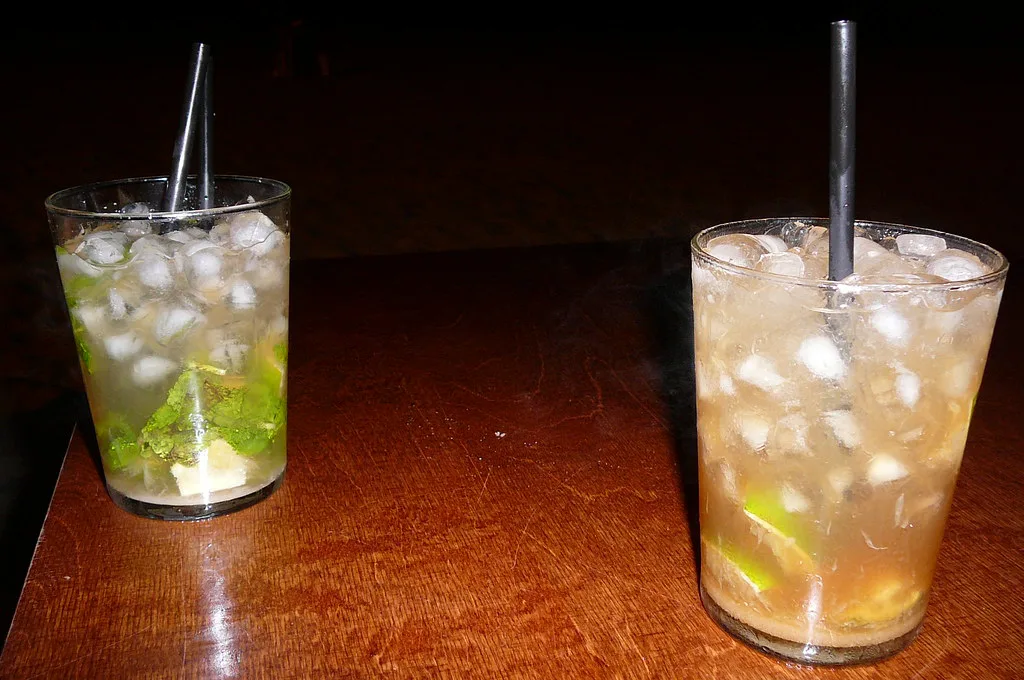
Artisan vermouth is enjoying a revival in Tarragona, and drinking it before lunch is a local habit rather than a novelty. Casa de Vermut is the spot to try the homemade version, served over large ice cubes with an olive and a slice of orange. The taste is herby and bitter-sweet, closer to a fortified wine than a cocktail, and it is meant to open the appetite rather than accompany the meal.
At some bars the bottle is left on the table and you serve yourself, with the bill charged on what you have poured, so keep a rough count. Order one round, then move on to lunch; vermouth is an aperitif and the kitchen will not thank you for arriving late.
Seafood and rice by the port in El Serrallo
El Serrallo, the neighbourhood around the fishing port, is where Tarragona's seafood and rice dishes make most sense. This is a different meal from old-town tapas: sit down, order fish or rice, and take your time. The tourism office lists the area's restaurants and notes its romesco cooking and marinada wines, which makes it the place to try both in one sitting. If this seafood-and-rice pattern appeals, Tenerife food shows how another Spanish island handles its fish.
Book the port meal for lunch rather than dinner if you want the fishing-side atmosphere, and walk the harbour afterwards to work it off. Pair the day with the city's Roman sights so the afternoon is not just another table.
Romesco and marinada wines: the city's own flavours
Romesco in Tarragona is a sauce of nuts, peppers and tomatoes, and it belongs with fish, vegetables and grilled dishes rather than with bread alone. Marinada wines are the local pairing, lighter than a heavy red and suited to a long seafood lunch. If you see either on a menu, order it once to understand what the city tastes like.
Both are easy to miss if you stick to standard tapas, so make them a deliberate target of one meal. Ask which dish on the menu carries the romesco, and let the waiter guide the wine rather than choosing blind.
Vegan and vegetarian options: El Vergel
El Vergel is the vegan address in Tarragona, with a full plant-based menu and an artisan beer list that makes it more than a compromise for the non-vegan half of the table. The room itself is part of the appeal, so it works for a relaxed final evening after a week of bread and cheese.
For vegetarians elsewhere, La Botifarra's cheese-and-honey toast and the apple salad at Quim Quima give you options beyond a plate of patatas bravas. Spanish menus often mark vegetarian dishes poorly, so ask directly rather than relying on the symbols.
Eggs, omelettes and simple plates: El Galliner de L'Antiquari
El Galliner de L'Antiquari is built around eggs: a long list of omelettes and fried-egg-and-potato combinations that suits a late breakfast or a light lunch. It is the kind of place to go when you want something plain and well made between more ambitious meals.
Ordering a beer here is simple: ask for una caña and you get a small draught of the house beer, likely an Estrella. Do not expect a long beer list outside the specialist bars; the default is cold, small and cheap.
A sit-down menu del dia with Roman ruins in view: Xamfrà del Fòrum
Xamfrà del Fòrum overlooks a stretch of Roman ruins with standing columns, and serves a three-course set menu in a fairly elegant setting, with complimentary water. For a midday meal with a view and a proper sit-down pace, it is the obvious choice in that part of the city.
The menu del dia is a lunch institution, so book it for the middle of the day rather than the evening and check the board at the door for what the set menu includes. Water being included is worth knowing if you are watching the bill.
Dinner in the Old City: Quim Quima near the cathedral
Quim Quima sits in the old city beside the cathedral and has a wine list the staff will talk you through, which makes it a good choice if you want to drink something better than the house pour. The apple salad and the range of gluten-free options stand out on a menu that otherwise leans on bread and cheese. Arrive at eight and you may have the back patio to yourself; local diners tend to drift in closer to ten.
That early-versus-late pattern is the single most useful thing to understand about eating out here. An eight o'clock table is quiet and unhurried, while a ten o'clock table is the real atmosphere but a late night.
Churros and sweet stop-offs
Churros are sold from bakeries, gelaterias and the occasional food truck near the beach, and chocolate-covered versions make a decent afternoon stop. They are fried dough rather than a dessert course, so treat them as a snack between meals.
Vermouth-flavoured gelato also appears on signs around the city, which is either a gimmick or a very local scoop depending on your mood. Try it once if you have already had the drink.
Catalan meal times: lunch from 1:30pm, dinner from 8:30–9pm
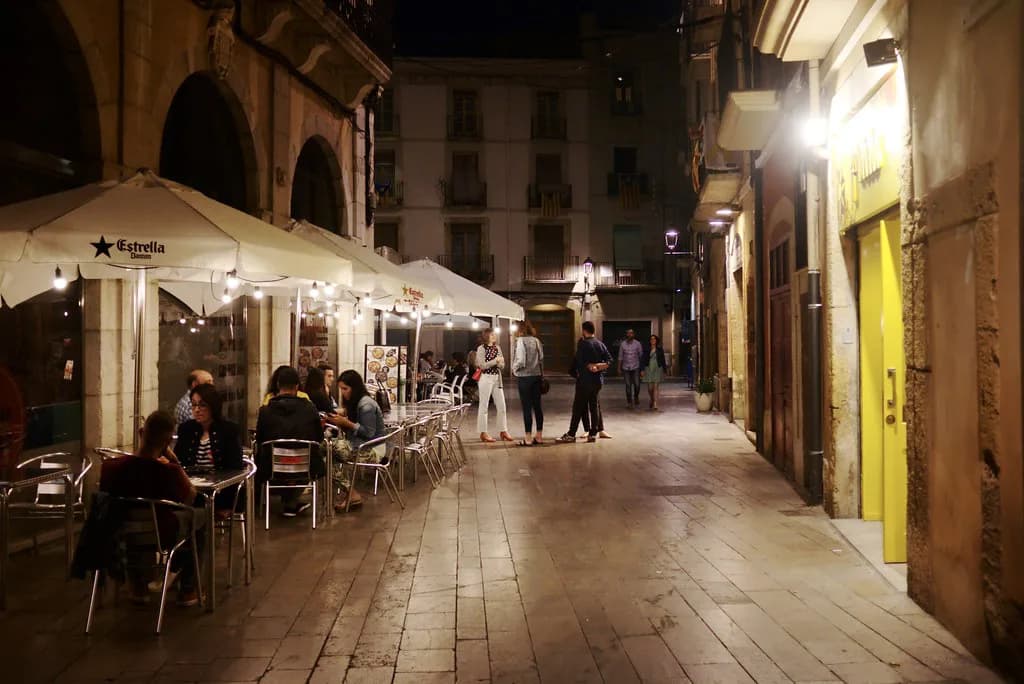
Lunch runs from about half past one to four, and dinner starts around half past eight or nine, with many kitchens not opening for dinner until nine. Service is relaxed, and if you sit down at nine you should not expect to leave much before half past eleven. Plan the evening around that rather than booking something afterwards.
The payoff for arriving early is space: at eight you may get the back patio of a place like Quim Quima entirely to yourself, while the locals arrive later. If you want atmosphere, eat late; if you want quiet and an early night, eat at eight and accept a thin room.
Ordering like a local: una caña, sharing plates, bread with tomato at every meal
Tapas are small plates for sharing, and the range runs from a caramelised apple and sunflower salad to mussels to boards of meat and cheese, so a table of two should order three or four and add more later. Ask for una caña when you want a beer and you will get a small glass of the house beer. Bread with tomato is not a side dish to skip; it is the through-line of the meal.
Read the board rather than the laminated menu, and if a dish comes with romesco or marinada wine, take the hint. The city's own flavours are on the menu for anyone who asks.
Putting a food day together around the Roman sights
Roman ruins are scattered through the city, barely a few blocks off La Rambla, with walls, an amphitheatre and aqueducts fenced off but visible from the street. Build the day around them: bread and tortilla in the morning, a vermouth before a one-thirty lunch, then the ruins in the afternoon while the kitchens are shut. Dinner comes late, so keep the evening free.
If you are in town when a castells colla is building a human tower, go and watch; the iron tower on La Rambla is the photo stop in the meantime. The towers are a source of real civic pride and appear on logos all over the city.
What to budget and how to read a menu without pictures
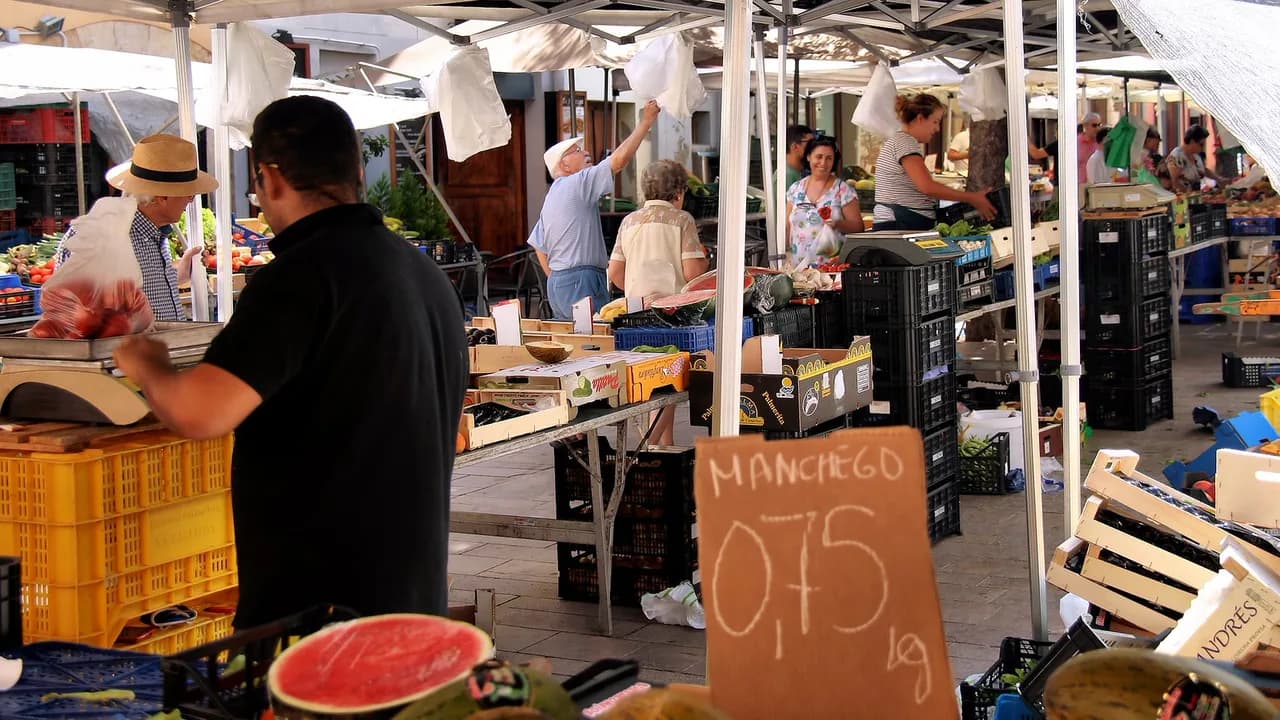
Menu prices vary by neighbourhood and by whether you are ordering a set lunch or a la carte, and the reliable move is to read the board at the door before sitting down. The menu del dia is usually the better value at midday, while dinner tapas add up quickly once you order a second round and a bottle.
Skip any restaurant whose menu is a wall of photographs; the rule works in Tarragona as it does elsewhere in Spain. A short list in Catalan, a daily board and a room with locals in it are better signals than a translated menu.
Plan Your Visit
Eat one meal in the old town and one in El Serrallo, try pa amb tomaca at La Botifarra, drink vermouth before lunch at Casa de Vermut and leave an evening for a late table at Quim Quima. Build lunch around one-thirty and dinner around nine, and use the afternoon for the Roman sights while the kitchens are closed.
If your dates are fixed, check the calendar before booking tables, since religious holidays and local festivals change opening patterns across the city. Tarragona in October is a good month for combining long lunches with sightseeing on foot.
Before you travel, confirm current opening days directly with the restaurant, as many places close one or two days a week. Then decide how many days you need, because two full days lets you eat in both the old town and the port without rushing either.
Explore more Tarragona guides
Frequently Asked Questions
What food is Tarragona known for?
Catalan cooking built on pa amb tomaca, seafood and rice from the port neighbourhood of El Serrallo, romesco sauce and local marinada wines. Vermouth before lunch is part of the food culture here, and tapas bars in the old town serve cheese, cured meat, salads and simple egg dishes alongside.
What is pa amb tomaca and how do you eat it?
It is toasted bread you finish yourself: rub a peeled garlic clove over the toast, then halve a tomato and rub it on to taste, and finish with olive oil and salt. It is served at breakfast, with tapas and alongside main dishes, and you can top it with cheese, cured meat or a fried egg.
Where can I eat tapas in Tarragona's old town?
La Botifarra is the address for pa amb tomaca and a spread of cheese, meat and salad tapas, and Quim Quima near the cathedral serves dinner with a wine list worth asking about. As a rule, choose a bar without photographs on the menu.
What time do people eat dinner in Tarragona?
Dinner starts around half past eight or nine, and many kitchens do not open for dinner until nine. Local diners often arrive closer to ten, so an eight o'clock table is quiet while a late table has the atmosphere. Expect a relaxed pace and a late finish.
Is Tarragona good for vegetarian and vegan food?
El Vergel is a fully vegan restaurant with an artisan beer list, and La Botifarra serves a vegetarian toast with cheese and honey alongside its tapas. Quim Quima has an apple salad and gluten-free options. Meat and seafood dominate most menus, so ask about vegetarian dishes directly.
What is romesco and where is it served?
Romesco is a nut and pepper sauce associated with Tarragona, particularly the fishing neighbourhood of El Serrallo, where it is served with seafood and vegetables. Pair it with a marinada wine, the city's local pour, for a lunch that tastes of the area rather than of a generic Spanish menu.
Should I order vermouth in Tarragona?
Yes, as an aperitif before lunch rather than with the meal. Casa de Vermut serves homemade vermouth over large ice cubes with an olive and an orange slice, which is the local style. At some bars the bottle is left on the table and you are charged for what you pour.
Where can I eat with a view of Roman ruins?
Xamfrà del Fòrum overlooks a stretch of Roman ruins with standing columns and serves a three-course set menu with complimentary water. It suits a midday sitting. The ruins themselves are scattered through the city, barely a few blocks off La Rambla.
Sources
Notes for eating well in Spain
Optional updates to our guides.
You might also like
Continue reading
More guides you'll find useful