Tarragona Itinerary: How to Plan One, Two or Three Days
Plan a Tarragona itinerary around Roman ruins, the old town, El Serrallo and Catalan food, with a one-day route and add-ons for two or three days.
On this page
Tarragona suits a single day if you concentrate on the Roman Amphitheatre, the cathedral and the old town, then choose either the beach or the harbour for the late afternoon. The historic centre is compact and walkable, and the ruins, the Part Alta and the seafront sit within a short stretch of each other. Add a second day for the Roman Circus, the Torre del Pretori and the market, and a third for Priorat wine country or the coast.
Why Tarragona Works as a Day Trip or Short Break
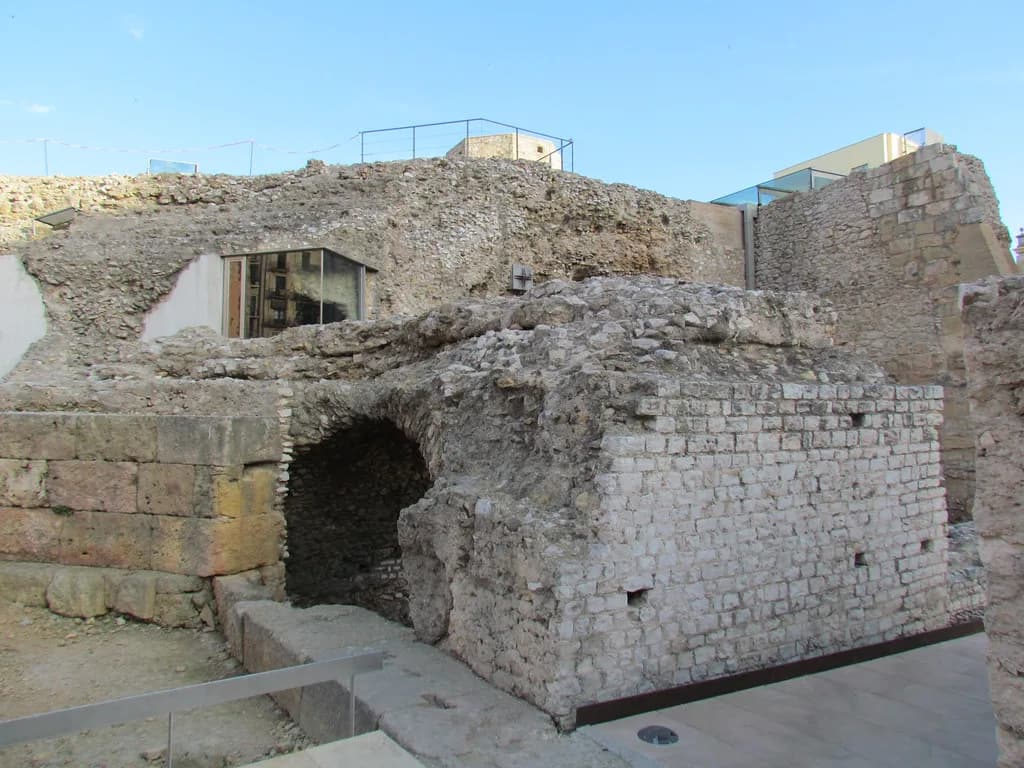
Tarragona was the oldest Roman settlement on the Iberian Peninsula, founded in the 3rd century BC as Tarraco and later a major administrative centre and port, and its Roman remains earned World Heritage status in 2000. Visitors get walls, an amphitheatre, a circus and a cathedral within a small, walkable area, rather than a checklist spread across a big city. The Mediterranean is at the bottom of the hill, so beach time slots into the same day.
The city is the capital of the Costa Daurada and sits about 62 miles from Barcelona, which makes it a straightforward day trip from the Catalan capital or a base in its own right. The old quarter rewards wandering between plazas and shaded terraces, while El Serrallo keeps working-port character alongside the marina.
How Much Time Do You Need in Tarragona?
One full day is enough for the highlights: coffee on Rambla Nova, the Balcó del Mediterrani, the amphitheatre, the cathedral and one afternoon activity, with lunch and dinner in between. A long weekend slows the pace and lets you take in the Roman Circus, the city walls and a day trip into the countryside. If you are weighing up the split between a single day and a longer stay, this breakdown of how many days in Tarragona you need matches the plan below.
Getting There and Around
Reus is the closest airport, about 15 minutes from Tarragona, with direct flights from several UK airports; from Barcelona, a direct train takes around an hour. Fares vary steeply with the time of day and how far ahead you book, with a return costing roughly £30 at the time of writing. Camp de Tarragona station sits about seven miles outside the city and connects to the centre by a regular bus or by taxi, a transfer of around 15 minutes, so build that into your timings.
Once in the centre, everything in the old quarter is on foot. El Serrallo lies beyond the centre along the seafront, reached on foot or by bike via the Passeig Marítim Rafael Casanova or by a local bus that takes around 25 minutes. Pick your route by mood rather than distance: the promenade adds sea views, the bus saves your legs.
Morning: Coffee on Rambla Nova and the Balcó del Mediterrani
Start slowly, as the city does. Sil Café on Rambla Nova is a sensible first stop for coffee on the palm-lined main boulevard before the shops open properly. A short walk brings you to the Balcó del Mediterrani, a curved balcony over the coast with views along the beaches and down to El Serrallo; local legend says touching the railing brings good luck.
If you are travelling in autumn, the light and the crowds change noticeably after the summer peak; this guide to Tarragona in October sets out what to expect from the weather and the season before you fix your dates.
Late Morning: Roman Amphitheatre and Passeig Arqueològic
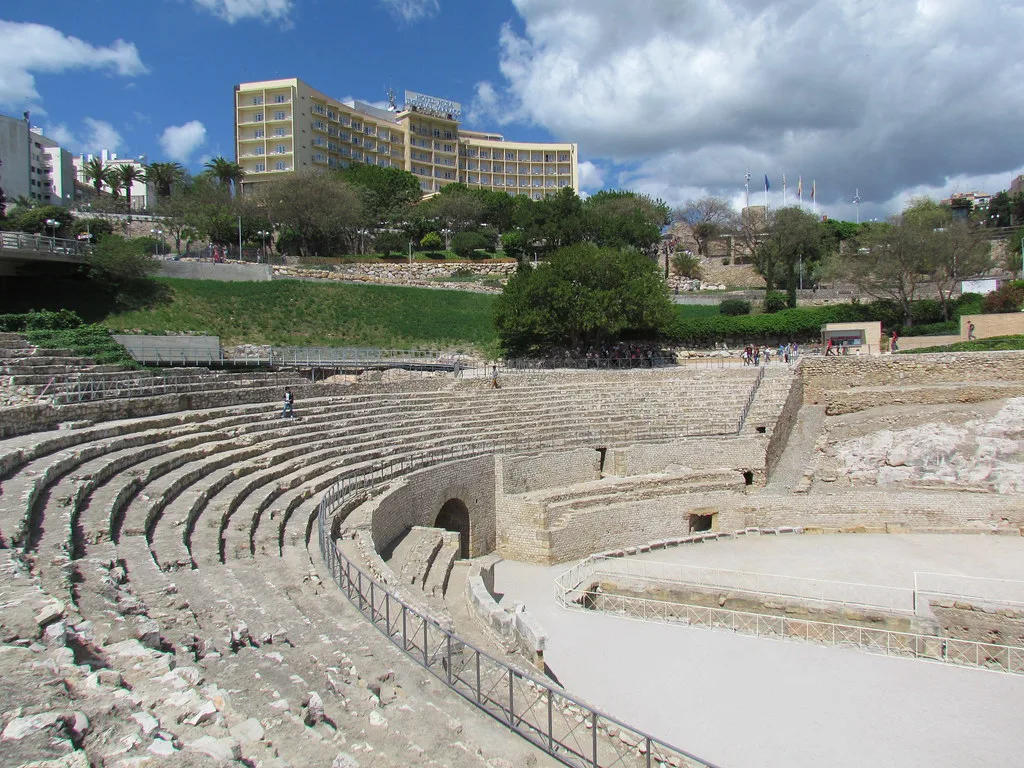
Head down from the balcony to the Roman Amphitheatre, a 2nd-century AD arena that held 14,000 spectators for gladiator fights, wild-beast contests and public executions. It sits beside the sea, and the information panels are in English, so a self-guided walk works well. Allow an hour.
The Passeig Arqueològic is the other essential Roman stop: a walk beside the great walls, which reach about 6 metres high and 4 metres thick in their later phase. A combined ticket covering the Passeig Arqueològic, the Torre del Pretori and the amphitheatre cost 7 euros at the time of the walk, though prices change, so confirm at the ticket office on the day. The walls open at 9.30am.
Midday: Tarragona Cathedral and the Streets of the Part Alta
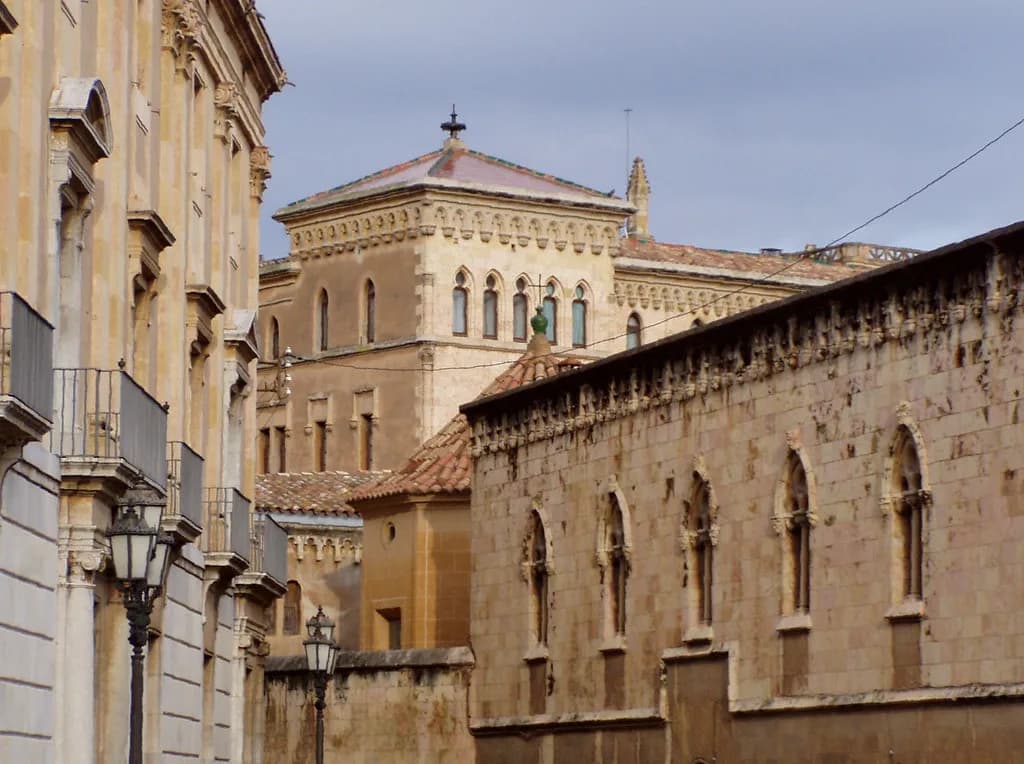
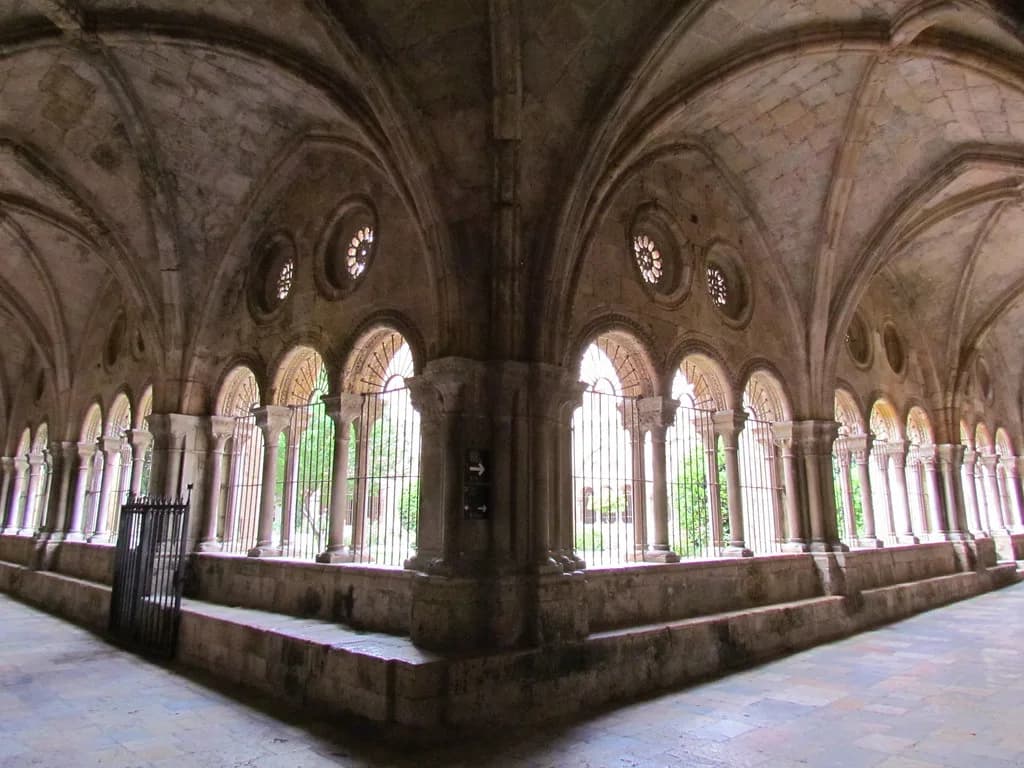
Climb Calle Major into the Part Alta, the old town, where the street rises gently to the cathedral on the city's highest point, a site once occupied by a Roman temple. The 12th-century building has a cloister garden that is one of the quietest spots in the city, and entry cost £10 per person at the time of publication, with tickets available in advance. Check the current price and opening times at the cathedral before you go.
Gelato from Mucca Da Latte Gelato on the way up is a fair reward for the climb, and the alleys behind the cathedral are made for a slow loop before lunch rather than a rushed circuit. Set aside 45 to 60 minutes for the cathedral interior and cloister.
Lunch: Seafood and Rice at El Llagut, or Sharing Plates at Casa Balcells
El Llagut, a small tavern on the corner of Plaça del Rei, is our pick for a leisurely lunch: start with mussels and fried artichokes, follow with the mascueta, a rice dish with romesco peppers and clams, and finish with lemon sorbet. The wine list leans on Priorat and Montsant, the nearby red-wine regions. Book a table for the Spanish lunch window of 1.30pm to 4pm rather than turning up at 1pm.
If seafood is not the mood, Casa Balcells near the cathedral serves sharing plates and tapas at lunch, with meat, vegetable and seafood dishes, and its terrace looks up at the cathedral. Either way, lunch is the main meal of the day here, so eat properly and treat dinner as a later, lighter affair.
Afternoon Choice One: Beach Time at Platja del Miracle, Platja Arrabassada or Savinosa
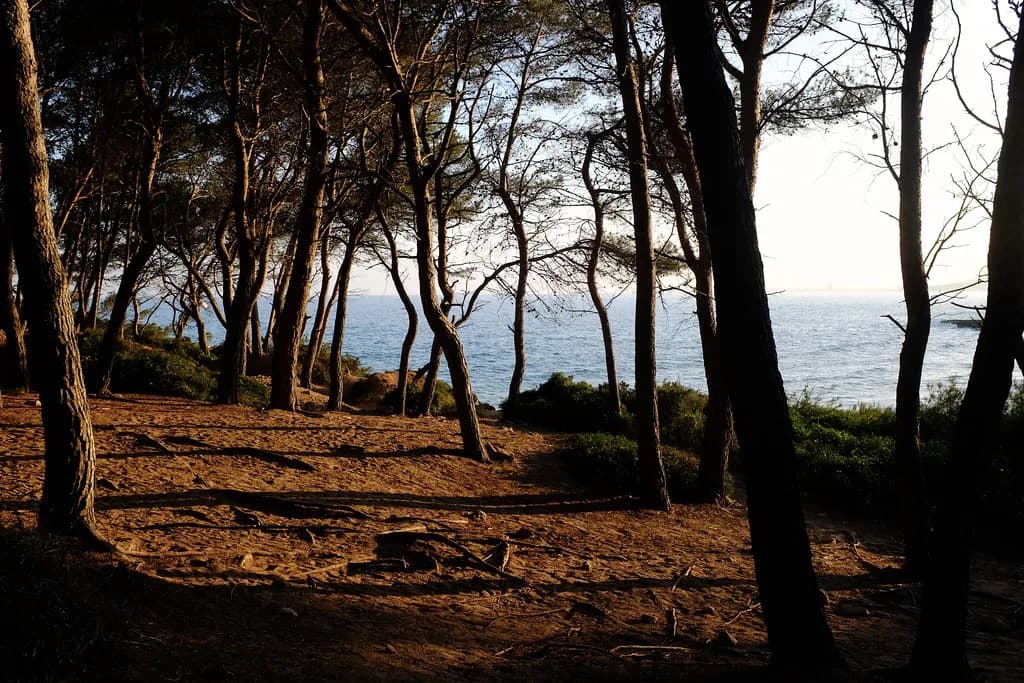
Tarragona's coastline runs for some 15km, and three beaches are within easy reach of the centre: Platja del Miracle, Platja Arrabassada and Savinosa, the last nudist-friendly. Platja del Miracle is the simplest add-on because it sits directly below the old town and the amphitheatre, so you lose no travel time. Arrabassada is a longer walk or a short bus ride and feels more like a local beach.
This is the day's real fork: a beach afternoon keeps you close to the centre and puts you back in the old town for vermut and dinner. The harbour option below trades sand for a working port and a different dinner setting.
Afternoon Choice Two: The Walk to El Serrallo Harbour
The alternative is a stroll along the Passeig Marítim Rafael Casanova from the centre to El Serrallo, with views over the sea and the beaches the whole way. The district is still a working fishing port, where the day's catch comes in alongside the yachts, edged by pastel buildings, bars and restaurants. Selvático Beach Club's roof terrace is a good spot for a late-afternoon drink, and the walk back into the old quarter is the same pleasant stretch in reverse.
Late Afternoon: Vermut and Small Plates
Vermut is the local aperitif, a herbier relative of vermouth made from white grapes grown near Reus and served chilled, often long over ice with a slice of orange. Tarakon in Plaça del Fòrum, on a terrace near the cathedral, is our first stop; Espaivi, Lola Bistro and El Tamboret are equally good for local wines and sharing plates. It is deceptively strong, so pace yourself before the evening meal.
Sunset: The Roof Terrace of the Roman Circus
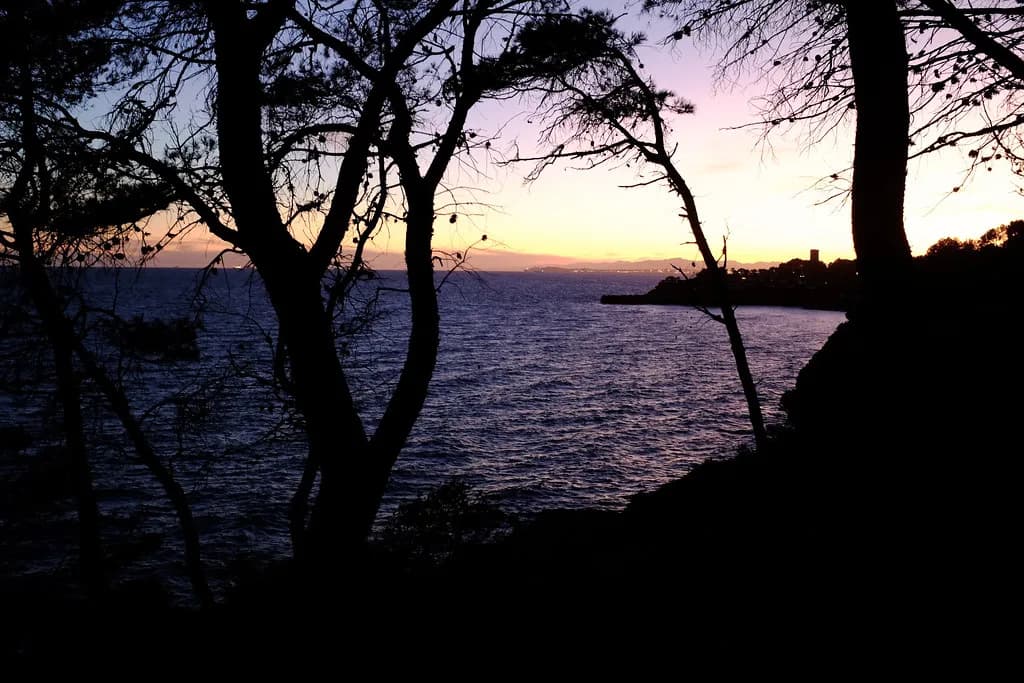
The 1st-century Roman Circus, built for chariot racing, still has its walls, gateways and tunnels intact, and the roof terrace gives the best golden-hour view in the city, over the streets and the cathedral. Take the lift rather than the stairs. Quirky as it sounds, an ancient racetrack is one of the best sunset spots in Catalonia.
Dinner: El Posit in El Serrallo or Casa Balcells by the Cathedral
If you chose the harbour, El Posit on the waterfront serves fried anchovies, cod fritters, oysters and monkfish stew with romesco, plus meat dishes including roasted pork ribs and Iberian ham croquettes. If you stayed in the old town, Casa Balcells near the cathedral covers sharing plates, tapas, paella and traditional Catalan cooking, with a cathedral view from the terrace. Dinner starts from 8.30pm to 9pm, so a late-afternoon vermut is not an early dinner but a bridge to it.
Adding a Second Day
Day two fills the gaps: the Roman Circus and the Torre del Pretori, a Roman tower later used as a castle and a prison, which share a combined ticket and a single entrance route. The tower's narrow steps lead to a panoramic view of the city, worth a return trip even after you have seen the circus. Note the tower and circus together take a couple of hours.
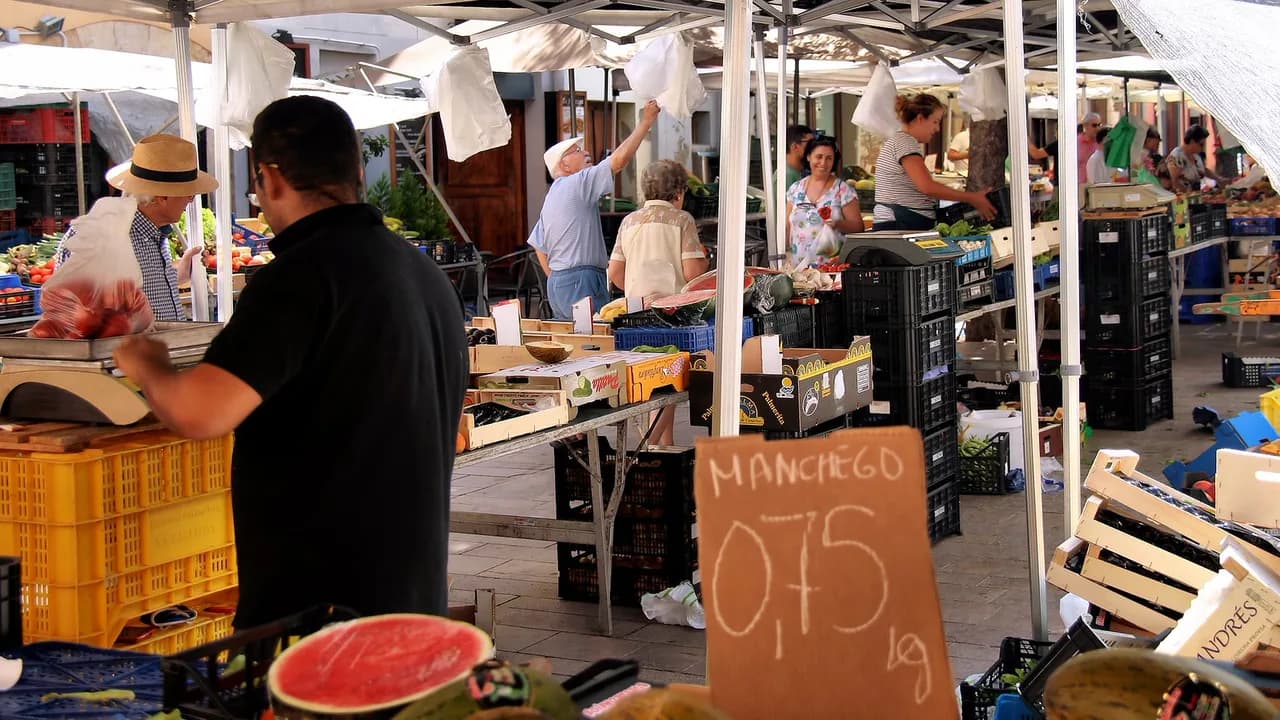
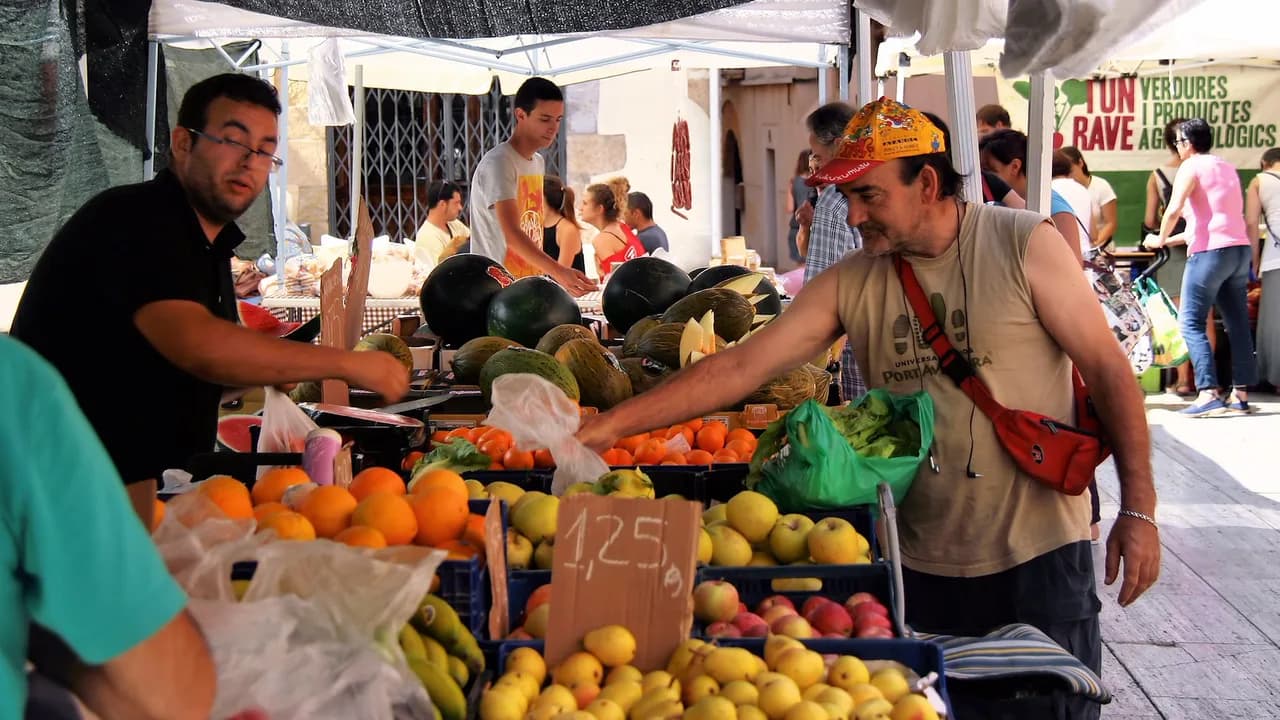
For lunch, the Mercat de Tarragona is the untouristy option: stalls with small stoves cook fish and seafood to order, and you can pick squid or octopus and eat it on the spot. The city's market scene is worth an hour of its own, and this guide to Tarragona markets covers the rest. Afterwards, take EMT bus number 5 from Plaça Imperial Tàrraco to the Pont del Diable aqueduct, roughly 15 to 20 minutes, and allow at least an hour at the site.
Adding a Third Day: Priorat, Montsant, Siurana and the Coast
Priorat is the obvious third-day trip: dramatic hillside vineyards, earthy red wines and hilltop villages, with Montsant next door and Siurana within reach. Wine tours run from Tarragona with hotel pick-up, or you can drive the region yourself. Alternatively, stay closer to sea level and work along the Costa Daurada beaches.
Where to Stay
H10 Imperial Tarraco suits a sea-view stay with two pools, a roof terrace bar, a gym and a small spa. AC Marriot Tarragona sits between the centre and the beach, B&B Hotel Tarragona is a small central option, and Corsini Apartment and Apartamentos Astoria cover self-catering stays in the centre or between beach and centre. Book early for summer weekends, when the historic centre's small hotels fill up.
Practical Trade-offs: Beach Versus Harbour, and Spanish Meal Times
The beach-or-harbour choice is the one planning decision that reshapes the day. A beach afternoon puts vermut in the old quarter and dinner at Casa Balcells; a harbour afternoon points you towards Selvático Beach Club and El Posit. Neither is wrong, but commit early so you are not walking between them at the last minute.
Spanish meal times drive everything else. Lunch runs 1.30pm to 4pm and dinner starts around 8.30pm to 9pm, so a sit-down lunch at El Llagut is the main event, and dinner at El Posit or Casa Balcells follows a vermut rather than replacing it. If you want to see how a fuller itinerary compares with another Andalucian city, this practical Ronda itinerary is a useful contrast.
Plan Your Visit
Build the day around the amphitheatre, the cathedral and one afternoon choice, then add the Circus, the market and the aqueduct for a second day. Book lunch and dinner tables for the Spanish windows of 1.30pm to 4pm and 8.30pm to 9pm, and check the cathedral, walls and transport details before you travel.
Explore more Tarragona guides
Frequently Asked Questions
Is one day in Tarragona enough?
Yes, for the highlights: the amphitheatre, the Balcó del Mediterrani, the cathedral and one afternoon activity, plus lunch and dinner. The historic centre is compact and walkable, so a single well-planned day covers a lot. Add a second day for the Roman Circus, the Torre del Pretori and the market.
How long does it take to get to Tarragona from Barcelona?
A direct train takes around an hour. Note that Camp de Tarragona station sits about seven miles outside the city, so add a bus or taxi transfer of around 15 minutes into the centre. Reus, the closest airport, is about 15 minutes away.
What should I do in Tarragona in one day?
Start with coffee on Rambla Nova and the Balcó del Mediterrani, then the Roman Amphitheatre and the Passeig Arqueològic walls before lunch. Climb to the Part Alta and the cathedral, then choose the beach or the El Serrallo harbour for the afternoon, followed by vermut and dinner.
Where should I eat in Tarragona?
El Llagut on Plaça del Rei for seafood and rice, including the mascueta with romesco and clams, or Casa Balcells near the cathedral for sharing plates and tapas. For dinner, consider El Posit on the El Serrallo waterfront or Casa Balcells again. The Mercat de Tarragona is a good market lunch.
How do I get to the Pont del Diable aqueduct from Tarragona?
Take EMT bus number 5 from Plaça Imperial Tàrraco in the city centre; the ride takes roughly 15 to 20 minutes. Plan at least an hour at the aqueduct, and take the same bus back.
What is there to do in Tarragona in the evening?
Vermut and small plates at Tarakon in Plaça del Fòrum, Espaivi, Lola Bistro or El Tamboret, then the Roman Circus roof terrace for sunset. Dinner starts around 8.30pm to 9pm, at El Posit in El Serrallo or Casa Balcells by the cathedral.
Is Tarragona worth visiting?
It has World Heritage Roman remains, a cathedral and a compact old town, with the Mediterranean at the bottom of the hill. That makes it a strong day trip or short break, especially if you want history and beach in one city.
Which is better, Salou or Tarragona?
Tarragona is the historic city with Roman sights, the Part Alta and El Serrallo, while Salou is a resort base. Tarragona works well as a day trip from Salou or Cambrils, so you can have both.
Sources
Notes for eating well in Spain
Optional updates to our guides.
You might also like
Continue reading
More guides you'll find useful