Tarragona in October: Weather, Crowds and What to See
Tarragona in October brings mild, breezy days of around 22°C, quieter beaches and Roman sights to explore. Here is what to plan around and what to skip.
On this page
October is one of the easiest months to see Tarragona: typical days run from a high of about 22°C down to 15°C, described as mildly cool and breezy, which suits walking the Roman ruins far better than the August heat of 29°C. Daylight averages 11.2 hours, so a properly ordered day covers the amphitheatre, the circus and the walls without rushing. This guide sequences the sights, beach and food around those conditions.
What October in Tarragona is actually like
Expect average daytime highs around 22°C and overnight lows near 15°C, with a breeze that makes the shade feel cooler than the number suggests. The same averages put humidity at 72% and the chance of rain at 21%, with roughly 0.086 inches of precipitation, so a dry week is likely but not guaranteed. Treat all of these as historical averages rather than a forecast for your dates.
Daylight shortens noticeably, with sunrise around 8:03am and sunset around 7:13pm on the averages given. That still leaves a full morning and afternoon for ruins, but it argues against leaving the aqueduct walk until late. Cloud cover averages 57%, which keeps photography flat at midday and softer towards evening.
The practical comparison is with high summer: August averages 29°C highs and 22°C lows. October removes the need to shelter during the middle of the day and makes the exposed Roman sites genuinely pleasant. Pack a light layer for evenings and something windproof for the coastal path.
Why October suits a city-and-ruins trip
Tarragona's main sights are outdoors and spread across the old town and the coast, so comfortable temperatures matter more here than in a museum-heavy city. October's range lets you walk the walls, the circus and the amphitheatre in one stretch without the midday retreat that July demands. It also keeps the sea warm enough that swimming is still plausible.
One traveller review of Playa El Miracle notes people swimming and scuba diving there in mid-October, with clear water and fine sand. That is anecdotal rather than a guarantee, but it tells you to pack swimwear rather than assume the season is over. The same beach gets crowded at weekends even outside summer.
The Roman set piece: amphitheatre, circus and walls
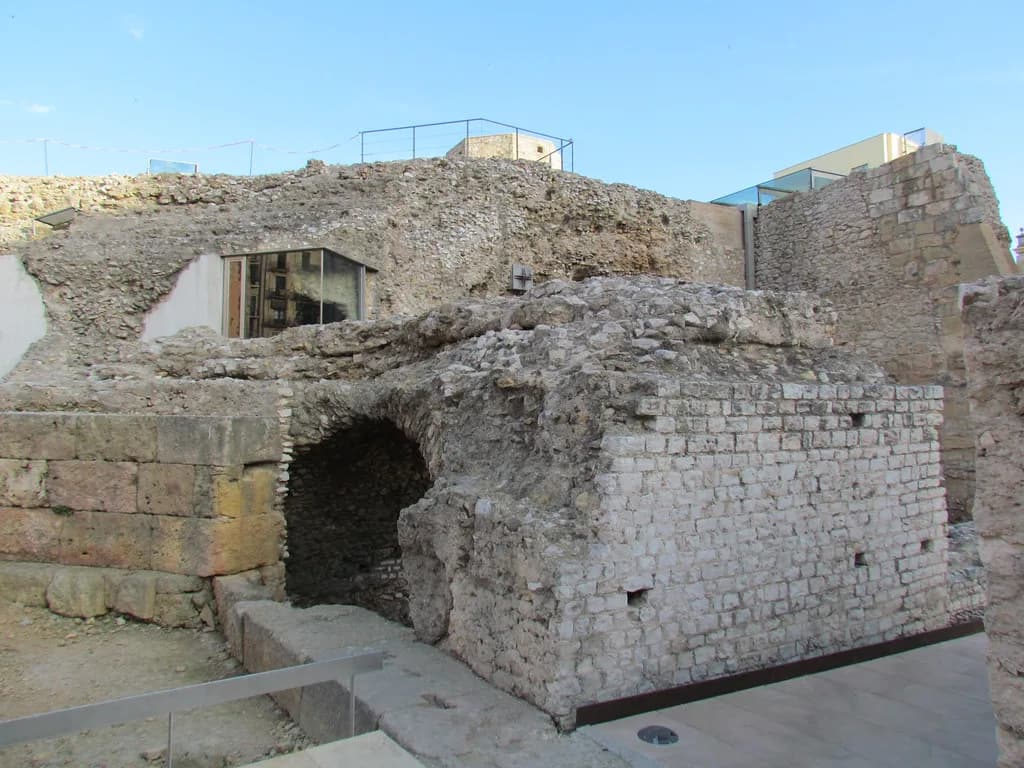
Start at the Roman Amphitheater of Tarragona, the coastal ruin where gladiatorial fights and public spectacles took place, and give it the morning light. Move inland to the Circ Roma, the open-air and underground remains of the first-century chariot-racing track and tower, then finish on the Muralla Romana, the fortification built in the third century BCE. Doing them in that order follows the geography and keeps you moving down towards the sea rather than back up.
The National Archaeological Museum of Tarragona, which holds mosaics and sculpture from the Roman city, is listed as temporarily closed. Build your day around the outdoor sites and check before relying on it for a wet-weather plan.
If your trip stretches beyond a single day, work out the shape of it before booking: our guide to how many days in Tarragona you need sets out what fits into one, two or three days. A two-day version splits the Roman core from the aqueduct and the beach.
The Ferreres Aqueduct and the walk out of town
The Ferreres Aqueduct, a first-century Roman structure now popular for scenic walks and picnics, sits outside the city centre and rewards the walk more in October than in summer. Cooler air makes the approach comfortable, and the site itself has enough shade and open ground for a relaxed hour. Bring water and something to sit on rather than planning a full meal there.
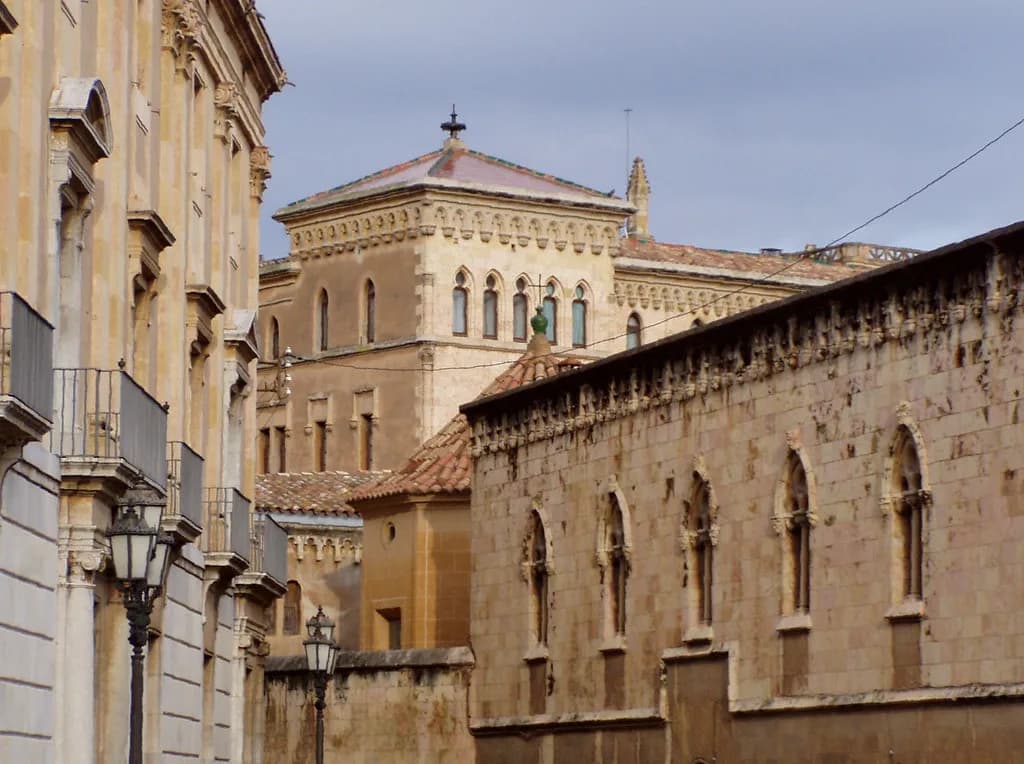
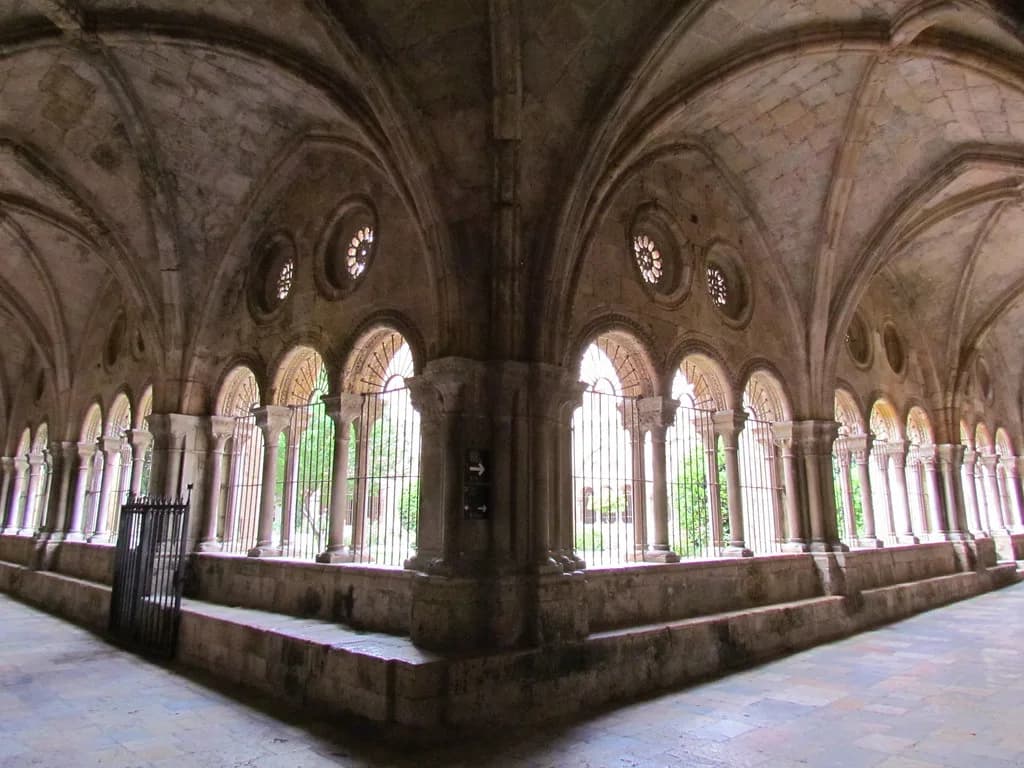
Pair it with the Passeig Arqueològic and the old town afterwards, where the walls, the cathedral exterior and Plaça dels Sedassos sit close together. The cathedral, Tarragona's main religious building, anchors the upper town and is worth seeing from the surrounding streets even on a short visit. Keep the aqueduct as a half-day and the old town as the other half.
Free views: the Balcón del Mediterráneo and Rambla Nova
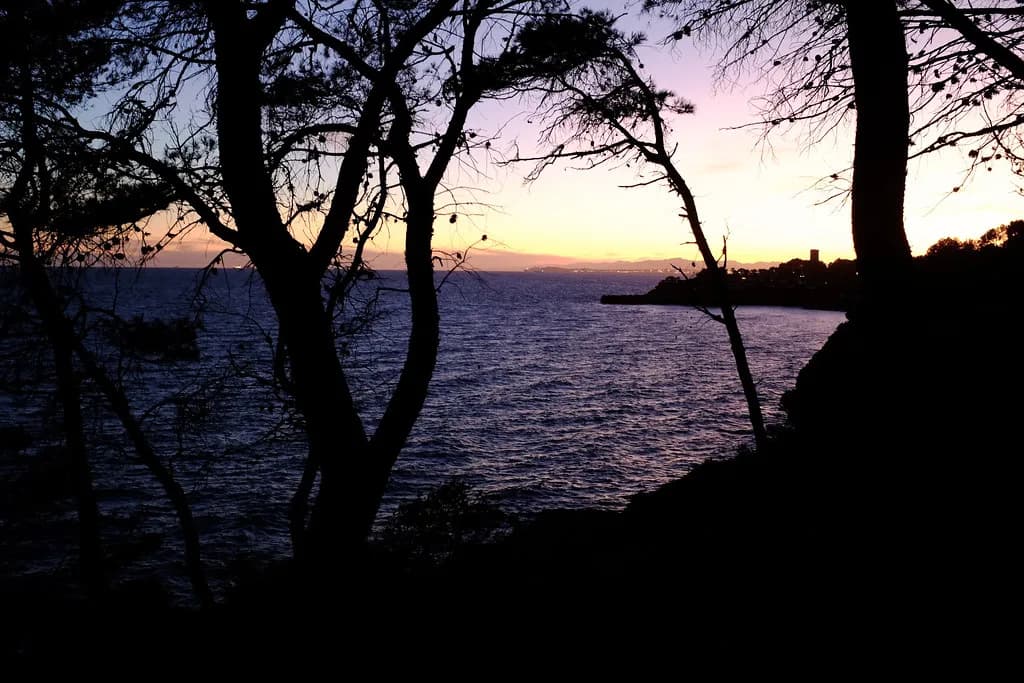
The Balcón del Mediterráneo is an observation point above the sea with views over the port, the beach and the amphitheatre. Use it as an alternative to a paid viewpoint when your budget is going on food instead. It works best in late afternoon light.
Rambla Nova is the pedestrian spine of the modern city, lined with shops and places to eat, and it makes a sensible route between the old town and the beach. October is a good time for browsing without the crush. See our shopping in Tarragona guide if you want to plan that stretch properly.
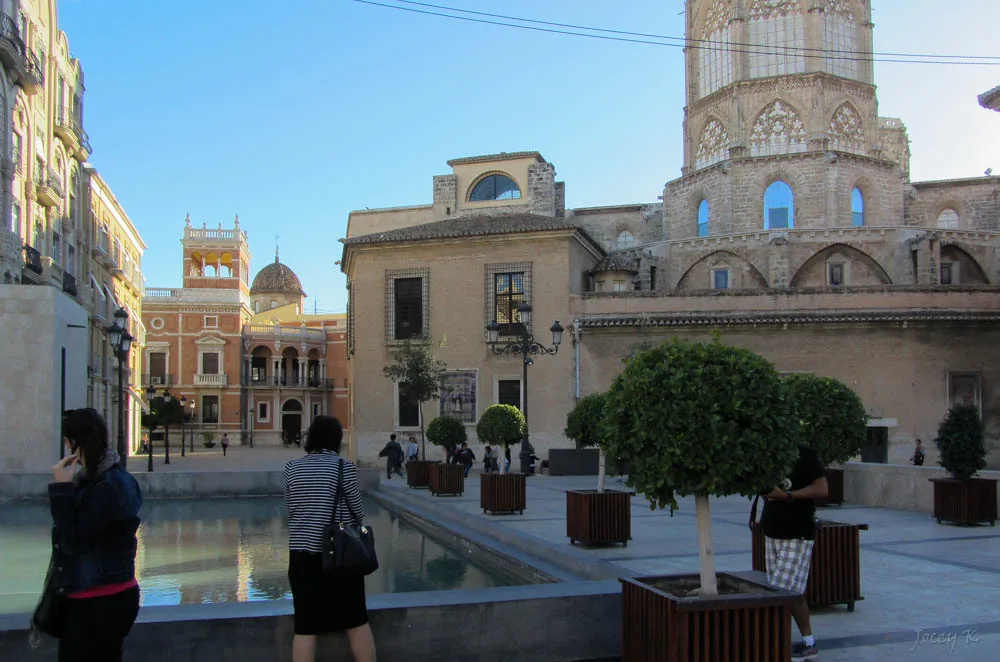
El Miracle beach in October
Playa El Miracle is the city beach, a long, reasonably shallow stretch of sand within walking distance of the centre. Access is the thing to know: one entrance sits at the end of the Rambla and a second is tucked behind the amphitheatre on the far left side of the beach. There is also an elevator down to the sand, useful if stairs are a problem.
Reviews describe clear water, fine sand with pockets of shells, and a beach that stays busy at weekends. Showers run along the beach, and some visitors rate the beaches outside the city more highly than this one. In October you get the convenience of a city beach without the peak-summer density.
El Serrallo: seafood and tapas by the port
El Serrallo is Tarragona's maritime quarter, with pastel fishermen's houses, tapas spots and seafood restaurants spreading onto a broad walkway near the harbour. It is where you eat fish rather than where you tick off monuments. For a wider list of addresses, see our pick of the best restaurants in Tarragona.
Casa Balcells is named among the city's Mediterranean restaurants and is the obvious sit-down option if you want a proper lunch rather than a plate of tapas. Spanish lunch service runs from about 1:30pm to 4pm, so aim to be seated by 2pm. Dinner starts from around 8:30pm to 9pm, which leaves the late afternoon free for the beach or the viewpoint.
If you would rather graze, our guide to the best tapas in Tarragona covers the bars worth building an evening around. Order a few plates at a time and keep the pace slow, as the locals do.
October dates: 12 October and the festival calendar
Hispanic Day falls on 12 October and is a public holiday, so expect a different rhythm to the rest of the month and plan the day around it instead of relying on normal service. Nothing sets out which businesses open or close, so look up individual places before committing to a long lunch.
The official Tarragona tourism calendar is where festival and cultural dates are published, including the Mediterranean Guitar Festival, which lists 28 March and 6 May to 28 October 2026. Use it to confirm what is on during your stay rather than relying on general guides. Dates shift year by year.
Castells: the monument and the real thing
The Castellers Monument on Rambla Nova is a bronze sculpture by Francesc Anglès showing hundreds of bodies forming a human tower, and it explains the tradition even when no performance is happening. Human towers, or castells, are the Catalan practice of building them, and the sculpture is the reliable way to see the idea represented.
For actual performances, the tourism calendar is the only dependable source for dates, and it should be checked close to your trip. Do not assume a competition falls in your week. Colles also perform at wider Catalan festivals, so a flexible itinerary helps.
Day trips that suit October weather
Els Ports Natural Park, a rugged reserve of mountains, forests and valleys, works well in autumn when the colours turn and walking is comfortable; the same applies to the GR-92 coastal trail, which follows cliffs and coves along the Mediterranean. Both are full days out of the city.
A wine visit to the Priorat region is the other natural pairing, with tastings and vineyard tours as the vineyards prepare for the harvest. Book ahead rather than turning up, since visits are usually by arrangement.
If you are comparing October destinations more broadly, other Spanish options trade this mild, breezy climate for different conditions. Alicante in October offers a comparable Mediterranean feel if you want to weigh how the two cities compare.
A realistic one-day plan
Begin with the amphitheatre soon after opening, then the circus and the walls while the morning is still cool. Break at El Serrallo or Casa Balcells around 2pm, which fits the Spanish lunch window and gets you out of the wind. Walk the Rambla Nova afterwards and finish at the Balcón del Mediterráneo for the late-afternoon view.
If you want to add the aqueduct or a beach afternoon, spread the plan over two days rather than squeezing it in. El Miracle is a ten-minute walk from the amphitheatre and easy to slot in after lunch.
Practical trade-offs to plan around
Some visitors prefer March to October for a Tarragona trip, and forum threads weigh the two without a clear verdict. October's advantage is warmer sea and a summer that has not quite ended; its disadvantage is shorter evenings once the clocks change.
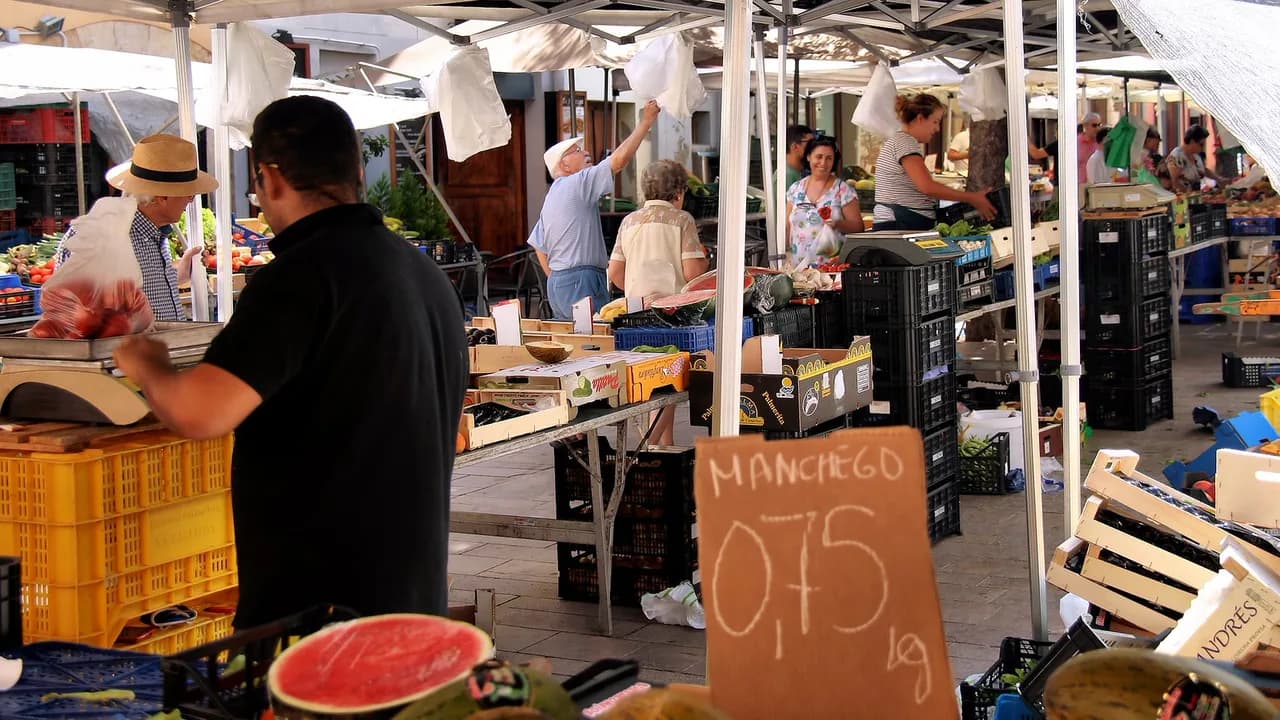
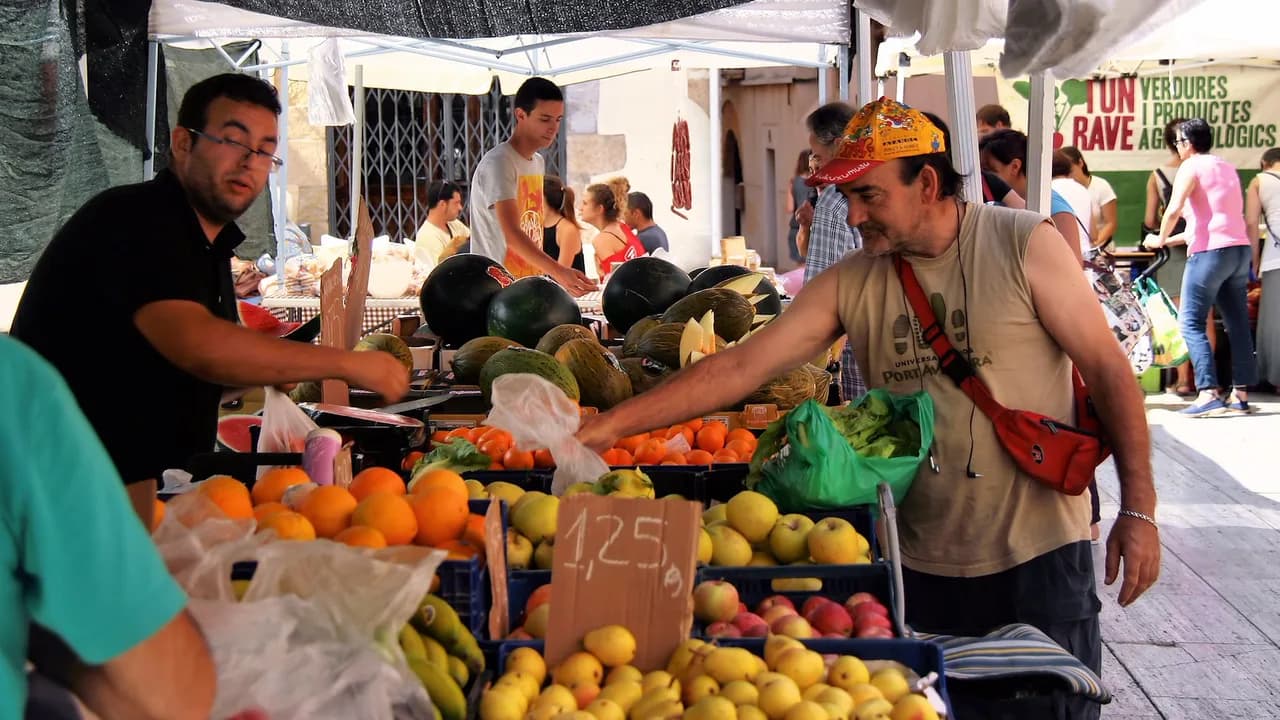
The city's markets are worth a morning, and our Tarragona markets guide covers which ones to visit. Food timing shapes everything else: lunch runs 1:30–4pm and dinner from 8:30–9pm, so build sightseeing around those windows rather than fighting them.
Allow for places closing one or two days a week. Confirming opening days before you travel saves a wasted walk on a short break, and the same applies to seasonal August and winter closures. Our broader Costa Daurada coverage links the city sights with the wider region.
Plan Your Visit
October gives you the version of Tarragona that works best on foot: 22°C highs, a breeze, a sea still warm enough for a swim, and Roman ruins that do not require hiding from the sun. Sequence the amphitheatre, circus and walls in the morning, eat a proper lunch in El Serrallo, and keep the Balcón del Mediterráneo for the evening. If you want the shape of the full trip laid out hour by hour, start with our Costa Daurada itinerary and adjust for the weather.
Check the official calendar for festival dates and opening days for the places you care about most before you book. Everything else in October tends to fall into place.
Explore more Tarragona guides
Frequently Asked Questions
Is Tarragona warm in October?
It is mild rather than hot. Average highs sit around 22°C with lows near 15°C, and the breeze can make shaded streets feel cooler. Humidity averages around 72%, so a light layer is useful in the evening even on a pleasant day.
Can you swim at El Miracle beach in October?
Swimming is realistic, with visitors reported in the water in mid-October and the beach described as having clear water and fine sand. Sea conditions vary year to year, so judge it on the day. Access is at the end of the Rambla or behind the amphitheatre on the far left of the beach.
What is the National Archaeological Museum of Tarragona like?
It houses mosaics, sculpture and other finds from the Roman city, but it is listed as temporarily closed. Plan the outdoor Roman sites as your backbone and check before relying on the museum as a wet-weather option.
Is 12 October a good day to visit Tarragona?
Hispanic Day on 12 October is a public holiday, so the city runs on a different rhythm that day. Which businesses open or close is not set out in the sources, so confirm any lunch or museum plans before you travel.
Where can you see castells in Tarragona?
The Castellers Monument on Rambla Nova shows the human towers in bronze and explains the tradition at any time of year. For actual performances, check the official Tarragona tourism festival calendar, since dates change and are not fixed to October alone.
How many days do you need in Tarragona in October?
Two days covers the Roman core, the old town and either the aqueduct or a beach afternoon at a comfortable pace. One day is enough for the amphitheatre, circus, walls and the Balcón del Mediterráneo if you start early.
What should I pack for Tarragona in October?
Pack light layers, something windproof for the coastal path, and swimwear if you plan to use El Miracle. Sunrise is around 8:03am and sunset around 7:13pm on average, so evenings arrive earlier than in summer.
Sources
Notes for eating well in Spain
Optional updates to our guides.
You might also like
Continue reading
More guides you'll find useful