Nerja Itinerary: 1, 2 or 3 Days on the Costa del Sol
Plan a Nerja itinerary of one to three days with the Balcón de Europa, Burriana Beach, the Nerja Caves and day trips to Frigiliana and Maro.
On this page
Two full days are enough for Nerja: the first for the Balcón de Europa, the beaches and Burriana, the second for the Nerja Caves and the old-town viewpoints. A third day is best spent outside town, in Frigiliana, in Maro, or on a marked trail in the Sierras de Tejeda, Almijara y Alhama Natural Park.
Plan the days around Spanish eating times rather than British ones. Lunch runs from about 1:30pm to 4pm and dinner starts at 8:30pm or later, so a long beach afternoon and a late table in the old town fit together comfortably.
How many days you need in Nerja
One day works only if you pick a lane: the Balcón de Europa, a walk down to Calahonda and Caletilla beaches, and a few hours on Burriana Beach. Adding the Nerja Caves to that same day means cutting the beach short, because the cave route takes about 45 minutes on foot inside and the journey out sits east of town.
Two days give you the town and the caves without rushing, plus a proper evening along the restaurant streets. Three days let you leave Nerja entirely for a white village, the cliffs at Maro or a mountain hike, which is where the coast stops feeling like a resort strip.
When to go
April, May, late September and October are the sweet spot, with temperatures that hover in the low twenties Celsius and beaches that are not yet or no longer packed. Mid-July through mid-September is the busiest stretch, so expect crowded sand and slower service at the busiest hours.
The town also has a different character in high summer, when the promenade fills in the evening and the beach bars do their heaviest trade. If you are travelling in August, book accommodation early and treat the beach as a morning activity rather than an afternoon one.
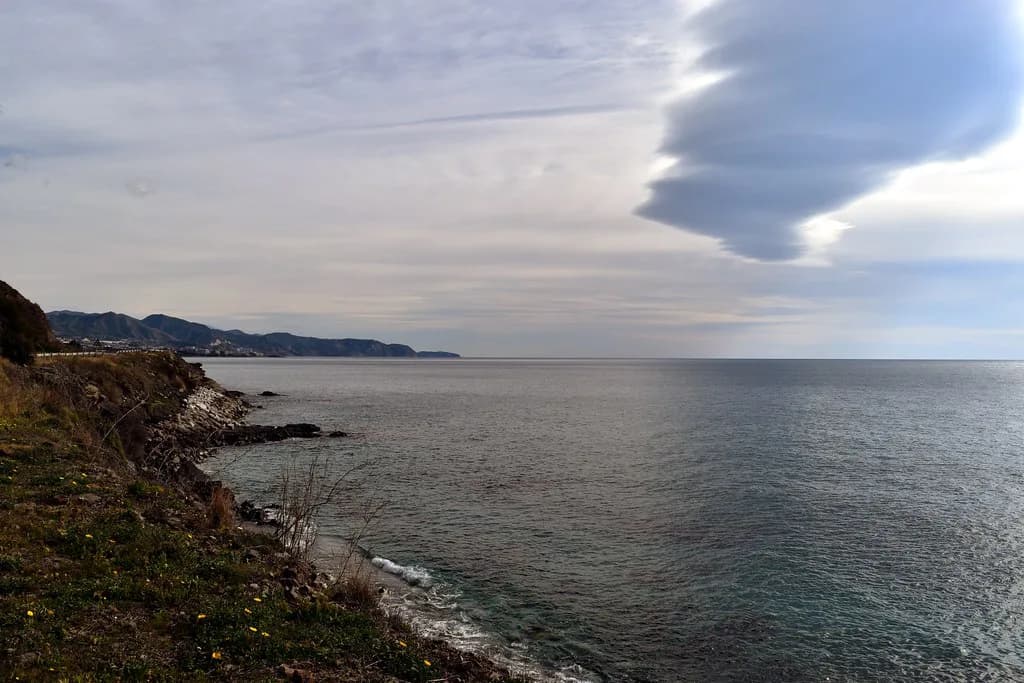
Weather data for the area describes summers as hot, dry and mostly clear and winters as cool, windy and partly cloudy, which is a useful frame for packing. The practical takeaway is sun protection and shade for summer trips and a windproof layer for winter walks along the seafront.
Day 1 morning: Balcón de Europa and the old town
Start at the Balcón de Europa, the headland terrace that once held the watchtower of a ninth-century fortress and now gives views over the coastline and the Sierra de Almijara. Walk the palm-lined Paseo Balcón de Europa into the old quarter and look into the Church of El Salvador, built in the late 1600s and decorated with ceramic tile plaques and frescoes.
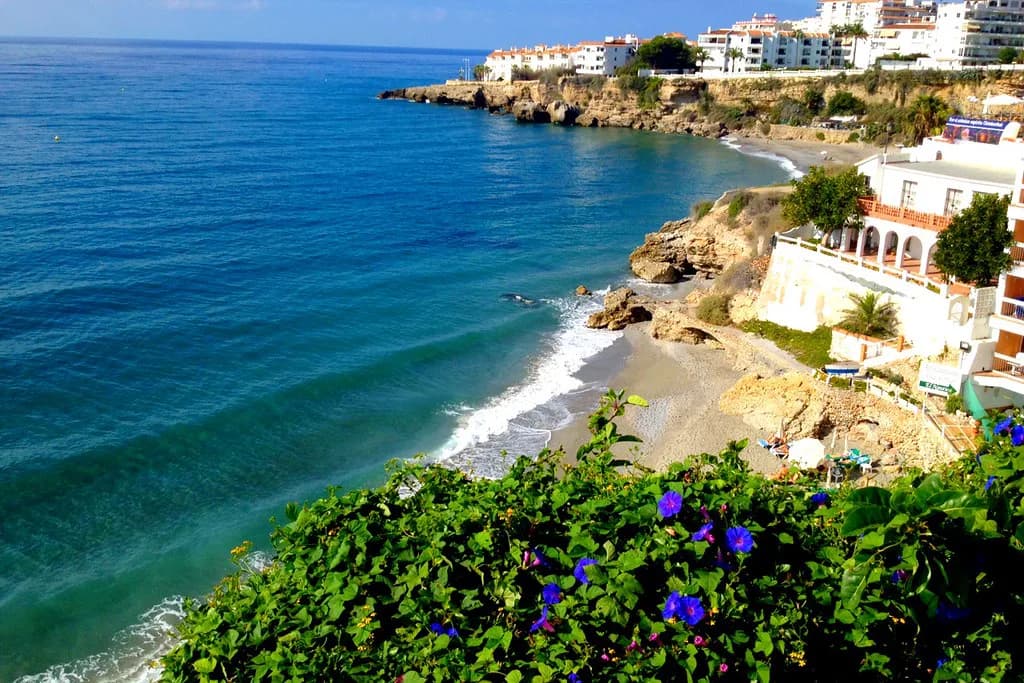
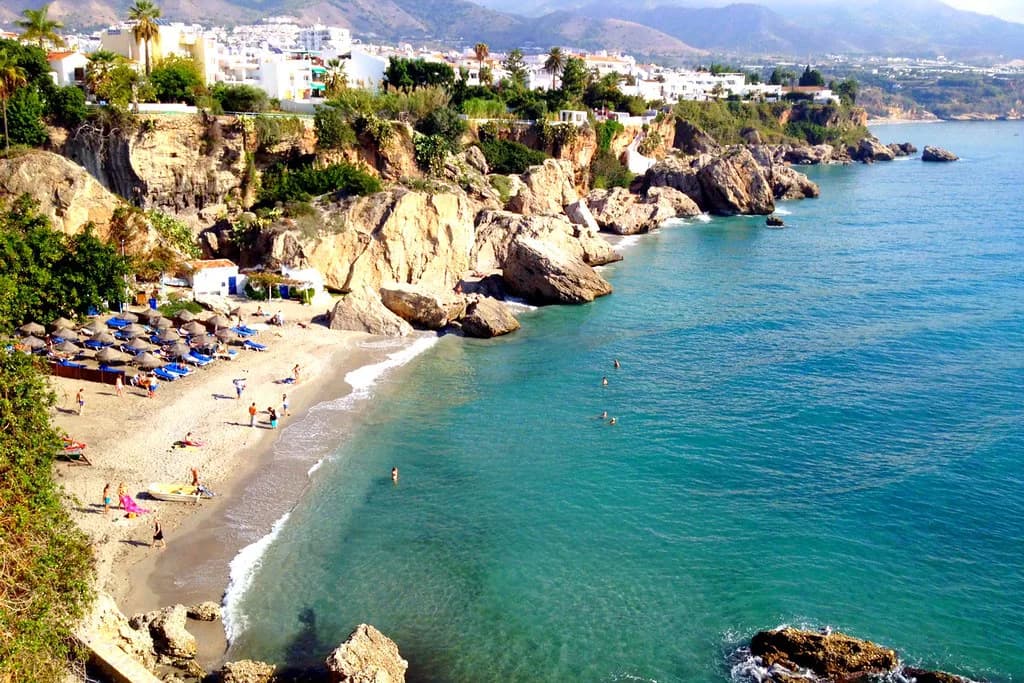
From the plaza, go through the Boquete de Calahonda beside the Moorish-style fountain and take the steps down. A path to the left runs behind Calahonda beach for views back up at the Balcón, while continuing straight takes you underneath the balcony towards Caletilla beach and up to a lookout with El Salon beach on one side.
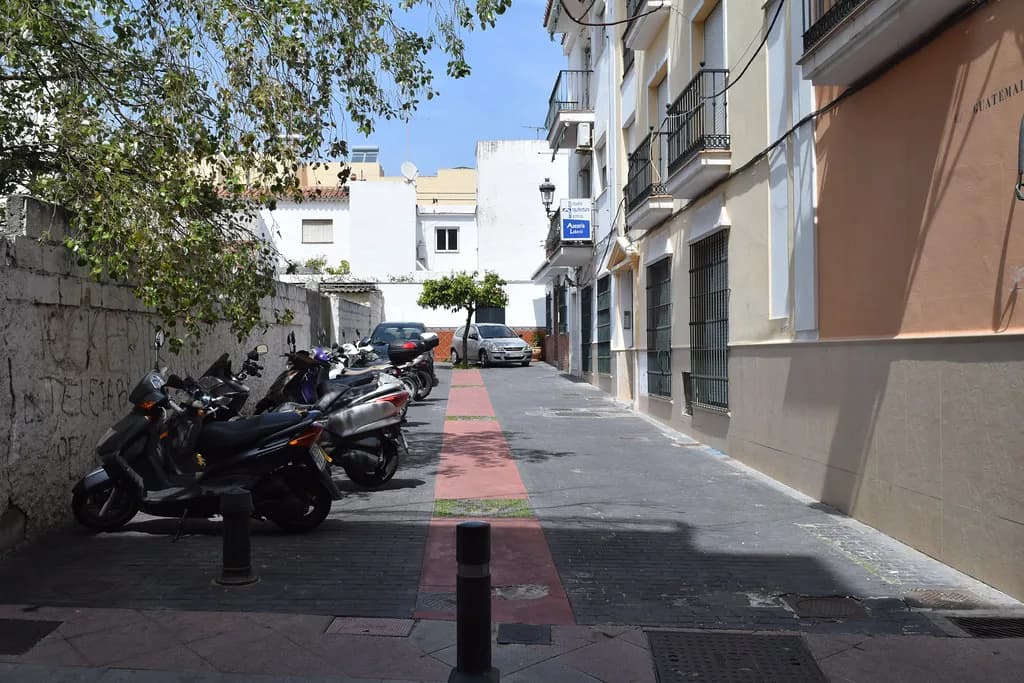
Keep the morning loose: this is a walk of short hops and photo stops rather than a route with a schedule. Note that parking in the old town is difficult, so anyone arriving by car should leave it further out and walk in.
Day 1 lunch: paella at Ayo's on Burriana Beach
Head east to the far end of Burriana Beach for Ayo's, an outdoor outfit under a pyramid-shaped roof with the name in large lettering. It serves all-you-can-eat paella at lunchtime, cash only, with the pans firing up around noon and running into the mid to late afternoon, so arrive early rather than late.
The walk from the Balcón de Europa to Burriana takes about 20 minutes, which is a reasonable way to build up an appetite and avoids moving the car. Bring cash in euros, because the kitchen does not take cards, and ask for a jug of sangria if you are staying put for the afternoon.
Day 1 afternoon and evening: Burriana and the old town
Burriana is the most popular beach in town: long and wide, lined with restaurants and bars, with a section set aside for beach sports. Families have plenty to fill an afternoon, from volleyball and paddleboats to playgrounds and cafes, and the water is the main draw on a hot day.
If you want something more active, snorkelling trips run from Burriana and kayaks are widely available along the coast. Wetsuits are worth wearing in jellyfish season, and a rented chair and umbrella is a sensible outlay if you plan to stay for several hours.
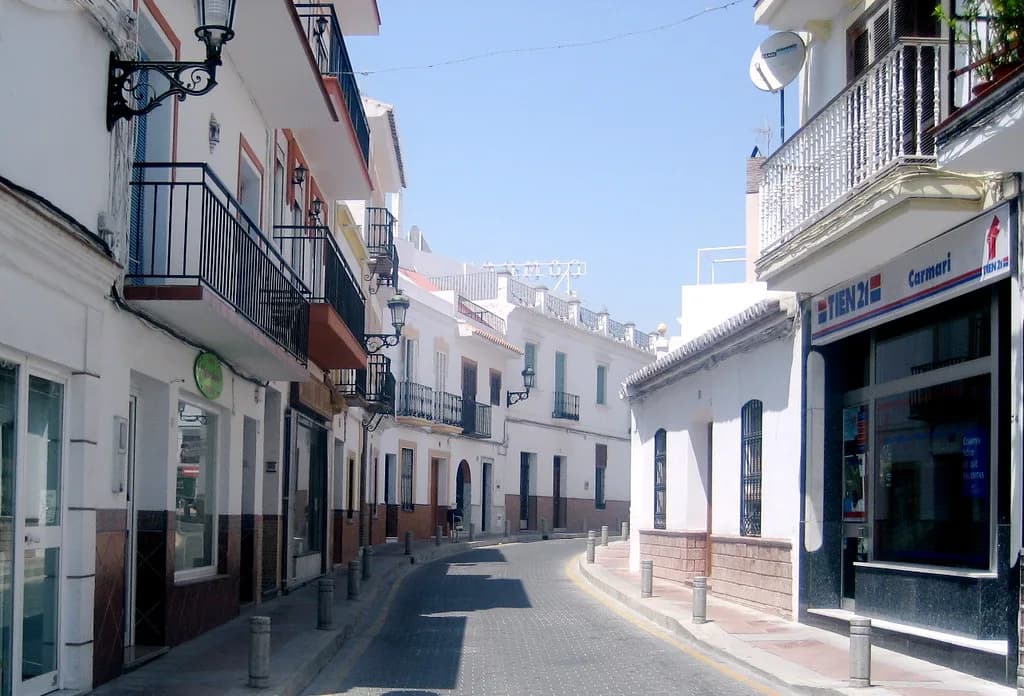
In the evening, eat along Calle Almirante Ferrándiz, the restaurant row that runs back from the Balcón, or around Plaza Balcón de Europa, where the tables spill outside. Book nothing for 7pm: kitchens are only just opening, and the street is at its best from 9pm onwards.
Day 2 morning: the Nerja Caves
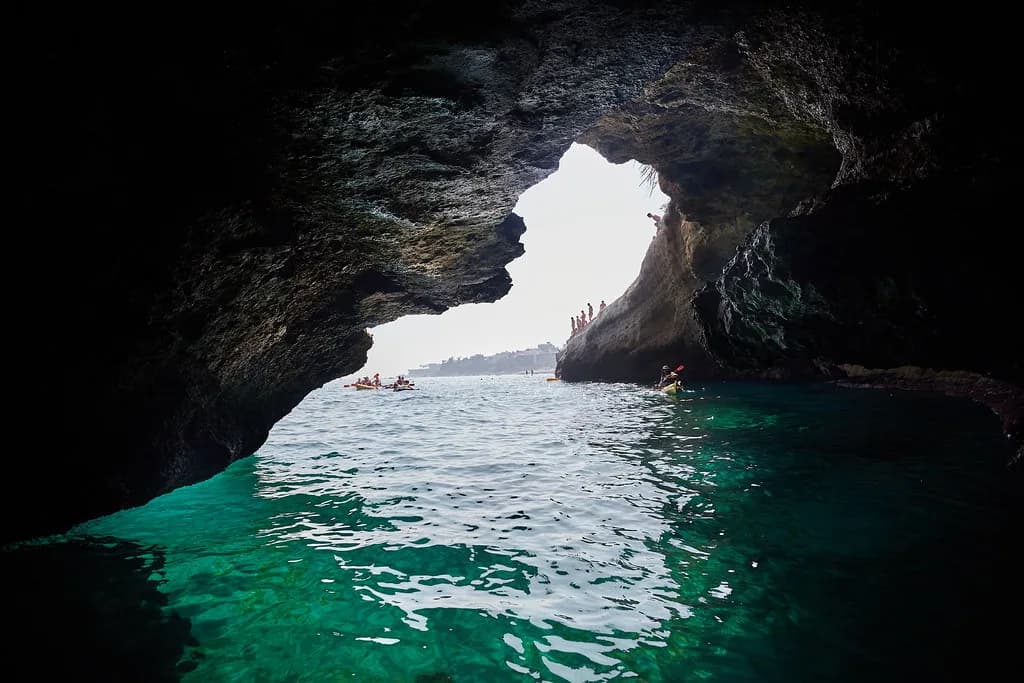
The Nerja Caves lie about 2.5 miles east of town, and the unguided route climbs and descends around 400 steps in roughly 45 minutes. The payoff is the Hall of the Cataclysm, which holds a vast column formed where stalactites and stalagmites have joined, and the cave system itself runs over 4km, with about a third open to visitors.
Getting there is simple without a car. The tourist train leaves from Plaza de los Cangrejos, the Alsa bus takes about 15 minutes from town, or you can walk it in around 45 minutes.
Book cave tickets online before you travel rather than turning up and hoping, and check the official cave website for current times and any offers. A free weekday slot has been offered at 9:30am for European Union members with online booking 48 hours ahead, so confirm the terms directly if you want to use it.
Day 2 afternoon: museum and viewpoints
The Museum of Nerja on Plaza de España covers the town from its Palaeolithic cave dwellers to the 1960s tourist boom, and includes a section on the caves with footage of parts visitors cannot enter. Keep your cave ticket: entry to the museum is free within 10 days of buying it.
Then walk Calle Hernando de Carabeo towards the Mirador del Bendito, passing a series of viewpoints that look down on the beaches below. Continue to the Parador de Nerja for what is arguably the second-best view in town, over Burriana, and stop for a coffee rather than a full meal.
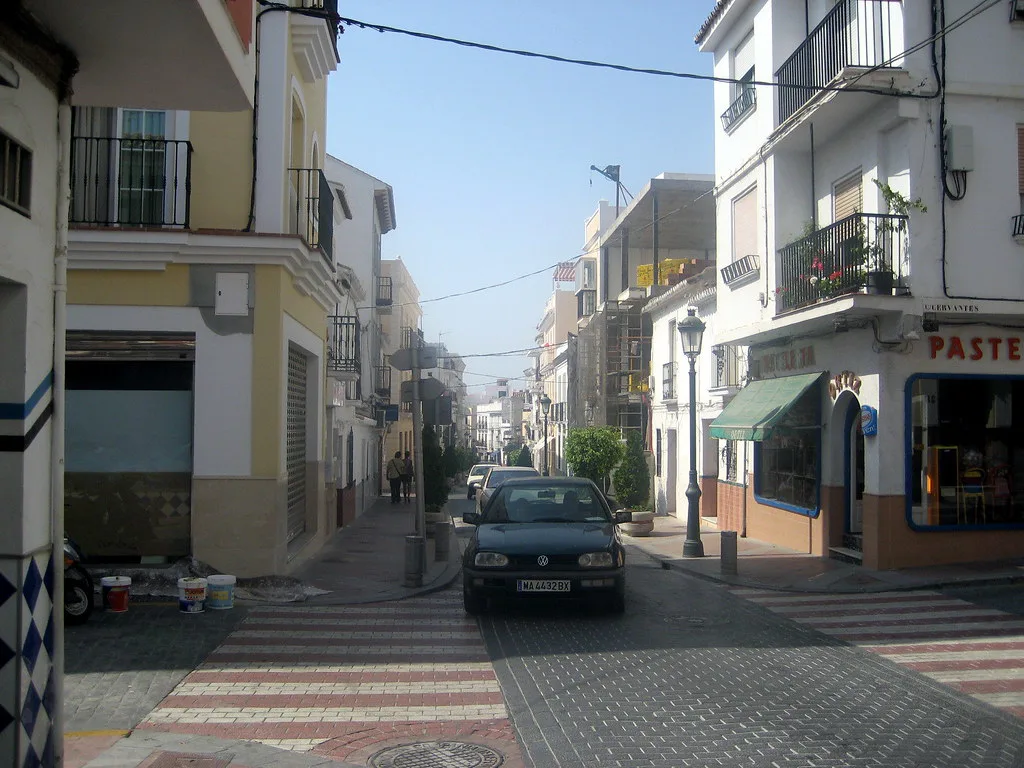
Calle del Almirante Ferrándiz, Calle Gloria and Calle Pintada form the busy triangle of the centre, with bars, restaurants and shops stacked along each. Calle Málaga adds Moroccan leather and textiles if you want souvenirs that are not beach-town generic.
Day 2 evening: tapas in the centre
Spend the evening hopping between the bars in the centre, starting on Calle Pintada and Calle Gloria before drifting towards Plaza Tutti Frutti, which is framed by tapas bars, themed pubs and wine bars. Order a caña and a small plate at each stop rather than committing to one table for the night.
This is also the easiest night to eat late without wrecking the next morning, since everything is within a short walk of the old town. Keep the final stop close to where you are sleeping, especially if you are based at the Burriana end of town.
Day 3 option A: Frigiliana
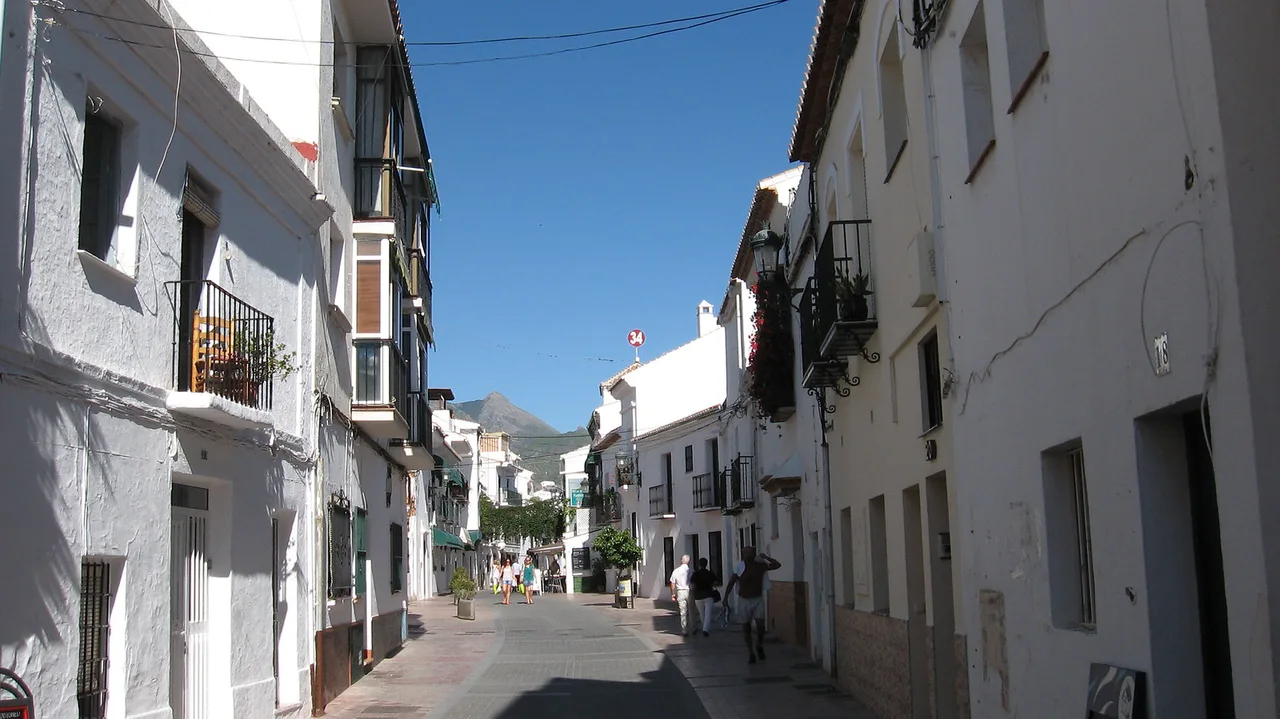
Frigiliana is the easiest day trip on the list, a 10-minute bus ride from Nerja and one of the prettiest white villages in Andalusia. The former Moorish town is a knot of steep, narrow streets, flowerpots, an old fountain and a handsome main church, and it is touristy but worth a few hours.
Walkers can add the El Fuerte route from the village, a gentler option than the high summits. Plan lunch in the village rather than back in Nerja, and give yourself time to wander the old town before the bus back.
Day 3 option B: Maro, the cliffs and the mountains
Maro sits across from the caves, a 15-minute bus ride or a 40-minute walk from Nerja, and pairs neatly with a cave visit. Its beach is a 20-minute walk from the village and is often named among the most beautiful on this coast, with cliffs rising straight from the water.
The Maro waterfall drops about 15 metres from the cliffs into the Mediterranean inside the Acantilados de Maro-Cerro Gordo natural park, and the way to see it is from below by kayak. Kayaks can be rented locally, and guided kayak and snorkel excursions along these cliffs are sold through tour platforms if you prefer a group.
For a mountain day instead, guided walks run from central Nerja into the Sierras de Tejeda, Almijara y Alhama Natural Park, usually one moderate and one hard route each week, lasting five to eight hours and costing in the region of 30 to 40 euros. Transport from town is included, which removes the car question entirely.
Day 3 option C: further along the coast
Almuñécar is 30 minutes east by bus and technically on the Costa Tropical, with a fortress above the town, the Peñón del Santo outcrop for views, Roman aqueducts and a botanical garden. The water there has a turquoise colour you do not get at Nerja, which makes it a worthwhile swap if you have already had your beach days.
Torre del Mar, the largest coastal town between Nerja and Málaga, has a four-kilometre promenade, a bike path and a flatter, more family-friendly layout. Vélez-Málaga inland has the strongest cultural draw in the Axarquía, with churches, museums and the remains of a fortress above the city.
Where to base yourself
Stay in the old town around the Balcón if evenings out matter most, since dinner, bars and the promenade are all on foot. Choose the Burriana or Torrecilla end for beach days, accepting a 20-minute walk into the centre or a short drive with parking at the end of it.
Torrecilla competes with Burriana for popularity, holds the Q award for tourist quality and has bars, restaurants, showers, toilets and a wide boardwalk that is good for walking or jogging. Guests at the Parador de Nerja get the Burriana view without the walk, though it sits outside the centre.
Getting to Nerja
From Málaga, take the train to María Zambrano station, where the bus station next door has services to Nerja. Alsa is the main operator along this coastline, with roughly one bus an hour between Málaga and Nerja, often stopping at Torre del Mar and Torrox Costa.
From the airport, the train to the city station takes about 15 minutes with departures every 30 minutes, and buses onward to Nerja run daily roughly hourly from early morning until late evening. Renting a car is worth considering in shoulder season for flexibility, but parking in the old town is a genuine hassle.
From Granada, a bus or a car takes about an hour south via the A44 and A7. Coming from Sevilla, the train to Málaga followed by the bus is the simplest combination.
What to skip if you are short on time
With one day, skip the caves. The journey out, the ticket queue and the 400 steps consume most of a morning, and you will resent it while sitting on Burriana with a paella you have not ordered yet.
With two days, skip the long coastal day trips. Almuñécar and Torre del Mar are pleasant but they are another beach town, and you would be trading the old-town evening that makes Nerja worth the trip.
Treat the Chillar river walk as unconfirmed until you ask locally, because access has been restricted in recent years. Likewise, check cave opening times and any free-entry scheme on the official site before you build a morning around them.
Plan Your Visit
Two days in Nerja is the honest minimum: one for the Balcón, the stepped beaches and a long lunch at Burriana, one for the caves, the museum and a late dinner in the centre. If you prefer a town built around a dramatic gorge and bridge rather than a coastline, a comparable ronda itinerary shows how the same two- or three-day rhythm works inland. Add a third only if you want Frigiliana, Maro or a guided walk in the sierras, and choose between them rather than trying to fit all three.
Build each day backwards from Spanish meal times, carry cash for beach kitchens, book cave tickets in advance, and check current opening details for restaurants and caves before you travel.
Explore more Nerja guides
Frequently Asked Questions
How many days do you need in Nerja, Spain?
Two full days cover the town and the Nerja Caves without rushing. One day forces a choice between the caves and a proper beach afternoon, and a third day is best used for Frigiliana, Maro or a hike in the Sierras de Tejeda, Almijara y Alhama Natural Park.
Is Nerja worth visiting for a day?
Yes, if you focus on the Balcón de Europa, the steps down to Calahonda and Caletilla beaches, and a few hours on Burriana Beach. Skip the caves on a single day, because the trip east and the 400-step route inside take up most of a morning.
What is the most beautiful village near Nerja?
Frigiliana is the classic answer: a whitewashed former Moorish town of steep lanes, flowerpots and a handsome main church, about 10 minutes away by bus. Maro is smaller and quieter, and pairs well with a cave visit.
How do you get from Málaga to Nerja?
Take the train to María Zambrano station and pick up a bus from the adjacent bus station. Alsa runs roughly one service an hour along the coast, often stopping at Torre del Mar and Torrox Costa.
What is the weather like in Nerja in March?
March falls outside the mild spring window of April and May, so expect changeable conditions. Pack a windproof layer for the seafront and keep beach plans flexible.
What to do in Nerja today?
Walk the Paseo Balcón de Europa and the Church of El Salvador, take the steps down past the Boquete de Calahonda, then head to Burriana for a late lunch. Finish with a slow evening along Calle Almirante Ferrándiz.
Should you book Nerja Caves tickets in advance?
Yes. Book online through the official cave site before travelling, and check the current timetable and any free-entry scheme there. A free 9:30am weekday slot has required online booking 48 hours ahead for European Union members, so confirm the conditions directly.
Where should you stay in Nerja?
The old town around the Balcón de Europa suits evenings out, with bars, restaurants and the promenade on foot. The Burriana and Torrecilla end suits beach days, with the trade-off of a walk or short drive into the centre.
Sources
Notes for eating well in Spain
Optional updates to our guides.
You might also like
Continue reading
More guides you'll find useful