Nerja in July: Heat, Crowds and How to Plan Your Days
Nerja in July brings hot, busy days and warm sea. Plan beach mornings, shaded afternoons and late dinners, and know how the crowds affect your trip.
On this page
July in Nerja is hot, busy and best worked around early mornings and late evenings. The middle of the day belongs to shade, a long lunch and the beach umbrella, not to a hiking trail or a queue in full sun.
The sea is at its most inviting now, which is exactly why the sand fills up. Booking accommodation early and treating the beach as a morning appointment rather than an afternoon one changes the whole feel of the trip.
This guide covers how the heat shapes a day, where to go when the town is at its busiest, and how Spanish meal times keep your evenings working properly. It also sets out the trade-offs, including why some travellers prefer spring or autumn.
July in Nerja at a Glance
July sits at the peak of the Costa del Sol season: strong sun, warm water and a town that swells with visitors. The beaches at Burriana and Calahonda are the headline draw, with the Balcón de Europa and the Nerja Caves filling the rest of most itineraries.
The practical shape of a July day is simple. Be out early, be in shade or water by mid-afternoon, and emerge again in the evening when the light softens and the terraces fill.
Package operators push Nerja hard for summer travel, with hotels such as Perla Marina and Plaza Cavana sold as flight-and-hotel bundles. Treat those offers as a starting point for comparing dates rather than as a fixed picture of what July costs.
How Hot July Gets and What It Means for a Day Out
July and August are the year's hottest and busiest months in Nerja. That single fact should drive your schedule: the hours between late morning and late afternoon are for swimming, siestas, air-conditioned museums or a long lunch.
Sailors and sunseekers rate June, July and August as the best months for the water, when the sea is at its warmest and most reliable for swimming. That is the argument for coming now: the swimming is the point, and everything else fits around it.
Carry more water than you think you need, wear a hat on the walk down to the beach, and treat any uphill stretch as a morning job. The climb back up from Burriana is short but punishing in the middle of the day.
Beaches in July: Burriana, Calahonda and Getting There Early
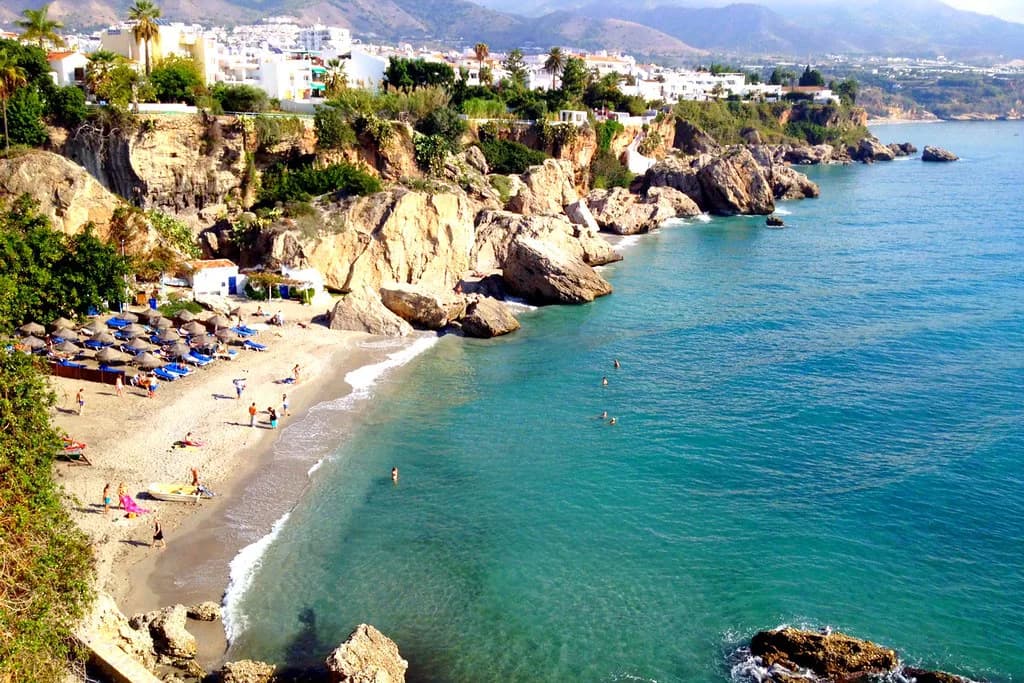
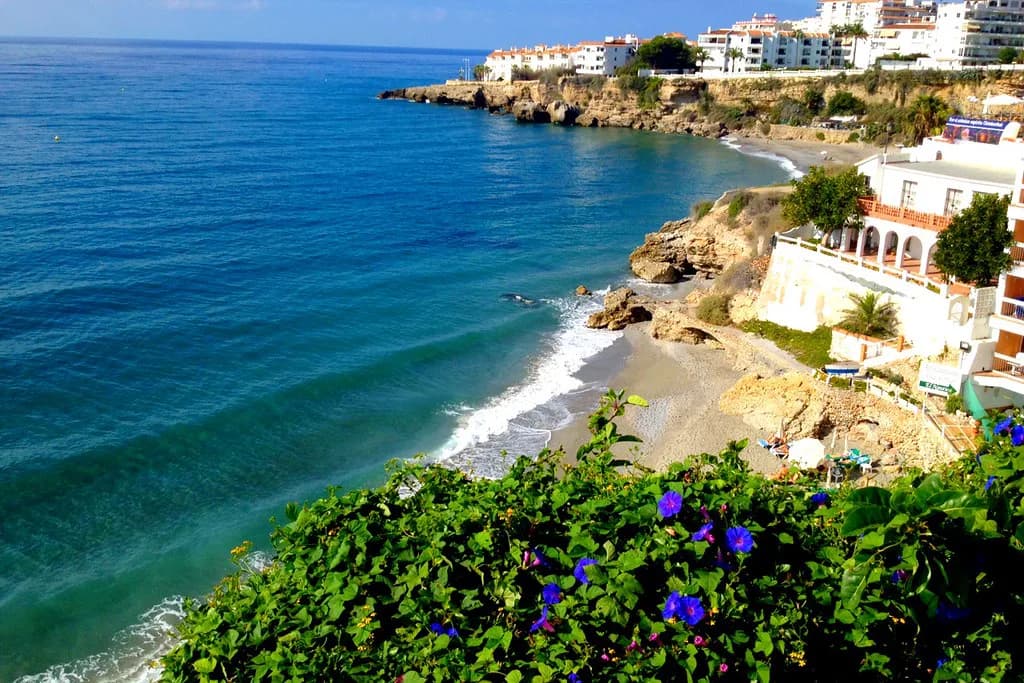
Burriana is Nerja's long, busy beach, backed by restaurants and reached by a steep road or steps down from town. Calahonda is smaller and tucked closer to the centre, which makes it handy for a quick dip rather than a full beach day.
In July, aim to be on the sand before mid-morning if you want space and a sunbed. By early afternoon the popular stretches are packed, and the walk down in full sun is unpleasant; going early also means you leave before the hottest hours.
Bring your own shade and water, and expect to pay for loungers and parasols on the busiest beaches. If the crowds get too much, the Maro-Cerro Gordo cliffs south of town offer cove beaches and coastal scenery, though access is easier with a car.
For a sense of how the resort fills up later in the season, the same beaches in august are even busier. If your dates are flexible, it is worth checking current prices and dates before you commit to a week.
Balcón de Europa and the Old Town on a July Morning
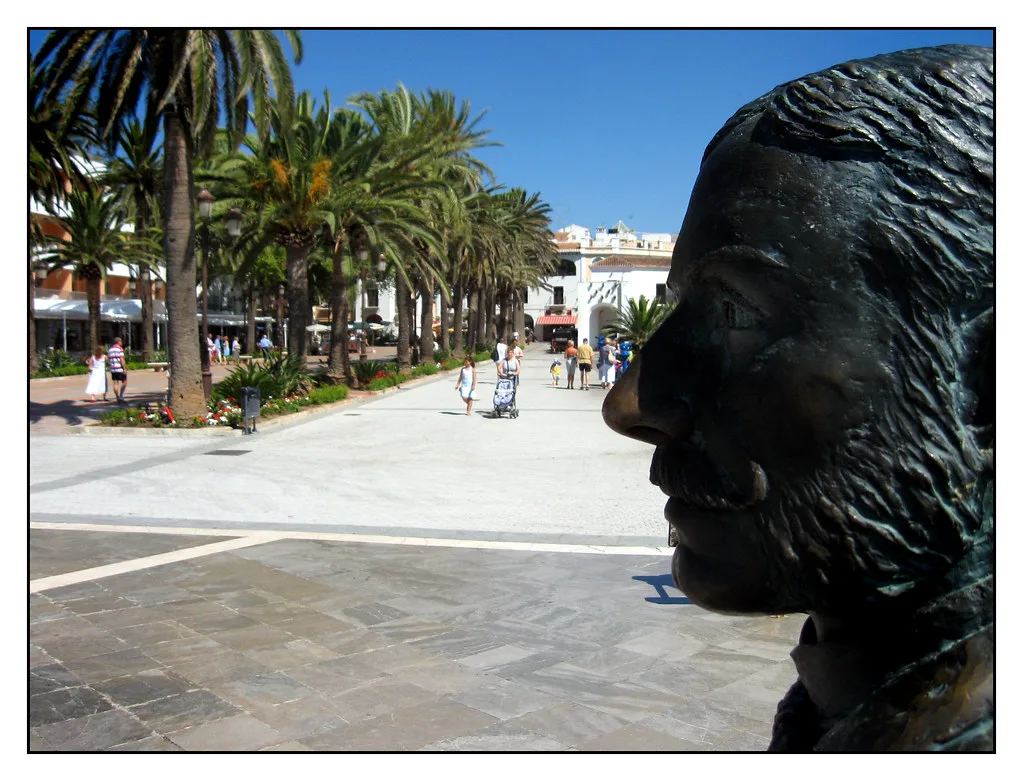
The Balcón de Europa is the town's signature viewpoint, a promontory over the Mediterranean that draws a steady stream of visitors all day. Go before breakfast or in the late evening, when the light is better and the crowd is thinner.
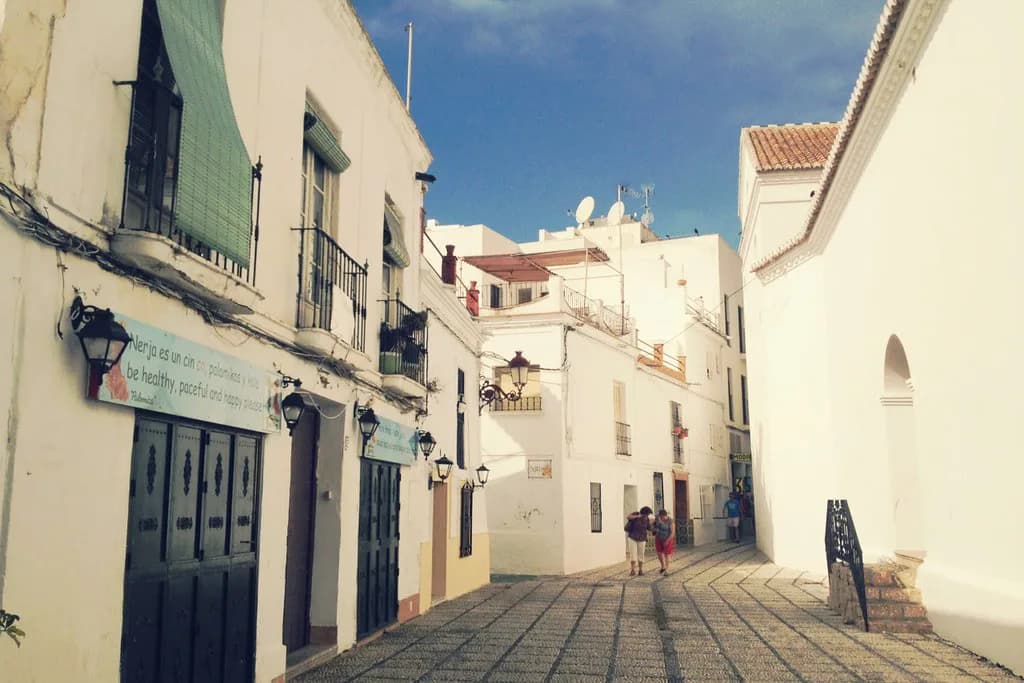
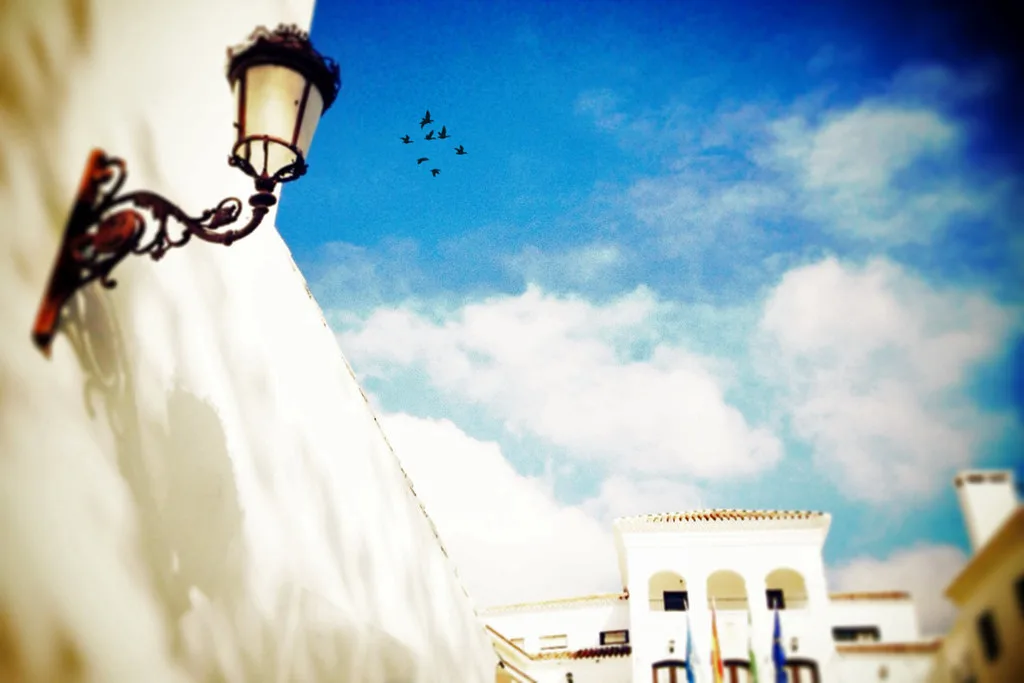
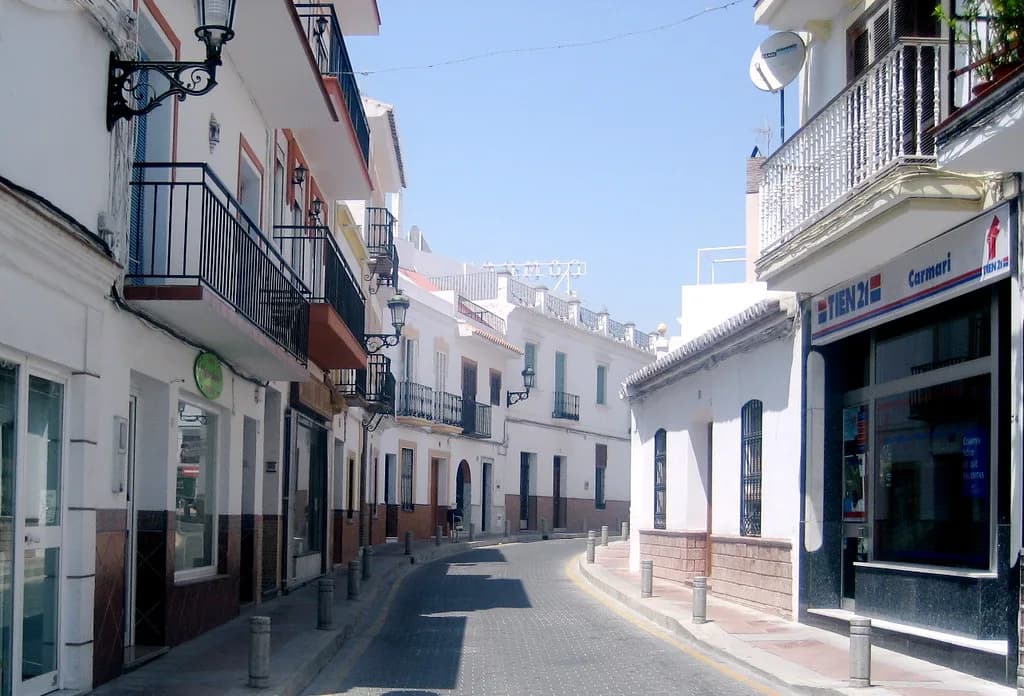
The old town around it rewards slow wandering: whitewashed streets, small shops and cafés, and the church square. In July, do this early, then retreat for lunch and return for the evening paseo when the heat has broken.
If you want the old town woven into a fuller plan of the town, a nerja itinerary helps you order the viewpoint, the beaches and the caves sensibly across a few days.
The Nerja Caves as a Cooler Alternative to the Beach
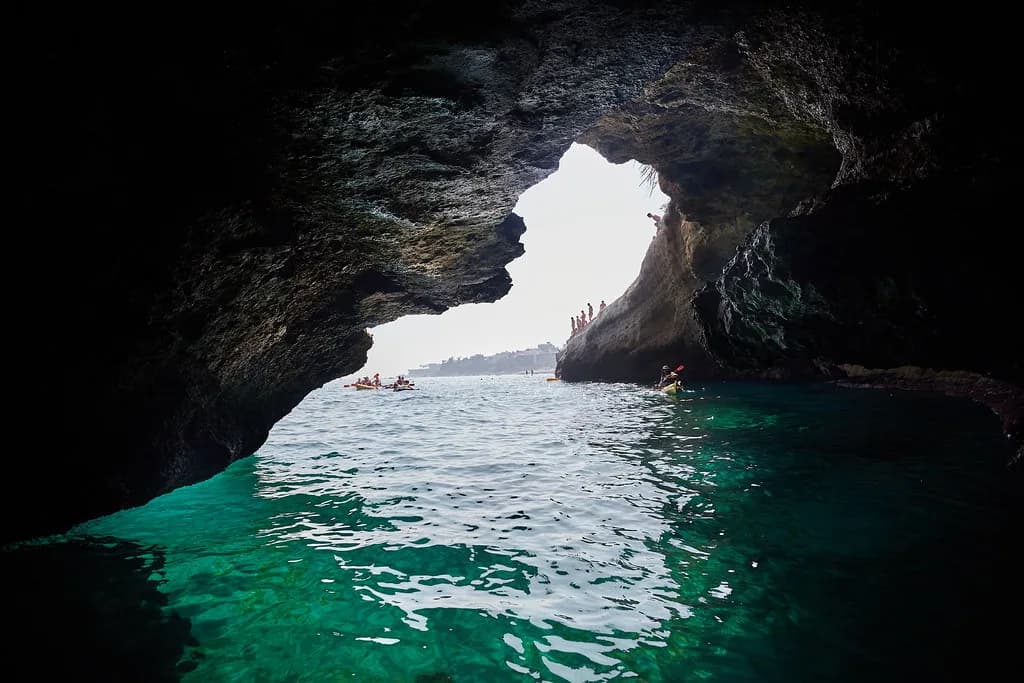
The Nerja Caves are among Spain's most important archaeological sites, famous for their scale and their stalactites and stalagmites. They also sit underground, which makes them the obvious escape when the beach loses its appeal in the afternoon heat.
Book ahead in July if you can, and check the day's opening times and ticket arrangements before you travel out, since these change by season. The caves lie a short drive or bus ride from the centre, so pair the visit with a lazy morning rather than a full day out.
Nearby Frigiliana, a white village in the hills, works well as a combined half-day with the caves. Both are cooler and quieter than the coast at midday, and both are easy to reach by car or local bus.
Sierra Almijara and Maro-Cerro Gordo for Early Starts
The Sierra Almijara mountains rise behind Nerja and offer walking and shade at altitude, while the Maro-Cerro Gordo Cliffs Natural Area protects the coast to the south with coves, cliffs and wildlife.
In July, start any walk at first light, carry plenty of water and finish before the heat builds. The coastal path towards Maro is the gentlest option; higher routes in the Sierra Almijara demand proper preparation and a check on conditions.
If walking is a priority, remember that the shoulder months are kinder. The same trails in september are cooler and quieter, which matters if you want distance rather than a short morning stroll.
Shoulder-Season Trade-off: Spring and Autumn
Spring, from April to June, and autumn, in September and October, bring pleasant warmth, smaller crowds and a fuller calendar of local festivals. That is the trade-off: a slightly less certain sea in exchange for breathing room on the beach and in the old town.
July gives you the warmest water and the most reliable beach weather, but it also gives you the queues, the packed sand and the higher accommodation rates. If swimming every day is the goal, July wins; if you want to walk, eat and wander without elbows, the shoulders win.
October is the other side of that equation, still mild but noticeably calmer. Travellers who want the sea without the scrum often find it there.
July Crowds and Prices in Plain Terms
Nerja is generally considered more affordable than many other Spanish coastal destinations, but July is when demand peaks. Accommodation books up early and rates rise, especially for places near the Balcón de Europa and Burriana.
The practical response is to book accommodation well ahead, favour self-catering or breakfast-included stays, and eat your main meal at lunchtime when menús del día are the better value. Ask hotels and tour operators for their prices for your exact dates rather than relying on last season's figures.
Crowds concentrate on the beaches and the Balcón de Europa, so plan around them: early beach, late viewpoint, and midday spent in the caves, a museum or a shaded terrace.
Spanish Meal Times in July: Lunch After 1:30pm, Dinner From 8:30pm
Spanish meal times run later than British ones, and in July the heat makes that rhythm feel natural. Lunch is typically served from about 1:30pm to 4pm, and dinner starts around 8:30pm to 9pm.
Eating at Spanish hours means you avoid the awkward gap when kitchens are closed and get better value at lunch, when menús del día are on offer. Turn up at 1:30pm for lunch and 9pm for dinner and you will be eating when the town does.
For a wider picture of how many days to give the town, including how to fit meals around sightseeing, see how many days in nerja.
Night-time in Nerja: Eating Late and the Evening Paseo
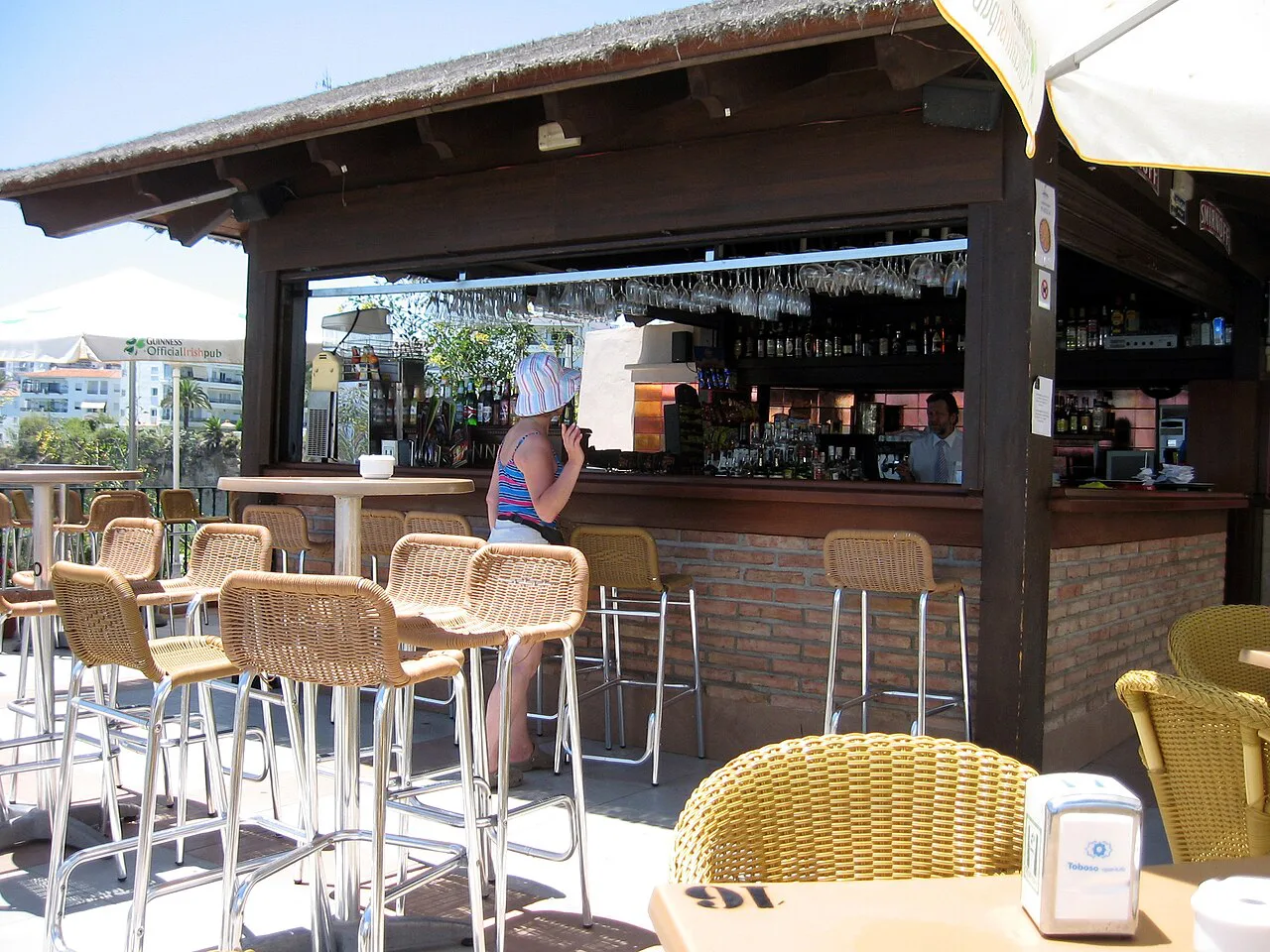
By 9pm in July the heat has lifted and the old town and beachfront come alive. Dinner at Spanish hours is followed by a stroll along the Balcón de Europa or through the whitewashed streets, when the day's crowds have thinned.
Reserve a table for dinner in peak July if you have a particular place in mind, and expect terraces on Burriana to be busy. A late lunch makes an early dinner unnecessary, which is exactly how locals organise the day.
If you are travelling on to other Spanish cities, the same late-evening rhythm applies: alicante in july follows the same pattern of beach mornings and dinners after nine.
How Many Days to Allow in July
Four to seven days is enough to enjoy Nerja's beaches, the Balcón de Europa, the caves and a day trip or two without rushing. In July the heat slows you down, so a shorter break works best if you pick one beach, one sight and one evening stroll per day.
A three-day visit suits the beach, the old town and the caves; a week adds the Sierra Almijara, Frigiliana and the Maro-Cerro Gordo coast. If you are weighing up a longer stay, How Many Days in Nerja Do You Need? A 1, 2 or 3 Day Plan breaks down the options.
Short breaks in July work best when you accept the heat rather than fight it. Build in a siesta, keep afternoons light and let the evenings carry the sightseeing.
Practical Packing and Heat-Planning Checklist
Pack light, loose clothing, a hat, high-factor sun cream and a refillable water bottle. Comfortable sandals for the beach and proper shoes for any walking in the Sierra Almijara are both worth the luggage space.
Plan each day around the heat: beach or walk in the morning, shade and lunch in the early afternoon, caves or shops in the hottest hours, and the old town in the evening. Keep a light layer for air-conditioned interiors.
If July's heat and crowds sound like hard work, the same town in a calmer month may suit you better. For a straight comparison of the calendar, nerja in september shows how quickly the resort empties.
Plan Your July Trip to Nerja
July in Nerja is a beach holiday with a schedule problem to solve: heat and crowds in the middle of the day, and a warm sea and lively evenings either side of it. Work the day around early mornings, a long Spanish lunch and a late dinner, and the month delivers.
For the wider picture, the Nerja Attractions: 4 Visitor Guides hub covers the sights, while the monthly guides show how July compares with the rest of the year.
Check opening times, ticket details and travel arrangements with the venues and operators directly before you go, then let the Spanish clock set the pace of your days.
Explore more Nerja guides
Frequently Asked Questions
How hot is Nerja in July?
July and August are the hottest and busiest months of the Nerja year, with strong sun through the middle of the day and a sea that is at its warmest and most reliable for swimming. Plan outdoor activity for the morning and evening and keep the afternoon for shade, water or a long lunch, because the heat is what sets the rhythm of a July day.
Is July a good time to visit Nerja?
July is the month for swimming, with the warmest and most dependable water of the year, so it suits anyone whose main aim is the beach. The trade-off is crowds and higher accommodation demand, with the beaches and the Balcón de Europa at their busiest. If walking, wandering the old town and eating out without queues matter more than daily swimming, spring and autumn are calmer.
Are Nerja's beaches busy in July?
Yes. Burriana, the town's long main beach, and the smaller Calahonda fill quickly in July, so arrive before mid-morning if you want space and a lounger. Going early also gets you off the sand before the hottest hours and spares you the steep walk back up from Burriana in full sun. The coves around the Maro-Cerro Gordo cliffs are an alternative, though a car makes access easier.
When do people eat dinner in Nerja?
Dinner in Nerja follows Spanish hours, starting around 8:30pm to 9pm, with lunch served from roughly 1:30pm to 4pm. Eating at those times puts you in step with the town and means your evening stroll along the Balcón de Europa or through the old town comes after the heat has gone. A late lunch is the reason an early dinner is unnecessary.
What should I do in Nerja in July?
Swim early at Burriana or Calahonda, then spend the hottest hours underground in the Nerja Caves or in the shade over a long lunch. Save the Balcón de Europa and the old town for the evening, when the light softens. Walkers should start at first light on the Sierra Almijara trails or the Maro-Cerro Gordo coastal path and finish before the heat builds.
How many days do you need in Nerja in July?
Four to seven days covers the beaches, the Balcón de Europa, the caves and a day trip or two at a relaxed pace, which suits July because the heat slows everything down. A three-day break works if you pick one beach, one sight and one evening walk per day. A week adds Frigiliana, the Sierra Almijara and the Maro-Cerro Gordo coast.
Sources
Notes for eating well in Spain
Optional updates to our guides.
You might also like
Continue reading
More guides you'll find useful