Nerja in August: Heat, Crowds and Making the Day Work
Nerja in August brings hot days, warm sea and peak crowds. Here is how to time beaches, meals and sightseeing around the heat, and what to book ahead.
On this page
August in Nerja is hot, packed and unmistakably on holiday. Air temperatures sit around 31–32°C, the Mediterranean reaches about 24°C and rain is rare, so the town runs on a split day: beach early, shade through the afternoon, sightseeing and dinner late. It is the liveliest version of Nerja, but also the most crowded and expensive, and planning around those hours matters more than any single attraction.
What August in Nerja is actually like
Expect average air temperatures of 31–32°C and a sea temperature of about 24°C, with only one or two rainy days across the month. That combination makes the water genuinely inviting rather than bracing, and it means the heat is the organising fact of the day rather than a background detail. Mornings and evenings are comfortable; the middle of the afternoon is not the time for a walking tour.
August is peak season in Nerja, with Spanish families on long holidays mixing with northern Europeans escaping cooler weather. The beaches fill up and accommodation prices climb, so the guide's advice to book summer beds six to eight months ahead is worth taking literally. If your dates are flexible, the same source places April–May and September–October as the sweet spots for weather and manageable crowds.
Who August suits and who should pick September instead
August rewards families with children and anyone who wants the full Mediterranean holiday atmosphere: warm sea, every chiringuito open and a town that stays out late. It suits travellers who can structure their day around heat and don't mind sharing beaches. If your priority is hiking the sierras or wandering the old town without melting, the balance tips towards nerja in september, when the sea is still warm but the peak-season intensity eases and daytime exploring becomes pleasant again.
Daily rhythm: early beach, siesta hours, late dinner
The workable pattern is to claim your beach spot before 10am, retreat indoors or into shade during the middle of the day, and save sightseeing for before 11am or after 6pm. That timing comes from advice to avoid the midday sun, and it lines up with the Spanish day, when lunch runs from about 1:30 to 4pm and dinner rarely starts before 8:30 or 9pm. Build the afternoon around a long, shaded lunch rather than fighting the heat outdoors.
Many local businesses close between 2pm and 5pm, so don't plan on browsing shops or running errands in the early afternoon. Use that window for a siesta, a swim from a shaded spot or a meal that stretches into the afternoon. The town comes back to life in the evening, when families stroll and terraces fill up.
Beaches: reaching Burriana Beach before 10am for a good spot
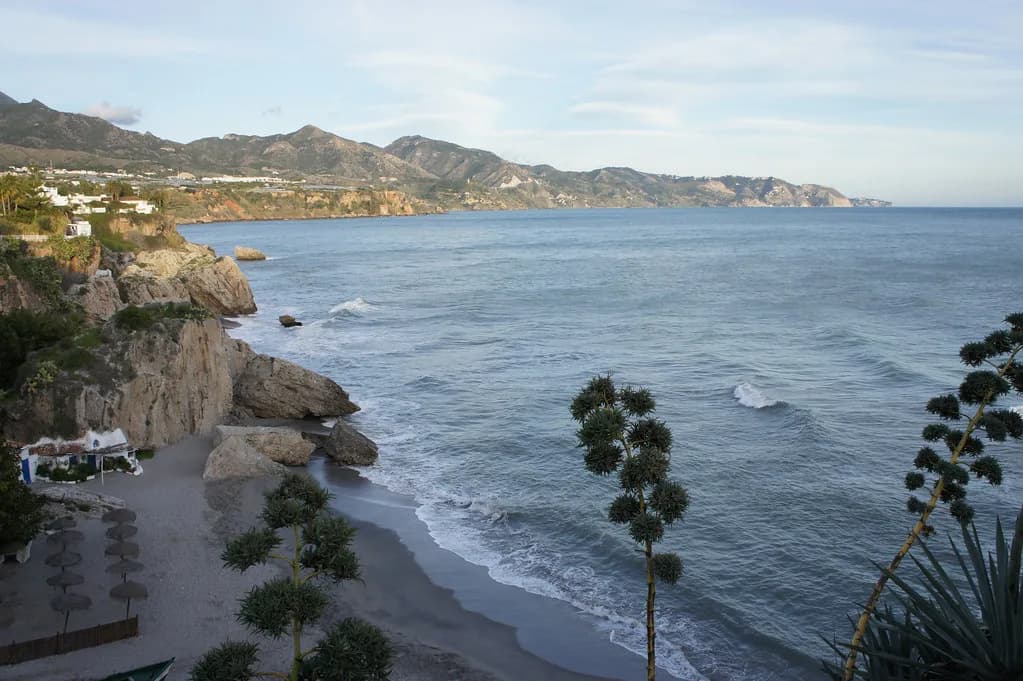
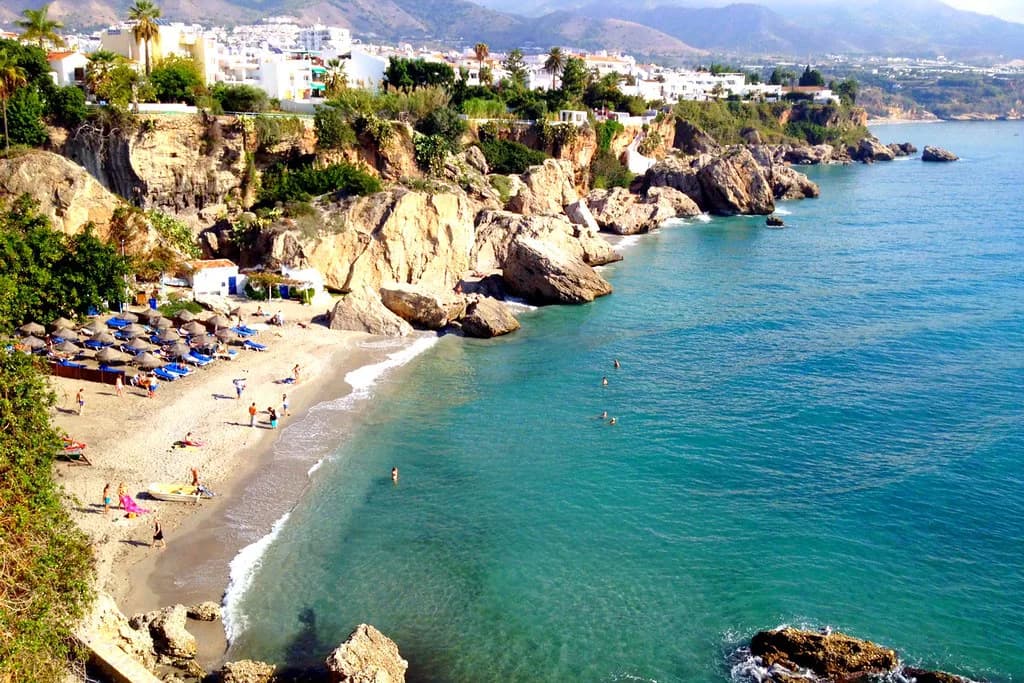
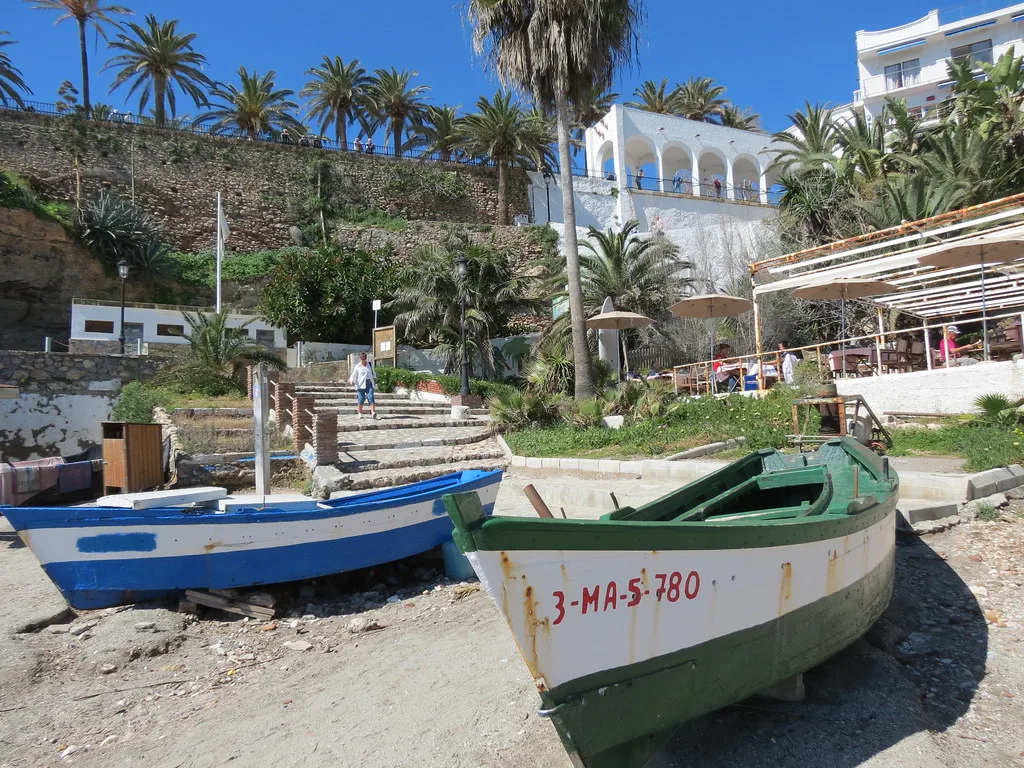
Burriana Beach is the one to aim for early: arriving before 10am gives you a realistic chance of a good spot in August. Later in the day, the sand fills and the best positions are gone. The beach bars here serve cold beer and fresh seafood, which makes it easy to spend a whole day without moving far. Bring cash for small purchases and check tide and shade before settling in.
Chiringuitos are in full swing in August, but many are seasonal, operating from March or April through October. That means most beach bars are open now, but it's worth confirming your chosen one is trading before you walk there. For the wider picture of what to see and how to split your time, the guide to how many days in nerja helps you decide whether August is a short beach break or a longer base.
Eating on Spanish time in August: lunch at 2pm, dinner not before 9pm
Eat lunch around 2pm and dinner no earlier than 9pm; that is the local rhythm in August, and it also keeps you out of the worst heat. Popular beachfront restaurants start requiring reservations in summer, so book ahead for dinner rather than turning up at 8pm expecting a table. Menus lean on cold seafood, salads and grilled fish at this time of year, which suits the weather better than heavy dishes.
For a sense of how the month compares with high summer either side of it, the nerja in july guide covers the run-up, when the town is already busy and the sea is warm. July and August share the same peak-season logic, but August is the hotter and fuller of the two.
Beach bars and seafood: what to order when the chiringuitos are in full swing
With the chiringuitos fully open, August is the month to eat by the water. Order cold beer, fresh seafood and simple grilled fish, and treat a long beach lunch as the main event rather than an interruption. Portions at beach bars are usually generous, so sharing a few plates works better than ordering a main each. Ask what is fresh that day and keep the meal light enough for an afternoon swim.
Sightseeing windows: before 11am or after 6pm, and the Caves of Nerja as a cool escape
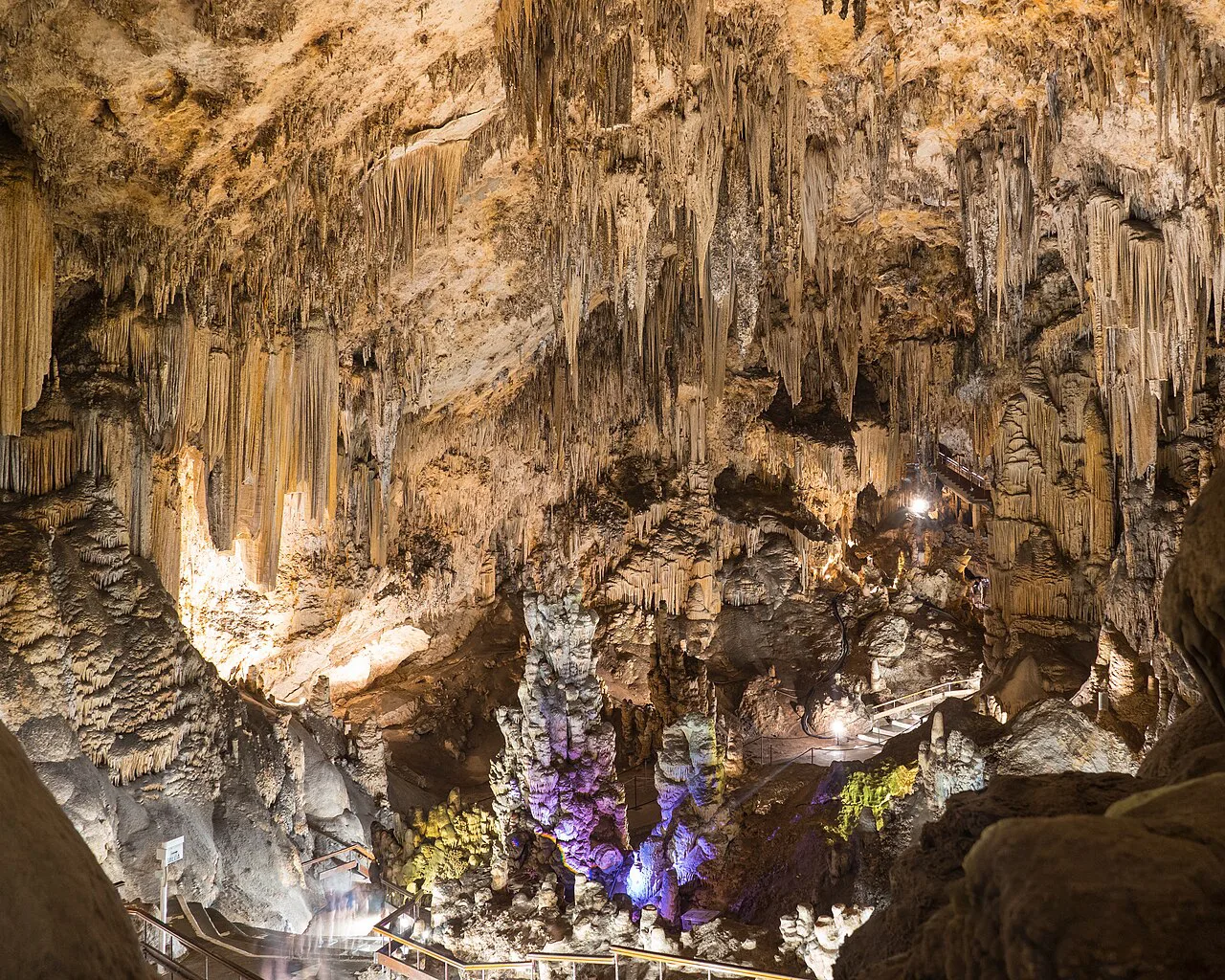
Sightseeing works best before 11am or after 6pm, when the heat backs off enough to walk comfortably. For the middle of the day, the Caves of Nerja are the obvious indoor relief: they stay open year-round and can be visited at any time of year, and the constant cool underground temperature is a genuine break from the sun. Go early or late to avoid the worst of the crowds.
The Balcón de Europa is at its best in the evening, when the light softens and the clifftop walk is comfortable. Save it for after dinner or a pre-dinner stroll rather than a midday photo stop. For a broader list of what to see, the Nerja Attractions hub covers the main sights in one place.
Trips out: Frigiliana, the white villages and the Balcón de Europa in the evening
Frigiliana and the white villages make a good half-day trip, but in August the narrow streets get hot by late morning. Go early, or save the village wander for late afternoon when the heat eases. The mountain trails in the sierras are best from October through May; in August, if you hike at all, start very early and stick to shaded routes.
Back in Nerja, the evening belongs to the Balcón de Europa and the old town. Families stroll until well past 10pm, and the terraces stay busy. If you are combining Nerja with other stops on the Costa del Sol, August is the month to keep travel short and plans flexible.
What August costs: accommodation and the case for booking 6–8 months ahead
August is peak season for accommodation prices, and summer beds are worth booking six to eight months ahead. That lead time comes from the guide's own advice on summer holidays, and it matters most for beachfront places and family rooms. Restaurant prices are less volatile than accommodation, but popular beachfront tables still need reserving. Budget for higher costs across the board and treat August as the month when planning pays.
Practical kit: shade, water and the midday heat
Bring a hat, refillable water bottle and high-factor sun cream, and plan shade into every day rather than hoping to find it. A light layer helps for evenings, when it can feel cooler after the heat of the day. The midday heat is serious, so don't schedule long walks between 11am and 6pm. Keep a charged phone for maps and bookings, and carry cash for small beach-bar purchases.
Honest trade-offs: peak crowds versus the liveliest version of the town
August gives you Nerja at full throttle: every restaurant and bar open, the sea at its warmest and a genuine holiday atmosphere. The trade-off is crowds and heat. If you want quiet beaches and easier tables, the Nerja guide for other months will point you towards the shoulder seasons. If you want the buzz, August delivers it, provided you plan around the sun.
Where August sits in the year: quick pointers to shoulder and winter months
September is the softer version of August: the sea stays warm, the heat eases and the crowds thin once school returns. April and May bring mild temperatures, wildflowers and fewer visitors, though the sea is still cold for most swimmers. Winter, from November to February, is quiet and mild, with some hotels and restaurants closed for the season. Use these contrasts to choose your month rather than defaulting to August, and if you are weighing up another Costa Blanca base, Alicante in August shows how the same peak-season heat and timing play out there.
If your dates are fixed, the broader nerja in october guide shows what the next month brings and helps you decide whether to shift a late-summer trip. For a full plan of what to do with your days, the nerja itinerary lays out routes that work in the heat.
Plan Your Visit
August in Nerja is best treated as a rhythm rather than a checklist: beach before 10am, a shaded lunch around 2pm, indoor sightseeing or a siesta through the afternoon, then the Balcón de Europa and dinner after 8:30pm. Book accommodation six to eight months ahead, reserve popular beachfront tables, and keep the middle of the day cool. Check opening hours and festival dates with the town's official sources before you travel, as details can change.
Explore more Nerja guides
Frequently Asked Questions
How hot is Nerja in August?
Average air temperatures in August are around 31–32°C, with a sea temperature of about 24°C and only one or two rainy days across the month. The middle of the day is genuinely hot, which is why locals and visitors shift activity to mornings and evenings.
Is the sea warm enough to swim in Nerja in August?
Yes. The Mediterranean reaches about 24°C in August, which is warm enough for long swims and comfortable beach days. Northern European visitors often find it ideal, while locals may still prefer July and September for different reasons.
Is Nerja too crowded in August?
August is peak season, so beaches and restaurants are busy and accommodation prices are at their highest. Arriving at Burriana Beach before 10am and booking dinner ahead makes the crowds manageable. If you want fewer people, September and the shoulder months are quieter.
What time should I eat in Nerja in August?
Follow Spanish timing: lunch around 2pm and dinner no earlier than 9pm. This keeps you out of the worst heat and matches when kitchens and restaurants are actually busy. Many local businesses close between 2pm and 5pm, so plan that window for a siesta or a long lunch.
Is September better than August in Nerja?
September is cooler and less crowded than August, and the sea is still warm, which makes it a better choice for sightseeing and hiking. August is hotter and busier but has the liveliest atmosphere and the warmest water. Choose August for the full holiday buzz, September for comfort.
What should I do in Nerja in August when it is hot?
Go to the beach early, visit the Caves of Nerja during the middle of the day for cool indoor relief, and save the Balcón de Europa and old-town walks for after 6pm. Avoid sightseeing between 11am and 6pm, and keep a hat and water with you.
Sources
Notes for eating well in Spain
Optional updates to our guides.
You might also like
Continue reading
More guides you'll find useful