Nerja in September: Weather, Beaches and What's On
Plan Nerja in September with typical September temperatures, rainfall and sunshine hours, plus beaches, the Balcón de Europa, the Cueva de Nerja and Frigiliana.
On this page
September is one of the best months to be in Nerja: the August peak has passed, the water is still warm enough for long swims and the days stay reliably sunny without the crush of high summer. Average daytime highs sit around 26°C with lows near 19°C, and you can expect roughly nine hours of sunshine a day with about 30mm of rain across the month.
Treat the month as a warm-weather beach trip with an evening layer rather than a heatwave holiday. If you want the hottest, busiest version of Nerja, look at August instead; if you want a quieter town and softer light for walking, this is your window before October cools things down.
Nerja in September at a Glance
Days are warm, evenings are mild, and the town has room to breathe again after the August peak. The main trade-off is that September can throw a wet, thundery spell, so build one indoor option into each couple of days instead of planning on beach weather every afternoon.
Nerja sits on the eastern Costa del Sol in Andalusia, close enough to Málaga for a short transfer and far enough east for the Sierra de Almijara to rise steeply behind the town. That geography gives you coast and mountain walking in the same day, which is the real reason September works so well here.
If you are weighing up how long to stay, two full days covers the old town and a beach, while three lets you add the cave and a white village. Our breakdown of how many days in Nerja suits different trip lengths shows what fits where.
Typical September Weather in Nerja: Highs, Lows, Rain and Sunshine
Two figures matter for packing. Average September days run from a low of about 19°C to a high of about 26°C, which is pleasantly warm rather than scorching, and the month averages around 30mm of rain with approximately nine hours of sunshine a day.
A separate monthly summary puts the September range at 20°C to 28°C, so expect some variation between years and plan for the upper end on sunny afternoons. Both sets of figures agree the month is warm and largely dry rather than hot and humid.
For comparison, August typically peaks around 30°C and February drops to highs near 14°C, which shows how gentle September is relative to both extremes. If you want a day-by-day forecast before you travel, the monthly outlook for Nerja is the place to look.
What That Feels Like Day to Day
Mornings are the sweet spot: bright, still and comfortable for a walk along the coast or up towards the hills before the sun gets high. Mid-afternoon is when you want shade, a long lunch or the water, and the light on the sea stays good well into the early evening.
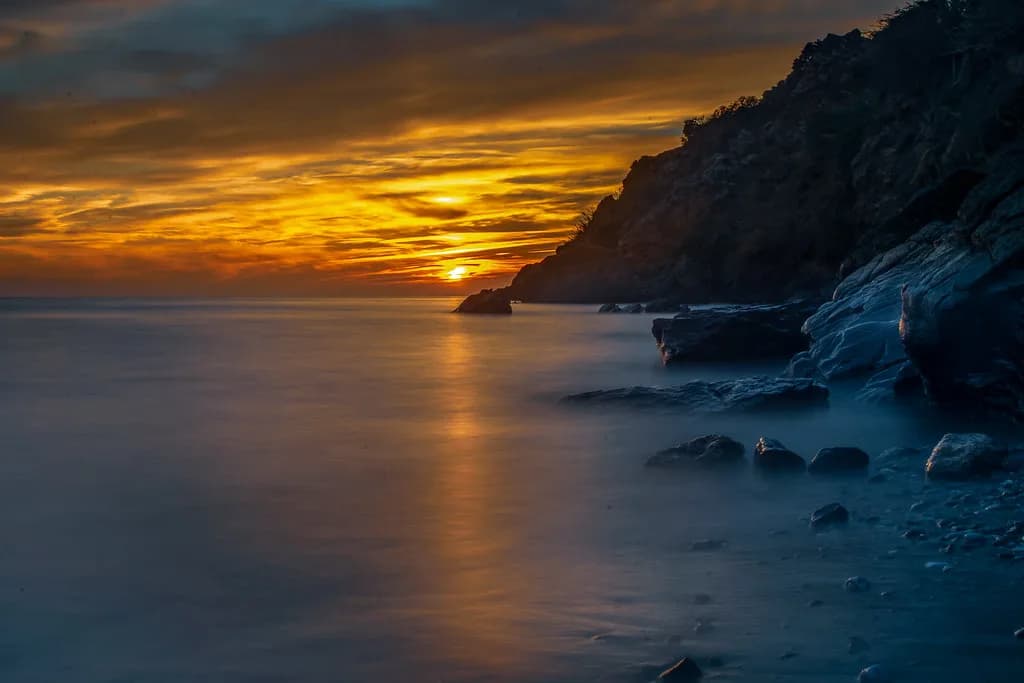
Evenings cool enough to want a light layer if you are sitting outside near the water, which is why a thin jumper or overshirt earns its place in the bag. Sunset comes noticeably earlier than in June or July, so plan a late-afternoon swim rather than an after-dinner one.
Rain, when it comes, tends to arrive as a short heavy burst rather than a washed-out day, but a thundery spell can close a beach afternoon. Keep a flexible plan: if the sky turns, switch to the cave, a museum or a long lunch and wait it out.
Packing for a September Trip
Pack light summer clothes, a hat and proper sun protection, because nine hours of sunshine a day is plenty even when the air temperature feels moderate. Add one long-sleeved layer for evenings and a light waterproof shell for that possible wet spell.
Bring shoes you can walk in on cobbles and rough paths, since the old town, the Balcón de Europa and the tracks towards the Sierra de Almijara all punish flimsy sandals. A refillable bottle and a small towel for swimming round out the kit.
Beaches Worth Your Time: Playa Burriana, Cala del Cañuelo and El Salón
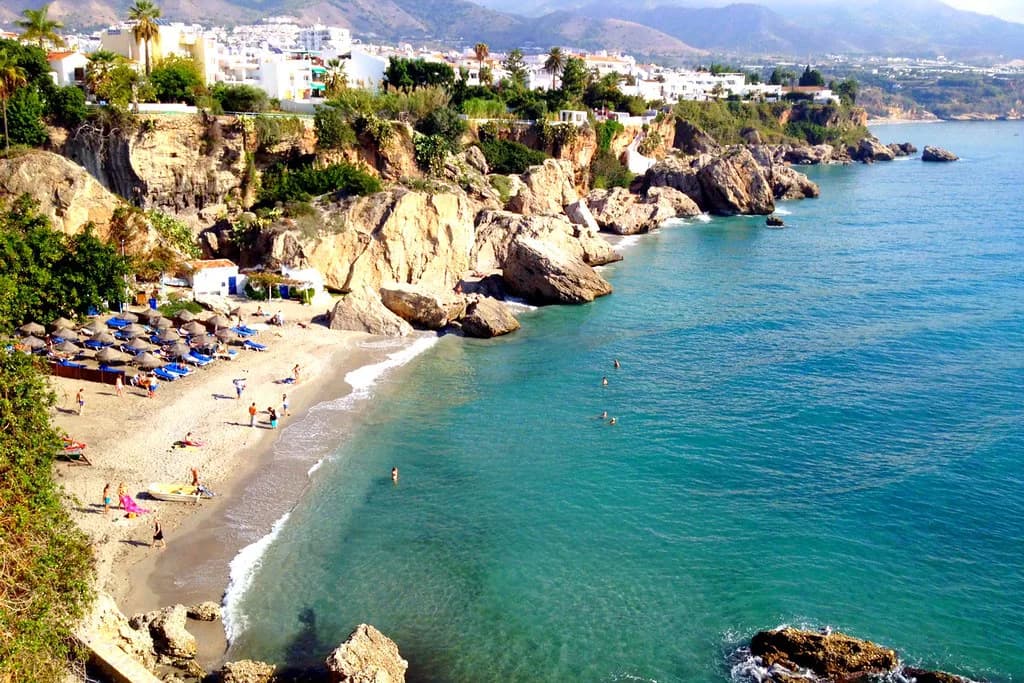
Playa Burriana is the big, energetic choice, a long sandy beach with boat rentals, kiosks and lifeguards plus a promenade of eateries and shops behind it. It suits families and anyone who wants facilities within reach rather than a walk to find a drink.
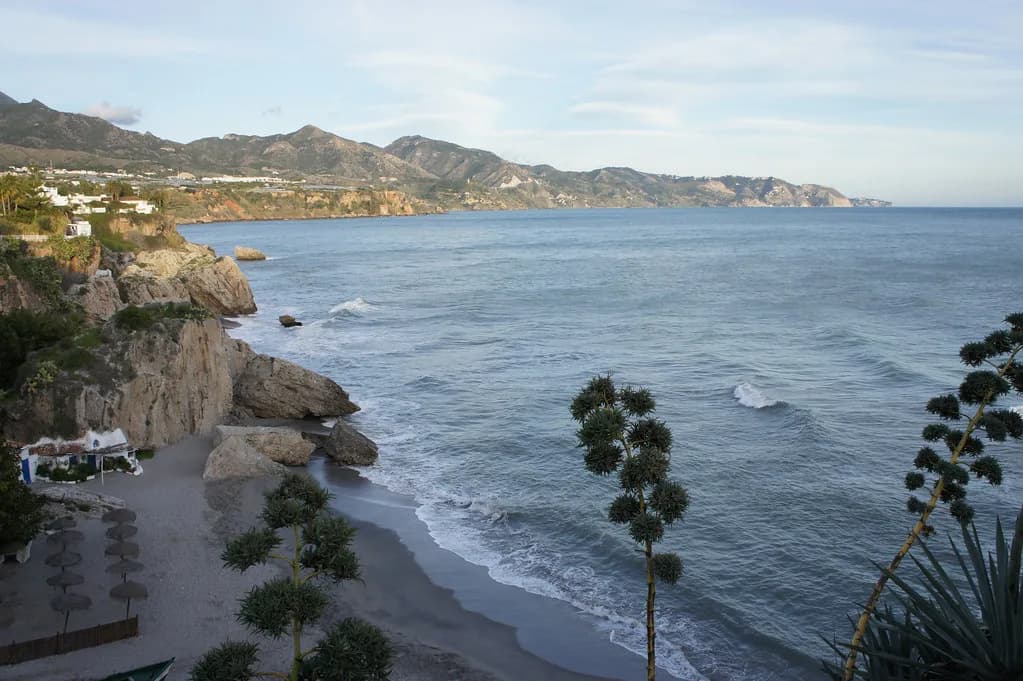
Cala del Cañuelo is the opposite: a remote sandy cove with clear water, popular with snorkelers and with a restaurant and bar on hand. Getting there takes more effort than stepping off the promenade, so treat it as a half-day outing with water and sun cover packed.
El Salón beach is a relaxed, simple sandy strip lined with palm trees, good for swimming and sunbathing without a big scene. Playa Torrecilla sits close to eateries and bars with a promenade and Moorish tower ruins, which makes it a sensible pick when you want lunch a short walk from your towel.
Whichever you choose, arrive before mid-morning in the first half of September if you want space, and remember the Spanish habit of the beach in the late afternoon when the sun softens.
Eating in September: Beachfront Seafood and Spanish Meal Times
Nerja is known for seafood, and September is a fine time to eat it with a sea view at one of the beachfront spots along the promenades. Local boats land fish along this coast, and the beach restaurants lean on it for simple grilled plates and rice dishes.
Meal times catch out visitors from the UK and US. Lunch runs roughly 1:30pm to 4pm and dinner rarely starts before 8:30pm or 9pm, so a 6pm hunger pang is best met with a tapa or an ice cream rather than a full meal.
Book nothing for the first night and instead eat late with the town, then shift your body clock over the following days. If you want a broader food plan, the three-day itinerary slots meals around the sights.
Balcón de Europa and the Old Town: An Easy Half-Day on Foot
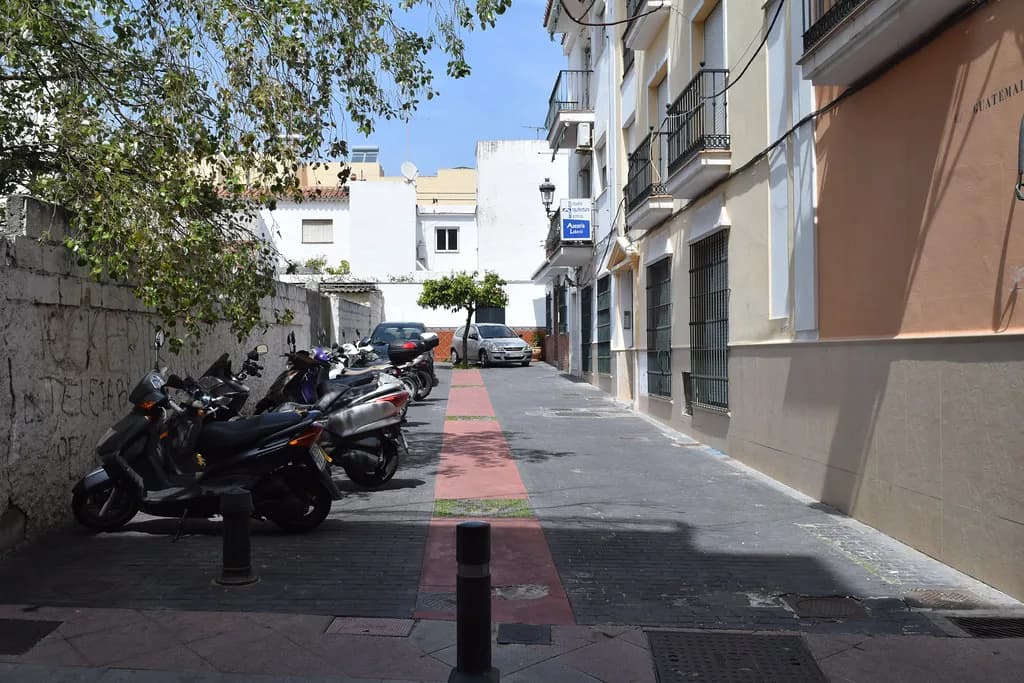
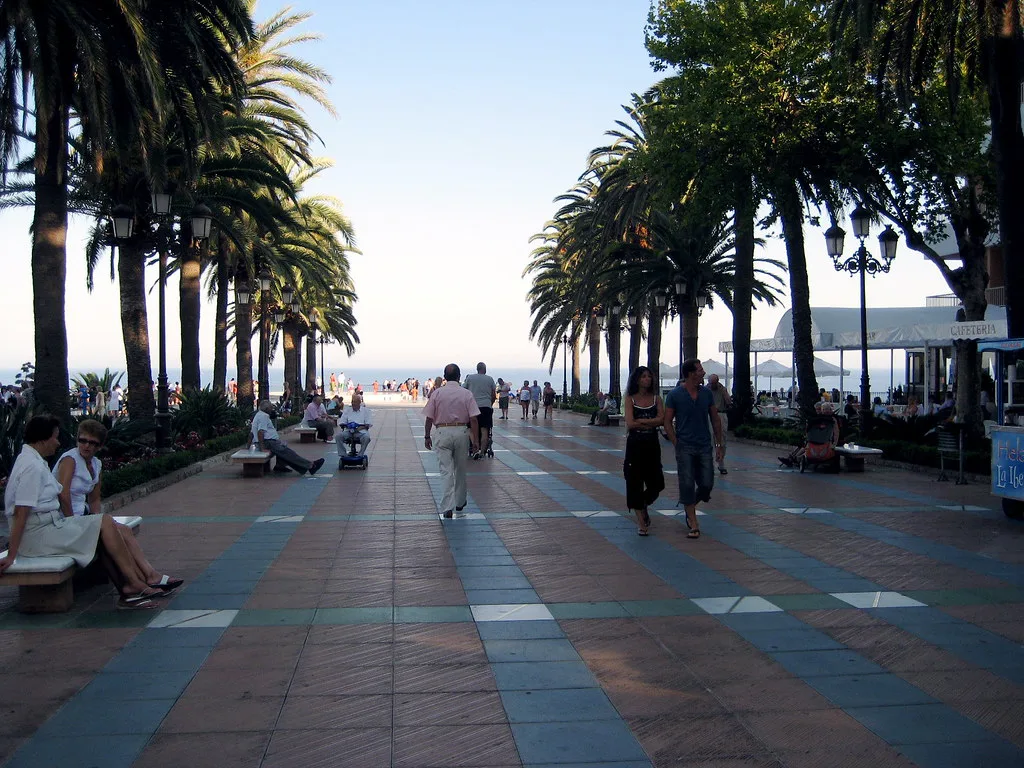
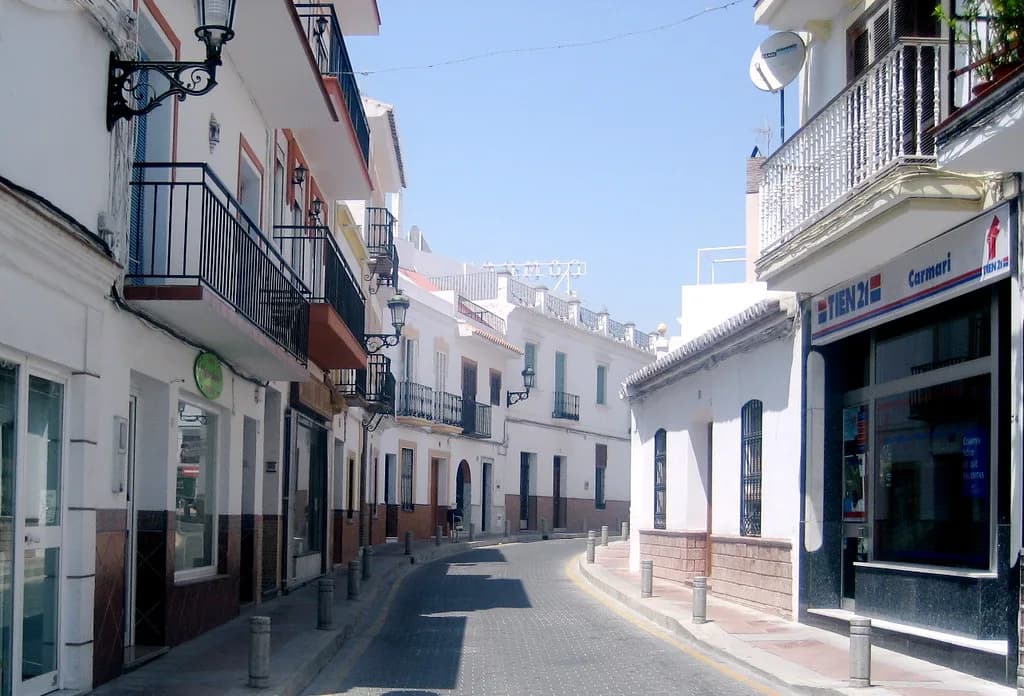
The Balcón de Europa is Nerja's signature viewpoint, a town square with bars and eateries beside an observation platform over the coastline. Start here in the morning, then wander the narrow whitewashed alleys and flower-lined streets of the old town at an unhurried pace.
Iglesia El Salvador gives the old town a focal point, and the Centro Cultural Villa de Nerja is a useful stop for exhibitions and a change of scene. A flat two to three hours covers the lot, with coffee or a late lunch built in.
If you are still deciding how to structure the whole stay, the visitor guides for Nerja attractions cover what else is worth the walking time.
Cueva de Nerja: The Cave Complex and Its Festival
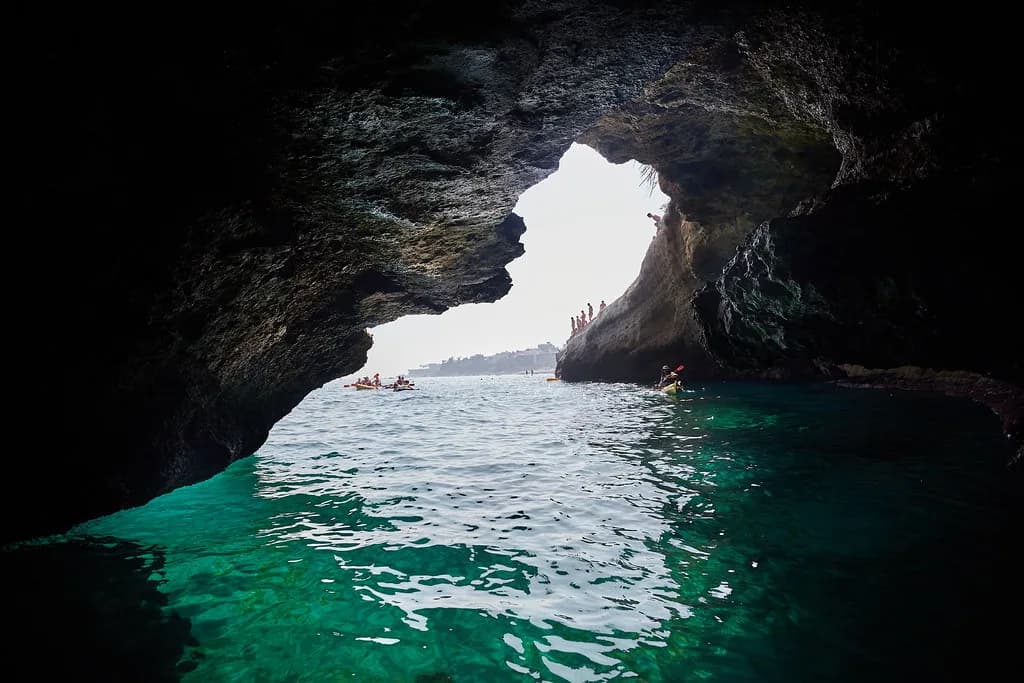
The Fundación Cueva de Nerja is an expansive cave complex viewed by guided tour, and it also hosts a classical music and dance festival. It is the obvious indoor answer to a wet or thundery September afternoon, and the scale of the caverns makes it a genuine highlight rather than a filler.
Because tours run on a set schedule, check the current tour times and ticket arrangements with the foundation before you build a day around it. Pair a cave visit with a walk or swim on the coast if the weather holds.
Day Trip to Frigiliana: Whitewashed Streets and a Short Drive from Nerja
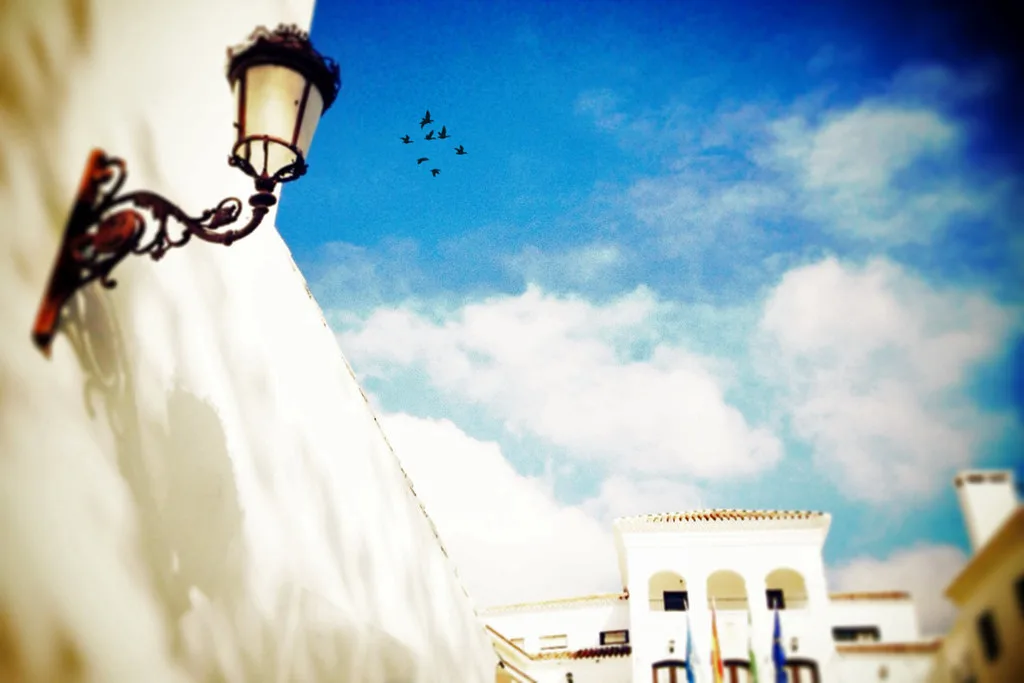
Frigiliana is a short drive from Nerja and delivers exactly what people picture of Andalusia: narrow cobbled streets, whitewashed houses and bright floral displays. Wander the historic centre, browse the artisan shops and take in the views over the surrounding countryside.
Go early or late in the day to dodge the sharpest sun and the bulk of day-trippers, and combine it with the Axarquía hills on the way back. September's gentler temperatures make the uphill lanes and viewpoints far more comfortable than in August.
If you are extending the trip into autumn, the same inland roads keep working in October.
Hiking in the Sierra de Almijara and the Río Chíllar
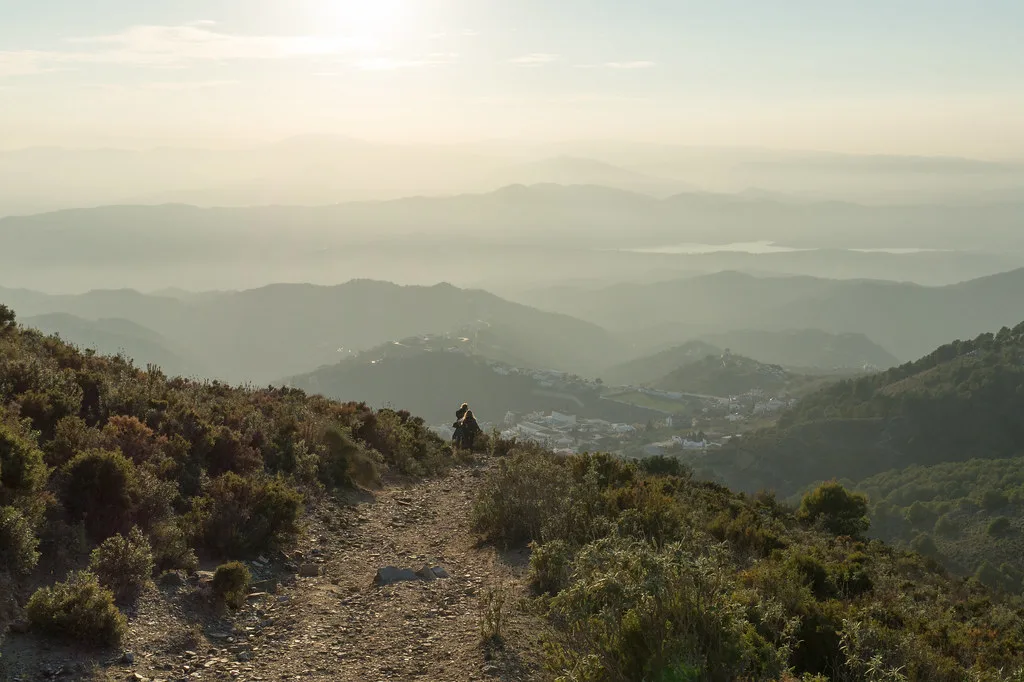
The Sierra de Almijara offers trails to viewpoints, hidden waterfalls and small villages, and September's warmth without the summer peak makes it good walking weather. Carry real water and start early, since the sun on an exposed slope is strong even at 26°C.
The Río Chíllar is the other draw, a river gorge that appears in every local hiking conversation. Conditions in a riverbed change with the weather, so ask locally or check with the tourist office about the state of the route before setting off.
Axarquía Wine: Moscatel Country at the Start of the Grape Harvest
September marks the start of the grape harvest in the Axarquía, the hill country behind Nerja, and the region is known for sweet Moscatel wines with a long winemaking history. Several local wineries run tours and tastings during the season.
Booking a tasting is the easiest way to see the vineyards and learn how the wines are made without driving yourself over the hills. Check availability directly with the winery you choose, since harvest is a busy period for them.
Virgen de las Angustias: Nerja's Early-September Festival
Nerja's main September event is the Virgen de las Angustias festival, a religious celebration held in early September. The highlight is a procession through the streets in which locals in traditional dress carry the statue of the Virgen de las Angustias.
Expect crowds, music and a genuinely local atmosphere rather than a tourist show, and treat the procession with the respect you would give any religious observance. Exact dates and the route change year to year, so confirm them with the town's tourist office before you travel if the festival is the reason for your visit.
Mercadillo de Nerja on Tuesdays: The Flea Market
The Mercadillo de Nerja is a Tuesday flea market, which is reason enough to shape your week around it. Go in the morning for the best selection and the cooler air, and bring cash and a bag.
For the full picture of which days markets run and where the permanent food shopping sits, our guide to the markets in Nerja does the sorting for you.
How Busy September Is and How to Time Your Days
September is noticeably quieter than August, but the first week can still feel busy around the Balcón de Europa and the main beaches. The later you go in the month, the easier it is to find space on the sand and a table without a wait.
Time your days Spanish-style: an early walk or beach session, a long lunch in the early afternoon, a siesta or indoor visit during the hottest hours, then a late swim and a dinner from 8:30pm. That rhythm keeps you out of the sun and in step with the town.
If you are comparing coastal options for the same month, Alicante in September runs hotter and busier, while Girona in September trades beach time for city streets.
Three-Day September Plan: Coast, Cave and White Village
Day one stays in town: the Balcón de Europa and the old town in the morning, a beachfront seafood lunch, then El Salón or Torrecilla for the afternoon and a late dinner. Day two takes the Cueva de Nerja in the morning and a cove or boat trip in the afternoon if the weather holds.
Day three heads inland to Frigiliana in the morning, with an Axarquía winery tasting on the way back and a final evening on Burriana. Shift the cave to whichever day looks wettest and keep the rest flexible.
Plan Your Visit
September gives you the best of Nerja's warm season without the August crush: temperatures in the mid-twenties, a sea still worth swimming in and a calendar that includes the Virgen de las Angustias festival and the Tuesday flea market. Build one indoor option into each day and let the weather decide the order.
Confirm tour times, festival dates and market details with the relevant venue or the town's tourist office before you travel, since these are the pieces most likely to change. Then book around the beach, the cave and a white village, and eat late like the town does.
Explore more Nerja guides
Frequently Asked Questions
What is the weather like in Nerja in September?
Average September days run from a low of about 19°C to a high of about 26°C, with roughly nine hours of sunshine a day and around 30mm of rain across the month. Another monthly summary puts the range at 20°C to 28°C, so expect variation between years and plan for warm, largely dry days with the occasional heavy shower.
Is September a good time to visit Nerja?
Yes. The August peak has passed, the sea is still warm enough for long swims, and the days stay sunny without the crushing heat of high summer. It suits travellers who want a beach trip with room to walk the old town and hills as well.
Does it rain in Nerja in September?
September averages around 30mm of rain, usually falling as short heavy bursts rather than washed-out days. A thundery spell can still close a beach afternoon, so keep an indoor option such as the Cueva de Nerja in reserve.
What is there to do in Nerja in September?
Swim at Playa Burriana, Cala del Cañuelo or El Salón, walk the Balcón de Europa and the old town, tour the Cueva de Nerja, hike in the Sierra de Almijara or the Río Chíllar, and day-trip to Frigiliana. The Virgen de las Angustias festival takes place in early September and the Mercadillo de Nerja runs on Tuesdays.
Is Nerja busy in September?
It is quieter than August, though the first week can still feel busy around the Balcón de Europa and the main beaches. Later in the month it is easier to find space on the sand and a table without a wait.
What should I pack for Nerja in September?
Light summer clothes, a hat and proper sun protection, plus one long-sleeved layer for evenings and a light waterproof shell for a possible wet spell. Bring shoes you can walk in on cobbles and rough paths.
Is Frigiliana worth a day trip from Nerja?
Yes. It is a short drive away and delivers narrow cobbled streets, whitewashed houses and floral displays, with artisan shops and countryside views. Go early or late to avoid the sharpest sun and the busiest hours.
When is the Virgen de las Angustias festival in Nerja?
It is held in early September and centres on a procession in which locals in traditional dress carry the statue of the Virgen de las Angustias through the streets. Exact dates and the route change year to year, so confirm them with the town's tourist office.
Sources
Notes for eating well in Spain
Optional updates to our guides.
You might also like
Continue reading
More guides you'll find useful