One Day in Lanzarote: Plan Your Driving Route & Stops
Spend one day in Lanzarote on a realistic driving route through Timanfaya, the northern Manrique sights and La Geria, with timings, entry prices and trade-offs.
On this page
One day in Lanzarote is enough for the volcanic south and the Manrique sights of the north, provided you hire a car and start at Timanfaya when the gates open. The island measures roughly 60 km by 25 km, so the driving itself never eats the day; queues and fixed opening hours do. Treat the plan below as a spine you trim, not a checklist you complete.
The route runs south to north: Timanfaya and the Fire Mountains first, Jameos del Agua, Mirador del Río and the Jardín de Cactus next, a late lunch among the vineyards of La Geria, and the César Manrique Foundation near Tahiche if time allows. Everything on the northern loop sits within a short drive of everything else, which is why it works as one half-day block.
One Day in Lanzarote: The Short Answer
Build the day around two fixed points: an early arrival at Timanfaya National Park and a northern loop of Manrique-designed attractions. Timanfaya opens daily from 10:00 to 17:45, so a 10:00 arrival leaves the afternoon free for the north.
Skip the southern beaches if this is your only day. Papagayo and the salt flats at Janubio reward a slower trip, and the dirt track down to Papagayo involves a coin toll as well as car-hire restrictions on unpaved roads, which is a poor use of a tight schedule.
How Many Days in Lanzarote? 2, 3 or 5 Days Planned is the question worth settling before you lock this route in, because the same sights spread far more comfortably over two or three days and leave room for a beach afternoon without racing the light.
Why a Hire Car Makes a One-Day Route Work
Public buses tie you to timetables that rarely match attraction opening hours, and the northern sights sit on minor roads between villages. A hire car turns the island into a sequence of short hops and lets you pull over at a viewpoint when the light is right.
Book the car before you fly and check the insurance terms for unpaved roads, because the Papagayo access track is not covered by every policy. Fuel costs stay low on an island this size, and four people sharing a car usually beat four seats on an organised coach tour.
Travelling without a car is still workable using guided excursions, but you lose the ability to reorder the day when a site is busy.
Start Early: Timanfaya National Park and the Fire Mountains
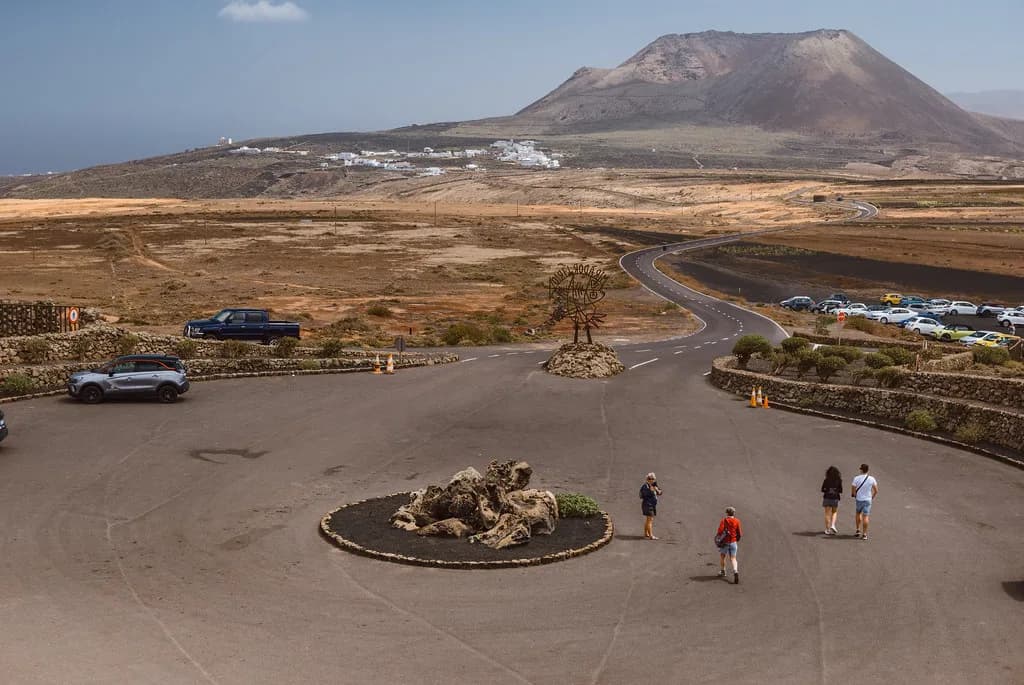
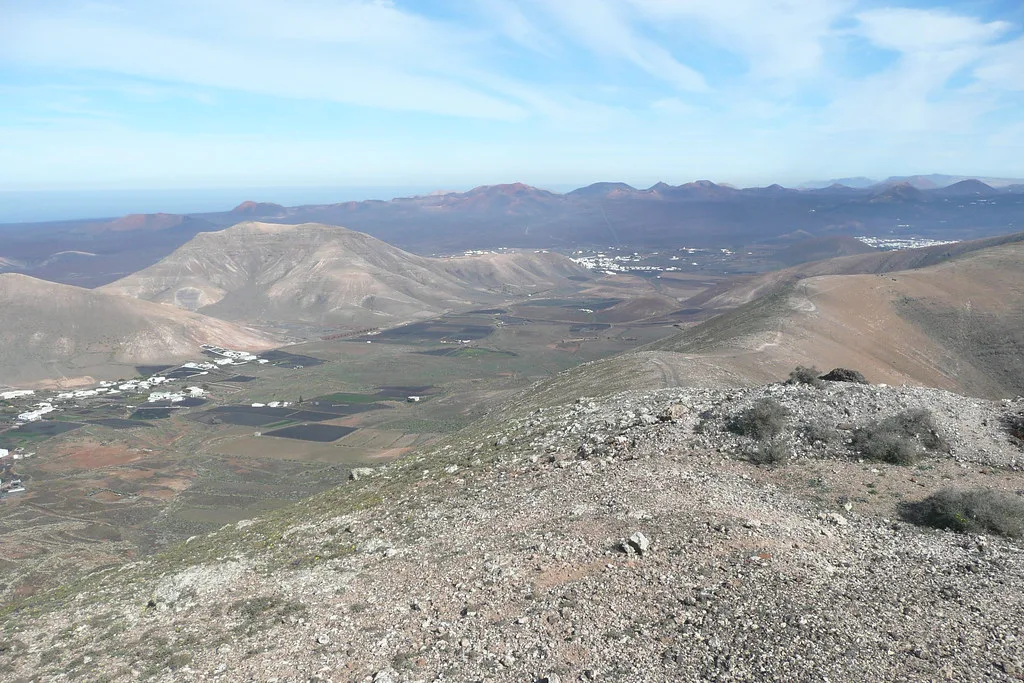
Timanfaya covers more than 51 square km of lava fields in the south-west, and the Montañas del Fuego inside it are a group of over 100 volcanoes. The landscapes justify the early alarm: this is the sight most visitors remember from the island.
You cannot walk unescorted through the park, which protects the fragile flora and fauna from trampling. Walks with a park ranger exist but fill quickly, so book ahead if a guided walk matters more to you than the bus circuit.
Enter at the gate off the LZ-67 between Yaiza and Tinajo and drive about a kilometre to the Islote de Hilario visitor area for the wide views over the lava.
The El Diablo Bus Tour and What You Actually See
The El Diablo buses leave from the car park every 20 minutes and loop through the craters with recorded commentary in Spanish, English and German. Passengers stay on board for the whole circuit, so every photograph has to be taken through the window.
Sit on the right-hand side of the coach for the better views, and accept that the bus is a survey rather than a hike. The tour is included in what you pay to enter the volcano route, with the bus reported at ten euros for adults and four euros for children.
Guided walking options inside the park trade the bus windows for close-up geology, and some organised routes require an online reservation before you arrive.
The Geothermal Stop at Islote de Hilario
Near the El Diablo restaurant, rangers demonstrate the heat still trapped under the surface by pouring water into a hole in the lava; it bursts back as steam within seconds. It takes minutes to watch and is the clearest proof that these volcanoes are dormant rather than extinct.
The restaurant beside the demonstration is the obvious lunch stop if you are running late, though eating here costs you the La Geria vineyard lunch later. Choose one, not both.
Driving North: Jameos del Agua and the Underground Lagoon
Jameos del Agua sits inside a lava tube formed by eruptions from La Corona around four thousand years ago, and Manrique turned it into a visitor centre with gardens, an auditorium and a pool. A spiral staircase drops to the Jameo Chico lagoon, where blind albino crabs dot the clear water.
It opens daily from 10:00 to 18:00 with last entry at 17:15, and tickets are ten euros for adults and five euros for children aged 7 to 12. Saturday and Tuesday evenings bring a separate opening from 19:00 to 01:00, useful if you would rather see it after dark.
Allow around an hour here. The underground rooms are cool and shaded, which makes this a sensible stop in the middle of a hot day.
Mirador del Río and the Famara Cliff Views
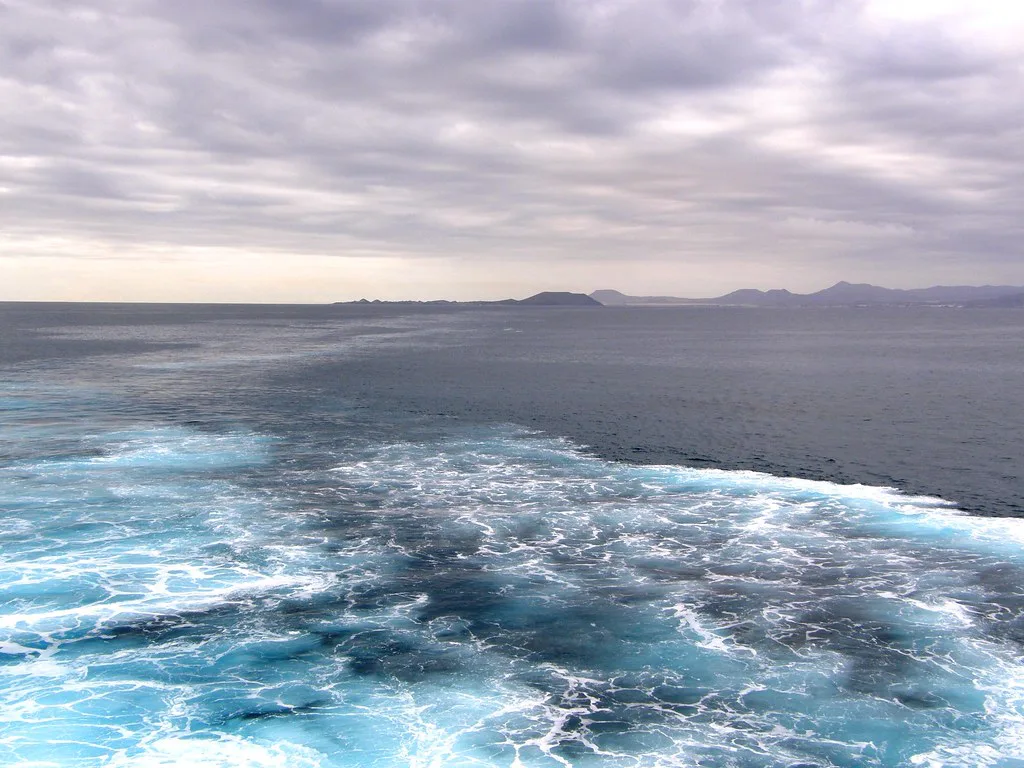
Mirador del Río is built into the Risco de Famara at 474 metres, with two vast windows and an outdoor terrace looking across the El Río strait to La Graciosa and the Chinijo archipelago. From the terrace you also pick out the red salt pans of the Salinas del Río, the island's oldest.
Standard hours are 10:00 to 17:45, extended to 18:45 between 15 July and 15 September, and admission is five euros for adults and 2.70 euros for children, with reduced rates for Canarian residents. It closes at 16:45 on 24 and 31 December.
This is the northern high point of the day. If low cloud is sitting on the cliff, the view disappears entirely, so watch the sky as you drive up and reshuffle the order if needed.
Jardín de Cactus and the Guatiza Area
Manrique built the Jardín de Cactus into an old quarry between Mala and Guatiza in the north, terracing dark lava stone around thousands of cacti from around the world. It fills an hour comfortably and photographs well even for travellers with no interest in plants.
Opening hours are daily 10:00 to 17:45, and entry is 6.50 euros for adults and 3.25 euros for children aged 7 to 12, with resident discounts. Much of the garden is reached by sloping paths and ramps, but some steep steps rule out parts of it for anyone unsteady on their feet.
The windmill at the garden's centre holds the old milling machinery, and the small cafe and shop give you a short break before the drive south to lunch.
Lunch in La Geria: Bodegas, Zocos and Volcanic Wine
La Geria is the island's vine country, on the road from San Bartolomé towards Playa Blanca, where each vine grows in a hollow behind a crescent-shaped stone wall called a zoco. The walls shelter the plants from constant wind while the black ash below holds moisture in a landscape with little rain.
Several bodegas along the route serve tapas with their wines, making this the natural lunch stop after the northern loop. Aim to arrive by the early afternoon; Spanish kitchens serve lunch from about 13:30 to 16:00 and a straggler at 16:00 finds the pans going cold.
The vineyards exist because of the 1730 eruption, which buried this part of the island in ash over six years and left little worth cultivating except vines. Tastings usually include the local malvasía, and drivers should keep theirs small.
The César Manrique Foundation at Taro de Tahiche
Manrique built his own home into an old lava flow at Taro de Tahiche, about ten minutes' drive from Arrecife, with five underground rooms set in natural volcanic bubbles linked by tunnels. The sunken garden and courtyard above ground show the traditional Canarian features he folded into the design.
Inside, the foundation holds a modern art collection that includes drawings by Picasso and Miró. Admission is eight euros for adults and one euro for children under 12, and the house opens 10:00 to 18:00 Monday to Saturday and 10:00 to 15:00 on Sunday.
If you have already spent the afternoon circling Manrique's caves and gardens, this is the one to drop. If his work is the reason you came, keep it and cut the southern coast instead.
Optional South-Coast Finish: Papagayo, Los Hervideros and Janubio
If the northern loop runs fast, drive south for Los Hervideros, where lava cliffs and sea caves throw up spray in rough weather, or the green lagoon of Charco de los Clicos beside El Golfo. Both need no ticket.
Papagayo is the harder addition: the dirt track from Playa Blanca carries a coin toll, car parks fill early in the day and many hire agreements exclude unpaved roads. Staying in Playa Blanca and walking down the steps is the cleaner option if this beach matters to you.
The salt flats at Janubio make a short sunset stop en route back, with salt pans at different water levels reflecting the light.
What to Skip When You Only Have a Day
La Graciosa is the first thing to cut. The ferry leaves from Órzola in the north and the crossing takes about 35 minutes each way, which is a half-day trip rather than a stop on a driving circuit.
Cueva de los Verdes and the southern resort beaches also belong on a second visit. Squeezing them in means rushing the volcano and the northern gardens, which are the strongest part of the day.
Ticket Costs and Combi-Ticket Maths
Add up single tickets before you commit. Jameos del Agua, Mirador del Río and the Jardín de Cactus cost ten, five and 6.50 euros per adult, and the César Manrique Foundation adds eight euros, so the four together come to 29.50 euros per adult. A combi ticket covering six attractions was reported at 35 euros per adult, a saving of 12.50 euros per person, and tickets can be bought at each venue as you arrive. The six-ticket version pays off if you plan to see more than two or three of the Manrique sites in your stay.
Do not assume the combi covers the Timanfaya bus: the El Diablo circuit is reported separately at ten euros for adults and four for children. Check which attractions are included before you buy.
Practical Timing for a Single Day
Leave your base before 09:30 to reach Timanfaya for opening, and hold the bus circuit and geothermal stop to about 90 minutes. Then drive north for Jameos del Agua, followed by Mirador del Río and the cactus garden, keeping an eye on the 17:45 closing time that applies to most of these sites.
Lunch in La Geria lands around 14:00, comfortably inside the Spanish lunch window, and leaves the late afternoon for the foundation or a quick run south. Pack water and a hat: the lava fields are exposed and there is little shade at the viewpoints.
Evening plans depend on the season, and July is the busiest month for the island's roads and car parks, so book the car before you fly. Lanzarote in October is quieter and still warm enough for the terrace at Mirador del Río.
Plan Your Visit
The one-day route works because Lanzarote's best sights cluster at opposite ends of a small island: volcanoes in the south-west, Manrique's gardens and viewpoints in the north, vineyards in between. Start with the park, work north through the caves and cliffs, and eat late among the zocos.
Confirm the day's opening hours and ticket options with each attraction before you set off, since opening times shift with the season. If you are staying longer, spread the same sights over two days and add a beach.
Frequently Asked Questions
Can you see Lanzarote in one day?
You can cover the highlights in a day if you drive: an early visit to Timanfaya, then the northern Manrique sights of Jameos del Agua, Mirador del Río and the Jardín de Cactus, with a late lunch in La Geria. It is a full day with limited slack, so a beach stop is not realistic. Two days give a much calmer pace.
Is it worth renting a car in Lanzarote for one day?
Yes, if you want to chain together sights in different parts of the island. The island is small and the roads are good, and a car frees you from bus timetables. Check the insurance terms for unpaved roads, especially if you plan to reach Papagayo.
What should you not miss on a one-day Lanzarote itinerary?
Timanfaya National Park and the Fire Mountains, the underground lagoon at Jameos del Agua, and the cliff-top view from Mirador del Río. The Jardín de Cactus and the César Manrique Foundation are strong additions if time allows.
How much do Lanzarote's main attractions cost?
The Manrique sites charge entry, and the adult rate for Jameos del Agua, Mirador del Río, the Jardín de Cactus and the César Manrique Foundation is posted at each ticket desk and on the official attraction site, where the combined six-attraction ticket is also explained. The El Diablo bus at Timanfaya is charged at the park entrance.
Is the Timanfaya bus tour included in the entry fee?
The El Diablo bus circuit is included in the fee for the volcano route at the park, and the bus rate is published at the park entrance. Visitors cannot leave the coach during the tour, so photographs are taken from the window.
What should you skip on a one-day visit?
La Graciosa is the clearest cut, since the ferry from Órzola and the return crossing take up a large slice of the day. The southern beaches and Cueva de los Verdes also belong on a longer trip.
Sources
Notes for eating well in Spain
Optional updates to our guides.
You might also like
Continue reading
More guides you'll find useful