One Day in Alicante: Castle to Beach Walk Guide
A realistic one-day Alicante itinerary on foot, from Castillo de Santa Bárbara and Santa Cruz to the market, the city beach and an evening on the Explanada.
On this page
One day in Alicante is enough for the castle, the whitewashed old town, the central market, the city beach and an evening on the Explanada, because all of it sits on a compact, walkable patch of coast. You need no car and no bus pass for the day itself. The single biggest planning decision is how to handle the castle climb, and the second is timing lunch for the Spanish afternoon rather than your home appetite.
Why Alicante Works for a Single Day
Alicante packs a medieval fortress, a historic quarter, a working food market and a sandy beach into a centre you can cross on foot, with much of the middle pedestrianised and easy to walk. The airport sits about 20 minutes from the city, so a short break does not dissolve into transfers. If you are weighing up a quick visit against a longer stay, our guide to
A single day suits the city's headline sights, but it squeezes out the coast beyond the centre. The tram runs along the Costa Blanca to Benidorm, Altea, Calp and Dénia, which makes a second day easy to justify if you want beaches or hill towns rather than museums. Build the day around walking and leave the wider coastline for later.
Start at Castillo de Santa Bárbara
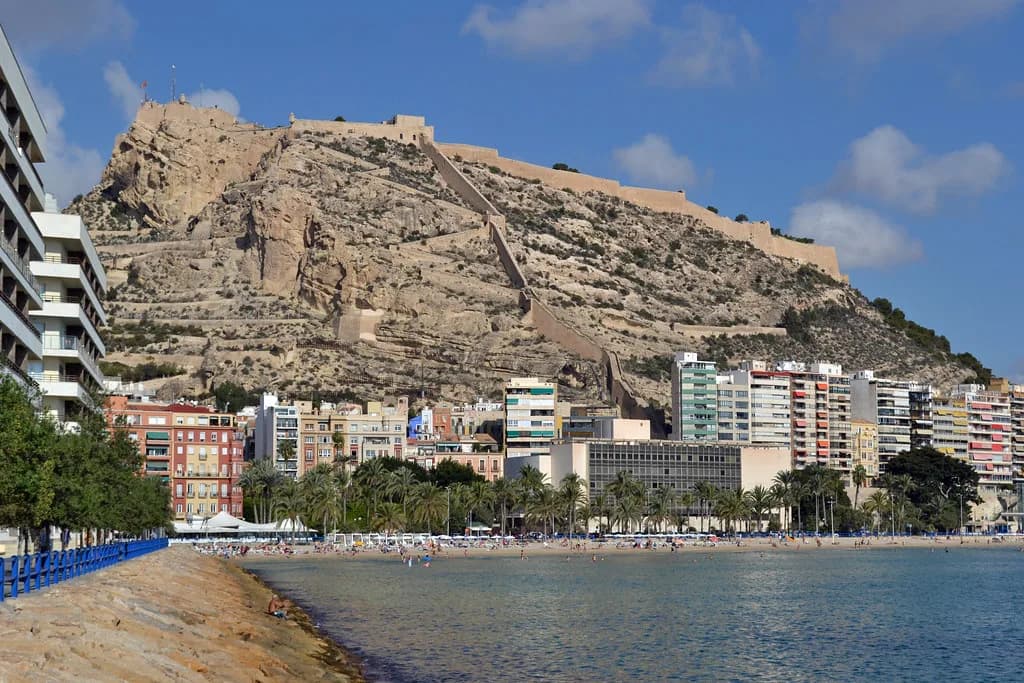
Castillo de Santa Bárbara sits on top of Mount Benacantil and is the one sight to build the day around, with wide views over the port, the city and the mountains inland. Entry is free, and the ramparts, small exhibitions and a short film on the castle's history can easily absorb a couple of hours. Go first thing, before the heat builds and the viewpoints fill.
You have two ways up. The scenic route climbs through the old town in about 30 minutes, steeply, with plenty of photo stops on the way. The easier option is the lift opposite
If castle time is the priority and your legs are fresh, walk up and take the lift down. If you are travelling with children or in high summer, do the reverse and save your energy for the old town streets afterwards. Our guide to
El Barrio de Santa Cruz: Whitewashed Stairways and the Blue Flower Pots
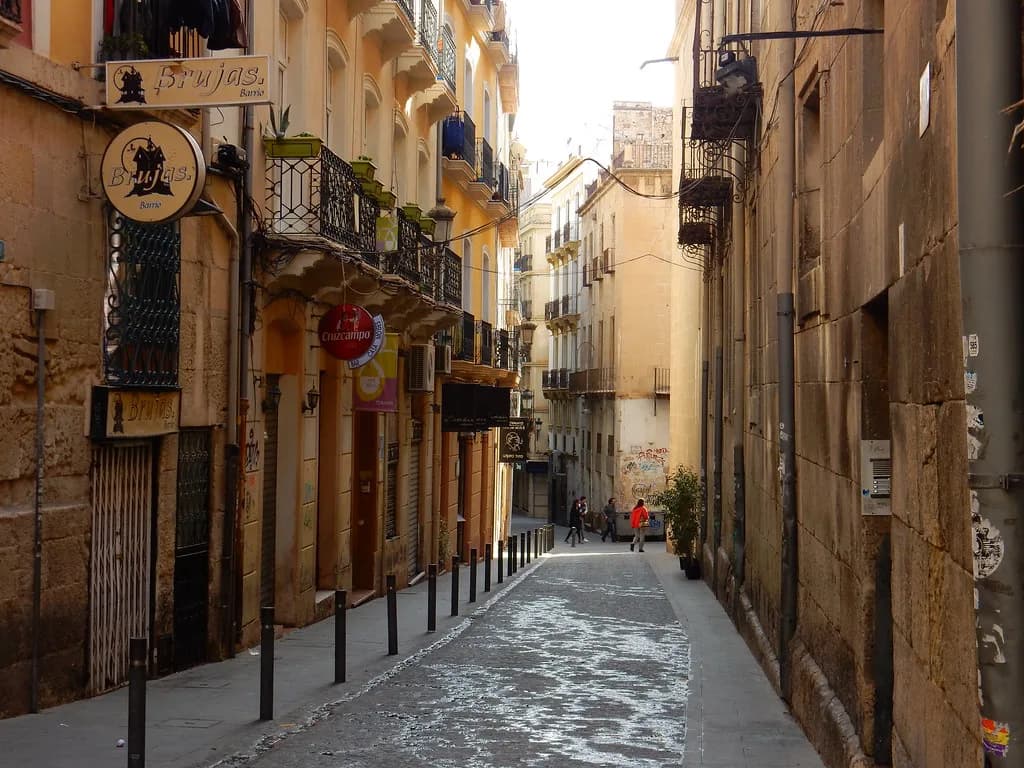
El Barrio de Santa Cruz is the prettiest corner of the old town, a knot of narrow stairways, whitewashed terraced houses and flower pots that makes a natural descent from the castle. Look for La Casita de Las Macetas Azules, the house of blue flower pots, which has become the neighbourhood's photographed landmark. Come early and the lanes are quiet; by mid-morning the groups arrive.
The neighbourhood rewards slow wandering rather than a checklist. Walk it as the scenic route down from the castle rather than a separate stop, and you get the views and the streets in one sweep.
Come Down to the Explanada de España
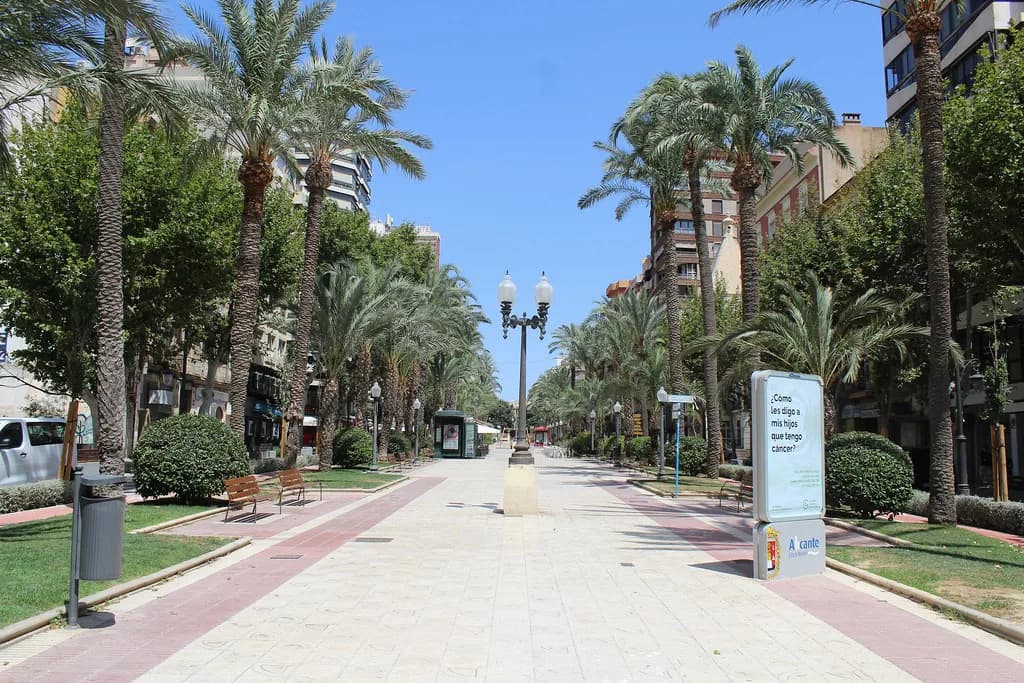
The Explanada de España runs parallel to the waterfront under palms, and its mosaic pavement of red, blue and cream tiles forms a wave pattern made from more than six million pieces. Cafés, restaurants and gelaterias line it, and it is the city's best spot for watching people go by. It is liveliest at night, so treat a midday crossing as a reconnaissance walk and return after dark.
Midday at Mercado Central
Mercado Central de Alicante dates from 1912 and spreads over two levels, selling fresh seafood, Iberian ham, fruit, vegetables and cheese. It is open Monday to Saturday mornings, so it belongs before lunch rather than after it. Arrive by late morning to see the stalls at full tilt.
This is where you build a light lunch from the counters: a plate of ham, some cheese, a few olives and whatever seafood looks best that morning. For a wider picture of the city's food halls and stall culture, see our guide to
Lunch Timing in Alicante
Spanish lunch runs from roughly 1.30pm to 4pm, and Alicante keeps to it. A restaurant kitchen that looks empty at noon will be full by half past two, and the menú del día is a lunchtime institution rather than an evening one. Plan your market visit around 11am to noon, then sit down to eat in the early afternoon.
If you eat a proper lunch at 2pm, the rest of the day makes sense: a slow coffee afterwards, beach or museum in the late afternoon, and dinner from 8.30pm or 9pm. Eating a big meal at noon British time leaves you hungry and out of step by evening. Restaurants publish their own hours and closing days, so check the door or the restaurant's own site before you set out.
Afternoon Swap: MACA or the Ocean Race Museum
The Contemporary Art Museum of Alicante, MACA, occupies a 17th-century house opposite the Basílica de Santa María and holds Spanish modern art, including works by Picasso, Dalí and Miró. Entry to MACA and several other city museums is free. The courtyard in front of the church is a good place for a post-museum drink.
Down by the harbour, the Ocean Race Museum covers the round-the-world sailing race that has started in Alicante since 2008, with videos, exhibits and a virtual reality crew experience. It is genuinely family-friendly and worth an hour even if sailing means nothing to you. Choose one of the two, not both, unless the afternoon is long and the heat is fierce.
Playa del Postiguet: The City Beach
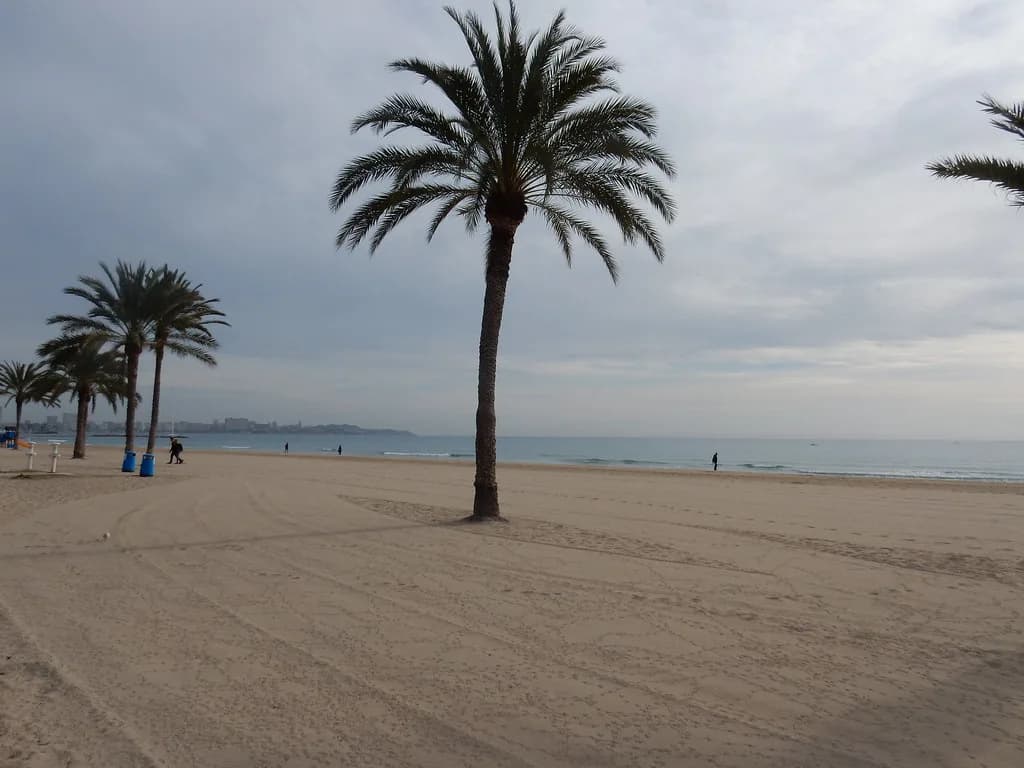
Playa del Postiguet puts golden sand and calm, shallow water a few minutes from the old town, which is the reason a one-day visit works so well here. Sunbeds and parasols are available to hire but are pricey, so most sensible budgets come down to a towel on the sand. Showers, cafés and bars run along the promenade.
In high summer the beach fills fast, and the sea is at its busiest in the middle of the afternoon. For a quieter swim, save the sand for late afternoon or use the beach as a morning add-on before the castle. Our
Late-Afternoon Walk on the Vía Verde de la Cantera
The Vía Verde de la Cantera follows an old railway line from Postiguet beach to Playa de la Albufereta, flat and easy, through a series of tunnels with coastal views along the way. Take swimwear: the beach at the far end is quieter and good for a dip. Chiringuito de la Albufereta makes a sensible stop before you turn back.
The walk suits the hour after the beach empties and before dinner, when the light softens and the tunnels give shade. Allow enough time to return to the centre on foot or by tram rather than rushing the finish.
Evening: Harbour Light and Dinner on the Explanada
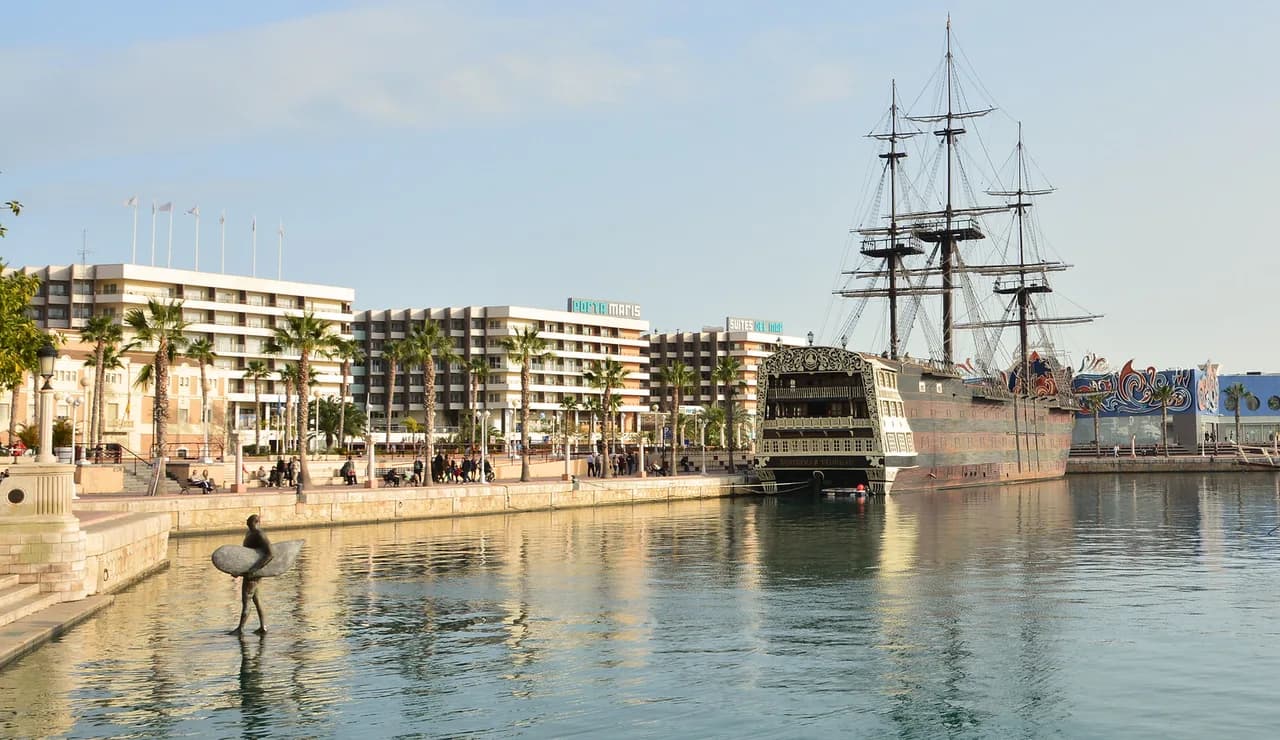
Alicante's harbour and marina is a modern waterfront of yachts, restaurants and a casino, and from the marina you get one of the best night views of Santa Bárbara Castle lit up above the city. Walk the waterfront as the light goes, then head back towards the Explanada. It is also where ferries and boat trips to Tabarca Island leave from.
Dinner starts from 8.30pm to 9pm, so resist the 6pm hunger pang with a drink and a tapa on the Explanada rather than a full meal. The promenade is at its best after dark, busy with locals rather than tour groups. Keep the evening simple and close to your bed.
Quick Detour for Families: El Carrer dels Bolets
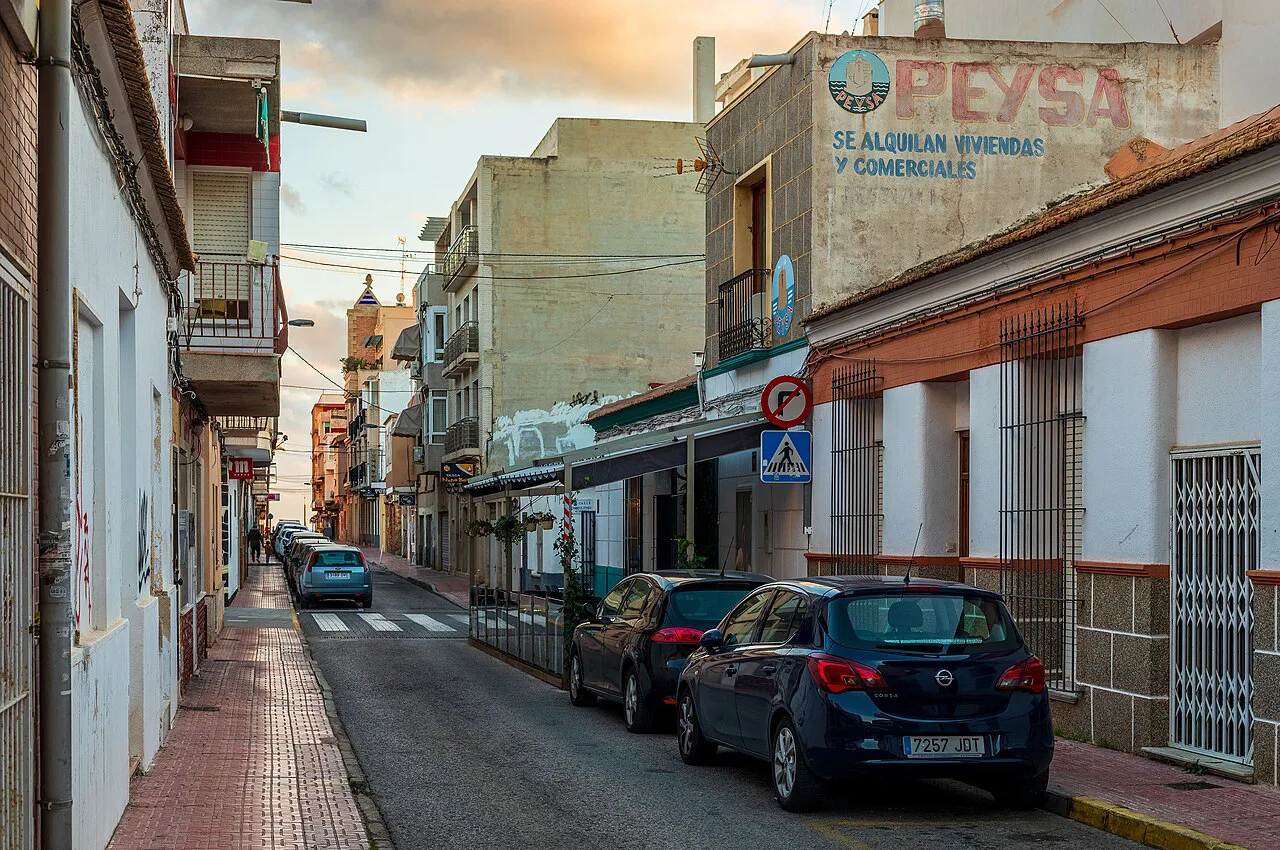
El Carrer dels Bolets, known as Mushroom Street, lines a short lane with giant mushroom sculptures and brightly painted pavement. It is a quick stop, ten minutes at most, but a reliable hit with children and a good photo. Fold it in on the walk between the old town and the market rather than making a special trip.
What to Drop If You Only Have Half a Day
With half a day, cut the Vía Verde walk and the Ocean Race Museum, keep the castle and Santa Cruz in the morning, and finish with the market or the beach depending on the weather. The Explanada is a ten-minute crossing, not a destination in itself. Trying to fit the castle, a museum and the coastal path into four hours leaves you hurrying through all three.
If your half day falls in the shoulder season, the balance shifts: a museum or the coastal walk beats a cool beach. Our month-by-month notes on
If You Have a Second Day: Tabarca Island or Guadalest
Tabarca Island is the easiest second-day trip: ferries leave regularly from Alicante port, and the island offers snorkelling, quiet walking and a fresh seafood lunch before the late-afternoon boat back. It takes almost no planning beyond turning up at the harbour in time.
Guadalest, a medieval hilltop village above a turquoise reservoir about an hour's drive away, suits travellers with a car or a booked tour, and combines well with Altea and the Algar waterfalls. Entry to the Castillo de Guadalest and its small museums is a separate matter; check locally. For a full comparison of one, two and three-day plans, read
Getting Around and Back to the Airport
The centre is compact and largely pedestrianised, so walking covers almost everything in this itinerary. For longer hops, the tram runs along the coast, and guided bike tours are a popular way to see the Santa Cruz neighbourhood, the harbour and the beach in one loop.
The airport is about 20 minutes from the city, and the C-6 bus runs every 20 minutes to stops including the train station and beach, with pick-up on Level 2 of the departures terminal. Taxis wait outside arrivals. Fares and timetables change, so check the current airport bus information before you travel.
Plan Your Visit
A one-day Alicante plan writes itself once you accept the Spanish clock: castle first, old town streets on the way down, market before noon, a proper lunch from 1.30pm, beach or museum in the late afternoon, and dinner from 8.30pm. The city rewards walking and punishes rushing.
Explore more Alicante guides
Frequently Asked Questions
What can you realistically see in one day in Alicante?
Castillo de Santa Bárbara, El Barrio de Santa Cruz, the Explanada de España, Mercado Central, Playa del Postiguet and either MACA or the Ocean Race Museum. That fills a full day on foot with a proper lunch in the middle. Add the Vía Verde de la Cantera only if you start early and walk briskly.
Is the Castillo de Santa Bárbara free to enter?
Yes. Entry to the castle is free, and you can explore the ramparts and exhibitions and watch a short film on its history. The climb through the old town takes about 30 minutes on foot, or you can take the lift opposite Playa del Postiguet.
Is Alicante walkable for a day without a car?
Yes. The centre is compact and much of it is pedestrianised, so the castle, old town, market, beach and Explanada are all within walking distance. The tram is there for the wider coast if you want it.
What time do people eat lunch and dinner in Alicante?
Lunch runs from roughly 1.30pm to 4pm and dinner starts around 8.30pm to 9pm. Plan the market for late morning, sit down to eat in the early afternoon, and treat the early evening as drinks and a tapa rather than a full meal.
Is Alicante old town worth visiting?
Yes, and El Barrio de Santa Cruz is the highlight: narrow stairways, whitewashed houses and the blue flower-pot house. Go early, before the groups arrive, and use it as the walking route up to or down from the castle.
What is there to do in Alicante in the evening?
Walk the harbour and marina for the night view of the lit-up castle, then head to the Explanada de España, which is at its liveliest after dark. Dinner from 8.30pm to 9pm rounds off the day.
Should you go to the beach or a museum in the afternoon?
Take Playa del Postiguet in hot weather and MACA or the Ocean Race Museum when it is cooler or you want a break from the sun. Museums are free to enter, while sunbeds on the beach are pricey, so a towel keeps the day cheap.
Where can you go on a second day from Alicante?
Tabarca Island is the easiest, with regular ferries from the port, snorkelling and a seafood lunch. Guadalest, a medieval hilltop village about an hour's drive away, suits travellers with a car or a booked tour.
Sources
Notes for eating well in Spain
Optional updates to our guides.
You might also like
Continue reading
More guides you'll find useful