Lanzarote Itinerary: A Day-by-Day Plan for 2 to 7 Days
Plan a Lanzarote itinerary around base towns, volcanic sights and César Manrique's caves, with routes for two days, three days or a full week.
On this page
Two days gives you the lava tunnels and the volcanoes; a week lets you add Famara's surf beach, the Teguise market and a slow morning in Arrecife. The route below assumes you start at Puerto del Carmen, which sits about fifteen minutes by taxi from Lanzarote Airport and works as a first base for the northern sights.
A car turns the island into a series of short hops rather than a day of timetables, and the roads between the main sights are straightforward as long as you stay off narrow dirt tracks near Timanfaya and Caleta de Famara. Without one, the bus network still reaches the big attractions, but connections eat into your morning.
How Many Days You Need, and Where to Base Yourself
Seven nights is the shape most travellers settle into: three in Puerto del Carmen, two in Costa Teguise and two in Playa Blanca, which trims driving and puts the caves, the old capital and the southern coves in easy reach of each base. If your time is tighter, the full week's plan shows exactly which stops to drop rather than cutting every day short, and the same base-splitting logic works inland too on a practical ronda itinerary.
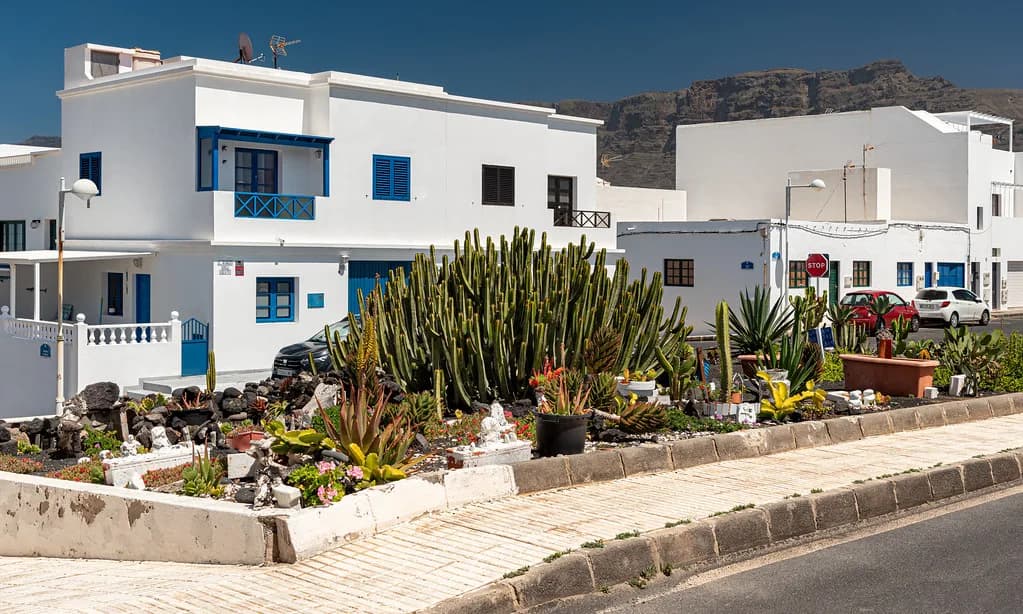
Puerto del Carmen is the busiest of the three resorts, with restaurants, bars and a long beach running most of its length, and it is the sensible first stop from the airport. Costa Teguise is quieter and breezier, which suits families and anyone who wants a calmer evening, while Playa Blanca in the south is the prettiest base and the one to pick if food matters as much as scenery.
Plan the days around a single area rather than criss-crossing: the northern tunnels and cactus garden belong together, the southern coast pairs with Playa Blanca, and Arrecife slots neatly into the last morning before a flight, since the airport is roughly ten minutes' drive from the capital. If you are still weighing up trip length, the question of how many days in lanzarote you need is answered properly in the linked guide.
Day 1: Timanfaya National Park and the Volcanoes Route
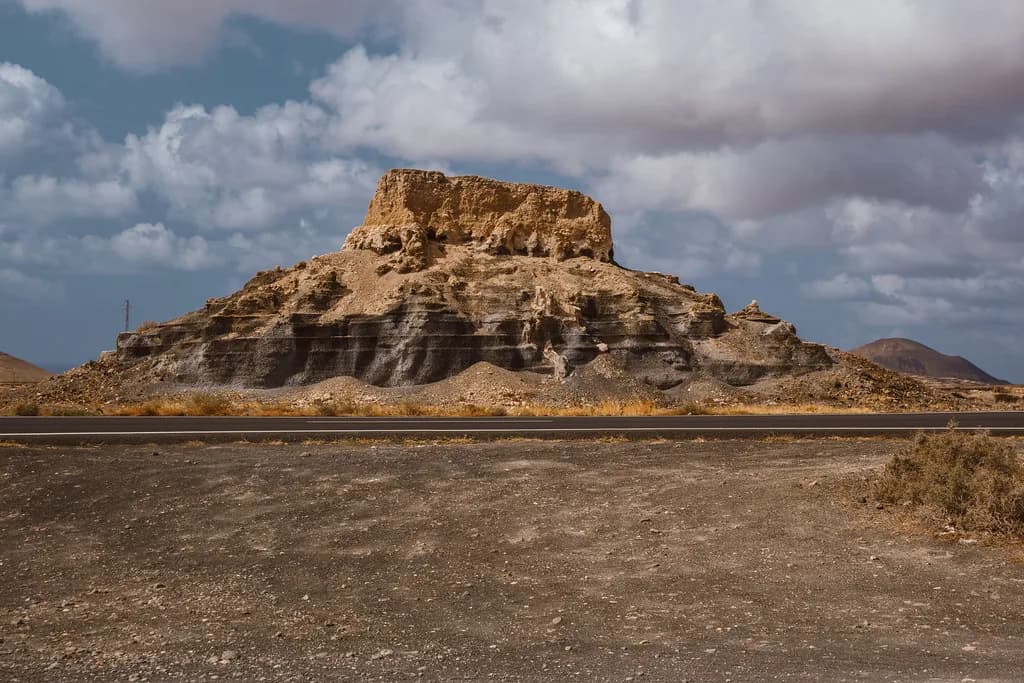
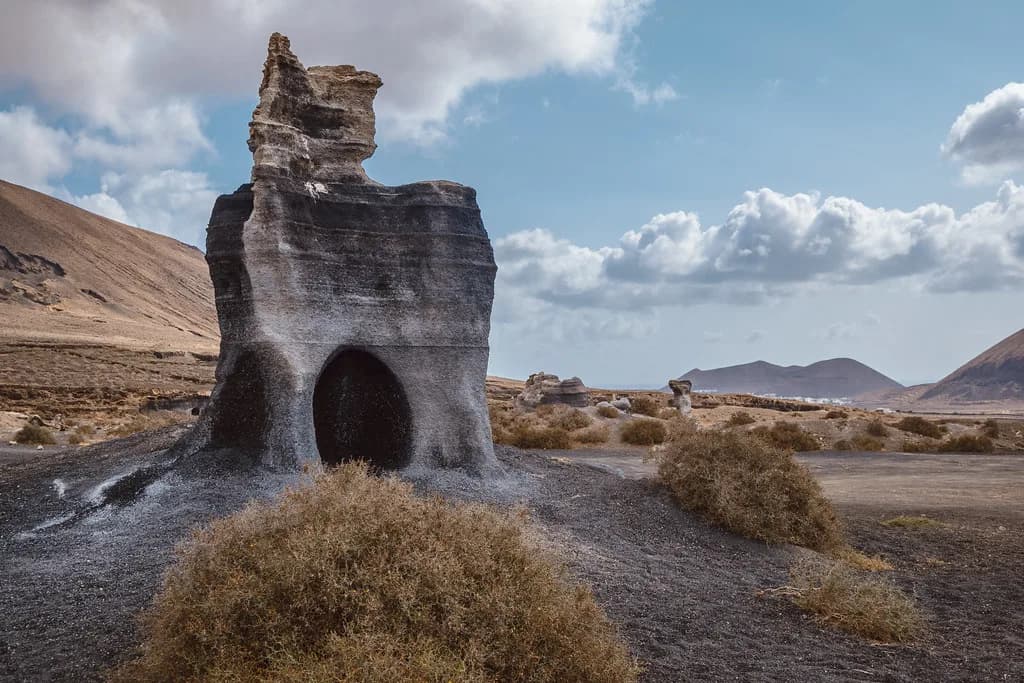
Start inland at Timanfaya National Park, where the geothermal demonstrations at the Islote de Hilario and the bus circuit along the Route of the Volcanoes show lava fields and craters that make the rest of the island legible. The landscape is the reason most people came, so give it the morning rather than squeezing it between beach stops.
For a wider menu of stops to slot around this day, including the caves and viewpoints that reward an early start, browse the things to do in lanzarote guide and build the rest of your week from there. Book Timanfaya early in your trip: if wind or heat closes the park, you still have days left to reshuffle.
Driving here is easy on the main roads, but avoid the narrow unsurfaced tracks near the park boundary, which are not worth the risk in a hire car. If you are travelling in high summer and want to know what the heat does to a walking-heavy plan in lanzarote in july, that month has its own guide.
Day 1 Afternoon: Charco de los Clicos at El Golfo and a Seafood Lunch
From Timanfaya, drive down to El Golfo, where a short walk from the car park brings you to the viewpoint over Charco de los Clicos, a bright green lagoon held between volcanic slopes with a black sand beach below. The colour comes from algae in the water, and the walk to the main viewpoint takes only minutes.
Treat El Golfo as a lunch stop rather than a photo stop. The fishing village below the car park has several seafood restaurants, and eating there breaks the day far better than driving back to the resort hungry.
There is also a large café beside the car park with an outdoor terrace overlooking the beach if you want something quicker before heading north. Either way, keep the afternoon loose: the light on the lagoon is best when the sun is not directly overhead.
Day 2: Cueva de los Verdes and Jameos del Agua in One Morning
Pair the two lava-tunnel sights so you climb the same road only once. Cueva de los Verdes, part of the long volcanic tube formed by the La Corona eruption, is toured with a guide who explains how islanders once used its galleries for shelter, and Jameos del Agua sits a short drive away with its crystal-clear lagoon, auditorium and cactus-planted terraces.
Jameos del Agua's lagoon is home to the tiny blind albino crabs known as jameitos, found in these waters and nowhere else, and swimming is forbidden because of them. The cave also holds a natural auditorium seating several hundred people, which is worth seeing even without a concert on.
Tickets are separate for each site, so decide in advance whether you want both or just one. The wider César Manrique trail, from the Mirador del Río to the Fundación César Manrique, fills a second day if the artist's work is why you came.
Day 2 Afternoon: Jardín de Cactus at Guatiza
The Jardín de Cactus at Guatiza holds around 4,500 cacti in a sunken volcanic bowl, with an eight-metre specimen at the entrance and a small restaurant serving cactus croquettes and prickly pear juice. Give it about two hours, which is enough for the terraces and a coffee.
An adult ticket for the Jardín de Cactus costs 8 euros, with children aged 7 to 12 at 4 euros and under-sixes free. The drive from Puerto del Carmen takes about thirty minutes, and it is a further fifteen minutes or so on to Jameos del Agua, which is why the two sights share a day.
If you are working with buses instead, the route from Puerto del Carmen runs on Line 12 and then Line 7 to the cactus garden, with Line 9 onward to Jameos del Agua. It is doable but slow, so pick one sight rather than both.
Day 3: Mirador del Río and the Chinijo Archipelago
The Mirador del Río, another Manrique creation, looks out over the Chinijo archipelago from the northern cliff edge and is the island's best short stop for photographs. Combine it with the Monumento al Campesino on the way south, which introduces the farming history that shaped the volcanic landscape.
Check ticket details for each Manrique site before you set out, since prices are set per attraction rather than sold as one island pass. Pairing the mirador with the Fundación César Manrique fills a full day comfortably, and both are indoor-outdoor stops that cope with Lanzarote's wind.
Day 4: Teguise, the Old Capital, and Its Sunday Market
Teguise was the island's old capital, and its cobbled streets and whitewashed houses take under an hour to walk. The Sunday market fills the Plaza de San Miguel with crafts, food and street musicians, and it is crowded and unapologetically aimed at visitors, so arrive early if you want room to browse.
Beyond the market, the town's churches and convents are the reason to linger, and the Castillo de Santa Bárbara sits on the Guanapay volcano above the town with views back over it. If markets are a theme of your trip, there are more across the island to plan around in the lanzarote markets guide.
From Costa Teguise, Teguise is about twenty minutes by car or a direct run on Line 31. Visiting on a weekday gives you the town without the market crowds, which is the better trade if you care more about architecture than stalls.
Day 5: Caleta de Famara for Surf and a Cliff-Backed Beach
Caleta de Famara, usually just Famara, sits under steep cliffs at the island's north-west corner, with a broad beach and a village built around surfing, kitesurfing and windsurfing schools that rent kit on the spot. Even if you never stand on a board, the drive through the volcanic interior and the scale of the bay justify the trip.
This is the day to slow down: swim, watch the surfers, eat a late lunch and take the coast road back. The village is small and the beach has no shade, so bring water and time your visit for the afternoon when the worst of the sun has passed.
Day 6: Playa Blanca and the Papagayo Coves
Move south to Playa Blanca for your final nights, where the boardwalk holds most of the bars and restaurants and the beaches at Dorada, Flamingo and Papagayo are the draw. Papagayo's white-sand coves are the most popular, reached by a rough track, so go early or late and treat the drive gently.
Playa Blanca has the strongest eating of the three resorts. Indian Delights and Mariachi Mexican Food both sit on Avenida de Papagayo, and Ninen, an Italian, is on Calle Limones; for a wider shortlist of places across the island, see the best restaurants in lanzarote selection before booking a table.
The recreational port holds a shopping centre if you want a break from the beach, and the coastal walkway suits an evening stroll before dinner. Restaurants here fill up in high season, so reserve for the places you have set your heart on.
Day 7: Arrecife Before Your Flight
Leave Playa Blanca early and spend a couple of hours in Arrecife, where the Charco de San Ginés boat lake and the Castillo de San Gabriel give you the capital's most photogenic corner. Arrecife sees fewer tourists than the resorts, and that is exactly why it is worth the stop.
The Lanzarote Open Mall, opened in 2022, has three floors of shops and restaurants plus parking for around a thousand cars if you need to kill time before check-in. The airport is about ten minutes' drive from the city, so build in a buffer rather than cutting it fine.
Doing It Without a Car: Bus Lines and Taxi Hops
The bus network covers the headline sights but not efficiently: reaching the cactus garden from Puerto del Carmen means Line 12 then Line 7, and carrying on to Jameos del Agua adds Line 9. Choose one sight per day and accept a slower pace rather than trying to tick off three.
For El Golfo, the workaround is a bus to Yaiza and a short taxi down to the lagoon, which is quicker than waiting for a connecting service. Taxis are also the sane option for the airport run, at roughly fifteen minutes from Puerto del Carmen.
Weigh the cost properly: a hire car often works out only a little more than return airport taxis, and it buys you the freedom to reach Famara and the northern cliffs at your own pace. If you would rather see how much is achievable in a single day with wheels, the one day in lanzarote plan shows the minimum viable route.
What It Costs: Tickets, Car Hire and Beds
The main attraction tickets are modest and bought individually. An adult ticket for Jameos del Agua costs 15 euros, with children aged 7 to 12 at 7.50 euros and under-sixes free; the Jardín de Cactus is 8 euros for adults and 4 euros for children aged 7 to 12. For families, Rancho Texas Park charges 42 euros per adult and 28 euros for children aged 3 to 12, with under-threes free, and its dolphin, birds of prey and sea lion presentations each run around twenty minutes. The Lanzarote Aquarium in Costa Teguise starts at 15 euros per adult and 10 euros for children aged 4 to 12, while Aquapark Costa Teguise tickets start at 28 euros.
Accommodation in Puerto del Carmen ranges widely: a one-bedroom apartment with breakfast at Gloria Izaro Club Hotel starts from 85 euros a night, Gueldera Apartments from 57 euros and Rocas Blancas Apartments from 70 euros, all in the resort's mid-range bracket. In Playa Blanca, rooms at Caybeach Sun start from around 100 euros a night, with self-catering apartments that include a hob, microwave and fridge.
Timing Your Days: Heat, Wind and the Best Months
Lanzarote works year-round, but the island's character shifts with the season. June to August brings the warmest temperatures, averaging around 27°C, and is best for beach days; spring and october are quieter with plenty of sunshine, and winter sits between 14 and 22°C, which suits hiking and volcanic walks.
Wind is a constant on the east coast, where Costa Teguise earns its breezy nickname, and that breeze is welcome in midsummer but can cut through an evening in winter. Build indoor stops into the middle of the day in summer and save the beaches for late afternoon.
If your dates land in late summer or early autumn, the month guides for lanzarote in august and lanzarote in september cover how crowds and temperatures change as the season turns.
Common Planning Mistakes and Honest Trade-offs
The biggest error is booking a single resort for the whole week and then driving an hour each way to the northern sights. Splitting your stay across two or three bases costs you a packing morning but saves hours on the road and puts you closer to dinner.
The second is overfilling days. Two big attractions plus a long lunch is a full day here, and adding a third stop usually means seeing all of them badly. Keep one anchor sight per day and let the rest flex around weather and appetite.
Finally, do not assume every restaurant opens when you want it: Spanish lunch runs from about 1:30pm to 4pm and dinner starts around 8:30 to 9pm, so an early-evening hunger pang is best met with a tapa rather than a full menu. Check current opening days and prices directly with any restaurant you have set your heart on before you travel.
Plan Your Visit
Build the week around three bases, one anchor sight per day and lunch where you happen to be at two o'clock, and Lanzarote stops feeling rushed. Two days gives you Timanfaya and the lava tunnels; four adds Teguise and Famara; seven lets you end in Arrecife with time to spare.
Book the car and the cave tickets before you fly, keep a flexible day in reserve for wind or heat, and let the island's short distances do the rest.
Explore more Lanzarote guides
Frequently Asked Questions
How many days in Lanzarote is enough?
Three full days covers Timanfaya, the Cueva de los Verdes and Jameos del Agua, and the Jardín de Cactus without rushing. Five to seven days adds Teguise, Famara, Playa Blanca and Arrecife, and lets you split your stay across two or three bases so you are not driving the length of the island every morning.
Can you do a Lanzarote itinerary without a car?
Yes, but you will see less each day. Buses reach the cactus garden on Lines 12 and 7 from Puerto del Carmen, with Line 9 onward to Jameos del Agua, and Line 31 connects Costa Teguise with Teguise. For El Golfo, take a bus to Yaiza and a short taxi to the lagoon, and pick one main sight per day rather than three.
What should you not miss on a first trip to Lanzarote?
Timanfaya National Park's Volcanoes Route and the Islote de Hilario demonstrations, the paired lava tunnels of Cueva de los Verdes and Jameos del Agua with its blind jameitos crabs, and the green lagoon at Charco de los Clicos above El Golfo. Add the Jardín de Cactus if you have a spare afternoon and a car.
When is the best month to visit Lanzarote?
June to August is warmest, averaging around 27°C, and suits beach days. Spring and October are quieter with good sunshine, while December to February stays mild at 14 to 22°C and works well for walking and volcanic landscapes. Expect wind on the east coast around Costa Teguise at any time of year.
Where should you base yourself in Lanzarote?
Puerto del Carmen is the busiest and closest to the airport, making it a practical first base for northern sights. Costa Teguise is quieter and better for families, and Playa Blanca in the south has the best beaches and restaurants. Splitting three nights, two and two across them keeps driving time down.
How much are Lanzarote's main attractions?
Tickets are priced individually at each site. Children's rates usually start at a set age, with under-sixes free at several Manrique sites, so check the age band that applies to your group before booking.
Is Jameos del Agua worth visiting?
Yes, if you pair it with Cueva de los Verdes so you only drive that road once. The cave holds a clear lagoon with the blind albino crabs found nowhere else, plus a natural auditorium, and you cannot swim in the water because of the crabs. Allow around two and a half hours.
Sources
Notes for eating well in Spain
Optional updates to our guides.
You might also like
Continue reading
More guides you'll find useful