Lanzarote in July: Weather, Crowds and What to Do
Lanzarote in July brings hot, dry days and busy resorts. Here is what the weather feels like and how to plan beaches, caves and volcanoes around the heat.
On this page
July in Lanzarote is hot, dry and reliably sunny, with daytime temperatures typically running from around 22°C to 28°C. That is warm enough to make midday sun punishing on open ground, but the Atlantic breeze keeps coastal resorts bearable. The practical answer is to treat July as a morning-and-evening island: swim and walk early, then move indoors or underground when the sun is at its strongest.
This guide covers what July actually feels like, how to structure a day around the heat, which resort suits which kind of trip, and the sights that reward the drive north or inland. It also flags the honest trade-offs, from crowded beaches to the dirt track down to Papagayo. For the wider picture of the island, our guide to things to do in lanzarote covers the sights in more depth.
What July is like in Lanzarote
Expect long, clear days with intense sun and only the occasional cloudy spell. Daytime highs sit between roughly 22°C and 28°C, and it is the afternoon that feels hottest, so plan anything strenuous for the morning. The trade winds that cross the island most of the year are what make July pleasant rather than oppressive.
July falls in the Spanish peak holiday season, so resorts, car parks and the headline attractions fill up. Book timed entries and hire cars ahead rather than turning up and hoping. The upside is that everything runs at full capacity: restaurants keep long hours and the main sights are open daily.
Lanzarote is small, roughly 60 km long and 25 km wide, so you can cross it in about an hour and a half. That makes a morning in the north and an afternoon in the south genuinely doable, though you will want to avoid criss-crossing the island in the midday heat.
How the heat shapes your day
The sensible July rhythm is beach or pool first thing, a long lunch in the shade, then an afternoon at a cave, garden or museum where you are out of the direct sun. Spanish lunch runs from about 1:30pm to 4pm, and many kitchens slow down after that, so eat properly at midday rather than grazing. Dinner starts from 8:30pm to 9pm, which suits a late sunset and cooler evening air.
Save the open, exposed sites for early morning. Timanfaya National Park is the obvious example: the Montañas del Fuego landscape has almost no shade, and visitors are not allowed to walk unescorted, so the coach tour is the way to see the craters without a long hike. The buses run from the car park with recorded commentary, and photography happens through the windows.
Where to stay in July: Puerto del Carmen, Costa Teguise or Playa Blanca
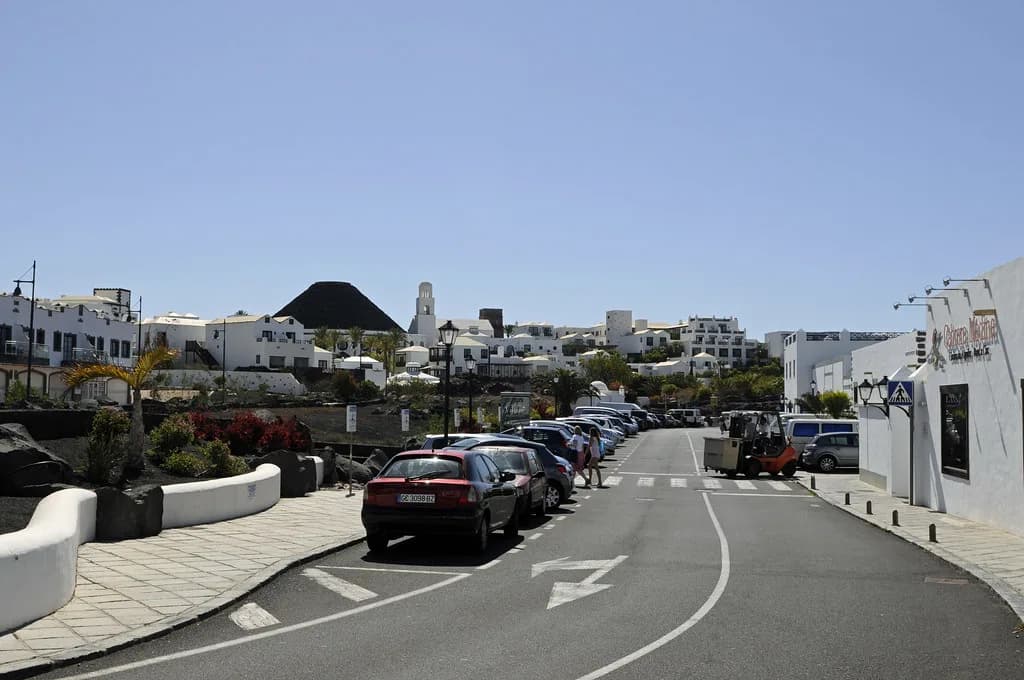
Puerto del Carmen is the busiest and most restaurant-heavy base, close to the airport and well placed for driving north. It suits anyone who wants nightlife and a wide choice of places to eat within walking distance. The trade-off is noise and traffic in high season.
Costa Teguise is quieter and more family-oriented, with sheltered beaches such as Bastian and Jablillo that work well for small children. It also puts you closer to Teguise old town and the northern sights. If you want calm evenings rather than a strip of bars, this is the better pick.
Playa Blanca sits at the southern tip and gives you the best access to Papagayo's coves and the beaches around the marina. It is the most relaxed of the three main resorts, which makes it a good fit for couples and families who plan to spend July largely on the sand.
Jameos del Agua: the lava tube, the lagoon and the crabs
Jameos del Agua is the north's signature sight: a volcanic tube that César Manrique turned into an art, culture and tourism centre, with a natural saltwater lagoon inside that connects to the sea. The lagoon holds a tiny endemic species of blind albino crabs found nowhere else, and the complex also includes a turquoise pool and an auditorium set inside a volcanic grotto that seats 550 people. Because it is underground, it makes an ideal stop in the heat of a July afternoon.
Allow time for the restaurant and café on site rather than treating the visit as a quick photo stop. A morning start lets you pair it with other northern sights before lunch. Ticket prices and daily opening times change, so confirm them with the official Lanzarote attraction operator before you go.
Cueva de los Verdes and the north of the island
The same lava tube system that holds Jameos del Agua continues to Cueva de los Verdes, another underground visit that keeps you out of the sun. Combining the two gives you a cool, cave-based half day in the north without repeating yourself.
Mirador del Río, also designed by Manrique, sits high on the Risco de Famara with views across the water to La Graciosa and the Chinijo archipelago. Go early or late, because the terrace offers little shade and the car park fills quickly in July. Pair it with the caves to avoid backtracking across the island.
Timanfaya National Park and the geothermal demonstrations
The Montañas del Fuego are the island's most striking landscape, a field of craters and lava laid down by eruptions in the 1730s. You cannot wander freely: the bus route is the way in, with a short loop through the terrain and commentary in several languages. It runs from the visitor area and takes around 40 minutes.
Near the car park, rangers demonstrate how hot the ground still is by dropping brushwood into a hole and pouring water down another to send up a jet of steam. It is a quick, memorable stop that needs no walking at all. Arrive at opening time, because the car park is limited and cars are let in gradually once it fills.
Jardín de Cactus: the quarry garden and the windmill
Manrique's last major project turned a disused quarry at Guatiza into a sunken garden of thousands of cacti from around the world, set against black volcanic stone. The contrast of greens against the dark rock is why it photographs so well, and the old windmill gives you a raised view across the terraces. Some paths involve steep steps, so it is not fully step-free.
A café and shop make it easy to pause in the shade between the cactus beds. It is a natural pairing with the northern caves on the same day. The garden is run by the Cabildo de Lanzarote as part of its CACT network, and its opening hours and ticket rates are posted there.
Beaches for a hot July day
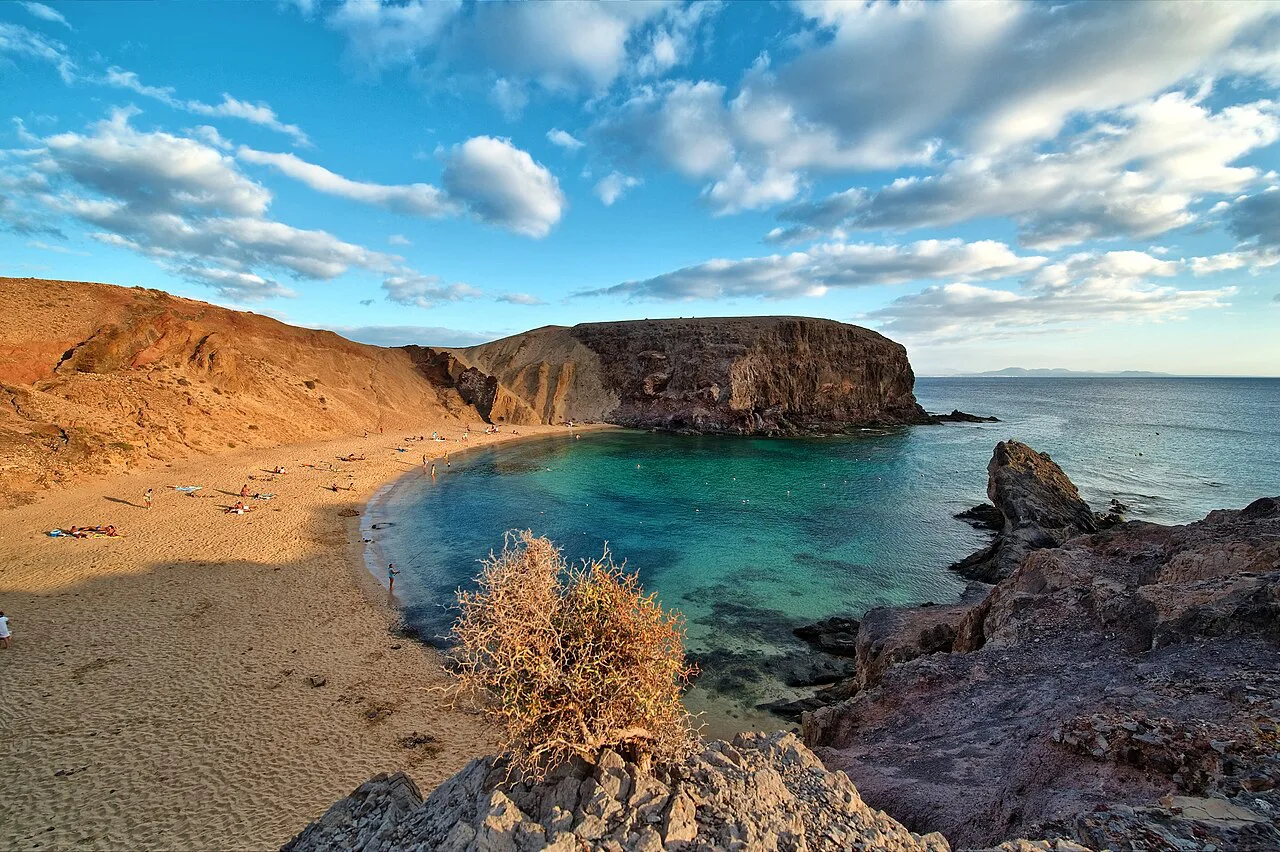
Papagayo's golden coves near Playa Blanca are the island's most celebrated beaches, reached by a dirt track from the resort with a toll payable in coins. Most hire cars are not insured for unpaved roads, so check your agreement before driving down. Walking down the steps from Playa Blanca avoids the problem entirely.
Playa de Famara in the north is a long, wild sweep of sand backed by cliffs, popular with surfers and kitesurfers thanks to the steady wind. It is beautiful but exposed, so bring shade and plan to swim rather than sunbathe all afternoon. The resort beaches at Costa Teguise and Playa Blanca are calmer and easier for families.
In July, the most popular beaches are busy by mid-morning, and the car parks at the smaller coves fill quickly. Arrive early or go late in the afternoon. Carry water and shade; there is little natural cover on the southern beaches.
La Geria: the zoco-walled vineyards
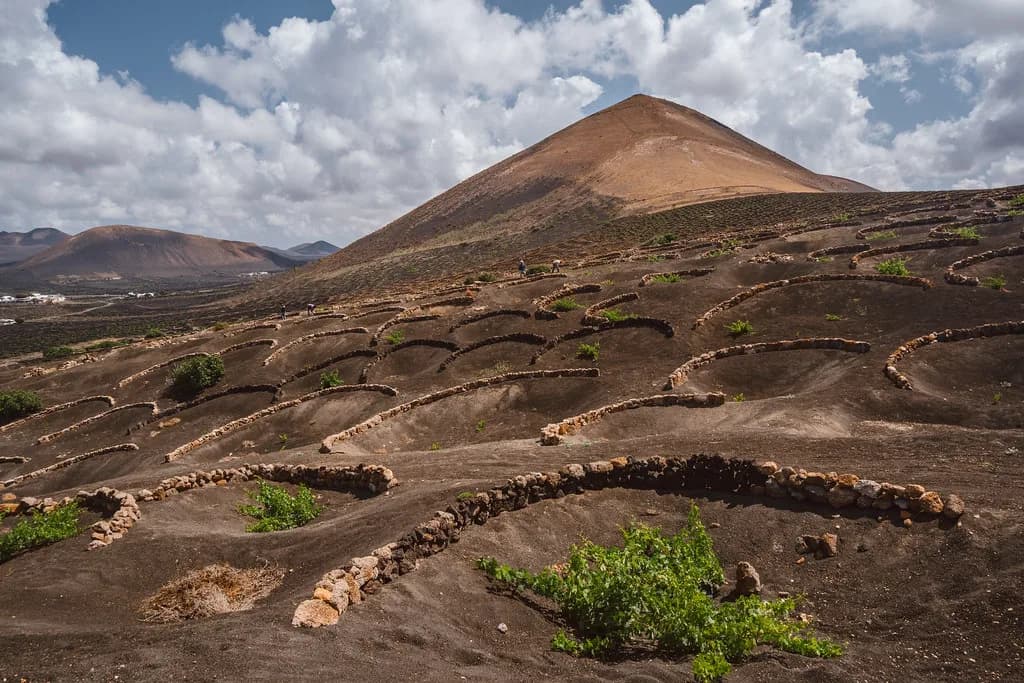
La Geria is Lanzarote's wine country, where each vine grows in a hollowed bowl protected by a crescent wall of volcanic stone called a zoco. The ash from the 1730s eruptions holds moisture in the soil, allowing vines to survive in a landscape that looks hostile to farming. The result is the island's dry Malvasía white, which pairs well with local fish.
Several bodegas in La Geria offer tastings and simple lunches, and stopping for one is a good way to break up a drive between the volcanoes and the coast. Book ahead in July, as peak-season slots fill.
Teguise and Arrecife for a half-day away from the sand
Teguise, the old capital, is a small town of cobbled streets and whitewashed buildings that you can walk in under an hour. Its Sunday market fills the Plaza de San Miguel and draws crowds, so go early if you want space. The Castillo de Santa Bárbara sits above the town on the Guanapay volcano.
Arrecife, the current capital, has the Charco de San Ginés lake and the Castillo de San Gabriel, and it feels noticeably more local than the resorts. It is a practical last-day stop, being about ten minutes from the airport.
Getting around in July
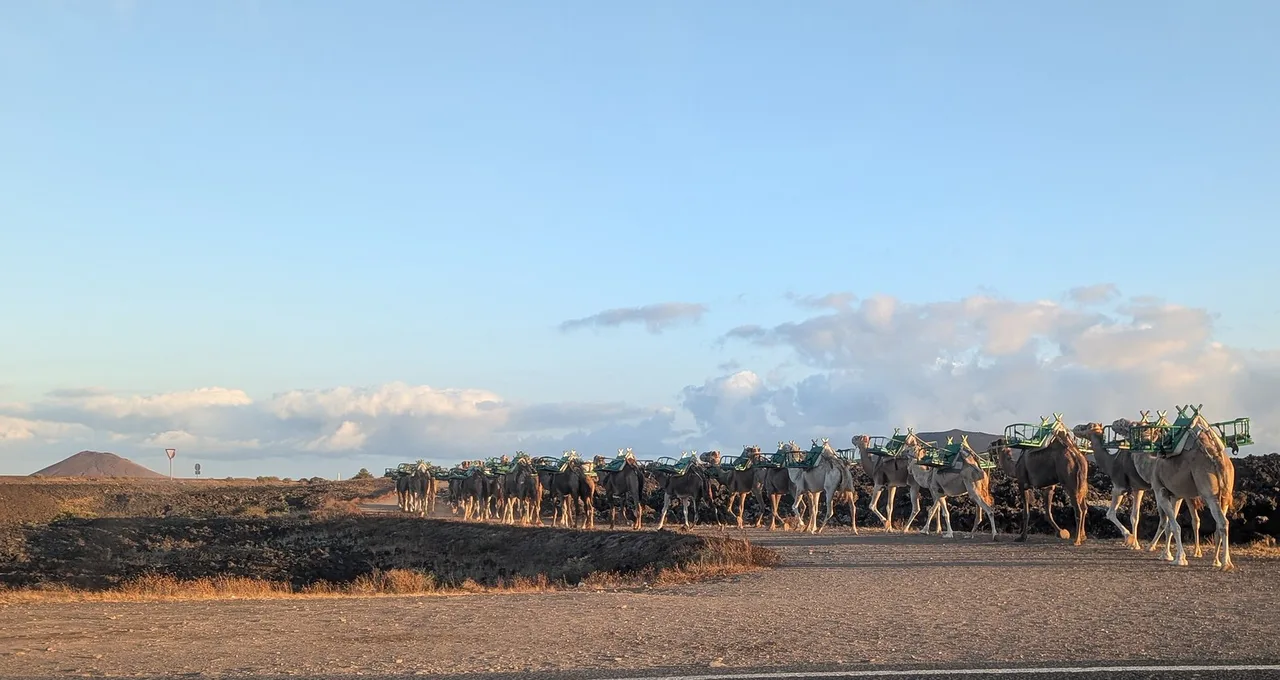
Hiring a car is the most flexible way to see the island, and with four people sharing the cost it is often cheaper than organised tours. The roads are well maintained and easy to navigate, but check the insurance terms for unpaved roads before heading to Papagayo or the dirt tracks near Timanfaya.
Public buses cover the main routes, including connections from Puerto del Carmen to the cactus garden and Jameos del Agua, but the journeys take far longer than driving. If you are relying on buses in July, build a single-area plan for each day rather than trying to tick off the whole island.
What to order in Lanzarote
Canarian staples are what to look for: papas arrugadas with mojo, gofio in breads and desserts, and fresh fish. In La Geria, order a glass of dry Malvasía with your meal. Menus in the resorts lean international, so seek out the traditional dishes where they appear.
Meal timing matters in July. Lunch is served from roughly 1:30pm to 4pm and dinner from 8:30pm to 9pm, so a late-afternoon kitchen may be closed. A long, shaded lunch is also the most comfortable way to sit out the hottest part of the day.
Timanfaya and Papagayo practicalities
The two sights with the most friction are Timanfaya and Papagayo. At Timanfaya, you must join the bus route, so time your arrival for opening to avoid queues. At Papagayo, the toll on the dirt track and the car-hire restrictions are the things to plan around, and many drivers simply park in Playa Blanca and walk down instead.
A combi ticket covering several Manrique sites can save money if you plan to visit more than two, but prices and conditions are best checked at the ticket desk rather than relying on older figures. Opening times also vary by season, so it is worth checking the CACT Lanzarote site before you drive across the island.
Who July suits and who should pick another month
July suits anyone who wants guaranteed sun, full restaurants and a resort-based holiday with a few days of sightseeing. It is less appealing if you dislike crowds, want quiet trails or prefer cooler walking. If you are heat-sensitive, the shoulder months are gentler.
If July is fixed, the pattern above solves most of it: early starts, caves and gardens in the afternoon, and beaches in the evening. For a comparison of what changes later in the summer, lanzarote in august has a separate guide, and if you are weighing up another Spanish destination in peak heat, our guide to alicante in july covers the same question of planning around the sun.
Plan Your Visit
July in Lanzarote works best when you build the day around the heat: move early, seek shade or lava caves at midday, eat lunch Spanish-style and save the beach for late afternoon. Base yourself in Puerto del Carmen for nightlife, Costa Teguise for family calm or Playa Blanca for the southern coves.
Book cars and timed entries ahead, check your hire agreement before any dirt track and confirm current opening times and ticket prices with the official operators such as CACT Lanzarote before you travel.
Explore more Lanzarote guides
Frequently Asked Questions
What is the weather like in Lanzarote in July?
July in Lanzarote is hot, dry and reliably sunny, with daytime temperatures typically ranging from around 22°C to 28°C. The afternoon is the hottest part of the day, so plan outdoor sights for the morning.
Is July a good time to visit Lanzarote?
Yes if you want guaranteed sun and a resort-based holiday. It is peak season, so beaches and attractions are busy and you should book cars and timed entries ahead.
What should I do in Lanzarote in July to avoid the heat?
Swim early, then spend the afternoon underground or in shade at Jameos del Agua, Cueva de los Verdes or the Jardín de Cactus. Save open sites such as Timanfaya for the morning.
Do I need a car in Lanzarote in July?
A car makes the island much easier, especially for the northern caves and the volcanoes. Buses do connect the main sights, but journeys take considerably longer.
Which resort is best for a July holiday in Lanzarote?
Puerto del Carmen suits nightlife and restaurants, Costa Teguise suits families, and Playa Blanca suits southern beaches and a more relaxed pace. Choose by what you want on your doorstep.
What food should I try in Lanzarote?
Look for papas arrugadas with mojo, gofio breads and desserts, fresh fish, and a glass of dry Malvasía from La Geria. Eat lunch between 1:30pm and 4pm and dinner from 8:30pm.
Sources
Notes for eating well in Spain
Optional updates to our guides.
You might also like
Continue reading
More guides you'll find useful