Palma in July: Weather, Crowds and How to Plan Your Days
Palma in July brings 33°C heat, busy beaches and late dinners. Plan meals, swims and sightseeing around the hottest hours of the day.
On this page
July in Palma is peak season at full strength: August is usually the hottest month in Mallorca, with average highs near 33°C, and July runs close behind with long, reliably sunny days. The city works best when you copy local timing, sightseeing in the morning, eating lunch in the early afternoon and going out again once the worst heat has passed.
The trade-off is straightforward. You get up to 14 hours of daylight, warm seas and festival nights, and in return you share the old town and the beaches with a lot of other people and pay peak-season prices. Whether that suits you depends on how much you mind heat and crowds; if you want a calmer version, plan your trip for June or September instead.
What Palma in July is actually like
Expect a Mediterranean summer: hot, dry and sunny, with the heat building through the day and easing after sunset. Average highs climb from around 28°C in June to roughly 33°C in August, so July sits firmly in the hottest stretch of the year. Treat these as seasonal averages rather than a forecast and check a short-range forecast for your dates.
The practical consequence is that midday is for shade, food or water, not for walking the old town without a plan. Sightseeing is far more comfortable before 11am and after 6pm, and the hours in between suit a long lunch, a siesta or a swim.
July temperatures and what the heat feels like
Palma's summer heat is dry rather than humid, but the sun is strong and stone streets and squares hold the warmth into the evening. Average highs around 33°C in the hottest month mean you will want to carry water, wear a hat and build in breaks rather than marching from sight to sight.
Plan on the basis that the hottest hours run from late morning to late afternoon, and that air-conditioned interiors, church naves and shaded courtyards are genuinely useful rather than a compromise.
How hot the sea is and when to swim
Swimming in Mallorca works from May through October, when the Mediterranean is warm and the weather is made for beach days. By July the sea is at its most inviting, and an early-morning or late-afternoon swim fits the day better than a full afternoon on an exposed beach.
If you are staying in the city, treat swimming as a half-day trip rather than a quick dip, and check the lifeguard flags and any local restrictions at the beach on the day.
Crowds: what to expect in Palma and on the beaches
July is the island's busiest stretch, and the popular stretches of coast fill with visitors and locals alike. Playa de Muro and the family-friendly cove of Cala Agulla are named as the sort of beaches that draw a crowd in summer, so arriving early is the difference between a good spot and a long walk.
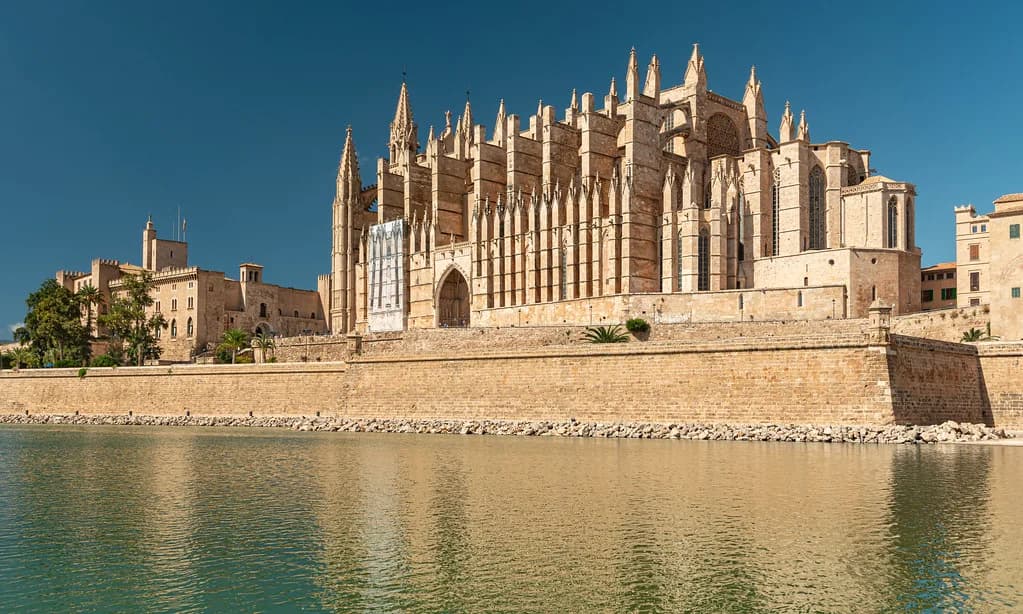
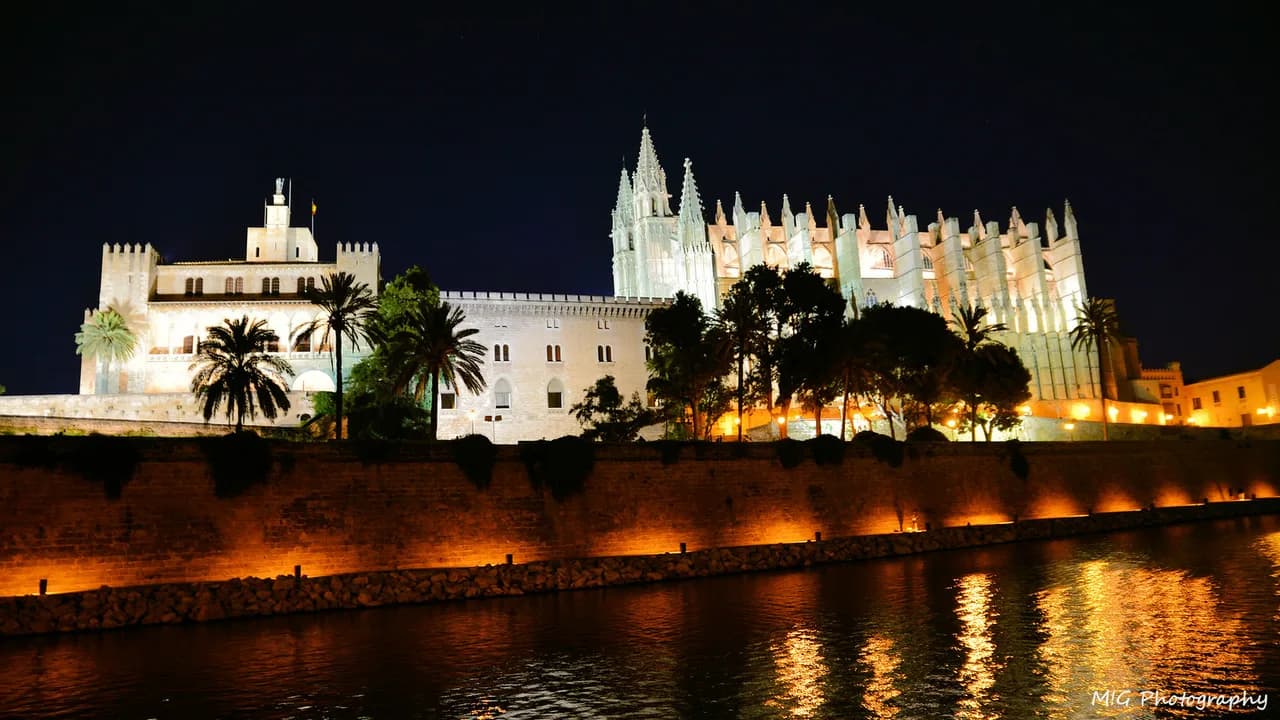
In the city, expect the cathedral and old-town lanes to be at their fullest in the middle of the day. Book timed entry where a site offers it and shift your walking to the early morning, when the streets are cooler and quieter.
Meal times that work in July: lunch 1:30–4pm, dinner from 8:30–9pm
Spanish meal times are a gift in July. Lunch runs from about 1:30pm to 4pm, which puts the meal squarely across the hottest hours, and dinner starts from around 8:30pm to 9pm, when the terraces finally cool down.
Eat a proper lunch and use the early afternoon for shade or a siesta, then take a late, long dinner. Kitchens in busy areas can be stretched at peak times, so arriving at the start of service is usually more comfortable than turning up at the end.
Where to eat in Palma and what to order
Let the season guide the order. Summer is when seafood dinners and terrace meals take over, and island dishes built on sobrasada, olives and island-grown grapes appear around the autumn harvest, so in July lean towards fish, vegetables and anything cold.
For a British appetite, the main adjustment is volume and timing: a generous lunch and a lighter, later dinner sits far better with the heat than a heavy meal at 7pm. Ask what is local and in season rather than heading for the most familiar dish on the menu, and check the bill for its own detail on prices.
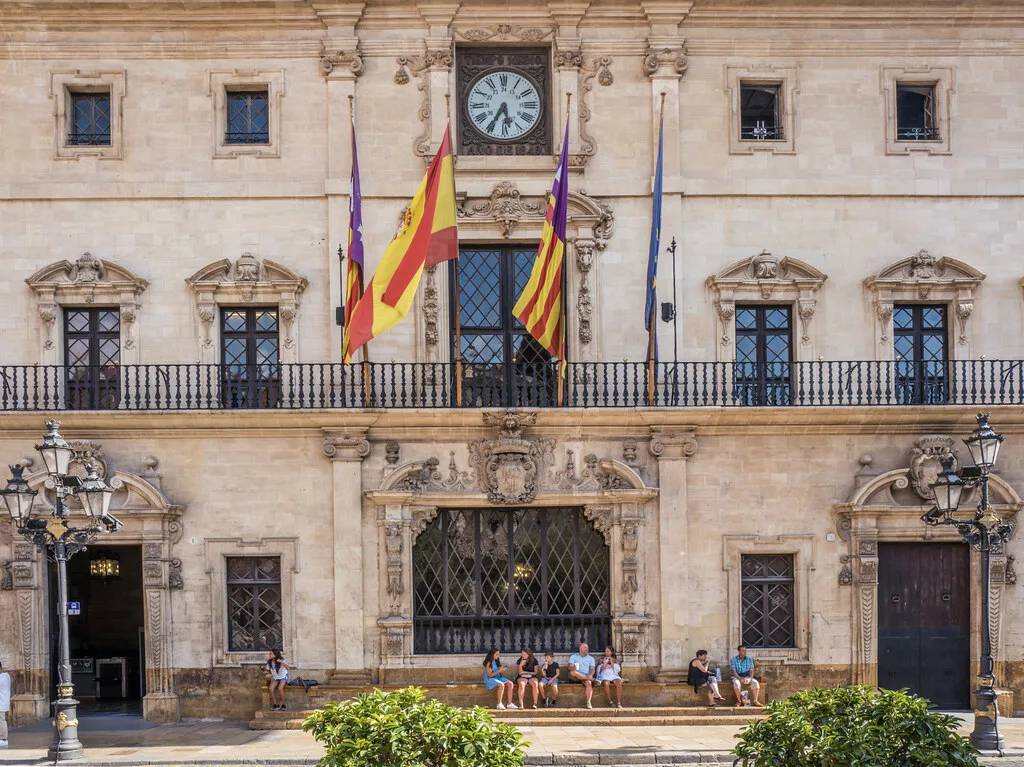
Morning sightseeing: Palma Cathedral and the old town before the heat
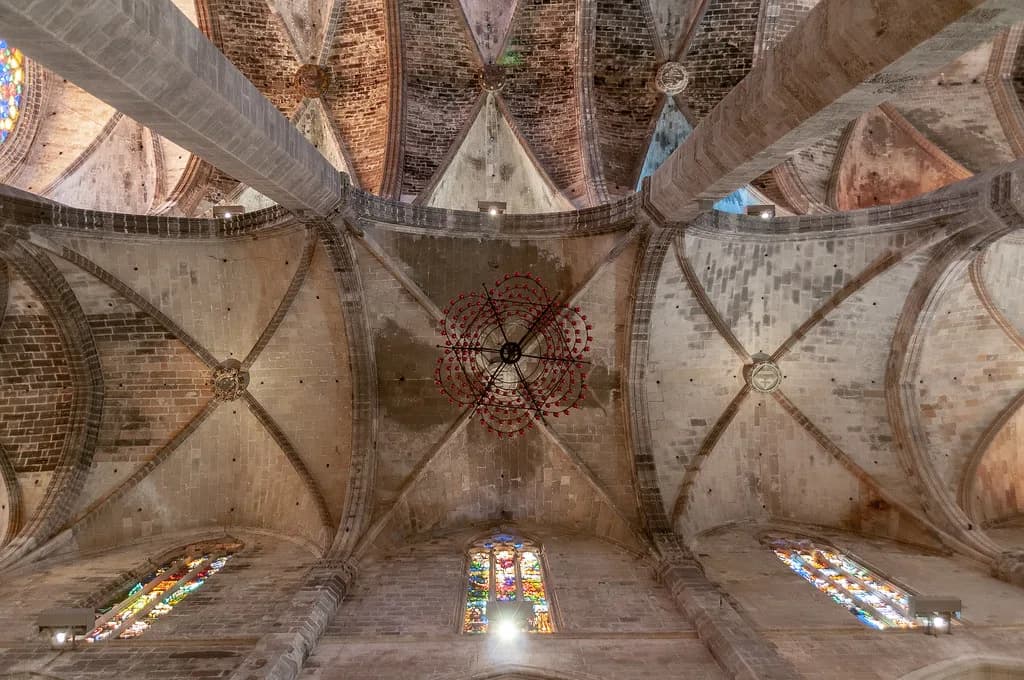
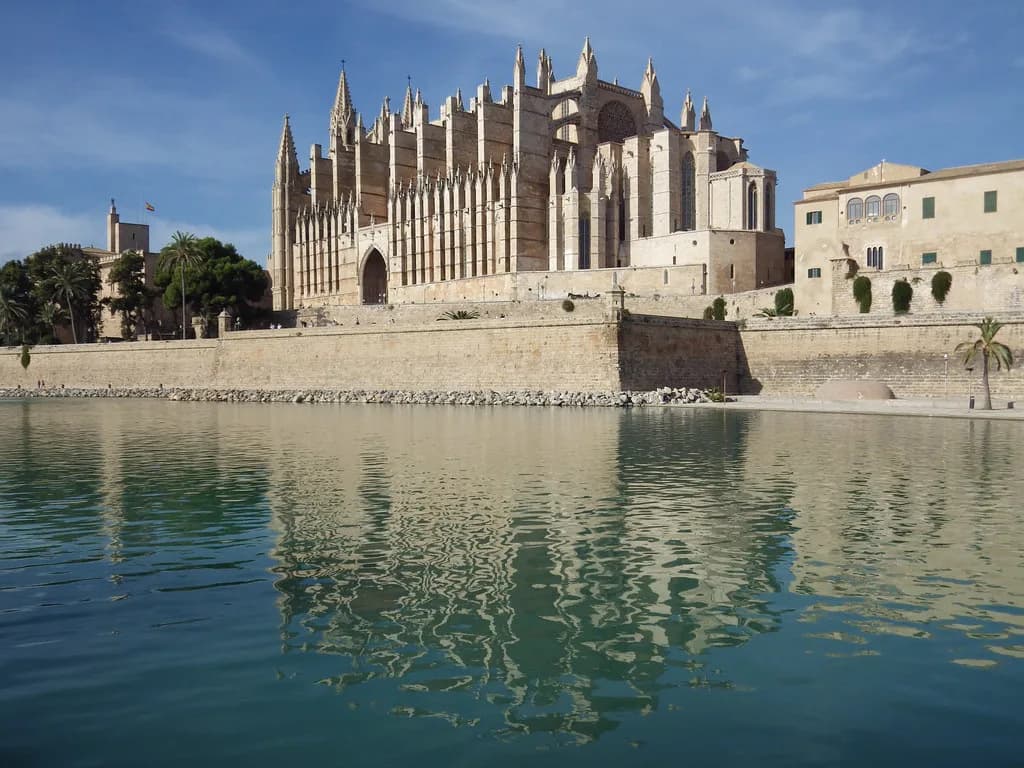
Use the morning for the sights that involve standing in the sun. Palma Cathedral is the obvious centrepiece, and seeing it early means cooler air, shorter queues and better light through the windows.
Afterwards, wander the lanes of the historic centre and harbourfront, where terrace life picks up in the warm months. Then stop before midday and leave the rest of the old town for the evening, when the same streets feel entirely different. If you want to compare the same July trade-offs at another Mediterranean city, our guide to Alicante in July covers the weather, beaches and heat planning in the same detail.
Afternoons: siesta, shade or a swim
The middle of a July day rewards a deliberate plan. Either eat a long lunch and rest through the hottest hours, or head for the water and swim, snorkel or paddle-board in the calmer coves rather than walking the city in full sun.
If you have limited time in the city, this is the moment to work out what you actually want to see. Our guide to how many days in palma sets out what fits in one, two or three days, which is the right question to answer before booking anything.
Evenings in Palma: late dinners and night markets
Evenings are the best part of a July day. The historic centre comes alive after dark, with beachfront venues hosting DJs, jazz nights and full-moon parties, and night markets are part of the summer scene in Artà and Inca.
Build the evening around a late dinner rather than an early one, and leave room for a walk afterwards. If you want a lively night, the clubs of Magaluf and the lounges of Palma are both named as summer options, though they could hardly be more different in mood.
Day trips from Palma in July: Tramuntana villages and coves
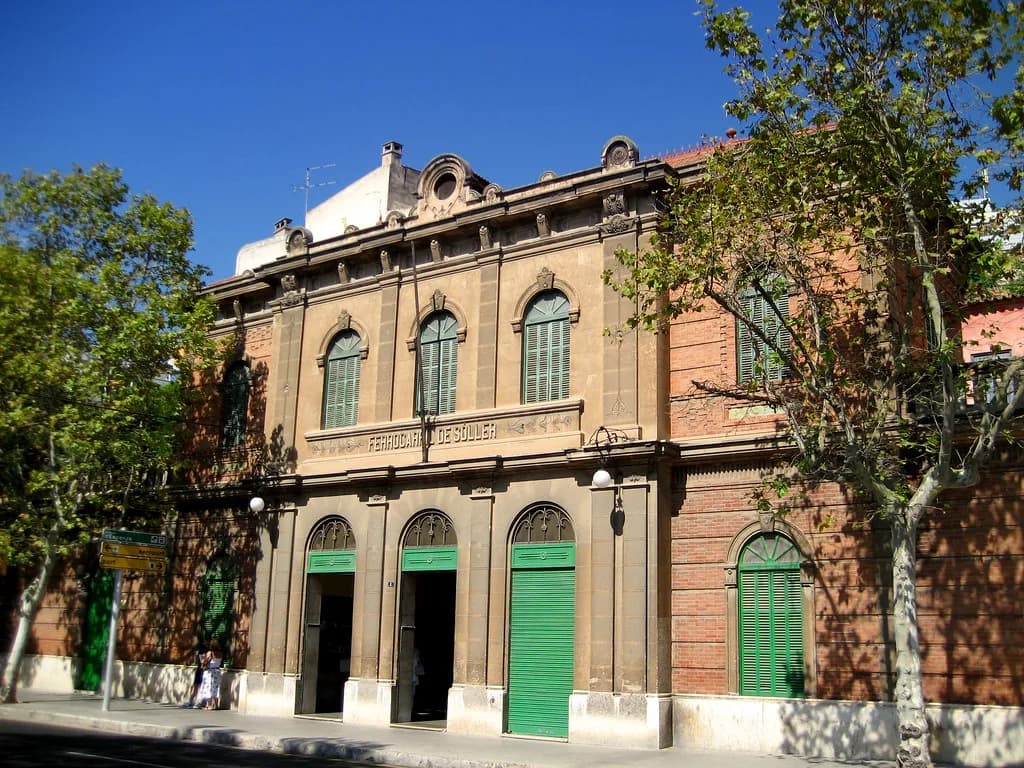
The Serra de Tramuntana offers the most rewarding escape from the city heat, with stone villages such as Deià, Fornalutx and Sóller providing shade, elevation and views. In spring and early summer the mountains are also prime hiking country on the Dry Stone Route, the GR221, if you start early and carry enough water.
On the coast, boat trips run to Sa Calobra, Cabrera and the Calas de Mallorca, which is a sensible way to see the best water without driving and parking in peak season. Markets in Sóller, Alcúdia and Santanyí are another good reason to leave the city for a morning.
What July costs in words: peak-season pricing
July is high season, and prices for accommodation, car hire and boat trips sit well above the shoulder months of spring and autumn. The source guide notes the intensity and price hikes of peak summer, which is the honest trade-off for guaranteed sun and warm sea.
If you can flex your dates, late June and early September deliver much of the same weather with less pressure on both budgets and parking. That is the comparison worth making before you commit to peak July.
Sant Joan and other festivals around July
Sant Joan falls in late June, not July, with bonfires, fireworks and fire-walking traditions in Palma, so check the official programme if you are travelling at the end of June. Check the same for any July village fiestas, because local calendars vary and dates are set locally rather than fixed across the island.
For travel planning, the dependable rhythm is that summer brings fiestas in nearly every village plus larger events in Palma, so there is usually something on. Confirm the dates and any ticketing with the organiser before you build an evening around an event.
Practical kit: sun, water and transport
Pack for serious sun: high-factor sunscreen, a hat, a refillable water bottle and light clothing that covers the shoulders. Comfortable sandals beat new walking shoes on hot stone, and a light layer is worth having for air-conditioned interiors and late evenings.
For transport, plan around the heat rather than against it: use buses or taxis for the middle of the day and save walking and cycling for the morning and evening. Book airport transfers and any boat trips ahead in peak season, and keep a paper or offline copy of your bookings in case your phone overheats.
Who July in Palma suits and who should pick June or September
July suits travellers who want guaranteed warmth, long evenings and a city that is fully switched on, and who are happy to eat late and rest at midday. It is also the easiest month for a beach-led trip, with the sea at its most inviting and everything running at full capacity.
It suits you less if you dislike crowds, need to keep costs down or want to walk the old town for hours at a time. April to June and September to October are the balanced months for weather, crowds and value, and October is the rainiest alongside November.
Plan Your Visit
The workable pattern for July in Palma is simple: sights before 11am, lunch between 1:30pm and 4pm, shade or a swim in the afternoon, then dinner from 8:30pm and the city after dark. Keep one day free for the Tramuntana villages and one for the water, and the heat becomes part of the rhythm rather than something to fight.
Two things swing the trip more than anything else: where you stay and how you move. A base within walking distance of the old town saves a lot of midday transport, and booking transfers and any boat trips before you arrive keeps peak-season pricing from being a nasty surprise.
Explore more Palma guides
Frequently Asked Questions
How hot is Palma in July?
July is one of the hottest months, with August usually peaking at average highs near 33°C and June averaging around 28°C, so July sits between the two. Treat those as seasonal averages and check a short-range forecast for your dates.
Can you swim in Mallorca in July?
Yes. Swimming works from May through October, when the Mediterranean is warm and the weather suits beach days, and July is right in that window. Plan swims for the morning or late afternoon rather than the hottest part of the day.
What is Mallorca like in summer?
Summers are reliably sunny and hot, especially in July and August, with up to 14 hours of daylight, busy beaches and a lively evening scene of late dinners, night markets and festivals. Expect peak-season prices and crowds in the most popular spots.
When is the best time to visit Mallorca?
April to June and September to October offer the best balance of warm weather, lighter crowds and a sea that is good for swimming. July trades that balance for guaranteed heat, long days and everything open.
Is July too crowded in Palma?
July is the busiest stretch of the summer, and popular beaches such as Playa de Muro fill with visitors and locals. In the city, sightsee early, book timed entry where available and leave the old town for the evening.
What should I wear and carry in Palma in July?
Light clothing, a hat, high-factor sunscreen and a refillable water bottle, plus a light layer for air conditioning and late evenings. Comfortable shoes matter more than new ones on hot stone.
What time do people eat in Palma in July?
Lunch runs from about 1:30pm to 4pm and dinner starts from around 8:30pm to 9pm. That timing works well in July because it puts the main meal across the hottest hours and dinner in the cooler evening.
Should I pick June or September instead?
Choose June or September if you want July's warmth with fewer people and lower prices, or if long midday walks matter to you. Pick July if warm seas, long evenings and full summer programming outweigh the crowds.
Sources
Notes for eating well in Spain
Optional updates to our guides.
You might also like
Continue reading
More guides you'll find useful