Palma in September: Weather, Crowds and What to Do
Palma in September brings warm seas, a quieter old town and softer prices than August. Here is what the month is like and how to plan your days around it.
On this page
September is one of the best months to be in Palma: the sea is still warm, the August crush has eased and hotel rates soften as the month wears on. Average highs sit around 27°C and the sea holds near 25°C, so swimming is genuinely pleasant rather than bracing. The trade-off is that it is still hot, the sun is strong and rain arrives in occasional heavy bursts rather than steady drizzle.
The city rewards a slow rhythm. Palma's old town, the cathedral and the Santa Catalina neighbourhood are all walkable, and a day built around a long lunch and a late dinner fits the climate far better than an early start and an early night. Work out how long you want with our guide to how many days in palma you actually need before you book.
Why September Suits Palma
Two things change in September: the crowds and the price of a bed. Late September in particular is described as an excellent time for fewer people and more budget-friendly prices, and the sea stays warm enough for comfortable swimming. You get the same city with shorter queues and easier tables.
The trade-off is that you are no longer in peak season, so some of the summer's rhythm ends. Palma in august has a different energy, with the month's heat and full hotels; September gives you the same streets with breathing room. If you want the city at its most relaxed, aim for the second half of the month.
Typical September Weather in Palma
The average high in September is around 27°C, with the sea at roughly 25°C and humidity ranging from just over 50% to slightly over 90%. You will not need much more than shorts and a t-shirt in the evening, though a light layer is worth packing. UV levels stay high, so sun cream is not optional.
Majorca is mountainous, and the mountains block north-westerly winds and take most of the rain, which leaves the south coast around Palma warmer and drier than the north. That is a real practical advantage: when cloud builds over the Serra de Tramuntana, the coast often stays clear. It also means a day trip inland can be noticeably cooler and wetter than the city.
Rain in September tends to fall as short, heavy showers rather than all-day drizzle, so a wet morning rarely ruins a day. Build in flexibility rather than cancelling plans: a downpour is a good excuse for a long lunch or a museum.
Sea Temperature and Swimming
The sea sits at about 25°C in September, which is warm enough for a long swim without a wetsuit. Coastal areas get plenty of sun and little rain, so beach days are reliable. The best time to swim is late afternoon, when the heat has eased and the light is better.
The city beaches are convenient but busy; if you want space, head out along the coast. The breeze off the sea is a genuine comfort in September, especially when hot air blows in from Africa. Take that breeze into account when choosing a spot and pick somewhere with a little shade.
Crowds and Prices in Words
September is quieter than August, but it is not empty. The first week still carries the tail of the summer rush, and the last week is noticeably calmer as families return for the school term. Accommodation softens over the month, so a late-September booking generally costs less than an early one.
Restaurants and bars in the centre stay busy through the month, while the neighbourhood places around Santa Catalina feel easier. Expect to queue less and to find it simpler to book a table at short notice. If you want to compare the season properly, our guide to palma in july shows how different the peak feels.
Spanish Meal Times and How They Shape a Day
Lunch in Palma runs from about 1:30pm to 4pm, and dinner starts from around 8:30pm or 9pm. Restaurants that serve at 6pm are catering to tourists, not locals, and the food and atmosphere usually reflect that. Plan your day around these two anchors and everything else falls into place.
The practical consequence is a long midday pause. Eat properly at lunch, then use the hottest hours for shade, a siesta or a swim rather than a walking tour. Dinner then becomes a late, relaxed affair. Getting this rhythm right is the single biggest difference between a tiring visit and a comfortable one.
Morning: Coffee and a Market, Then the Old Town on Foot
Start early, when the air is still cool, with coffee and a pastry. Palma's markets reward an early visit, and the food halls and stalls around the centre give you a sense of what the island produces. Our guide to palma markets covers which ones are worth your time.
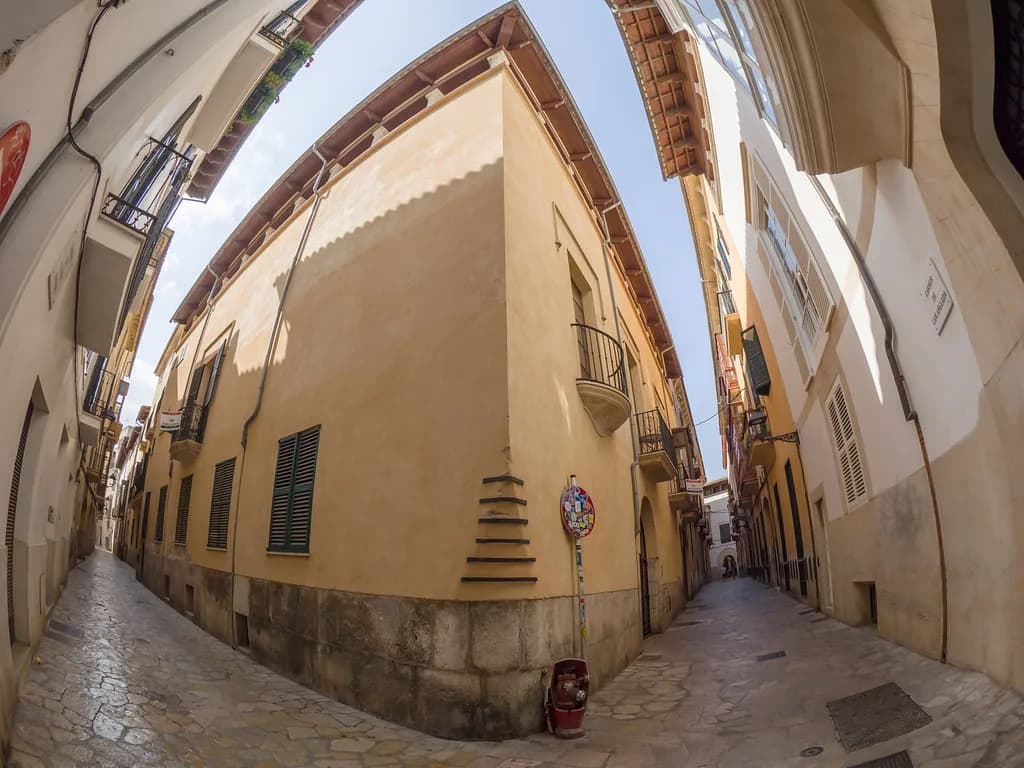
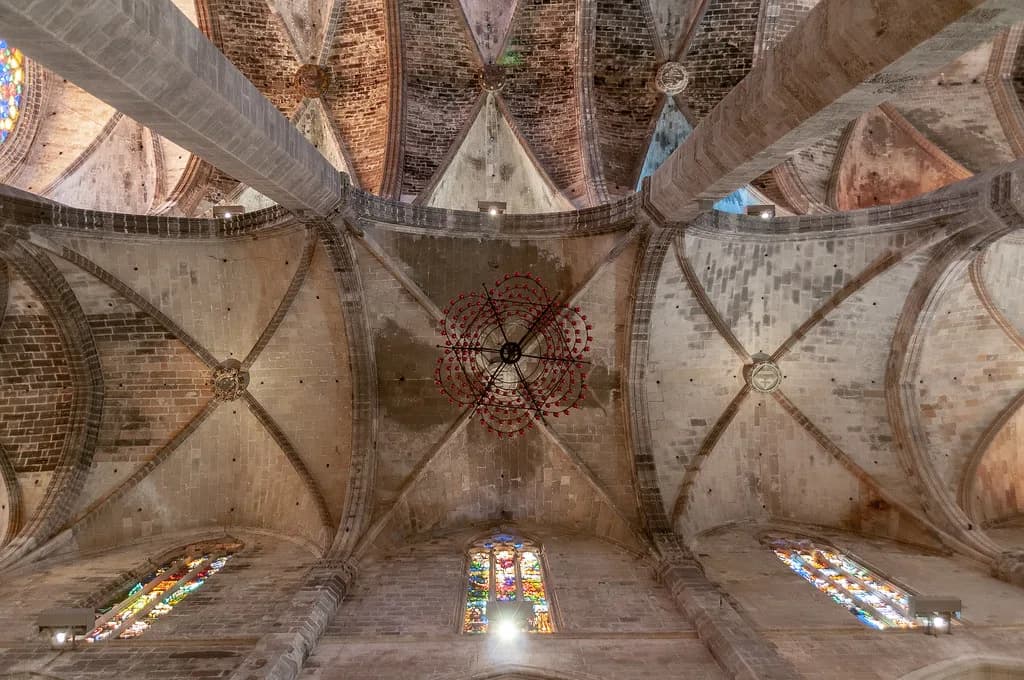
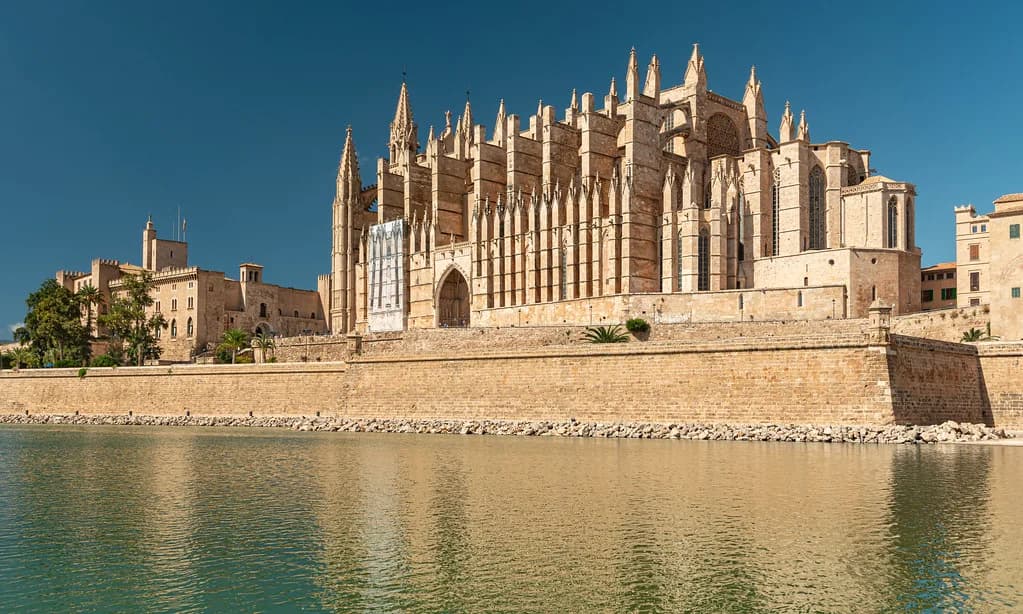
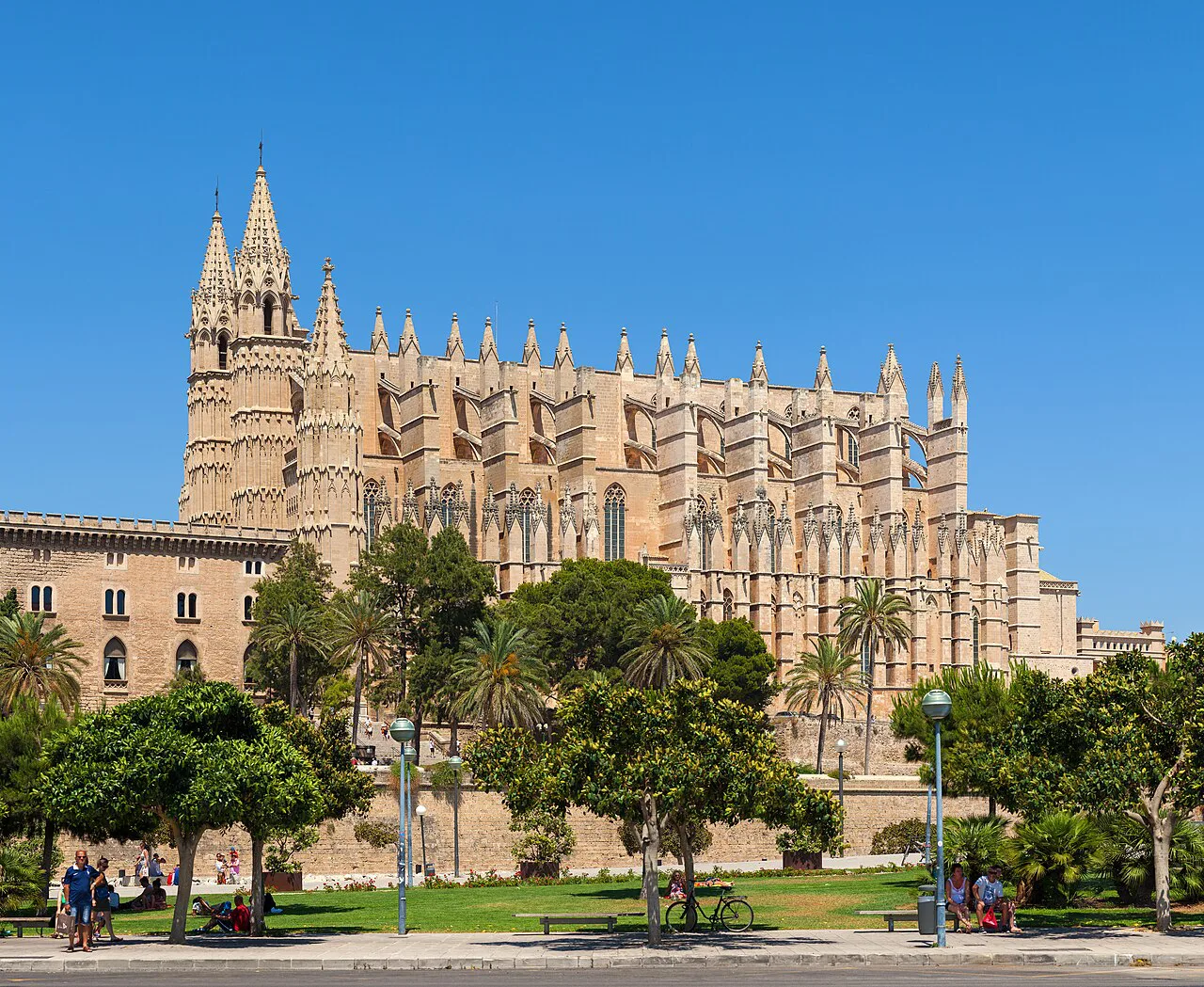
From there, walk the old town on foot before the heat builds. The cathedral, the narrow lanes and the courtyards are all close together, so you can cover a lot in two or three hours. Save the interior visits for later in the day if you want to escape the sun.
Lunch: A Long Midday Meal When It Is Hottest
Lunch is the main event of a September day in Palma, and it should be long. Order several small plates to share, take your time and let the hottest hours pass while you eat. A glass of local wine at lunch is normal, and the pace is unhurried.
Build your meal around dishes and neighbourhoods rather than chasing a specific venue. Santa Catalina is the obvious food-focused area, with a market and a dense cluster of small places. Vegetarian choices are limited in traditional tapas bars, so check before you commit to a long lunch.
Afternoon: Siesta, Shade or a Boat Trip
Between about 2pm and 5pm, the sun is at its most punishing. This is the time for shade, a siesta or a boat trip along the coast, where the breeze makes the heat manageable. Avoid planning a long walk or a climb at this hour.
If you would rather stay in the city, use the afternoon for an indoor attraction or a slow coffee in the shade of a square. Many visitors underestimate the heat and end up exhausted by day two. Treat the afternoon as a buffer rather than a second morning.
Evening: A Late Paseo and Dinner After 8:30pm
As the light softens, the city comes back to life. Join the evening paseo through the centre, then sit down for dinner after 8:30pm or 9pm. This is when the terraces fill and the atmosphere is at its best.
Book ahead for popular places, but leave room for spontaneity in the neighbourhoods. If you want a detailed route through the city's sites, our Palma Attractions hub groups the main visitor guides in one place. It is a useful starting point for deciding what to see on your first evening.
Beach Days: Which Coast to Aim For
The coast around Palma benefits from the shelter of the mountains, so the southern stretches are the safest bet for a beach day. Coastal areas get plenty of sun and little rain in September, so you can plan around the weather with reasonable confidence. Go early or late rather than at midday.
A boat trip is a good way to see the coastline without committing to a single beach, and the sea breeze makes the heat more bearable. If you are planning a fuller day of swimming and sightseeing, our one day in palma guide shows how to combine the city and the water without rushing.
Day Trips From Palma When the Heat Eases
The Serra de Tramuntana is the obvious day trip: cooler than the coast, with mountain villages and dramatic scenery. Go early, since the roads and trails are exposed, and keep the afternoon free for the drive back.
Port de Sóller is a natural companion to a mountain day, with the coast and the hills in reach of one another. If you want to compare how September compares elsewhere in Spain, our guide to girona in september covers the same month in Catalonia.
What to Pack
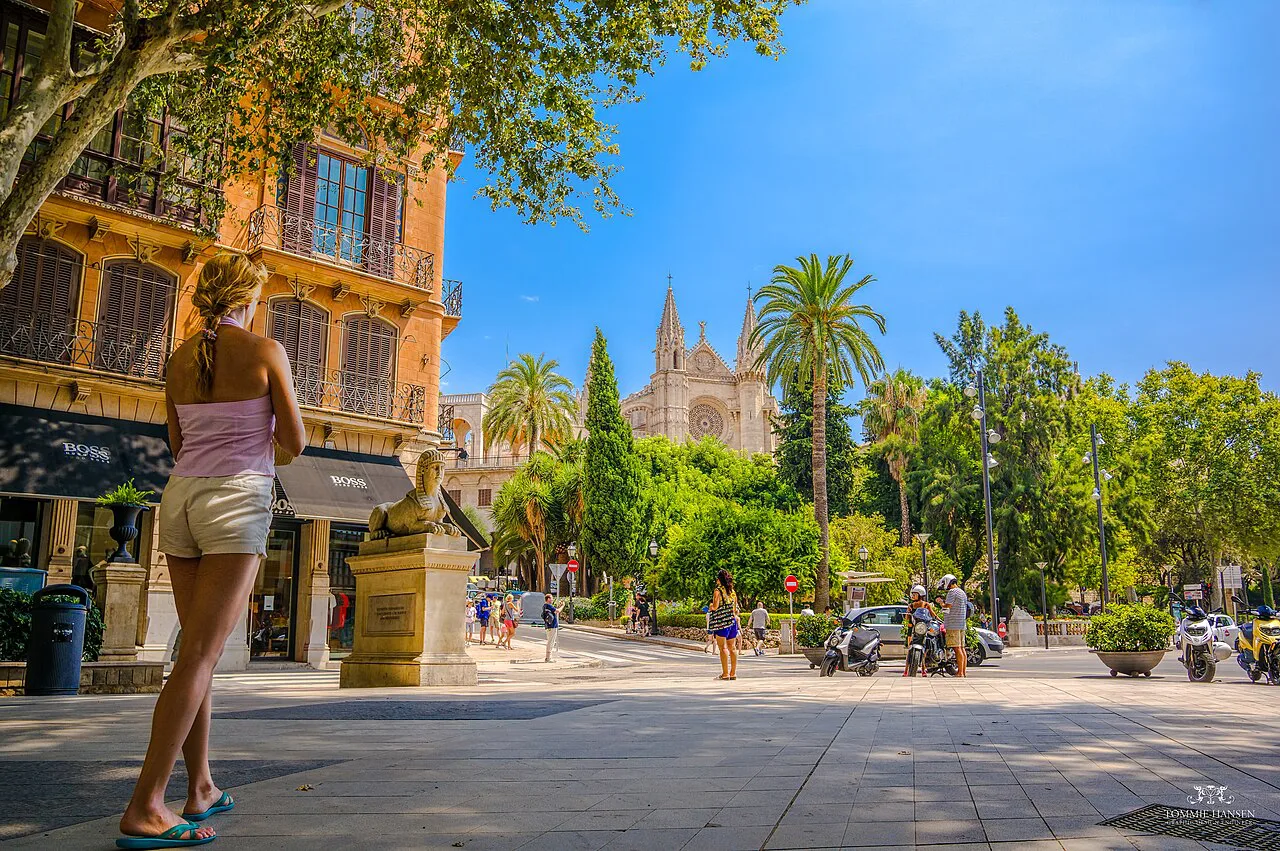
Pack for warm days, warm evenings and the odd wet day. Light layers, a light waterproof, strong sun cream and a hat cover most of it; the humidity can reach slightly over 90%, so breathable fabrics matter more than anything else. Comfortable shoes are essential for the old town's cobbles.
Bring a refillable water bottle and something to cover your shoulders in the middle of the day. The UV is high even when the air feels manageable, and a light layer protects you on boat trips and in the breeze.
A Simple Three-Day Shape for September
Day one: old town on foot in the morning, a long lunch, then a slow evening. Day two: a beach or a boat trip, with an early dinner afterwards. Day three: a mountain day trip or a market morning and a final late lunch before you leave.
Adjust according to how much energy you have and how hot the week turns out to be. If you want a more detailed plan, our palma itinerary breaks the days down further.
Common Mistakes to Avoid
Eating at 6pm is the classic error: you will be served, but you will miss the point. The other is skipping the siesta and planning a long walk at 2pm, which is when the sun is strongest. Underestimating UV is the third; even a cloudy September day can burn you.
Finally, do not over-plan. Palma in September rewards flexibility, and a shower or a hot afternoon is easier to handle when you have left room in the day.
Where to Eat: Dishes and Areas to Build Meals Around
The food areas are the old town, Santa Catalina and the streets around the market. Build meals around shared plates, fresh fish and local pastries, and use the meal-time rhythm to decide when to eat.
For a feel of the city's shopping and café culture between meals, the area around Passeig del Born is a good place to wander. Our guide to shopping in palma covers the streets worth a stroll.
Plan Your September Visit
September gives you Palma at a comfortable temperature, with the sea warm enough to swim and the old town easier to walk. Plan around lunch from 1:30pm and dinner from 8:30pm, and keep the middle of the day slow.
Check the current forecast and any opening times before you travel, since conditions and schedules change through the month.
Explore more Palma guides
Frequently Asked Questions
How hot is Palma in September?
Average highs sit around 27°C, with the sea at roughly 25°C. Humidity is high and UV levels are strong, so plan shade and sun protection into the middle of the day.
Is September a good time to visit Palma?
Yes. The summer crowds have thinned, the sea is still warm and prices soften later in the month. It is still hot and can rain heavily in short bursts, so build in flexibility.
Can you still swim in the sea in Palma in September?
Yes. The sea is around 25°C, which is comfortable for long swims. Late afternoon is the best time, when the heat has eased and the breeze is welcome.
Is Palma busy in September?
Early September still carries some summer traffic, while the last week is noticeably calmer. Restaurants in the centre stay busy, but booking is easier than in August.
How many days do you need in Palma?
Two or three days cover the old town, a beach or boat day and a day trip into the mountains. Add a day if you want a slower pace in the heat.
Sources
Notes for eating well in Spain
Optional updates to our guides.
You might also like
Continue reading
More guides you'll find useful