Things to Do in Tenerife When It Rains: Indoor Plans
Rain in Tenerife usually hits the north and mountains, not the south coast. Here are the museums, markets, pools and food stops worth a wet day.
On this page
Rain in Tenerife is usually local rather than island-wide. The north coast and the mountains catch the cloud and drizzle, while the south coast stays sunnier and drier, so the first thing to decide on a wet morning is whether to move or to stay put.
That choice shapes the day: a museum-and-market route in Santa Cruz de Tenerife, a garden and a market in La Laguna, a covered saltwater pool in Puerto de la Cruz, or simply a long lunch somewhere you can watch the weather from a dry table. If you are still working out how long to give the island overall, our guide to how many days in Tenerife covers how to structure three, five, seven and ten days around weather like this.
Why Rain in Tenerife Is Usually Local
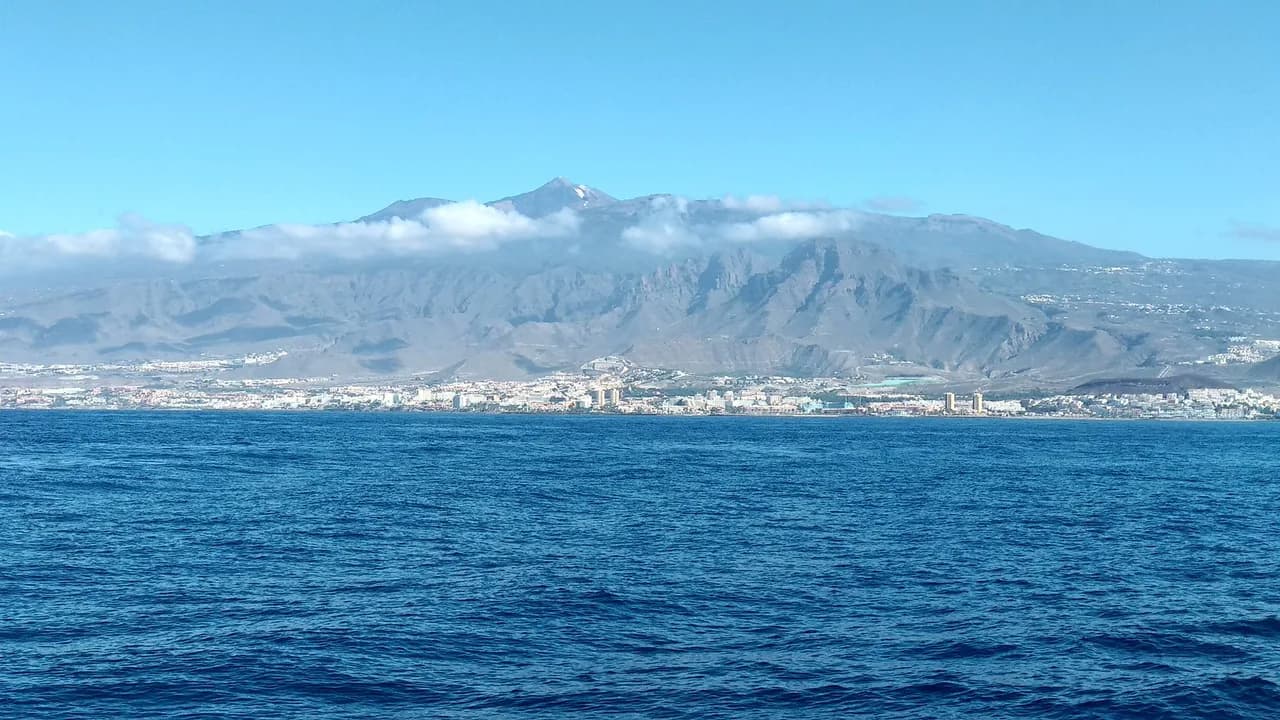
The island splits into distinct weather zones, and the north behaves quite differently from the resort south. A cloudy, wet day in Puerto de la Cruz or the Anaga hills often comes with sunshine over Costa Adeje, so a rained-off plan in one place can be a beach afternoon in another.
Mountains make their own rules on top of this. Cloud can sit thick over the laurel forests of Anaga while the coast below is clear, and conditions in Teide National Park can change fast enough to close roads and the cable car. Reading the morning forecast by zone, not just for the island as a whole, is the difference between a wasted day and a good one.
Check the Cloud Before You Commit
Cloud on Tenerife is often a band sitting at a particular altitude, so check live webcams for the area you plan to visit before setting off, and compare the north and south forecasts side by side. If the mountains are buried, swap the hike for a town day rather than driving up into fog on winding roads with limited parking.
Keep one indoor plan and one outdoor plan ready each morning, and commit to whichever matches the sky at breakfast. That flexibility matters more here than a fixed itinerary, because a sunny afternoon can follow a wet start. It is the same principle behind our list of things to do in Ibiza when it rains, where a wet morning also reshapes the day.
Santa Cruz de Tenerife: Market, Galleries and a Park
The capital makes the strongest wet-day route on the island because its best stops sit close together. Start at the Mercado de Nuestra Señora de África, the bustling covered market where stalls sell regional produce and specialities, then move on to the striking Auditorio de Tenerife on the seafront.
TEA, the city's modern art gallery, and MUNA, the museum of nature and archaeology, are the picks for the wettest hours, both in the capital and both easily combined with the market. Build the day around two of these rather than racing between all of them.
Finish at Parque García Sanabria, a 67,230 square metre city garden of tropical planting, sculpture and fountains in the heart of Santa Cruz de Tenerife. It is permanently open, all year round, and free to enter, which makes it the sensible stop when a shower passes and you want somewhere to walk without paying for shelter.
Expect a real city rather than a resort: a charming old town, a long seafront promenade and quirky museums. In February or March the Santa Cruz Carnival takes over, one of the biggest carnivals in the world, so wet-weather plans in those weeks should account for crowds and closed streets.
La Laguna: A University City for a Wet Morning
San Cristóbal de La Laguna is a university city with a historic centre made for walking under an umbrella, and its Mercado de La Laguna sits in the Plaza del Cristo. A market visit and a slow coffee cover a damp morning without any need to drive between stops.
La Laguna pairs naturally with the Anaga hills, but on a wet day treat the city as the main event and the mountains as a bonus if the cloud lifts. Public transport in Anaga is limited and the narrow roads are often foggy, so a car or a tour is the realistic way in when conditions improve.
Puerto de la Cruz: Loro Parque and the Saltwater Pools
Loro Parque in Puerto de la Cruz is open daily throughout the year, which makes it one of the few certainties on a wet forecast. It is a substantial animal and conservation park with a huge parrot collection and indoor-style shows, so several hours pass whatever the sky is doing outside.
For a gentler alternative, Lago Martiánez is the saltwater pool complex on the Puerto de la Cruz coast, a good swap when the sea is too rough for swimming. It gives you water and sea views without depending on beach conditions, and it sits close enough to the old town to combine with a wander through the colourful Plaza del Charco area.
Icod de los Vinos and the Dragon Tree
Parque del Drago in Icod de los Vinos wraps around the famous dragon tree, with paths through palms, cacti and flowering plants that stay enjoyable in light rain. Arriving early keeps the visit peaceful before tour groups build up, and the garden sits within easy reach of the town's old streets.
The north coast around Icod and Garachico is also the island's wine country, so a wet afternoon is a reasonable moment to look into a tasting on the sheltered side of the weather rather than a clifftop walk.
Garachico: Lava Pools and a Wet-Weather Walk
Garachico's Piscinas Naturales El Caletón are the island's best-known lava pools, formed by volcanic rock and arranged with stone paths and sunbathing spots. They are a fair-weather pleasure: when the sea is rough, the pools are not the place to be, so check conditions before planning a swim.
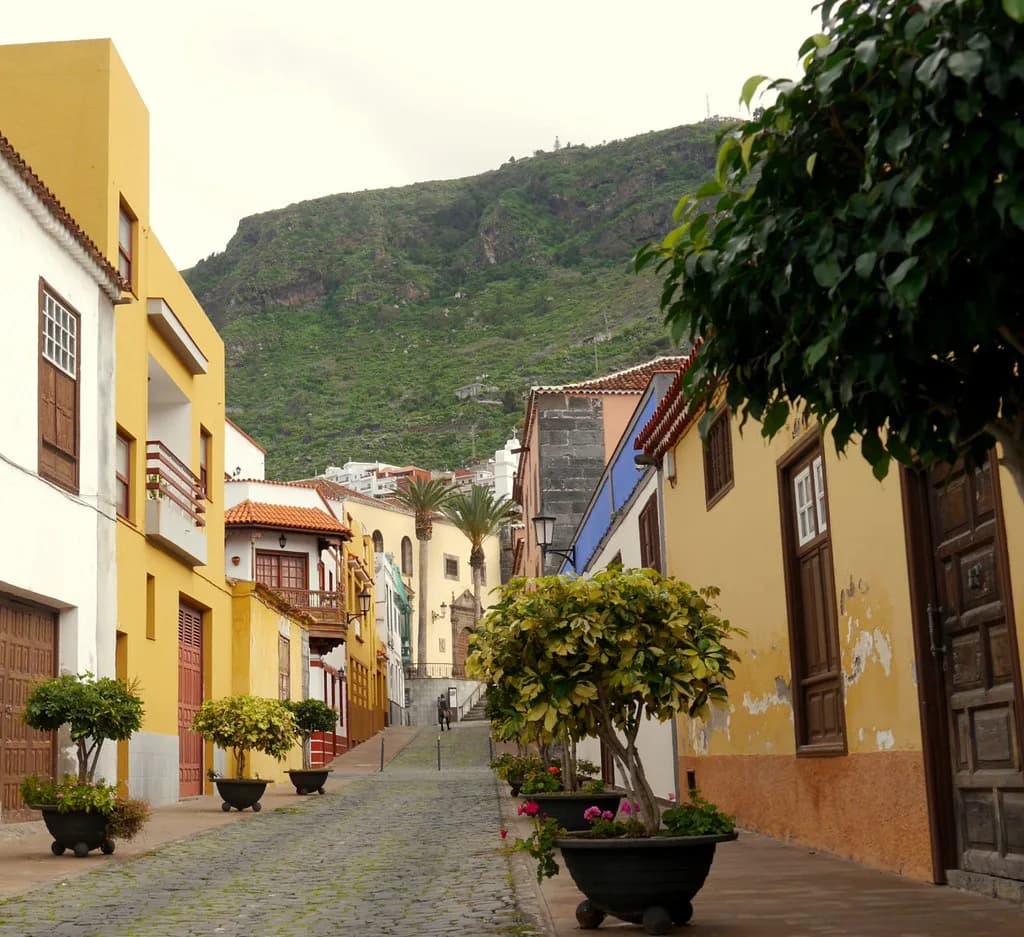
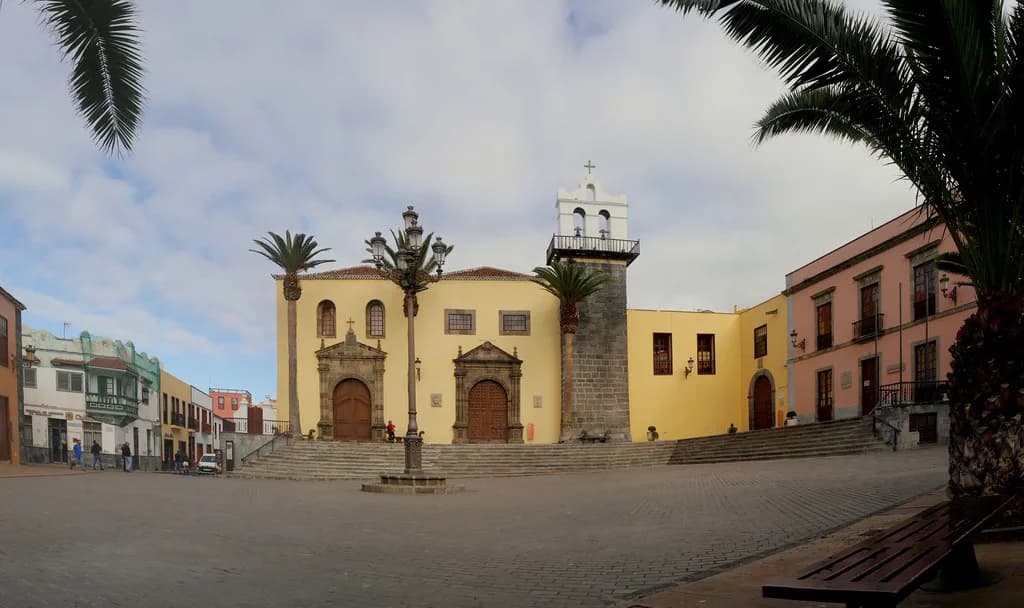
The town itself holds up in drizzle, with painted streets, traditional Canarian houses and the Plaza de la Libertad, plus the Mirador Emigrante for a coastal view when the cloud allows. Parking is limited around the village, so arriving early or using the larger car parks on the edge saves a frustrating loop.
Drive It Instead: Teide Above the Cloud
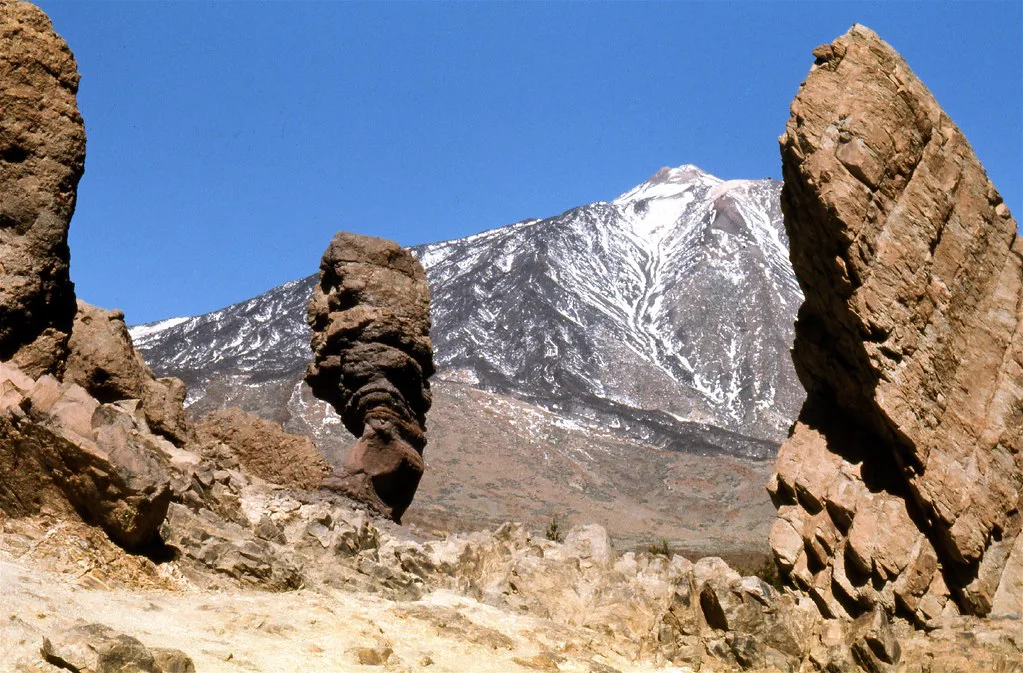
On days when the cloud sits low over the north, driving up to Teide National Park can lift you above it into clear volcanic scenery. The roads through the park are genuinely spectacular, with viewpoints at almost every turn, and the cable car takes you higher still for views over the island.
The risk is real, though: roads and the cable car sometimes close in bad weather, and the park can be cold even in summer, so layers and sturdy shoes are not optional. Reserve cable car tickets in advance, and if you want to hike to the crater itself you need a separate permit, best arranged as part of a guided tour that covers transport, tickets and permit together.
If the mountain is closed out, the coastal path between Los Cristianos and La Caleta is a paved, mostly flat walkway of 14.2 km that works in changeable weather, with plenty of places to duck in for a drink. Start from Los Cristianos in the morning to walk away from the crowds.
Eat Your Way Through a Wet Day
A long lunch is a legitimate rainy-day plan in Tenerife, where eating later is the norm and a table can carry you through the worst of a shower. In the south, the fishing village of Los Abrigos has a cluster of restaurants spanning traditional fish and seafood to more modern cooking, and La Caleta at the western end of Costa Adeje has several good options.
Los Gigantes has one of the island's strongest dining draws in El Rincón de Juan Carlos, which reviewers rate far above the British pubs and cafés that dominate popularity lists elsewhere in the resorts. In Adeje, Restaurant Otelo near the Barranco del Infierno trail does a garlic chicken that is a local speciality, a solid post-walk stop if the ravine hike is open.
For affordable local cooking, look for a guachinche, the no-frills tavern style the island tourism board describes with folding chairs and paper tablecloths, and finish with a barraquito, Tenerife's layered coffee. Menus and prices vary by place, so ask at the door or check the board outside before committing.
Where to Base Yourself When the Forecast Is Mixed
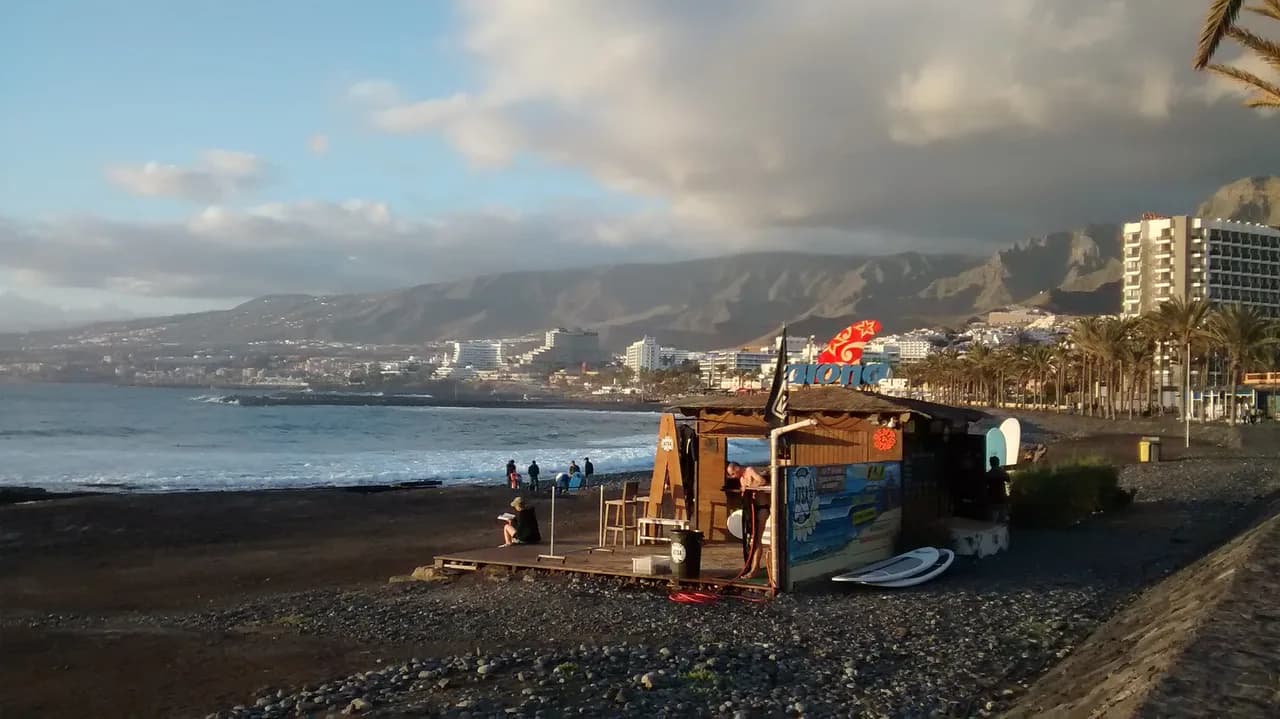
Costa Adeje in the south has the island's most reliable sun and the best facilities, which makes it the lower-risk base if you want beach time with indoor options as backup. Puerto de la Cruz in the north is greener and more authentically Canarian, but you will see more cloud and rain there, so plan around the capital and La Laguna rather than fighting the weather.
If you are visiting across the summer months, the weather patterns shift, and our notes on Tenerife in August explain what to expect when the island is at its busiest.
Splitting a trip between north and south is the most flexible answer to a mixed forecast, giving you the green north when it is dry and the sunny south when it is not.
Honest Trade-Offs: What Is Worth It and What to Skip
Worth it: the capital's market-and-gallery combination, Loro Parque on a doubtful day, and a proper long lunch with a barraquito at the end. Not worth it on a wet day are the mountain hikes and Anaga drives, where fog and limited parking turn a scenic plan into an anxious one.
Popularity lists are a weak guide to where to eat in the rain, since they favour familiar British and international menus over the Canarian cooking the island does well; scroll past the top names and read what people actually praise. That said, the beaches are the reason many people come, and a wet day is the moment to write off the sand and use the island's towns instead.
Boat tours from Los Gigantes, including whale and dolphin watching, run year-round, but a wet or windy forecast can spoil the experience, so keep them for a settled day rather than forcing them into a rainy one.
Plan Your Wet-Weather Day
Decide by zone first: if the cloud is sitting over the north or the mountains, move south or stay in town, and if it is clear in the south, keep your beach or coastal walk. Build one indoor anchor into each day, whether that is a market, a gallery, a garden or a long lunch, so a shower never leaves you stranded.
Check live webcams and the local forecast for your specific area on the morning itself, since conditions change quickly by altitude and coast.
Explore more Tenerife guides
Frequently Asked Questions
What can you do in Tenerife when it rains?
Head for Santa Cruz de Tenerife, where the Mercado de Nuestra Señora de África, the TEA gallery and MUNA museum sit close enough for one wet day, and finish in Parque García Sanabria, which is free and open all year. Alternatives include Loro Parque in Puerto de la Cruz, which is open daily throughout the year, and a long lunch in the south.
Does it rain much in Tenerife?
Rain is uneven rather than constant. The north coast and the mountains catch more cloud and drizzle, while the south coast around Costa Adeje is typically sunnier and drier, which is why a wet day in one part of the island can be a beach day in another.
What is there to do in Tenerife South when it rains?
Stay south and eat: the fishing village of Los Abrigos has a range of fish and seafood restaurants, and La Caleta at the western end of Costa Adeje has several good options. The 14.2 km promenade between Los Cristianos and La Caleta is paved and mostly flat, so it works in changeable weather with plenty of places to shelter.
Where is the best place to stay in Tenerife if the weather is mixed?
Costa Adeje in the south has the most reliable sun and the best facilities, which lowers the risk of a washout. Puerto de la Cruz in the north is greener and more authentically Canarian but sees more cloud, so split your stay between the two if you want flexibility.
Is Mount Teide worth visiting in bad weather?
Sometimes, because driving above the cloud into Teide National Park can deliver clear volcanic views when the coast is grey. The catch is that roads and the cable car sometimes close in bad weather, so reserve ahead, carry layers and sturdy shoes, and have a town day as backup.
What indoor attractions are there in Santa Cruz de Tenerife?
TEA, the modern art gallery, and MUNA, the museum of nature and archaeology, are the main indoor stops, and the covered Mercado de Nuestra Señora de África fills a wet morning. Nearby, Parque García Sanabria gives you an open-air break between showers, and the Auditorio de Tenerife is worth a look from outside.
Sources
- 16 Top Places & Best Things to Do in Tenerife (+Map & Tips)
- The Best Restaurants on Tenerife According to Tripadvisor | therealtenerife.com
- Garcia Sanabria Park | Gardens and Parks in Tenerife | Tenerife
- Ultimate One Week in Tenerife Itinerary (Travel Guide)
- What to do when it's raining : r/VisitingTenerife
Notes for eating well in Spain
Optional updates to our guides.
You might also like
Continue reading
More guides you'll find useful