Tenerife in August: Weather, Crowds and What to Eat
Tenerife in August is hot, sunny and busy. Here is what the weather feels like, how crowds affect meal times, and which Canarian dishes and drinks to order.
On this page
August is one of the hottest, busiest months in Tenerife, with long sunny days, very little rain and a sea warm enough for comfortable swimming. The trade-off is peak-season pressure: popular beaches, resorts and restaurants fill up, especially in the south, so the trick is to eat on Spanish time and save the headline sights for early or late in the day.
How hot does Tenerife get in August, north versus south
Expect daytime temperatures in the high twenties, with August figures usually given as roughly 22–29°C depending on where you are on the island. The south coast is consistently warmer and drier than the greener north, which catches more cloud and breeze around Puerto de la Cruz and the Anaga side.
Rain is minimal, so a light rain jacket is dead weight in your case; a hat, sunglasses and high-factor sunscreen earn their place instead. If you plan to hike, start early, because midday heat on exposed volcanic ground is the real constraint rather than the coastal temperature.
Sea temperatures and swimming in August
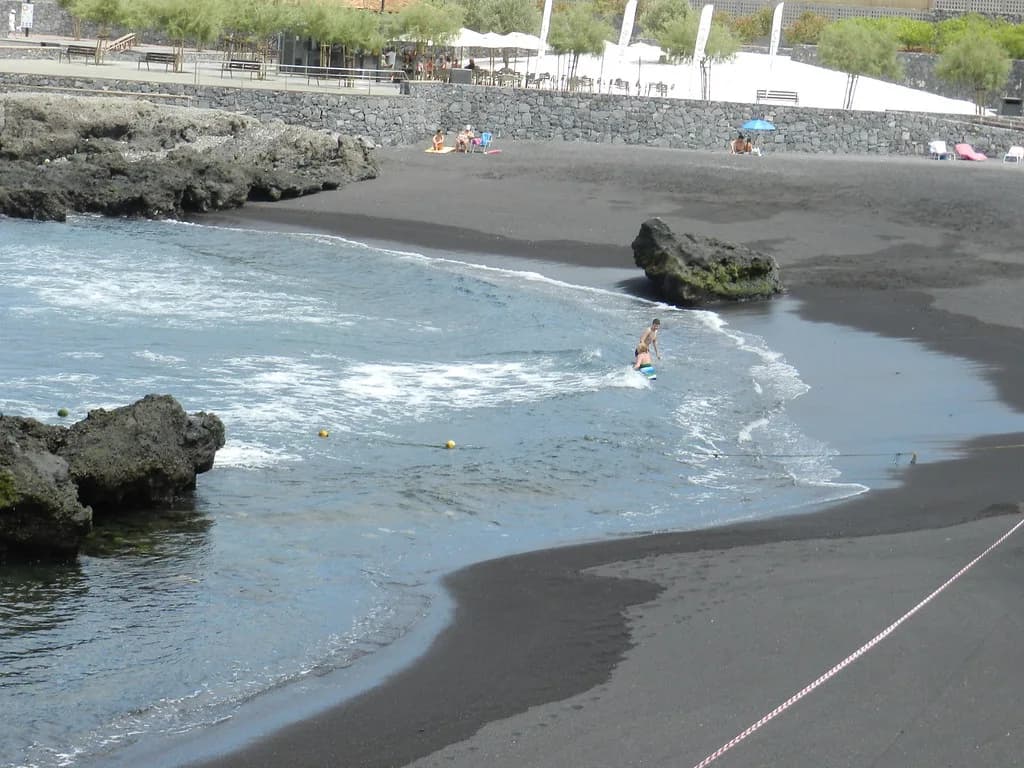
The Atlantic sits at around 23°C in August, which is genuinely pleasant rather than bracing. Sheltered spots such as Playa de las Teresitas are the easiest swims, while El Médano draws windsurfers and kitesurfers because of the breeze.
On windier days the waves pick up at exposed beaches, so families should favour calm, sheltered coves in the morning before the afternoon breeze builds.
How busy August is, and how it changes your day
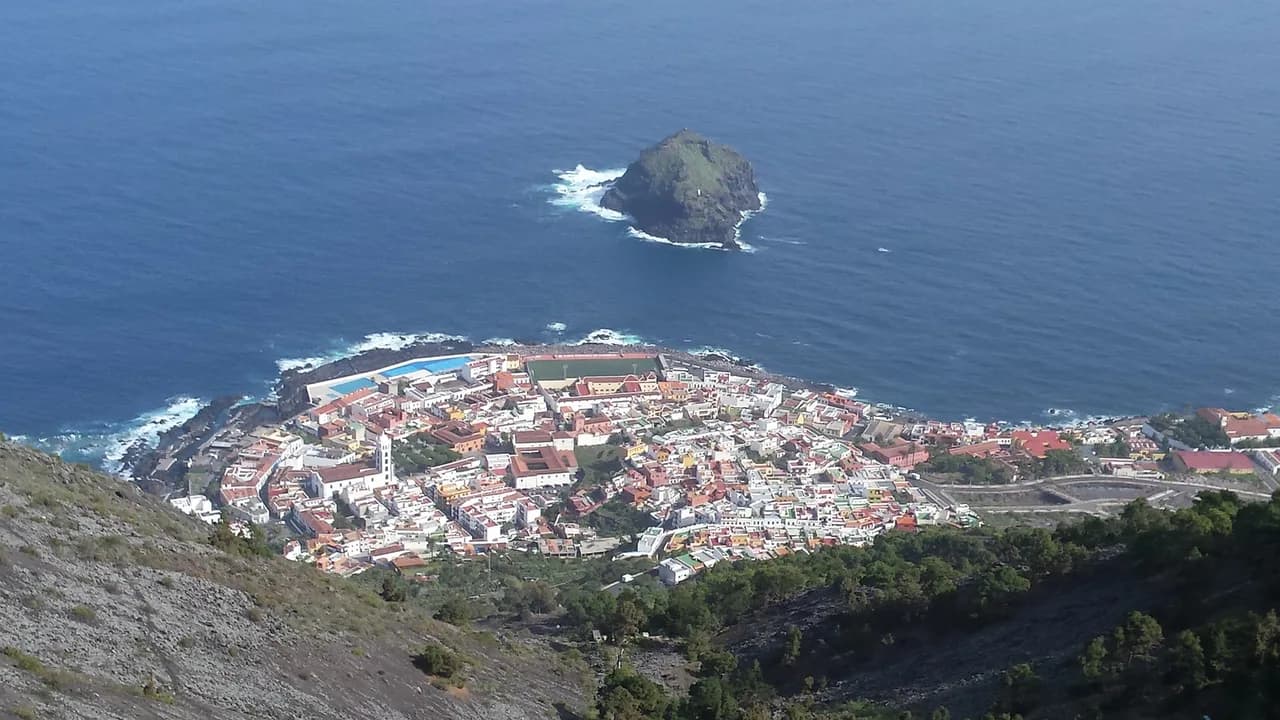
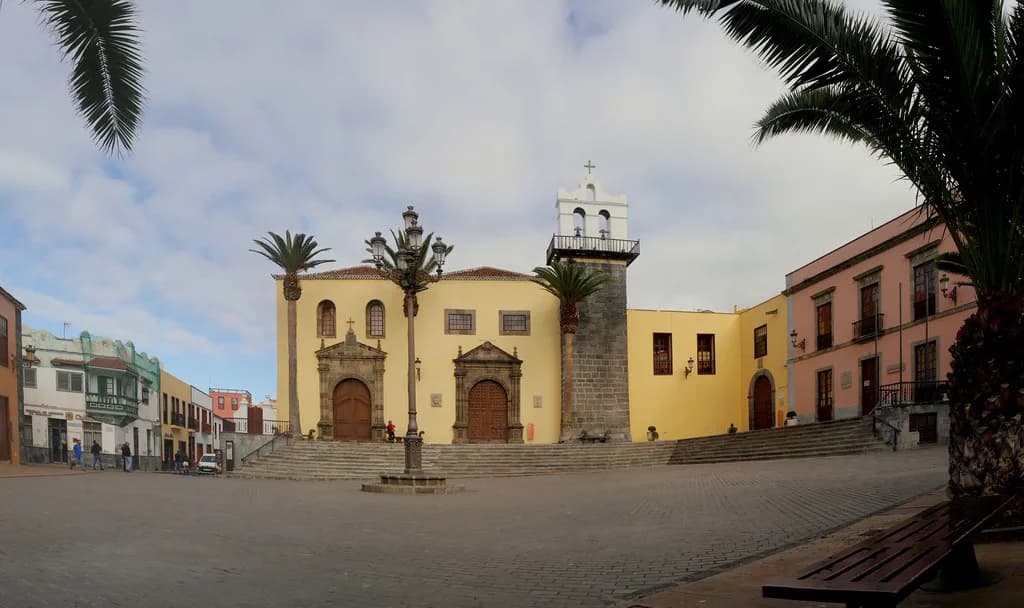
August is peak season, and the resorts, restaurants and attractions are at their liveliest, particularly in the south where most visitors stay. Quieter alternatives include Garachico, Taganana and the Anaga mountains, where the crowds thin out considerably. If you are weighing a different island for a late-summer trip, our guide to Fuerteventura in August covers the same questions of heat and crowds.
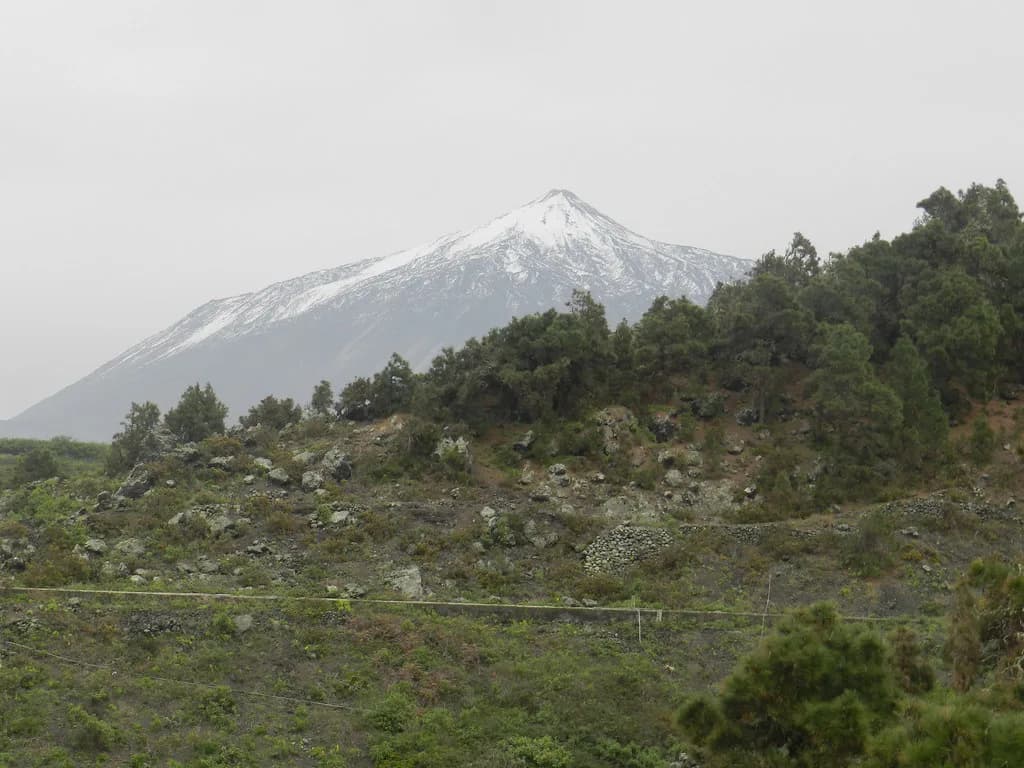
Teide National Park also gets busy in August, so early morning or late afternoon visits make a real difference to parking and trail traffic. Build your day around that rhythm: coast in the morning, a long lunch, then the interior or a late beach slot.
Meal times: why August crowds make booking ahead matter
Spanish meal times shape a good August day in Tenerife. Lunch runs roughly 1:30–4pm and dinner starts from about 8:30–9pm, which conveniently keeps you off the beach during the fiercest heat and out of the restaurant rush if you eat slightly early.
In peak season, popular places fill quickly, so reserving a table for dinner is the single most useful habit of the trip. If you would rather stay flexible, eat lunch as the main meal of the day and keep dinner light and late.
Papas arrugadas with mojo: the dish to order first
Papas arrugadas are small wrinkled potatoes boiled in heavily salted water and served with mojo, a garlicky sauce that comes red (mojo rojo) or green (mojo verde). Order them as a shared starter and use the sauce on everything else that arrives.
They are the cheapest way to eat well on a hot day and a good test of a kitchen. If you want to build a whole meal around Canarian cooking, pair them with fish and a glass of local white.
Fresh fish and vieja: what to look for on the menu
Grilled fish is everywhere in August, from octopus to vieja, the local parrotfish with a delicate flavour that suits simple grilling. Ask what came in that day and expect it served with papas or a plain salad rather than heavy sauce.
Fish is best at lunch, when the kitchen is at full stretch and the meal sits well before an evening swim. Keep dinner for something lighter if you have eaten a large fish lunch.
Conejo en salmorejo and other meat dishes
Conejo en salmorejo is rabbit marinated in a spiced, vinegary dressing and then cooked, a robust dish that works well with a red or a cold beer. It is a mountain and inland staple, so it fits naturally into a day that takes you away from the coast.
Portions tend to be generous, so share a starter if you order it. In August heat, a heavy meat lunch is best followed by shade and a coffee rather than a hike.
Gofio: soups, desserts and what to expect
Gofio is roasted grain flour, used to thicken soups and stews and to make desserts. It has a toasted, nutty flavour that surprises first-timers, and it turns up in savoury and sweet guises across the island.
Try it once in a bowl of broth or a dessert before deciding whether to order it again. It is filling, so treat it as part of a shared spread rather than a solo dish.
Barraquito: the coffee to end lunch with
Barraquito is a layered coffee made with condensed milk and Licor 43, served in a glass so you can see the strata. It is sweet and strong, closer to a dessert than an espresso, and the natural full stop to a long August lunch.
Order one after the meal rather than before, and share if you have already eaten well. A short coffee is a better match for a light dinner later.
Malvasía wine and what to drink with fish
Malvasía is the local sweet wine, historically famous and worth trying at the end of a meal. For grilled fish, a dry white or a cold beer is the more refreshing choice in August heat.
Ask for the local list rather than the international one; Canarian wines are often the better value and the more interesting pour. Keep water on the table throughout the day.
Late August evenings: dining after 8:30pm
Eating after 8:30pm suits August, when the air finally cools and the promenades fill up. It also spreads the pressure on kitchens, so you get a calmer table than at the 9pm crush.
Book the evening you care about most in advance, and keep a flexible night for a casual plate and a drink. Late August is still high season, so plans made in the morning hold up better than walk-ins at prime time.
What to do between meals: Teide, Anaga and the coast
Teide National Park and Anaga Rural Park are the two headline days out, and both reward an early start. The coastal towns of La Orotava and Garachico give you a gentler alternative when the heat peaks.
Beaches such as Playa de las Teresitas and the water-sports scene at El Médano fill the afternoons. Whale and dolphin watching from Los Gigantes is a popular option, so book ahead in peak season rather than hoping for a same-day slot.
Perseids stargazing on Teide in August
August brings the Perseids meteor shower, and Teide National Park is one of the island's best places to watch it thanks to dark skies and altitude. Go after dark, take a layer and a blanket, and expect cold at altitude despite the beach weather you left behind.
Check the park's own guidance before travelling up, since conditions at altitude change quickly and stargazing trips book out during the season. Warm clothes matter more than a telescope.
Practical packing for hot days and cool Teide evenings
Pack light, breathable clothing, a swimsuit, a hat, sunglasses and sunscreen for the coast. Add sturdy shoes for Teide or Anaga, plus a warm layer and a light waterproof for the north and for high ground.
Carry some cash for small shops and local stalls, and keep a refillable water bottle with you. Basic Spanish helps in smaller places away from the resort strip.
Where to base yourself: south coast versus quieter north
The south, around Costa Adeje and the main resort belt, gives you the driest, hottest weather and the easiest access to beaches and water sports. It is also the busiest, so you pay for convenience with crowds.
The north and the Anaga side are greener and quieter, with Garachico and Taganana offering a slower August. Choose the north for walking and village life, the south for reliable sun and a wider choice of evening restaurants.
What August costs, in planning terms
Published planning ranges put UK return flights in peak summer at roughly £100–£300 and budget rooms from about £22–£45 a night, with mid-range hotels around £60–£105. Treat these as broad planning figures rather than quotes, and check live prices before booking.
The same guide puts casual café meals at roughly £4.35–£8.70 and a three-course mid-range meal at about £10.50–£17.40 per person. Booking flights and accommodation early is the most reliable way to keep August costs down.
Plan Your Visit
August in Tenerife rewards early starts and late dinners: hike or swim before the heat peaks, eat lunch Spanish-style in the early afternoon and book your evening table. Keep a warm layer for Teide and the north, and pack for sun everywhere else.
Work out how many days in tenerife you can give the island before you fix dates, then shape those days around the coast and one or two inland trips. Check current opening times and prices directly with venues before you travel, since peak-season arrangements change.
Explore more Tenerife guides
Frequently Asked Questions
Is August a good time to visit Tenerife?
Yes, if you want reliable sunshine and a lively atmosphere. August is peak season, with hot days, very little rain and a warm sea, and the resorts, beaches and attractions are at their busiest, especially in the south. If you prefer quiet, base yourself in the north or the Anaga side around Garachico and Taganana.
How hot is Tenerife in August?
Daytime temperatures generally sit in the high twenties, with published August ranges of about 22–29°C. The south coast is warmer and drier than the greener north, which sees more cloud and breeze. If you are heading up to Teide, take warm layers, because it is much colder at altitude than on the coast.
Is the sea warm enough to swim in Tenerife in August?
The Atlantic is usually around 23°C in August, which is comfortable for most swimmers. Sheltered beaches such as Playa de las Teresitas are the easiest for a relaxed swim, while El Médano is windier and better suited to windsurfing and kitesurfing. On breezier days, swim in the morning before the afternoon wind builds.
What food should I try in Tenerife in August?
Start with papas arrugadas and mojo, then order grilled fish such as vieja, or conejo en salmorejo if you want something heartier. Look out for gofio in soups and desserts, finish lunch with a barraquito, and try the local malvasía wine. Eating lunch as your main meal works well in the August heat.
Can you hike Mount Teide in August?
Hiking is possible, but start early to avoid the midday heat, and carry plenty of water, a hat and sun protection. Teide National Park gets busy in August, so early morning or late afternoon visits are easier for parking and trails. Check the park's own guidance before you go, and take warm layers for stargazing after dark.
Sources
Notes for eating well in Spain
Optional updates to our guides.
You might also like
Continue reading
More guides you'll find useful