Tenerife in July: Weather, North vs South and What to Do
Tenerife in July brings warm, dry days in the south and cooler, cloudier conditions in the north. Here are the figures to expect and how to plan around them.
On this page
July in Tenerife delivers exactly what most visitors come for: warm, largely dry days, with the south coast the sunniest and most reliable bet. Average July highs sit around 25°C in the north and 26°C in the south, inside a summer band of roughly 23–27°C.
The island splits into two Julys. The south, from Costa Adeje down to Los Cristianos and El Médano, is drier and warmer; the north around Puerto de la Cruz is greener, cloudier and a few degrees cooler. Where you base yourself decides the holiday you get, and a look at how many days in tenerife you have will tell you whether a split stay is realistic.
What July feels like in Tenerife: warm, largely dry days and the north–south split
July sits in Tenerife's summer window, which the island's climate summaries put at roughly 23–27°C, with July itself averaging 25°C in the north and 26°C in the south. These are averages, not ceilings, and the south coast regularly runs at the warmer end of the band.
Rain is not a planning problem in July on the southern resorts, which is why the month suits beach days, pool time and early starts on foot. The trade-off is the sun itself: long, bright days that reward shade and water breaks rather than punishing midday hikes.
Treat any single resort figure with caution. One weather page for Golf del Sur gives July temperatures between 18°C and 25°C in its description while its summary shows 25°C to 30°C, so use it as a rough guide rather than a promise for your dates.
July temperatures in the south: Costa Adeje, Los Cristianos and the resort strip
The southern strip is where July feels most like a classic beach holiday. Monthly averages for the south reach 26°C in July, the warmest part of the island's summer pattern, and rainfall is rare enough that you can leave the jacket at home.
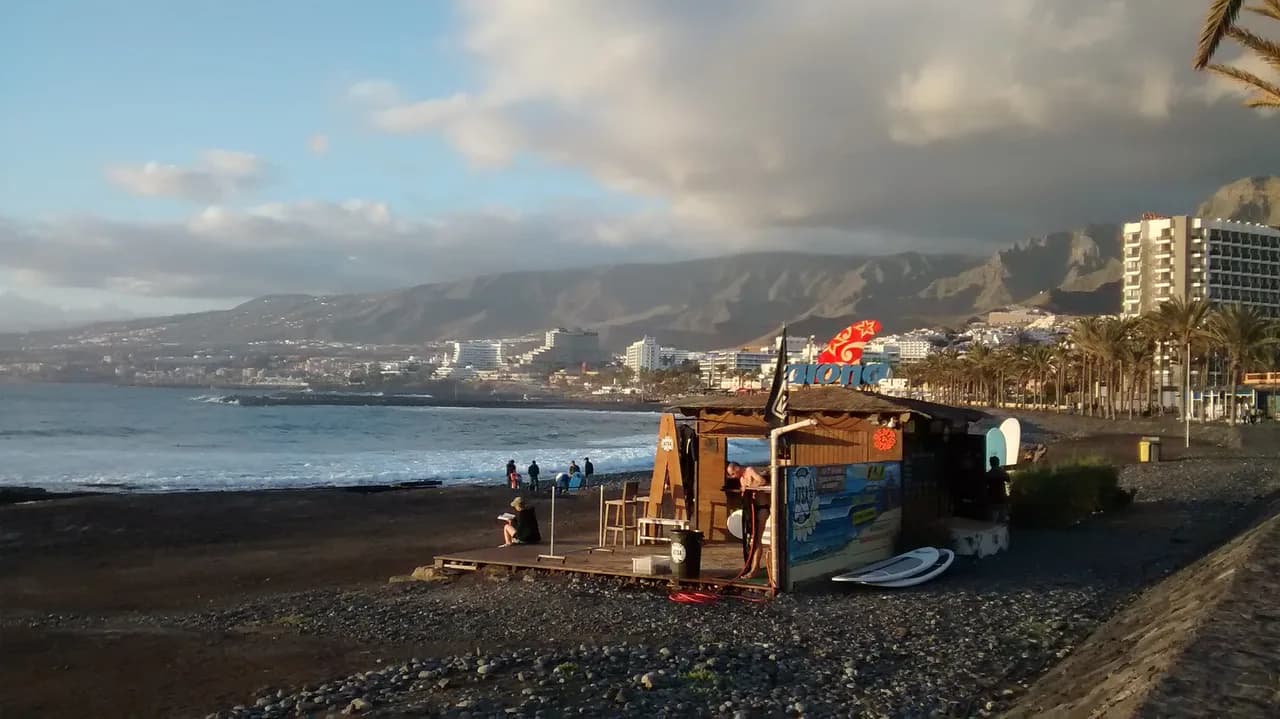
Los Cristianos and nearby Costa Adeje put you close to sheltered swimming coves and the drier microclimate that makes the south the safer choice if sun is the whole point of the trip. El Médano, further east, is breezier and popular with wind sports rather than sunbathing.
The same warmth that makes the south appealing also makes it busy, and July is peak family season. If you want a quieter base, a smaller southern resort such as Playa Paraíso or Puerto de Santiago gives you the same dry July weather with less of a crowd.
July temperatures in the north: Puerto de la Cruz and the greener side of the island
The north runs a couple of degrees cooler in July, averaging 25°C against the south's 26°C. That gap sounds trivial on paper but it shows up as more cloud, a fresher feel in the evening and a landscape that stays visibly green through summer. If you are weighing up different islands for the same month, our guide to Alicante in July offers a mainland comparison on heat and planning.
Puerto de la Cruz and the surrounding north coast, including Buenavista del Norte and Los Gigantes on the western edge, suit travellers who want walking, gardens and a working town rather than a resort strip. Expect the cloud to break and reform through the day rather than a guaranteed blue sky from morning to night, and keep a wet-weather plan in reserve.
Los Gigantes has its own July figures on one weather page: 28°C to 32°C with low humidity around 20–30% and roughly 11 hours of sunshine a day. That is notably hotter than the island averages, so treat it as this resort's particular reading rather than the whole coast.
North vs south in July: cloud, rainfall and which coast suits a beach holiday
The north–south difference is the single most useful thing to understand about July in Tenerife. The north is greener, cloudier and wetter in winter, while the south is warmer, drier and sandier, which is why the big beach resorts cluster along the southern coast.
For a beach-led holiday, book the south: Costa Adeje, Playa de las Américas, Los Cristianos and El Médano all sit in the dry zone. For nature, walking and a more Spanish town atmosphere, the north around Puerto de la Cruz is the better base, provided you accept some cloud.
A split stay works well in July if you have the days to spare. Keep the beach half in the south and the walking half in the north, and you get both climates without committing the whole trip to one.
Why the north stays cooler and cloudier than the south in summer
The north faces the prevailing winds and catches cloud as air is pushed up over the island's high ground, which is why it stays greener and damper. The south sits in the rain shadow, so the same air arrives drier and the sun breaks through more readily.
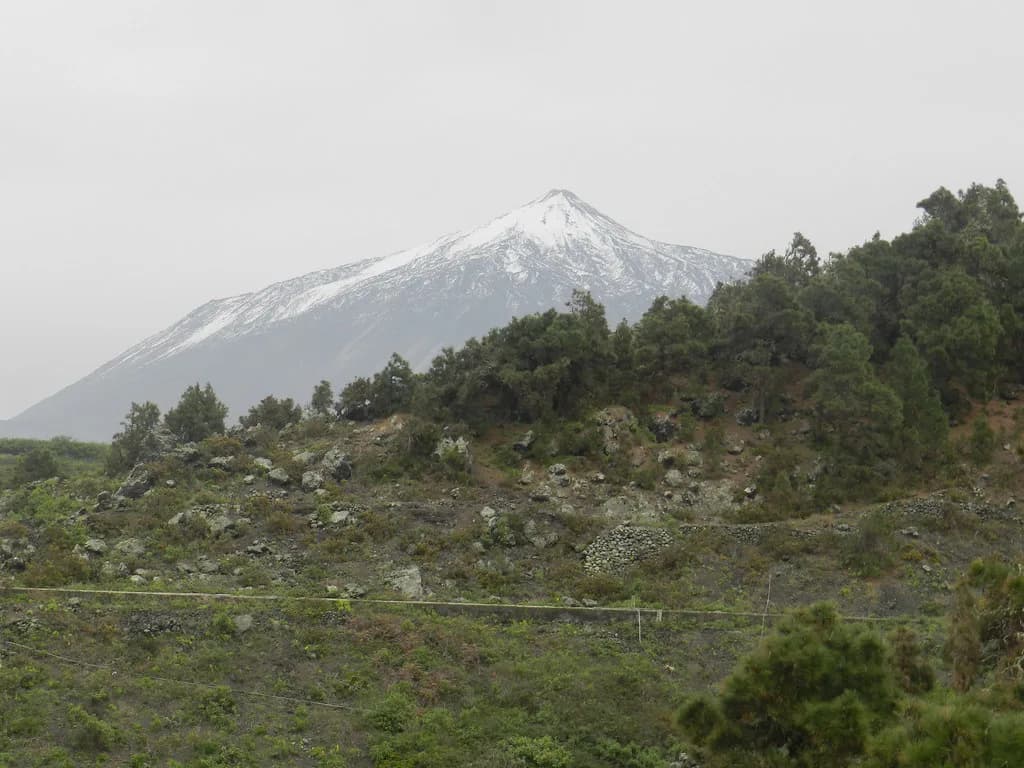
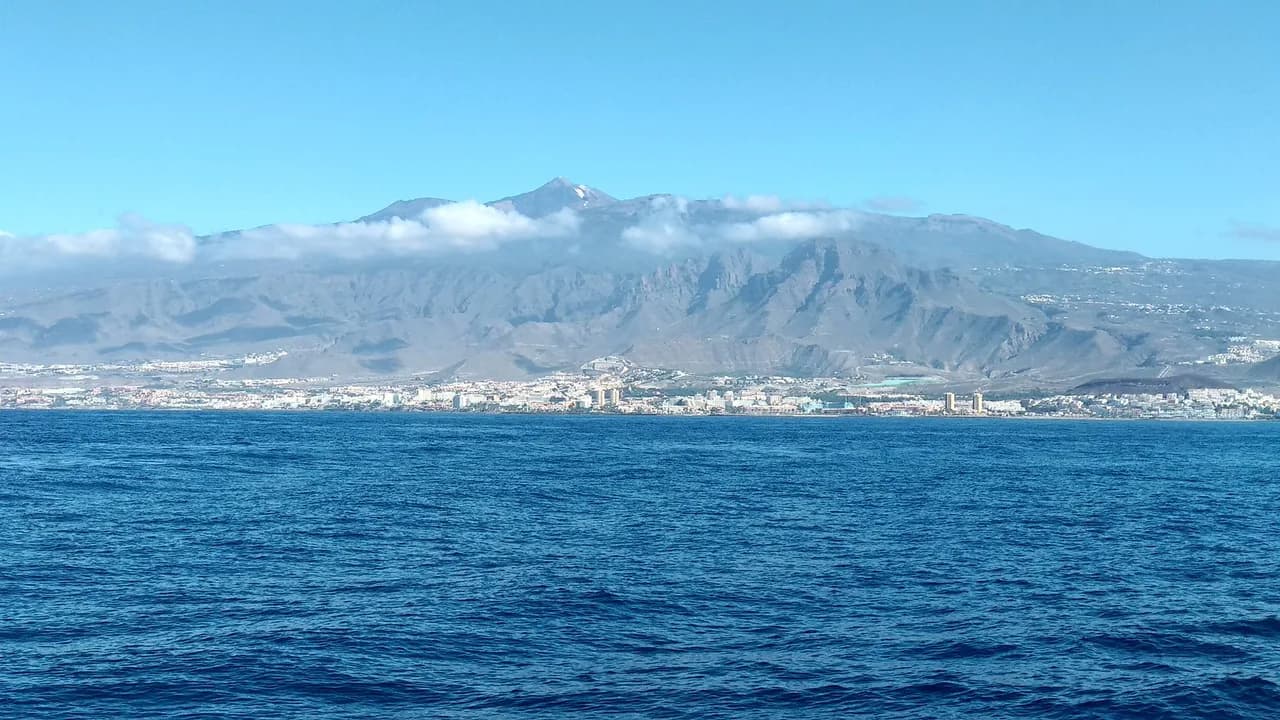
Mount Teide dominates the middle of the island and shapes both coasts' weather. Its height means the high ground is markedly cooler than the coast even in July, which matters when you plan a day up there, and a taster of the island at its most crowded sits in our guide to tenerife in august.
In practice, this means the south's July figures are the more dependable ones for sun-seekers, while the north's are more variable day to day. Choose the coast whose typical July you actually want, not the one that photographs best.
Sea temperatures and swimming in July
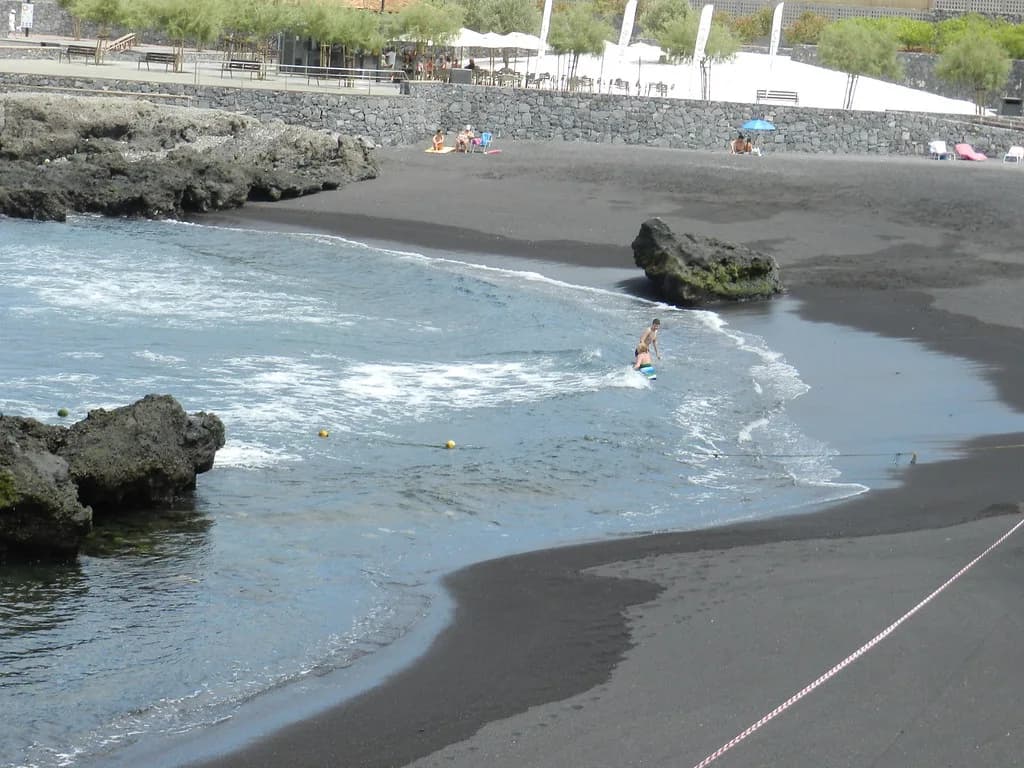
July is a comfortable month for swimming off the south coast, where the water has had months of summer sun to warm up and the beaches are sheltered. The north is bracing by comparison, particularly where Atlantic swell reaches the shore.
If swimming is central to your trip, pick a southern base with a sheltered bay rather than an exposed northern beach. El Médano's wind makes it a watersports hub rather than a relaxed swimming spot, so it is not the obvious choice for families with small children.
What to pack and wear for a July holiday in Tenerife
Pack for heat and sun: light cotton, a hat, sunglasses and high-factor sunscreen, plus a light layer for evenings in the north where the cloud and breeze take the edge off. Linen trousers or a long-sleeved shirt are useful for the cooler north coast after dark.
Add proper walking shoes if you plan to head up Mount Teide or into the laurel forest, where temperatures drop well below the coast and the ground is uneven. A refillable water bottle matters more than most items on a July packing list.
Beach gear is easy to buy locally if you travel light, and our guide to shopping in tenerife covers the resort strips well. Sun hats and towels are the items most often forgotten, so buy them on arrival rather than paying airport prices.
July crowds and school holidays: booking earlier in the month versus the last week
July is high season in Tenerife because UK, Irish and mainland Spanish schools are out. The first half of the month is usually calmer than the last week, when Spanish families join the summer rush and the southern resorts fill up.
Book accommodation early if you want a specific southern resort or a seafront room, as the best-placed places go first. Prices rise with demand in July, so flexibility on dates and resort saves more than any clever booking trick.
If you can travel in the first fortnight, you get the same July weather with noticeably thinner beaches. The last week of July is the busiest stretch, so plan around it if crowds bother you.
Spanish meal times in July: lunch from 1:30pm and dinner from 8:30pm
Spanish meal times run later than most British visitors expect. Lunch is typically served from 1:30pm to 4pm and dinner from around 8:30pm to 9pm, so build your day around those windows rather than turning up at six and finding kitchens empty.
In July, the late dinner suits the heat: the worst of the sun has gone by the time you sit down, and restaurants in the resorts fill up from about nine. A light late lunch and a proper evening meal also keeps you out of the strongest midday sun.
Markets are worth working into the morning, before the heat peaks. Los Cristianos and the northern towns run market days that make a good early outing, with lunch afterwards at Spanish rather than tourist hours, and tenerife markets lists which days each town holds.
How to structure a hot July day: mornings outdoors, shaded afternoons, late dinners
Start early. Walk, hike or explore towns before eleven, when the July sun is still manageable and the light is at its best. By midday, move to shade, a pool or an air-conditioned interior and save the beach for late afternoon.
Eat lunch in the Spanish window from 1:30pm, then rest through the hottest hours. Head back out around five or six for a beach walk, a swim or shopping, and keep dinner late so the evening becomes the main social part of the day.
This rhythm suits Tenerife's resort life, where pools, cafés and bars stay open into the night. It does not suit everyone: families with young children often flip it, doing the beach early and eating dinner early too.
Days out that suit July heat: Mount Teide high ground and the laurel forest
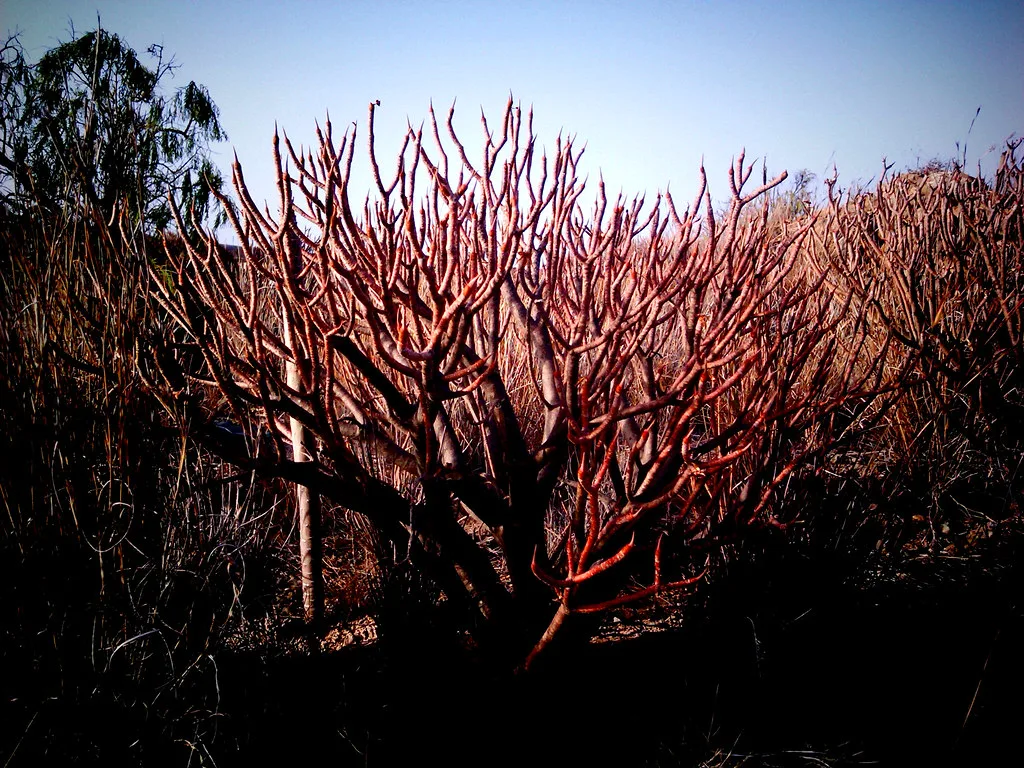
The high ground is the obvious escape from July heat. Mount Teide's slopes sit far above the coast and are considerably cooler, so a day up there feels nothing like a day on the beach, and the drive itself climbs through changing scenery.
The laurel forest of the north is the other sensible choice: shaded, green and considerably cooler than the south coast resorts. Go early, wear grippy shoes and expect cloud, which is the point rather than a problem.
Free options are plentiful if the budget is tight in high season. Beaches, coastal walks and town wandering cost nothing, which balances the higher July accommodation rates; free things to do in tenerife covers where those days work best.
Beach days in the south versus walking in the north: honest trade-offs
The south gives you reliable sun and easy swimming at the cost of crowds and a resort feel. The north gives you greenery, walking and real towns at the cost of cloud, cooler evenings and less dependable beach weather. Neither is better outright; each suits a different kind of July.
Couples and quiet-seekers tend to prefer the north's cooler, less frantic atmosphere in high summer. Families with young children usually prefer the south, where the sea is calmer, the sun is more constant and everything is within easy reach.
If you cannot decide, remember that the island is small enough to do both in one trip. A day trip from the south to the north is easy, and it lets you test which coast you would book next time.
Tenerife in July versus June and September: which suits you better
June is slightly cooler and noticeably quieter, with fewer families and more room on the beaches. July turns up the heat and the crowds, while september keeps the warmth but loses the peak-season pressure as schools return.
If your priority is sun with a calmer atmosphere, June or September beat July on comfort. If your dates are fixed by school holidays, July is the month you get, and the south coast delivers the weather you are after.
October is the next step down in heat and crowd, still warm but with a different feel. If July sounds too hot or too busy, tenerife in october sets out what the island looks like once the summer peak passes.
Who July in Tenerife works for, and who should pick another month
July suits beach-led families, sun-seekers and anyone whose holiday dates are tied to school holidays. It also suits walkers who start early and use the high ground, where the heat is much less of an issue than on the coast.
It suits less well if you hate crowds, want a quiet walking holiday or dislike strong sun. Those travellers are better off in spring or autumn, when the temperatures drop and the resorts empty out, and the island is still warm enough for the beach.
Whichever month you choose, sketch an outline before booking so you match your base to the weather you want. A tenerife itinerary that pairs a southern beach base with northern day trips gets the best of July on both coasts.
Plan Your July Trip
July in Tenerife is warm, largely dry and at its most reliable in the south, where averages reach about 26°C. The north runs a couple of degrees cooler with more cloud, which makes it the better choice for walking and greenery rather than sunbathing.
Pick your coast by the holiday you want, book early if you need a specific southern resort, and build your days around a late lunch and a later dinner. Check the forecast close to departure, as July patterns vary between resorts even on the same coast.
Explore more Tenerife guides
Frequently Asked Questions
How hot is Tenerife in July?
Summer averages across the island sit at roughly 23–27°C, with July averaging about 25°C in the north and 26°C in the south. Resorts vary: one weather page for Los Gigantes gives 28°C to 32°C with low humidity, while a Golf del Sur page contradicts itself, so treat single-resort numbers as a guide rather than a forecast.
Is the north or south of Tenerife warmer in July?
The south is warmer and drier, which is why the main beach resorts are there. The north around Puerto de la Cruz is greener and cloudier, and averages a degree or so cooler, which suits walking and town days better than sunbathing.
Is the sea warm enough to swim in Tenerife in July?
Sheltered southern bays are the most comfortable places to swim, having had months of summer sun, while exposed northern beaches feel brisker where Atlantic swell arrives. Sea temperatures are not published in the sources here, so check a current marine forecast before planning long swims.
Is July a good time to visit Tenerife?
It works well for beach holidays and for anyone tied to school holidays, with reliable dry weather in the south. It is less appealing if you want quiet resorts or gentle temperatures, since July is peak season and the southern strip fills up.
How does July compare with June and September in Tenerife?
June is cooler and quieter, September keeps the warmth with less peak-season pressure once schools return, and July is the hottest and busiest of the three. If your dates are fixed, the south coast gives you the best chance of steady sun.
What should I pack for Tenerife in July?
Light cotton, a hat, sunglasses and high-factor sunscreen, plus a light layer for cooler northern evenings and grippy shoes if you plan to walk on Mount Teide or in the laurel forest. A refillable water bottle is worth more than extra clothing.
Sources
Notes for eating well in Spain
Optional updates to our guides.
You might also like
Continue reading
More guides you'll find useful