Shopping in Segovia: Streets, Markets and What to Buy
Where to shop in Segovia, from Calle Real boutiques to weekday street markets and the Luz de Castilla mall, plus Spanish opening hours and Tax Free rules.
On this page
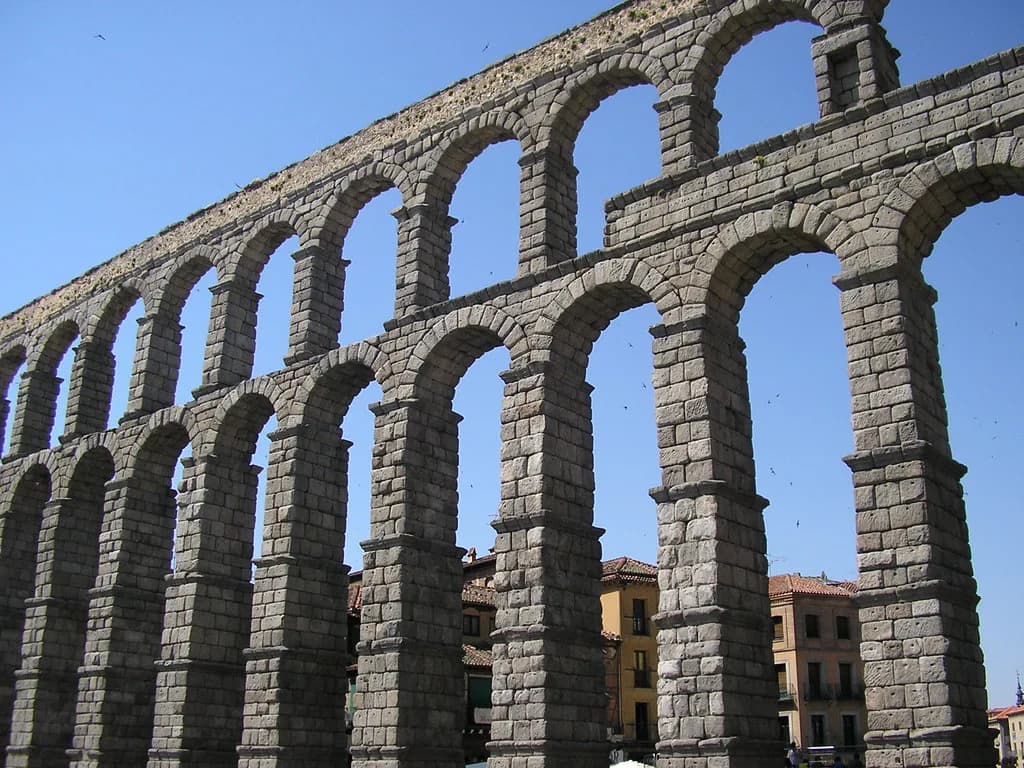
Shopping in Segovia is a half-day job, not a day trip of its own: the historic centre is small enough to cross on foot, and the interesting buys — pottery, leather, textiles, wood — sit within a few minutes of the Aqueduct. Plan your browsing around a lunch that starts at 1:30pm or later, because many shops pull down their shutters in the early afternoon.
If you are still deciding how long to stay, this guide to how many days in segovia you need will help you slot shopping in beside the Cathedral and the Alcázar.
What Shopping in Segovia Looks Like
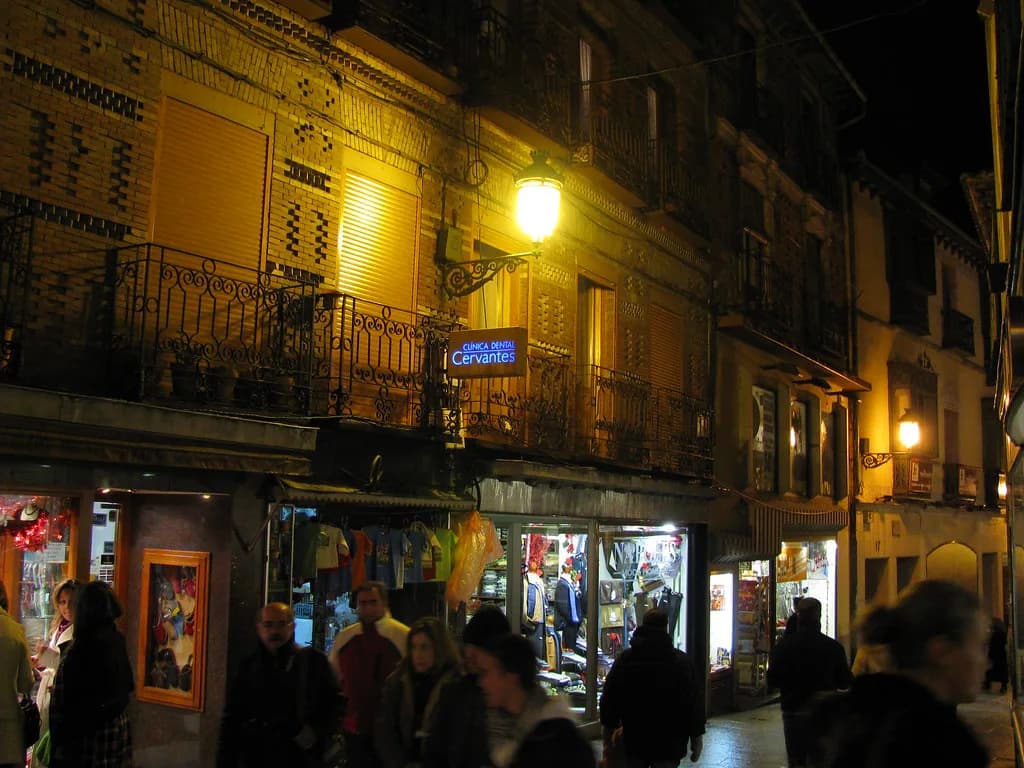
Segovia runs two shopping circuits. The historic centre, wrapped around Calle Real, is where you find small family-run shops, gift shops, bookshops and gourmet food stores alongside cafés and galleries, so browsing is mixed with sightseeing. Outside the old town, Calle de José Zorrilla forms a livelier modern district that grew with the city from the 1960s and 1970s and carries a wider spread of fashion and everyday essentials. That same split between a walkable old town and modern retail streets shapes shopping in fuerteventura as well.
The practical consequence is that you do not need two trips. Do the centre on foot in the morning, eat late, then take a bus out to the mall or walk José Zorrilla if you want chain shops. Segovia's tourism board treats shopping as one of the pleasures of travelling abroad and points visitors to artisan workshops, markets and commercial streets as separate experiences worth planning.
Calle Real: The Main Shopping Street in the Old Town
Calle Real is the spine of old-town shopping, a street of local and international brands in small, family-owned stores rather than a single department block. You will pass fashion and jewellery boutiques, gift shops, bookstores and gourmet food shops on the same walk, which makes it the efficient place to buy edible souvenirs before you head for the Aqueduct.
The trade-off is crowds and a slightly touristy edge near the Aqueduct end. Walk it earlier in the morning for calmer browsing, and treat the cafés, theatres, restaurants and galleries along the way as part of the circuit rather than detours. If you are building a single day around the old town, the one day in segovia itinerary covers the sights that anchor this street.
Calle de José Zorrilla: The Modern Commercial Street
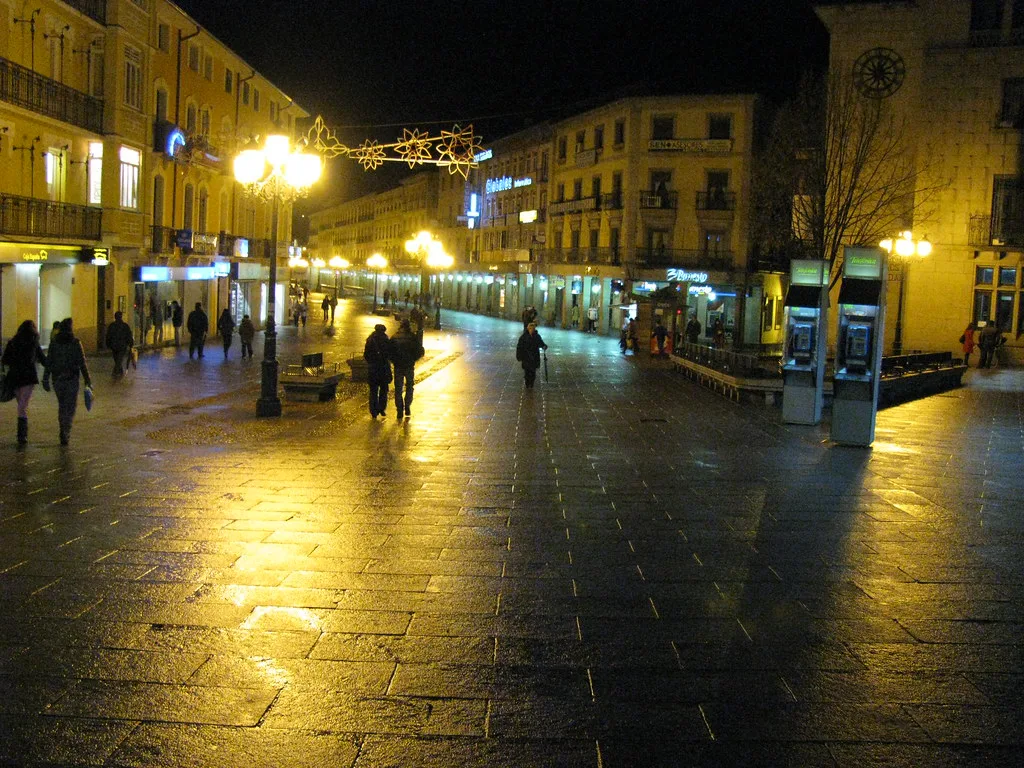
Calle de José Zorrilla is the counterweight to the old town: a broad commercial avenue that expanded beyond the historic centre in the 1960s and 1970s. It carries numerous stores plus a wide selection of restaurants and cafés, so it works well for fashion, basics and a coffee stop in one stretch. It is a city street, not a mall, so expect to walk between shops rather than wander under one roof.
Choose it when you need something specific and ordinary — a replacement charger, everyday clothing, pharmacy basics — rather than a souvenir. Pair it with a late lunch, since the surrounding cafés and restaurants follow Spanish meal times and the shopping itself thins out during the mid-afternoon window.
Weekly Street Markets: Which Plaza on Which Weekday
Segovia's open-air markets sell fresh food, flowers, clothes and antiques, and each one is tied to a different plaza and neighbourhood. The published pattern is Plaza de Tirso de Molina in Nueva Segovia on Mondays, Calle de Berlín in San José on Tuesdays, Plaza Mayor in the historic centre on Thursdays and Plaza de Toros in Ciudad y Tierra on Saturdays, running from 9am to 2pm.
The Thursday market is the easiest to fold into a sightseeing day, because Plaza Mayor sits in the middle of the old town and the stalls pack up before lunch. Saturday at Plaza de Toros is the biggest gamble on your patience: it coincides with weekend visitors, so arrive early in the 9am to 2pm window if you want room to browse.
Because these are weekday markets, a Sunday in Segovia gives you shops and cafés rather than stalls. Build your plan around that if your trip is short.
Eco Market and La Albuera Municipal Market
For local produce, the Eco Market runs on the first Saturday of each month at Plaza del Doctor Laguna, organised by the Segovia Farmers' Union. Stalls carry fruit, vegetables, dairy, bread, oils and craft beers, which makes it the best single stop for a picnic assembled from the region.
La Albuera Municipal Market, in the La Albuera neighbourhood, is built around zero-kilometre food sourced directly from local farmers. Vendors give personalised recommendations, which suits anyone shopping for cheese, produce or a foodie gift rather than a fridge magnet.
Both are food-first rather than souvenir-first. Bring cash for small stalls and check opening days directly with each market before you cross town, since municipal market days and monthly markets do not run on the same rhythm as shops.
Artesanía: Pottery, Leatherwork, Textiles and Woodcraft
Segovia's artisan workshops are the souvenir worth carrying home: local craftspeople use traditional techniques to make pottery, leatherwork, textiles and woodcraft. The Segovian Artisan Guild unites makers from across the province and acts as the quality marker to look for when you are deciding between a handmade piece and a mass-produced one.
Buying from a workshop rather than a gift shop costs more time and often more money, but you get an object tied to the province instead of a generic Castilian design printed elsewhere. If food is your priority rather than crafts, the Segovia food guide covers cochinillo, lechazo and the Churra breed behind the city's best-known dishes.
Luz de Castilla Shopping Centre and How to Reach It
Luz de Castilla is the mall option, just outside the centre, with supermarkets, fashion, accessories, beauty and jewellery stores plus a floor dedicated to entertainment and dining. Restaurants there span Spanish classics and international chains, which makes it a rainy-day or family-friendly fallback rather than a cultural stop.
Urban bus line 7 connects the centre to the mall, with stops on Calle de Colón and at Plaza de la Artillería near the Aqueduct. That makes the trip simple from the old town, but budget the bus ride each way and check the return timetable before you commit to a long browse.
Spanish Shop Hours: Siesta, Saturdays and Sundays
Shops in Segovia generally open from around 10am to 8.30pm, with many taking a siesta from roughly 2pm to 5pm. On Saturdays, closing time is around 2pm, and many shops stay closed on Sundays, though souvenir shops are sometimes open. That pattern is why a 4pm arrival in the old town can feel oddly dead and why Sunday browsing is limited.
Work the rhythm into your day: shop between 10am and 1:30pm, eat lunch from 1:30pm to 4pm while the shutters are down, then pick up again in the late afternoon before dinner from 8:30pm or 9pm. Saturday visitors should treat the morning as the real shopping window and leave the afternoon for the Aqueduct, the Cathedral and the Alcázar.
Check the specific shop before making a special trip on a holiday or a Sunday, since opening days vary by establishment.
Paying, Tax Free and Getting Cash
Almost all establishments accept credit cards, with Visa, Maestro, Servired, Red 6000, 4B and UnionPay among the commonly taken networks. Ask before you buy if you want certainty, particularly in smaller shops. VAT is included in most displayed prices, at between 10% and 21% depending on the item, so the ticket price is close to the final price.
Visitors from outside the EU can reclaim VAT at establishments showing the Tax Free sign. The euro is the only currency accepted for purchases, and Segovia has no currency exchange office in the city, so withdraw cash from the ATM network and watch for commissions and the exchange rate applied.
If a purchase goes wrong, complaints go to the Municipal Office of Consumer Information (OMIC), which forwards them to the competent body. Keep your receipt.
A Practical Shopping Loop from the Aqueduct
Start at the Aqueduct early, walk Calle Real end to end before the mid-afternoon lull, and buy food gifts and crafts while the shops are open. Break for a late lunch from 1:30pm, then take bus line 7 from Plaza de la Artillería or Calle de Colón to Luz de Castilla if you want the mall, or walk Calle de José Zorrilla for everyday shops.
Fit the loop around the rest of your sightseeing rather than the other way round. If shopping is one part of a longer trip, use How Many Days in Segovia? One Day, Two Nights or More to decide whether the mall earns a slot or whether the old town plus a market is enough.
For a sit-down lunch after the morning's browsing, the best restaurants in segovia cover cochinillo, lechazo and proper menú del día lunches within reach of the centre.
Common Mistakes on a Segovia Shopping Trip
The first mistake is arriving during the mid-afternoon siesta and finding the centre shuttered. The second is assuming Sunday is a normal shopping day; it is not, apart from some souvenir shops. The third is planning to change money in the city, which you cannot do, so withdraw euros before you need them.
The fourth is treating the weekly markets as a daily fixture — each one belongs to a specific plaza and weekday, and they close by 2pm. The fifth is buying crafts in a hurry at the Aqueduct instead of walking to the workshops, where the range is wider and the maker's mark clearer.
Plan Your Shopping Day in Segovia
Segovia rewards a morning of browsing rather than a full day of it: Calle Real for gifts and crafts, José Zorrilla for ordinary shopping, a weekday market for atmosphere and Luz de Castilla only if you want chains under one roof.
Anchor the day around Spanish meal times, carry euros alongside a card, and leave Tax Free paperwork for the till. Confirm individual opening days and market dates before a special trip, since shops close one or two days a week and markets follow their own calendar.
Explore more Segovia guides
Frequently Asked Questions
What is the main shopping street in Segovia?
Calle Real is the main shopping street in the old town, mixing local and international brands in small family-owned stores, plus cafés, bookstores and gourmet food shops. Calle de José Zorrilla is the modern alternative outside the historic centre.
Are shops open on Sundays in Segovia?
Many shops are closed on Sundays, though souvenir shops are sometimes open. Treat Sunday as a day for sights and long lunches rather than serious shopping, and check current details for any specific shop before making a trip.
What time do shops close in Segovia?
Most shops open around 10am and close around 8.30pm, with many taking a break from roughly 2pm to 5pm. On Saturdays, closing time is around 2pm.
When are the street markets in Segovia?
The published pattern is Plaza de Tirso de Molina on Mondays, Calle de Berlín on Tuesdays, Plaza Mayor on Thursdays and Plaza de Toros on Saturdays, all from 9am to 2pm. The Eco Market runs on the first Saturday of each month at Plaza del Doctor Laguna.
What should I buy in Segovia?
Pottery, leatherwork, textiles and woodcraft from artisan workshops, marked by the Segovian Artisan Guild, are the strongest souvenirs. Local produce from La Albuera Municipal Market or the Eco Market covers edible gifts.
Do shops in Segovia take credit cards?
Almost all establishments accept credit cards, including Visa, Maestro, Servired, Red 6000, 4B and UnionPay, and VAT is included in most displayed prices. Ask before buying in smaller shops for certainty.
Where is the Luz de Castilla shopping centre and how do I get there?
Luz de Castilla sits just outside the centre, with supermarkets, fashion, beauty and jewellery stores plus a dining and entertainment floor. Urban bus line 7 reaches it from Calle de Colón and Plaza de la Artillería near the Aqueduct.
Is there anywhere to change money in Segovia?
Segovia has no currency exchange office in the city, and the euro is the only currency accepted for purchases. Withdraw euros from the ATM network and check any commission and the exchange rate applied.
Sources
Notes for eating well in Spain
Optional updates to our guides.
You might also like

Continue reading
More guides you'll find useful