How Many Days in Segovia? One Day, Two Nights or More
Work out how many days in Segovia you need: one day for the aqueduct, cathedral and Alcázar, or an overnight for evening views and a slow lunch.
On this page
One day is enough for Segovia's headline sights, and one night is what turns a rushed checklist into a proper visit. The city sits about 90 km northwest of Madrid in Castilla y León, close enough for a day trip but rewarding enough that many travellers stretch it to two. Decide with a simple test: if you want the Alcázar, the cathedral and a sit-down lunch of cochinillo asado, give it a full day; if you also want viewpoints, the medieval walls and an evening under the illuminated aqueduct, stay the night.
The arithmetic is straightforward. Half a day gets you the aqueduct, a stroll up Calle Juan Bravo and a quick look at the cathedral; a full day adds the Alcázar interior and a leisurely lunch; two days fold in the Jewish Quarter, a section of the walls and at least one viewpoint beyond the old town. Anything longer is a choice about pace rather than a need to tick off more monuments.
One, Two or Three Days in Segovia: The Short Answers
Choose one day if Segovia is a stop on a Madrid trip and you want the essentials: the Roman Aqueduct of Segovia at Plaza del Azoguejo, the climb up Calle Juan Bravo, Plaza Mayor, the cathedral and the Alcázar. That sequence fits comfortably between a morning arrival and an evening train back.
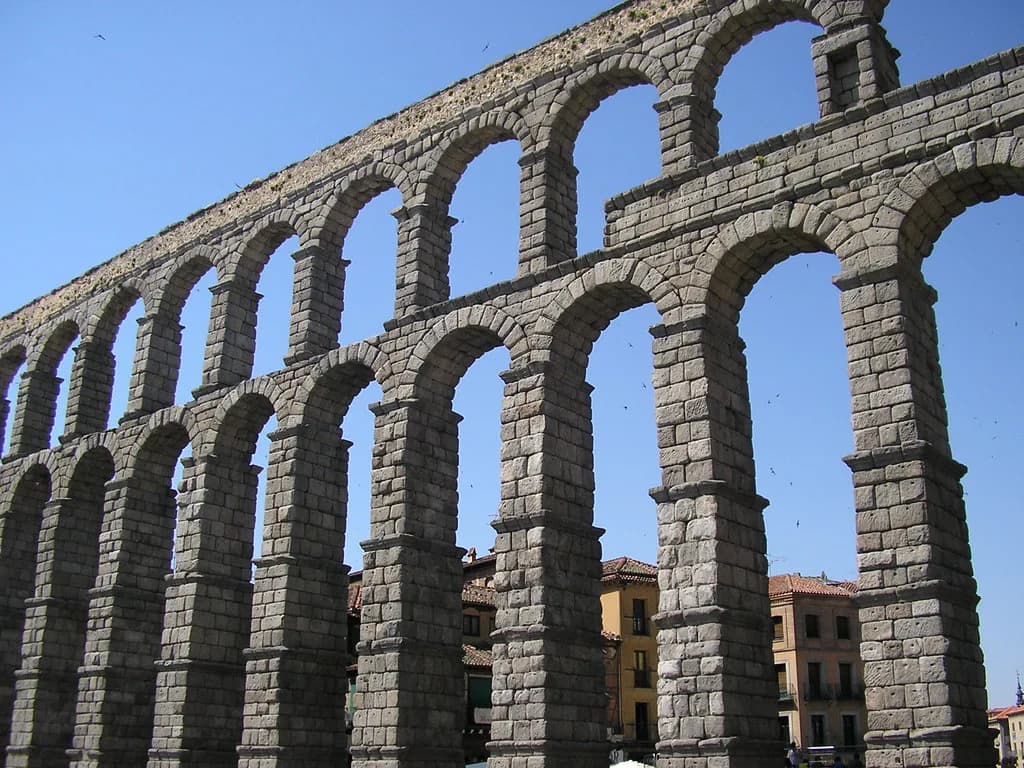
Choose one night, giving you the equivalent of a day and a half, if you care about light and atmosphere. The aqueduct is free to admire at any hour and sits in the middle of town rather than behind a barrier, so early mornings and after dark are when it is at its best. Staying also removes the pressure of catching a specific train back to Madrid.
Choose two or three days if you want Segovia to be the trip rather than a detour. The extra time goes on the Jewish Quarter, the medieval walls, the viewpoints south of the old town and a half-day excursion to the Royal Palace of La Granja de San Ildefonso, about 10 km southeast of the city.
What a Day Trip Covers: Aqueduct, Calle Juan Bravo, Plaza Mayor, Cathedral, Alcázar
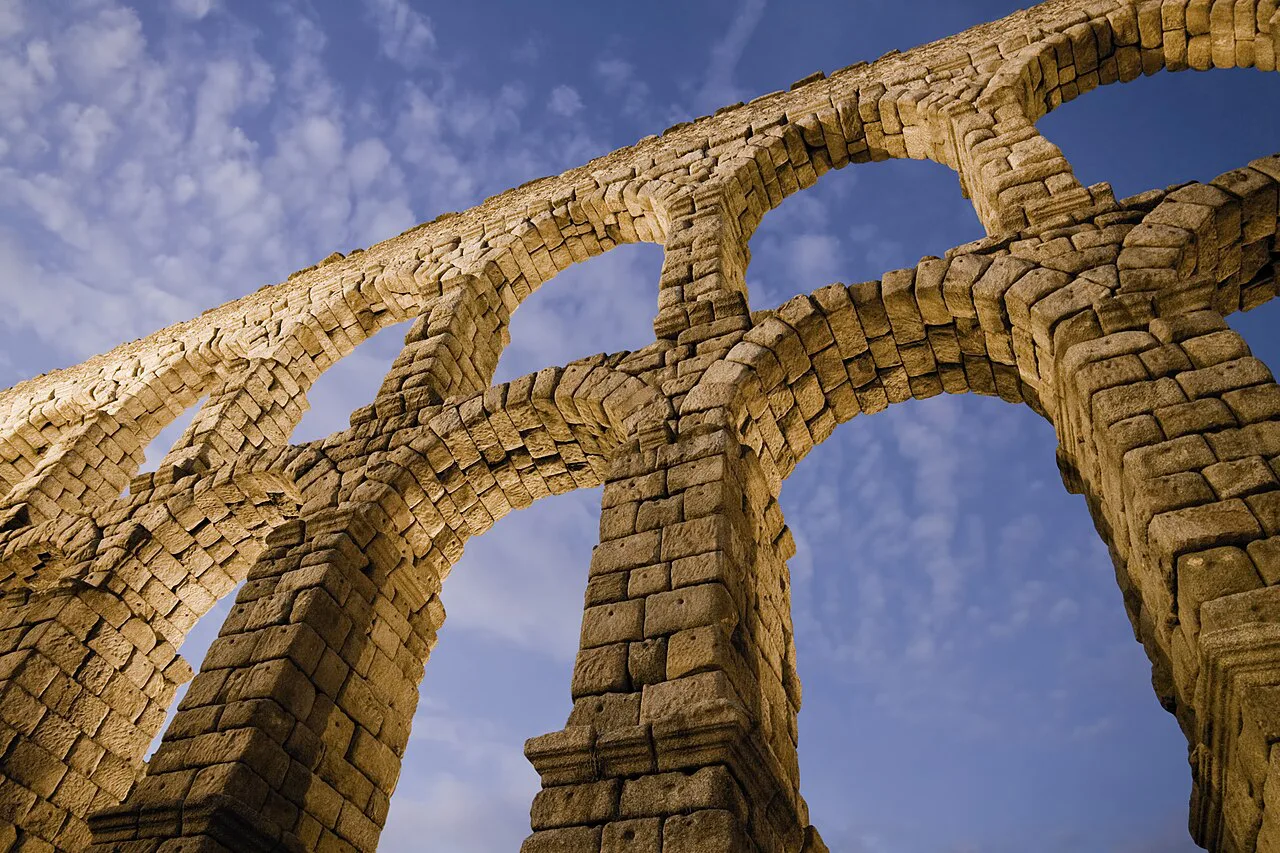
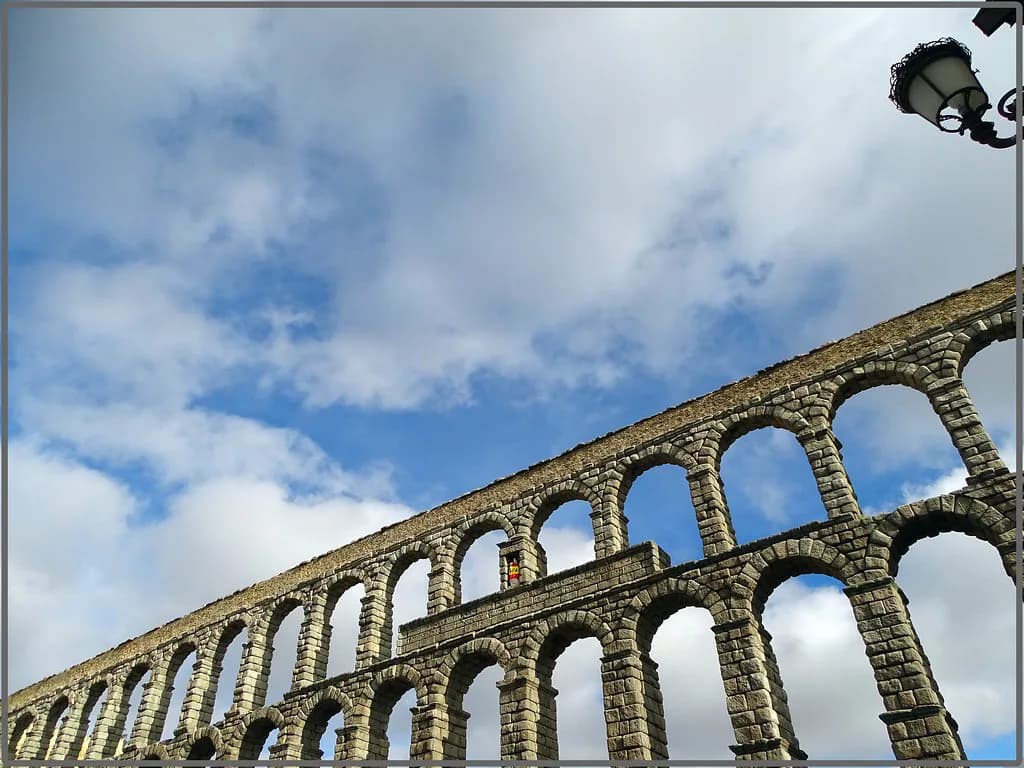
Start at the aqueduct, built in the late first or early second century AD and still one of the best-preserved Roman aqueducts anywhere, roughly 28 metres high at its tallest point. From Plaza del Azoguejo, walk up Calle Cervantes to the Mirador de la Canaleja and Casa de Los Picos, the fifteenth-century house with 617 granite points across its façade, then follow Calle Juan Bravo towards the centre.
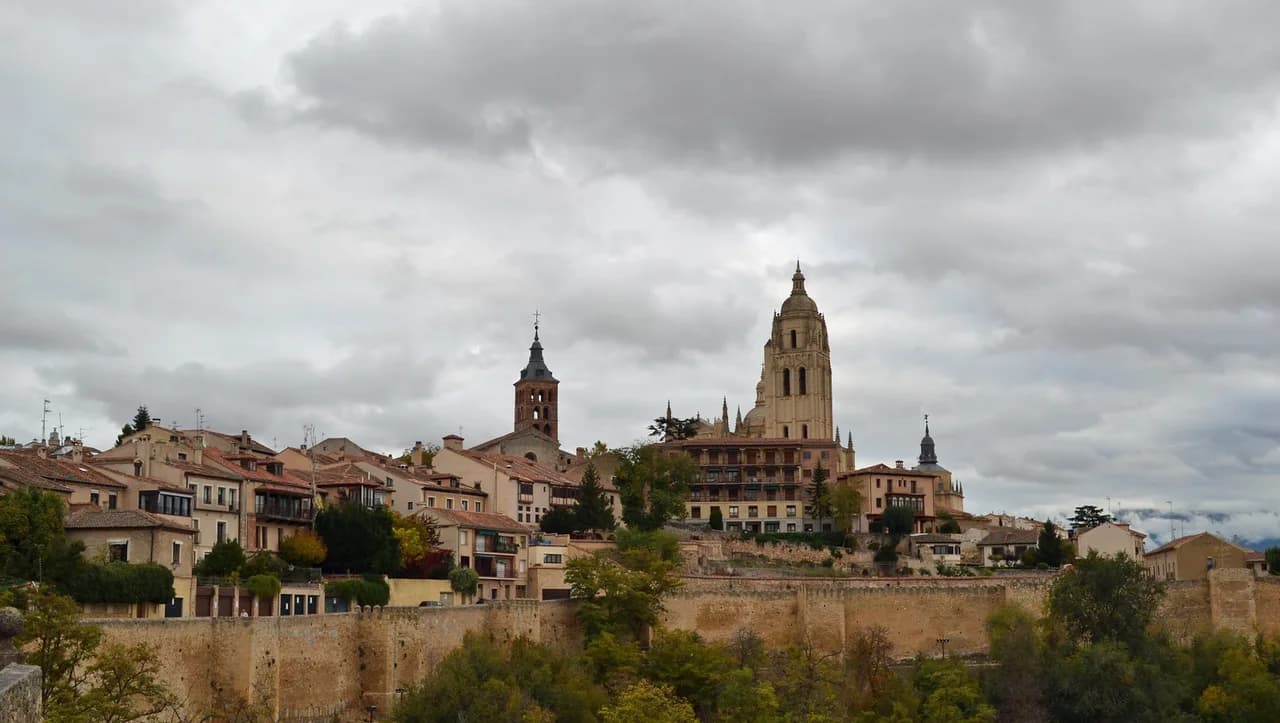
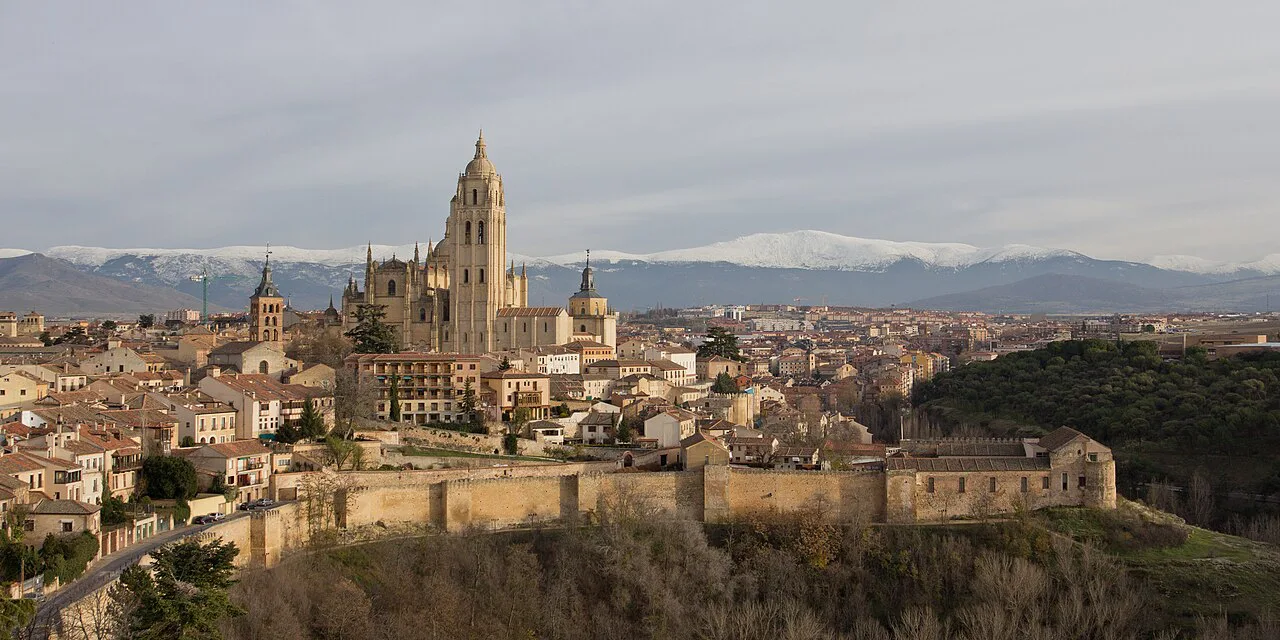
Plaza Mayor is the natural pause, with the cathedral filling one side. The Cathedral of Segovia was built between 1525 and 1577 in late Gothic style and is known locally as the Lady of Cathedrals; step inside for the nave, the chapter house and the small museum. From there, continue to the Alcázar at the northern tip of the old town, then walk back downhill to the aqueduct for the train.
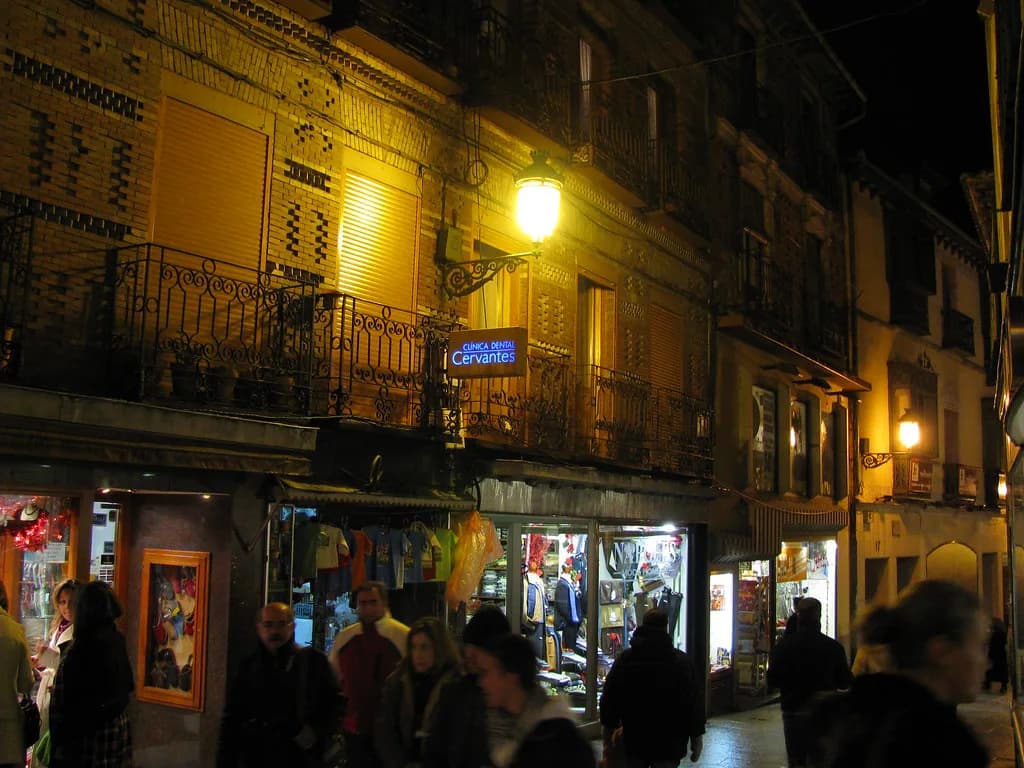
If you want to see where to browse between stops, Calle Real, as Calle Juan Bravo is also listed, is lined with small shops and pastry counters, which makes it the obvious stretch for a break rather than a separate outing.
How Long the Sights Take
The Alcázar interior takes roughly 30 to 45 minutes, and the Tower of Juan II adds about an hour on top because entry is timed. Budget accordingly: an hour for the palace alone, or closer to two if you want the tower views over the countryside.
The cathedral is a 45-minute to one-hour stop, longer if you join the bell tower tour, which runs at set times, lasts an hour and involves narrow spiral steps with no lift. The aqueduct itself costs nothing and takes as long as you like, while the short section of medieval walls by Puerta de San Andrés needs about ten minutes of walking.
Add the walking, which is the real variable. The old town is compact but hilly, and the cobbles are uneven, so allow more time than the distance suggests and wear shoes with grip.
Why Arriving Around 9am Changes the Day
By late morning the area around the aqueduct fills up, and early afternoon stays busy. Arriving around 9am gives you cooler air, thinner crowds and the arches almost to yourself, which matters most if photography is the point of the trip.
Light decides which side of the aqueduct to shoot from. Mornings favour the east side, by Plaza Oriental and the traffic circle; afternoons favour the west side, at Plaza del Azoguejo and along Calle Juan Bravo.
One Night in Segovia: Staying After the Day-Trippers Leave
The strongest argument for a night is the aqueduct after dark, softly lit and framed by the cafés below, alongside streets that empty once the coaches leave. If you came for a day trip you will see it in one light; sleep here and you get morning, midday and evening versions of the same two thousand years of stone.
The trade-off is one more hotel change and one less night in Madrid. Travellers with a tight Madrid itinerary, or those combining Segovia with another city in a single day, should skip the overnight and treat Segovia as a well-planned day out.
A Second Day: Medieval Walls, Jewish Quarter, Vera Cruz and the Viewpoints
With a second day, slow down in the south of the old town. The Jewish Quarter, inhabited by a Jewish community from the twelfth century until the 1492 expulsion, has narrow streets and the best-preserved medieval gate, Puerta de San Andrés; tickets for the adjoining stretch of wall come from the tourist information centre beside it.
Outside the walls, the Iglesia de la Vera Cruz is one of the best-preserved churches built on a twelve-sided plan, constructed in the early thirteenth century by the Order of the Holy Sepulchre. Nearby viewpoints look back at the Alcázar: the Mirador de la Pradera de San Marcos is a four-minute walk away, while the Mirador del Alcázar y los dos Valles needs a car and a short uphill walk on a rocky path.
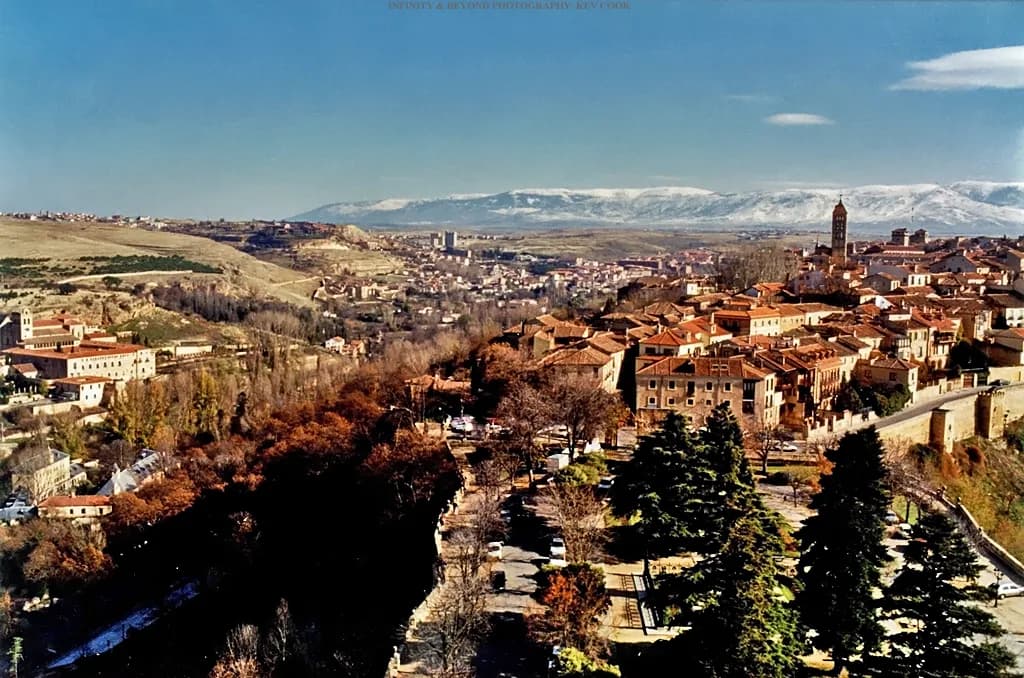
Free viewpoints inside town are worth ten minutes each. The Mirador del Museo de Segovia gives a clean view of the cathedral and the southern rooftops, while the Mirador de la Canaleja sits right on the walk up from the aqueduct.
If You Have Three Days: La Granja de San Ildefonso and Ávila
A third day is best spent outside the city. The Royal Palace of La Granja de San Ildefonso, the eighteenth-century summer residence of the kings of Spain, has around 1,500 acres of formal gardens with fountains and French sculpture, and it is a manageable half-day from Segovia.
Ávila is the other obvious pairing, and Segovia is commonly combined with it in a single day by organised tour. If you have three days, give Ávila its own half-day rather than squeezing both walled cities into one rushed circuit.
Getting There from Madrid
High-speed AVE trains leave Madrid Chamartín for Segovia-Guiomar in about 25 to 30 minutes, but the station sits 10 to 15 minutes by taxi or local bus from the old town. Buses from Moncloa take roughly 1 hour 20 minutes and drop you at Segovia's bus station, a short walk from the aqueduct and the centre.
The choice is speed against convenience. The train is quicker but adds a transfer at the far end; the bus is slower but leaves you within walking distance of everything. Driving takes just over an hour, though parking in the old town is awkward, so a car only pays off if you are continuing to La Granja or Pedraza.
Eating on a Segovia Schedule: Lunch Around 2pm, Dinner After 9pm
Meal times shape the day more than any opening hour. Lunch generally starts around 2pm and can run for hours, and dinner usually begins after 9pm, so a sit-down cochinillo lunch is an afternoon commitment rather than a quick stop.
Many small shops close between 2pm and 5pm, and if you want the signature roast pig at a popular address, book ahead rather than turning up at peak time. A day trip built around a 2pm lunch leaves the morning for the aqueduct and the cathedral and the late afternoon for the Alcázar.
The Signature Dishes: Cochinillo Asado, Judiones de La Granja, Ponche Segoviano
Cochinillo asado is the dish that defines Segovia: a suckling pig slow-roasted until the skin is crisp enough to be cut with the edge of a plate, often brought to the table whole and portioned in front of you. Judiones de La Granja, giant white beans, and ponche Segoviano, a layered almond sponge, are the other names to know.
For a cheaper, less ceremonial plate, taberna food runs to torreznos, crisp pork belly, and croquetas caseras, both useful if you want a tapa rather than a full roast.
Portions are generous and the roast is rich, so one cochinillo lunch can comfortably replace a large dinner. If you are travelling with someone who does not eat pork, Segovian menus also cover roast lamb, revuelto de morcilla and Sephardic-inspired dishes.
Where to Eat: Mesón de Cándido, José María, El Bernardino, Taberna López
Mesón de Cándido, beside the aqueduct and dating back to 1786, is the famous address for cochinillo, complete with the plate-cutting ceremony performed roughly hourly. Go for the spectacle and the location, but expect a busy, touristy room and mixed reports on the food and service; many visitors treat it as a cultural stop rather than the best meal of the trip.
José María serves Segovian classics with a modern edge, including cochinillo and ponche Segoviano, while family-run El Bernardino is known for roast lamb and revuelto de morcilla. For something casual and affordable, Taberna López does torreznos and homemade croquetas in a local, tapas-bar setting.
El Fogón Sefardí takes a different route with Sephardic-inspired cooking, such as lamb tagine with dates and almonds or cod with chickpeas, and Restaurante Maracaibo Casa Silvano is recognised by Michelin for creative takes on traditional dishes.
Who Should Stay Longer and Who Should Not
Stay two nights if you like photographing a place in different lights, if you want a long 2pm lunch without watching the clock, and if hill walking and viewpoints appeal more than a fourth museum. The same applies if Segovia is your main stop in Castilla y León rather than a break from Madrid.
Keep it to a day if Madrid is your base and your diary is full, if you are pairing Segovia with Ávila or Toledo in one outing, or if you have limited tolerance for cobbles and inclines. A well-planned day still covers the aqueduct, the cathedral, the Alcázar and a proper lunch.
Practical Points: Cobbles, Hills, Cash and Church Dress
Wear non-slip shoes and expect climbs: the old town is hilly and the streets are uneven, so an extra hour on foot is realistic. Carry small notes and coins for cafés and taxis, since not every place takes cards, and dress modestly for churches and religious sites.
The Alcázar and the cathedral have wheelchair-accessible routes, and adapted buses and taxis exist but are best booked ahead. Download an offline map before leaving Madrid, because the streets twist and signal is unreliable in the narrow lanes.
How to Decide
For most visitors, Segovia works best as one full day with an early start, or as one night if the evening aqueduct and a slower lunch appeal. Two days suits anyone who wants the walls, the Jewish Quarter and the viewpoints without rushing; three days only makes sense if you add La Granja or Ávila. If you are weighing a similar short break in another Spanish city, our guide to how many days in girona applies the same one-, two- or three-day test.
Check train times and book any Alcázar tower slot or popular restaurant table before you travel, since timed entries and lunch sittings set the shape of the day. Everything else in Segovia you can decide on the ground, which is exactly how a city this small should be visited.
Explore more Segovia guides
Frequently Asked Questions
Is one day in Segovia enough?
Yes for the highlights. A single full day covers the aqueduct at Plaza del Azoguejo, the walk up Calle Juan Bravo, Plaza Mayor, the cathedral and the Alcázar interior, with time for a sit-down lunch. It gets tight if you also want the Alcázar tower, a bell tower tour and several viewpoints.
Is Segovia worth an overnight stay?
If you want the city after the day-trippers leave, yes. The aqueduct is free to see at any hour and stands in the middle of town, so evening and early morning are the quietest and most photogenic times. Staying also removes the pressure of a fixed return train.
How long do the Alcázar and cathedral take?
Allow 30 to 45 minutes for the Alcázar interior and roughly an hour more if you add the Tower of Juan II, which has timed entry. The cathedral is usually a 45-minute to one-hour visit, extended if you join the guided bell tower tour.
Should you visit Segovia and Toledo in one day?
It is a long, thin day. Each city deserves at least half a day on its own, and Segovia alone fills a full day once you include the Alcázar and a proper lunch. Pairing Segovia with closer Ávila works better than stretching to Toledo.
What time do restaurants serve lunch and dinner in Segovia?
Lunch generally starts around 2pm and can stretch for hours, and dinner usually begins after 9pm. Build your sightseeing around that rhythm rather than expecting an early evening meal.
What food is Segovia famous for?
Cochinillo asado, roast suckling pig, is the signature dish, often carved at the table with the edge of a plate. Also look for judiones de La Granja, giant white beans, and ponche Segoviano, a layered almond sponge dessert.
Can you visit Segovia and Ávila in one day?
Yes, and plenty of organised tours do exactly that. It means less time in each place, so treat it as a taster and plan a return if walled cities and Roman engineering are your idea of a good day.
Sources
Notes for eating well in Spain
Optional updates to our guides.
You might also like
Continue reading
More guides you'll find useful