What to Eat in Segovia: Dishes, Tapas and Meal Times
Segovia's table is built on roast suckling pig, lechazo and ponche, with vegan and gluten-free options in between. Here's what to order and when to eat.
On this page
Eating in Segovia is a roast-meat city with a lighter side, and knowing which to pick matters. The city's own tourism board puts the golden suckling pig, tostón, and suckling lamb, lechazo, at the centre of its cuisine, with vegetables from the Carracillo, beans from La Granja, local cheese and ponche filling out the menu.
Plan around Spanish meal times rather than British ones. Lunch runs from 1:30pm and dinner from around 8:30pm in this part of Castilla y León, so a 7pm table is often out of reach and mid-afternoon is the better slot for the big sitting.
Why Segovia Food Is Worth Planning a Meal Around
Segovia is one of the strongest strongholds of Castilian cooking, and a large part of its tourist draw is the table rather than the aqueduct alone. The provincial geography supplies the basics: cereal for bread, milk from cattle grazing the Sierra de Guadarrama foothills, and sheep and goat herds behind the local cheeses.
That means the food you eat here is regional rather than invented for visitors. Even a short stay justifies one long lunch, and how you pace the rest of your trip depends on how many meals you want to give over to it.
The Dishes to Order First: Cochinillo and Lechazo
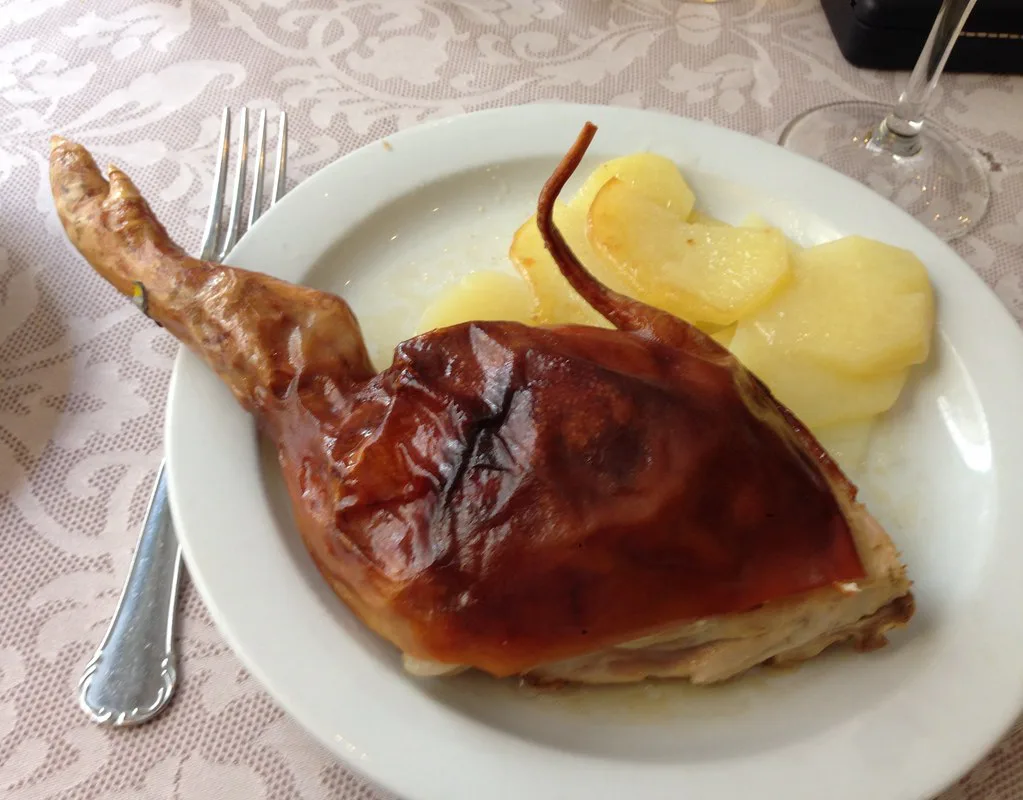
Cochinillo asado is the dish most associated with Segovia, and the tourism board describes it as gold-coloured, juicy and crisp at once. It is roast suckling pig, traditionally called tostón in local usage, and it is the plate to order if you want one definitive Segovian meal.
Lechazo is roast suckling lamb from the churra breed, rich-tasting and a serious alternative for anyone who would rather not eat pork. Both are best ordered as a main at lunch, shared only if the table is small and the appetite modest, and both sit naturally with a red wine from Ribera del Duero.
If you want a sit-down comparison between the leading roast houses, work through our pick of the best restaurants in Segovia before you commit to a booking. Portions are generous, so one heavy lunch often replaces dinner.
The tourism source for the roast traditions, the vegetable cooking and the wines of the province is the city's official tourism site, which gives an overview rather than per-restaurant detail.
Soups, Beans from La Granja and Vegetable Cooking from the Carracillo
Cold winters shaped the first courses here, and the tourism board singles out judiones de La Granja, the fat white beans of the Sierra, and sopa castellana, the garlicky Castilian soup. Both are substantial enough to be a course before a roast or a light main at lunch. If you enjoy comparing hearty island cooking after this, our guide to Ibiza food covers dishes like Bullit de peix and Sofrit pagès.
The Carracillo horticultural area supplies the province with vegetables and greens for salads and creams, so vegetable cooking is not an afterthought in Segovian kitchens. Order a bean dish or a vegetable plate alongside a shared meat main to build a more balanced meal.
For a quicker, cheaper meal, tapas bars around the aqueduct serve small plates throughout the day, and our guide to the best tapas in Segovia covers the areas where that style of eating works best.
Segovia Cheeses, Bread and the Wines That Go with Them
The bread here comes from cereal grown in the province, and the cheeses from cow's milk grazed in the Guadarrama foothills mixed with sheep's and goat's milk. Local Manchego and fresh goat cheese turn up in markets, including the Mercado Municipal La Albuera, which is the sensible stop if you want to assemble a picnic.
For wine, the tourism board names reds from Ribera del Duero and those from the D.O. Vinos de la Tierra de Castilla y León, plus green whites with the Rueda denomination. Ask for a Ribera del Duero with the cochinillo and a Rueda white with vegetable or cheese courses.
A market run also pairs well with a morning wandering the old town; our guide to shopping in Segovia points out the streets where food and non-food browsing overlap.
Ponche: The Dessert to Finish On
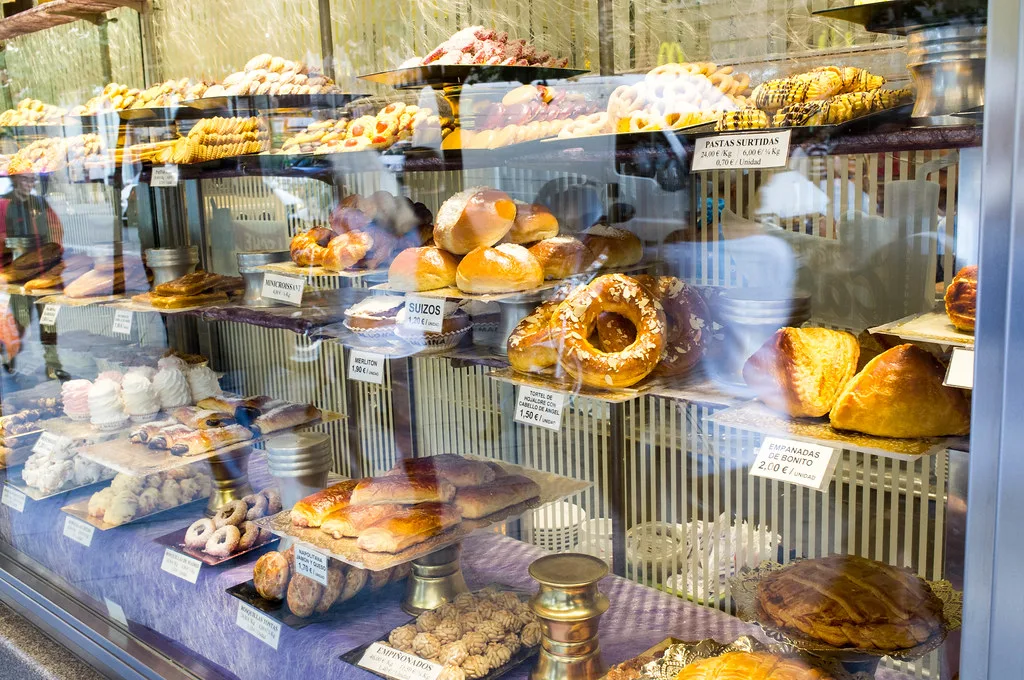
The dessert to finish a Segovian lunch is ponche: a fine sponge cake filled with cream, soaked in syrup and wrapped in a thin layer of marzipan that holds the moisture in. It is sweet and heavy, so it works best after a lighter first course rather than after both a bean stew and a roast.
Order one between two and see whether it earns its reputation before committing to a second. If you would rather end with coffee, take it at the bar with a small pastry instead, which costs less than a full dessert course.
Where to Eat Vegan and Vegetarian in Segovia
Mixed groups can eat well, because the vegan-friendly list covers several kitchens rather than one. La Almuzara serves creative vegan dishes including vegan paella, salads and tapas, and Pasapan puts vegan options such as an aubergine coca, hummus and a spinach salad with orange on its menu.
Other options that serve meat but cater to plant-based eaters include Sushicatessen, with labelled vegetable sushi rolls and gyoza, Taj Mahal, whose Indian menu runs to samosas, pakoras and vegetable biryani, Selfish Poke, where tofu and edamame build the bowl, and El Patio de la Nonna, which offers a couple of vegan focaccias and a vegetable pizza that can be made vegan on request.
Vegetarian eaters can also fall back on standard Spanish dishes: tortilla española, gazpacho and pisto manchego all appear on the list of local plates to try. Restaurante José María, known for its cochinillo, also offers vegetarian tapas and mains, so a mixed table does not have to split up.
A student-housing guide to eating in Segovia lists these restaurant-by-restaurant vegan and vegetarian options; menu details change often, so read it before you book.
Gluten-Free Eating: What Is Available and How to Ask
Gluten-free eating in Segovia is workable, with several restaurants and a dedicated bakery in the mix. Asador Maribel offers gluten-free options including grilled meats and tapas, and Restaurante Fogón Sefardí serves gluten-free paellas and soups made with certified gluten-free ingredients.
For self-catering, look for the sin gluten label in supermarkets such as Dia and Lidl, and for bread and desserts go to Horno Artesano, a bakery that specialises in gluten-free bakes. Tell waiting staff directly: soy celíaco or no puedo comer gluten says the necessary thing without ambiguity.
Bulk foods, tofu, plant-based cheeses and yogurts are stocked at Ecotienda Prem Dan, a health shop that the same student-housing guide lists with its own hours; check them before you set out.
Tapas Bars, Markets and Affordable Eating
A full menú del día is the easy way to eat cheaply, and the student-housing guide quotes around ten to fifteen euros for two courses, a drink and dessert. Treat that as a guide to the price band rather than a fixed rate, because individual restaurants set their own.
Free tapas with a drink at bars such as Bar Santana or Taberna Rubí work out cheaper than a seated lunch, and cooking from Mercado Municipal La Albuera keeps costs down further. For halal eaters, Tetería Nazarí serves Moroccan tagines and couscous, and Turkish Doner is listed as halal-certified.
Our guide to tapas in Segovia goes deeper on the bar scene around the Acueducto de Segovia, which is the natural place to start an evening.
Meal Times: Lunch from 1:30pm, Dinner from 8:30pm
Lunch is served from 1:30pm, and dinner starts around 8:30pm, so build your day around those slots rather than arriving at seven and finding the kitchen cold. The big roast meal sits best at lunch, when you have the afternoon to walk it off.
Tapas culture makes sharing easy, which is also how a small group can try more dishes affordably. If you only have a day, our one day in segovia plan slots meals into the sightseeing rather than the other way round.
Roast-Heavy Menus Versus Lighter Tapas: The Trade-Off
The trade-off is straightforward: cochinillo and lechazo are the reason to eat here, but two roast lunches in two days is a lot of heavy food. Balance a big roast on day one with tapas, a bean or vegetable dish, or a market lunch on day two.
Vegetarian and gluten-free eaters can join the same table, but they will be ordering from the lighter side of the menu while the rest of the group goes for the pig. Book ahead for a sit-down roast, and keep a market or bar meal in reserve for the day you want to eat late and lightly.
What to See Nearby After You Eat
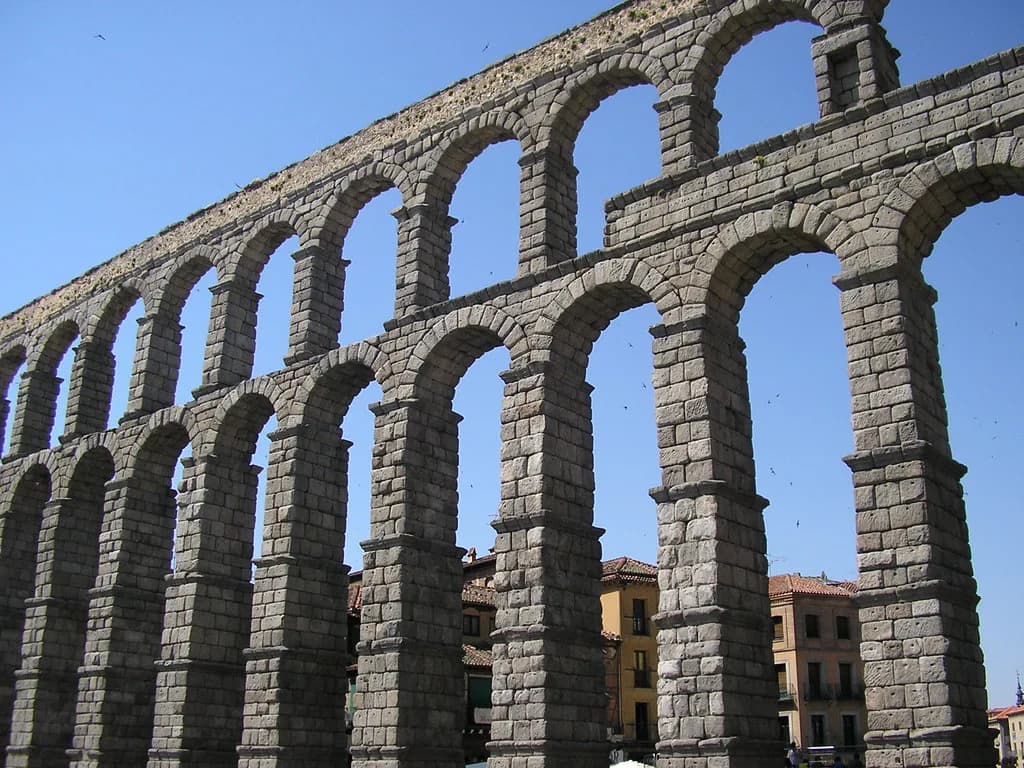
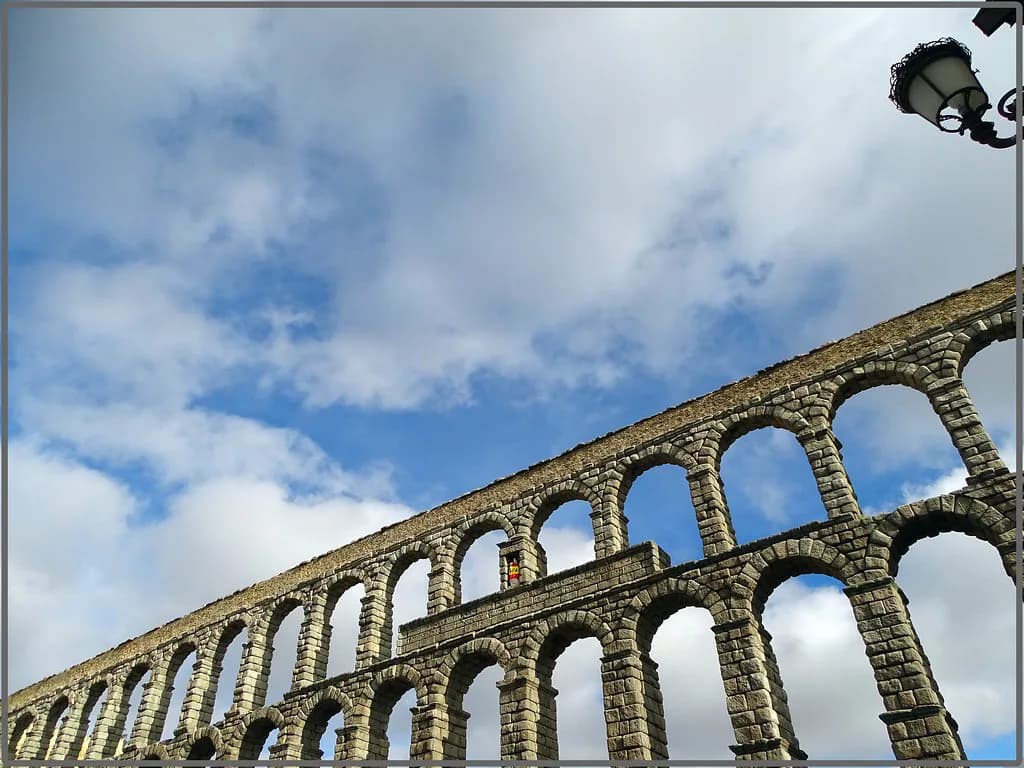
The Roman Aqueduct of Segovia is the obvious first stop after lunch, and the old town around it is where a post-meal walk earns its place. If you are still deciding how long to stay, read How Many Days in Segovia? One Day, Two Nights or More before you fix the itinerary.
For the wider set of sights, our Segovia Attractions guide covers the four main visitor stops in one place.
Plan Your Visit
Order the cochinillo or the lechazo at least once, at lunch rather than dinner, and fill the other meals with beans from La Granja, market cheese and tapas bars. Mixed groups should pick a restaurant that serves both the roast and a vegan or gluten-free option so nobody eats alone.
Confirm the day's menu, prices and opening times directly with the restaurant or the tourism office before you go, since these change through the year. A lunch at 1:30pm and a light evening of tapas is the rhythm that suits the city best.
Explore more Segovia guides
Frequently Asked Questions
What is the traditional pig dish in Segovia?
Cochinillo asado, roast suckling pig, also called tostón locally. The tourism board describes it as golden, juicy and crisp at once, and it is the dish to order for a definitive Segovian lunch.
What food is Segovia known for?
Cochinillo and lechazo, roast suckling pig and lamb, along with judiones de La Granja beans, sopa castellana, vegetables from the Carracillo, local cheeses, ponche for dessert, and wines from Ribera del Duero and Rueda.
Where can vegetarians eat in Segovia?
Restaurante José María offers vegetarian tapas and mains alongside its roast menu, and standard Spanish dishes such as tortilla española, gazpacho and pisto manchego are widely available. Vegan-friendly kitchens include La Almuzara, Pasapan and El Patio de la Nonna.
What time do people eat dinner in Segovia?
Dinner starts around 8:30pm, and lunch is served from 1:30pm. Plan the main meal of the day for lunch and keep the evening for tapas rather than expecting a full kitchen at seven.
Is there gluten-free food in Segovia?
Yes. Asador Maribel offers gluten-free grilled meats and tapas, Restaurante Fogón Sefardí serves gluten-free paellas and soups made with certified gluten-free ingredients, and Horno Artesano specialises in gluten-free breads and desserts.
How much does a menú del día cost in Segovia?
A student guide to eating in the city gives around ten to fifteen euros for two courses, a drink and dessert. Individual restaurants set their own prices, so check the board or ask before you sit down.
Do bars in Segovia give free tapas with drinks?
Bar Santana and Taberna Rubí are both listed as places where a drink comes with free tapas. That makes a bar crawl a cheaper option than a full seated lunch, especially for an evening meal.
Sources
Notes for eating well in Spain
Optional updates to our guides.
You might also like

Continue reading
More guides you'll find useful