Best Tapas in Segovia: What to Order and Where to Eat
A practical guide to tapas in Segovia: the local dishes worth ordering, the dishes to share and how Spanish meal times shape an evening of eating.
On this page
Tapas in Segovia work best when you treat them as a build-up rather than the main event: order a few Castilian plates at the bar, then decide whether the evening ends there or moves into a sit-down meal. The city's gastronomy leans on its own produce, from the cereal fields that supply its bread to the sheep, goats and cattle grazing towards the Sierra de Guadarrama, so a short tapas round can cover a surprising amount of local ground. This guide covers what to order, which taverns to aim for, how meal times shape the night and what to see between rounds.
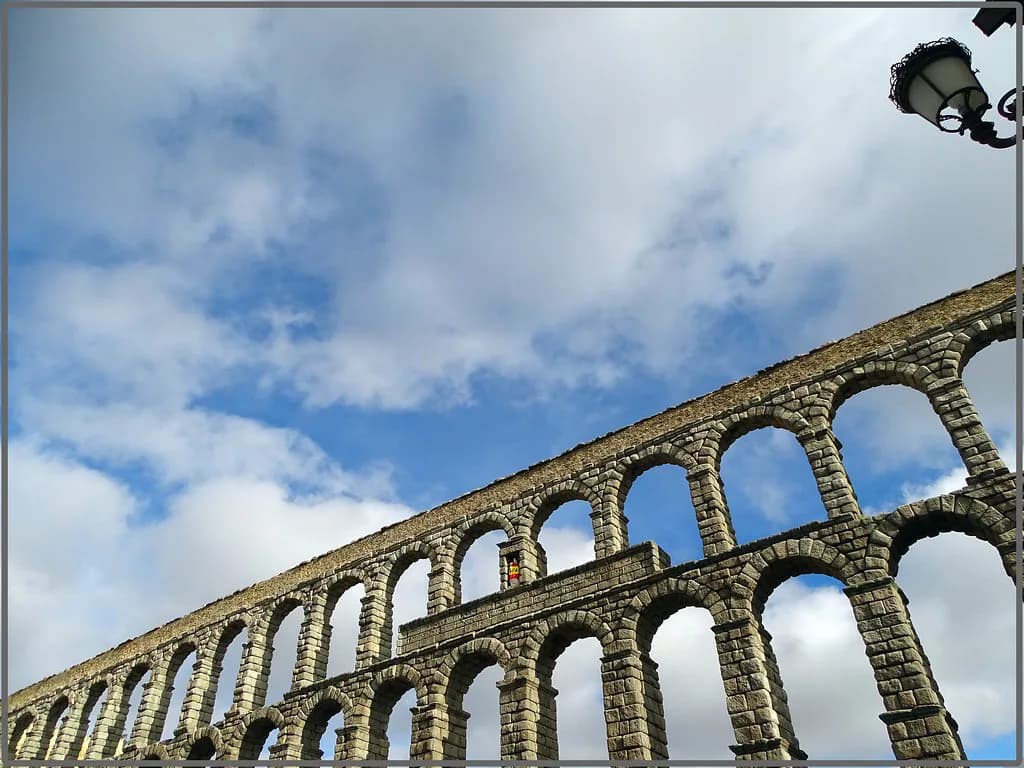
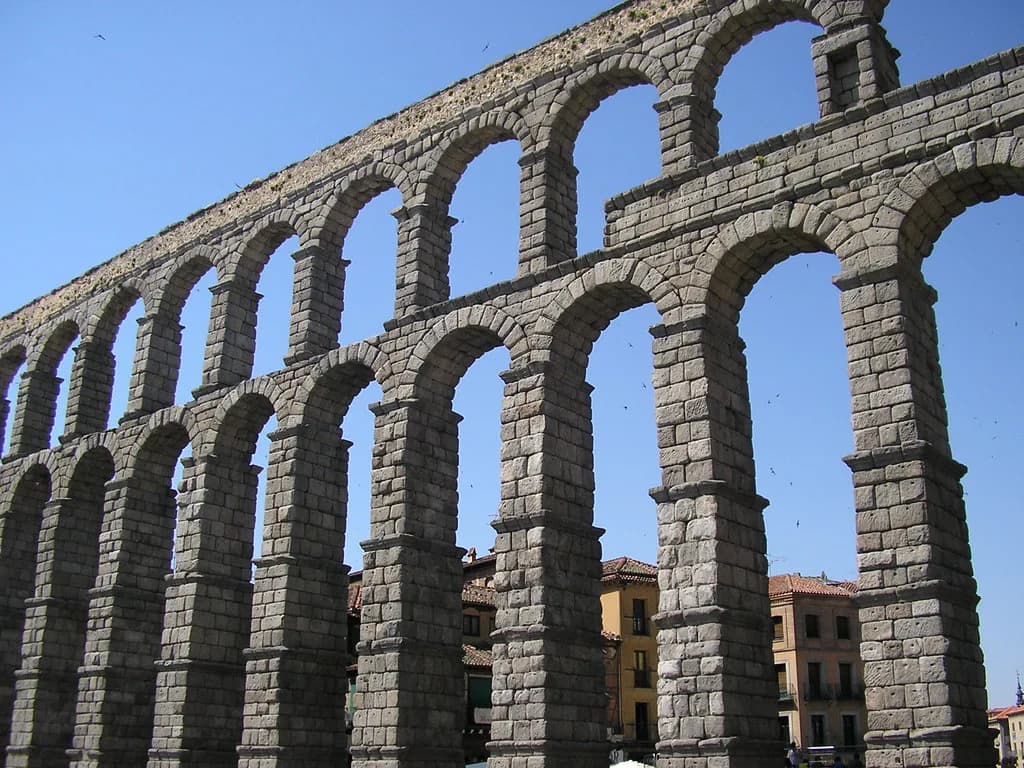
The one timing decision that matters most is dinner. Spanish dinner starts from 8:30–9pm, so bars are quiet at 7pm and fill after 9pm; a 6pm appetite is a British or American one, and in Segovia it is better spent on a monument or a walk along the Acueducto. Eat lunch in the 1:30–4pm window and you will arrive at the taverns hungry at the right hour. If you are weighing up how long to stay, see how many days in segovia suits a tapas-led trip.
What Segovia does best on a tapas table
Segovia is a city of inns, taverns and restaurants with a long Castilian cooking tradition, and its gastronomic offer is a large part of why people visit. The tapas version of that tradition is not a small-plates restaurant menu of foam and micro-herbs; it is robust, salty and built for cold winters, which makes it ideal before or after a long walk through the old town. Order two or three things per person, share everything and add a plate of vegetables to stop the meal turning into a meat-only procession.
The signature dish is the tostón: suckling pig, golden and crunchy on the outside and juicy within. It is usually a sit-down dish rather than a bar snack, so pick one tavern to serve it properly rather than trying to graze it across four bars. Lechazo, suckling lamb of the Churra breed, is the other headline meat, and its flavour is milder and sweeter than mature lamb — order a portion to share and let bread and wine do the rest. If you want the full plate-by-plate background, read our guide to what to eat in segovia before you go.
The vegetable side of the table is where Segovia quietly outdoes most Spanish cities. Beans from La Granja and produce from the horticultural lands of Carracillo appear in stews, salads and creams, and a plate of judiones de La Granja is a proper winter tapas order rather than a side dish. Castilian soup is another good bar order when the temperature drops, and it is filling enough that you may want it instead of a second meat plate. On a summer evening the same vegetables turn up as salads and cold creams, so the menu shifts with the season even when the core dishes do not.
Ponche and other sweet finishes
Segovia's signature dessert is ponche: a fine sponge cake filled with cream, soaked in syrup and wrapped in a thin layer of marzipan. It is sweet, soft and rich, so it suits a coffee at the end of a sit-down meal far better than a quick bar stop between drinks. Buy one to take away if you are staying overnight and eat it at breakfast with coffee, which is what many people do with the boxed versions sold in pastry shops around the centre.
Sweet shops around the old town sell ponche boxed and sliced, and because many shops take an afternoon break and close on Sundays, buy it before 2pm or on a Saturday morning rather than leaving it to the end of an evening. The shopping guide to calle real areas is useful if you want to pair a ponche stop with other errands, such as a picnic for the next day. Anything that needs to keep until tomorrow is better bought early.
Bars and taverns to head for
Taberna del Fogón is worth seeking out for its tapas, which take prizes in the city's annual competitions — order the dishes that won and you get a snapshot of what local judges rate. It is the kind of bar where a short round of two or three plates makes sense before moving on: competition-winning food tends to be richer and more elaborate than the standard croqueta, so pace yourself. Go when you are genuinely hungry, around 9pm rather than at 7pm, when the bar will feel empty and the kitchen may not yet be in full swing.
A few Segovia names come up repeatedly for an evening: Taberna López and Restaurante del Parador de Segovia are among the places singled out for sampling tapas while looking at the illuminated historic skyline. The trade-off is real — a bar with a view of the lit-up city will charge more and be busier than a plain tavern a street back, so decide whether you are buying the plate or the view. If you want a sit-down lunch of cochinillo or lechazo instead of a bar crawl, the best restaurants in segovia covers the full-menu end of the city.
Which parts of the city to walk for an evening of tapas
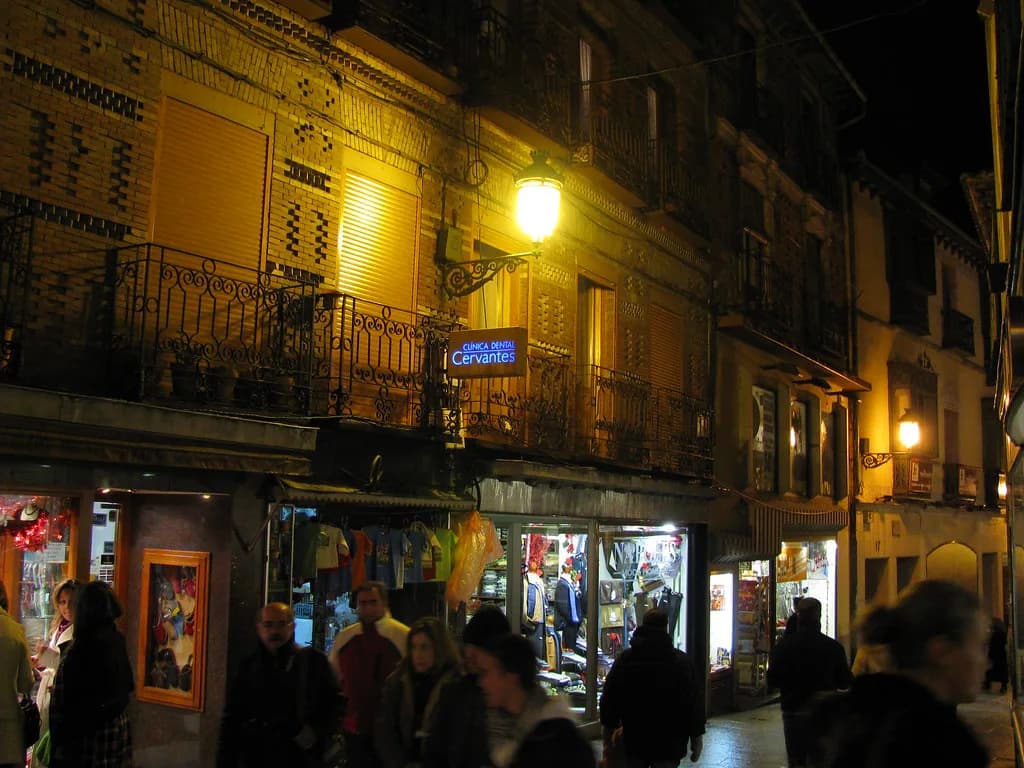
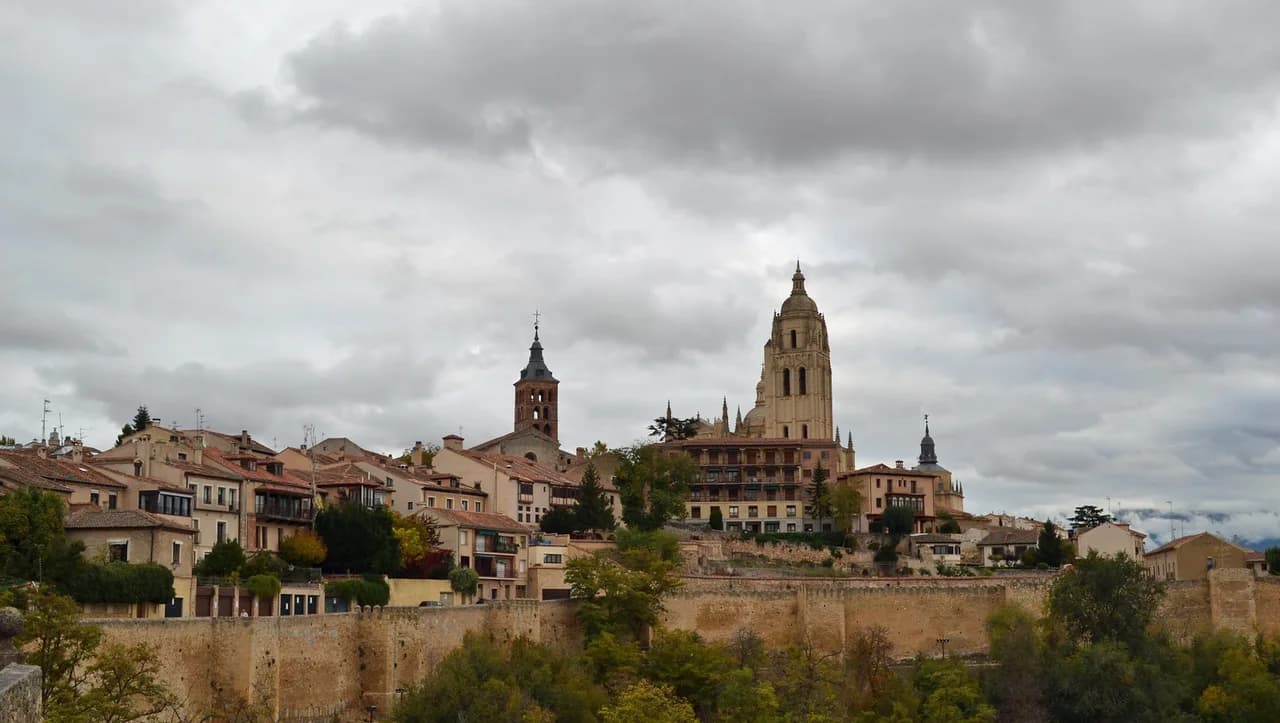
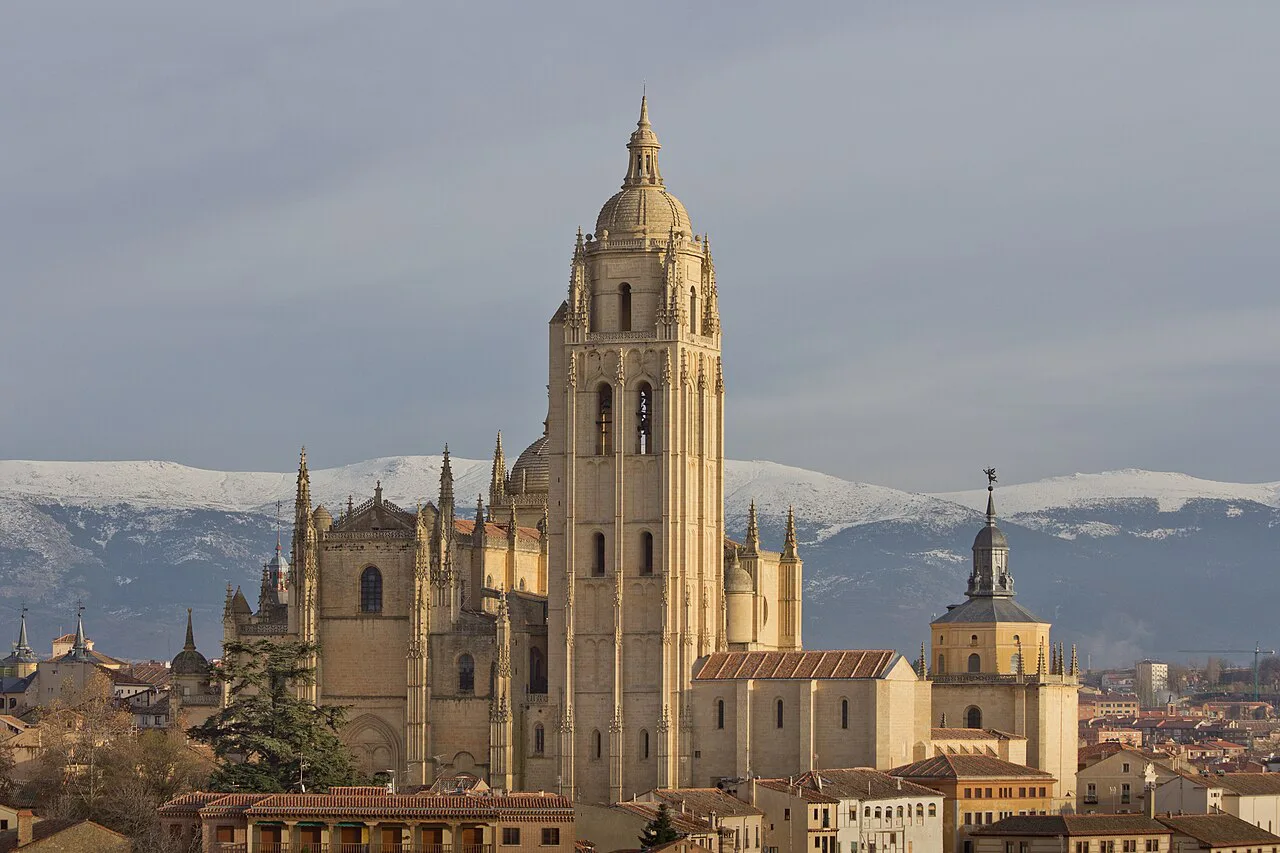
The old town is compact enough to walk in an evening, and the sensible route runs from the Acueducto up through the commercial streets towards the Plaza Mayor, where the density of bars and restaurants is highest. Start near the aqueduct while it is still light, then drift uphill as the kitchens open; this order means you are never walking far between plates and you end with the cathedral and the Alcázar lit up on the way home. Calle Real is the practical spine of that walk, with shops and bars on both sides and the old town's main sights within a few minutes of each other.
If you only have one day in segovia, build the tapas evening around a single area rather than criss-crossing the city: a bar near the Plaza Mayor for a first plate, a tavern for the main dish, and a final drink with the Alcázar in view. The city's sights are close together, so a bad route costs you walking time rather than a whole evening. For a wider picture of what to see between meals, the Segovia Attractions hub gathers the main monuments in one place.
Meal times: lunch 1:30–4pm, dinner from 8:30–9pm
Spanish meal times are the single most useful piece of planning for a tapas trip. Lunch runs 1:30–4pm and dinner starts from 8:30–9pm, which means a 7pm hunger is best answered with a small plate rather than a full meal. Bars fill after 9pm, so arriving at 8:45pm gets you a spot at the counter without queuing, and arriving at 9:30pm gets you atmosphere but no elbow room. If you adopt local hours on day one, the rest of the trip falls into place.
The afternoon gap is the moment to do something other than eat: the Alcázar's terraces and tower climb fill a couple of hours between lunch and dinner, with views over the Eresma and Clamores valleys and the city beyond. The castle served as a royal residence, fortress and prison, and the steep spiral staircase to the top of the tower is a genuine climb worth the effort. Opening hours and ticket prices are listed on the Turismo de Segovia visitor information page for the Alcázar.
Prices: what a tapas round costs and how to keep the bill down
Bar prices in Segovia are set by each establishment, so the reliable way to build a budget is to read the menu posted at the door or on the wall before you sit down and to ask what a ración, rather than a tapa, costs — portions vary hugely between bars. Ordering at the bar rather than at a table usually keeps things simpler, and sharing one plate at a time stops the bill running away; almost all establishments accept credit cards, and the printed menu is the price list to trust before you order.
Two things push a tapas bill up more than food: ordering by the glass without noticing the pour, and taking a table with a view when a bar stool would have done. Sit inside at the counter for the cheaper experience, and move to a terrace only when the view is the point of the evening. Eating your main meal at lunch, when menus usually offer better value than the à la carte evening trade, then keeping dinner to a short round of tapas, is the single biggest saving available in Segovia.
Wine and what to drink alongside
Segovia's province produces wines that suit its food, and the list to know splits into three: reds from Ribera del Duero, white wines from Rueda and wines under the Vinos de la Tierra de Castilla y León label. A Ribera del Duero red with tostón or lechazo is the classic pairing, while a Rueda white works better with vegetables, salads and lighter bar plates. Ask for what is local and open by the glass rather than committing to a bottle before you know what the kitchen is sending out.
If you are driving or want to keep the bill and the head clear, order vermut or a non-alcoholic beer with the first plates and save the wine for the sit-down course. Segovia's bars are used to people eating lightly, and nobody will press you to keep ordering drinks. Water is usually served without asking in most Spanish bars, though you can always specify tap rather than bottled if you want to keep costs down.
Practical trade-offs: Sunday closures and afternoon breaks
Shopping and eating in Segovia share the same rhythm, and the afternoon break catches visitors out. Many shops take a siesta from around 2 to 5pm and close on Sundays, though souvenir shops are sometimes open on Sundays, so picnic supplies, souvenirs and ponche are best bought in the morning or on Saturday. Plan the shopping trip before the siesta and leave the afternoon free for a monument or a proper sit-down lunch, and you avoid the frustration of finding shutters down when you wanted a bottle of wine for the room.
The same rhythm matters for restaurants: many Spanish kitchens serve lunch late and do not open for dinner until the evening, so a bar that feeds you at 4:30pm may be serving a different, shorter menu. If you have a fixed evening, decide between an early drink at the counter and a later sit-down meal rather than expecting a full menu at either end. Keep the after-lunch hours for sightseeing rather than food and the day runs smoothly. For neighbourhood variety, the best tapas in nerja and best tapas in alicante guides show how other Spanish cities handle the same evening format.
Where to go next: the Aqueduct, the Alcázar and the Cathedral
The three monuments that anchor a Segovia day sit within walking distance of each other. Start with the Acueducto, which is free to see from the street and quickest to visit in the morning before the crowds, then walk up towards the cathedral and the Alcázar for the afternoon. The Alcázar is the city's symbol, a medieval castle with gardens, a deep moat with a drawbridge and views towards the Pinarillo and the Church of La Vera Cruz, so give it the middle of the day rather than a rushed half-hour.
If your stay runs longer than a day, the Real Casa de Moneda and the city's smaller museums fill a second morning without repeating the big sights. The Día de los Museos programme shows the range of museums involved in the city's cultural calendar, but treat any past programme as a record of what happened rather than a guide to future dates, and check individual museum pages for current openings. Pair a museum morning with a light tapas lunch and you keep the evening free for the main meal.
Plan Your Evening of Tapas
Build the evening around Segovia's own food: a shared plate of lechazo or tostón, La Granja beans or a Carracillo vegetable dish, a glass of Ribera del Duero or Rueda, and ponche to finish. Time it to the Spanish clock — lunch between 1:30 and 4pm, dinner from 8:30–9pm — and the bars will be at their best when you arrive. Check current opening days with each bar before you travel, since days off vary.
For the rest of the trip, work out how many days in segovia you want to give the city, then use one day in segovia to see the Aqueduct, cathedral and Alcázar between meals. The best tapas in segovia are not a single address but a short list of bars and taverns where the local larder is cooked plainly and sold at bar prices. Keep the round small, ask what a ración costs and let the evening run late.
Frequently Asked Questions
Where are the best tapas in Segovia?
Taberna del Fogón is a solid choice for competition-winning tapas, while Taberna López and Restaurante del Parador de Segovia are among the places recommended for tapas with a view of the illuminated skyline. The old town around the Plaza Mayor has the highest concentration of bars, so walk uphill from the Acueducto and stop where the counter is full.
What food is Segovia famous for?
Tostón (suckling pig) and lechazo (suckling lamb of the Churra breed) are the headline dishes, and beans from La Granja plus vegetables from Carracillo make up the lighter side of the table. Ponche, a cream-filled sponge cake wrapped in marzipan, is the city's signature dessert.
What time do people eat dinner in Segovia?
Dinner starts from 8:30–9pm, with bars busiest after 9pm. Lunch runs from 1:30–4pm, so plan an evening drink or a monument visit for the 6–8pm gap rather than expecting a full meal.
Is Segovia good for tapas?
Yes. The city's gastronomy is one of its main draws, with inns and taverns cooking local produce. A round of two or three shared plates followed by a sit-down dish is the format that suits the city best.
What is ponche in Segovia?
Ponche is a fine sponge cake filled with cream, soaked in syrup and covered in a thin layer of marzipan. It is sold in pastry shops and boxes well for a journey, so it makes a good edible souvenir.
How much does tapas cost in Segovia?
Prices are set by each bar, so read the menu at the door before sitting down and ask what a ración, as opposed to a tapa, costs. Ordering at the counter and sharing plates keeps the bill down; eating the main meal at lunch is the biggest saving.
Sources
Notes for eating well in Spain
Optional updates to our guides.
You might also like
Continue reading
More guides you'll find useful