One Day in Segovia: A Realistic Walking Route from Madrid
A practical one-day Segovia route linking the aqueduct, cathedral and Alcázar, with where to eat cochinillo and how to time the trains from Madrid.
On this page
One day in Segovia is enough for the aqueduct, the cathedral and the Alcázar if you walk the old town in one direction and eat lunch at a Spanish hour rather than at noon. The city is small and walkable, and the two big sights sit at opposite ends of the historic centre, so the route below starts at the aqueduct and finishes at the castle.
Trains from Madrid make this an easy day out, but the high-speed station sits about 6 kilometres from the centre, so budget time for a bus or taxi at each end. Book the Alcázar slot before you travel, because entry is limited per hour and a sold-out afternoon ruins the shape of the day.
Start at the Roman Aqueduct on Plaza del Azoguejo
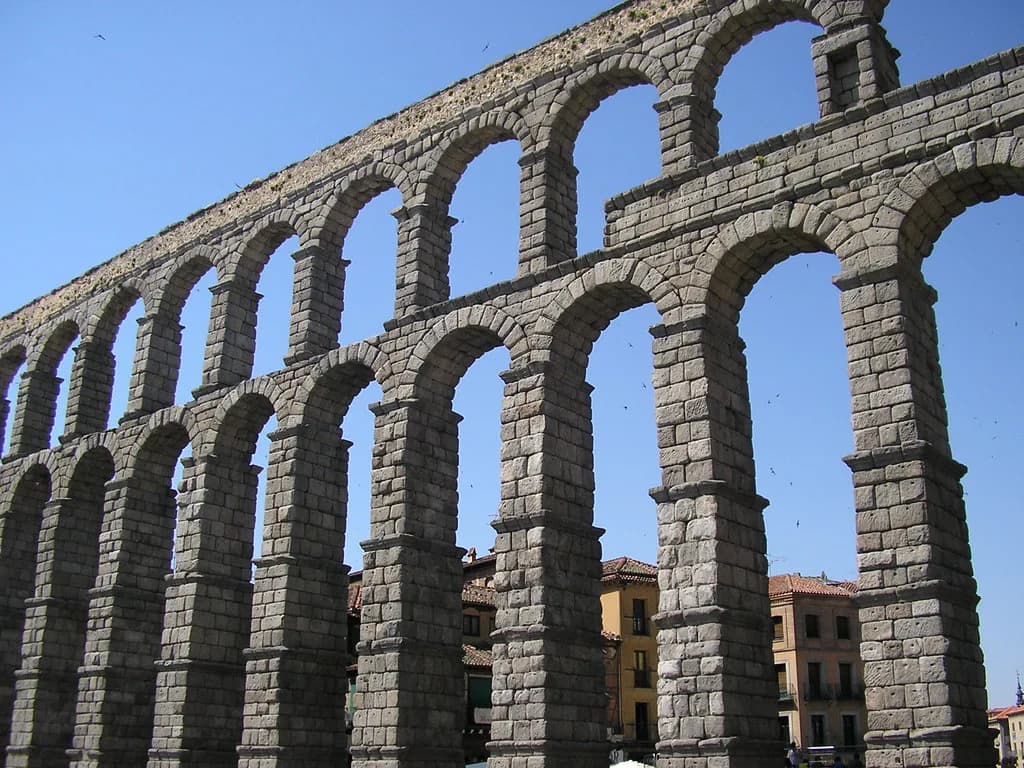
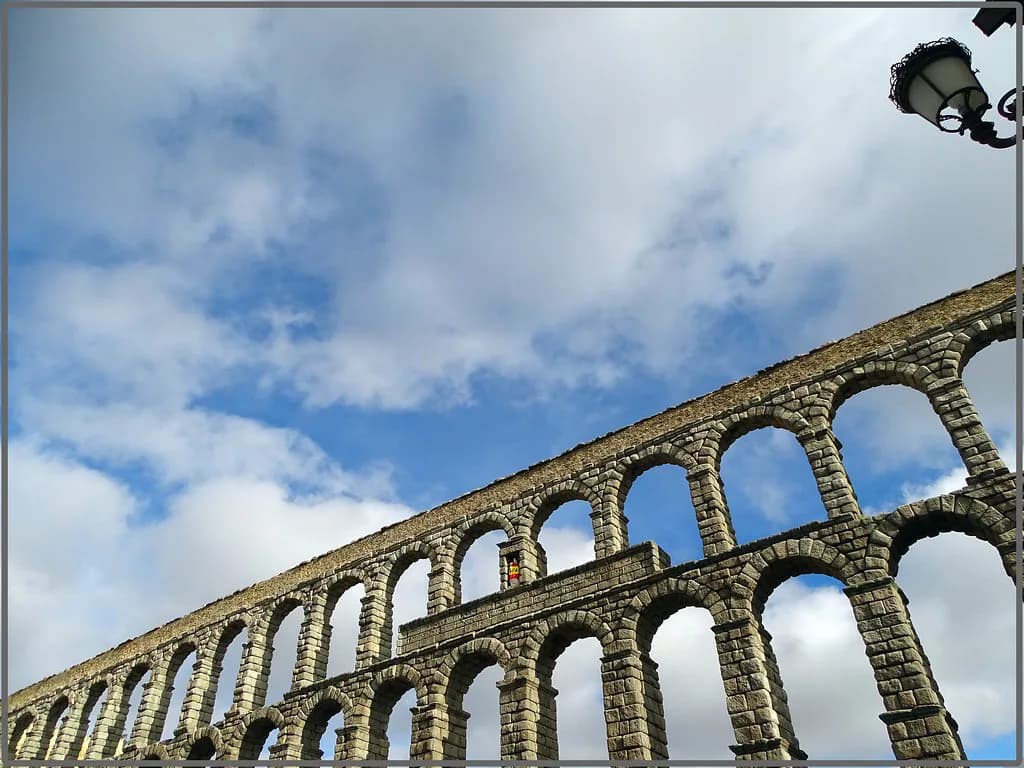
The aqueduct is the right first stop because it needs no ticket, no queue and no planning. Stand on Plaza del Azoguejo, where the granite blocks rise without a drop of mortar, and give yourself twenty minutes to walk its length before the day fills up.
From the plaza, climb the grand stairway beside the aqueduct for a view along the top of the arches, then head for the steps by the Tourist Information office to reach the Postigo del Consuelo. That terrace gives you the classic photograph of the double tier of arches with the old town behind.
Follow the aqueduct round the corner onto Calle Almira, where it drops to a single row of arches as it leaves the city, and look for the devil statue on Calle San Juan if you want the local legend attached to a photo. This is also where the modern edge of Segovia begins, with the fast-food chains clustered on the far side of the monument rather than in the old town.
Walk the Old Town to Plaza Mayor and the Cathedral
From the aqueduct, walk uphill through the narrow streets towards Plaza Mayor, which is the natural pause before the cathedral. The plaza is pleasant to cross but expensive and touristy for snacks, so treat it as a landmark rather than a coffee stop.
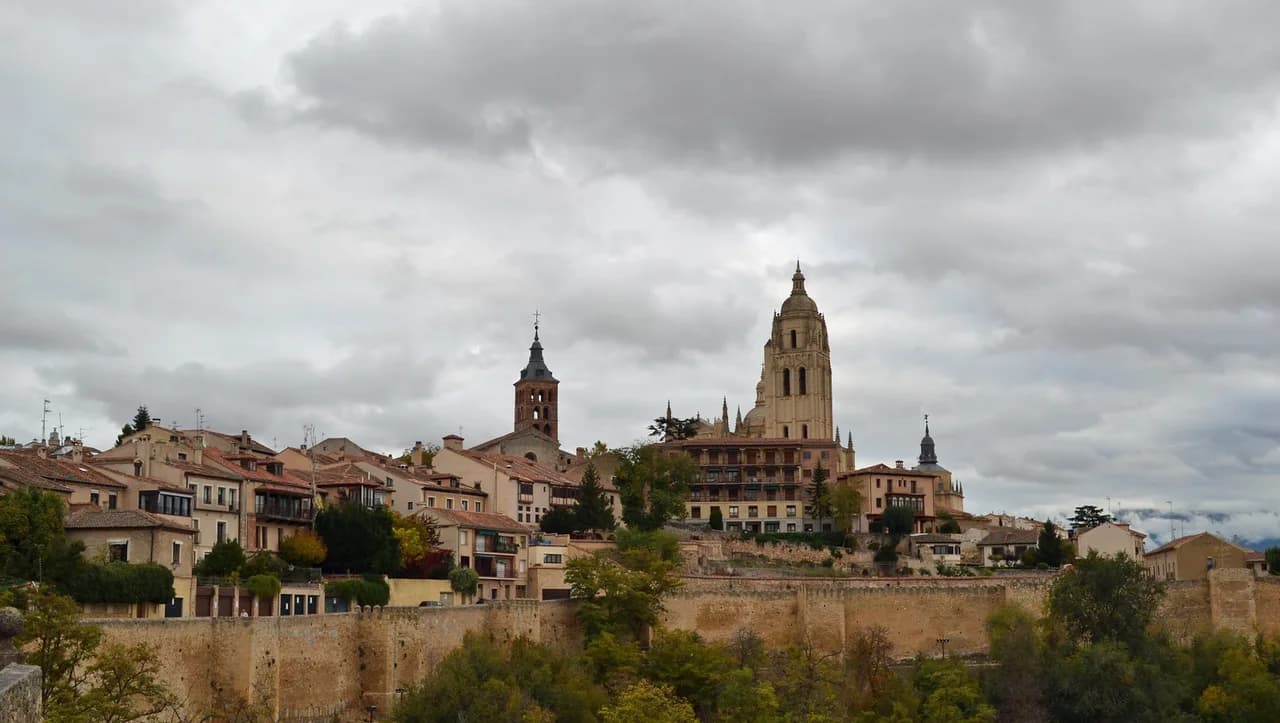
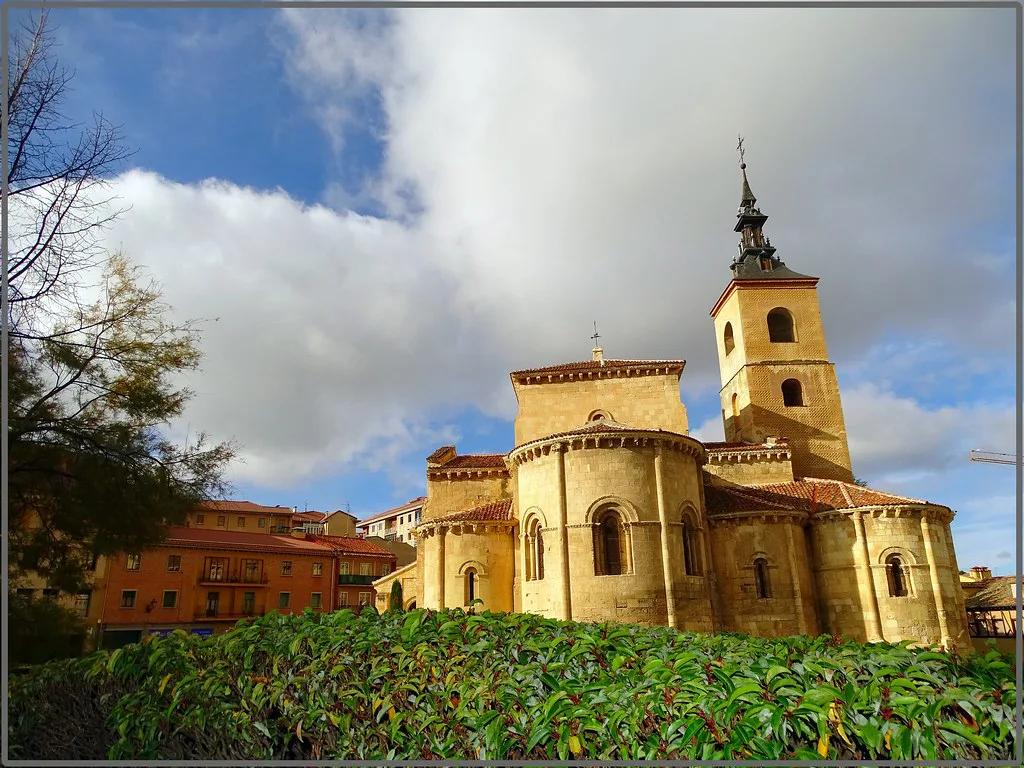
The Catedral de Segovia sits at the highest point of the city and was the last Gothic cathedral built in Europe, started in 1525 and finished nearly two centuries later. Its twenty-odd chapels, carved choir stalls and stained glass justify an hour, and the cloister courtyard is worth a detour on the way out.
If you are short on time, look at the granite facade of Casa de los Picos on your way past rather than going inside, since the building houses the city art school and is not open to visitors. It is a two-minute stop and a good photograph.
Lunch: Cochinillo Asado and Where to Eat It
Cochinillo asado, roast suckling pig, is the dish Segovia is known for, and lunch is the meal to eat it at, starting around 1.30pm and running to about 4pm. If you want the full plate experience, read up on the best restaurants in Segovia for cochinillo, lechazo and a proper sit-down lunch before you pick one, because quality and price vary sharply between the places around Plaza Mayor and the ones a few streets back.
There is a cheaper way to try it: the café inside the Alcázar sells bite-size pieces of cochinillo, which lets you taste the local speciality without committing to a full portion later in the day. Decide before lunch whether you want the sit-down version or the snack, because doing both is too much food for an afternoon of walking.
For a meat-free or lighter lunch, La Almuzara is a vegetarian option with a friendly welcome, and Restaurante Pasapán is another sit-down choice that comes recommended. For something quick while walking, pastries from Limon y Menta cover the gap between lunch and the train home.
Early Afternoon at the Alcázar de Segovia
Book your Alcázar ticket online in advance, because a set number of visitors is admitted per hour and turning up without one is a gamble on a day trip. Allow about ninety minutes if the military history is not your thing, and closer to two hours if you read every display case.
Inside, the Sala de los Reyes is the room most visitors remember, with a gilded ceiling and a carved frieze of the monarchs who ruled Spain. Climb the Torre del Homenaje for the view over the old town and the countryside beyond it.
The castle's resemblance to a Disney palace is a popular claim rather than a documented fact, but the blue-grey turrets and the moat explain why the comparison sticks. For the best exterior view, take the steps down by the Cueva de la Zorra to the gardens below the palace, or walk the Ronda de Don Juan II along the old walls with the Alcázar ahead of you.
Optional Stops: the Jewish Quarter and the Museo Real de Moneda
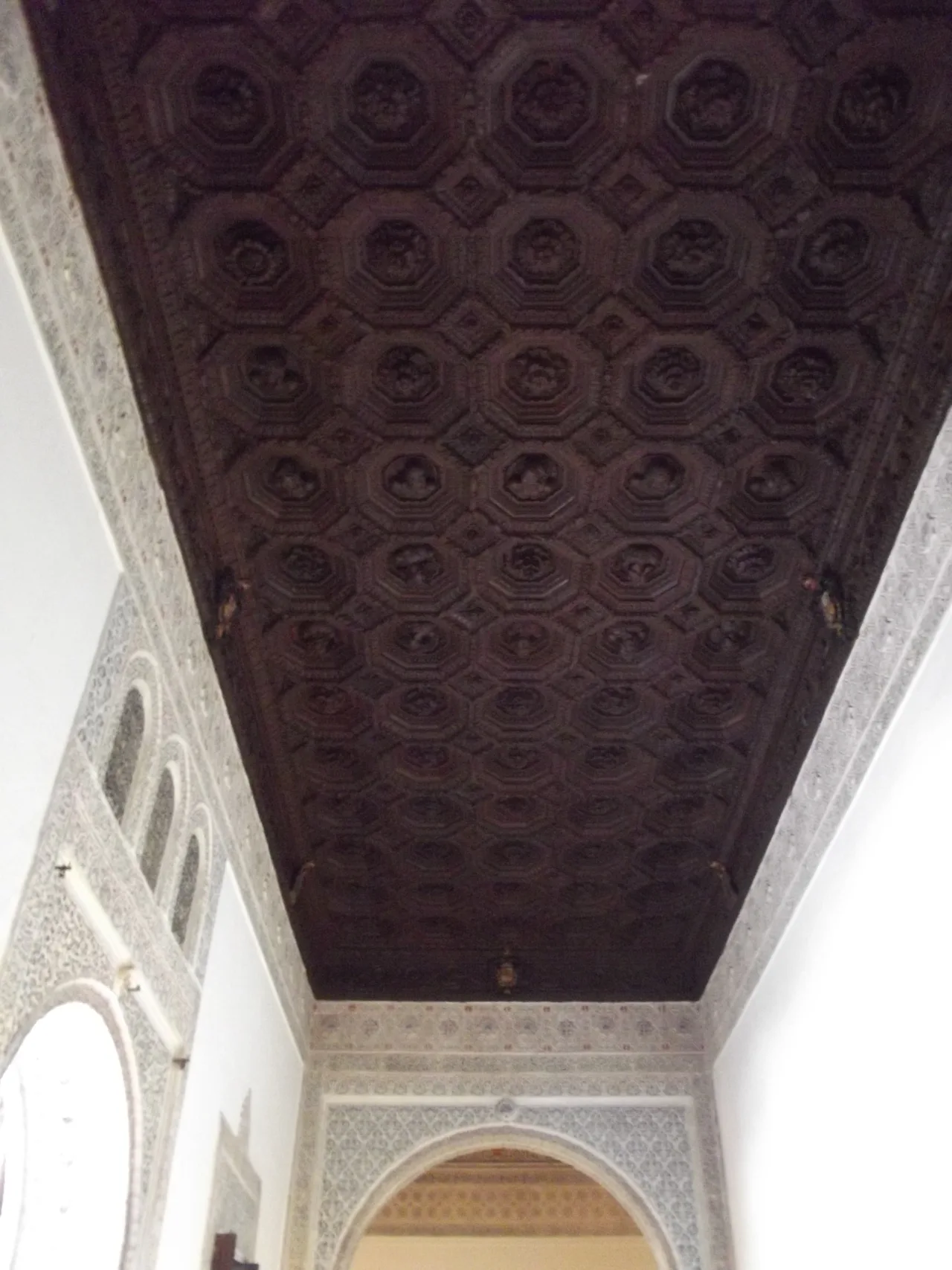
With time to spare, the old Jewish Quarter south of the centre is a quiet wander of narrow streets marked by small plaques, and the Corpus Christi Convent preserves the site of the main synagogue. The Centro Didáctico de la Judería is small; on a single day it is the first thing to cut, especially if Córdoba is on your itinerary.
Down below the bluff, the Museo Real de Moneda de Segovia occupies the former royal mint and holds the aqueduct interpretation centre, with water wheels visible around the back. It sits across the road from the park, so pair it with the walk down for views of the Alcázar from below.
If you would rather spend the remaining hour shopping than in a museum, the streets off the centre cover souvenirs, artisan workshops and the city's everyday shops. Our guide to shopping in Segovia picks out where the independent shops sit relative to the sights on this route.
An Evening Plan Before the Train Back to Madrid
Spanish dinner does not start until around 8.30pm or 9pm, which is later than most day-trippers can wait before the last train. Eat a late, substantial lunch, then take a glass of wine and a tapa in the early evening rather than a full dinner, and buy pastries or a sandwich for the journey.
A good last stop is the aqueduct after dark, when the arches are lit and the plaza is quieter than in the middle of the day. Taxis can be picked up on Plaza Mayor, and the walk back to the station or the bus stop is straightforward if you know your departure time.
Getting There from Madrid: Train, Bus or Driving
The train is the fastest option: about 30 minutes on the AVE from Madrid Chamartín, or roughly an hour on the AVANT, with services running through the day. The trade-off is that the high-speed station is around 6 kilometres out of town, so you need a bus or taxi to reach the aqueduct.
The bus takes about an hour and a half from Madrid and is the cheaper choice, arriving at the bus station on Paseo Ezequiel González, a ten-minute walk from Plaza Mayor. That puts you closer to the old town than the AVE station does, which matters when you are counting hours.
Driving gives you flexibility for La Granja de San Ildefonso or a winery afterwards, and there is plenty of parking outside the old town. Do not take the car into the historic centre; park outside and walk in. Return tickets from Madrid have been quoted in the region of 14 to 25 euros depending on the service, so compare the current fare before you book.
Practical Timing and What to Skip on a Single Day
A realistic schedule is aqueduct at 10am, cathedral by midday, lunch from 1.30pm, and the Alcázar from about 3.30pm with an evening wander before the train. Hilly terrain and cobbles mean comfortable shoes matter more than a packed itinerary.
Skip the Jewish Quarter museums and the coin museum on a first visit, and skip climbing both towers if the weather is poor. La Granja de San Ildefonso, the royal palace and gardens about twenty minutes away by car, needs its own half-day and is better saved for a second trip or an overnight.
If comparing Segovia with Toledo for a single day from Madrid, remember that Segovia's three headline sights sit within a compact old town, which makes a walking route easy to finish. The full comparison of how many days in Segovia you need, one day or two nights, is worth reading before you commit to a day return.
Plan Your Visit
One day in Segovia rewards a simple plan: aqueduct first, cathedral second, a real lunch, then the Alcázar booked in advance and a slow walk back through the old town. The train from Madrid is quick, but the station is outside the city, so leave a margin at both ends of the day.
Check the Alcázar and cathedral websites for current opening times and ticket availability a few days before you travel, since both control entry by time slot. Beyond that, the route needs no bookings at all.
Explore more Segovia guides
Frequently Asked Questions
How many hours do you need in Segovia?
Plan on a full day from Madrid. The aqueduct takes about half an hour, the cathedral around an hour, lunch an hour and a half at Spanish hours, and the Alcázar ninety minutes to two hours. Add travel time from the station into the centre at each end.
Is one day enough for Segovia?
Yes for the three headline sights: the Roman aqueduct, the cathedral and the Alcázar. A single day leaves no room for the Museo Real de Moneda, the Jewish Quarter museums or La Granja de San Ildefonso, which are better on an overnight or a second visit.
What should you see first in Segovia?
Start at the Roman Aqueduct on Plaza del Azoguejo, then climb to the Postigo del Consuelo for the view over the arches. The aqueduct needs no ticket, so it works as an early stop before the cathedral and the Alcázar.
How do you get from Madrid to Segovia?
The AVE takes about 30 minutes and the AVANT about an hour, but the high-speed station is roughly 6 kilometres from the centre and needs a bus or taxi. The bus from Madrid takes about an hour and a half and arrives a ten-minute walk from Plaza Mayor.
What food is Segovia known for?
Cochinillo asado, roast suckling pig, is the local speciality and is eaten at lunch rather than dinner. The café inside the Alcázar sells bite-size portions if you want to try it without ordering a full plate, and La Almuzara and Restaurante Pasapán are named alternatives for a sit-down meal.
Is Segovia or Toledo better for a day trip?
Segovia suits a compact walking day because the aqueduct, cathedral and Alcázar sit within one small old town. Toledo is larger and spreads its sights further apart, so choose Segovia if you want three big sights on foot and Toledo if you want a bigger city to wander.
Sources
Notes for eating well in Spain
Optional updates to our guides.
You might also like
Continue reading
More guides you'll find useful