Fuerteventura in October: Weather, Beaches and What's Open
Fuerteventura in October brings warm days, mild nights and a sea you can still swim in. Here is what to expect, which beaches work and what to plan around.
On this page
October works well for Fuerteventura if you want warm beach days without the heat of high summer. Expect daytime highs around 27°C and nights near 21°C, with roughly seven hours of sunshine a day and only 10–20mm of rain across the month, according to the weather summaries published by lastminute.com and TUI. The trade-off is wind: speeds of 15–25 km/h are typical, which is fine on sheltered beaches but can make exposed sand uncomfortable. Plan around that rather than against it, and October becomes a reliable month for swimming, walking and eating well.
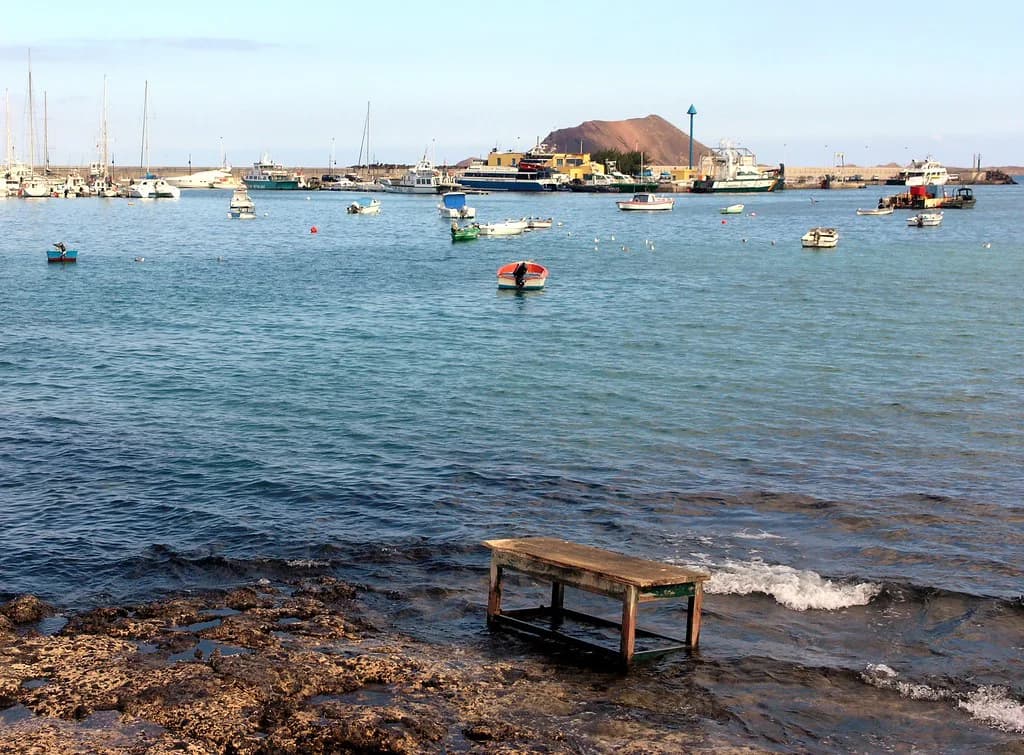
Fuerteventura in October at a glance: warm days, mild evenings, occasional rain
October's temperatures sit comfortably between summer heat and winter cool. lastminute.com gives an average daytime temperature of around 27°C with nighttime lows near 21°C, while TUI quotes a 20–25°C range, 10–20mm of rain, about seven sunshine hours a day and humidity around 65%. The two ranges differ, so treat them as a bracket rather than a forecast: some days will be hotter, some cooler, and a light layer for the evening is worth packing. Rain is limited but not absent, so a compact waterproof is a sensible addition.
The island's wind is the variable that shapes a October day more than temperature. TUI puts typical wind speeds at 15–25 km/h, which is enough to whip sand along exposed stretches and to keep windsurfers and kitesurfers happy. On the sheltered beaches around El Cotillo and on Islote de Lobos, that same breeze is much less of a problem. Build your day around the wind direction and you will spend less time hiding behind a towel.
Typical October temperatures and rainfall
October is not a monsoon month, but it is not bone-dry either. TUI's summary gives 10–20mm of rain spread across the month, which usually means a handful of short showers rather than washed-out days. Pair that with around seven hours of sunshine daily and you have a month where a beach morning and a cloudy afternoon can both fit. Pack a light rain jacket and you will barely notice the wet days.
Sea temperatures and swimming in October
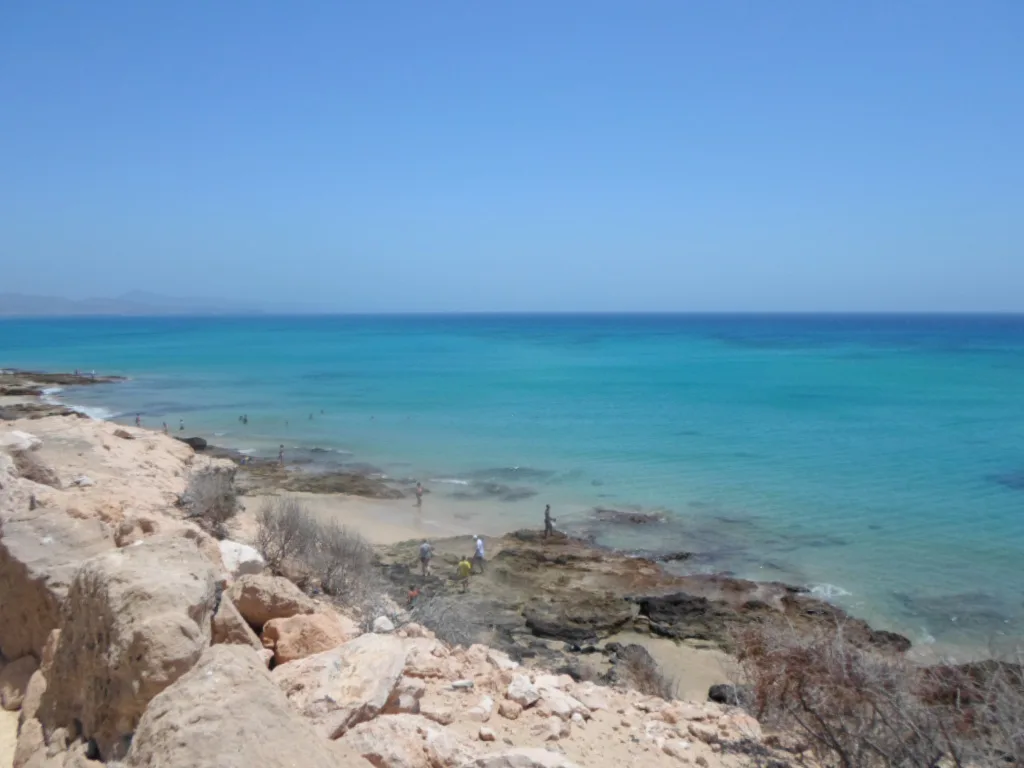
The Atlantic in October is still swimmable for most people, especially in the sheltered coves and natural pools that Fuerteventura is known for. The water holds heat from summer, and the mild air temperature means you are not shivering on the sand afterwards. La Concha on Islote de Lobos is the obvious pick for calm, clear water, while the beaches around El Cotillo offer easier access without a boat. Check the daily conditions at your accommodation or a local beach bar before committing to a long swim, as wind can change the surface quickly.
Wind: what it means for beaches and wind sports
Fuerteventura's wind is the reason it hosts world-class windsurfing and kitesurfing, and October is no exception. TUI's 15–25 km/h range is enough for experienced riders to get out on the water, and the beaches around Corralejo and Sotavento are the obvious spots. For non-watersports travellers, the same wind means choosing a beach with a headland or a dune behind it. The Dunas de Corralejo natural park offers both, and the sheltered coves at the southern end of the dunes are usually calmer than the main sweep.
Which part of the island is warmest and least windy
The south, particularly the Jandía peninsula around Morro Jable and Costa Calma, tends to feel warmer and slightly more sheltered than the north. The north around Corralejo and El Cotillo catches more of the trade wind, which is great for sport but can make a sunbathing day feel cooler. The centre, around Caleta de Fuste, is a pragmatic compromise: it is within easy driving distance of both ends and has a wide range of accommodation. If your priority is beach time with less wind, base yourself in the south and drive north for the dunes.
RandomTrip's guide notes that the island's wind is a defining feature and recommends checking wind strength and direction before committing to a beach. That is practical advice for October, when a windy day in Corralejo can be a calm day in El Cotillo. Use a wind forecast app in the morning and let it decide your direction. The island is small enough that a change of plan costs an hour, not a day.
Corralejo and the dunes in October
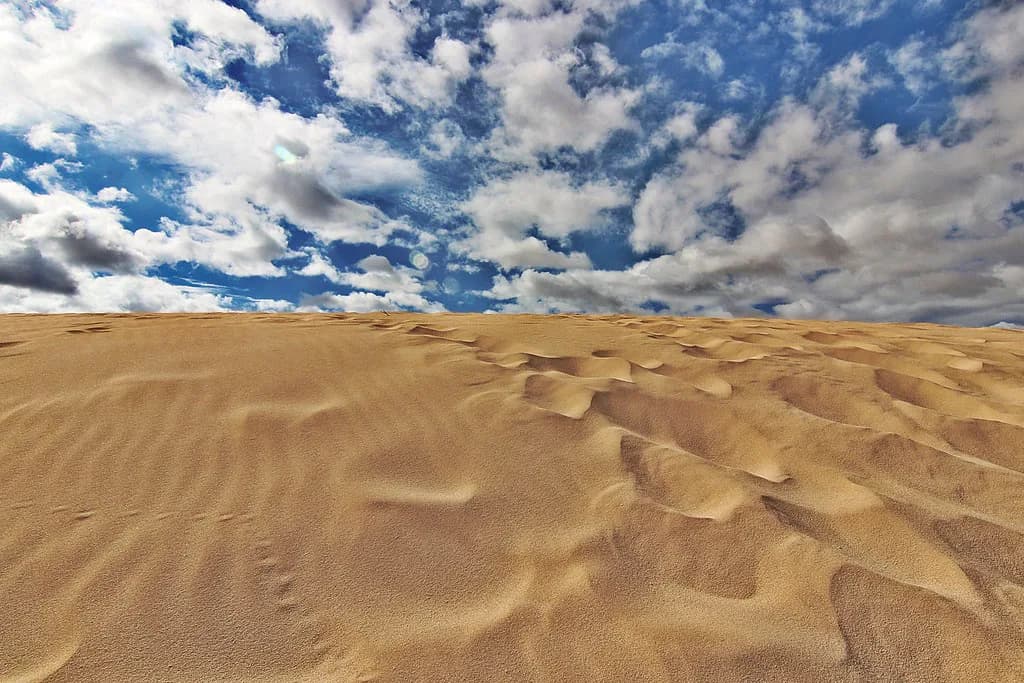
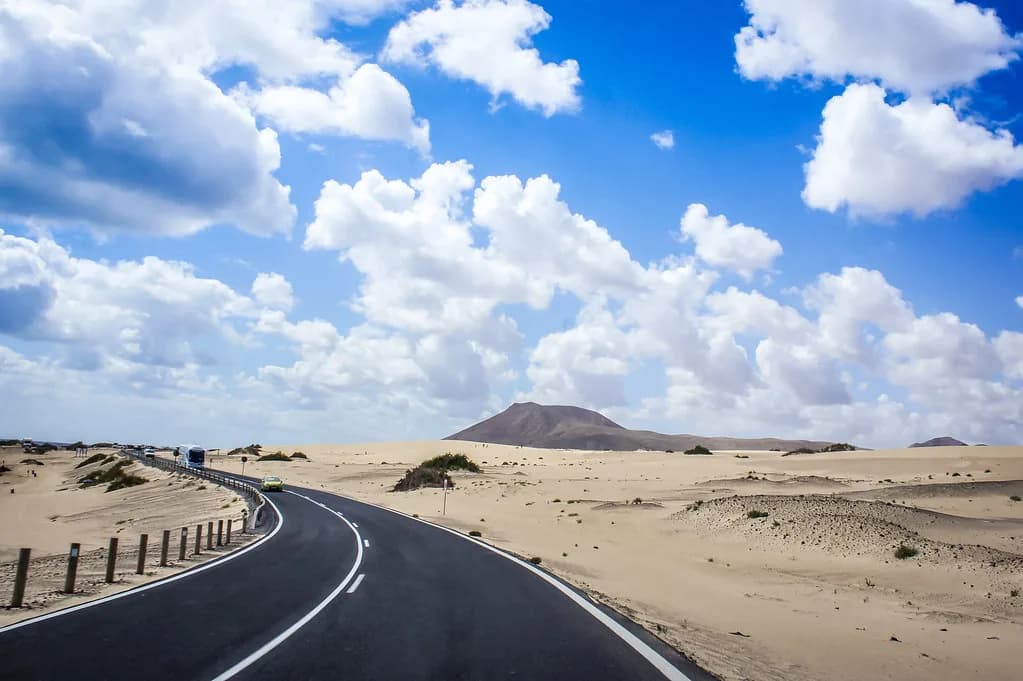
The Parque Natural de Corralejo is the island's signature landscape: more than 2,600 hectares of golden dunes running along the coast for over ten kilometres. In October the sand is warm but not scorching, and the wind that shapes the dunes is part of the experience. Walk barefoot, climb Montaña Roja for views across to Lanzarote and La Graciosa, and swim at one of the beaches at the southern end where the dunes shelter the water.
Corralejo itself is a good base for October because it has the widest choice of restaurants and bars in the north, and the harbour is the departure point for boats to Islote de Lobos. Avenida Nuestra Señora del Carmen is the main strip for shops and food, and the old town has quieter corners. If you want to eat late, remember that Spanish dinner service starts around 8:30–9pm, so a post-beach nap is a legitimate strategy.
El Cotillo and La Concha beach
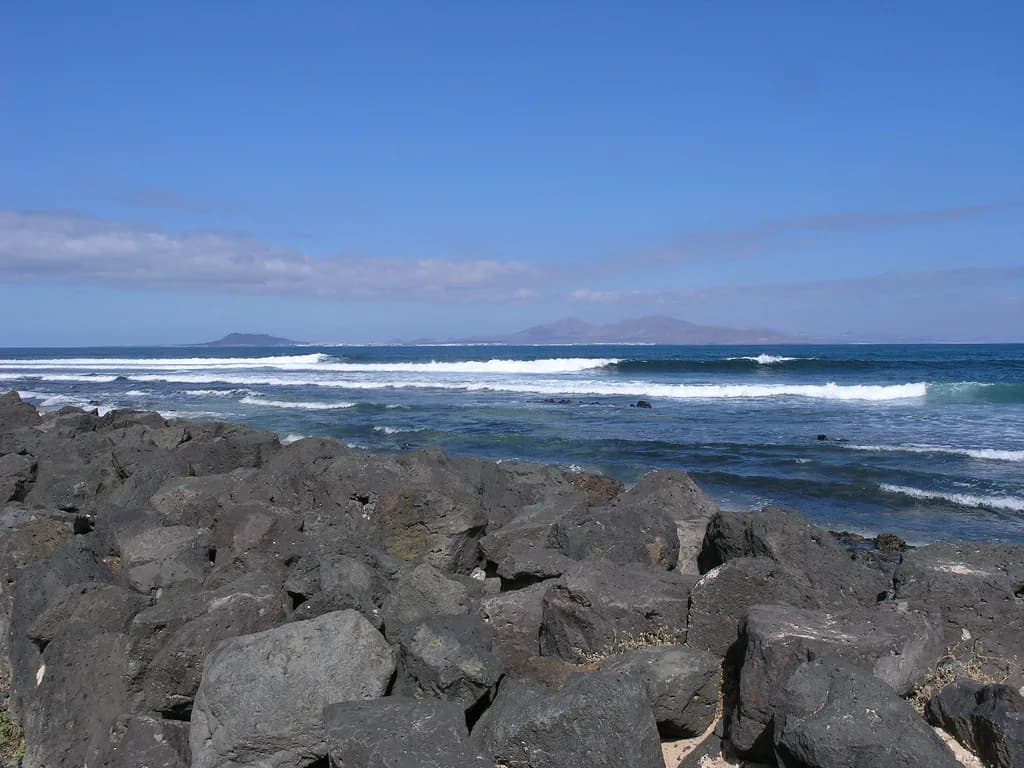
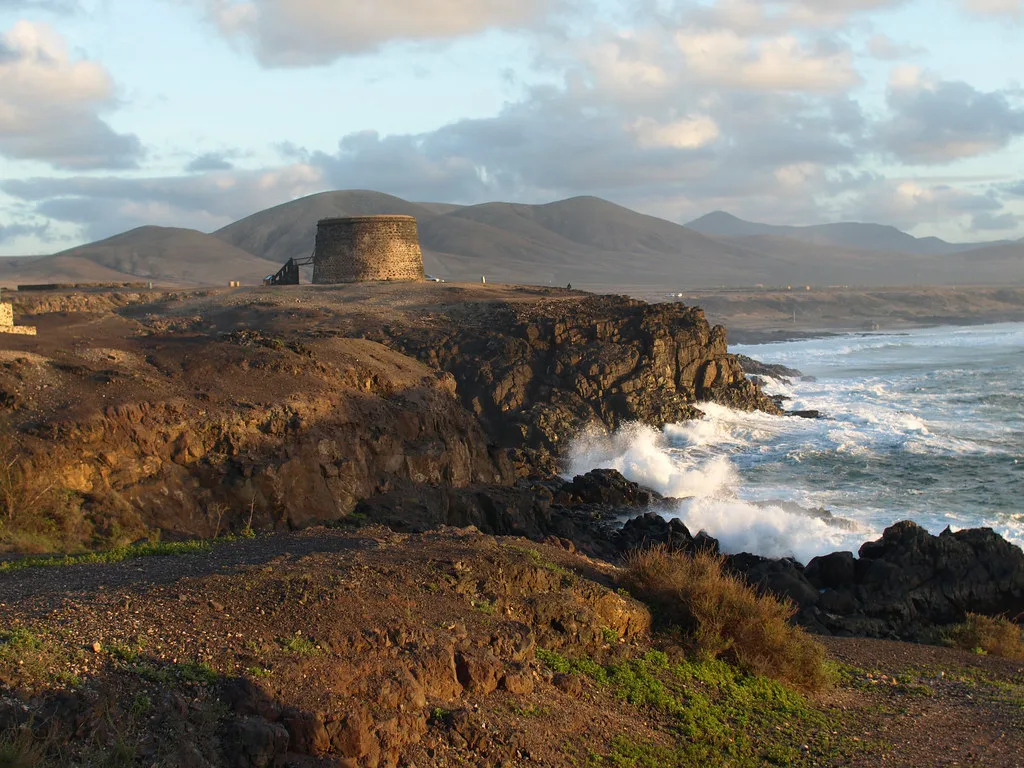
El Cotillo is the antidote to the wind: a low-key fishing village with whitewashed houses, a handful of beaches and a excellent choice of seafood restaurants. La Concha beach is the standout, a sheltered crescent with clear water that is calm enough for snorkelling. The village is also a good place to eat if you want lunch in the Spanish window of 1:30–4pm, and the seafront bars are pleasant for a late afternoon drink. It is quieter than Corralejo and makes a good base if you value a slower pace.
Islote de Lobos: daily visitor quota and booking ahead
Islote de Lobos is a small island about two kilometres north of Fuerteventura, reachable by a same-day return boat from Corralejo. It is a protected nature reserve with a daily visitor quota, and permission must be requested no more than three days in advance if you plan to visit independently. The island has no accommodation and can be explored in a few hours, which makes it an easy half-day trip. Book through a tour operator if you want the paperwork handled for you, or apply directly through the reserve's official channel if you prefer to go independently. The reserve's official page on spain.info gives the contact details for the park office.
Once on the island, the walking is gentle: a circular path of around 12 kilometres takes in the Caldera, the Martiño lighthouse and the beaches at La Concha and Puertito. La Concha is the most sheltered swimming spot, while Puertito feels like a natural pool. Allow three to four hours if you want to walk the whole circuit with stops. The boat back is the constraint, so confirm the return time when you book and do not cut it fine.
Cofete and the Jandía peninsula: the dirt track trade-off
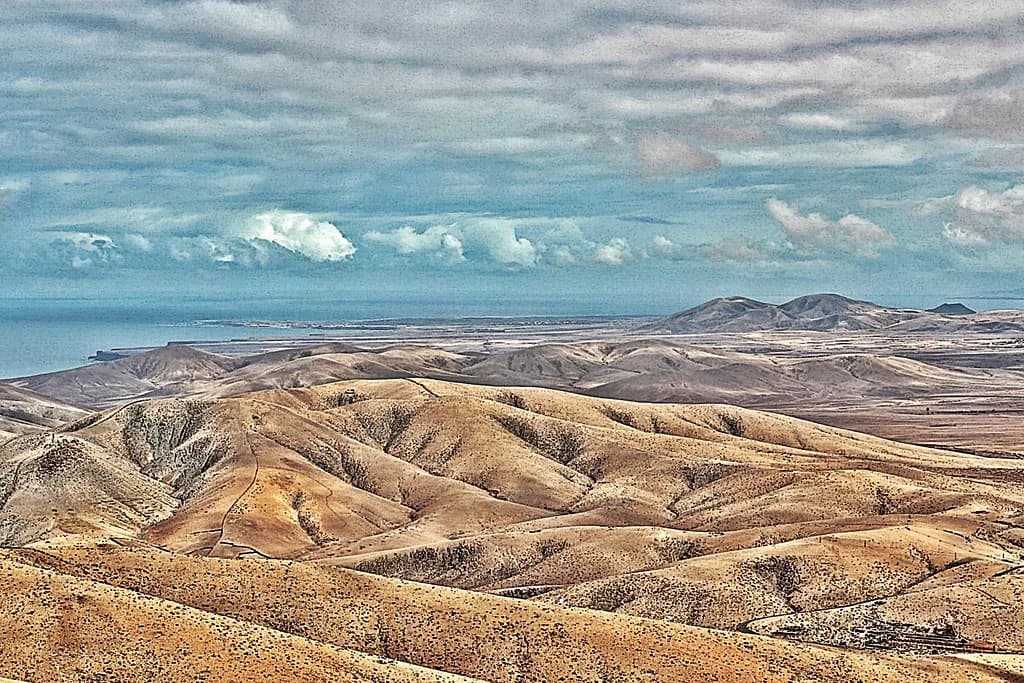
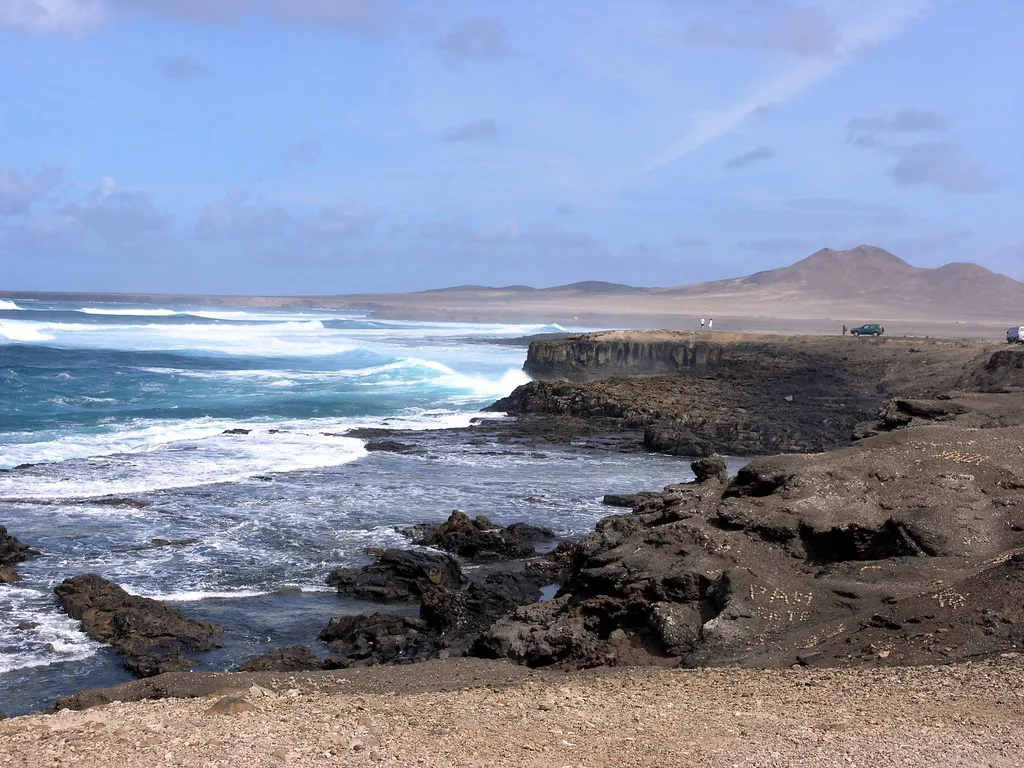
Cofete is the beach that convinces people Fuerteventura is special: a 12-kilometre sweep of sand backed by mountains, with no buildings and no palm trees. Getting there is the trade-off. The road from Morro Jable is a rough dirt track for much of the way, and not all hire cars are insured for it. Check your rental agreement before you set out; if it excludes unpaved roads, take a guided tour or a taxi instead. The drive itself is part of the experience, with a stop at the Degollada Agua Oveja viewpoint at 230 metres for the full panorama.
Calderón Hondo and short walks in cooler weather
October's milder temperatures make walking more comfortable than in midsummer. The path from Lajares to the Calderón Hondo crater is a short, well-marked walk of about 2.8 kilometres with 278 metres of ascent, and the rim gives views over the Bayuyo chain of volcanoes. It is a good half-day outing that pairs well with a lunch in Lajares or El Cotillo. Wear proper shoes, as the volcanic gravel can be loose, and take water even on a cloudy day.
Casa Winter and the Cofete viewpoint stop
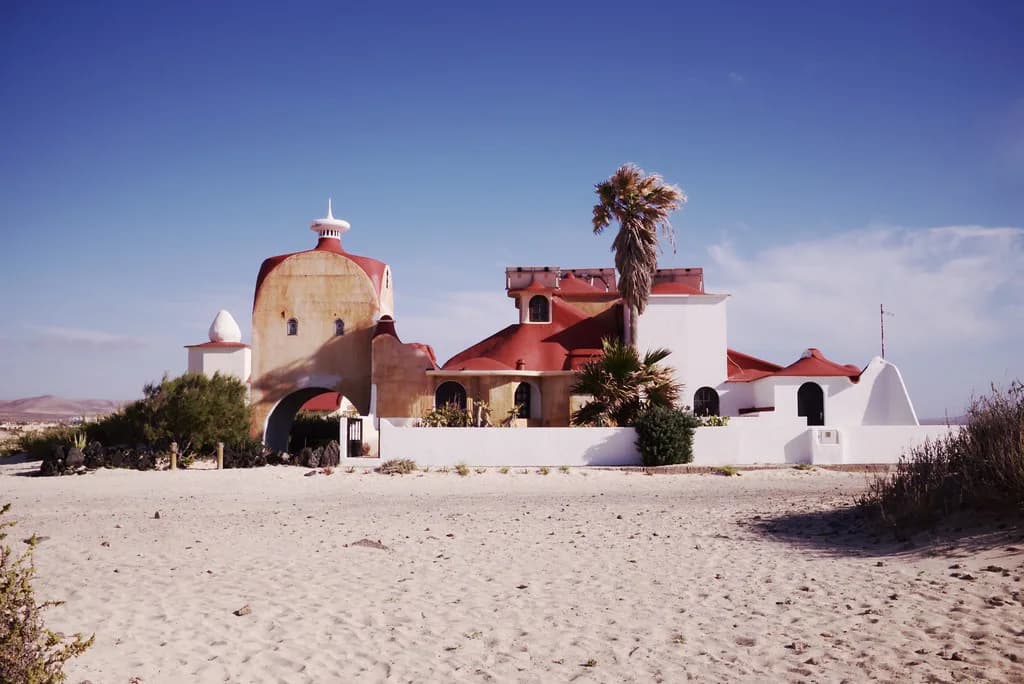
On the way to Cofete, the villa known as Casa Winter is a curiosity worth a stop. A German engineer built it, and local legend has tied it to wartime intrigue, though the stories are more colourful than proven. The current resident has opened it to visitors, with reported hours of 10:00–14:00 and 15:00–17:00 daily; treat those as indicative and check locally before making a special trip. The building itself, with its turret and crocodile gargoyles, is reason enough to pause.
Lunch and dinner timing: 1:30–4pm and from 8:30–9pm
Spanish meal times apply in Fuerteventura, and October is a good month to settle into them. Lunch is served roughly 1:30–4pm, and dinner starts around 8:30–9pm. That leaves a long afternoon for the beach and a late-evening meal that suits the mild nights. If you want to eat earlier, look for places that serve all-day food, but the best value and atmosphere are usually in the traditional windows. A late lunch also means you can catch the sunset on the way home.
For a food-focused trip, the island's restaurants are spread across the main towns rather than concentrated in one strip. Corralejo has the widest choice, El Cotillo is strong on seafood, and the south around Morro Jable has a good mix of local and international places. Our guide to the best restaurants in Fuerteventura covers the names worth planning around.
Where to base yourself: north, centre or south
The north around Corralejo and El Cotillo suits travellers who want the dunes, the boat to Lobos and the widest choice of restaurants. The centre, particularly around Caleta de Fuste, is a practical compromise for reaching both ends of the island, and the south around Morro Jable and Costa Calma gives you the warmest weather and the Jandía beaches on your doorstep. If you are staying more than four days, splitting your stay between north and south is worth considering. For a shorter break, pick one base and accept that you will not see everything. If you are weighing up another Spanish coastal destination for the same shoulder-season window, our guide to Alicante in October covers how its beaches and weather compare.
What October costs and how busy it gets
October sits outside the busiest summer weeks but is not a quiet month; the island remains popular with European travellers, and the weather is reliable enough to keep demand steady. Expect to pay more for a hire car if you want one with permission to drive on unpaved roads, and budget for a boat trip to Lobos if that is on your list. Check current prices when you book rather than relying on last year's figures.
What to pack for October
Pack for warm days and mild evenings. Light clothing, swimwear, a hat and high-factor sun cream are essentials, and a light jacket or sweatshirt is worth having for the evening and for the wind. A compact rain jacket covers the occasional shower, and sturdy shoes are useful if you plan to walk the Calderón Hondo path or the tracks around Cofete. Bring a refillable water bottle, as the wind can dehydrate you faster than you expect.
Two- and three-day October plan
With two days, base yourself in the north and keep it simple. Day one: the Corralejo dunes in the morning, lunch in Corralejo, then a sheltered afternoon at one of the southern coves. Day two: the boat to Islote de Lobos, walking the circular path and swimming at La Concha, followed by dinner in El Cotillo on the way back. That covers the island's headline experiences without long drives.
With three days, add the south. Spend day three driving to Cofete via the Degollada Agua Oveja viewpoint, with a stop at Casa Winter if it is open, and return via Morro Jable for a late lunch. If you have more time, our guide on how many days in Fuerteventura covers longer itineraries and how to divide a week between the north and south. For a sense of what the island is like in high summer, the July guide is a useful contrast; in October you get the same beaches with fewer crowds.
October trade-offs: wind, rain days and rough tracks
The honest trade-offs in October are wind, occasional rain and the condition of the roads to Cofete. Wind is the most consistent factor: it can make an exposed beach unpleasant and it can cancel a boat trip to Lobos at short notice. Rain days are few but can be heavy when they come, and the dirt track to Cofete is not suitable for every hire car. Plan a wet-weather alternative, such as a walk in the interior or a long lunch, and you will not lose a day.
Plan Your October Trip
October is a strong month for Fuerteventura if you want warm weather, swimmable water and a bit of flexibility. The wind is the main variable, so check the forecast each morning and choose your beach accordingly. Book Islote de Lobos ahead, allow for the dirt track if you go to Cofete, and eat late to make the most of the mild evenings. For the full picture of what the island offers, start with our things to do guide and build your trip from there.
Frequently Asked Questions
Is October a good time to go to Fuerteventura?
Yes. October brings warm days with average highs around 27°C, mild nights and limited rain, and the sea is still warm enough for swimming. The main caveat is wind, which can be strong on exposed beaches but is manageable if you choose sheltered spots like El Cotillo or the coves at the southern end of the Corralejo dunes.
Is Fuerteventura hot in October?
It is warm rather than hot. Published weather summaries put daytime temperatures between 20°C and 27°C and nighttime lows around 21°C, with about seven hours of sunshine a day. That is comfortable for beach time and walking, but you will still need sun protection.
Can you swim in Fuerteventura in October?
Yes, swimming is realistic in October, especially in sheltered coves and natural pools. The water retains summer warmth and the air is mild, so you are not cold getting out. Choose beaches with some shelter from the wind, such as La Concha in El Cotillo or the beaches on Islote de Lobos, and check conditions locally before a long swim.
Which part of Fuerteventura is warmest in October?
The south, particularly the Jandía peninsula around Morro Jable and Costa Calma, tends to feel warmest and slightly more sheltered from the wind. The north around Corralejo is more exposed, which is good for wind sports but can feel cooler on a sunbathing day.
Is Fuerteventura windy in October?
Yes. Typical wind speeds are in the range of 15–25 km/h, which is enough to make an exposed beach uncomfortable and to keep windsurfers and kitesurfers busy. The wind is the main variable in October, so check the forecast each morning and pick a sheltered beach if you want calm sand.
Do you need to book Islote de Lobos in advance?
Yes. The island is a protected reserve with a daily visitor quota, and independent visitors must request permission no more than three days in advance. Boats run from Corralejo, and the crossing takes around 15 minutes. Tours can handle the paperwork for you, or you can apply through the reserve's official channel; the spain.info page for the reserve gives the park office contact details.
What should I pack for Fuerteventura in October?
Pack light summer clothing, swimwear, a hat and sun cream for the daytime, plus a light jacket or sweatshirt for the evening and wind. A compact rain jacket covers the occasional shower, and sturdy shoes are worth having if you plan to walk to Calderón Hondo or around Cofete. A refillable water bottle is useful on windy days.
Sources
Notes for eating well in Spain
Optional updates to our guides.
You might also like
Continue reading
More guides you'll find useful