Best Restaurants in Fuerteventura: Where to Eat by Area
Plan where to eat in Fuerteventura by resort base, with grilled vieja, papas arrugadas and the meal times that decide whether lunch or dinner is your main meal.
On this page
The best eating in Fuerteventura is not concentrated in one resort strip. Grilled vieja, papas arrugadas with mojo and cured Majorero cheese turn up in Corralejo, along the El Cotillo coast, in Morro Jable in the south and in the inland villages, so where you sleep should shape where you book. Choose your base first, then use the food as the reason to move around the island.
Two habits make the difference between a good trip and a great one. Treat lunch, served roughly 1:30–4pm, as the main meal, then book dinner for 8:30pm or later rather than turning up at six. The island's fine-dining scene is small and built on Atlantic fish and island ingredients rather than a constellation of stars.
Fuerteventura's food in brief: Atlantic fish, Majorero cheese and Canarian staples
Fuerteventura's cooking comes from a volcanic island with North African winds and fishing villages on every coast: hearty, deeply flavoured and built on what the land and sea give up. The essential trio is fish, goat's cheese and the potato dishes that turn up on nearly every menu. Order across all three rather than settling into one restaurant's comfort zone.
Queso Majorero holds a Protected Designation of Origin and comes fresh, semi-cured or fully cured, sometimes rubbed with paprika, gofio or oil. That range matters when you order: fresh is mild and spreadable, fully cured is firm and nutty, and the paprika-rubbed versions suit a glass of local white. Ask for a board that mixes cure levels rather than a single slice.
The signals of a good kitchen here are consistent: local suppliers named on the menu, a short list of fish rather than a frozen catalogue, and Canarians filling tables at Sunday lunch. Restaurants with those markers tend to sit slightly off the main tourist drag. A laminated menu is not automatically a warning, but a translated-into-twelve-languages board outside usually is.
How Spanish meal times work here: lunch 1:30–4pm, dinner from 8:30–9pm
Plan the day around lunch. The main meal runs from about 1:30pm to 4pm, and it is the meal Canarians take most seriously, which makes a long, unhurried table the best use of a hot afternoon. Dinner starts late, from 8:30–9pm, and tends to be lighter than northern European visitors expect.
Arriving at a restaurant at 6:30pm hungry is the classic mistake; you will either find a kitchen not yet open or a table surrounded by other tourists. Shift your rhythm instead: a proper lunch, a late-afternoon walk on the coast, then dinner from 8:30pm. If you are travelling with young children, book the earliest dinner sitting available and treat lunch as the family's big meal.
What to order first: papas arrugadas with mojo, caldo de papas, ropa vieja
Start with papas arrugadas, small potatoes boiled in heavily salted water until the skins wrinkle and crystallise, served with mojo verde or mojo rojo. The green sauce is herby and the red one brings pepper and cumin; order both and decide for yourself. They appear as a starter, a side or a tapa depending on the kitchen.
Caldo de papas, a potato and vegetable broth, is the dish for a windy Atlantic day, and ropa vieja, slow-cooked shredded beef with chickpeas, rewards anyone willing to order something stewed rather than grilled. Neither is fashionable, and both are exactly what traditional Canarian cooking does well. If you want a broader rundown of the island's dishes before you go, the tapas side of the menu is the place to start with best tapas in fuerteventura.
Vieja and other Atlantic fish: what to look for on a seafood menu
Vieja, or parrotfish, is the island's signature fish: grilled simply with salt and a little oil, then served with papas arrugadas and mojo. The flesh is sweet and firm, and it is worth ordering the moment you see it because it is not always caught. A menu that admits to selling out of fish is a better sign than one that never does.
Beyond vieja, look for cherne (wreckfish), octopus and locally landed prawns. The strongest seafood cooking clusters along the coast, with El Cotillo and the Corralejo waterfront the obvious starting points for a table facing the water. Order whatever came in that morning rather than the dish with the most elaborate description.
Queso Majorero: fresh, semi-cured and cured, and how it reaches the table
The majorero goat is adapted to Fuerteventura's arid landscape, and its milk makes one of Spain's finest cheeses. Restaurants use it in salads, grilled alongside Atlantic fish, or simply plated with good bread, and several farms in the interior run tastings that justify an afternoon away from the beach. Choose a tasting over a single restaurant order if you want to understand the cure levels properly.
When you buy cheese to take home, gofio is the natural companion: the toasted grain appears in porridge, soups and far more applications than visitors expect. Island markets are the better place to buy both, since you can compare producers rather than take whatever a resort shop stocks.
Corralejo: harbour restaurants and the streets behind the old town
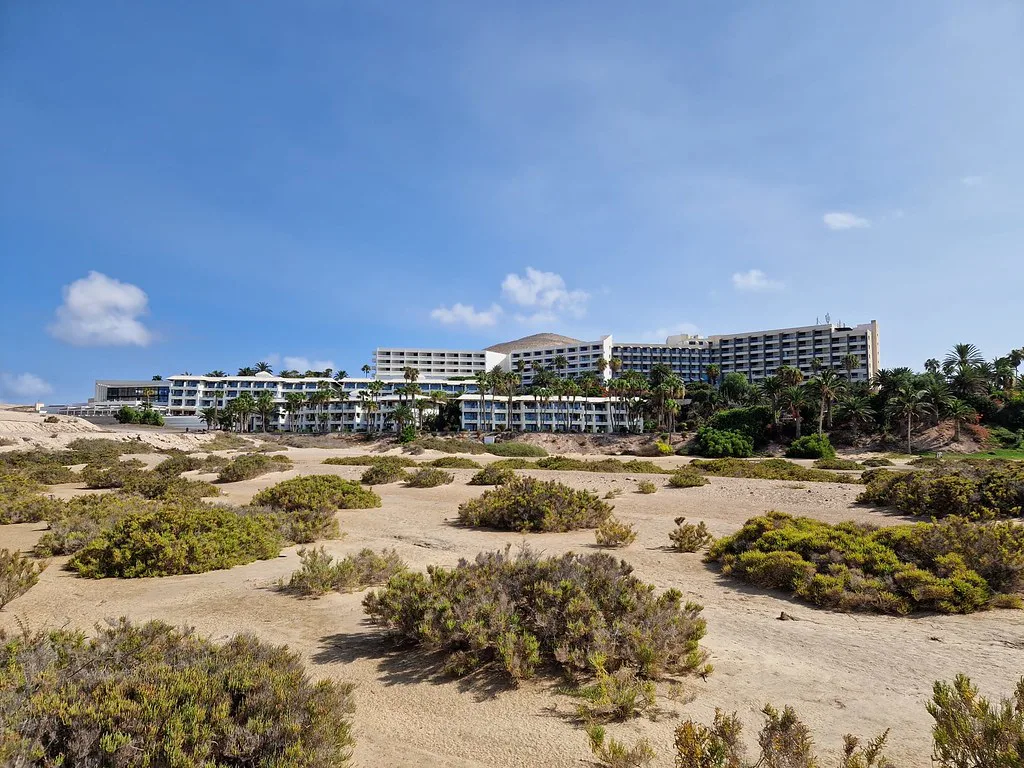
Corralejo has the island's highest concentration of both casual beach dining and smaller independent kitchens. The harbour front is convenient and busy; the streets behind it, around the old town, hold the places that cater mainly to residents and long-term visitors. Walk one block inland before committing to a table.
Pulperia Dejavu Café in Corralejo is one of the named addresses worth planning around, and the Flag Beach strip south of town has a small run of casual restaurants and beach bars. Neither is a secret, but both beat the anonymous waterfront menus. Book ahead in high season, when the best tables fill quickly.
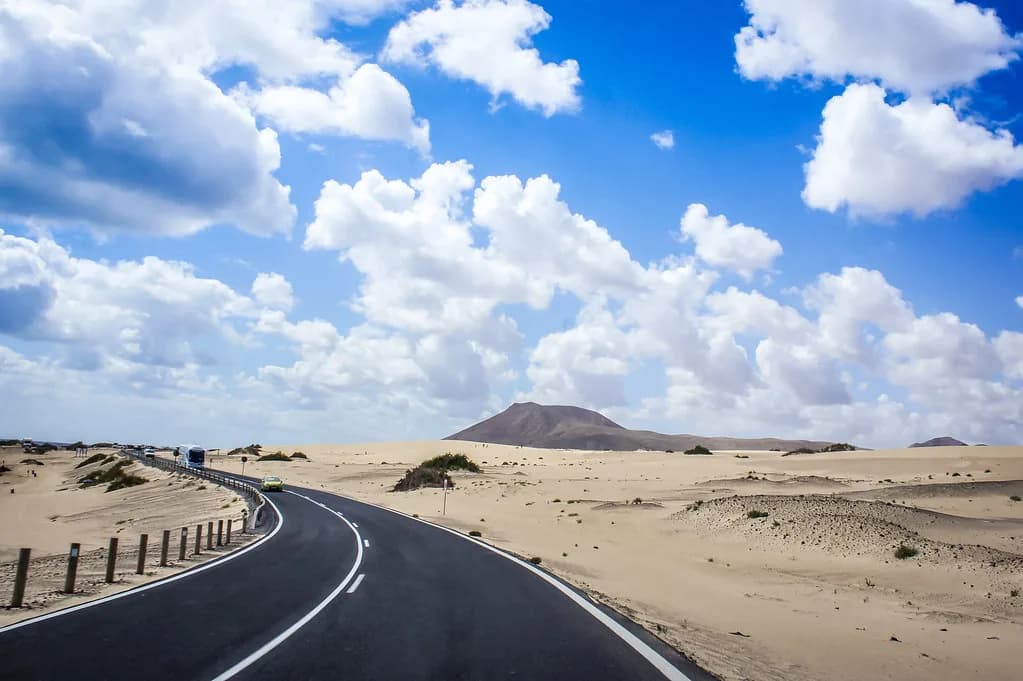
Corralejo is also the natural base for the dunes and the north coast, so a lunch in town pairs well with an afternoon outdoors. If you are building days around the water and the sand, the Parque Natural de Corralejo is the obvious anchor for a morning before a 1:30pm table.
El Cotillo and the north coast: seafood with a water view
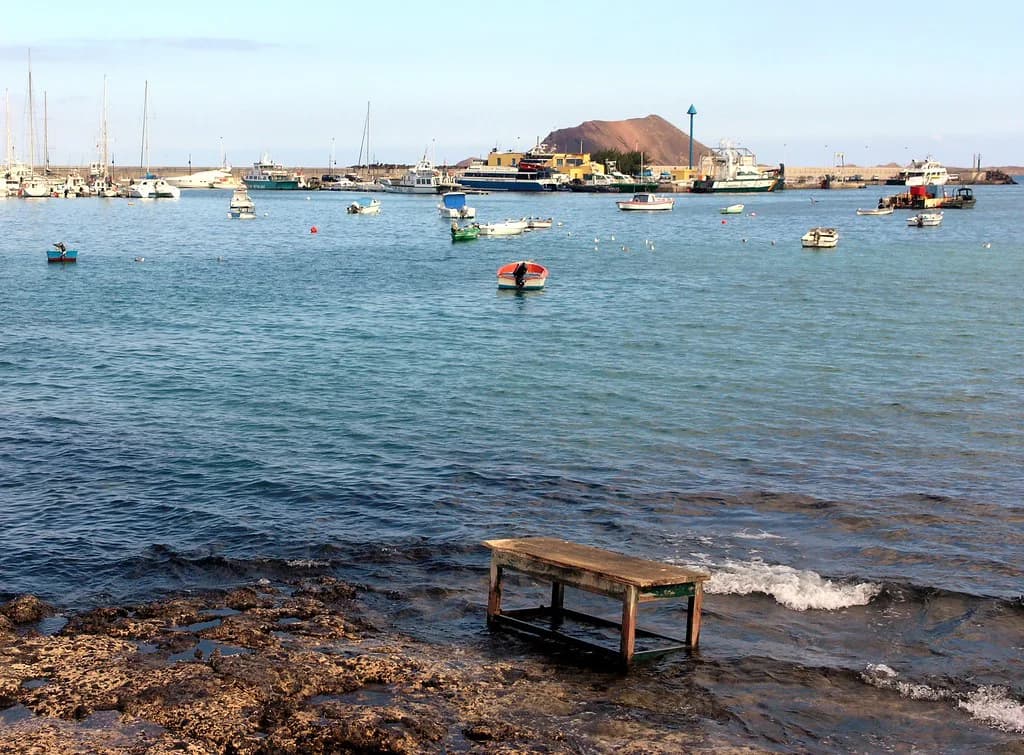
El Cotillo's seafood restaurants face the Atlantic and serve the island's catch with far less ceremony than the resort towns. Find a table with a view of the water, order whatever arrived that morning, and keep the order simple: grilled fish, papas arrugadas, mojo. The village is small enough that the harbour and the eating are effectively the same place.
The north around Corralejo and El Cotillo is where the island's more ambitious kitchens cluster, and the standard is high without the mainland-Spain formality. Fish, aged goat's cheese and cooking that lets the ingredient lead are the pattern on this coast. If you only eat one long lunch during your stay, have it here.
The north coast also works as a base for the island's other draws, so a late lunch in El Cotillo slots easily into a day of coastal exploring. If you are weighing where to stay for a short break, a plan of how many days in fuerteventura you actually have will tell you whether the north or the south deserves your long lunch.
Morro Jable and the south: seafood, tapas and healthy options
Morro Jable and the Costa Calma stretch serve the south's resort trade, with a spread of seafood, tapas and lighter, health-focused kitchens alongside the hotel restaurants. La Bodega de Jandía in Morro Jable and Al Fresco in Costa Calma are the named addresses to start from, and a wider list of Morro Jable tables shows how deep the choice runs. Where the south wins is convenience: you can eat well without driving far.
The trade-off is that resort-town menus often hedge towards international tastes, and the fish can arrive less simply handled than in the north. Counter it by ordering the Canarian dishes rather than the pasta, and by choosing a kitchen whose tapas list is short. In Costa Calma, hotel beach clubs open to non-guests keep standards that justify the slightly longer drive.
Betancuria and Pájara: inland cooking away from the resorts
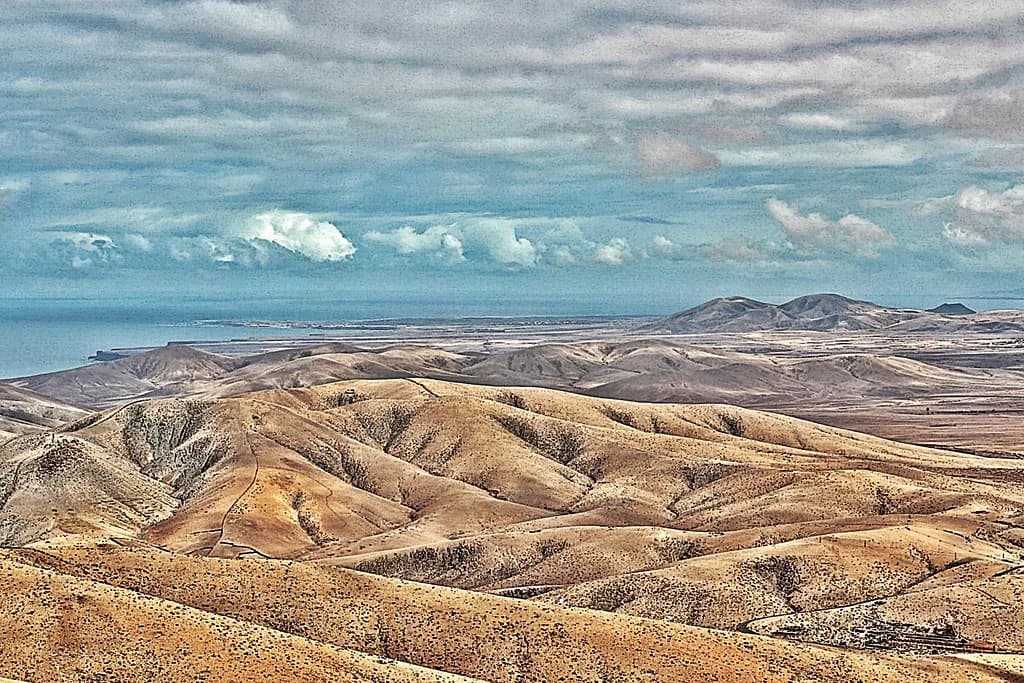
Betancuria, the former capital, is one of the most atmospheric villages in the Canaries, and its small restaurants serve honest Canarian food well away from the coastal resort world. Pájara, to the south, rewards the drive in a hire car with the same kind of cooking. The route through volcanic landscape and wind-carved ridgelines is part of the appeal.
These inland villages are where you are most likely to find ropa vieja and caldo de papas cooked for local Sunday tables rather than for a menu board. Go for lunch rather than dinner and give yourself time for the drive back in daylight.
Markets and casual daytime eating: Corralejo on Saturday, Puerto del Rosario on Sunday
The Saturday market in Corralejo is the easiest for visitors and reliable for local cheese, fresh bread, island honey, gofio and wine. The Sunday market in Puerto del Rosario is larger and more mixed, combining food stalls with general market fare; it suits a morning if you are based in the north. Smaller village markets appear sporadically inland around La Oliva and Antigua, less polished and better for it.
Buy cheese, a good jar of mojo and some gofio to work out later. Market timing is worth building a day around rather than hoping to stumble on a stall, so keep the days straight before you drive.
What to drink: Canarian whites, local craft beer, clara and barraquito
Ask for a Canarian white rather than defaulting to Rioja; the Listán Blanco grape gives the aromatic freshness that suits the island's seafood. Fuerteventura's own wine production is limited by the dry climate, but the wider Canary Islands appellation supplies the lists. Local craft breweries also work gofio, cactus fig and sea salt into small-batch ales, which are worth trying in the better bars.
For a hot afternoon at a beach bar, the local clara, beer with lemon soda, is the correct order. At breakfast, barraquito is the island's layered coffee with condensed milk, espresso, frothed milk, lemon zest and cinnamon. Both are small regional habits that make the trip feel less like a resort.
Booking and timing: high season, weekend dinners and relaxed dress
High season runs longer than most visitors expect: the mild year-round climate keeps October through April almost as busy as July and August, and the best restaurants fill accordingly. Book weekend dinners ahead, especially for fine dining or mid-range places, and treat lunch as the easier table to secure. Most better restaurants take bookings by phone or email, and many now use online platforms.
Dress is smart casual at the better restaurants: relaxed, but not board shorts and flip-flops. Summer brings its own pressures, with July and August the peak months for both visitors and heat, so a lunch table booked ahead is worth more than an ambitious dinner plan. If your dates fall in august, reserve the north-coast restaurants early.
September is a softer alternative, with the summer crowds thinning while the kitchens stay open. If you are organising a longer stay around the island's tables, an itinerary built around lunch reservations keeps the days honest.
Trade-offs worth knowing before you pick a table
The main trade-off is north versus south. The north, around Corralejo and El Cotillo, has the island's most ambitious kitchens and the best coastal seafood settings, but you will drive to reach them. The south, around Morro Jable and Costa Calma, is convenient and varied but leans towards resort-friendly menus. Pick your base first, then choose the restaurants that make the driving worthwhile.
The second trade-off is ambition versus honesty. A small kitchen with a short fish list and named suppliers will beat a larger dining room with a long translated menu most nights of the week. The third is timing: lunch is where Fuerteventura's cooking shines, and a late, light dinner is the norm. Build your day around that and you will eat better than any list can promise.
Plan Your Visit
Base yourself in Corralejo or El Cotillo if the food is the point, and in Morro Jable or Costa Calma if you want convenience with your seafood. Inland lunches in Betancuria and Pájara are worth a day's drive, and the Saturday Corralejo market is the easiest way to take a taste of the island home. Check current opening days directly with any restaurant before you build a day around it.
For the rest of the trip, pair eating with the island's beaches and volcanic interior, and let meal times set the rhythm rather than fight them. Lunch at 1:30pm, dinner from 8:30pm, and a barraquito in between.
Explore more Fuerteventura guides
Frequently Asked Questions
Does Fuerteventura have any Michelin-starred restaurants?
Fuerteventura has no Michelin-starred restaurants at the time of writing. What the island does have is a small group of chefs who have trained on mainland Spain and returned to cook Atlantic fish, aged goat's cheese and island ingredients without theatrical presentation. Judge a kitchen by whether it names local suppliers and keeps its fish list short rather than by awards.
What are the most important dishes to try in Fuerteventura?
Start with papas arrugadas and mojo verde or mojo rojo, then grilled vieja, the island's signature parrotfish, served simply with potatoes and sauce. Add caldo de papas on a windy day and ropa vieja, slow-cooked beef with chickpeas, when you want something stewed. Queso Majorero, in fresh, semi-cured and cured forms, belongs on the same table.
Do I need to book restaurants in advance in Fuerteventura?
Book ahead for fine dining and mid-range places, especially for weekend dinners and through the long high season that runs from October to April. Lunch is generally easier to secure and is the meal locals take most seriously. Most better restaurants take reservations by phone or email, and many use online booking platforms.
What are typical meal times in Fuerteventura?
Lunch is the main meal and runs from about 1:30pm to 4pm. Dinner starts late, from 8:30–9pm, and is usually lighter than northern European visitors expect. Arriving at 6:30pm hungry will usually mean finding a kitchen not yet serving or a room full of tourists.
Where should I eat in Corralejo?
The streets behind the harbour and around the old town hold the smaller, independently run restaurants that cater mainly to residents and long-term visitors. Pulperia Dejavu Café is a named address worth planning around, and the Flag Beach strip south of town has a run of casual restaurants and beach bars. Walk one block inland before committing to a waterfront table.
Are there good food markets in Fuerteventura?
Corralejo's Saturday market is the most accessible for visitors, with local cheese, bread, island honey, gofio and wine. Puerto del Rosario holds a larger Sunday market mixing food stalls with general market fare. Smaller village markets appear sporadically inland around La Oliva and Antigua, and are less polished but more authentic.
What should I drink with Fuerteventura food?
Ask for a Canarian white, particularly one made from the Listán Blanco grape, which has the aromatic freshness that suits Atlantic fish. Local craft breweries produce small-batch ales using gofio, cactus fig and sea salt. On a hot afternoon at a beach bar, order a clara, and a barraquito at breakfast.
Is it worth driving inland to eat in Fuerteventura?
Yes, if you want traditional Canarian cooking away from the resort menus. Betancuria, the former capital, has small restaurants serving honest island food in one of the most atmospheric villages in the Canaries, and Pájara to the south rewards the drive. Go for lunch and allow time for the volcanic landscape on the way.
Sources
Notes for eating well in Spain
Optional updates to our guides.
You might also like
Continue reading
More guides you'll find useful