Gran Canaria in September: Weather, Crowds and Where to Eat
Gran Canaria in September brings average highs of 27°C, nights near 20°C and a sea at 23°C. Plan meal times, resorts and sunny days with this guide.
On this page
September in Gran Canaria is a late-summer month with an average high of 27°C, nights near 20°C and a sea temperature of 23°C, according to Thomas Cook's climate guide. The south of the island is warmer and drier than the north, so the coast you choose changes the holiday you get.
Build each day around the Spanish clock rather than the beach clock: lunch runs from 1:30pm to 4pm, dinner starts at 8:30pm or 9pm, and at the beginning of the month the sun sets just before 8.30pm. That leaves a long afternoon for a swim and a late evening for seafood.
What the weather does in September
Expect an average high of 27°C and a night-time low of around 20°C, so evenings stay warm enough for outdoor tables without a jacket. The sea reaches its annual high of 23°C this month, which makes swimming comfortable well into the evening.
Rain is light and sporadic: Thomas Cook gives 9mm over a single day, while TUI puts the monthly total at roughly 10mm. Either way, a washout is unlikely to reshape your week, but a light layer in the bag costs nothing.
You get about 12 hours of daylight with roughly eight hours of sunshine, plus humidity around 76% and average winds near 11mph. The UV level is very high, so sunscreen and shade matter more than the modest cloud cover suggests.
Microclimates: why the south is drier than the north
Gran Canaria's high mountains split the island into distinct weather zones. The south sits sheltered from the north-easterly winds, so it runs warmer and drier, while the north catches more of the wind and cloud.
The trade winds and the Canary Current keep temperatures comfortable despite the island's position close to the Sahara. Occasionally hot, dry winds arrive from Africa, pushing temperatures up and bringing the odd dust storm, so keep an eye on the sky if you have plans in the interior.
Meal times and the shape of a September day
Lunch is served from 1:30pm to 4pm and dinner from 8:30pm to 9pm, which suits a September day where the sun sets just before 8.30pm at the start of the month. Swim in the late afternoon, shower, then head out as the light goes.
A workable rhythm: coffee and a pastry in the morning, a beach or mountain walk before the heat peaks, a proper lunch at 2pm, a siesta or swim, then a late dinner of grilled fish or tapas. If you want the full picture of what the island offers beyond the coast, our guide to the best things to do in gran canaria covers the interior and the capital.
Where to base yourself
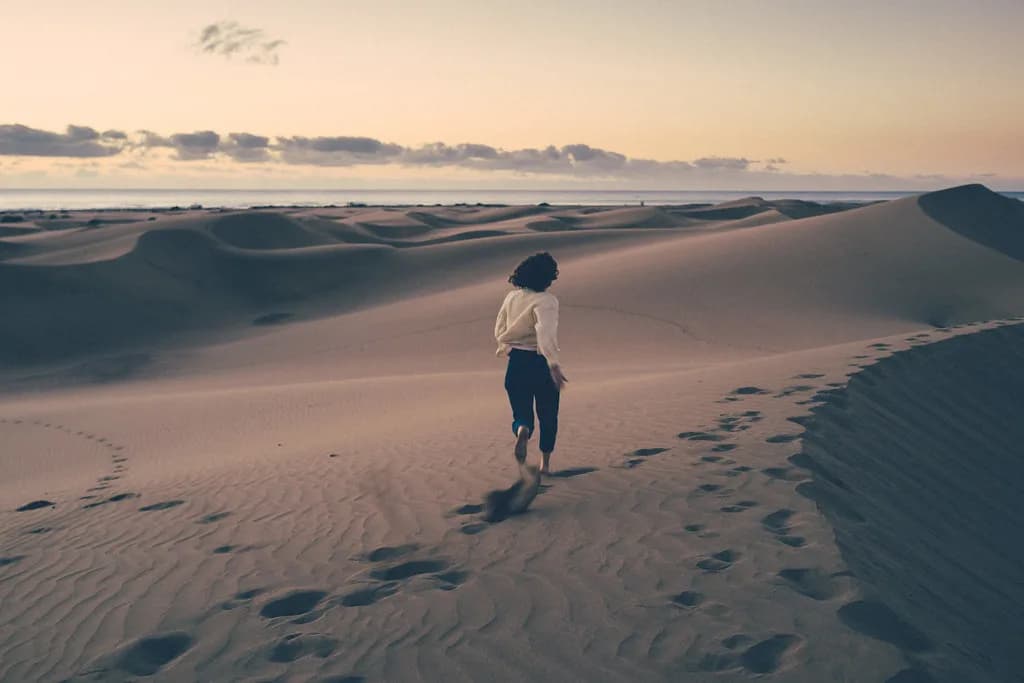
The south coast concentrates the resort bases. Maspalomas has the dunes and a spread-out feel, while Playa del Inglés is busier and more built-up, and Meloneras and San Agustín are quieter and more polished. Puerto Rico, further west, works well for families and has a sheltered bay.
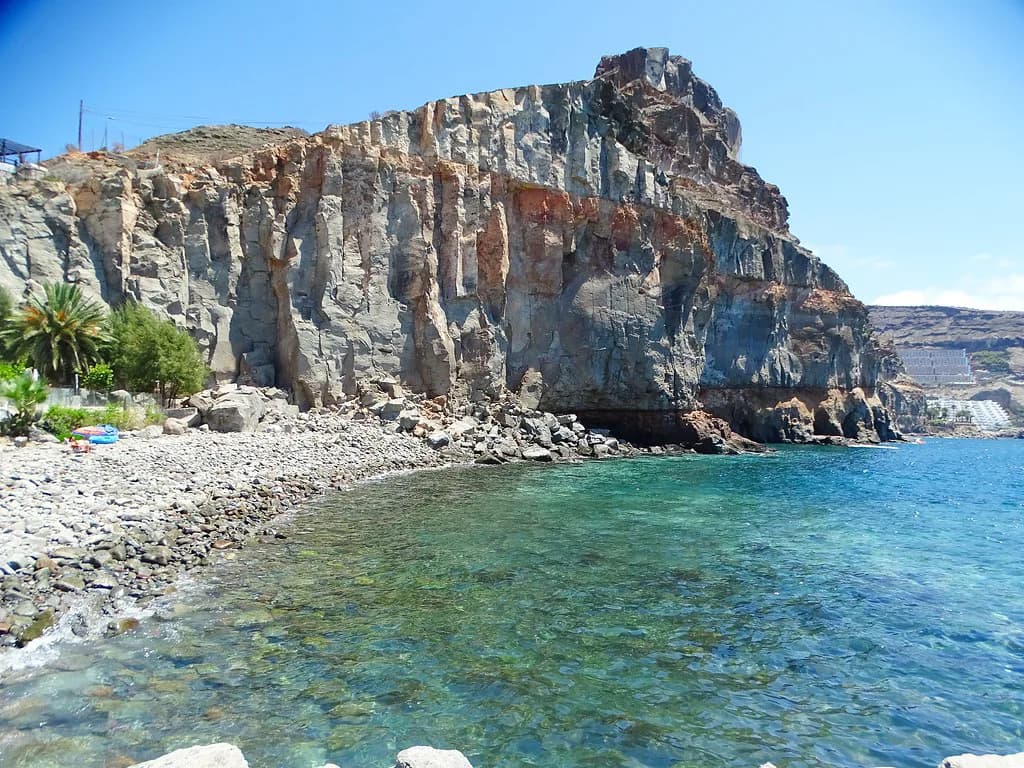
Puerto de Mogán in the south-west is the prettiest of the resort towns, with canals and a small harbour, but it is a longer transfer from the airport. On the north-west coast, Agaete is greener and cooler, a better fit if you want to escape the beach-strip atmosphere.
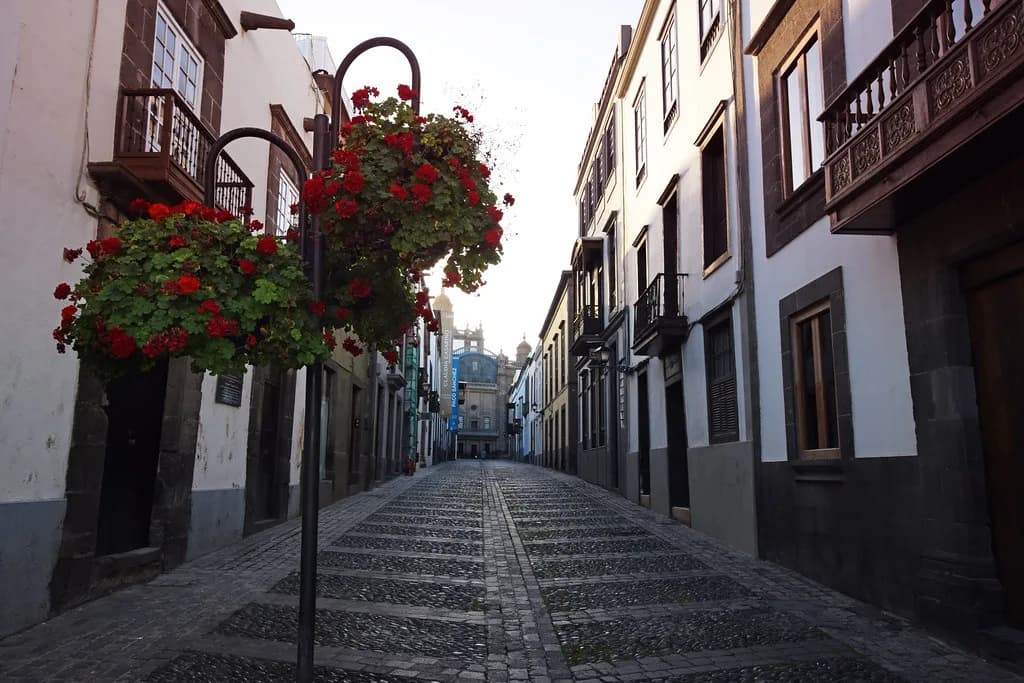
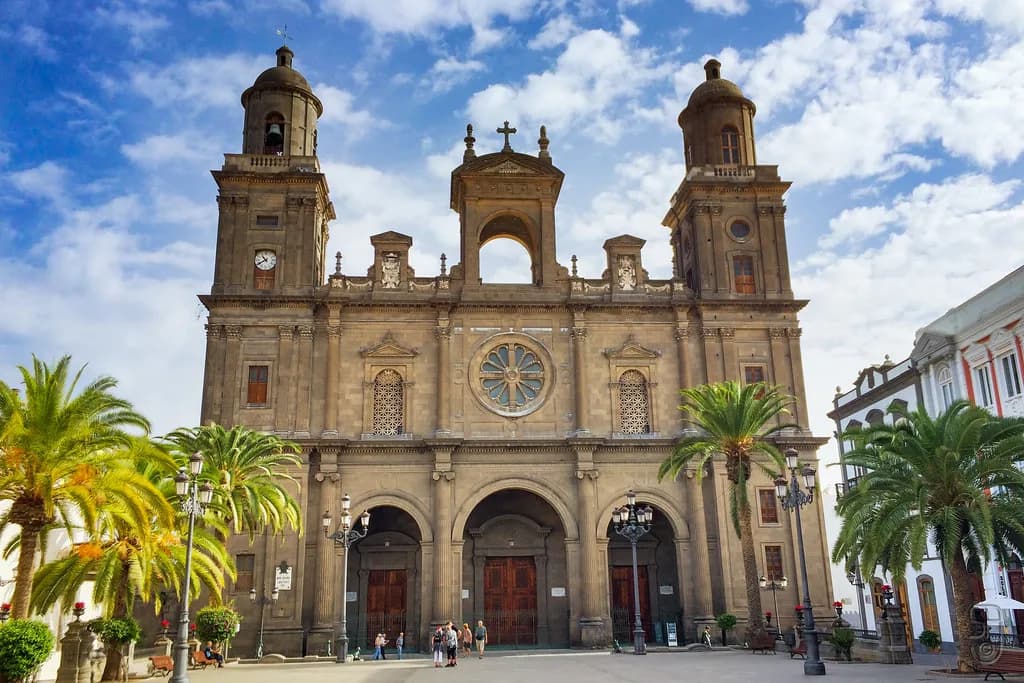
For a mix of city life and coast, base part of the trip in Las Palmas de Gran Canaria, where you can eat well and explore the old town without a car. Our gran canaria itinerary sets out how to link the capital with the southern resorts in one trip.
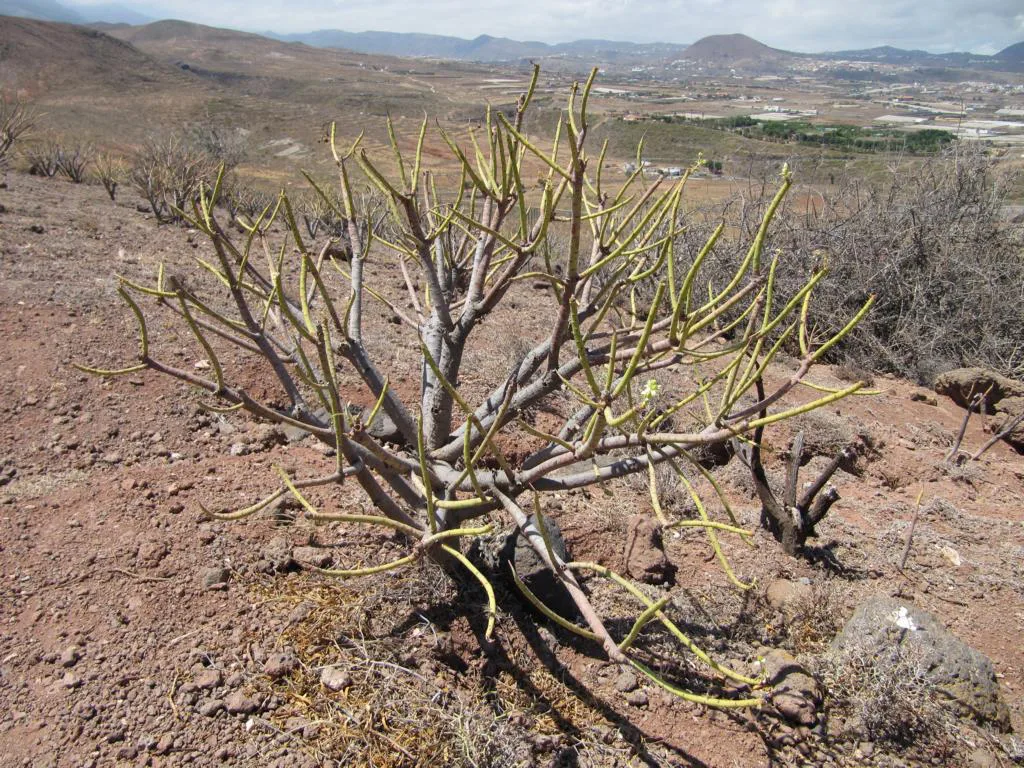
Fiestas del Pino in Teror
September brings the Fiestas del Pino in Teror, the island's most important festivity, held in honour of the Virgen del Pino. The town fills with pilgrims and visitors, so expect busy streets and limited parking if you drive up into the hills.
Teror sits inland and higher than the coast, so it feels cooler than the resorts even on a hot day. Pair the visit with a mountain drive rather than trying to combine it with a beach afternoon.
Crowds, costs and what to pack
September is still late-summer high season, so book accommodation and hire cars ahead instead of expecting the shoulder season to mean empty beaches. The sea is at its warmest, which pulls swimmers and watersports onto the coast. If you are comparing late-summer escapes across Spain, our guide to alicante in september covers how the Costa Blanca compares.
Pack high-factor sunscreen, a hat, sunglasses and a light long-sleeved layer for the evening. The UV is very high and the sun is strong even when the trade winds make it feel mild.
Add reef shoes if you plan to swim off rocky coves, and a small day bag for mountain walks where the temperature drops. For markets and food shopping, our guide to gran canaria markets explains what to look for.
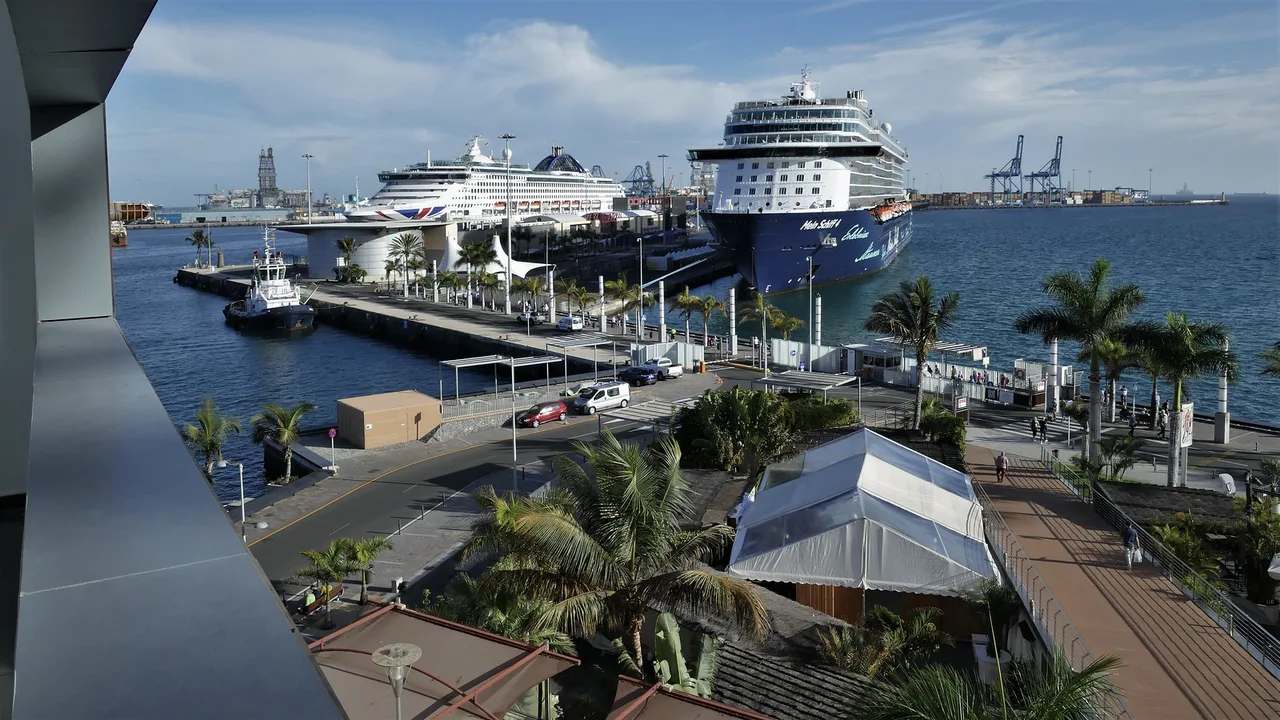
What to do on a hot day
Start early for hiking in the interior, then retreat to the coast for a late lunch and a swim. The south's drier weather makes it the safer bet for a beach day when cloud builds in the north.
Use the siesta hours for indoor attractions or a shaded terrace, and save the coastal walk for after 6pm when the heat eases. The sea at 23°C means a late swim is genuinely pleasant.
Honest trade-offs
Hot, dry winds from Africa can push temperatures up sharply and occasionally bring dust, which is uncomfortable for anyone with respiratory issues. Keep indoor plans in reserve on those days.
The sea is at its annual peak of 23°C, which is lovely for swimming but means the water is busier. If you want quieter coves, head away from the main resort beaches.
If you are weighing months, our guide to gran canaria in october explains how the weather shifts as autumn arrives.
Plan Your Visit
September in Gran Canaria rewards a slow, late-running day: mornings outside, lunch at 2pm, a swim in the warm sea and dinner after 8.30pm. The south stays drier, the north is greener, and Teror's fiesta is the one date worth planning around.
For more on the island's resorts, food and attractions, see our Gran Canaria Attractions: 6 Visitor Guides. Check current opening times and transport before you travel, as these change through the year.
Explore more Gran Canaria guides
Frequently Asked Questions
What is the weather like in Gran Canaria in September?
Expect an average high of 27°C, night-time temperatures near 20°C and a sea temperature of 23°C. Rain is light, with roughly 9–10mm across the month, and sunshine averages around eight hours a day from 12 hours of daylight.
Is the sea warm enough to swim in Gran Canaria in September?
Yes. The sea reaches its annual high of 23°C in September, so swimming is comfortable at most times of day, including late afternoon and early evening.
Is the south of Gran Canaria warmer than the north in September?
The south is warmer and drier because the mountains shelter it from the north-easterly winds. The north catches more cloud and wind, and inland towns such as Teror feel cooler than the coast.
When do people eat dinner in Gran Canaria?
Dinner generally starts between 8:30pm and 9pm, while lunch runs from 1:30pm to 4pm. At the start of September the sun sets just before 8.30pm, so dinner often begins as the light fades.
What festivals are on in Gran Canaria in September?
Teror holds the Fiestas del Pino, the island's most important festivity, in honour of the Virgen del Pino. The town gets busy, and parking is limited on fiesta days.
Do you need sun cream in Gran Canaria in September?
Yes. UV levels are very high, even when the trade winds make the air feel mild. Pack high-factor sunscreen, a hat and sunglasses, and use shade during the middle of the day.
Which resort in Gran Canaria is best for late-summer sun?
The south coast resorts, including Maspalomas, Playa del Inglés, Meloneras, San Agustín and Puerto Rico, are the most reliable for dry, sunny weather. Puerto de Mogán is prettier but a longer transfer, while Agaete in the north-west is greener and cooler.
Sources
Notes for eating well in Spain
Optional updates to our guides.
You might also like
Continue reading
More guides you'll find useful