Gran Canaria in August: Weather, Crowds and What to Do
Gran Canaria in August brings the year's highest average temperatures, dry days and busy resorts. See what the heat means for beaches, meal times and planning.
On this page
August is the hottest month in Gran Canaria, with an average daily maximum of 29°C and an average low of 23°C. That combination of strong daytime heat and warm nights is what should shape your days: beach and walking early, shade through the afternoon, dinner after 8:30pm.
It is also school-holiday season across the UK and Ireland, so the south-coast resorts fill with families and package visitors. Book accommodation and any popular restaurant table well ahead, and treat August as a month for pacing rather than cramming everything into midday.
August temperatures: average highs and warm nights
The hottest month of the year is August, with an average daily maximum of 29°C and an average low of 23°C across Gran Canaria. Maspalomas in the south runs at average daily highs of around 28°C in August, with warm nights as well.
The nights matter as much as the days. A low of 23°C means little overnight relief, so choose rooms with air conditioning or good cross-ventilation, and don't count on a cool evening breeze to do the work.
Rainfall and sunshine in August
August sits in the driest stretch of the year. July is the driest month with 0 mm of rainfall and 31 sunny days on average, and August keeps rainfall negligible, so you can plan outdoor days without a rain backup.
October is the wettest month, with 11 mm of rain over a day on average, so if your dates are flexible and dry weather matters most, August delivers. The trade-off is the heat and the holiday crowds.
Why August heat changes your day: early beach, long lunch, late dinner
Spanish meal times do much of the work of a hot August day for you. Lunch runs from about 1:30pm to 4pm, so the middle of the day is spent eating and sitting rather than walking in full sun, and dinner starts from about 8:30pm to 9pm, when the heat has eased.
Build your day around that rhythm: beach or a shaded walk first thing, a proper sit-down lunch, a siesta or pool hour, then an evening stroll and a late dinner. It suits August far better than a British-style early dinner and a long midday hike.
Beaches and sea temperatures in August
For beach lovers, water temperatures are best at 23°C or above from June to November, which puts August comfortably inside the warm-water window. Treat the June-to-November guideline as your planning signal rather than a single August figure.
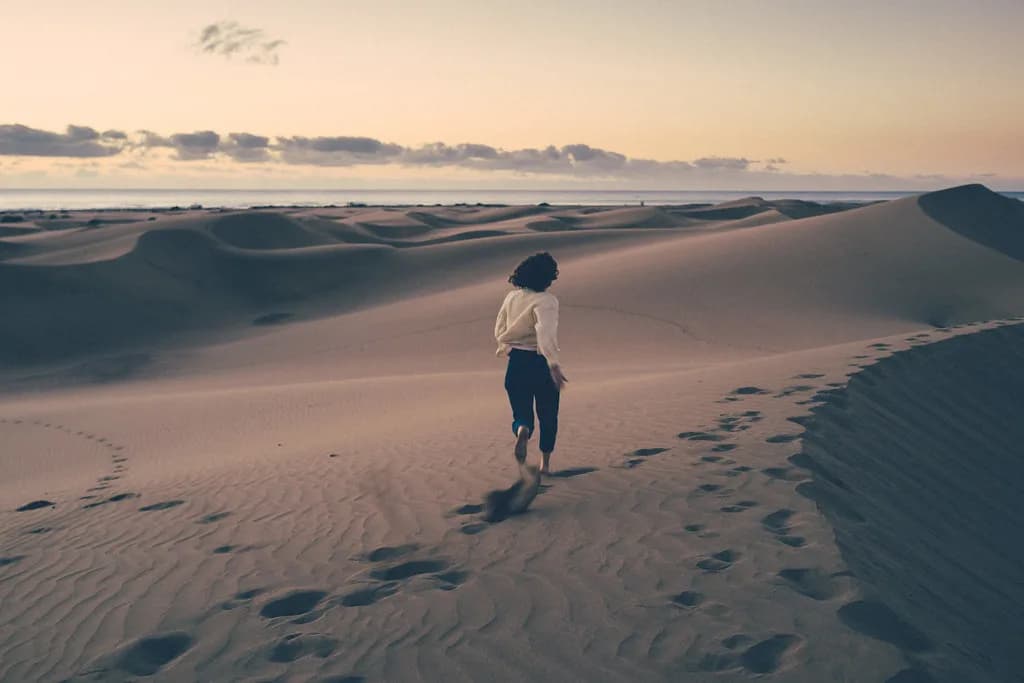
Go early. With highs near 29°C and little cloud, the sand heats up fast and the sun is strongest around midday, so aim to be on the beach by mid-morning, then move to shade or lunch. A parasol and high-factor sunscreen are not optional in August.
Crowds, school holidays and booking ahead
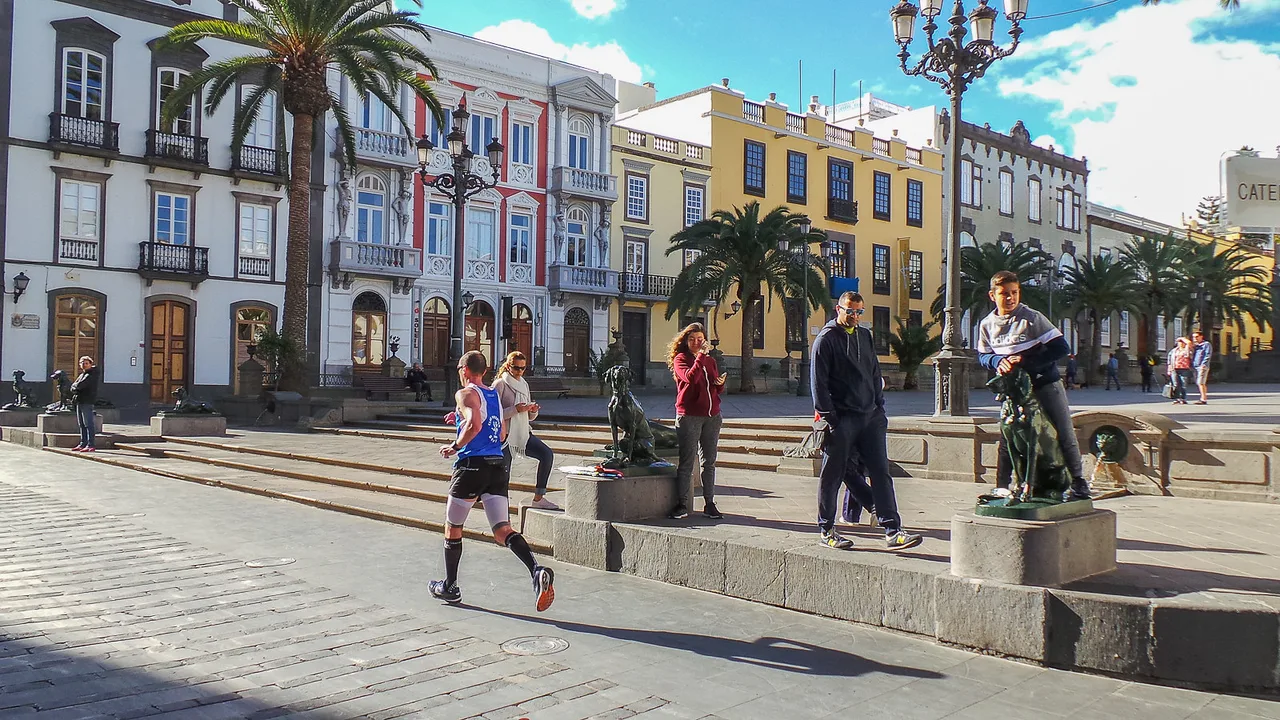
Christmas, half term and Easter are the busiest periods of the year for Gran Canaria, and August brings its own surge from European school holidays. Expect the south-coast resorts to be at their fullest, with pool loungers and family restaurants under pressure.
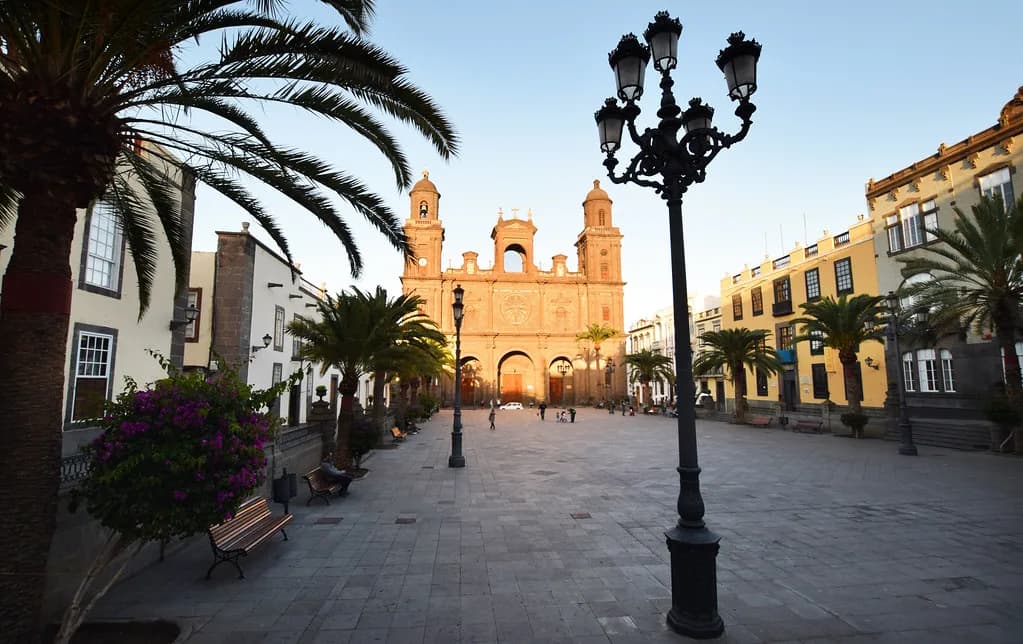
If you want more space, weigh the capital, Las Palmas de Gran Canaria, against the resort strips: city life keeps its own rhythm rather than emptying onto the sand. See our guide to things to do in Gran Canaria to match a base to your plans, and if you're comparing islands for the same month, our guide to fuerteventura in august covers the Canary Islands alternative.
Eating well in the heat: what to order and when
Order lighter, cooler dishes at lunch: gazpacho, ensaladas, grilled fish and fresh fruit, with plenty of water. Save heavier stews and roasts for the late dinner, when temperatures drop and you have the whole evening ahead.
Choose restaurants with shaded terraces or air-conditioned interiors for the 1:30pm to 4pm lunch window, and book ahead for dinner if you're a group. If you want quieter tables, eat a little later rather than earlier, matching local habits.
August vs July: which summer month suits you
July and August share the same dry, sunny pattern, with July the driest month at 0 mm of rainfall across 31 sunny days. August is the hotter of the two, since it carries the year's highest average maximum, so travellers who want long beach days without the peak heat often prefer earlier in the summer.
August wins on warm nights and sea conditions, but July is usually a touch easier for walking and sightseeing. Compare the two months side by side in our guide to gran canaria in july before you fix your dates, and weigh which matters more to you: heat or space.
August vs spring and autumn: trade-offs for a UK traveller
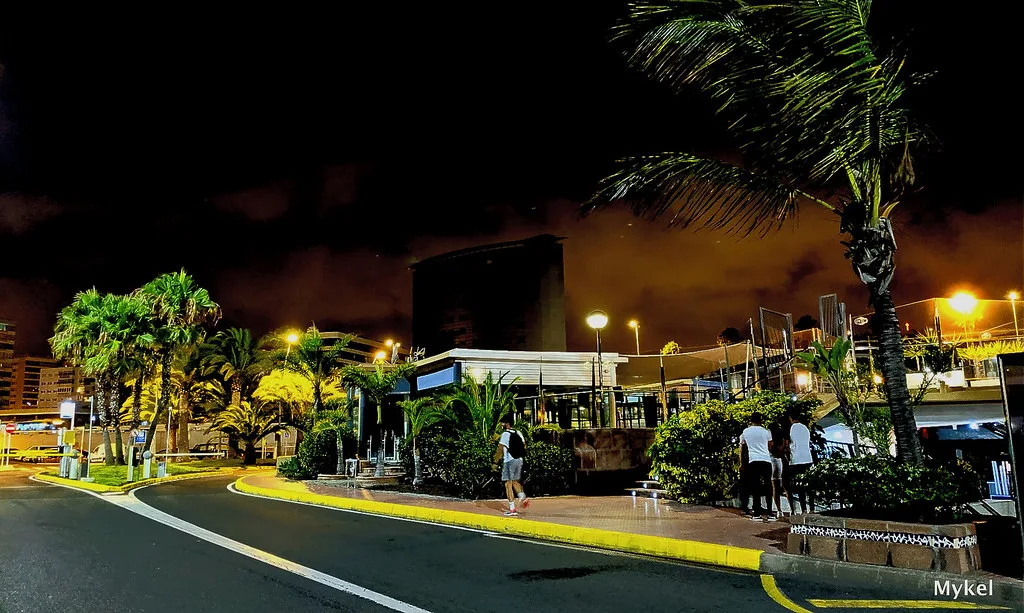
August buys you guaranteed dry heat and warm sea, but at the cost of school-holiday crowds and daytime temperatures near 29°C. February, the coolest month, averages a daily maximum of 21°C and a low of 16°C, which is gentler for walking and sightseeing.
Spring and autumn sit between the two: less heat, fewer families, and cheaper flights and rooms than the peak. If school dates don't force August, compare gran canaria in september and, for later sun, gran canaria in october before you commit.
Practical packing and sun-safety notes
Pack light, breathable layers, a wide-brimmed hat, sunglasses with UV protection and high-factor sunscreen, and refill a water bottle through the day. A light layer helps for air-conditioned interiors and the odd breezy evening, even with 23°C nights.
Plan outdoor sightseeing for the morning or after 5pm, and keep the middle of the day for lunch, shade or a siesta. Check sun and heat warnings from Spanish official sources before long walks or hikes.
Plan Your August Trip
August rewards travellers who lean into the Spanish day: beach early, long lunch at 1:30pm to 4pm, late dinner from 8:30pm to 9pm. The trade-off is the hottest month, warm nights and peak school-holiday crowds, so book rooms and tables ahead and stay flexible with the sun.
Explore more Gran Canaria guides
Frequently Asked Questions
How hot is Gran Canaria in August?
August is the hottest month, with an average daily maximum of 29°C and an average low of 23°C across the island. Maspalomas in the south averages daily highs of around 28°C, and nights stay warm, so air conditioning in your room matters more than a cool evening breeze.
Does it rain in Gran Canaria in August?
Rain is negligible in August, which falls in the island's driest stretch of the year. July is the driest month with 0 mm of rainfall and 31 sunny days on average, and October, the wettest month, still averages only 11 mm over a day. Plan outdoor days without a rain backup.
What is the sea temperature in Gran Canaria in August?
Water temperatures are best at 23°C or above from June to November, which places August well inside the warm-water window for swimming. Treat that June-to-November guideline as your planning signal, and check a current marine forecast close to your travel dates for a precise reading.
Is Gran Canaria too hot in August?
It is hot but manageable if you follow local rhythm: beach or walking first thing, lunch between 1:30pm and 4pm, shade through the afternoon, and dinner from 8:30pm to 9pm. The bigger strain is the warm nights, so pick accommodation with air conditioning or good ventilation.
Is Gran Canaria busy in August?
Yes. August coincides with European school holidays, so south-coast resorts are at their fullest and family restaurants and pool loungers come under pressure. Christmas, half term and Easter are the busiest periods of the year, and August adds its own summer surge on top.
When do locals eat in Gran Canaria in August?
Lunch runs from about 1:30pm to 4pm and dinner starts from about 8:30pm to 9pm, which keeps the hottest hours for eating and resting. Order lighter dishes at lunch, such as gazpacho, salads and grilled fish, and save heavier plates for the late dinner.
Sources
Notes for eating well in Spain
Optional updates to our guides.
You might also like
Continue reading
More guides you'll find useful