Gran Canaria Itinerary: A Practical Day-by-Day Plan
Plan a Gran Canaria itinerary around Las Palmas, the central mountains, the west coast and Maspalomas, with driving notes and Spanish meal timing.
On this page
Three days cover the headline sights on Gran Canaria; five days let you circle the island without spending every afternoon behind the wheel. The island packs a cool, green north, a hot dry south and a volcanic centre into a space often described as a mini-continent, and the range is the reason to plan by area rather than by attraction list.
The airport sits on the east coast close to Las Palmas, which makes the capital the natural first stop of a road trip. Renting a car gives you the independence to reach the best viewpoints and mountain villages, and it is the single most useful decision you will make for this trip.
Why Gran Canaria Rewards a Car-Based Itinerary
Gran Canaria has one airport, on the east coast near Las Palmas, so most arrivals begin in the north-east and work inland or south from there. The north is usually cooler than the hot south, and the mountainous centre is cloudier and rainier, which means a single day can move from beach warmth to jacket weather.
Mountain roads come with hairpin bends that are genuinely brutal for passengers, so bring motion sickness tablets if anyone in the car is prone to it. Driving yourself also means you can stop in small towns for a coffee or an ice cream whenever a view justifies it, which is much of the appeal of the interior.
How Many Days You Need
Three days is the minimum for the headline sights: Las Palmas, the central peaks around El Roque Nublo, and either the west coast or the southern dunes. Five days lets you add Puerto de Mogán and Maspalomas without turning every lunch into a rushed sandwich in a lay-by.
A full week is enough to travel around the island at a leisurely pace, with time for long lunches and unplanned stops. If you only have a long weekend, cut the west coast rather than the mountains, because the central drive is the one you will remember.
Suggested Day 1: Las Palmas Old Town and Triana
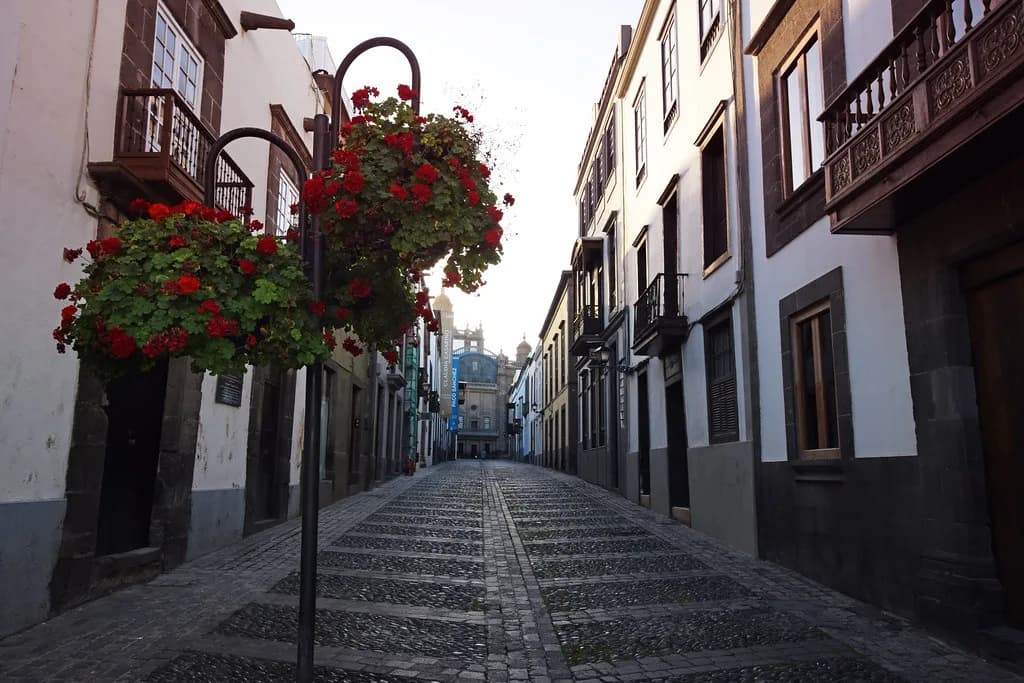
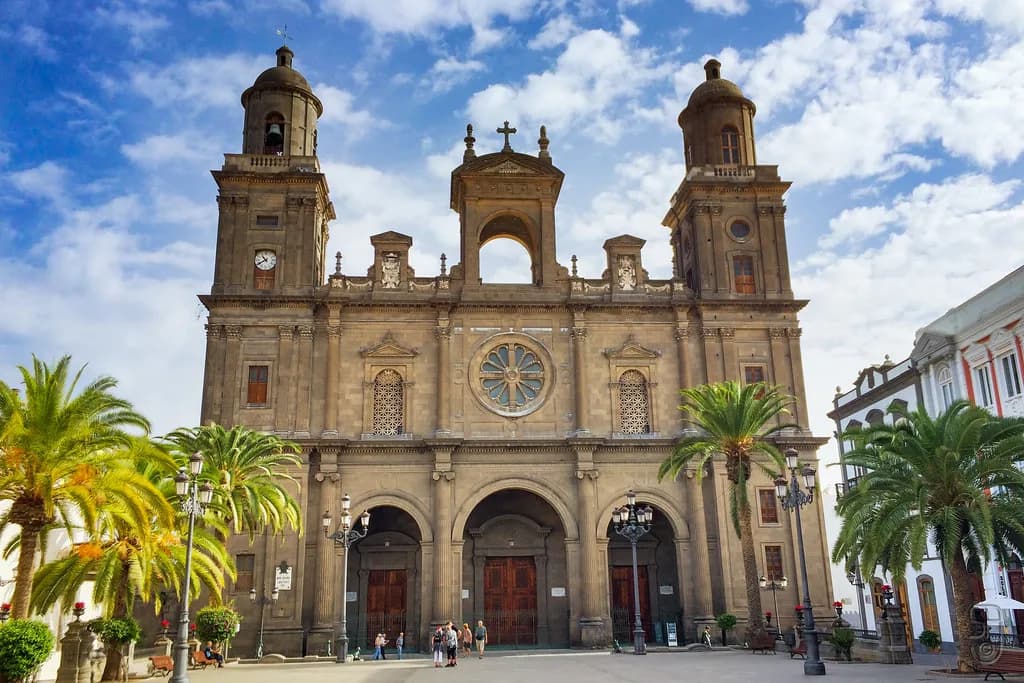
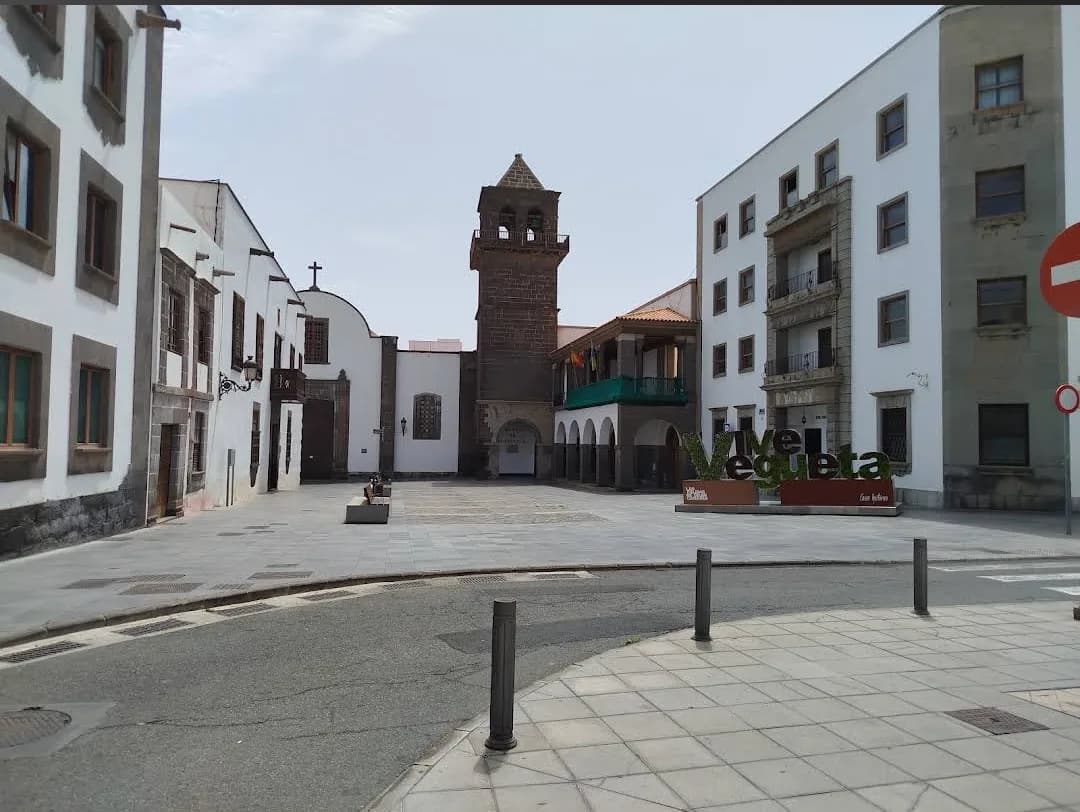
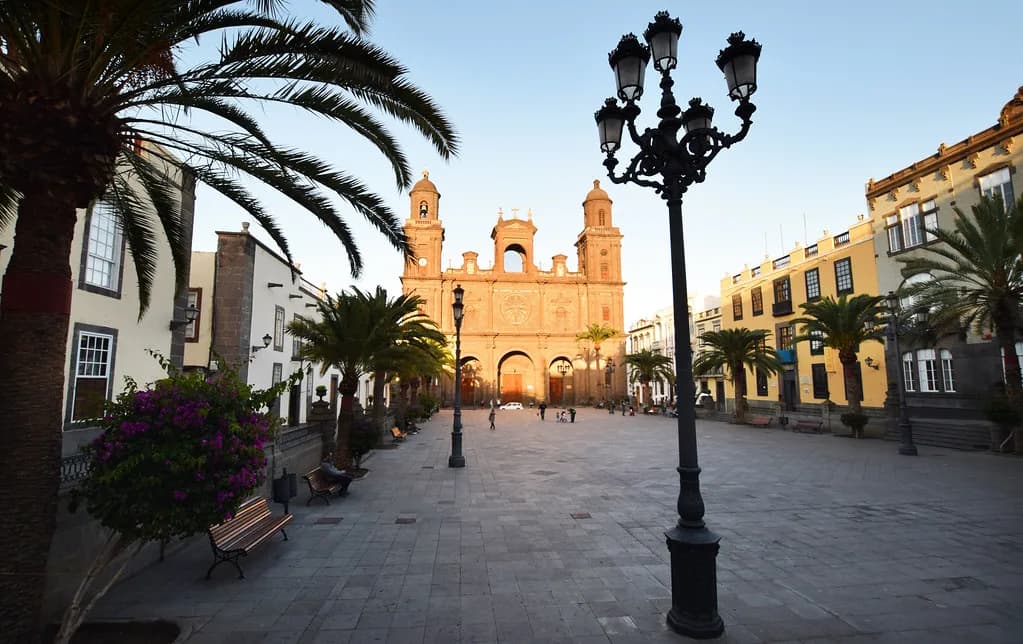
Start in Vegueta, the walkable old town, where the Casa de Colón covers Columbus's passage through the Canary Islands and the Cathedral of Santa Ana anchors the historic core. The small square and hermitage of San Antonio Abad, New Pilar Square and the parish of Santo Domingo fill an easy half-day on foot, and the prettiest streets include Montesdeoca, Colón, Los Balcones and La Pelota.
Move on to Triana for the afternoon, the liveliest part of the city for bars and restaurants, with the Alameda de Colón, San Telmo Park and its kiosk, and the Rodríguez Quegles Palace along the way. Finish with the Mirador Norte de Las Coloradas about 15 minutes away for a first taste of the island's landscape.
Keep lunch inside the Spanish window of roughly 1:30pm to 4pm and you will eat far better than by hunting for food at five in the afternoon. Dinner starts around 8:30pm to 9pm, so plan an evening stroll through Vegueta rather than an early restaurant queue.
Suggested Day 2: El Roque Nublo, Pico de las Nieves and Tejeda
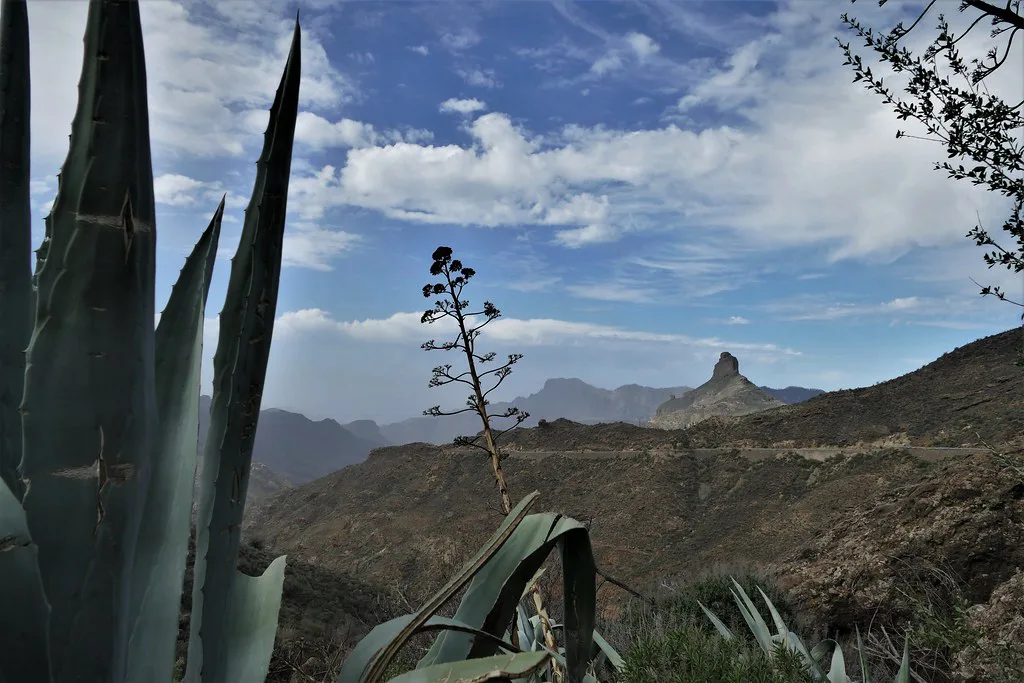
El Roque Nublo rises to 1,813 metres and is worth the early alarm for sunrise, with its surroundings protected as a natural area since 1987 and as a national park seven years later. Only the 1,949-metre Pico de las Nieves tops it, the island's highest point and a place to stand above the cloud line on a clear morning.
Tejeda, one of the most beautiful villages in Spain, has a historic centre you can walk in about 20 minutes, which leaves proper time for a bar stool. This is the day to order papas arrugadas with mojo picón, small wrinkled potatoes grown in volcanic earth and served with a spicy sauce.
Order a barraquito too, a layered coffee with Liquor 43, lemon and cinnamon, or ask for it sin alcohol if you are the driver. It is a Canary Islands bar staple rather than a Tejeda invention, and it is the right pause before the descent.
Suggested Day 3: The West Coast and Mirador del Balcón
Mirador del Balcón sits near the western end of the island on a cliff that drops vertically to the Atlantic, with the zigzag peaks of the dragon's tail cliffs in view and the La Arena ravine and La Aldea de San Nicolás valley behind. Hold on to hats, because gusts of wind here are strong.
Playa de Güigüí is a beautiful nearby beach that suits a sunset, but the descent is demanding and long, so treat it as a hike rather than a quick swim stop. If that does not appeal, head to La Aldea de San Nicolás for a walk and a meal instead.
Suggested Day 4: Puerto de Mogán and Little Venice
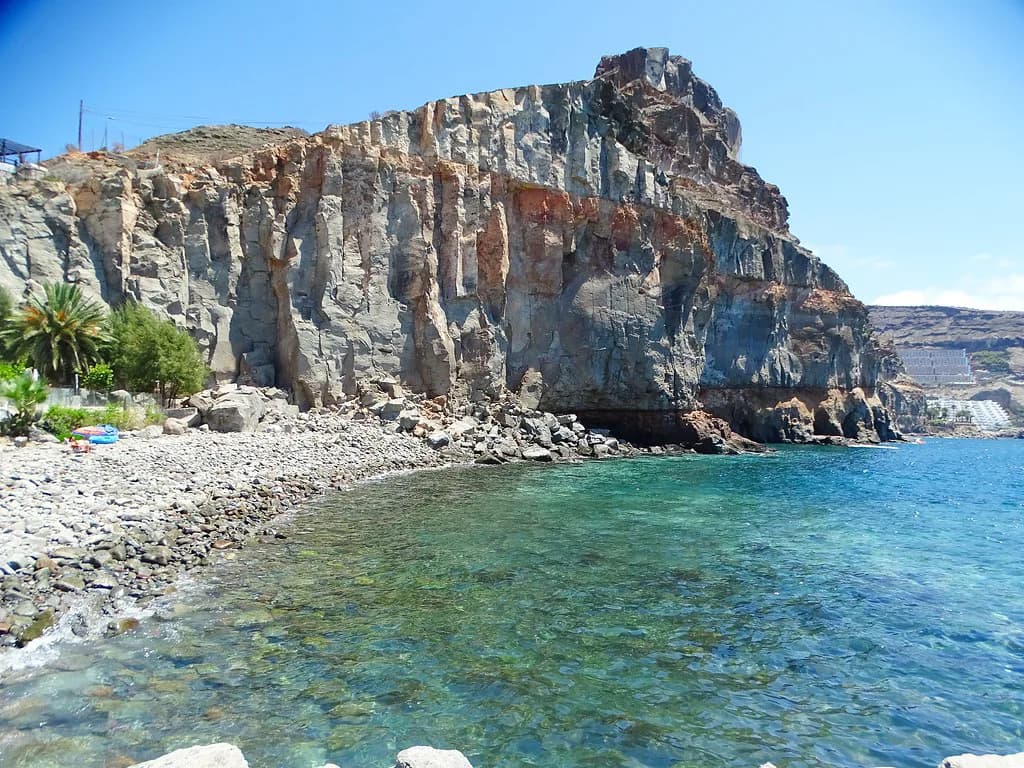
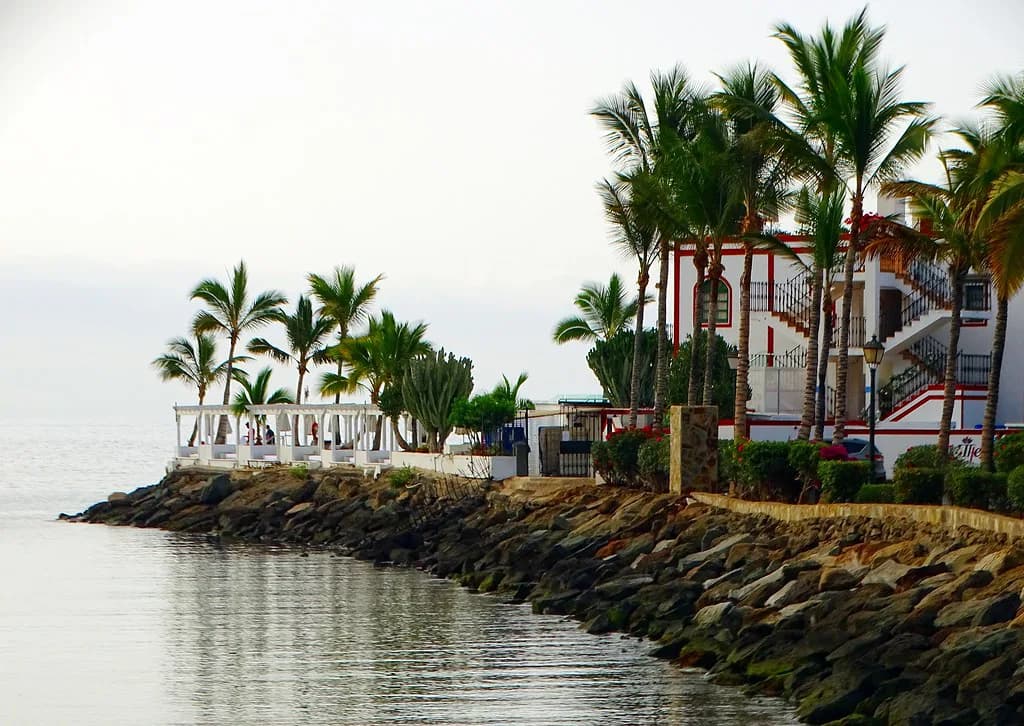
Puerto de Mogán is the most colourful stop on the island, a fishing neighbourhood of white houses with blue window frames, gardens and a canal locals call Little Venice. Two suspension bridges cross the canal near the beach, and it is at its best when the tide rises and fills the channel.
The port is the base for boat trips and scuba diving, and the town registers a high number of sunny days each year, which makes it a sensible choice when the north is under cloud. Do not over-plan the afternoon: a walk among the houses and a long lunch is the point of the day.
Suggested Day 5: Dunas de Maspalomas and the South
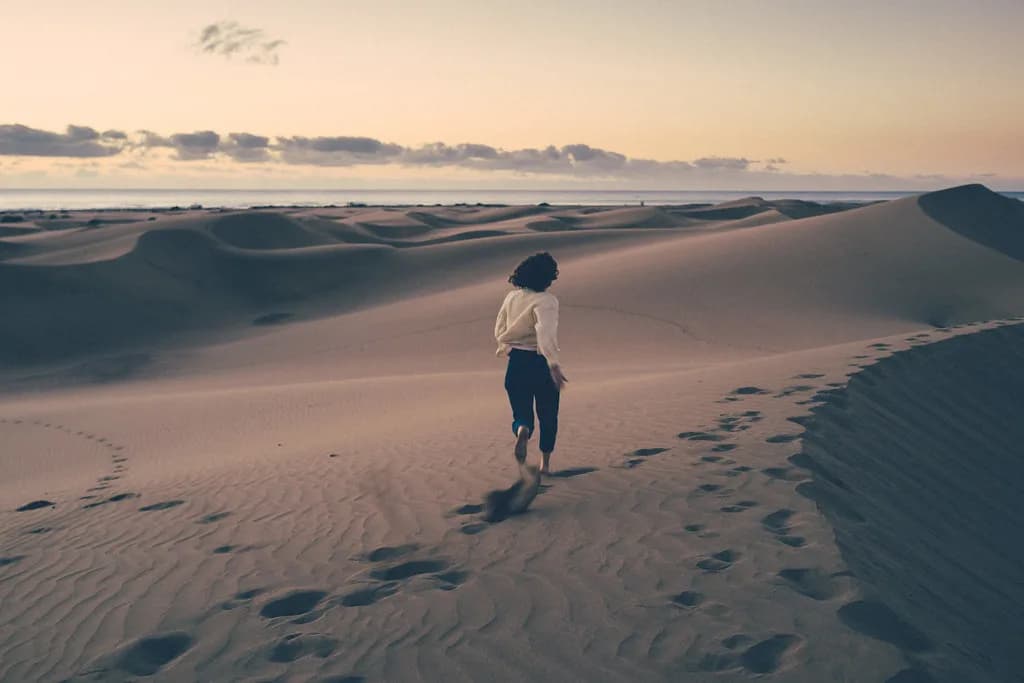
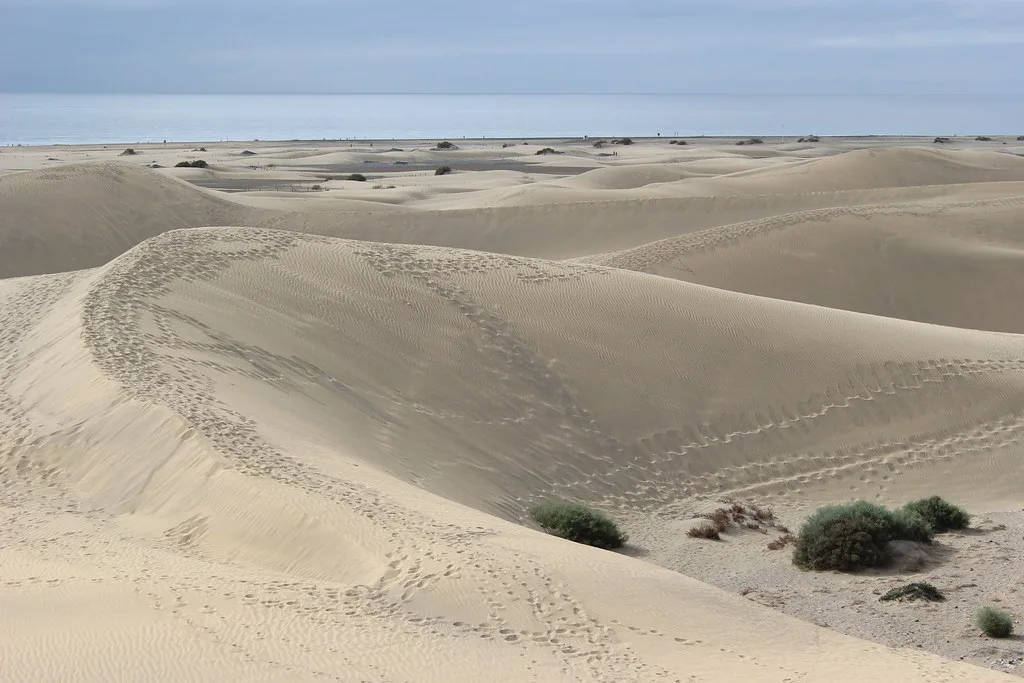
The Maspalomas Dunes form a nature reserve of 400 hectares, established in 1982, and the sand is thought to have arrived on the wind from Africa or in the wake of a tsunami, with the 1755 Lisbon earthquake a leading candidate. View them from the side of the Hotel Riu Palace Maspalomas, then walk over to Playa del Inglés for a swim.
Playa del Inglés is the practical southern base if you want restaurants and easy beach access on your doorstep, and it sits at the start of the resort strip along the south coast. San Agustín is quieter and a little more laid-back, and it is only about 40 minutes from Las Palmas.
Meal Timing That Shapes a Driving Day
Spanish lunch runs from about 1:30pm to 4pm and dinner starts around 8:30pm to 9pm, which is later than most British visitors expect. Build the day around a proper lunch stop and you can drive through the quiet afternoon hours instead of hunting for an open kitchen.
Eating dinner in a local bar rather than a restaurant is a good use of an evening in a small town, and the tapas are often the reason to stay. In Teror, Como Como 15 and Bar Nuevo Iris are both worth building an evening around, the second for a glimpse of everyday local life.
When to Go
July and August are the hottest months, with around 27 °C the norm, so they suit anyone who wants guaranteed heat rather than long hikes. May to June and September to October bring milder temperatures, plenty of sunshine and very little rain, which is easier going for mountain driving.
The sea is at its warmest for swimming in summer and autumn and can be on the cool side in spring. Any time of year works for a visit thanks to the reliably warm, dry weather, so choose by the temperature you want rather than by a single best month.
Choosing a Base
Las Palmas suits city food and culture, with the old town and Triana within walking distance of each other. Teror is the pick for quiet evenings in a beautiful town, because day-trippers leave and the streets empty out, while San Agustín offers a laid-back beach stay within reach of the capital.
If you want somewhere unusual in the mountains, Cuevas de Barreto is a cave complex with gardens of native plants and room for a large group. It is best for families or groups of friends rather than couples, and its setting near Firgas makes it a convenient base for the north.
Add-Ons for a Longer Trip
With extra days, add Fataga, a village of white buildings and narrow alleyways with roots going back more than 2,000 years, and Firgas for its views over the water. Playa de las Canteras in Las Palmas is a three-kilometre city beach that many rank among the best urban beaches in the world, and it costs nothing to use.
The GC-200 through Tamadaba Natural Park and the GC-210 through the centre of the island offer some of the best views on Gran Canaria, so a spare day is well spent simply driving them. If you prefer a mainland city break next, our Ronda itinerary follows the same principle of planning by area.
Plan Your Visit
Base your first night near Las Palmas, take the mountains on day two and let the west coast or the south fill the rest of the trip depending on how much driving you want. Book the car before you fly, since the whole plan depends on it, and keep lunch between 1:30pm and 4pm so the afternoons stay usable.
Check ferry and boat schedules locally and confirm restaurant hours on the day, as small-town kitchens keep their own rhythm. Otherwise the island rewards exactly the plan it looks like on a map: a compact loop of coast, cloud forest and volcano with a beach at either end.
Explore more Gran Canaria guides
Frequently Asked Questions
How many days do you need in Gran Canaria?
Three days is enough for Las Palmas, the central peaks around El Roque Nublo and one coastal stretch. Five days lets you add Puerto de Mogán and the Maspalomas dunes without rushing, and a full week gives you time for long lunches and unplanned stops in villages such as Fataga and Firgas.
Do you need a car in Gran Canaria?
A car makes the island far easier, because the best viewpoints and mountain villages sit on winding roads away from the resort strips. Mountain routes include hairpin bends that bother some passengers, so pack motion sickness tablets if that affects your group. Allow extra time on the GC-200 and GC-210, where the driving is the point.
What is the best month to visit Gran Canaria?
July and August are the hottest months, with around 27 °C the norm, which suits beach days more than long hikes. May to June and September to October bring milder heat, plenty of sunshine and very little rain. The sea is warmest in summer and autumn and cooler in spring.
What should you eat on a Gran Canaria road trip?
Order papas arrugadas with mojo picón, the small wrinkled potatoes grown in volcanic earth and served with a spicy sauce, and finish with a barraquito, a layered coffee with Liquor 43, lemon and cinnamon. Drivers should ask for a barraquito sin alcohol. Keep lunch between about 1:30pm and 4pm and dinner from 8:30pm or 9pm.
Where should you base yourself in Gran Canaria?
Las Palmas suits city food and culture, with Vegueta and Triana walkable from each other. Teror works for quiet evenings once the day-trippers leave, and San Agustín offers a laid-back beach stay about 40 minutes from the capital. In the mountains, Cuevas de Barreto is a cave complex that suits families and groups.
Sources
Notes for eating well in Spain
Optional updates to our guides.
You might also like
Continue reading
More guides you'll find useful