How Many Days in Gran Canaria? 3, 5 or 7 Days
Three days covers Las Palmas and the mountains; five days adds the north and south coast; a week suits hikers. Here is what fits and what to cut.
On this page
Three days is the minimum for Gran Canaria, five days is enough to see the island properly, and seven days is what hikers and slow drivers should book. The island looks small on the map, but its valleys, gorges and mountain roads mean every transfer eats into the day, so the honest answer depends on whether you have a car and how early you are willing to start.
This guide splits the trip into three, five and seven days, with the driving routes, meal times and early starts that make each version work. It is written for people who want a road trip with real food stops rather than a resort fortnight, so the day counts assume you are moving between bases.
The short answer: three days minimum, five for the island, seven for hiking
With three days you can see Las Palmas de Gran Canaria in the morning and drive into the central mountains for Roque Nublo and Tejeda in the afternoon, then use the third day for one more area. That pace leaves out most of the coast, so treat three days as a taster rather than a full tour.
Five days is the version most travellers should book: a loop that takes in the capital, the green north, the dramatic western GC-210 road, the centre and the southern dunes. A seven-day itinerary gives you room for the laurel forest at Los Tilos de Moya, the Agaete valley and a longer hike up Pico de las Nieves without cutting anything else.
If your only free week is in high summer, check what the heat does to a driving plan before you commit to long mountain days; our guide to gran canaria in july covers the trade-offs of a July trip.
Why a car decides your itinerary
Public buses reach even the interior, but on the less popular routes they run only a couple of times a day, which limits you to one or two sites daily. With your own car you can chain Teror, Gáldar and Puerto de las Nieves into a single day and still stop at viewpoints along the way.
Rental cars are affordable on the Canary Islands. The smallest option from the local firm CICAR came in at about 30€ a day with full insurance included, so search current offers before you fly and collect at the airport, because the mountain roads reward an early start.
Allow extra time on the GC-210 through the island's 'Grand Canyon', a narrow, high road of hairpin bends where the driver should keep eyes on the tarmac and let passengers enjoy the views. If heights and tight corners bother you, the coastal road south from Agaete makes a good rehearsal before you commit to it.
Three days: the capital in the morning, the mountains in the afternoon
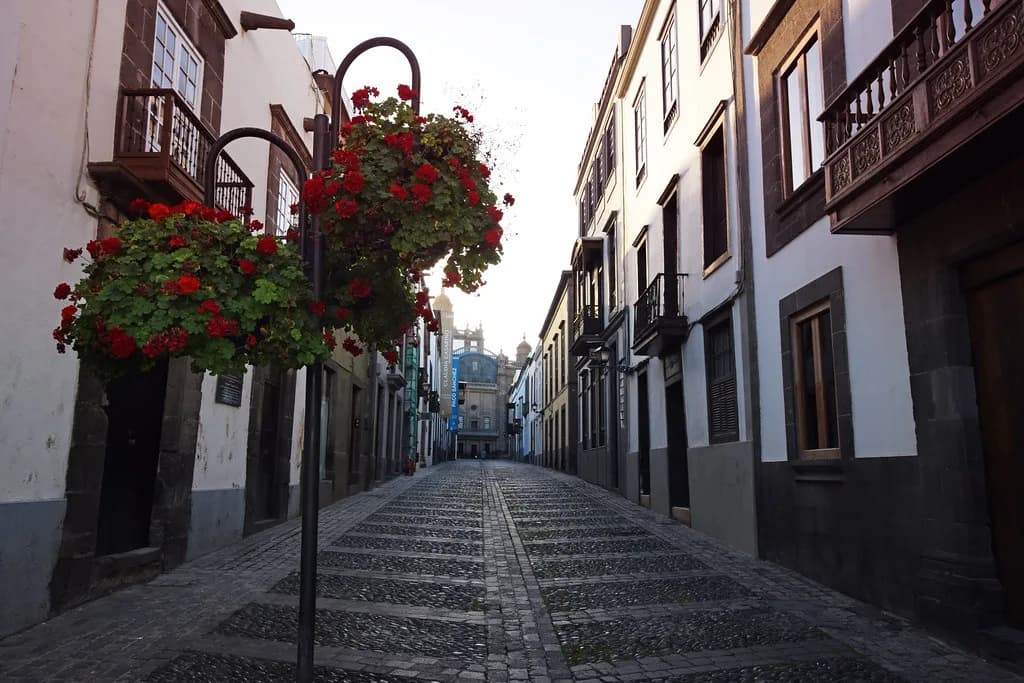
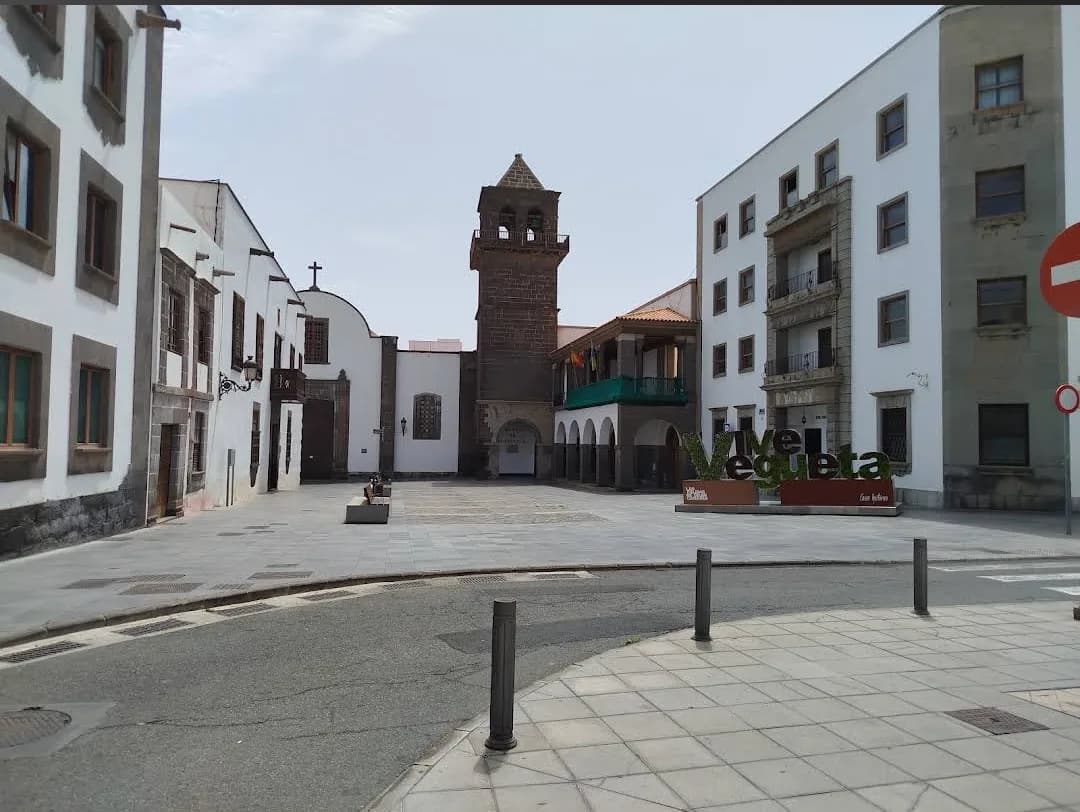
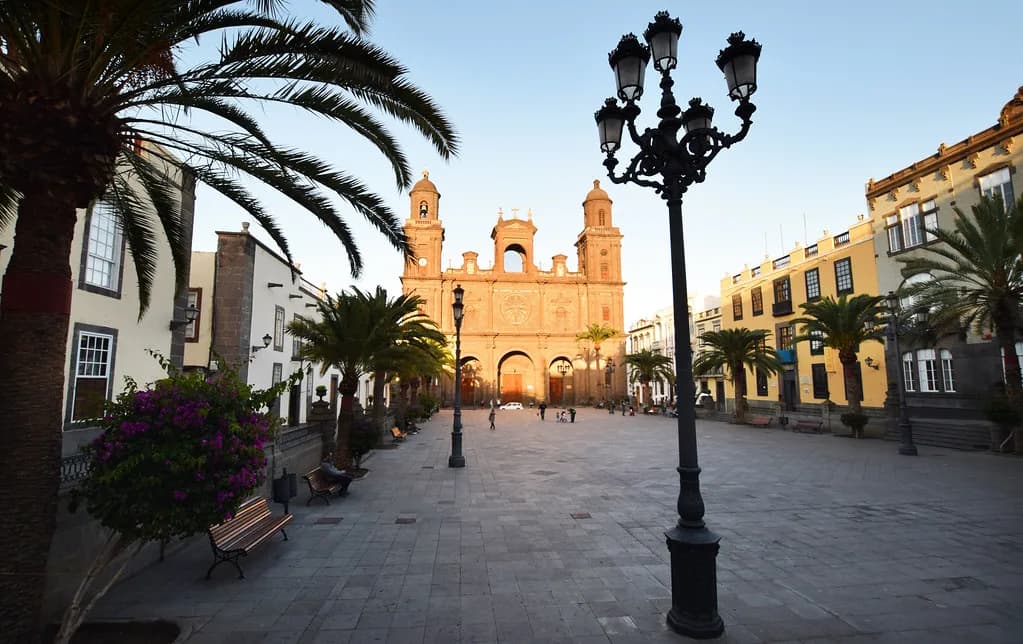
Start in Las Palmas de Gran Canaria, where the Vegueta and Triana neighbourhoods hold the 19th-century Gabinete Literario, the fountain at Plaza Espíritu Santo and the Catedral de Santa Ana. The Museo Canario covers the island's pre-Hispanic people, while the Centro Atlántico de Arte Moderno is free to visit and suits anyone who prefers contemporary art to archaeology.
Eat lunch in the city before you drive: La Travesía de Triana, off Calle Triana, serves local classics including ropa vieja de pulpo, a chickpea stew with octopus. For a quicker stop, Café Midway on Calle Domingo Navarro does Spanish tortillas and Panadería Miguel Díaz on Calle Viera y Clavijo sells pastries to take away.
In the afternoon, head for the centre: the Roque Nublo hike starts from a small car park on the GC-600 east of Ayacata and takes roughly an hour and a half round trip with time at the top. Finish in Tejeda, where the almond sweets at Dulcería Nublo Tejeda on Calle Hernández Guerra 15 make a good reward after the walk.
Five days: the full loop of capital, north, west, centre and south
Day one stays in Las Palmas for architecture, museums and a proper lunch. Day two drives west through Teror, with its colonial houses and wooden balconies, and Gáldar, whose Painted Cave Museum preserves geometric cave paintings and a pre-conquest settlement, before ending in Puerto de las Nieves for seafood on the promenade.
Day three takes the coastal road south from Agaete, stopping at the Mirador del Balcón for cliff views, then tackles the GC-210 to Artenara, the island's highest village, where the cave chapel of the Santuario de la Cuevita and the MECCA Ethnographic Museum are both free. Restaurant Arte-Gaia on the main square is a sensible stop for a late lunch.
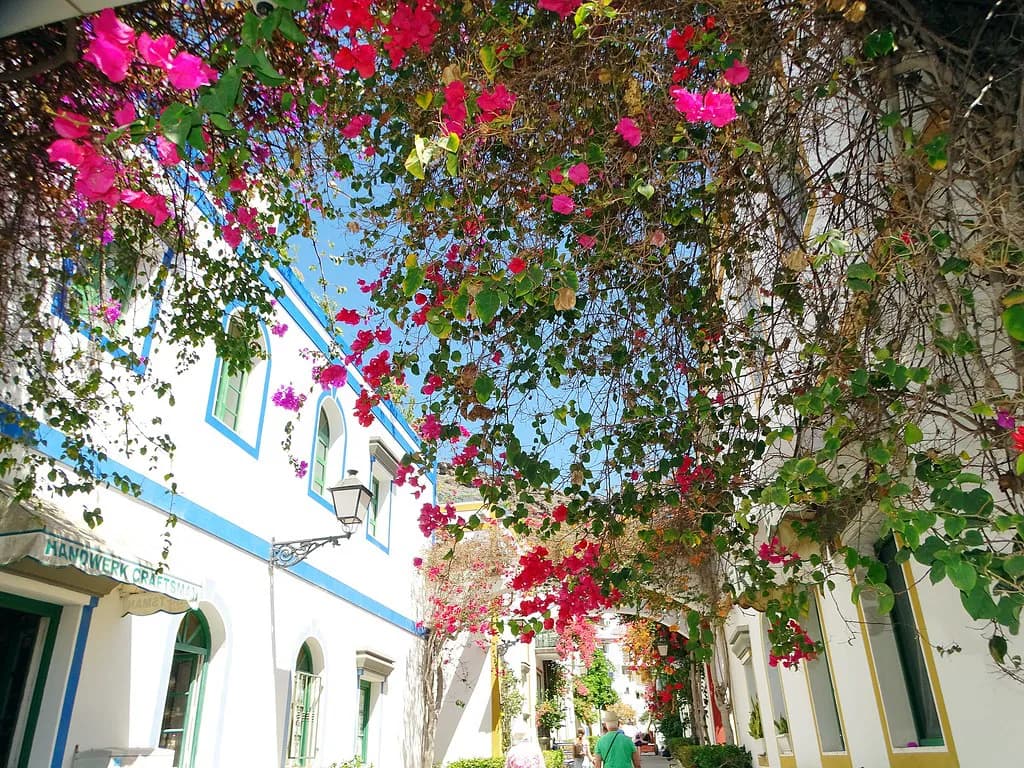
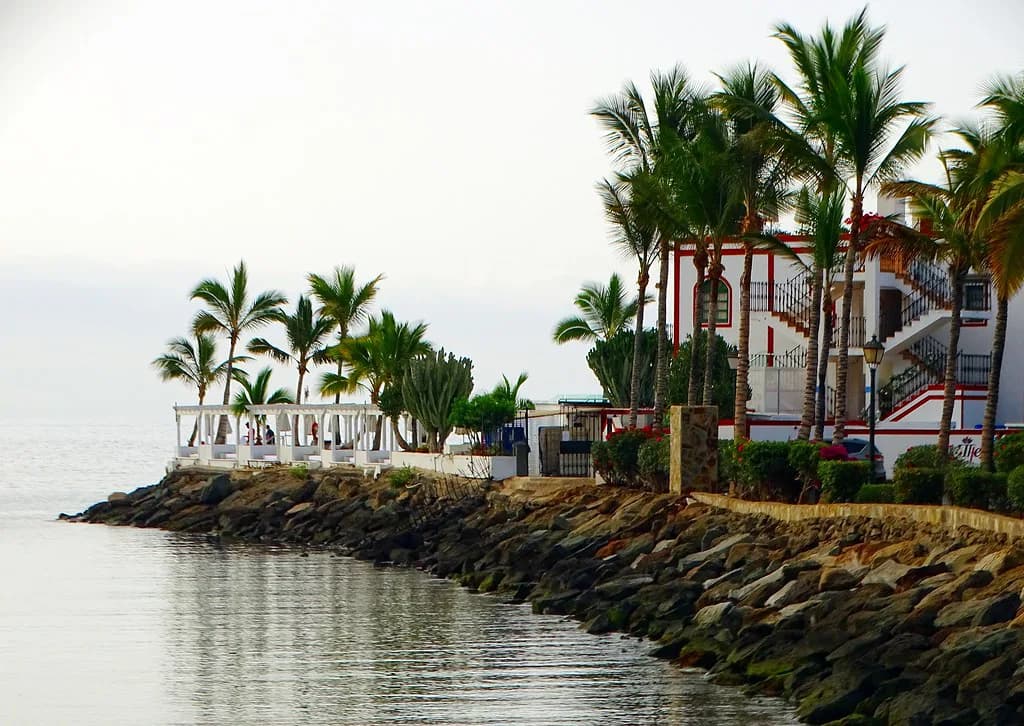
Day four pairs Roque Nublo with Tejeda, then drops east to Agüimes, an ochre-coloured town with a square full of cafés and restaurants, where El Populacho sits on the north-western corner. Day five belongs to the south: Puerto de Mogán, the Maspalomas dunes and the small white town of Fataga.
Seven days: what the extra two days buy you
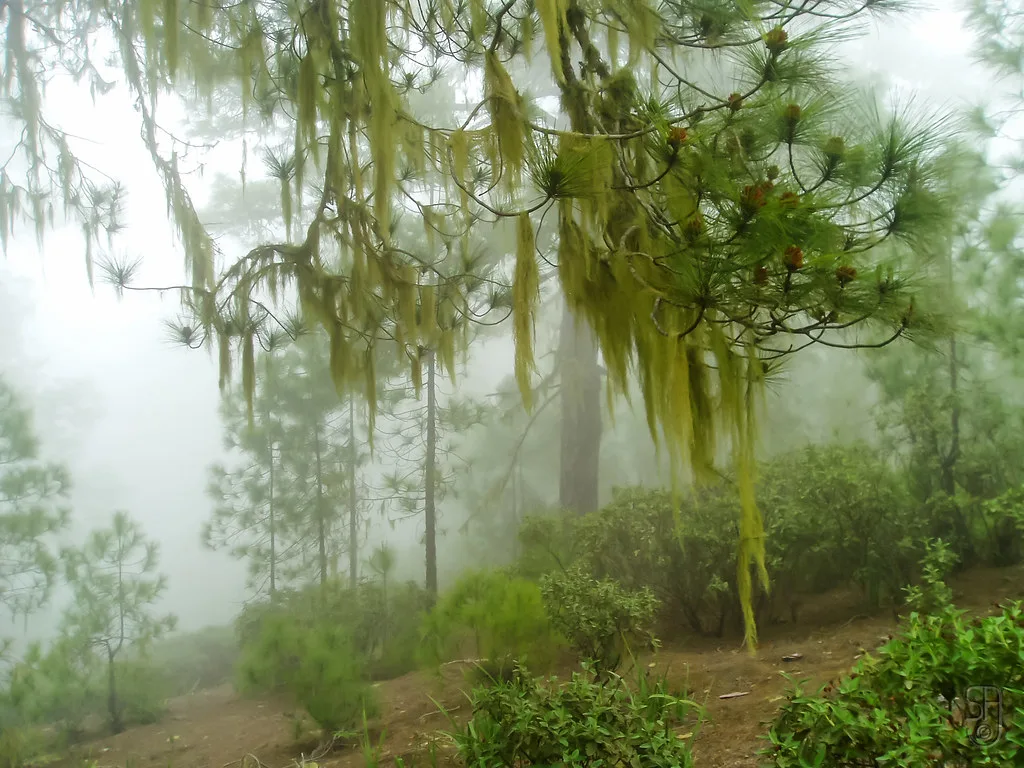
A seven-day version adds Los Tilos de Moya nature reserve, a laurel forest worth half a day's walking, and the coffee plantations and natural rock pools of the Agaete valley. It also gives you time to visit Arucas for the neo-Gothic Church of San Juan Bautista and Firgas, whose Paseo de Canarias runs 30 metres past a stone waterfall representing the island's municipalities.
The second extra day is best spent on foot. Roque Nublo is a 3.1 km out-and-back trail with about 155 metres of elevation gain, while the Cruz Grande to Pico de las Nieves route runs 15 km with 950 metres of climb and takes around six hours there and back. If legs are tired, drive up Pico de las Nieves instead and take the view without the climb.
Seven days also suits a shoulder-season trip: our gran canaria in october notes make a case for walking weather and quieter trails once the summer peak passes.
Where to base yourself
Las Palmas is the pick for city food and museums, with Vegueta and Triana giving you squares, markets and restaurants within walking distance. Base in Agaete for the north-west, where the valley, Puerto de las Nieves and the road to Artenara are all close, and in Tejeda for the central hikes, which puts Roque Nublo and the crater viewpoints on your doorstep.
The south around Maspalomas is the practical choice for dunes, Puerto de Mogán and Fataga, and it makes a sensible final night before an early flight. Splitting the trip across two or three bases cuts driving time far more than trying to cover everything from one hotel.
Meal times and how they shape a driving day
Spanish meal times govern the whole day: lunch runs roughly 1:30pm to 4pm and dinner starts around 8:30pm to 9pm, so a long mountain drive should be planned around a proper midday stop. Eating a late, heavy lunch and then driving hairpin roads is a poor combination, so keep the big meal for the end of the day and snack earlier.
Breakfast pastries from a bakery such as Panadería Miguel Díaz travel well, and Café Midway's tortillas make an easy early lunch before an afternoon in the mountains. In Puerto de las Nieves, compare prices on the seafood menus along the promenade before sitting down, because they vary considerably from one restaurant to the next.
Early starts that pay off
Roque Nublo fills up fast: arriving at the GC-600 car park for an 8:30am start gave roughly ten minutes alone at the top before the next walkers appeared, and the path down was crowded with a hundred or more people coming up. The car park is small, so arriving early is the best way to park.
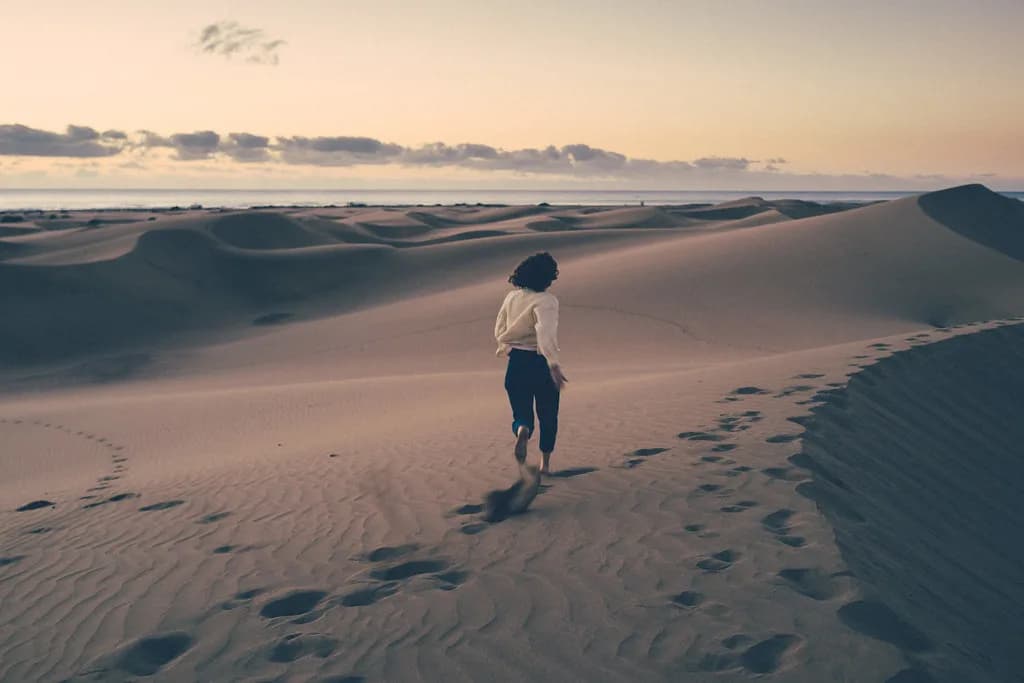
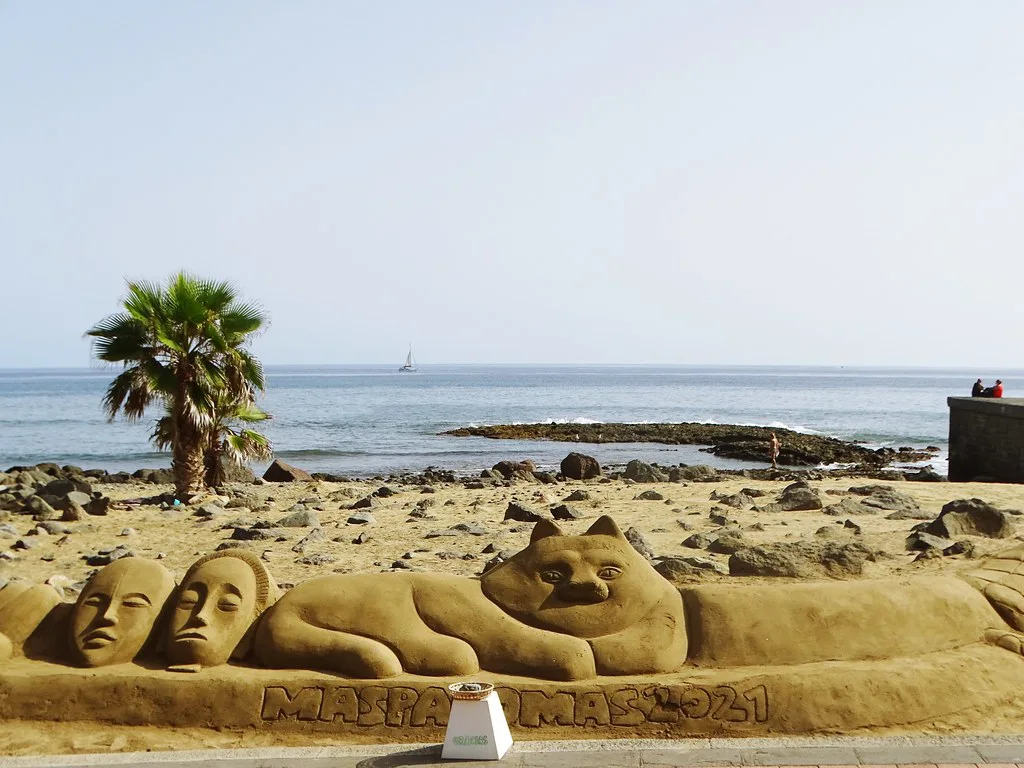
The Maspalomas dunes are best before 10am, when the light shows the sand's colours and the crowds have not arrived. If you are heading for the southern resorts rather than the dunes, our notes on Playa del Inglés explain what that stretch of coast is actually like.
The Barranco de Las Vacas slot canyon, reached from Agüimes along the GC-550, is short and secretive enough to get crowded, so late afternoon or shortly before sunset is the better slot. The walls are pretty and atmospheric, but there is little else to do, so a visit takes about 20 minutes.
What to cut when time is short
If you have three days, cut the south first: the resorts around Maspalomas are the least rewarding part of the island for anyone who came for landscape, even though the dunes themselves are worth an hour. Skip Puerto de Mogán unless you want the marina and colourful waterfront, and give Fataga a miss rather than rushing it.
With four or five days, drop Cuatro Puertas or the Barranco de Las Vacas before you drop the GC-210, because the western canyon road is the single most spectacular drive on the island. The free archaeological site at Cuatro Puertas is open and unstaffed, so it makes an easy early stop if you are heading east anyway.
If you are weighing island options, our comparison of how many days in alicante shows the same logic applied to a mainland city break.
Who should stay a week or longer, and who should shorten the trip
Stay seven days or more if you hike, photograph landscapes or want to drive every mountain road without rushing; the extra days cover Los Tilos de Moya, Pico de las Nieves and the quieter corners of the north. Shorten to three or four days if you mainly want Las Palmas, Roque Nublo and one coastal stop, and accept that you will skip the west.
Families and resort-based travellers who plan to stay put can book fewer touring days, because the beach and pool fill the rest of the time. Anyone without a car should add a day or two to compensate for the sparse interior buses, or join organised tours from Las Palmas and the southern resorts.
Plan Your Visit
Book five days if you want to see Gran Canaria properly, three if you only have a long weekend, and seven if walking is the point of the trip. Rent a car, base yourself in two or three places rather than one, and plan each day around a lunch that ends by mid-afternoon.
Check current opening times and prices for museums, restaurants and sites before you travel, since these change through the year. For the full list of what to see across the island, browse our Gran Canaria Attractions: 6 Visitor Guides.
Explore more Gran Canaria guides
Frequently Asked Questions
How many days do you need in Gran Canaria?
Three days is the minimum for Las Palmas and the central mountains, five days lets you loop the island including the north and south coasts, and seven days suits hikers who want Los Tilos de Moya and Pico de las Nieves as well.
Is 3 days enough for Gran Canaria?
It is enough for a taster: Las Palmas de Gran Canaria in the morning, Roque Nublo and Tejeda in the afternoon, and one more area on the third day. You will miss the western GC-210 road and most of the coast, so three days suits a short break rather than a full tour.
Is 5 days in Gran Canaria enough?
Five days is the sweet spot for a self-drive loop: the capital, Teror and Gáldar in the north, the GC-210 to Artenara, the centre around Roque Nublo and Tejeda, and the southern dunes and Puerto de Mogán. It leaves little slack, so early starts matter.
Do you need a car in Gran Canaria?
A car makes a big difference because buses on the less popular interior routes run only a couple of times a day, limiting you to one or two stops. Without one, base yourself in Las Palmas or the south and use organised tours for the mountains.
What is the best month to go to Gran Canaria?
The island has a mild climate year-round, but the best month depends on your plan. Spring and autumn suit hiking and driving, while high summer is hotter and busier, especially in the southern resorts. Check seasonal conditions before booking.
Where should I base myself in Gran Canaria?
Las Palmas for city food and museums, Agaete for the north-west and Puerto de las Nieves, Tejeda for hiking, and the south around Maspalomas for the dunes and Puerto de Mogán. Two or three bases cut driving time more than one central hotel.
Sources
Notes for eating well in Spain
Optional updates to our guides.
You might also like
Continue reading
More guides you'll find useful